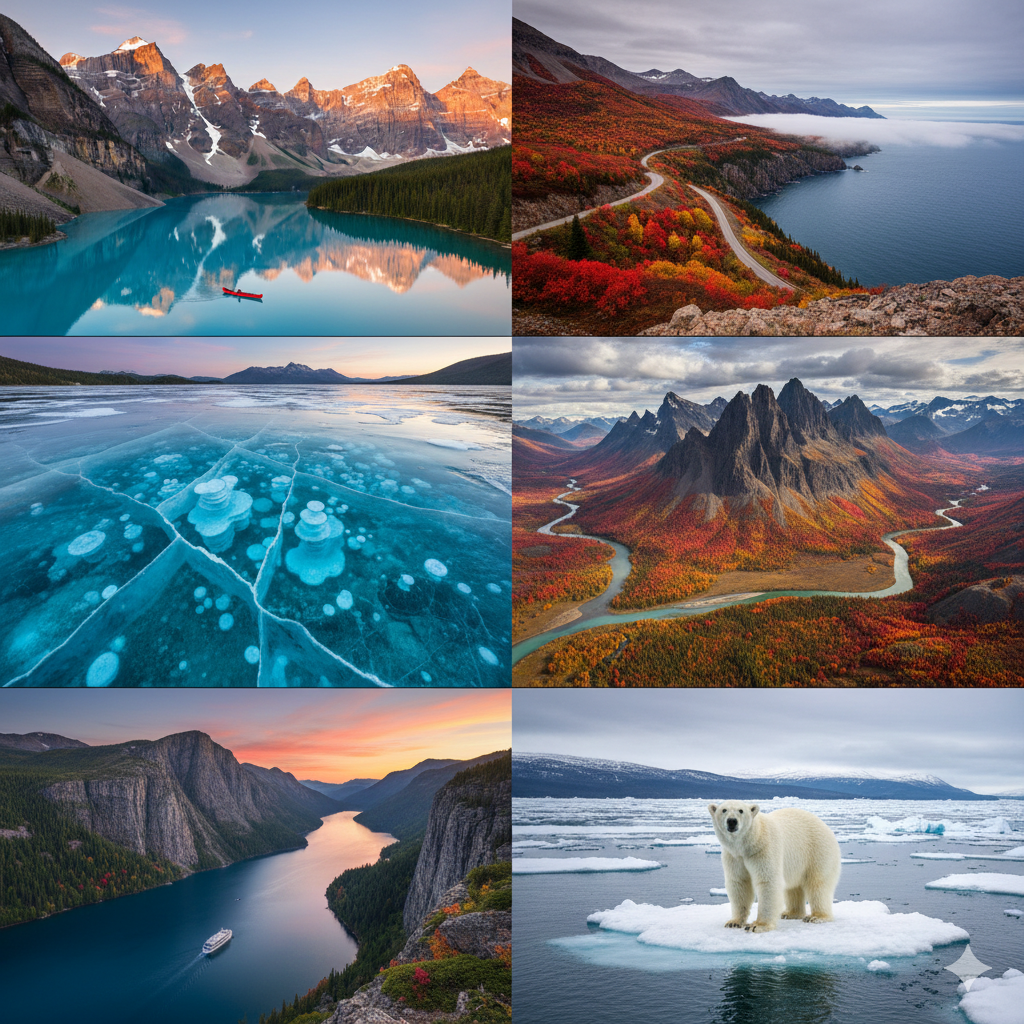
Canada has landscapes that look so unreal, so impossibly cinematic, that visitors sometimes assume the photos are edited — or straight-up AI-generated. But these places exist, and they’re very real. From turquoise lakes that glow like polished gemstones to tundra horizons that melt into the sky, Canada’s geography is essentially a highlight reel of “this can’t be real” moments. Here are 18 places so beautiful you’ll think they are AI.
Moraine Lake, Alberta
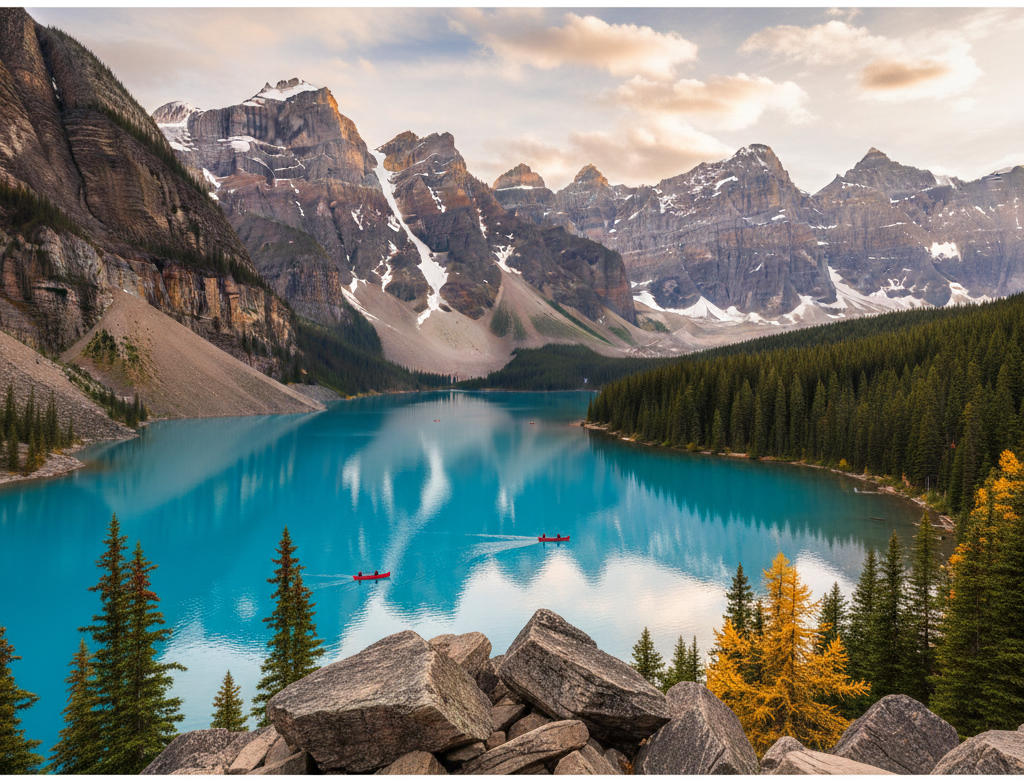
Moraine Lake’s surreal turquoise colour is so vivid that people often assume the photos are filtered. Sitting in the Valley of the Ten Peaks, the water reflects a palette that feels digitally enhanced — deep blues, electric teal, and milky glacial undertones that shift with the light. The framing of ten jagged mountains makes the entire landscape look like a rendering from a fantasy world. At sunrise, the peaks glow gold while the lake stays neon-blue, creating a contrast that seems impossible in real life. Even lifelong Albertans admit the place feels unreal every single visit.
Fogo Island, Newfoundland & Labrador
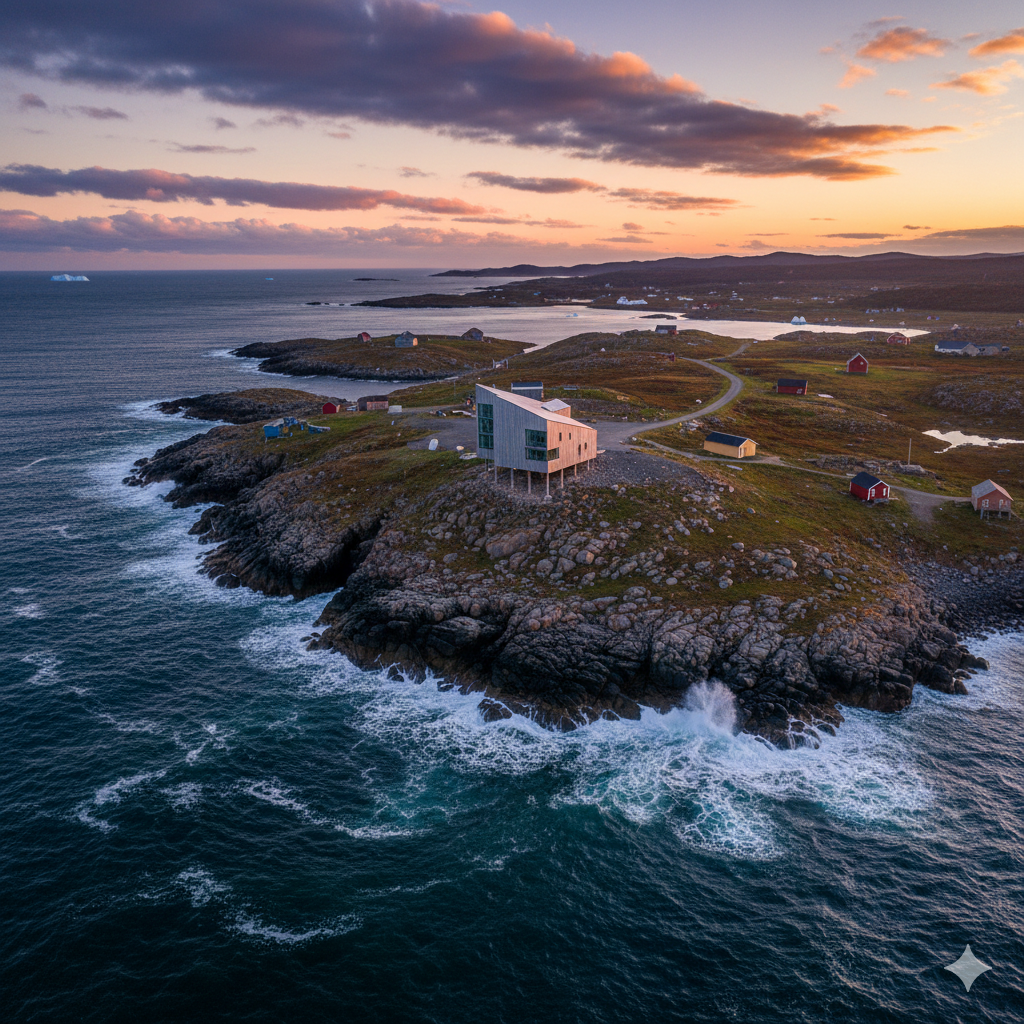
Fogo Island blends rugged Atlantic edges with Scandinavian-style design in a way that feels almost too aesthetic for reality. The stark coastline, flat-topped rocks, silent coves, and pastel-coloured homes give the island a minimalist, dreamlike energy. Then there’s the world-renowned Fogo Island Inn — perched on stilts, clean-lined, and cinematic from every angle. The whole landscape looks curated, as if someone generated the perfect Atlantic mood board. Visiting feels like stepping into a handcrafted digital painting — except the wind, waves, and community warmth remind you it’s entirely, beautifully real.
Peyto Lake, Alberta
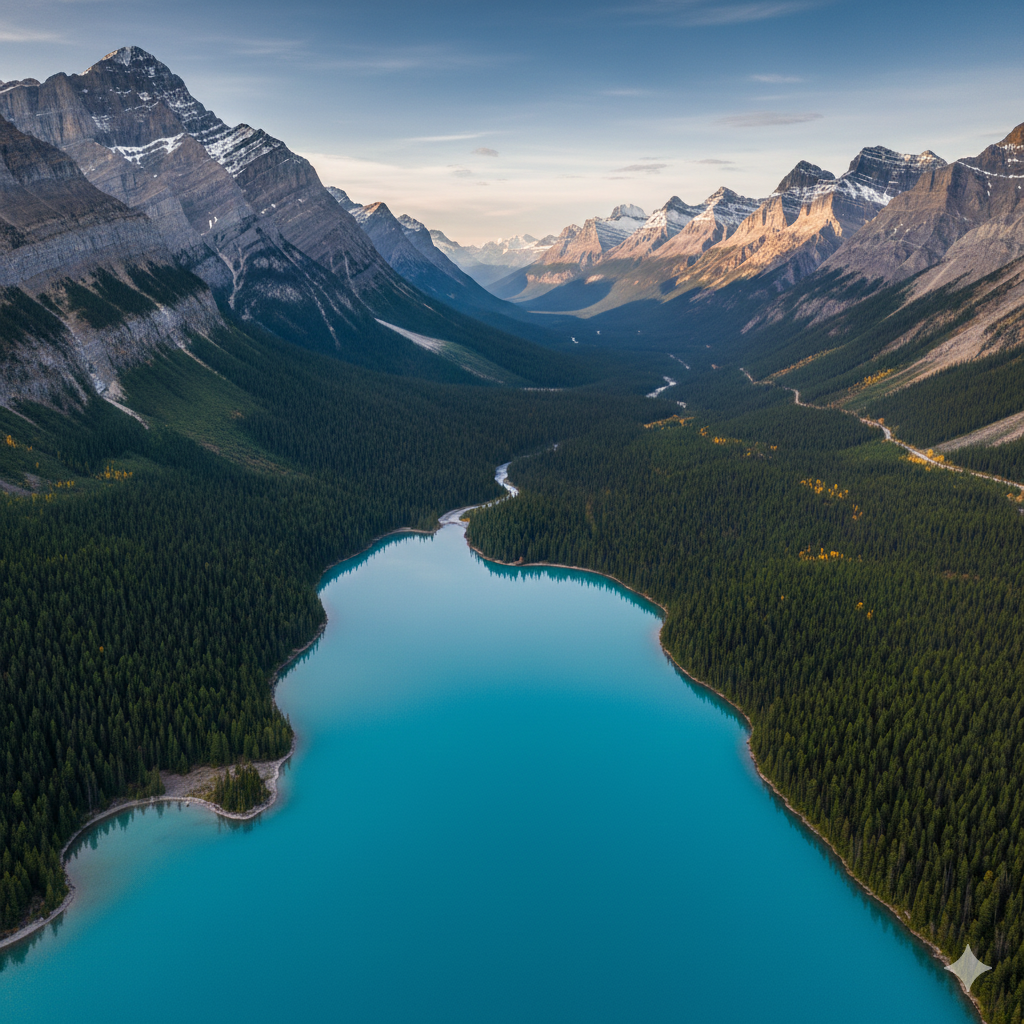
Peyto Lake is shaped like a wolf’s head and glows an impossibly bright icy turquoise because of glacial rock flour suspended in the water. Most lakes look blue; Peyto looks neon. From the viewpoint, the lake appears almost backlit, radiating a colour most people associate with digital animation. The surrounding valley layers greens, greys, and blues in geometric patterns that resemble a landscape rendered by an algorithm obsessed with symmetry. Sunrise turns the whole area into a glowing gradient. It’s surreal, dramatic, and almost too perfect — the kind of place people assume can’t possibly look like that in real life.
Haida Gwaii, British Columbia
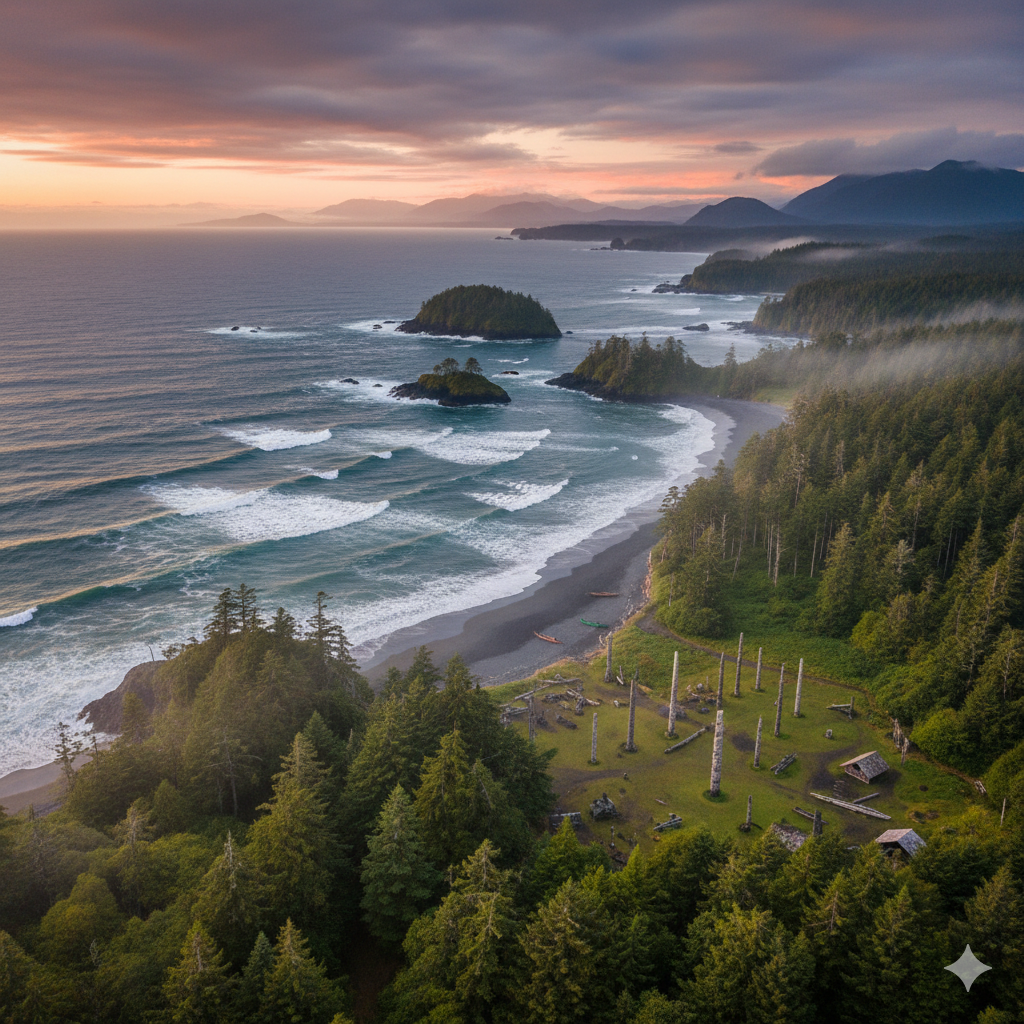
Haida Gwaii feels like stepping into an ancient, enchanted world. Mist-laced forests, moss-draped cedars, and shorelines lined with towering totem poles give the islands an atmosphere that seems otherworldly. The blend of cultural depth, untouched wilderness, and dramatic weather makes everything feel hyper-real — like a mythic setting brought to life. Even simple moments, like fog rolling over the coast or an eagle circling above a tidepool, look like frames from a meticulously crafted CGI film. Haida Gwaii doesn’t just look beautiful; it feels layered with something deeper, creating a landscape that almost seems too magical to be unedited.
Abraham Lake Ice Bubbles, Alberta
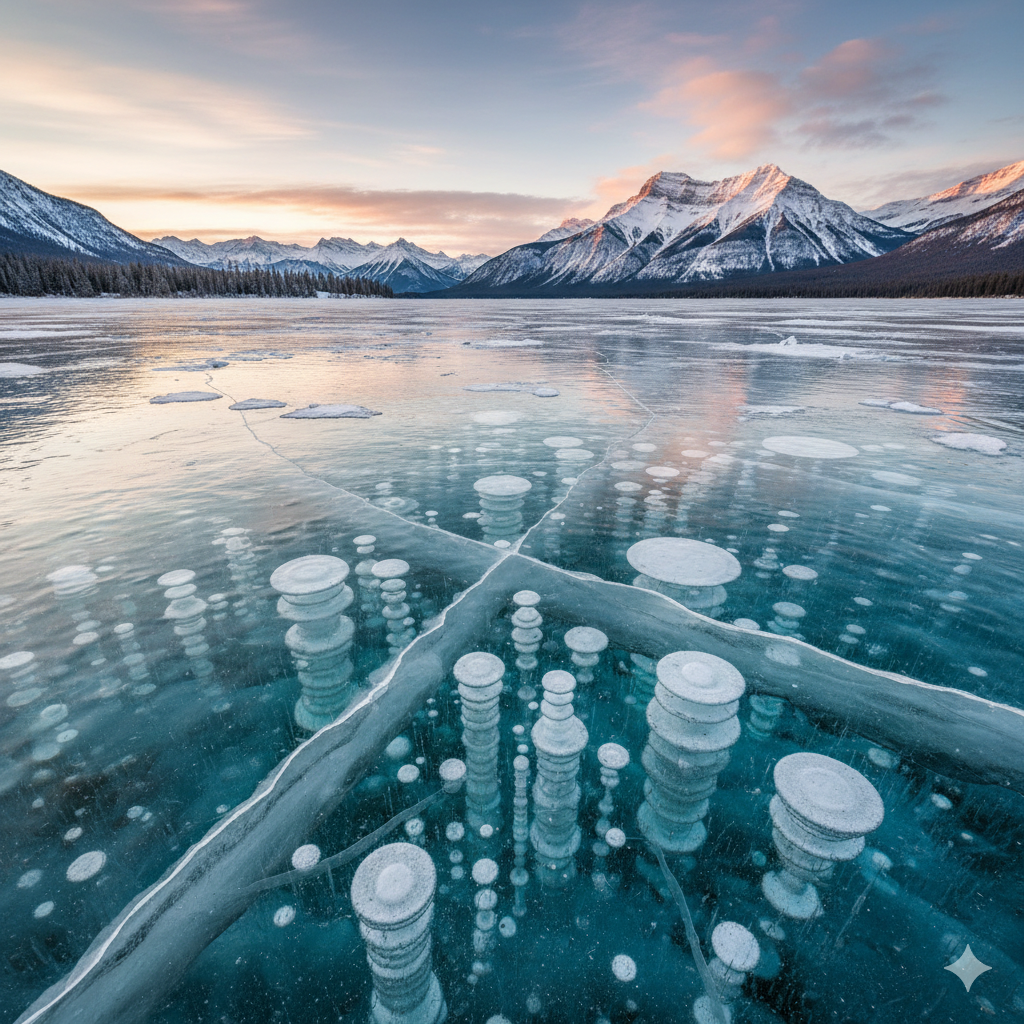
In winter, Abraham Lake transforms into a natural optical illusion. Methane bubbles freeze in layered stacks beneath the surface, creating a pattern that looks like glowing white orbs floating in transparent glass. Photos of the lake often go viral because they look digitally generated — crystalline blues, suspended circles, and ice so clear it resembles polished quartz. Walking across it feels like stepping on a futuristic digital panel. The surrounding mountains add cinematic depth, turning the frozen lake into a sci-fi backdrop. It’s one of Canada’s most surreal winter phenomena, and it’s entirely natural.
Mount Assiniboine, British Columbia/Alberta
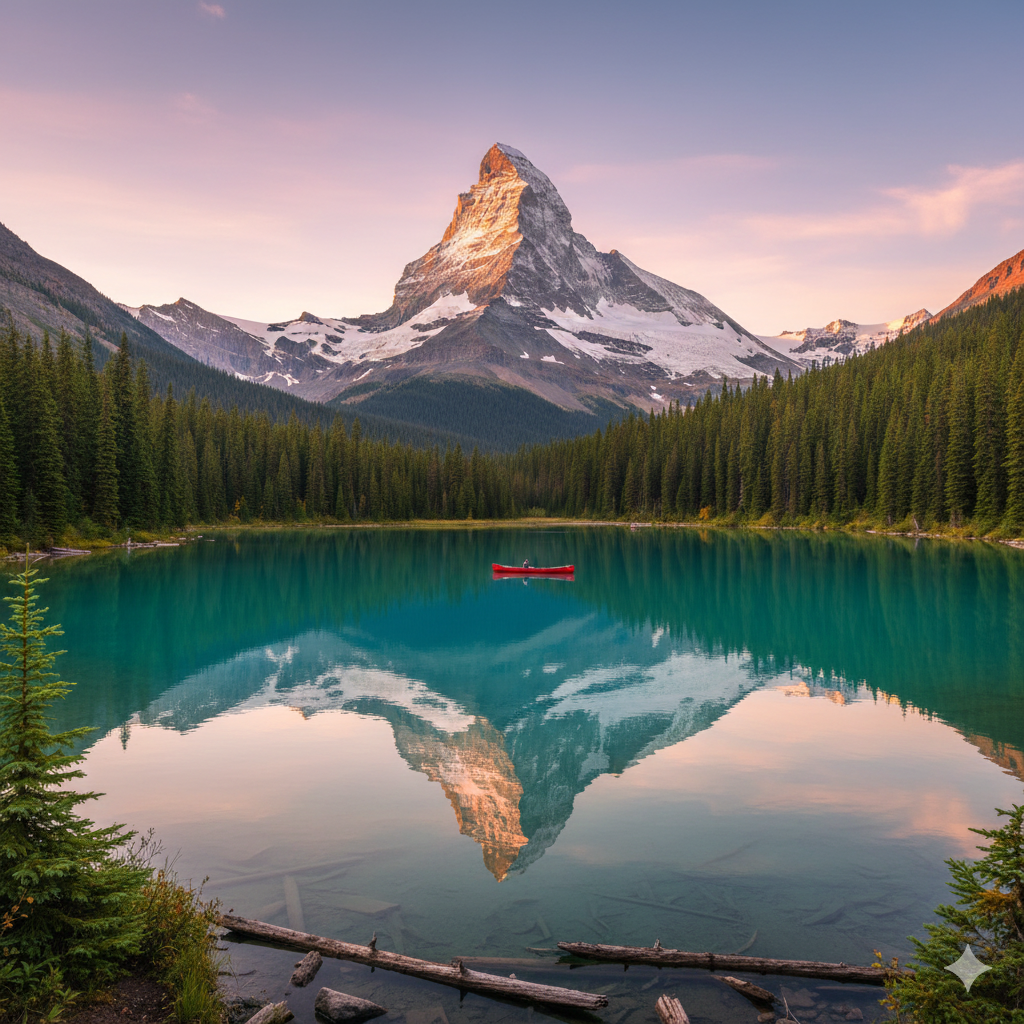
Often called the “Matterhorn of the Rockies,” Mount Assiniboine rises in a perfect pyramid shape that feels mathematically engineered. The symmetry is so striking that many first-time visitors ask if the photos are edited. The surrounding meadows, lakes, and alpine ridges create a composition that looks like a computer-generated rendering of the ideal mountain landscape. Because the area is only accessible by helicopter, horse, or multi-day hike, it stays pristine — adding to the dreamlike atmosphere. At sunset, the peak glows orange while the valley turns lavender, creating colour transitions that look algorithmically smooth.
Big Muddy Badlands, Saskatchewan
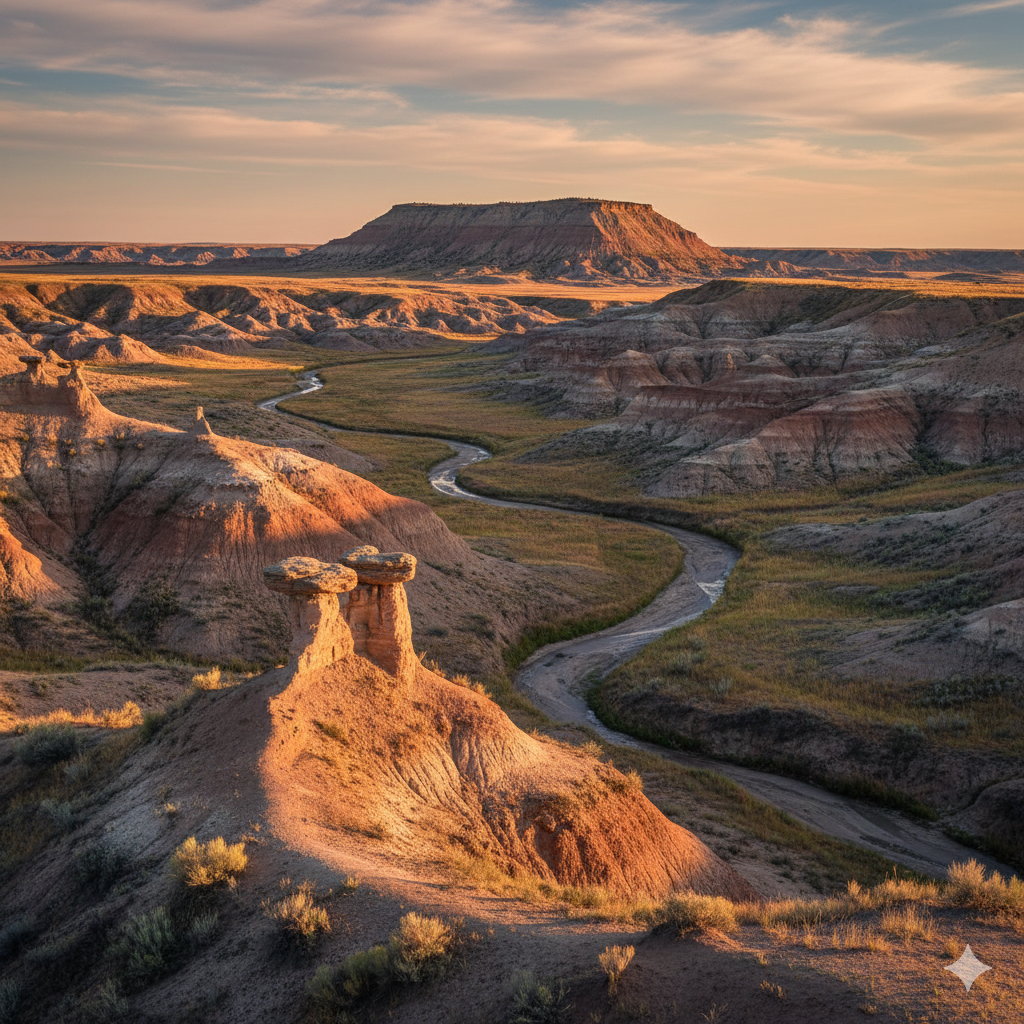
The Big Muddy Badlands feel like they were teleported from another planet. Eroded buttes, sunburned cliffs, sandstone hoodoos, and deep coulees carve patterns across the land that resemble 3D terrain models. The textures, colours, and contours look digitally sculpted. Add in outlaw caves, wildlife tracks, and endless horizons, and the landscape feels like a desert simulation rather than southern Saskatchewan. New visitors often assume pictures of the area are AI-generated because the geography looks unlike anything else in Canada — part Wild West, part Martian canyon, entirely surreal.
Lake Superior Provincial Park, Ontario
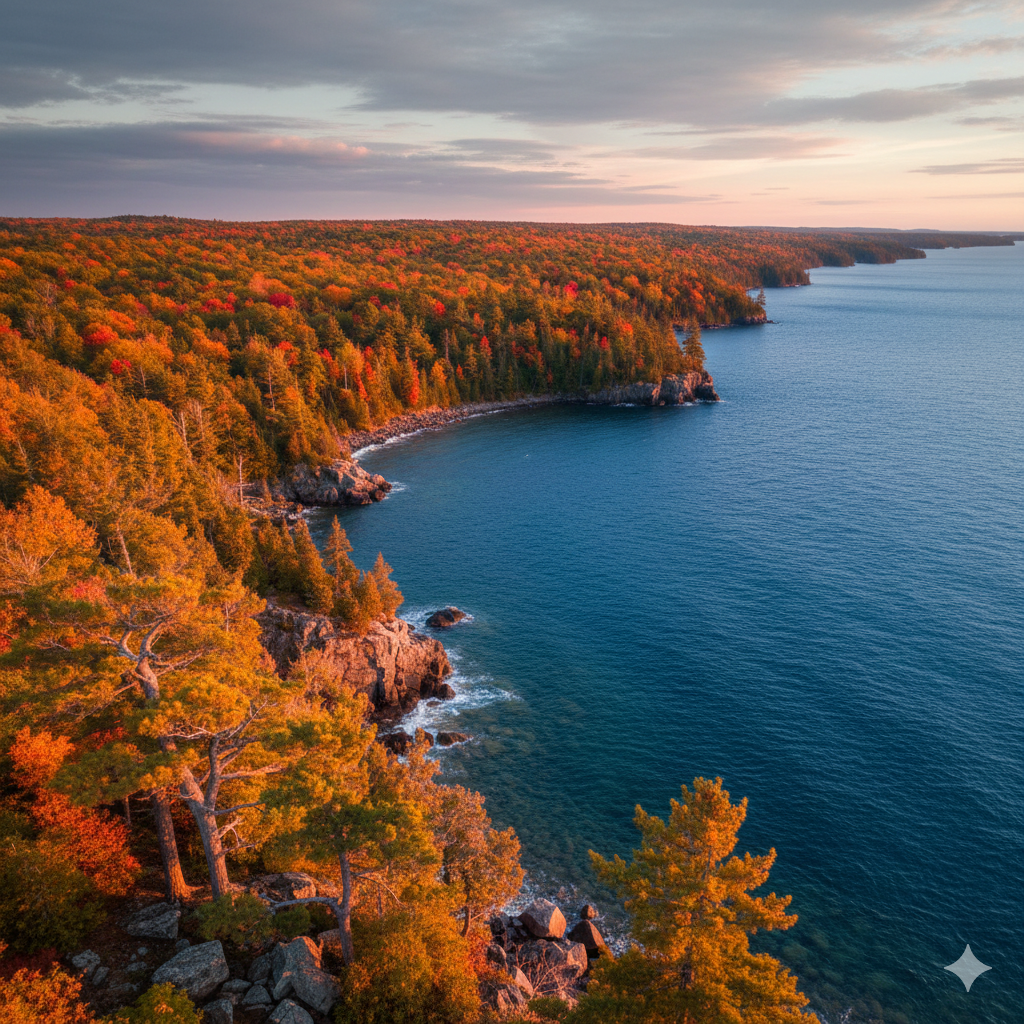
The colour gradients of Lake Superior — deep indigo, clear turquoise, and silver-blue — often look like something produced by an image generator. The water is so transparent in places that kayaks appear to float in mid-air. Add in red-rock cliffs, hidden coves, broad beaches, and boreal forests that meet the shoreline, and the entire park feels hyper-stylized. Even the sky looks different here: Superior’s storms, mists, and sunsets create dramatic lighting that makes photos look edited even when they aren’t. It’s one of Ontario’s wildest, most cinematic landscapes — and one that constantly tricks the eye.
Nunavut’s Auyuittuq National Park
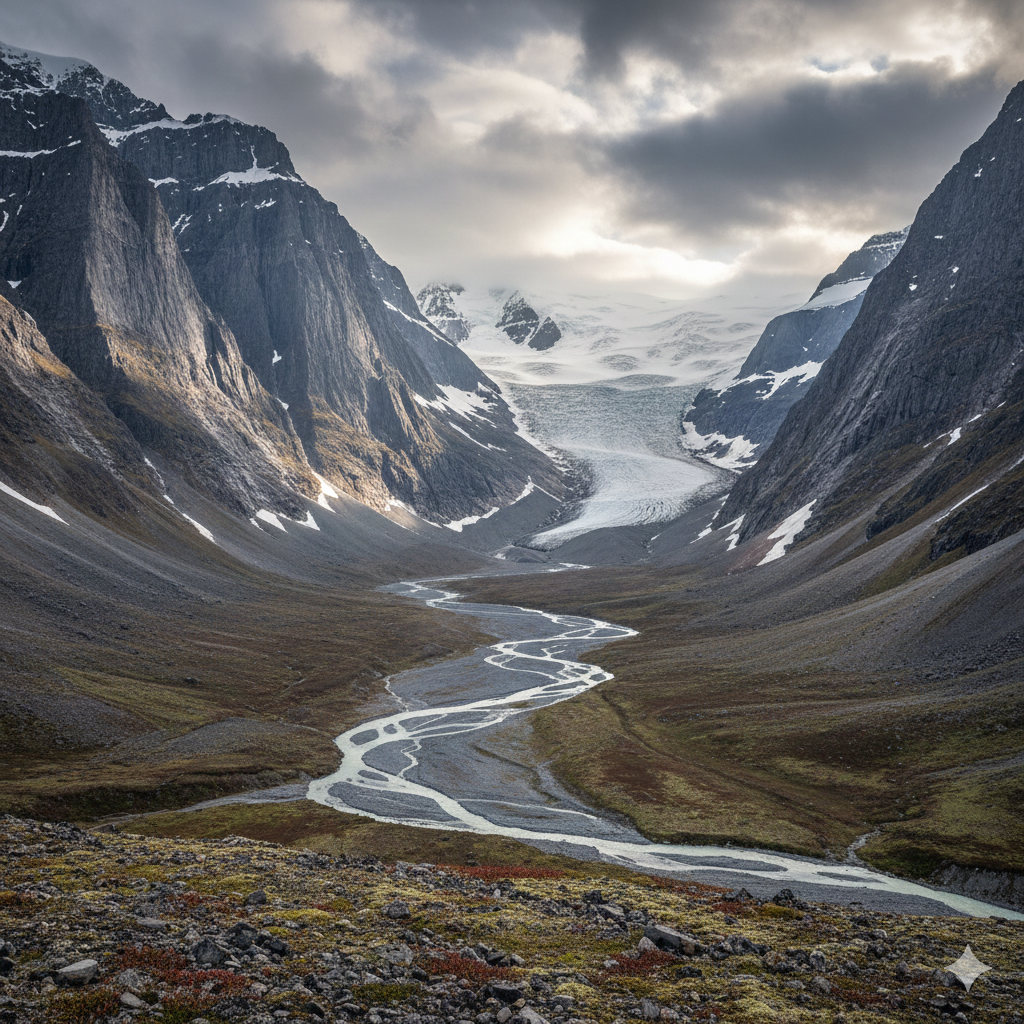
Auyuittuq National Park looks like a high-fantasy world carved by giants. Sheer granite walls, narrow glaciers, sharp ridges, and wide Arctic valleys stretch into horizons that seem too dramatic to be real. Landmarks like Mount Thor — with the world’s greatest vertical drop — look digitally exaggerated, yet they’re entirely natural. The contrast of bright tundra, blue ice, and towering peaks creates a visual palette that resembles photorealistic CGI. For many travellers, the park feels like stepping into an unrendered version of another planet. Its beauty is raw, intimidating, and utterly unforgettable.
Cape Breton Highlands, Nova Scotia
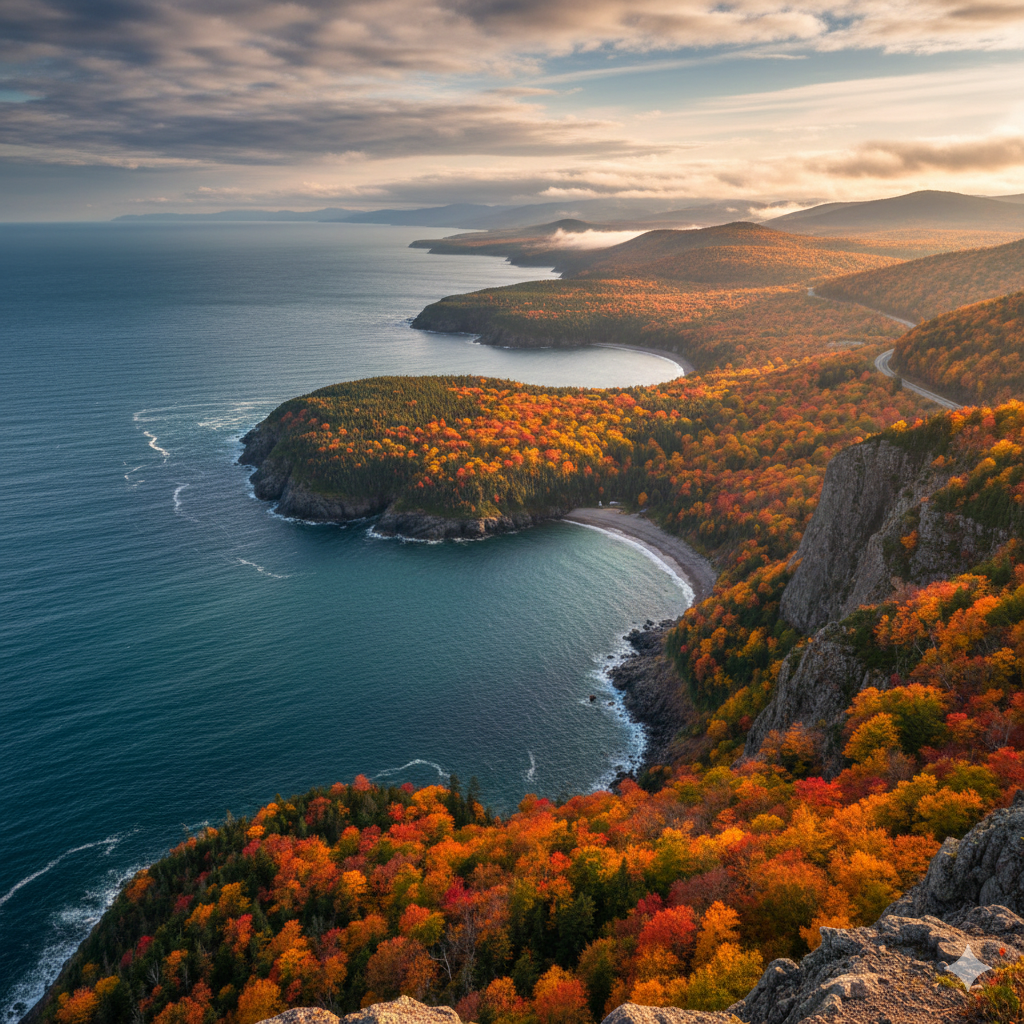
The Cape Breton Highlands look like a digital artist’s experiment in merging ocean and mountain layers. The Cabot Trail winds through cliffs that tower above the Atlantic, with views so sweeping they feel stitched together from multiple images. In autumn, the hills turn into a glowing tapestry of reds, golds, and deep greens — colours that seem too saturated to exist in nature. Fog drifts over the highway in soft ribbons, making the coast appear dreamlike. On clear days, the water glitters with a metallic blue sheen that resembles a rendered animation. The combination of dramatic drop-offs, forest-lined ridges, and endless sea creates a landscape that feels dynamic, shifting, and hyper-real. Visitors often say it looks edited even when seen with their own eyes.
Spirit Island, Alberta
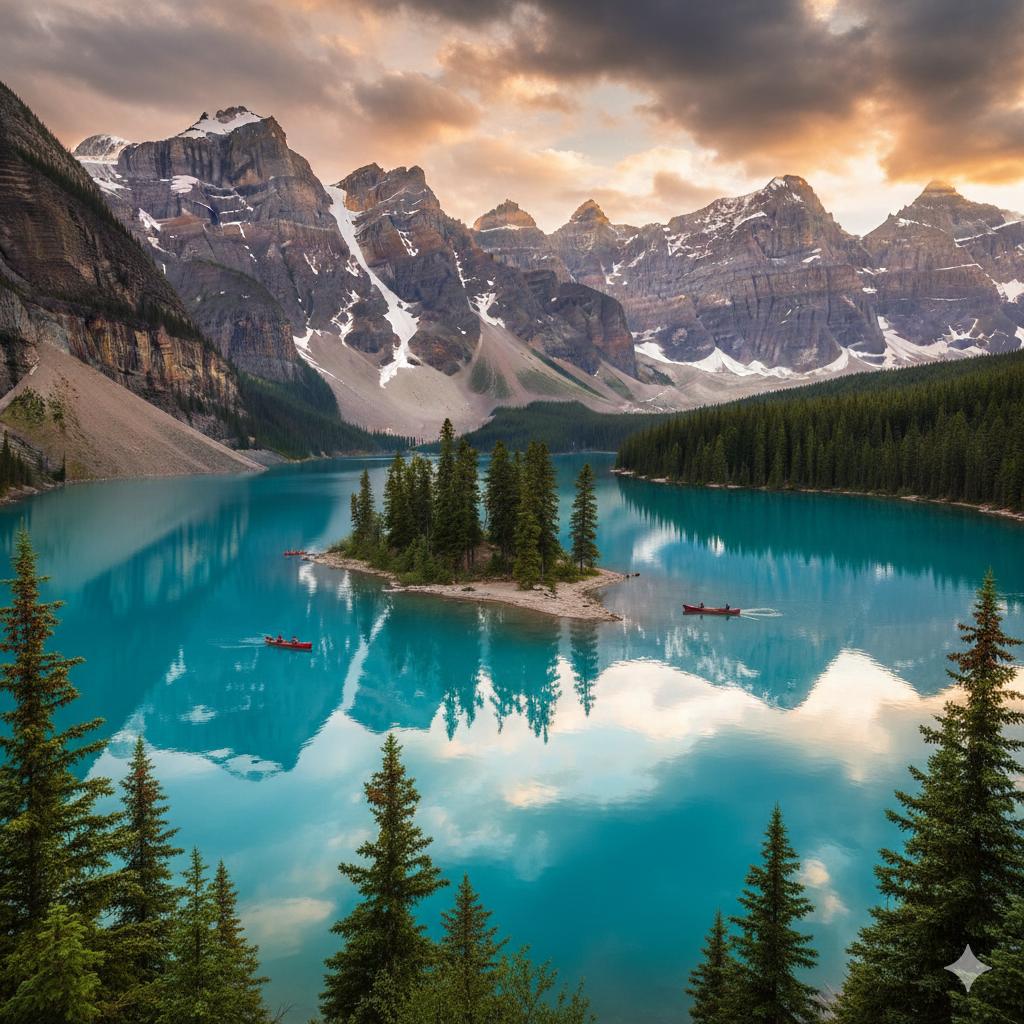
Spirit Island, floating in the turquoise waters of Maligne Lake, looks like it was designed as the world’s most photogenic desktop wallpaper. The island sits perfectly framed by cliffs and glacier-fed water, creating a symmetry that seems planned rather than natural. The lighting in the valley changes constantly — sometimes bathing the island in warm gold, other times turning everything cool and slate-toned. The reflections are so clear that photographs appear duplicated, as if AI simply mirrored the image. The entire scene feels curated for maximum impact. Even the journey there — accessible only by boat or multi-hour paddle — adds to the sense that you’re entering a rendered environment rather than a real place. It’s one of Canada’s most iconic “this cannot be real” landscapes.
Tombstone Territorial Park, Yukon
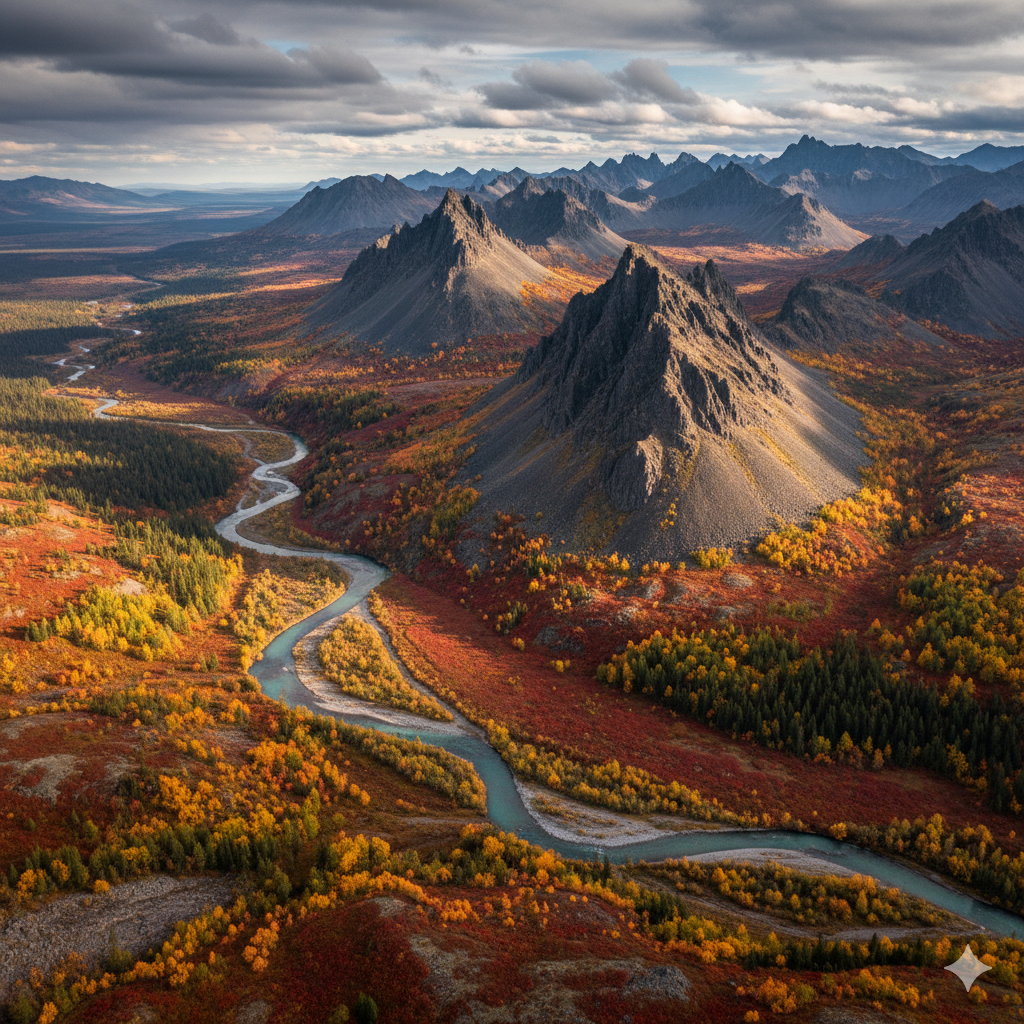
With jagged black granite peaks piercing the sky, Tombstone looks like a fantasy illustrator’s fever dream. The mountains rise vertically in sharp angles, contrasting against rolling tundra painted with oranges, yellows, and reds during fall. The colours are so strong that photos often look artificially enhanced — but they’re untouched. Low-lying fog curls around the base of the peaks, creating depth and atmospheric layers that resemble digital concept art. Every valley, ridge, and river seems dramatically carved, as if sculpted by a meticulous 3D artist obsessed with texture. Visitors often describe the park as “an unrendered video game world,” where dramatic lighting, raw geology, and Arctic stillness combine into a visual experience that feels completely unreal.
Waterton Lakes National Park, Alberta
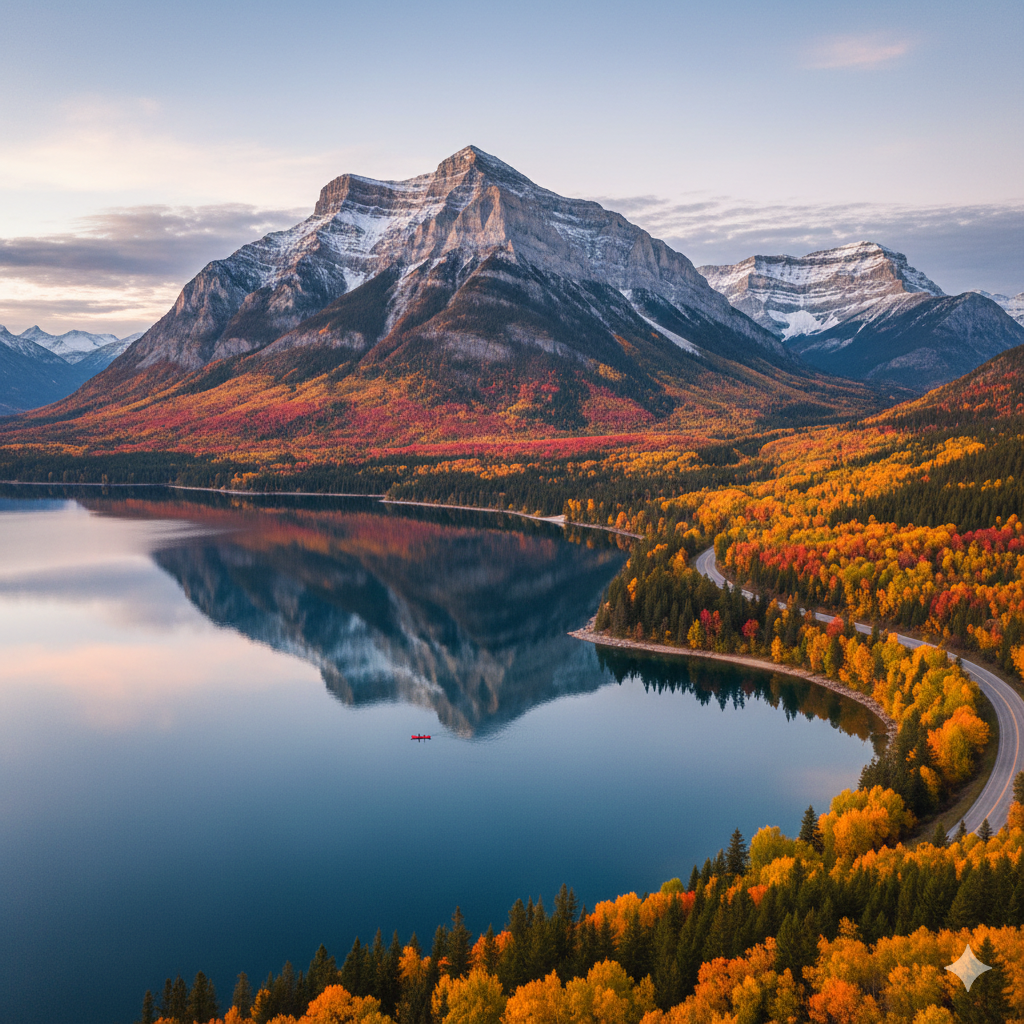
Waterton’s beauty feels almost algorithmic: sharp mountains, deep-blue lakes, rolling prairies, and wind-bent wildflowers all converge in one compact, unbelievably photogenic park. The landscape looks like a cross between Switzerland and Montana, yet uniquely Albertan in its ruggedness. The Prince of Wales Hotel, perched high above Upper Waterton Lake, looks digitally inserted — its symmetry and placement are almost too perfect. When storms blow in, the light fractures across the water in dramatic streaks. When the sun returns, the lake glows a jewel-like blue that often appears edited. Waterton is a place where contrasts collide: plains meet peaks, wind meets stillness, and every angle yields another unreal frame.
Mount Robson, British Columbia
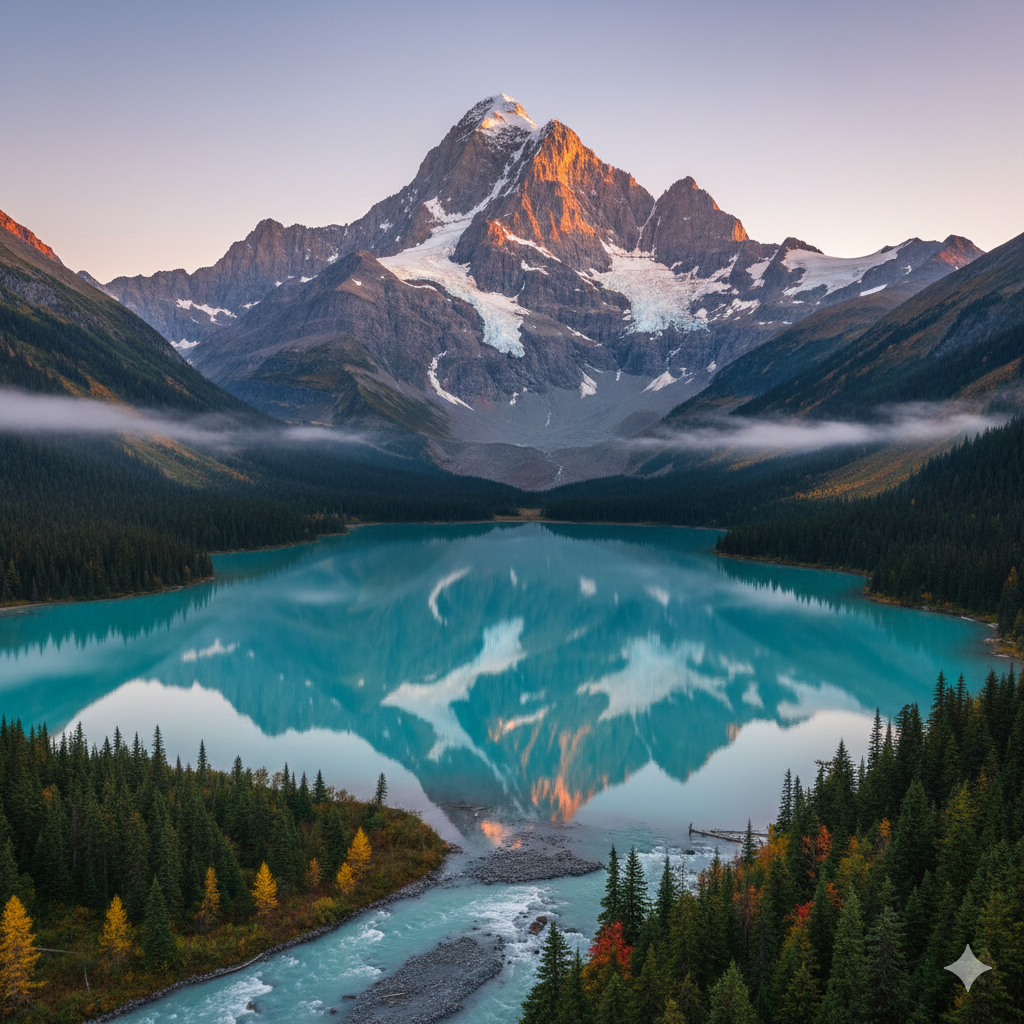
Mount Robson is one of those peaks that doesn’t look real even when you’re standing at its base. Its massive, layered walls rise abruptly into the sky, crowned by snowfields that catch the light like polished silver. The mountain dominates everything around it, creating proportions that feel exaggerated — almost AI-scaled. Berg Lake, sitting below its glaciers, glows a surreal turquoise, reflecting icefalls that look digitally sculpted. Clouds often cling to Robson’s summit in slow-moving halos, adding to the sense that the mountain is performing. The entire scene feels engineered for dramatic effect, despite being entirely natural. It’s one of the most astonishing landscapes in the Rockies.
Quebec’s Saguenay Fjord
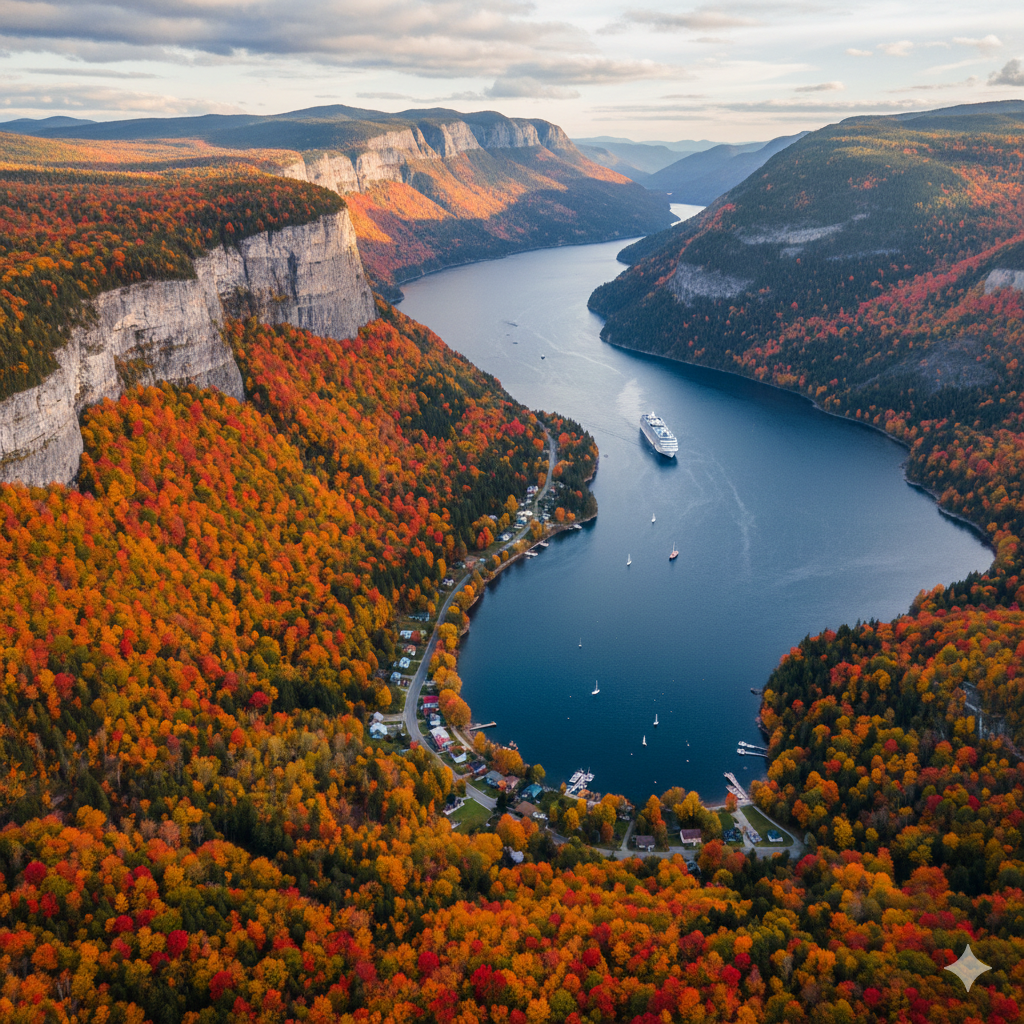
The Saguenay Fjord blends Nordic drama with Québecois charm. Sheer cliffs plunge into deep-blue waters, creating vertical walls that feel digitally enhanced in their symmetry and height. Whether viewed from the shoreline, from a lookout, or from a passing boat, the fjord’s proportions look engineered — like someone exaggerated the depth and steepness in post-production. Mist often rolls across the surface, forming ribbons that drift between the cliffs like animated layers. Add in the charming villages perched along the edges and the occasional appearance of belugas, and the entire scene feels surreal. It’s a landscape that looks Scandinavian but with a distinctly Canadian soul.
Prince Edward Island’s Singing Sands Beach
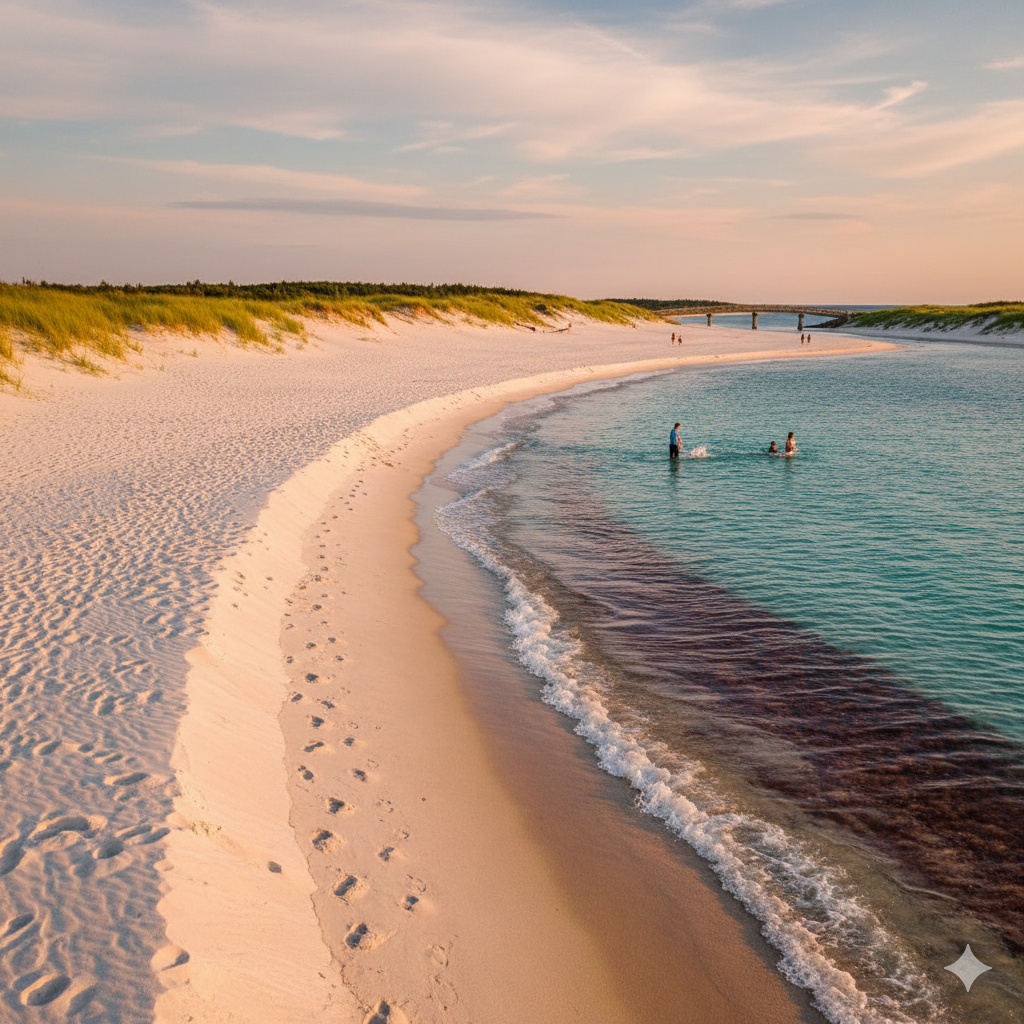
The colours and textures at Singing Sands Beach are almost uncanny. The water shifts from clear teal to milky blue depending on the clouds, and the sand — fine, pale, and unbelievably smooth — squeaks beneath your feet with a sound that resembles digital audio. The shoreline forms gentle curves that look perfectly composited, almost too symmetrical to be natural. Cliffs glow red, dunes rise softly, and waves roll in with a glassy finish that feels animated. At golden hour, the entire coastline glows pink and copper, transforming the beach into something you’d expect from an AI-generated island rendering. Yet every bit of it is natural, shaped by tide, wind, and time.
Athabasca Sand Dunes, Saskatchewan
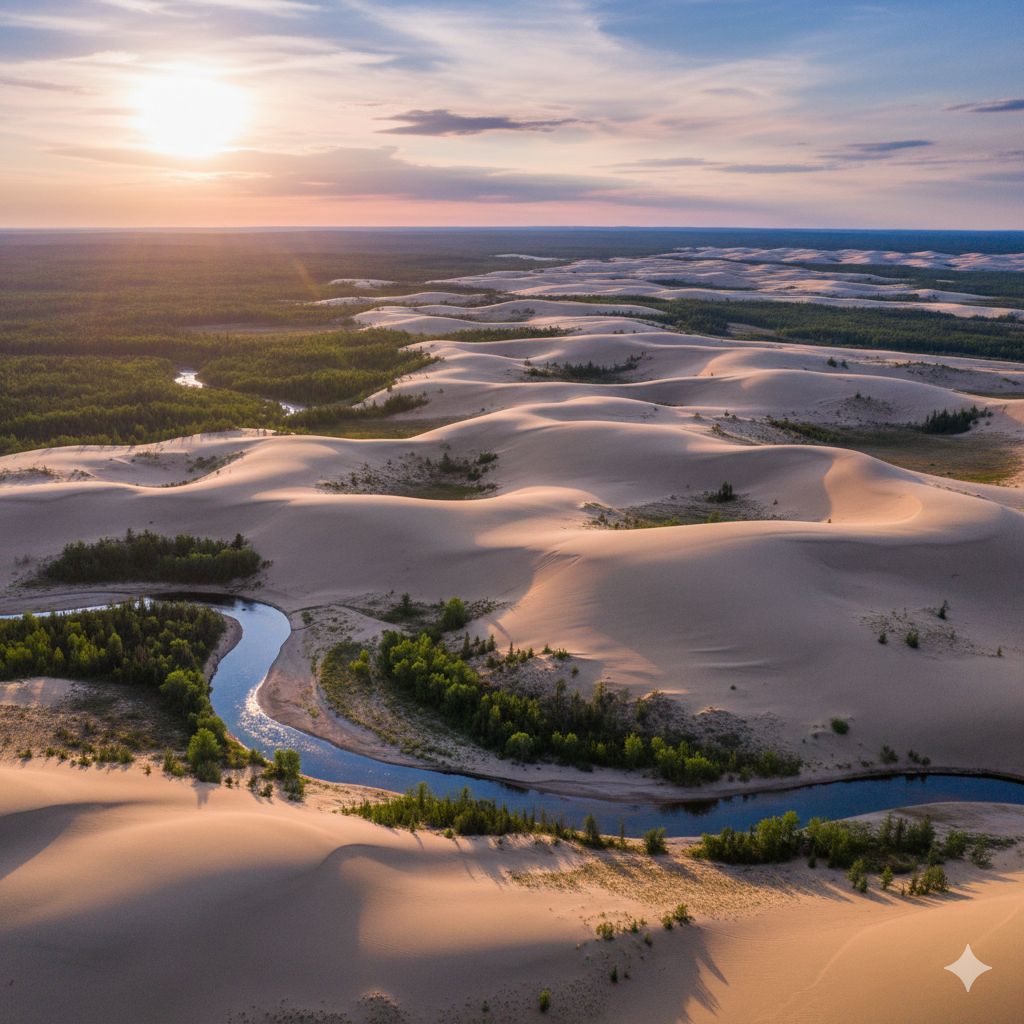
Few people expect Canada to have giant dunes, let alone dunes that look like a hyper-real desert simulation. The Athabasca Sand Dunes stretch for nearly 100 km along the edge of Lake Athabasca, forming waves, ripples, and ridges that shift with long northern winds. The contrast between soft gold sand and deep blue lake is so intense that it looks edited. The dunes rise in dramatic layers that resemble 3D terrain models. Rare plants grow only here, adding pops of green to a landscape that seems impossible for Saskatchewan. It’s one of Canada’s most surprising “this cannot be real” places.
Gros Morne National Park, Newfoundland & Labrador
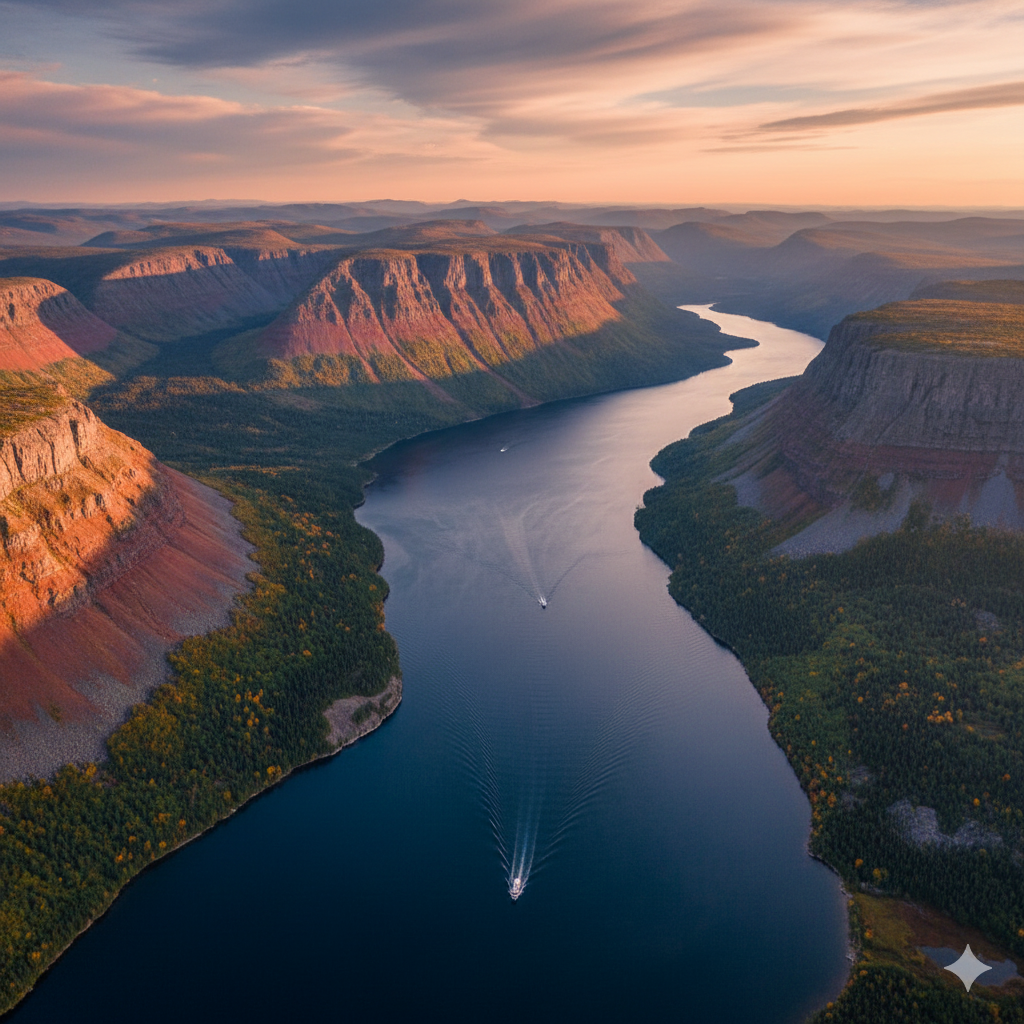
Gros Morne looks like a geologist’s dream rendered in ultra-high definition. The Tablelands — a vast stretch of exposed mantle rock — glow orange and ochre, making the landscape feel Martian. Western Brook Pond fjord slices through towering cliffs, its water so still it reflects like a perfect mirror. The proportions of the fjord walls feel exaggerated, too steep and sharp to be natural. Even the sky seems more dramatic here, shifting between electric blue, soft fog, and stormy charcoal. The entire park feels surreal, ancient, and cinematic — a place where every angle looks like environmental concept art brought to life.
21 Products Canadians Should Stockpile Before Tariffs Hit

If trade tensions escalate between Canada and the U.S., everyday essentials can suddenly disappear or skyrocket in price. Products like pantry basics and tech must-haves that depend on are deeply tied to cross-border supply chains and are likely to face various kinds of disruptions
21 Products Canadians Should Stockpile Before Tariffs Hit
