
Canada has a long track record of responding to tense moments with steady steps. While neighbors to the south often move fast, Canada usually moves more slowly and sticks to small fixes. This calm approach has helped the country avoid many messy outcomes. It also shows how a measured response can help under pressure. These examples highlight moments when Canada stayed relaxed during situations that caused loud reactions in the U.S. Here are 22 Times Canada Stayed Calm While the U.S. Panicked.
When Interest Rates Jumped

Interest rate hikes triggered strong reactions in the U.S., with warnings across news channels. Canada responded with slower steps and practical language. The Bank of Canada released calm updates that helped people understand changes. Borrowers received guidance that eased pressure. Many households adjusted through small planning rather than sudden decisions. The steady tone lowered stress across communities. This measured approach helped people stay focused. It kept the situation from feeling overwhelming during a tense period.
When Gas Prices Spiked

Gas prices rose across North America, but the U.S. reacted with intense debates and frustration. Canada stayed grounded. Provinces shared steady updates about supply, helping prevent panic buying. Drivers planned errands to reduce fuel use. Households discussed long-term habits instead of reacting to daily price shifts. Many waited patiently for costs to settle. This calm approach avoided rushed decisions and kept the mood steady. People adjusted without large emotional swings. The steady communication helped maintain stability.
When Grocery Prices Surged

Food prices climbed quickly, causing tense conversations in the U.S. Canada responded with quieter, practical steps. Stores highlighted weekly discounts, helping families manage budgets. Households made simple swaps instead of stockpiling goods. Leaders met with retailers for slow, focused talks. People concentrated on meal planning and trimming small costs. The overall tone stayed stable. Communities shared tips rather than spreading fear. This approach reduced pressure for many families. It kept daily routines from feeling disrupted by rising costs.
When Travel Delays Fill Airports
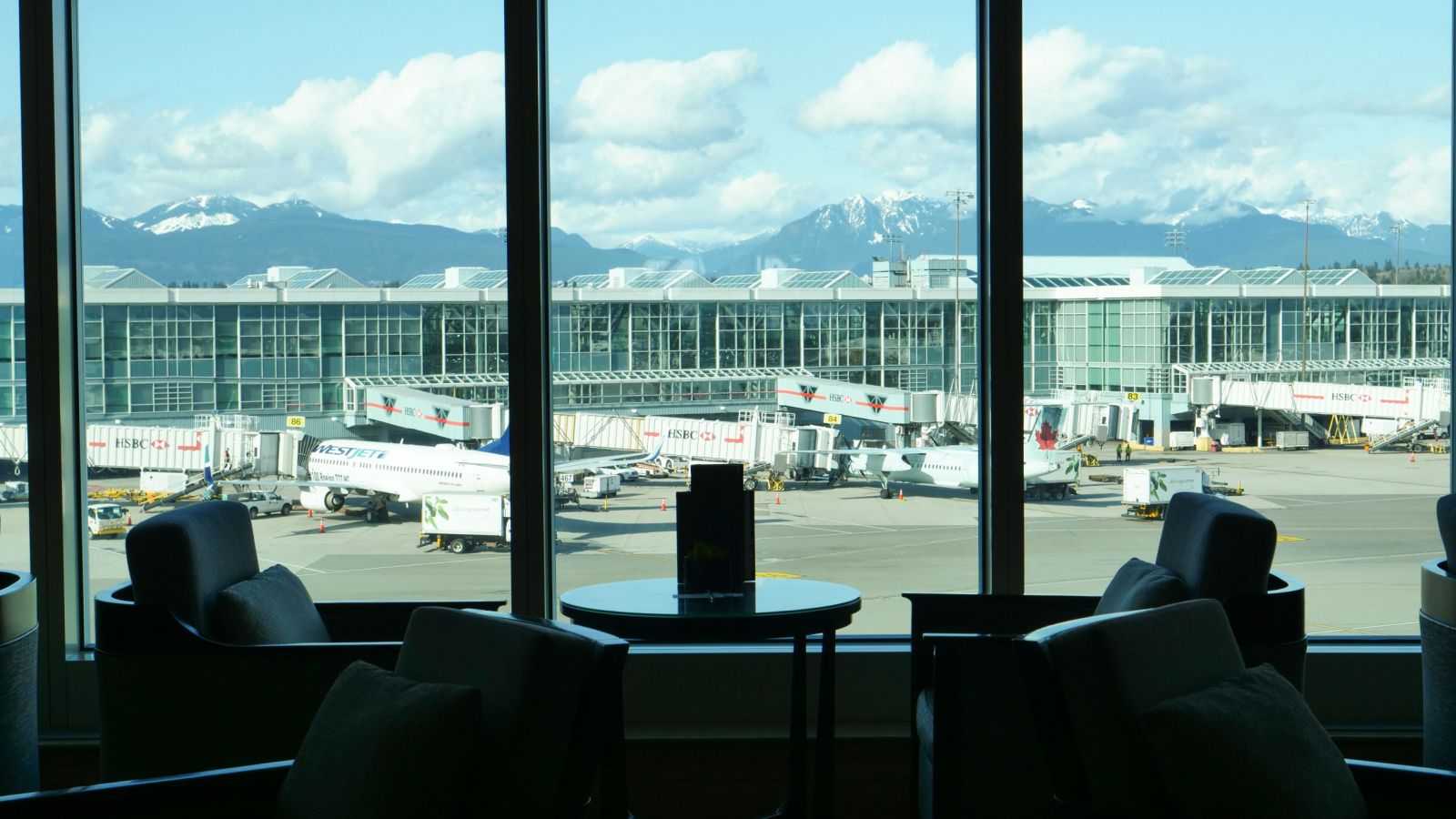
Airport delays created loud frustration in the U.S. Canada faced similar disruptions but reacted with more patience. Staff guided travelers with clear signs. Airports shared short updates to reduce confusion. Many passengers arrived early, expecting longer waits. Crowds stayed more orderly because information remained steady. People treated delays as part of travel rather than a crisis. The calmer tone helped reduce stress. Lines moved slowly but without major tension. This made the situation easier for everyone involved.
During Social Media Outages

U.S. users reacted strongly during large social media outages. Canada stayed relaxed. People waited for platforms to return instead of posting complaints. Local pages shared simple updates. Users shifted to calls or texts when needed. The overall tone stayed light. Many treated outages like brief breaks rather than major problems. Communities avoided panic-driven messages. This helped keep stress levels low. The calm approach made the disruption easier for everyone to manage.
When Tech Layoffs Hit

Tech layoffs caused emotional reactions in the U.S., and Canada responded with grounded steps. Workers focused on training programs. Communities shared job leads to support affected people. Public messaging stayed calm and direct. Many individuals used the moment to reassess their paths. Advisors encouraged slow, steady planning. The quieter tone reduced fear among workers. This helped people navigate challenges without feeling overwhelmed. The measured approach helped communities move through layoffs with greater stability.
During Crypto Market Crashes

Crypto crashes triggered waves of fear-driven posts in the U.S., and Canada reacted with slower, calmer steps. Investors accepted price swings as part of the cycle. Officials reminded people to avoid rushed choices. Many waited for full details before adjusting plans. Discussions centered on long-term habits rather than daily dips. This approach reduced emotional swings among new investors. Communities shared practical advice instead of dramatic claims. The steady tone helped prevent confusion. It kept reactions grounded during volatile periods.
When Heat Waves Hit Cities

Heat waves caused intense warnings in the U.S., and Canada took a calmer approach. Cities opened cooling centers early. Teams shared short reminders about hydration and safety. Neighbors checked on vulnerable residents. People adjusted their routines to stay indoors during peak heat. Updates remained steady and clear. Communities supported one another through simple steps. This calmer tone helped reduce stress. Many saw heat waves as challenges to manage, not emergencies. The steady approach made difficult days easier.
When Cold Snaps Froze Power Lines
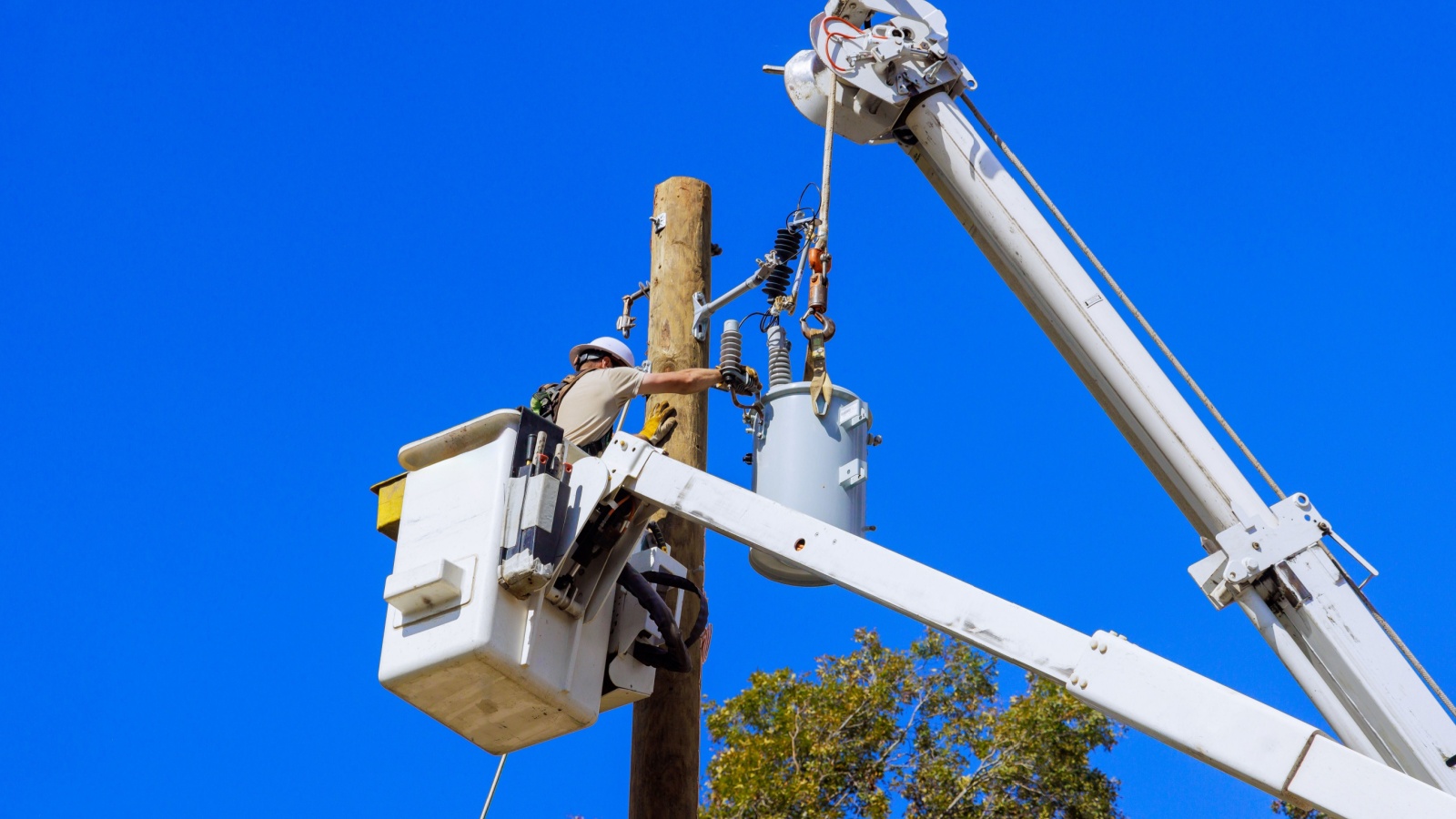
Cold snaps brought loud coverage in the U.S. about grid pressure. Canada responded more calmly. Crews repaired lines in steady shifts. Families used backup heat plans without panic. Local teams shared clear safety reminders. People prepared early with warm gear and supplies. Communication remained factual, avoiding dramatic language. This kept households from feeling alarmed. Communities supported one another during outages. The steady response helped reduce stress during harsh winter conditions.
During Interest Rate Pause Debates
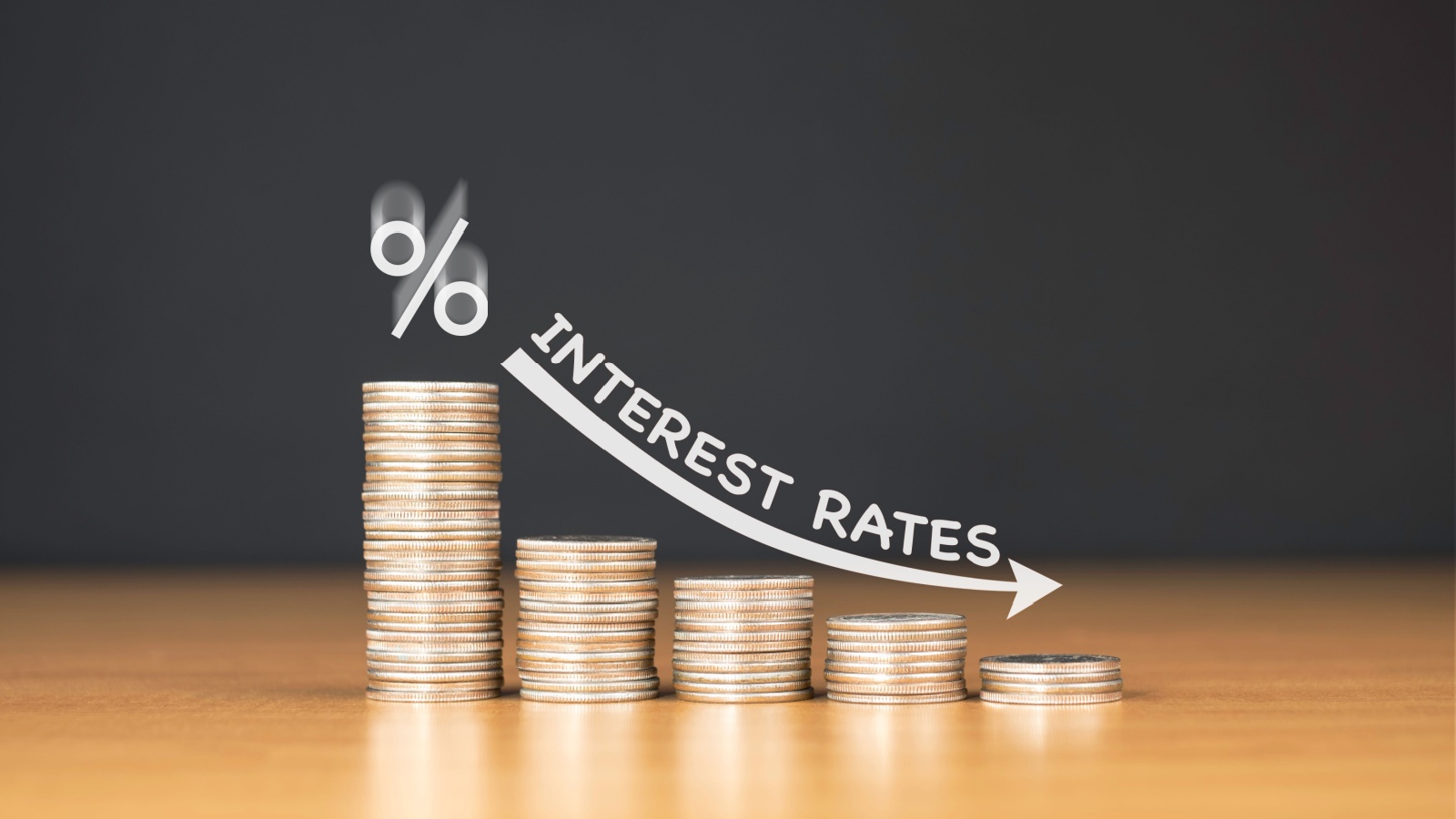
U.S. discussions about rate pauses grew tense, with strong statements from many voices. Canada approached the topic more slowly. Analysts focused on data without dramatic claims. Households waited for central bank updates before reacting. Conversations stayed focused on facts. Many avoided emotional decisions. This calm tone helped reduce confusion across communities. People planned carefully while watching trends. The measured response created stability during a period filled with financial debate.
When Housing Markets Shifted

Housing shifts created strong reactions in the U.S. Canada stayed more grounded. Buyers adjusted budgets. Sellers watched trends without rushing decisions. Analysts shared simple updates rather than extreme warnings. Many paused plans to review long-term options. The calmer tone lowered stress across the market. Households talked through choices with less pressure. This kept discussions stable during uncertain times. The steady approach helped many people stay focused on realistic steps.
When Prescription Drug Prices Rose

Rising drug prices sparked emotional reactions in the U.S., and Canada responded with more controlled steps. Provinces worked slowly with suppliers. Pharmacists helped families compare coverage and find affordable choices. Many households reviewed their plans without panic. Updates stayed short and practical. This helped people understand their options. Communities shared advice to manage costs. The steady tone reduced fear around price changes. The calm approach made the situation easier to handle.
During Political Disputes

Political disputes in the U.S. often trigger quick tension. Canada’s debates move at a slower pace. Conversations use less charged language. Media coverage stays more balanced. Voters focus on practical issues rather than emotional fights. Communities discuss topics without heated exchanges. This calmer style helps prevent major mood swings. It keeps elections from feeling overwhelming. The steady approach creates a more grounded political atmosphere.
When Border Wait Times Grew
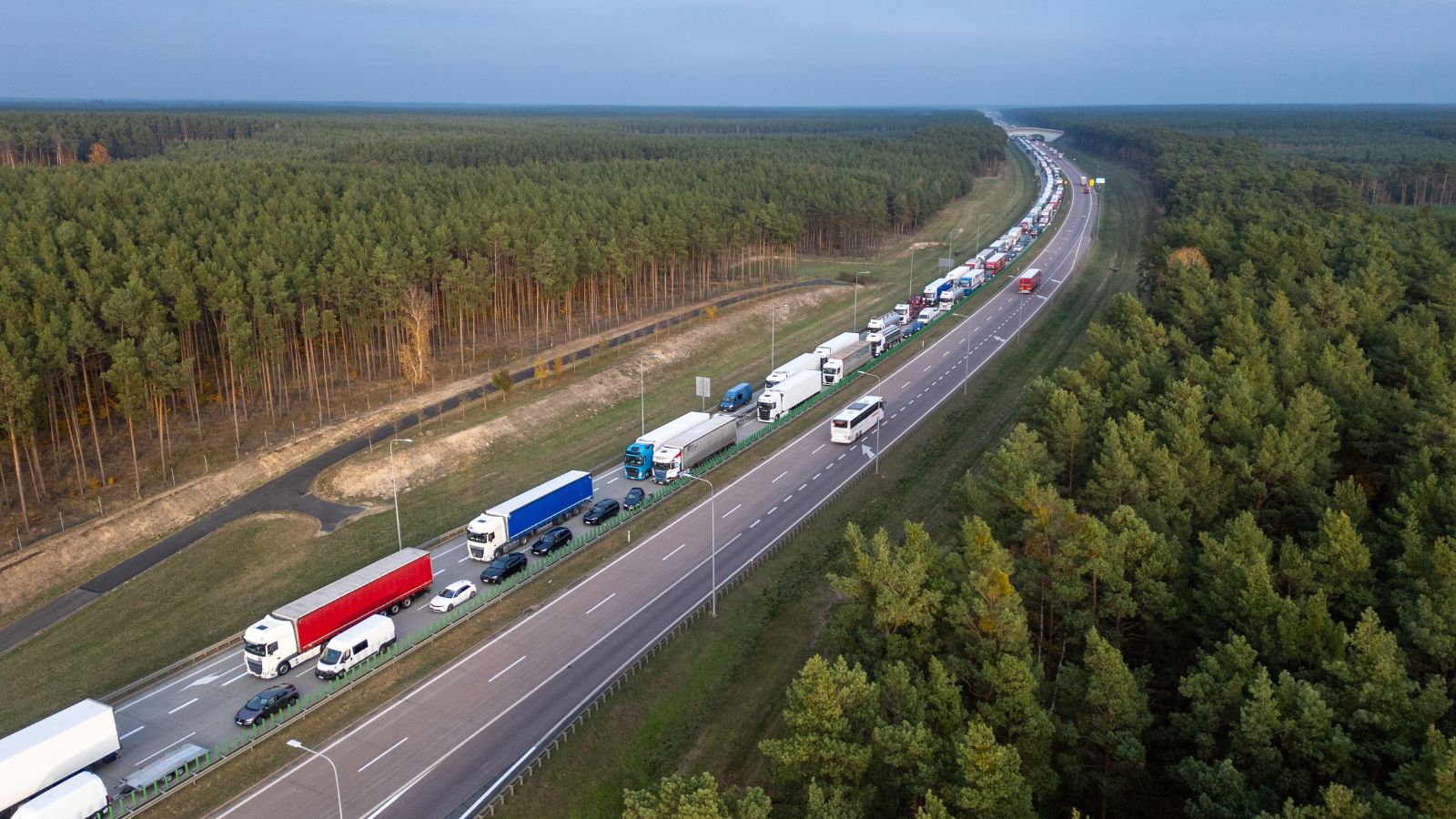
Border delays caused frustration in the U.S. Canada reacted with greater patience. Teams posted steady wait time updates. Drivers planned trips earlier. Families packed snacks and water for long lines. Many travelers used apps to track conditions. The calm communication helped reduce tension at crossings. People accepted delays as part of travel. This kept lines more organized. The overall tone remained steady, even during peak days.
During Supply Chain Shortages

Supply shortages led to fear-driven posts in the U.S. Canada responded quietly. Stores shifted stock to cover gaps. Families bought only what they needed. Local producers filled small shortages when possible. Updates stayed simple and clear. Panic buying remained rare. Communities trusted that supply issues would improve. Many shared tips for substitutes. The calm approach helped keep shelves stable. It reduced stress during an unpredictable period.
When Mortgage Renewals Rose

Mortgage renewals created loud warnings in the U.S., Canada reacted calmly. Lenders offered extended terms to help families adjust. Many households focused on budgeting. People spoke with advisors before making decisions. Public messaging avoided dramatic claims. This steady tone lowered fears. Borrowers took time to understand their options. The calmer approach made rising payments easier to manage. It helped households avoid rushed choices during financial pressure.
During Tech Privacy Concerns

Privacy issues often cause fast emotional reactions in the U.S.; Canada takes a slower route. Regulators share updates with clear language. People wait for full details before responding. Conversations stay focused on facts, not speculation. Communities avoid fear-driven posts. This helps reduce confusion. Many treat privacy alerts as reminders to review settings. The calm tone keeps reactions measured. It creates a more stable environment during digital concerns.
When Streaming Prices Went Up

Streaming price hikes sparked loud complaints in the U.S. Canada responded with more controlled steps. Families compared plans and removed unused services. People shared tips for lowering monthly costs. Conversations focused on value rather than anger. Many treated price changes as normal adjustments. The calmer tone eased frustration. Households made decisions without emotional swings. This steady approach kept the mood balanced.
During Data Breaches

Data breaches caused sharp panic in the U.S.; Canada stayed calmer. Companies released short, direct updates. People changed passwords and checked accounts early. Conversations stayed practical. Many waited for confirmed details instead of reacting to rumors. Communities shared basic safety steps. This helped reduce fear during stressful events. The calm tone kept confusion low. It helped people manage risks without panic.
When Winter Storms Hit

Winter storms created dramatic coverage in the U.S., and Canada treated them with the expected seriousness. Crews worked in organized shifts. Residents stocked essentials early. Updates focused on road safety and closures. Families are prepared with backup supplies. Communities supported neighbors during outages. Communication stayed steady and clear. This reduced stress across regions. The calm approach helped people face harsh weather more confidently.
During Bank Stability Rumors

Bank rumors caused strong reactions in the U.S., Canada stayed steady. Regulators shared quick, clear signals. People kept their funds in place. Conversations focused on long-term stability instead of fear. Communities avoided rushed withdrawals. This prevented unnecessary problems. The calmer tone maintained trust. It helped keep financial systems stable during uncertain moments.
When Stock Markets Dipped

Stock dips triggered emotional posts in the U.S., but Canada remained more patient. Investors focused on long-term plans. Analysts shared measured updates. Many ignored short-term drops. Communities discussed trends without panic. The calm tone kept reactions controlled. People avoided rushed decisions. This steady mindset helped maintain market stability. It supported confidence during unpredictable moments.
21 Products Canadians Should Stockpile Before Tariffs Hit

If trade tensions escalate between Canada and the U.S., everyday essentials can suddenly disappear or skyrocket in price. Products like pantry basics and tech must-haves that depend on are deeply tied to cross-border supply chains and are likely to face various kinds of disruptions
21 Products Canadians Should Stockpile Before Tariffs Hit
