
Many things people use each day started as simple ideas that grew into useful tools, systems, and products. Some began in small labs. Others came from practical needs in daily life. These inventions did not aim for global fame. They aimed to solve a real problem. Over time, they changed habits, routines, and industries without drawing much attention. This list highlights a mix of items people rely on today. Here are 21 Canadian Inventions That Make Life Better Every Day.
The Pacemaker

John Hopps developed the first wearable pacemaker in the 1950s after studying how cooling affected heart rhythm. His early model delivered electrical pulses that kept the heart beating at a steady pace. It was larger than today’s versions, but it proved that an external device could reliably support heart function. That step opened the path for smaller implants, safer surgeries, and long-term stability for millions of patients around the world.
Insulin for Diabetes

In 1921, Frederick Banting and Charles Best discovered insulin while working in a Toronto lab. Their findings changed the outlook for people with diabetes, who previously had extremely limited options. Insulin allowed patients to manage blood sugar with far more predictability. It also expanded treatment beyond rigid diets. The discovery became the basis of modern diabetes care. It continues to support daily routines for millions of people across the world.
The Snowmobile

Joseph Bombardier created the first modern snowmobile in the 1930s. He wanted a reliable way to travel across winter roads in rural areas. His early design used wide tracks and a simple engine that handled deep snow better than most vehicles. The machine helped isolated communities move more easily during long winters. It also supported medical trips, supply runs, and rescue needs. The snowmobile later grew into a major tool and recreation market.
Instant Replay in Sports

Instant replay began in 1955 at the CBC when producers looked for a way to show a key moment again during a broadcast. The first replay used basic equipment, yet it changed how fans understood fast plays. It soon helped officials review close decisions and improve the accuracy of calls. Replay technology later expanded into every major sport. Today, viewers expect it as part of a normal broadcast, even during routine games.
The Electric Wheelchair
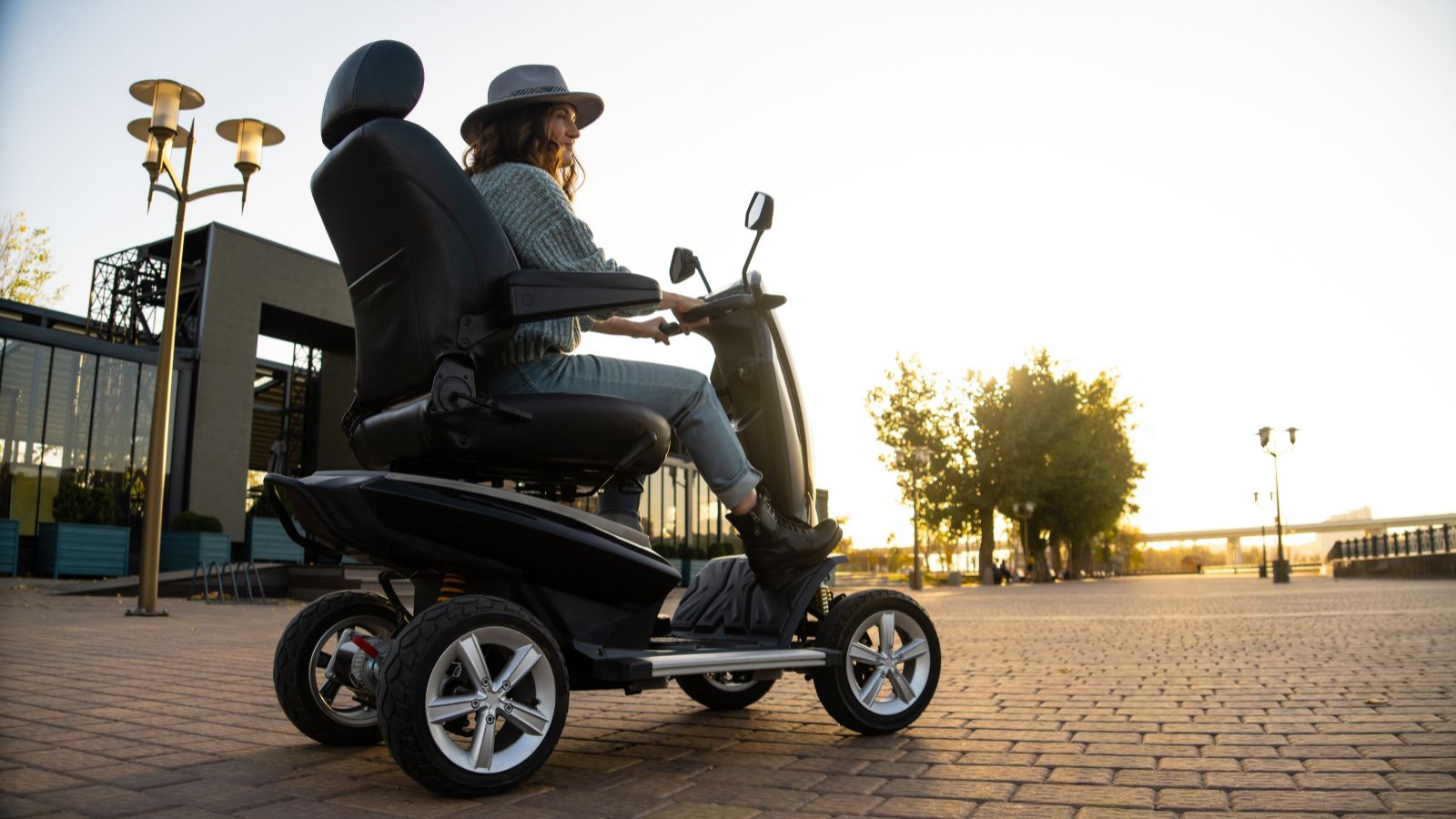
George Klein designed the first electric wheelchair in the 1940s to help veterans who returned with mobility injuries. His model used compact motors, a direct control system, and a frame that worked indoors. It gave users more independence during daily tasks. Later designs added better batteries and lighter frames, yet they still followed Klein’s core structure. The electric wheelchair remains a major support tool in homes, clinics, and workplaces around the world.
IMAX Film Technology

IMAX started in the 1960s when a group of Canadian filmmakers wanted a sharper, wider image for large screens. They built new cameras and projectors that captured far more detail than standard film. The format soon spread to museums and later to theaters across major cities. Many viewers saw documentaries differently because of their size and clarity. Today, IMAX shapes blockbuster movies and continues to influence how large-scale screens are designed.
The Garbage Bag

Harry Wasylyk and Larry Hanson created the first commercial garbage bag in the 1950s using polyethylene. Cities adopted it because it made waste pickup cleaner and safer. Homes soon followed as people realized how much easier it was to manage trash with a sealed bag. The product reduced spills, odors, and bin cleaning. It also supported the growth of modern sanitation systems. The simple plastic design continues to shape daily waste routines everywhere.
Poutine

Poutine began in rural Quebec in the late 1950s when fries, cheese curds, and gravy were served together for the first time. The dish became popular because it was warm, filling, and easy to customize. Diners and snack bars helped it spread across the province and then across the country. Poutine later reached international menus. It also inspired modern comfort food trends, with versions found in casual restaurants, food trucks, and upscale kitchens today.
The Walkie Talkie

Donald Hings created the first walkie-talkie in the 1930s. It used radio waves to send short messages between users. The military adopted it first because it worked during field operations. Later models became lighter and easier to use, which opened new roles in construction, emergency response, and outdoor activities. The walkie-talkie shaped early mobile communication and influenced many portable devices that came later. Its basic structure still appears in modern two-way radios.
The Robertson Screwdriver
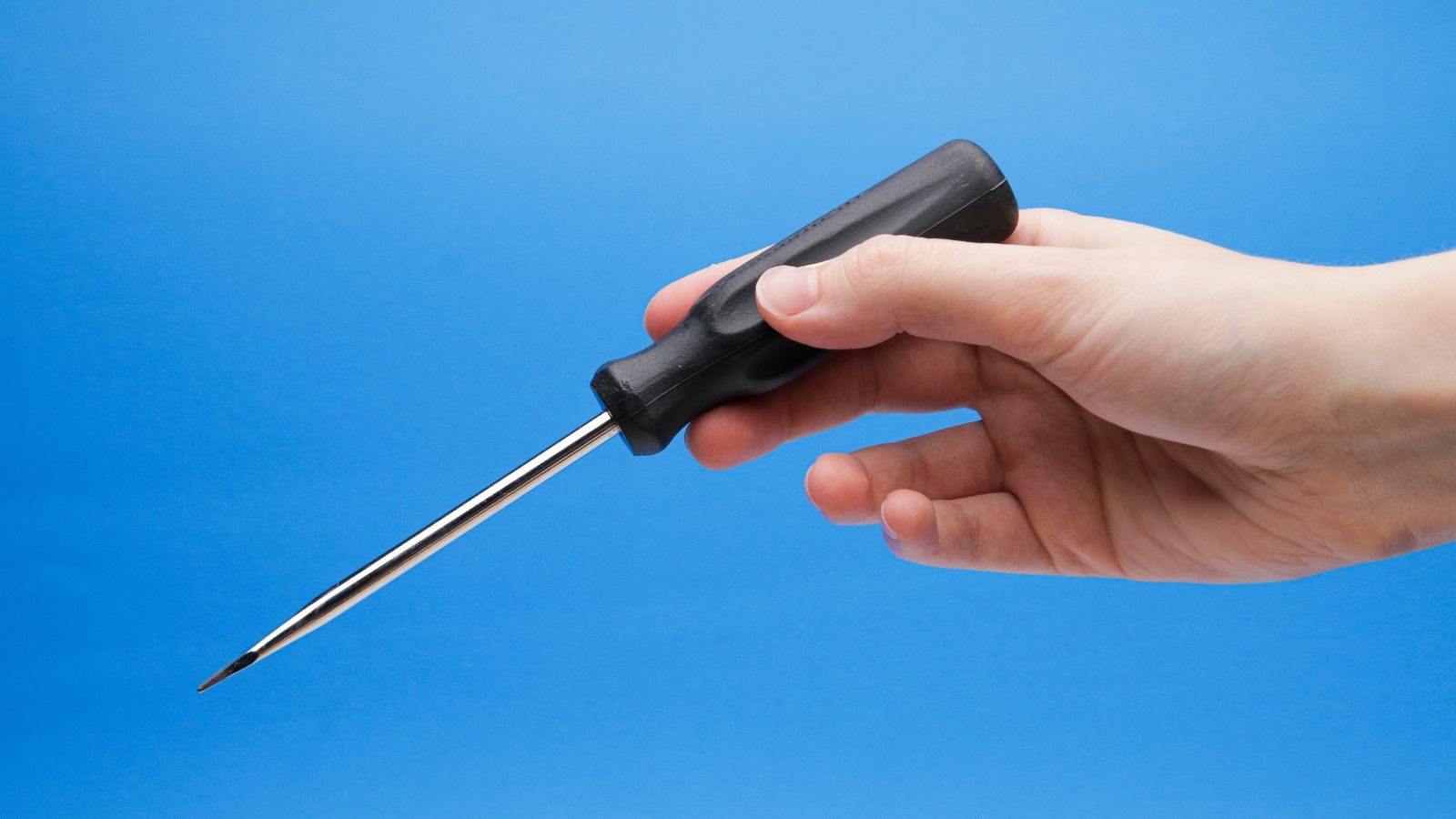
Peter Robertson invented the square socket screwdriver in 1908 after injuring his hand using a traditional flat tip. His design held screws in place more securely, which reduced slipping. Factories adopted it because workers could assemble products faster with fewer errors. The screwdriver became popular in carpentry and electrical work and still appears in many toolkits today. Its square shape also influenced later power tool designs used in workshops and large manufacturing plants.
Canadarm Space Robotics

Canadarm entered NASA missions in the 1980s as a robotic arm built to support satellite work and shuttle operations. It handled repairs and moved large equipment during spacewalks. The tool allowed astronauts to complete tasks that were too difficult or risky by hand. Its success led to Canadarm2, which became a key system on the International Space Station. The technology also shaped robotic tools used for medical, industrial, and research work on Earth.
The Zipper
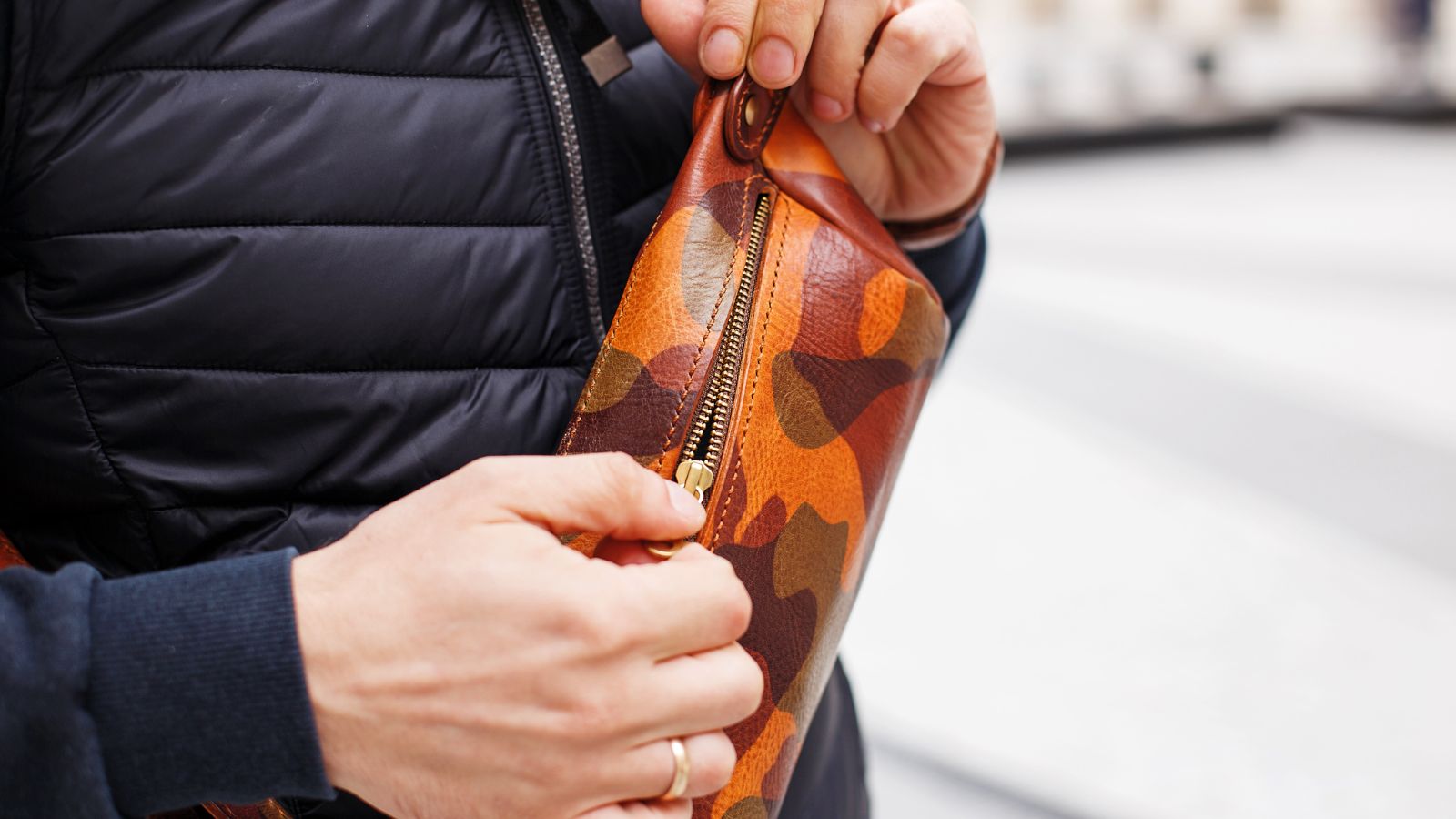
Gideon Sundback refined the modern zipper in the early 1900s while living in Canada. His design used metal teeth that locked together smoothly. It worked better than earlier fasteners, which often jammed or broke. Clothing makers adopted the zipper because it saved time and fit many fabrics. It then spread into bags, uniforms, boots, and sporting gear. Sundback’s structure remains the base of nearly every zipper used today in daily products.
Wireless Radio Transmission
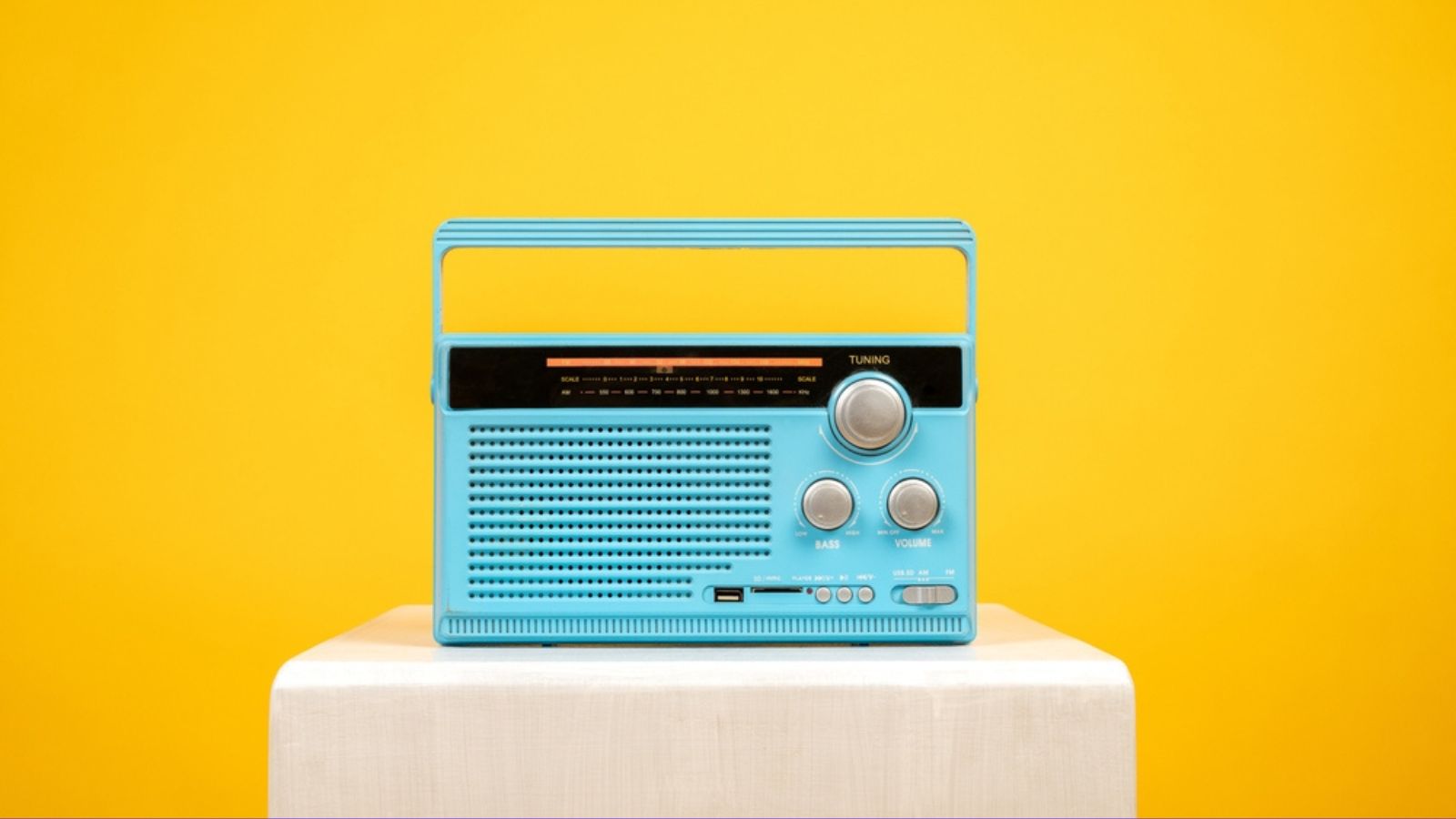
Reginald Fessenden completed the first known radio voice broadcast in 1906. He transmitted music and speech across long distances, proving that radio could carry more than simple signals. This moment transformed communication. Radio became a steady source of weather updates, news, and entertainment. Fessenden’s work influenced broadcast towers, home receivers, and emergency systems. His early experiments shaped the start of modern wireless communication that continues across global networks.
Blackberry Smartphones
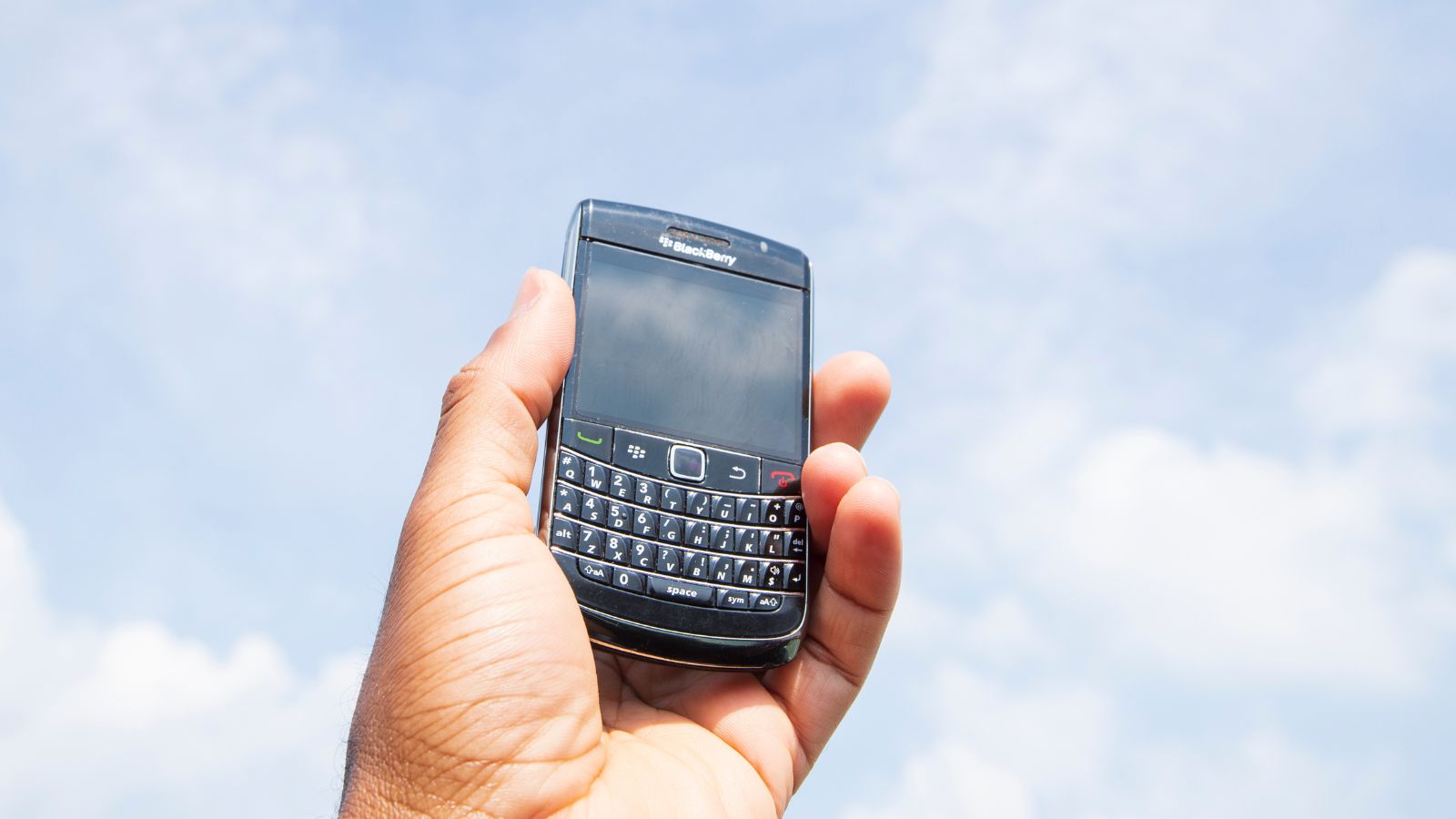
BlackBerry phones began in Waterloo in the late 1990s. They focused on secure email, which helped professionals read messages instantly. The keyboard made typing faster than on most phones of that time. Businesses adopted the device quickly. It shaped early smartphone culture and influenced how mobile software developed. While the market shifted later, many features seen in current messaging apps came from early BlackBerry systems. Its impact remains visible in modern communication habits.
The Pager
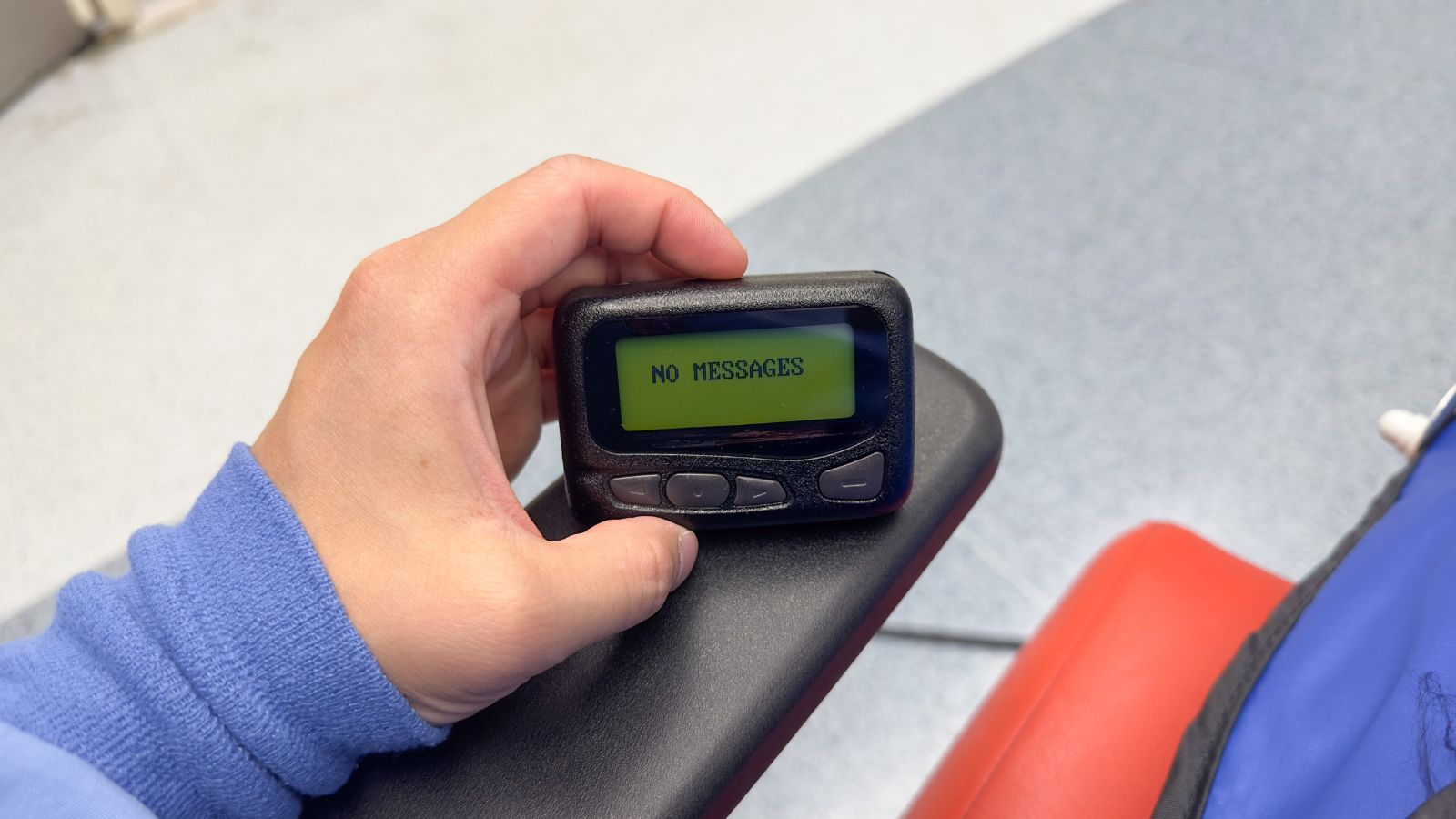
Al Gross introduced the first pager concept in the 1940s. It sent a signal that alerted the user to call a specific number or check a message. Hospitals adopted pagers early because they worked reliably inside large buildings. Offices followed as businesses needed quicker communication. The pager shaped expectations for instant contact long before smartphones. It remains in some industries because it avoids network congestion and continues to work during high-pressure situations.
Five Pin Bowling
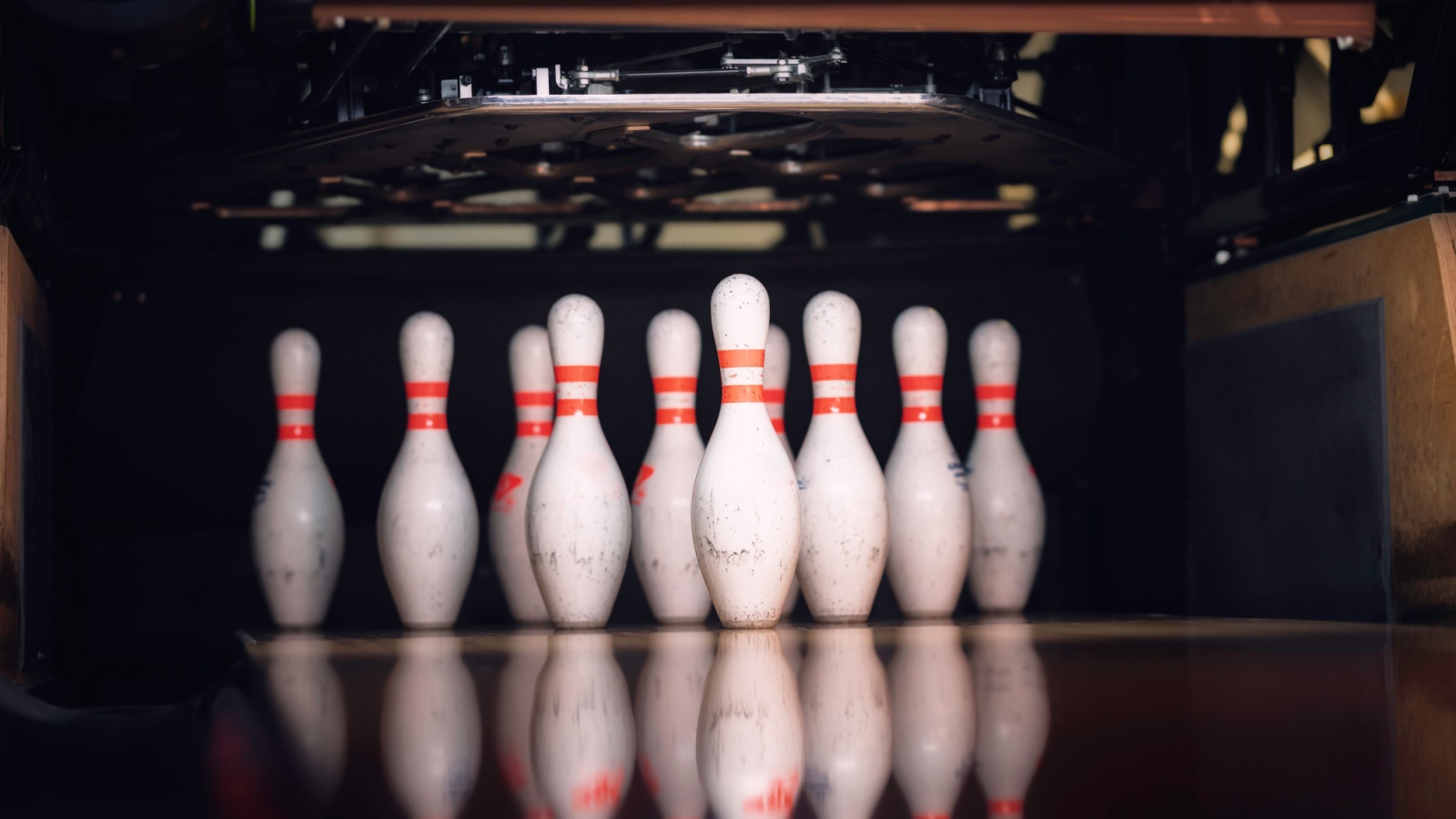
Thomas Ryan created five-pin bowling in 1909 after regular players asked for a faster game. He used lighter pins and a smaller ball to make it easier for more people to join. The game fit well in smaller venues and encouraged quick rounds. Families and casual players helped it spread across the country. Today, it remains a distinct Canadian version of bowling, with leagues and community centers keeping the tradition active nationwide.
The Paint Roller
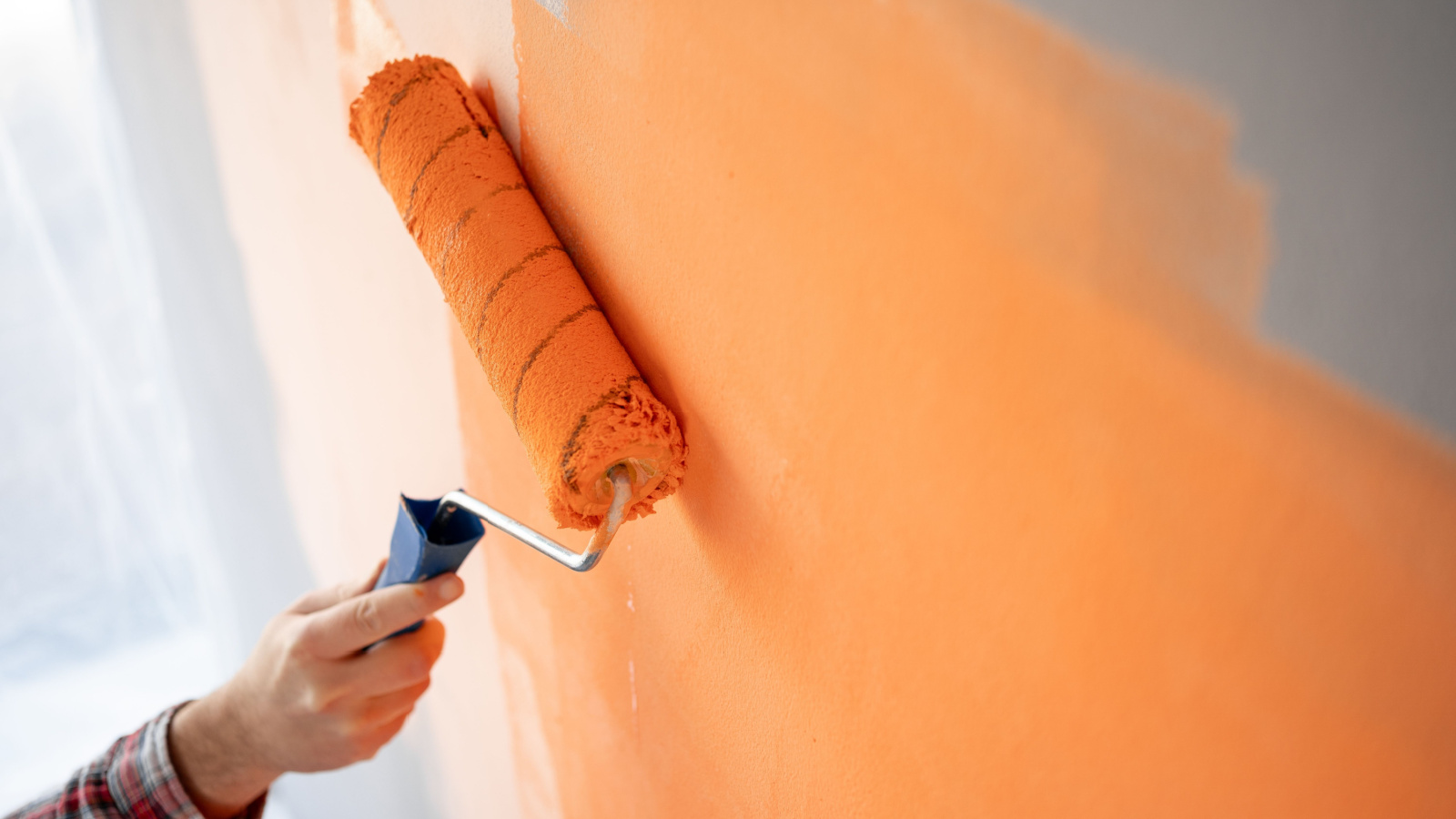
Norman Breakey invented the paint roller in the 1940s to help painters cover walls more quickly. His tool used a rotating fabric cylinder attached to a simple handle. It picked up more paint than a brush and reduced streaks. Homeowners began using it for small projects because it saved time. The roller soon became a standard tool in construction and renovation. Modern versions still follow Breakey’s design with only minor updates.
The Egg Carton

Joseph Coyle created the egg carton in 1911 to prevent eggs from breaking during transport. He designed a cardboard holder with shaped pockets that kept each egg separate. Stores adopted it quickly because it reduced waste and saved money. The carton later became a global standard. It influenced packaging design for other fragile items. Nearly every grocery store still uses a version of Coyle’s layout with slight changes to materials and shape.
Trivial Pursuit
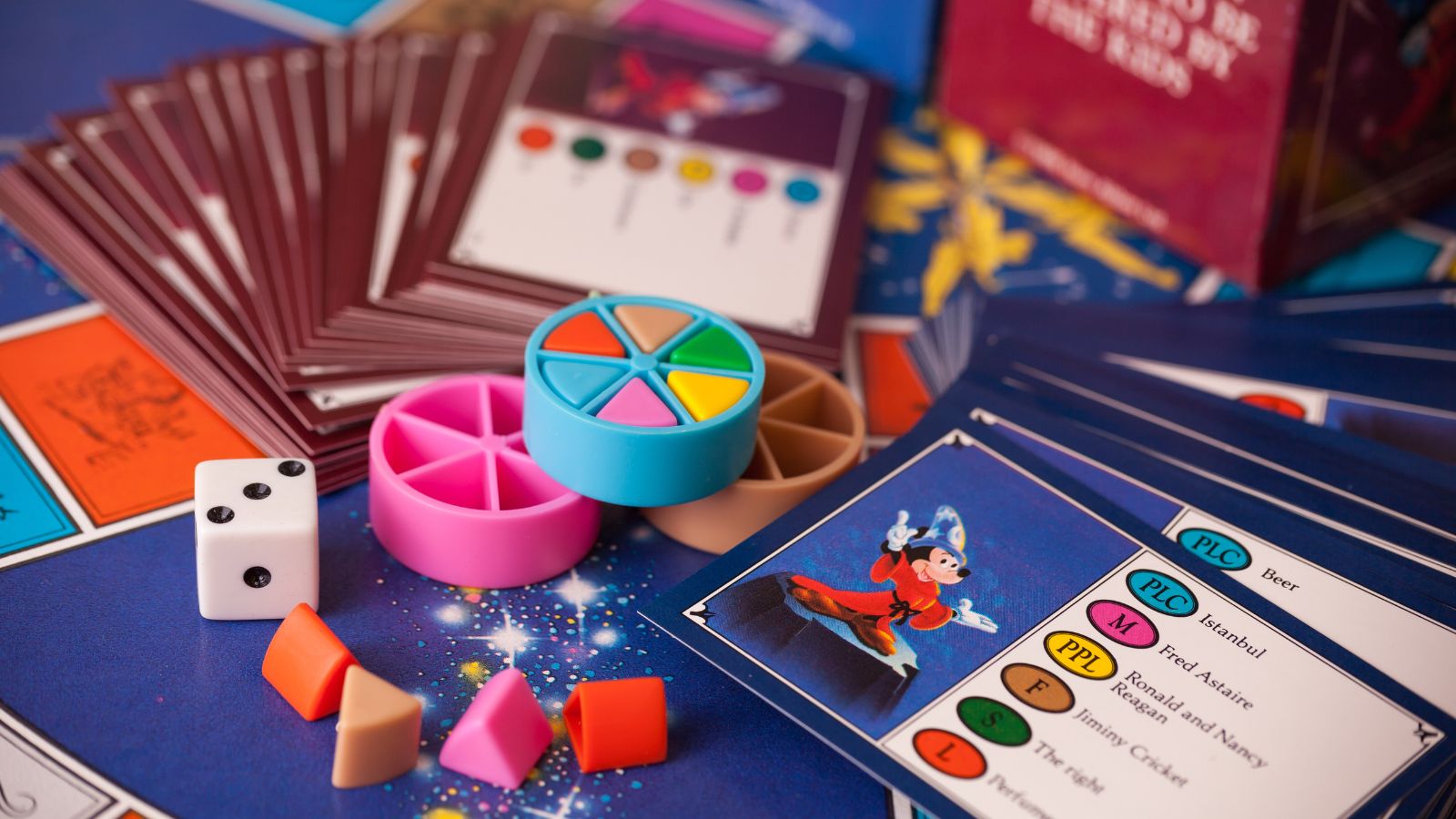
Trivial Pursuit started in Montreal in 1979 when two friends created a game built around general knowledge questions. They organized topics into categories to keep rounds balanced. The game spread quickly because it worked for family gatherings, parties, and friendly competitions. It inspired later trivia shows and digital quiz apps. Many people still treat it as a classic group activity. Its format remains recognizable and continues to influence how trivia games are built today.
The Prosthetic Hand Sensor
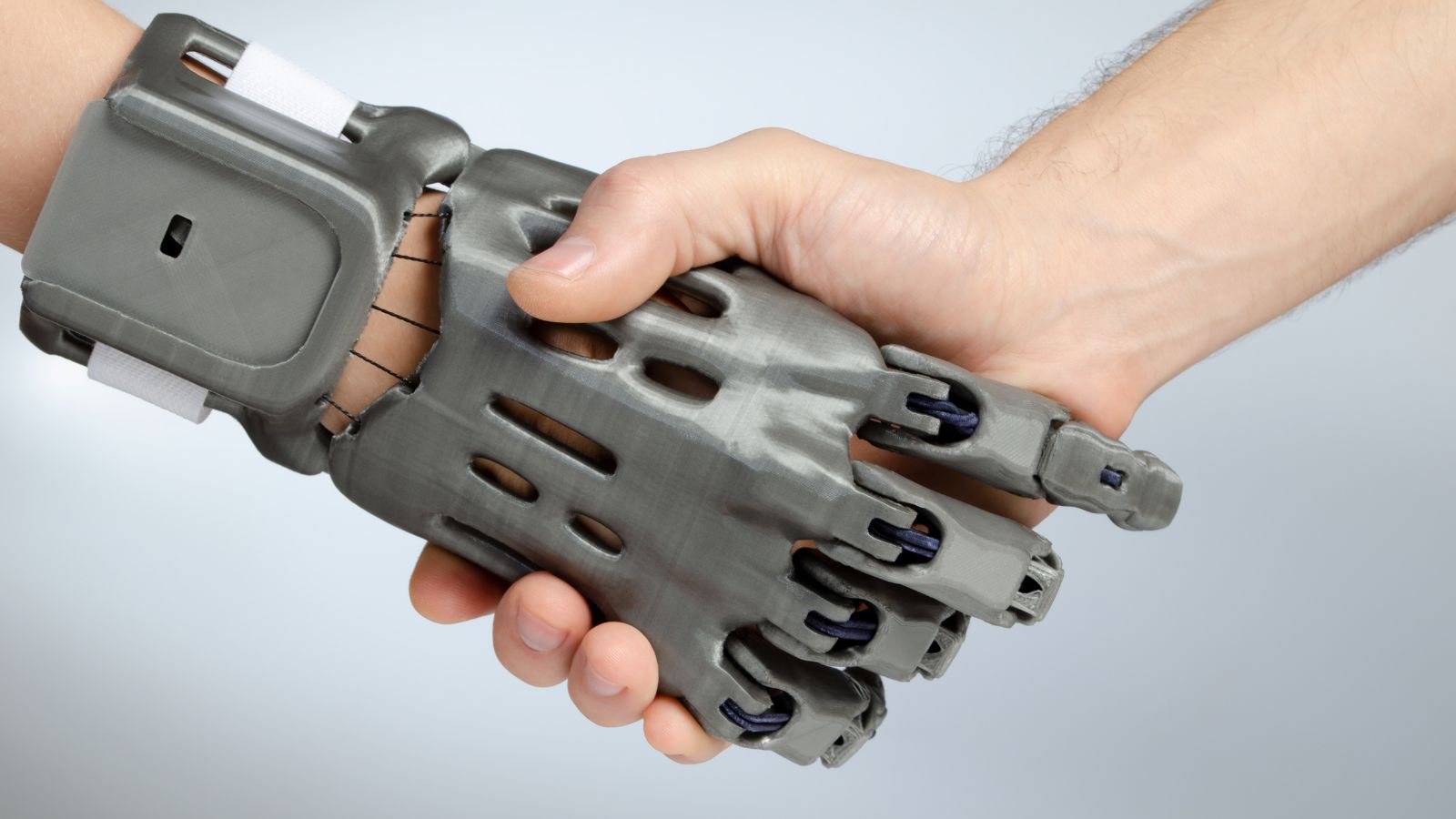
A team at the University of New Brunswick developed early myoelectric hand technology. Their design used muscle signals from the upper arm to control a prosthetic hand. This approach allowed users to move the device in a more natural way. It supported daily tasks and offered better precision than older mechanical systems. Later research expanded on the idea. Many modern prosthetics still use similar signal-based controls that trace back to this early work.
The Java Programming Language Influence

James Gosling from Calgary helped create the original form of Java during the 1990s while working in the United States. His ideas shaped a language that runs on many types of devices. Java became a common choice for websites, mobile tools, and large systems. It supported the growth of early apps and later influenced newer languages. Millions of products still rely on it today. Gosling’s work helped shape how developers build digital tools.
21 Products Canadians Should Stockpile Before Tariffs Hit

If trade tensions escalate between Canada and the U.S., everyday essentials can suddenly disappear or skyrocket in price. Products like pantry basics and tech must-haves that depend on are deeply tied to cross-border supply chains and are likely to face various kinds of disruptions
21 Products Canadians Should Stockpile Before Tariffs Hit
