
Grocery costs have increased, and many Canadians are looking for ways to save without giving up flavor or quality. Small changes can make a noticeable difference over time. Some swaps are simple, while others require adjusting habits, but most are easy to maintain once they become routine. Many affordable alternatives offer the same taste or better nutrition. You do not need complicated planning or drastic restrictions. A few thoughtful changes can help stretch every trip without feeling like a downgrade. These ideas focus on value and practicality rather than trend-driven advice. Here are 20 grocery swaps that cut the bill, not the taste.
Swap Name Brands for Store Brands

Many store brands come from the same manufacturers as name brands, yet they cost less. The quality is often similar, especially for pantry basics like sugar, flour, pasta, spices, and canned goods. Some shoppers hesitate because they assume a lower price means lower taste, but many store brand items perform just as well. Testing a few items at a time can help you compare without committing fully. Over time, the savings add up across multiple products. Switching to store brands does not feel like a downgrade once you find reliable options. This change reduces cost while keeping meals familiar and enjoyable.
Choose Frozen Fruit Instead of Fresh Out of Season
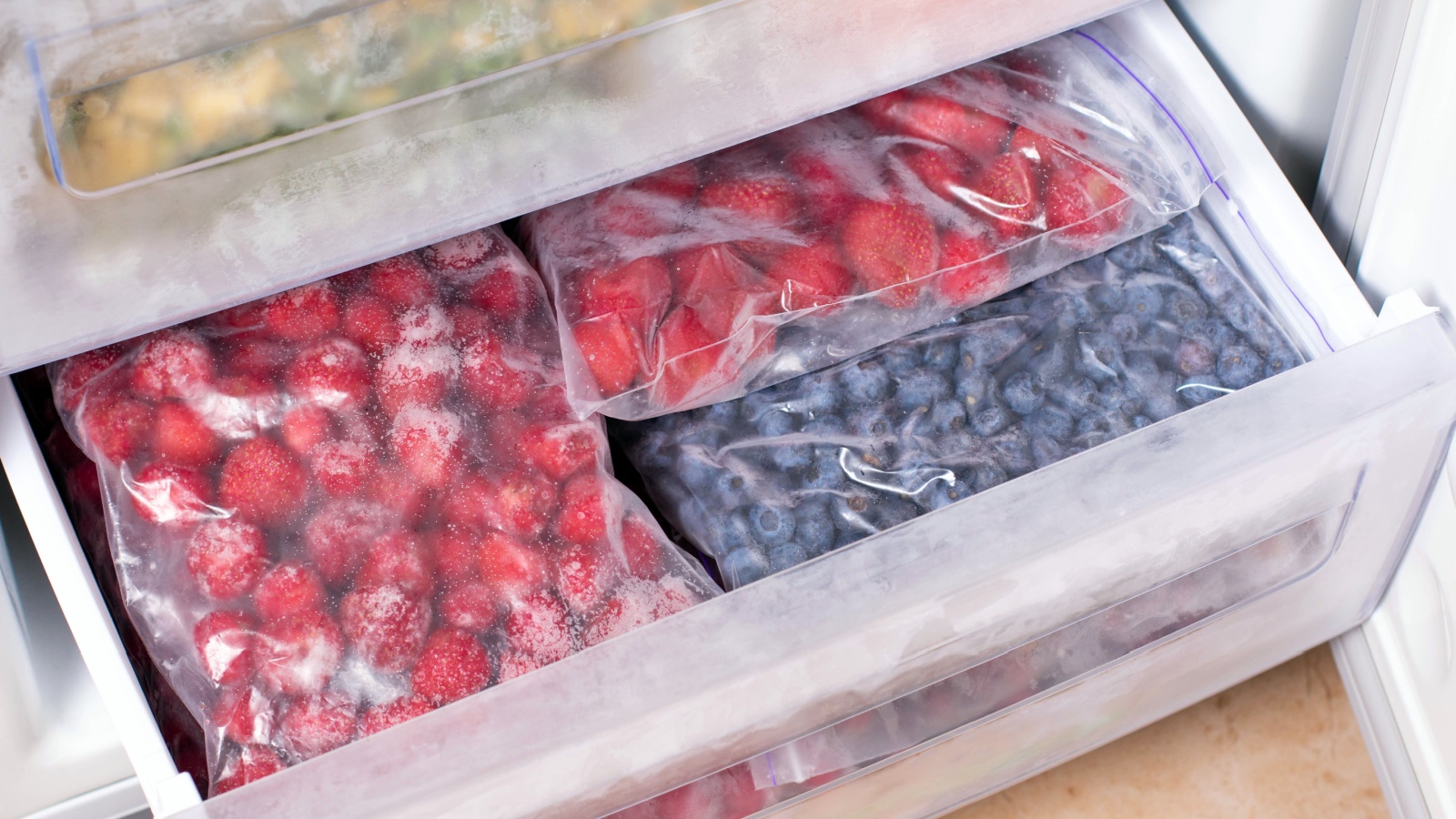
Fresh fruit can be expensive during certain months, especially berries, mangos, and peaches. Frozen fruit offers the same nutritional value because it is picked at peak ripeness and quickly frozen. It can last longer, reduces waste, and works well in smoothies, oatmeal, yogurt bowls, and desserts. The texture may vary, but the flavor remains strong and consistent. Buying frozen food allows flexibility since you only use what you need. This swap helps avoid paying high seasonal prices for fruit that may not taste its best. It keeps variety in your diet without stretching the grocery budget.
Replace Pre-Cut Produce with Whole Produce
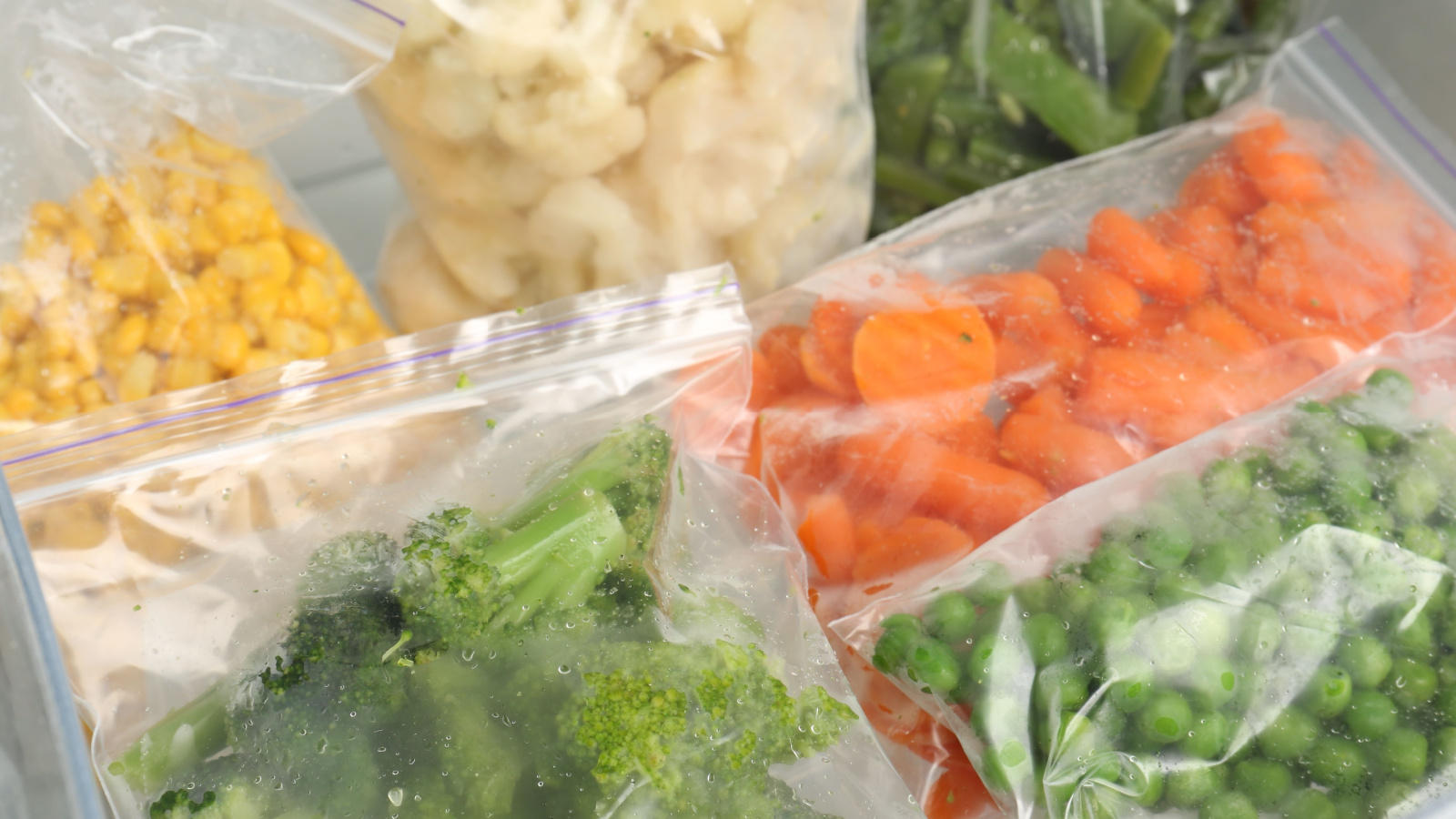
Pre-cut produce may save time, but it usually costs more because you are paying for convenience. Buying whole vegetables and fruit gives you more quantity for the same price or less. Items like carrots, onions, melons, and squash are significantly cheaper when purchased whole. Cutting and storing produce at home only takes a small amount of time and can be planned with weekly meal prep. Whole produce also stays fresh longer compared to pre-cut options. This simple swap reduces cost and avoids unnecessary waste. It keeps ingredients versatile for multiple meals without losing quality or flavor.
Use Canned Beans Instead of Meat for Some Meals

Meat is often one of the most expensive items in a grocery budget. Using canned beans in place of meat for some meals can reduce cost while still providing protein and fiber. Beans work well in soups, tacos, salads, wraps, and casseroles. The texture holds up in cooking and pairs well with seasonings. Canned beans are already cooked, so they save time during meal prep. They also last longer in the pantry and reduce food waste. This swap does not mean removing meat entirely. It simply offers a flexible way to make meals affordable without losing substance or flavor.
Switch Yogurt Cups for Larger Tubs

Single-serving yogurt cups cost more per ounce compared to larger containers. Buying a family-size tub and portioning it at home helps reduce cost and packaging waste. The taste and quality remain the same. You can add fruit, nuts, granola, or honey to adjust the flavor and texture. Larger tubs also offer more flexibility for cooking, smoothies, and baking. The savings become clear over multiple purchases, especially if yogurt is a regular item in your routine. This swap keeps convenience intact while lowering overall spending.
Buy Block Cheese Instead of Shredded

Pre-shredded cheese is convenient, but it usually costs more because of the added processing and packaging. Buying cheese in block form provides more value and usually has better texture and flavor. It melts more smoothly because it does not contain anti-caking additives found in shredded cheese. Grating cheese at home only takes a few minutes and can be done in batches and stored. Blocks also work better for snacking, slicing, and recipes that call for cubes. This swap offers flexibility and savings without affecting taste.
Choose Oats Instead of Packaged Cereal
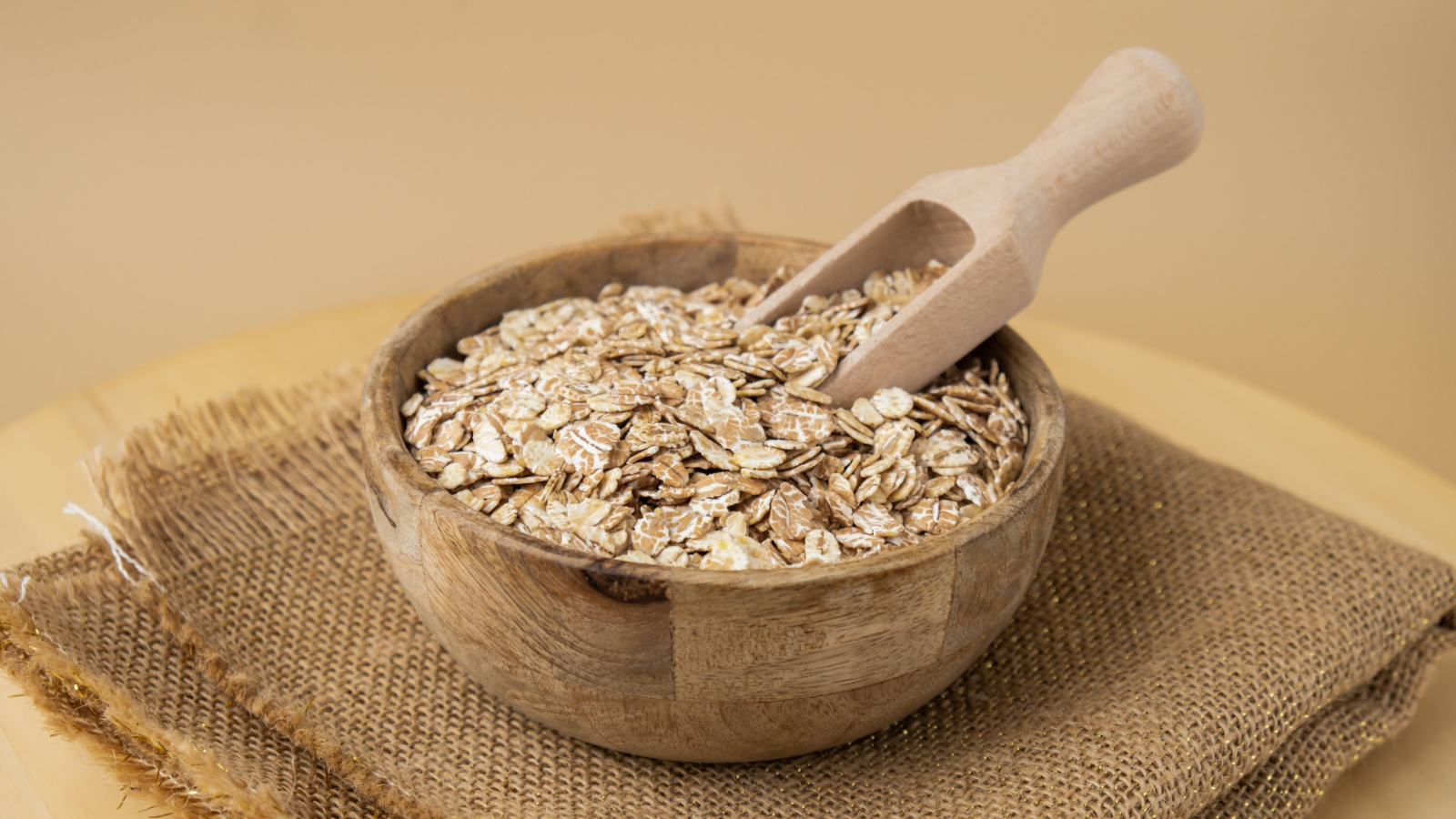
Packaged cereal often includes added sugar and can be expensive, especially name-brand varieties. Oats are affordable, versatile, and can be prepared in many ways. They work with fruit, seeds, spices, and yogurt. Oats can also be used in baking, smoothies, and homemade granola. They provide steady energy and keep well in the pantry, making them suitable for routine use. Switching to oats helps reduce cost without removing variety from breakfast. This swap keeps meals simple and satisfying while lowering the grocery bill.
Replace Bottled Drinks with Filtered Water

Bottled drinks like soda, juice, and flavored water can take up a large portion of the grocery bill. Switching to filtered water reduces ongoing cost and also cuts down on packaging waste. A reusable bottle can make this habit easy to maintain. If plain water feels boring, adding lemon, cucumber, mint, or berries can provide taste without high sugar or cost. Over time, this change supports both health and savings. The switch does not mean removing treats completely. It simply reduces how often they are purchased. This swap helps keep spending reasonable while still supporting daily hydration.
Swap Bagged Snacks for Popcorn Kernels

Bagged snacks such as chips and crackers cost more per serving and run out quickly. Popcorn kernels offer a budget-friendly option that provides a large number of servings at a lower price. Popcorn can be seasoned with salt, pepper, cinnamon, or nutritional yeast. It stores well and is simple to prepare on the stove or in an air popper. This swap keeps snacking enjoyable without overspending. It also reduces the number of single-use packages. Popcorn kernels make it easier to control portions and flavor while still having a satisfying snack that feels familiar.
Choose Rice or Pasta for Budget-Friendly Meals

Rice and pasta are affordable staples that stretch meals without affecting taste. They pair well with vegetables, beans, sauces, spices, and protein. They also store well and can be purchased in bulk to save more. Using rice or pasta as a base can reduce the need for costly ingredients while making meals filling. This swap works for lunches or dinners and supports a wide range of recipes. It keeps meal planning flexible and reduces last-minute grocery runs. Choosing these staples helps balance cost while still offering comfort and flavor.
Replace Sour Cream with Plain Yogurt

Plain yogurt offers a similar texture and tang to sour cream but usually costs less. It also contains protein and can be used in cooking, baking, dips, and toppings. The swap works well in tacos, potatoes, dressings, and sauces. Greek yogurt provides a thicker consistency if desired. The flavor difference is small when mixed with other ingredients. Buying one product that replaces multiple items helps reduce cost and waste. This change keeps meals flavorful while improving value. Over time, it becomes a simple switch that fits many recipes without losing taste.
Use Ground Turkey Instead of Beef

Ground beef can be one of the more expensive proteins. Ground turkey usually costs less and can be substituted in many recipes, such as chili, pasta sauce, tacos, and burgers. The flavor adjusts well with spices and seasoning. Turkey also stores well and can be frozen for later use. Some people notice a difference in texture, but small adjustments in cooking time or seasoning can help. This swap reduces cost without removing familiar meals from the routine. It allows you to enjoy the same recipes in a more budget-friendly way while still keeping variety on the menu.
Choose Seasonal Produce Over Imports
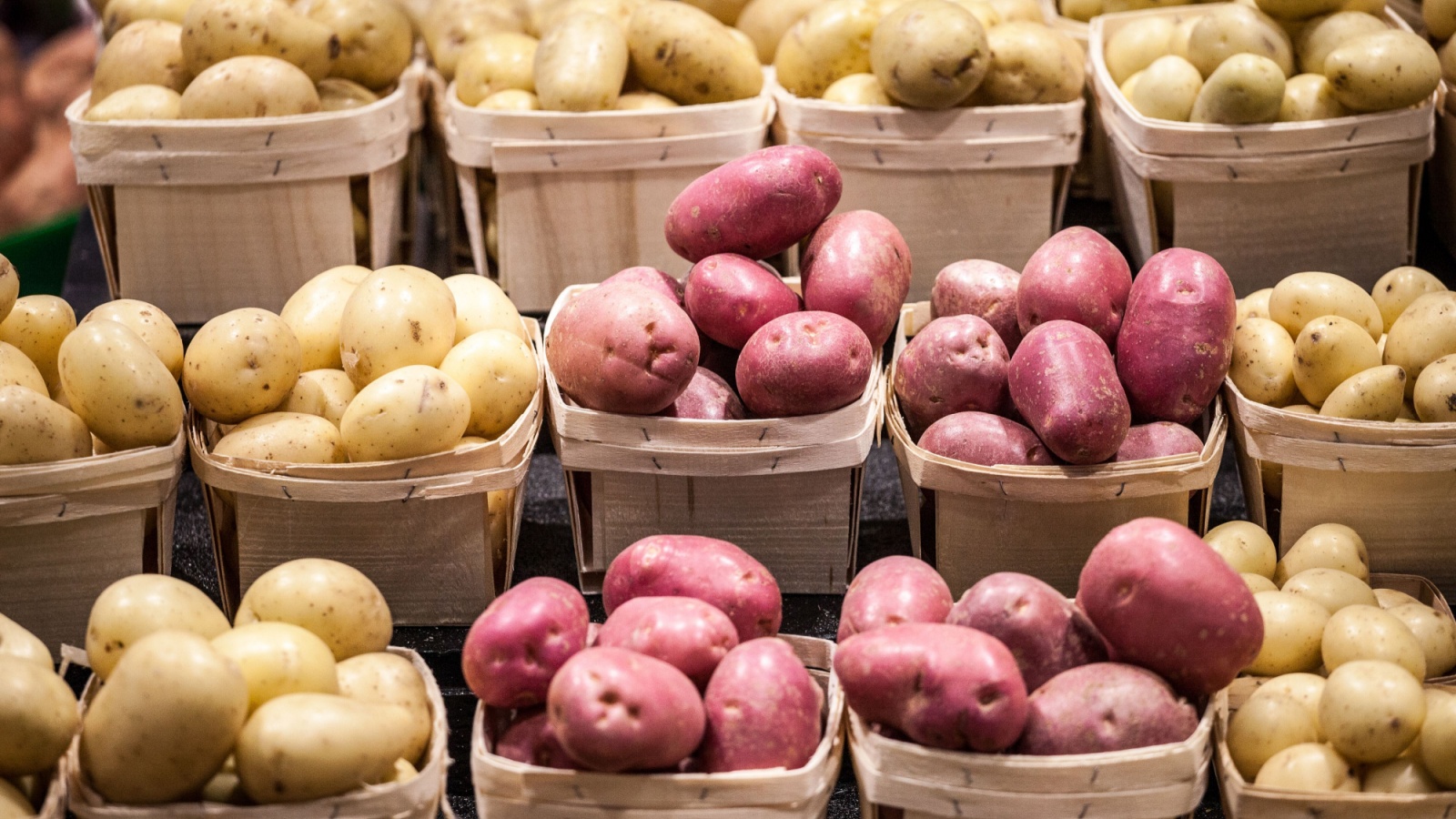
Choosing seasonal produce instead of imported items can make a noticeable difference in your grocery budget. Seasonal fruits and vegetables are usually fresher, taste better, and cost less because they are grown locally and do not require long-distance transportation or special storage. Imported produce can be significantly more expensive due to transport fees and limited availability. Shopping seasonally also encourages variety in meals throughout the year. Checking weekly flyers, farmers’ market availability, and regional harvest guides can help you plan smart purchases. This simple switch saves money while providing great flavor and nutritional value without sacrificing meal quality or enjoyment.
Replace Salad Kits with Homemade Salads
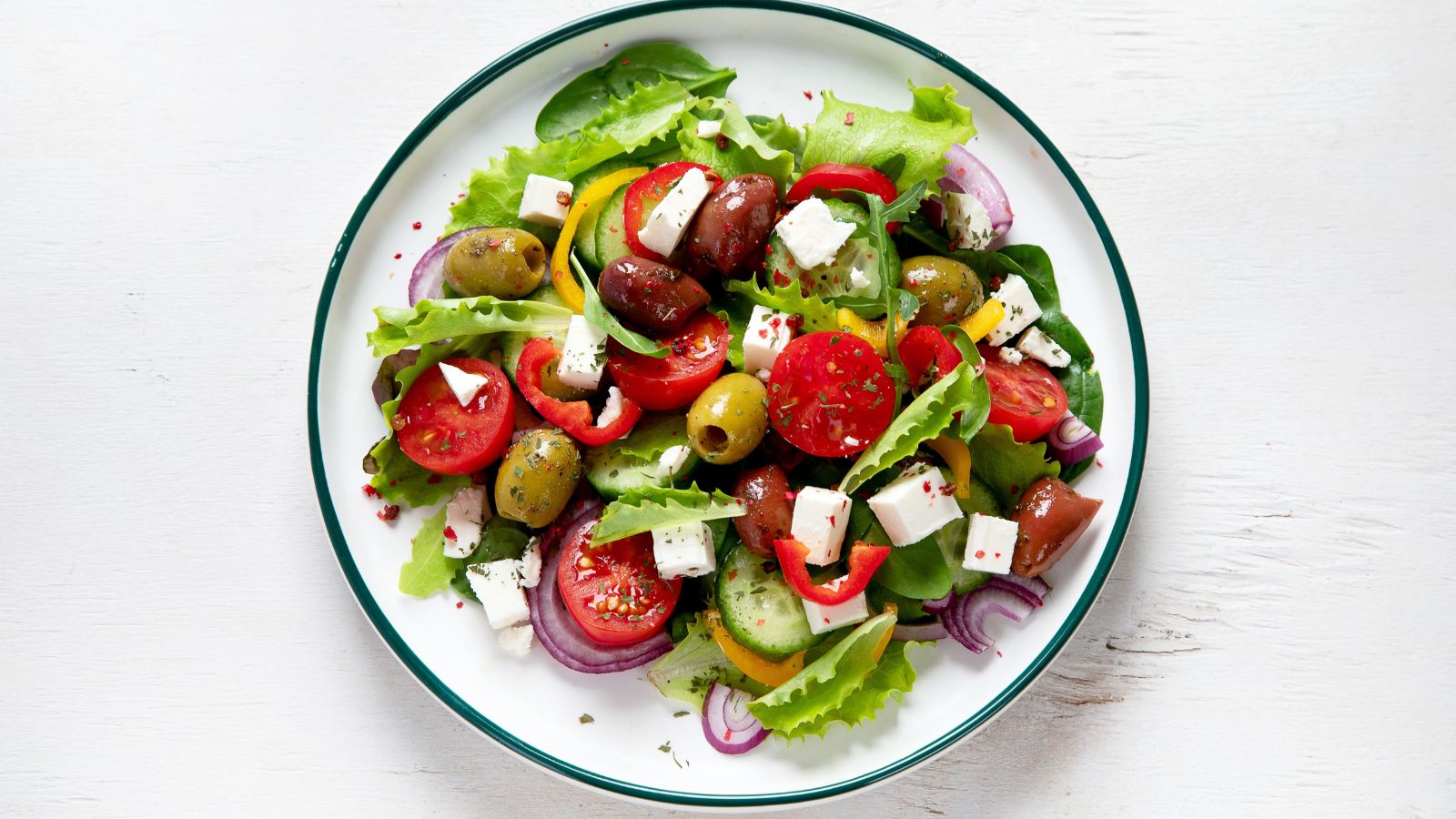
Salad kits may be convenient, but they are typically more expensive and often contain small portions. Making your own salad with whole ingredients such as lettuce, spinach, tomatoes, cucumber, and carrots can lower grocery costs while giving you more control over flavor and nutrition. Buying ingredients in larger quantities allows multiple servings for a fraction of the price. You can also adjust dressings, toppings, and textures based on personal preference while reducing added sugar, preservatives, and sodium. Preparing ingredients in advance once or twice a week helps maintain convenience. This swap cuts costs without compromising freshness, quality, or variety.
Use Dried Herbs Instead of Fresh

Fresh herbs can be costly, especially when recipes require only a small amount and the remaining bunch is left to spoil. Dried herbs are usually more affordable, last significantly longer, and provide concentrated flavor when used correctly. A small jar can season dozens of meals, making it cost-effective over time. Common dried herbs like oregano, thyme, basil, rosemary, and parsley work well in soups, sauces, marinades, and roasted dishes. Buying herbs in bulk or from budget-friendly stores can create additional savings. This swap also reduces food waste and ensures that seasoning is always available, making cooking easier and more reliable.
Swap Bakery Bread for Store Shelf Bread

Bakery bread is often priced higher due to freshness, preparation time, and specialty ingredients. Store shelf bread provides a more affordable option while still offering a wide range of choices, including whole grain, seeded, sourdough-style, and specialty diet options. Shelf bread also lasts longer, reduces waste, and works well for sandwiches, toast, and meal prep. Some brands offer high-quality products at lower prices than bakery loaves. Watching weekly sales or choosing store brands can increase savings further. This swap keeps meals versatile and budget-friendly without losing taste or texture, making it an easy and practical choice for daily use.
Replace Single-Serve Items with Bulk Options

Single-serve snacks, yogurt cups, juice boxes, and individually wrapped foods may offer convenience but often cost significantly more per serving compared to bulk formats. Buying larger packages and portioning them at home can reduce spending while still providing the same items. Using reusable containers makes this swap environmentally friendly and suitable for lunches, meal prep, and travel. Bulk options also allow greater flexibility when managing portion sizes and reducing packaging waste. Items like nuts, cereal, snacks, and pantry staples typically cost less in larger quantities. This change can meaningfully shrink grocery bills without compromising variety, quality, or convenience.
Choose Tomato Paste or Sauce Over Jarred Pasta Sauce

Jarred pasta sauce can be expensive, especially for premium brands. Tomato paste or canned tomato sauce offers a cheaper and flexible alternative. You can season it with simple ingredients like garlic, olive oil, onion, salt, pepper, or dried herbs already in your kitchen. This lets you control flavor and reduce added sugar and preservatives found in some jarred options. Tomato paste is concentrated, so a small can can stretch across multiple meals. It also stores well when frozen in portions. This swap reduces cost without reducing taste and works well for pasta, pizza, soups, stews, and slow cooker meals.
Replace Juice with Whole Fruit

Juice often costs more per serving than whole fruit and can contain added sugar. Whole fruit offers better value because it provides fiber, flavor, and longer satisfaction compared to juice. Eating fruit instead of drinking it can help reduce unnecessary calories and avoid buying multiple bottles each week. Whole apples, oranges, bananas, pears, and grapes store well and cost less over time. Seasonal fruit offers even better savings. This swap creates healthier habits, reduces sugar intake, and keeps snacks filling without requiring any additional preparation. It is an easy way to stretch your grocery budget without giving up sweetness.
Use Homemade Broth Instead of Packaged Broth

Packaged broth can be convenient but often costs more and may contain preservatives or high sodium levels. Making broth at home using leftover vegetables, bones, or scraps reduces waste and lowers grocery costs. A large batch can be made in a slow cooker or simmered on the stove and stored in the fridge or freezer for future meals. Homemade broth is versatile and can be used in soups, stews, sauces, rice, or pasta dishes. You control the flavor, salt level, and ingredients. This swap offers savings while supporting home cooking routines with fresh and reliable ingredients.
21 Products Canadians Should Stockpile Before Tariffs Hit

If trade tensions escalate between Canada and the U.S., everyday essentials can suddenly disappear or skyrocket in price. Products like pantry basics and tech must-haves that depend on are deeply tied to cross-border supply chains and are likely to face various kinds of disruptions
21 Products Canadians Should Stockpile Before Tariffs Hit
