
Winter can feel overwhelming if you are not used to the cold, snow, and unexpected challenges that come with it. Small habits can make winter easier, safer, and more comfortable, especially when temperatures drop and daily routines change. People who have lived through many winters often learn tricks that make a big difference, from choosing the right clothing to preparing their homes and cars. These hacks are practical and based on experience, not trends. They help avoid discomfort, reduce stress, and prepare for unpredictable weather. Here are 17 winter hacks only veterans know (and rookies need).
Layer Clothing the Right Way

Layering clothing helps manage warmth without overheating. Start with a moisture-wicking base layer to keep sweat off your skin. Add an insulating mid-layer like fleece or wool for heat retention. Finish with a windproof and waterproof outer layer to block snow and cold air. Avoid cotton because it stays wet and makes you colder. This method works better than wearing one heavy coat because you can adjust layers as temperatures change. Proper layering keeps core temperature stable during outdoor errands, commutes, or winter activities. It is a simple habit that makes cold weather feel much more manageable.
Use Hand Warmers and Foot Warmers

Hand warmers and foot warmers are helpful during long periods outside. They provide steady heat and can be stored easily in a bag or glove compartment. Disposable warmers are popular and usually last several hours. Reusable warmers also exist and can be heated in boiling water or a microwave, depending on the type. These warmers help maintain circulation and prevent discomfort in freezing temperatures. They are especially useful during outdoor work, sports events, or driving emergencies. Using them does not replace gloves or proper boots. Instead, they provide extra warmth when cold weather becomes difficult to handle.
Seal Drafts Around Windows and Doors

Drafts cause heat loss and make a home feel colder than it should. Sealing gaps around windows and doors helps keep warm air inside and lowers heating costs. Weather strips, foam tape, or draft stoppers are affordable and quick to install. Curtains and window film can also add insulation. Checking older windows and exterior doors early in the season prevents heat from escaping throughout winter. Even small gaps can make a noticeable difference in room temperature. This simple fix improves comfort without major renovations. It is one of the easiest ways to stay warm indoors during the winter months.
Keep a Winter Car Kit Ready
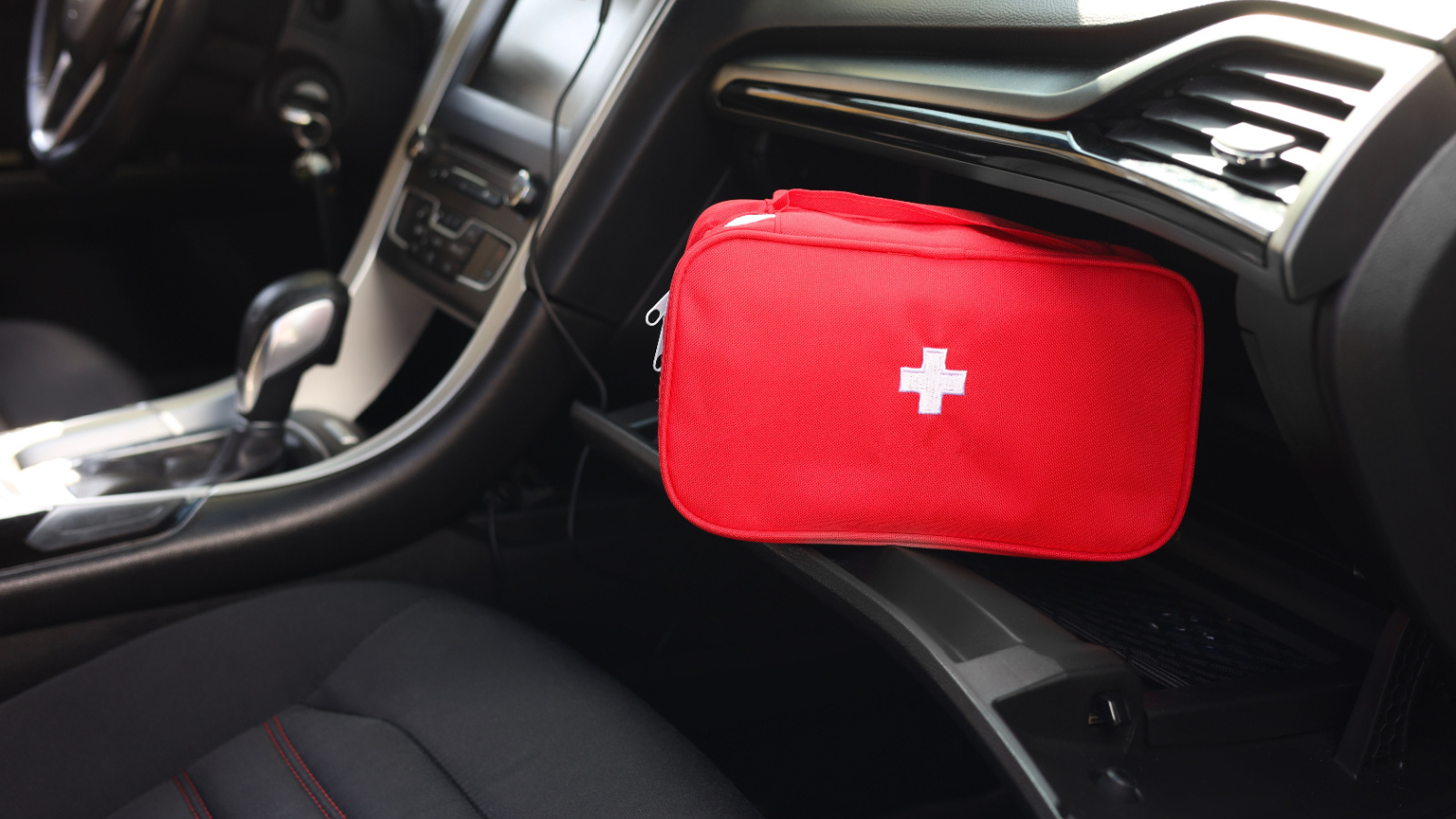
A winter car kit can make a difference during emergencies or bad road conditions. It should include items like blankets, gloves, an ice scraper, a flashlight, a first aid kit, sand or kitty litter for traction, and bottled water. Jumper cables and a portable battery pack are also useful when temperatures drop. Having these supplies available provides peace of mind during long drives, snowstorms, or unexpected breakdowns. Replacing or checking items at the start of the season keeps the kit reliable. This preparation helps drivers stay safe and comfortable during winter travel.
Switch to Winter Tires Early

Winter tires provide better grip on snow, slush, and ice because the rubber stays flexible in low temperatures. Waiting too long to switch can affect braking distance and safety. Some people try to use all-season tires, but they are not designed for harsh winter roads. Installing winter tires before the first major freeze helps you avoid scheduling delays. Many shops get busy once the weather changes. Early preparation also prevents last-minute stress when roads become slippery. This swap supports better control, especially during sudden weather shifts. It is a practical step that improves driving confidence and safety.
Use Kitty Litter for Traction

Kitty litter is a simple and affordable traction tool for icy driveways, sidewalks, and stuck tires. Keeping a small bag in the trunk can help when wheels spin in snow or on ice. Sprinkle it under tires to gain grip and move the car safely. It also works well on steps or walkways where salt may not be available. Non-clumping litter works best because it does not turn sticky. This trick is helpful during unexpected storms or when roads are not fully cleared. Many experienced winter drivers rely on it as a backup plan.
Start Your Car Weekly If You Work From Home
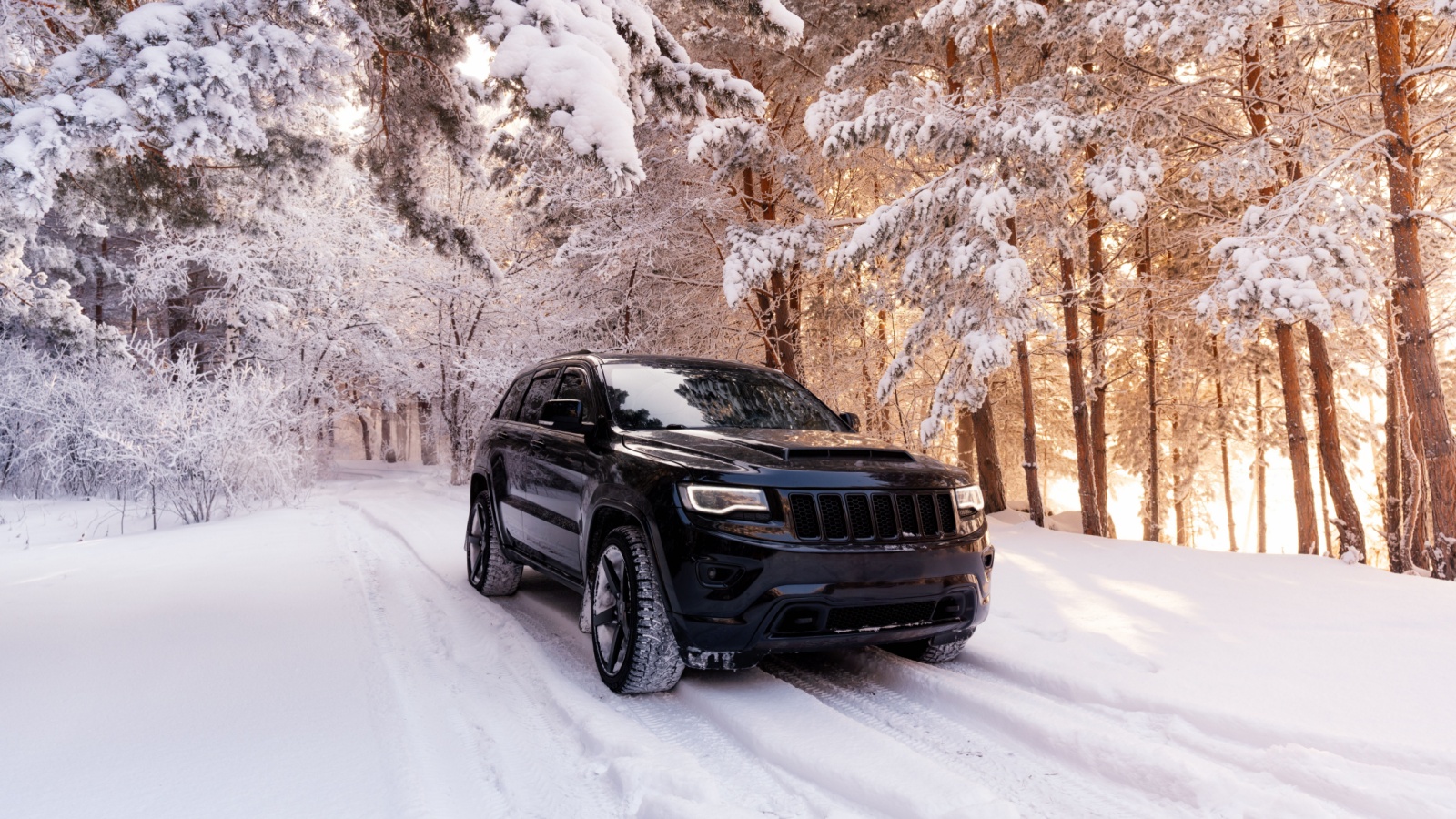
Cold weather can affect a car battery, especially if the vehicle sits unused for long periods. Starting the car once a week helps keep the engine lubricated and prevents the battery from losing charge. Letting it run for a few minutes warms the fluids and keeps everything functioning. This habit is helpful for people who work from home or drive less during winter. It reduces the chance of a dead battery during an unexpected trip. Pairing this with regular checks of tire pressure and fluid levels keeps the car ready and reliable throughout the season.
Rotate Gloves and Socks to Stay Dry

Winter weather often means snow, slush, and moisture. Wearing damp gloves or socks can make you feel colder, even if you dress in warm layers. Having multiple pairs and rotating them during the week keeps them dry and comfortable. Wool or synthetic materials tend to dry faster and stay warm even when slightly damp. Keeping spare pairs in bags, cars, or jacket pockets prevents discomfort during long days outside. This habit helps prevent cold-related irritation and keeps daily routines easier to handle. Dry clothing makes a noticeable difference in comfort when temperatures drop.
Keep Batteries and Power Banks Warm
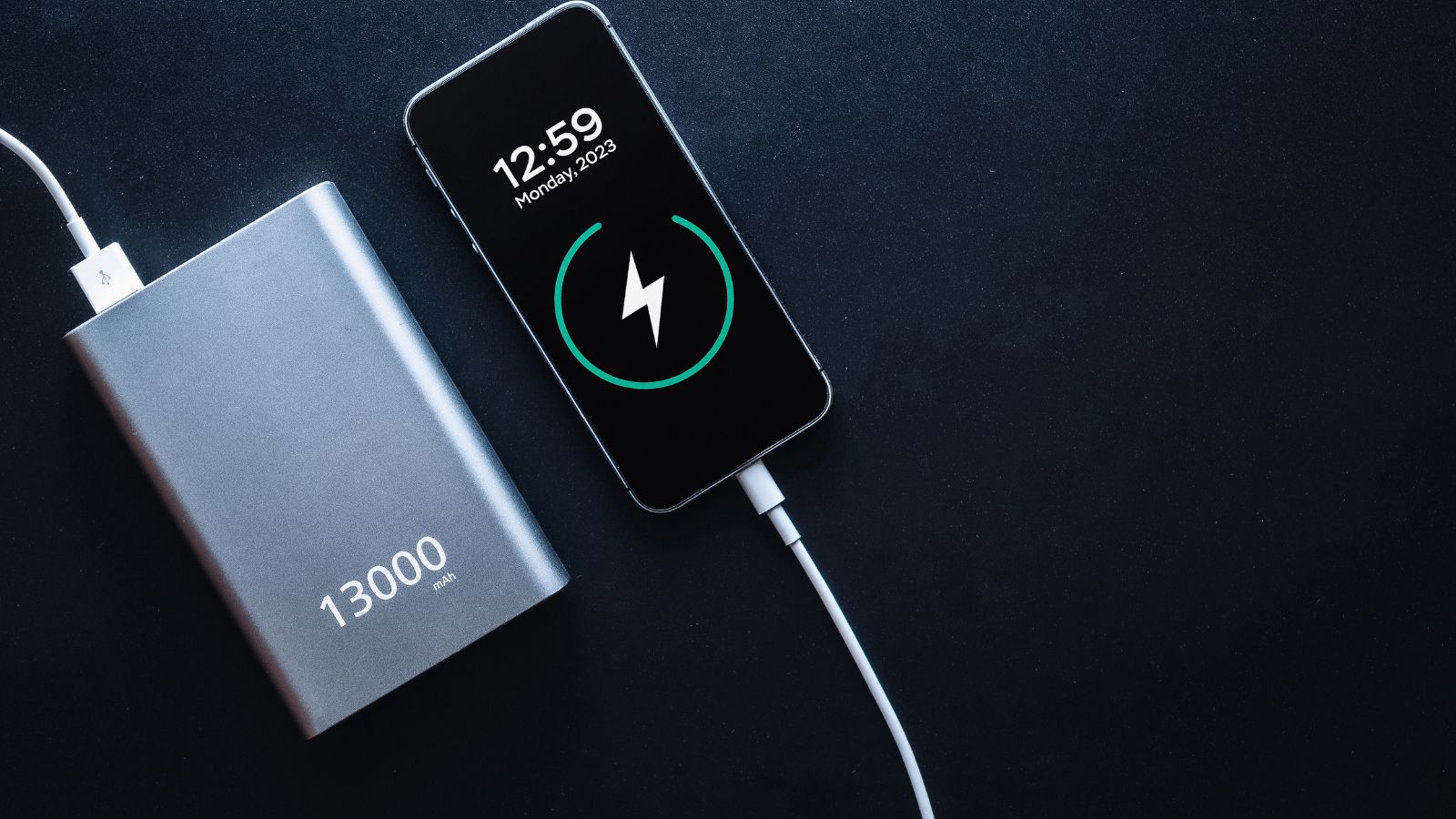
Cold temperatures can drain batteries faster, including phones, flashlights, and portable power banks. Keeping them in an inner coat pocket, bag, or insulated pouch helps maintain charge. Avoid leaving electronics in a cold car overnight. If you need to store backup batteries, place them somewhere warm and easy to access. This can be helpful during power outages or long trips in freezing weather. Some people wrap power banks in socks or fabric when temperatures drop. Small adjustments like this prevent devices from shutting down unexpectedly and keep emergency tools ready when they are needed.
Store Food and Water for Storm Days
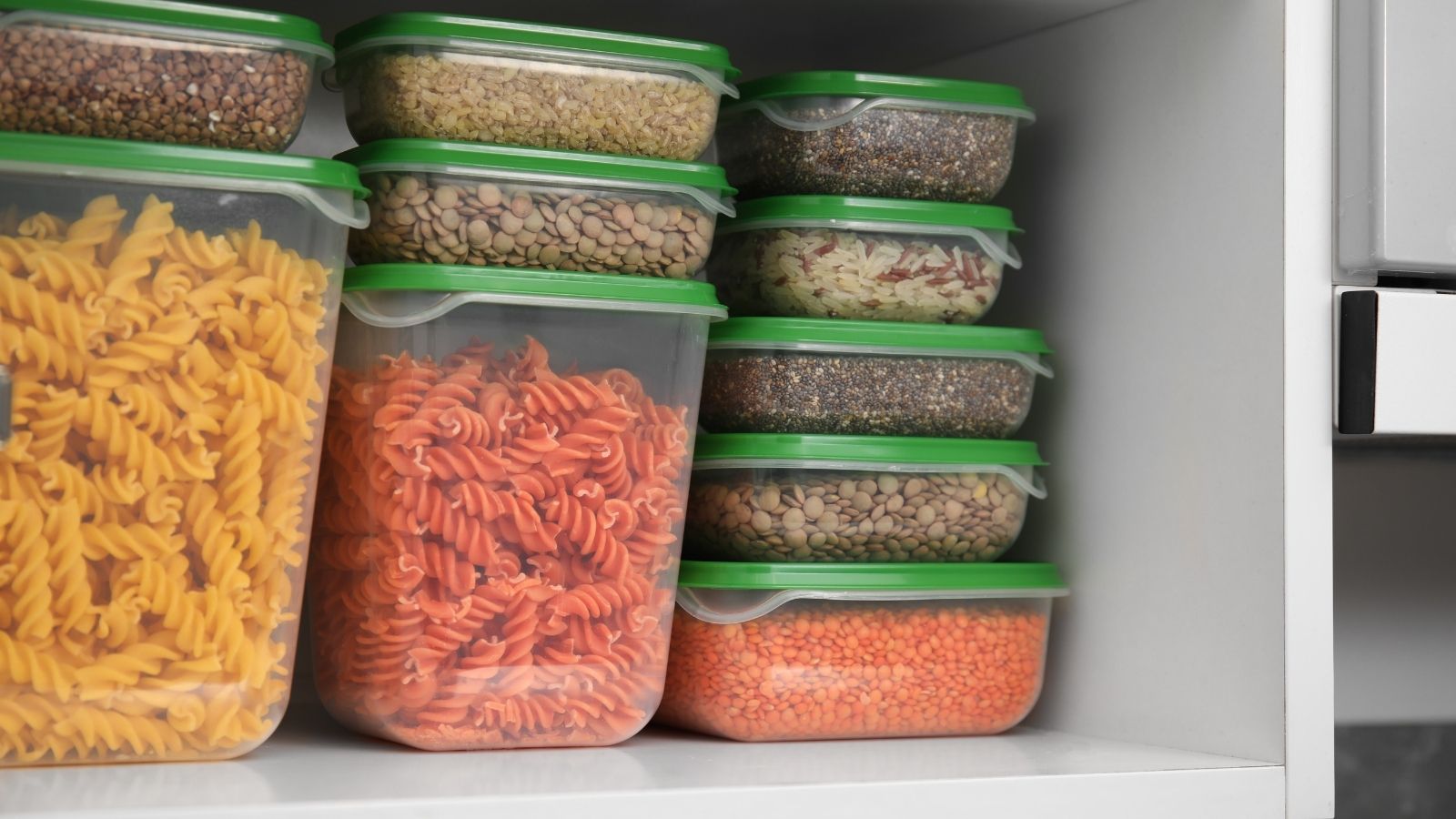
Winter storms can delay supply trucks and make roads unsafe. Keeping shelf-stable food and bottled water at home helps avoid rushed store trips during bad weather. Items like canned soup, pasta, rice, peanut butter, oats, crackers, and ready-to-heat meals are useful. Storing water is also smart because freezing temperatures can affect pipes or the municipal supply. This is not emergency stockpiling. It is a simple preparation for days when leaving home is difficult. Rotating items regularly prevents waste and keeps everything fresh. Having supplies ready provides comfort, especially during long storm stretches.
Prevent Pipes From Freezing
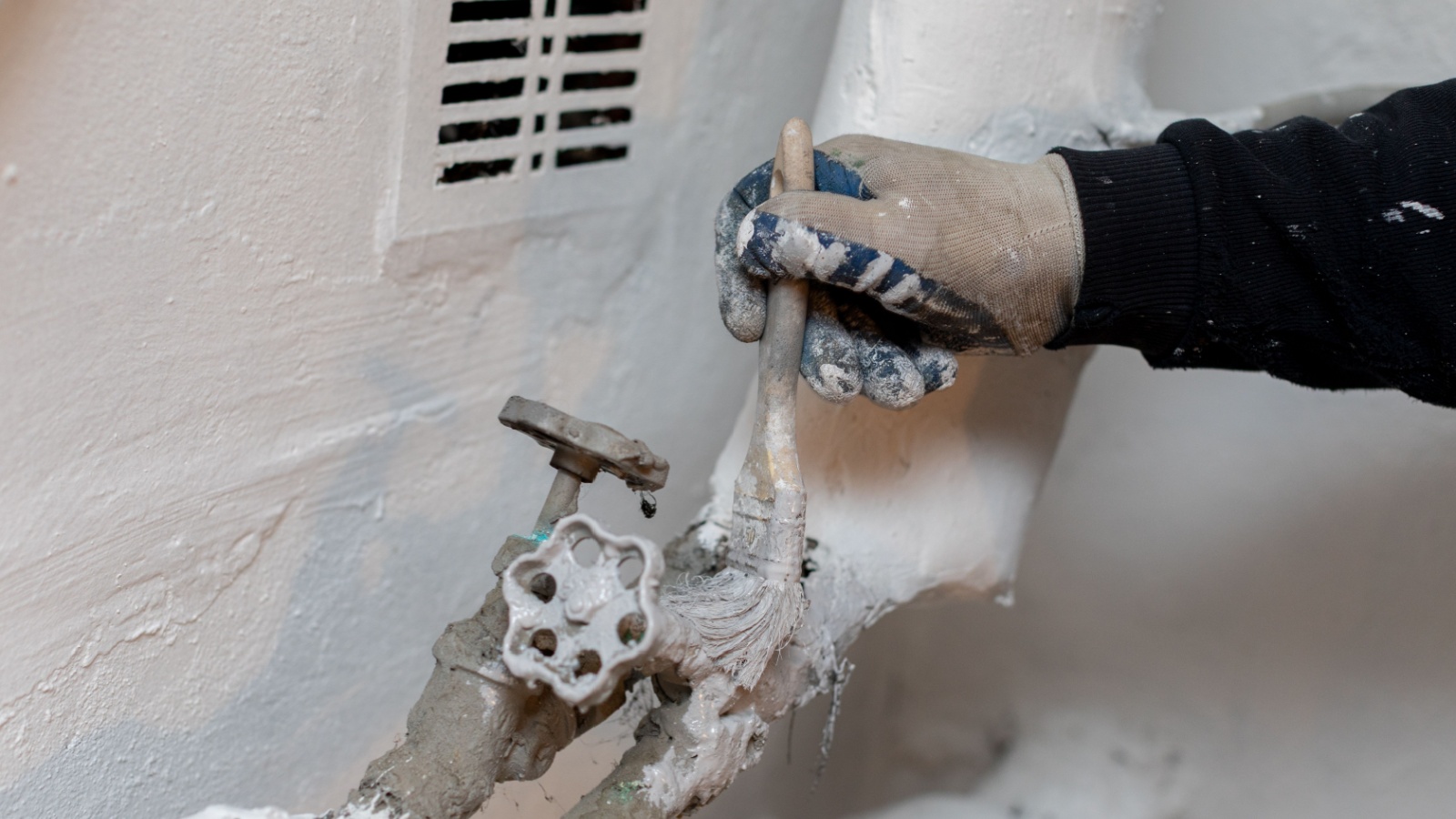
Frozen pipes can burst and cause expensive damage. Keeping indoor temperatures stable helps avoid this issue. Leaving cabinet doors open under sinks allows warm air to circulate. During very cold nights, letting faucets drip slightly can stop water from freezing. Insulating exposed pipes adds extra protection. If you plan to travel, setting the thermostat at a safe temperature reduces risk while you are away. These steps are especially important for older homes or areas with severe winter weather. Prevention is much easier and less costly than fixing frozen or burst pipes after temperatures drop.
Use Moisturizer to Avoid Dry Skin and Cracks

Cold weather can dry skin quickly because indoor heat and low humidity remove moisture. Using a moisturizer regularly helps protect hands, feet, and face from cracking or irritation. Applying lotion after washing hands or showering helps lock in moisture. Some people switch to thicker creams during winter because they last longer. Lip balm also helps prevent dryness and discomfort. Keeping small containers in bags, cars, or desks makes it easier to stay consistent. This habit maintains comfort during long winter months and helps avoid painful skin irritation that can make cold temperatures harder to handle.
Warm Up Rooms With Curtains and Rugs

Cold floors and bare windows can make a home feel colder than it is. Thick curtains help block drafts from windows and keep heat inside. Adding area rugs on tile or hardwood floors provides insulation and makes walking more comfortable. These small changes help retain warmth without increasing heating costs. Closing curtains at night and opening them during sunny hours can make a difference. This trick works especially well in older homes or rooms with large windows. It is a simple way to stay warm and make indoor spaces feel more comfortable during the winter months.
Cook Higher-Calorie Meals on Colder Days

Winter weather can burn extra energy because the body works harder to stay warm. Cooking higher-calorie meals like stews, pasta dishes, casseroles, and slow-cooked meals can help maintain energy levels. These meals often store well and make leftovers for multiple days. Ingredients such as potatoes, rice, beans, cheese, and healthy fats are affordable and filling. Warm foods also feel more comforting during low temperatures. Meal planning with seasonal vegetables and pantry staples helps keep costs stable. This habit supports comfort, nutrition, and consistent energy when temperatures drop.
Keep Emergency Heat Sources Ready

Power outages can happen during winter storms, and having backup heat sources provides security. Items such as extra blankets, propane heaters rated for indoor use, or heated water bottles can help. Always follow safety instructions to avoid fire or carbon monoxide risks. Some people also use battery-powered heating pads for short-term warmth. Keeping these items stored together makes them easier to locate during an outage. Preparation helps prevent stress when temperatures fall and heating systems stop unexpectedly. This step is part of responsible winter planning.
Prepare for Longer Power Outages
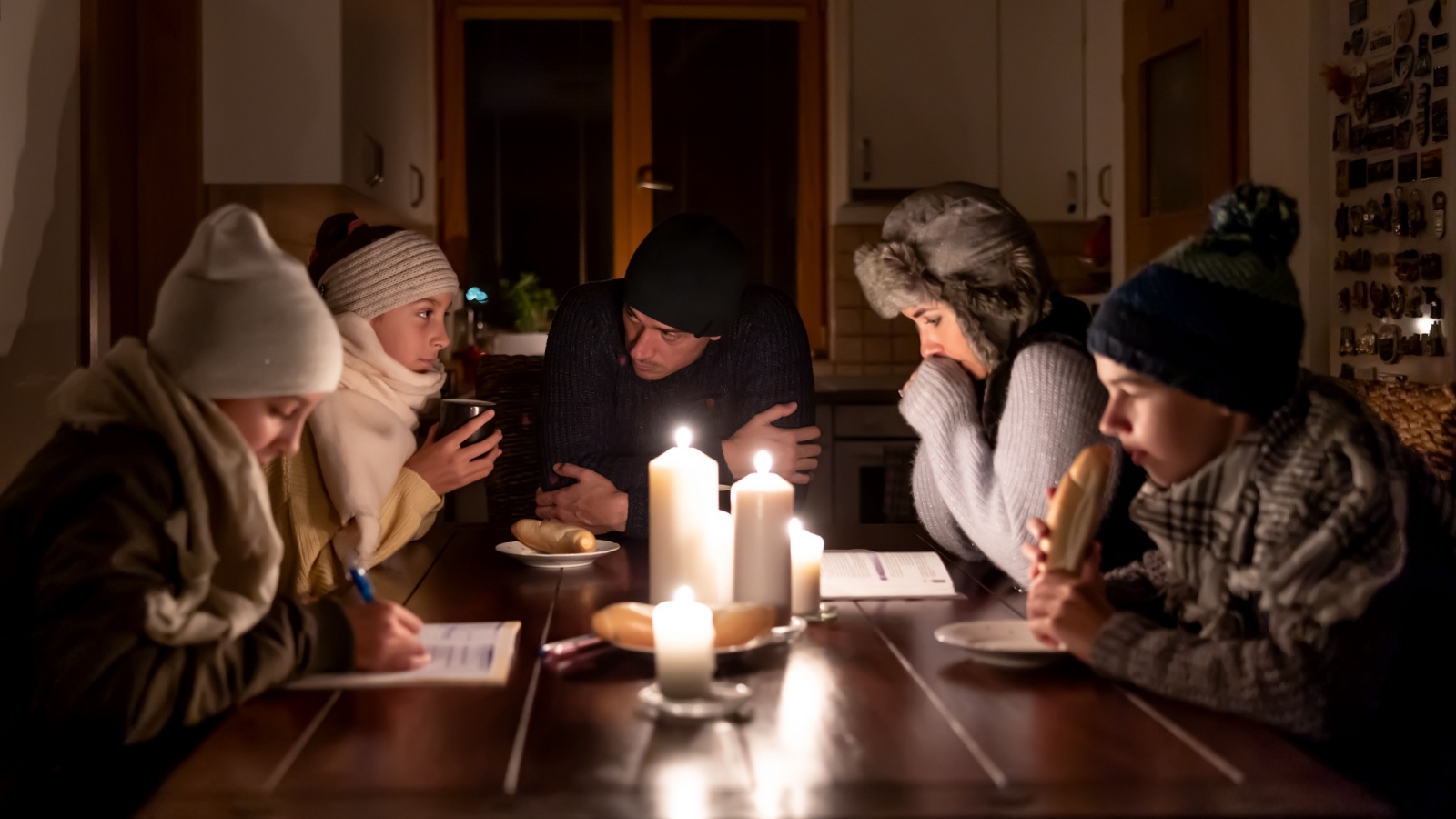
Some winter storms can interrupt power for several hours or days. Preparing ahead makes those situations easier to manage. Keeping flashlights, batteries, shelf-stable food, water, and backup chargers available helps maintain routine. Having extra blankets and warm clothing ready keeps the indoor environment manageable. Knowing where utility shutoff points are can help prevent damage. Checking emergency supplies once per season keeps everything reliable. Preparation gives peace of mind and supports safety when conditions become unpredictable.
Charge Devices Before Storms

Charging phones, laptops, flashlights, and power banks before a storm is a simple but important habit. Weather changes can happen fast, and outages sometimes occur without warning. Fully charged devices help maintain communication and access to weather updates. Keeping backup power banks filled adds extra security. Some people also charge items like rechargeable batteries or lanterns during storm alerts. This habit supports safety and convenience when the power goes out. Planning ahead reduces stress and keeps essential devices available when needed most.
21 Products Canadians Should Stockpile Before Tariffs Hit

If trade tensions escalate between Canada and the U.S., everyday essentials can suddenly disappear or skyrocket in price. Products like pantry basics and tech must-haves that depend on are deeply tied to cross-border supply chains and are likely to face various kinds of disruptions
21 Products Canadians Should Stockpile Before Tariffs Hit
