
Winter in Canada can feel long, dark, and challenging for many. Short days, cold temperatures, and snow can make it difficult to stay active and positive. However, adopting specific habits can make the season more manageable and even enjoyable. From layering clothing effectively to embracing daylight and staying socially connected, small routines help Canadians stay warm, healthy, and engaged. Here are 20 habits that make winter feel shorter no, really.
Layer Clothing Strategically for Warmth and Comfort

Layering clothing is essential for Canadian winters. Start with a moisture-wicking base layer to keep skin dry. Add an insulating layer such as fleece or wool for warmth. Finish with a waterproof and windproof outer layer to block snow and cold winds. Wearing multiple layers allows you to adjust comfort when moving between indoor and outdoor spaces. Accessories like hats, scarves, and gloves provide additional protection. Proper layering prevents heat loss and reduces the risk of frostbite. It also makes winter activities more comfortable and manageable. Layering strategically helps Canadians stay warm while commuting, exercising, or running errands in winter.
Use Hand and Foot Warmers Regularly

Hand and foot warmers are small, portable tools that provide extra heat during cold Canadian winters. They are particularly useful during long commutes, outdoor work, or winter sports. Warmers can be placed inside gloves, mittens, or boots for continuous comfort. Using them prevents frostbite and improves circulation in extremities. Many people carry spare warmers for unexpected delays in cold weather. Regular use keeps hands and feet functional during prolonged outdoor exposure. Warmers are also helpful for seniors and children, who are more sensitive to cold. Incorporating them into your winter routine increases comfort and safety.
Seal Drafts Around Windows and Doors
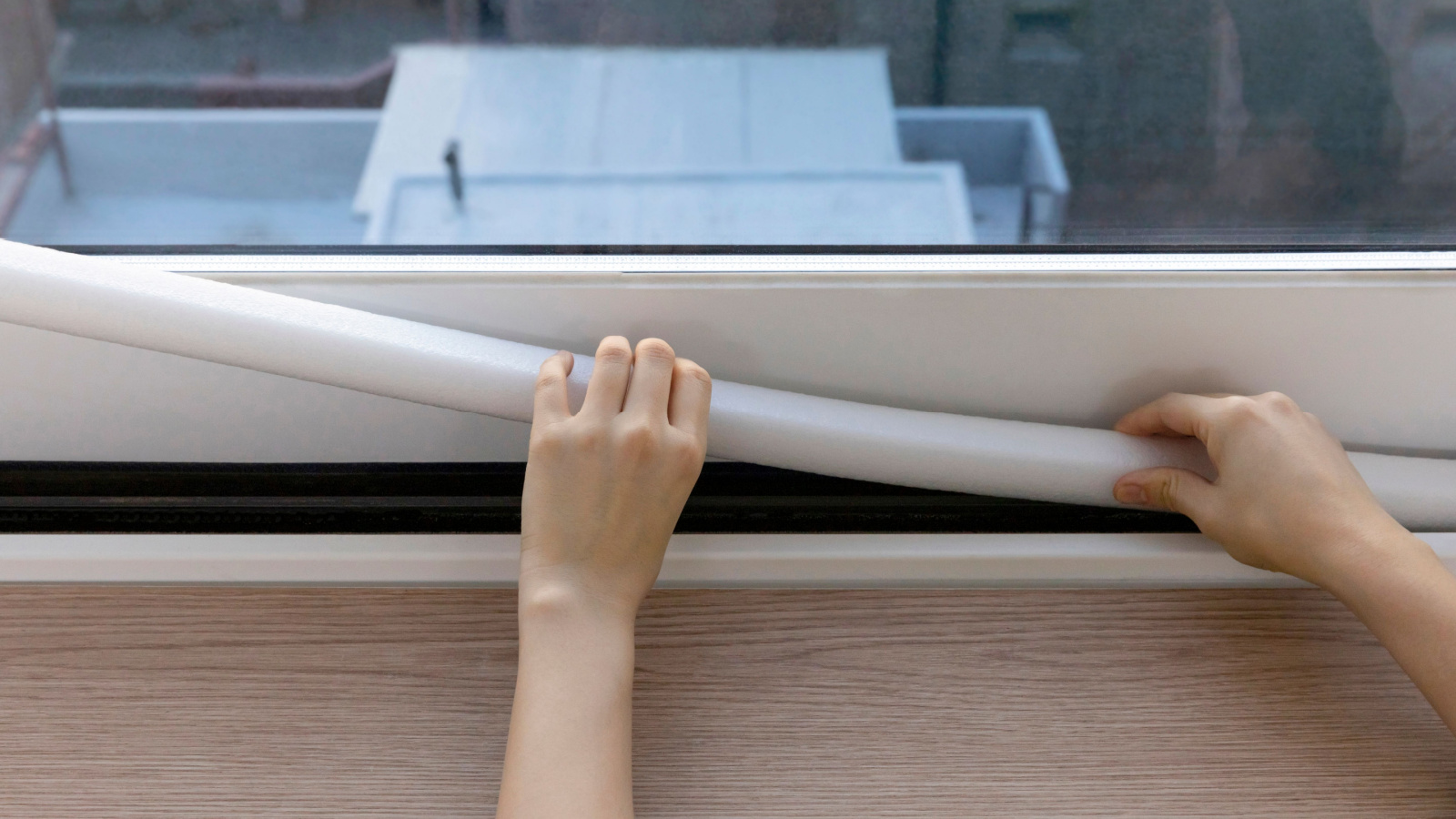
Cold air entering through gaps in windows and doors increases heating costs and makes homes uncomfortable. Use weatherstripping, door sweeps, or caulking to seal drafts. Inspect areas around window frames, door edges, and baseboards for leaks. Sealing drafts prevents heat loss and reduces cold spots indoors. Proper insulation also improves energy efficiency, lowering utility bills in Canadian winters. Homeowners can add heavy curtains to further block cold air and retain warmth. Small measures like draft-proofing significantly enhance comfort during prolonged cold spells. Maintaining a warm indoor environment helps Canadians feel cozy and protects pipes from freezing.
Keep a Winter Car Kit Ready
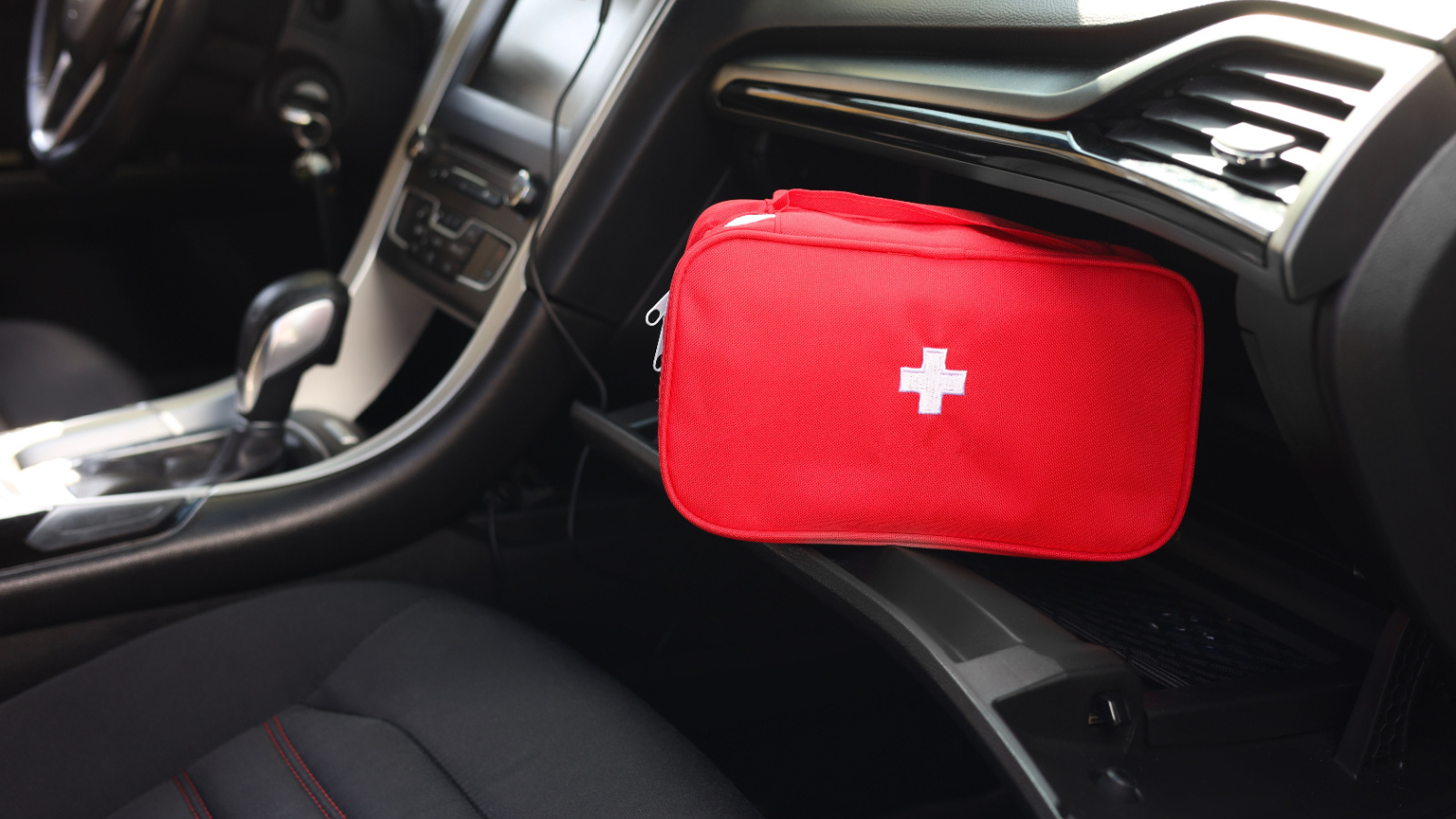
Every Canadian should maintain a winter car kit for safety and preparedness. Include items such as a shovel, ice scraper, jumper cables, blankets, extra gloves, and non-perishable snacks. A flashlight, first-aid kit, and tow rope are essential for emergencies. Keep sand or kitty litter for traction on icy roads. Check that your vehicle has sufficient windshield washer fluid and antifreeze. A winter car kit ensures you can handle breakdowns, stranded situations, or snowstorms safely. Being prepared reduces stress and prevents dangerous situations during Canadian winter driving. Regularly check and update the kit before the season begins.
Switch to Winter Tires Early

Winter tires are critical for safe driving in Canada’s cold, snowy conditions. They provide better traction on ice and packed snow than all-season tires. Installing them early in the season prevents accidents during the first snowfall. Winter tires improve braking performance and reduce the risk of sliding on icy roads. Many provinces legally require them for certain months. Even in urban areas, they enhance vehicle control and confidence. Regularly check tire pressure and tread depth, as cold temperatures affect performance. Switching to winter tires is one of the most effective habits to maintain safety during Canadian winters.
Use Kitty Litter for Traction on Ice
Kitty litter is a practical tool for improving traction on icy surfaces in Canada. Keep a small bag in your car or near doorways for emergencies. Sprinkle it on slippery driveways, sidewalks, or steps to reduce the risk of slipping. It is particularly helpful for older adults, children, or pets navigating icy areas. Kitty litter provides temporary grip until snow can be cleared. Combining it with shoveling and salt ensures safer movement outdoors. This inexpensive and simple habit helps Canadians maintain stability and safety during winter, especially in freezing temperatures or after heavy snowfall.
Start Your Car Weekly If You Work From Home

Even if you work from home during Canadian winters, starting your car weekly is important. Running the engine for 10–15 minutes keeps the battery charged and fluids circulating. Cold temperatures can reduce battery performance, making it difficult to start during an emergency. Warming the engine also prevents mechanical issues caused by prolonged inactivity. Check tire pressure, windshield wipers, and antifreeze levels regularly. This simple habit ensures your car is ready if you need to travel unexpectedly. Starting your car weekly reduces the risk of breakdowns and keeps it in reliable working condition throughout the harsh Canadian winter months.
Keep Batteries and Power Banks Warm

Cold weather reduces the efficiency of batteries and power banks. Store them indoors or in insulated compartments during Canadian winters. Avoid leaving devices in vehicles overnight or on cold surfaces. Warming batteries before use helps maintain performance and extends their lifespan. This is especially important for phones, flashlights, and other essential electronics during power outages or emergencies. Portable power banks kept warm ensure communication and safety tools remain functional. Monitoring battery temperature prevents unexpected device failures. Keeping batteries and power banks warm is a simple but effective habit for Canadians to stay connected and prepared during winter conditions.
Prevent Pipes From Freezing

Freezing pipes are a common winter issue in Canada and can cause costly damage. Insulate exposed pipes in basements, attics, or crawl spaces. Keep indoor temperatures above freezing, even in unused rooms. Open cabinet doors under sinks to allow warm air circulation. Let faucets drip slightly during extremely cold nights to prevent pressure buildup. Inspect and repair cracks or leaks before winter sets in. Preventing frozen pipes avoids emergency plumbing repairs and water damage. This habit ensures Canadians maintain functional plumbing throughout harsh winter months and keeps households safe from the inconvenience and expense of burst pipes.
Use Moisturizer to Avoid Dry Skin and Cracks

Cold, dry winter air in Canada can cause skin dryness, irritation, and cracking. Applying moisturizer regularly helps maintain skin hydration. Use creams or lotions specifically formulated for winter conditions. Focus on hands, feet, and face, which are more exposed to cold and wind. Wearing gloves and socks over moisturized skin provides extra protection. Moisturizing after washing hands or showering replenishes lost moisture. Consistent care prevents discomfort and protects against chapping, cracking, or infections. Incorporating moisturizer into daily routines is a simple yet effective habit that helps Canadians maintain healthy skin throughout long and harsh winter months.
Warm Up Rooms With Curtains and Rugs

Using curtains and rugs helps retain heat in Canadian homes during winter. Heavy or thermal curtains reduce heat loss through windows, keeping rooms warmer. Area rugs add insulation to floors and reduce cold drafts. Closing curtains at night or during storms maximizes warmth, while opening them during sunny hours allows natural heat in. Layering rugs in high-traffic areas adds comfort and safety by reducing slips on icy floors brought inside. Combining these simple adjustments with efficient heating creates a cozier indoor environment. Canadians can significantly improve comfort and reduce energy costs by using curtains and rugs strategically in winter.
Cook Higher Calorie Meals on Colder Days

Consuming higher calorie meals in winter helps maintain body warmth and energy in cold Canadian conditions. Include balanced meals with proteins, healthy fats, and complex carbohydrates to support sustained energy. Warm soups, stews, and casseroles provide comfort and nutrition. Cooking at home also increases heat indoors and encourages family or household bonding. Preparing slightly larger meals ensures you have leftovers for busy days. Eating appropriately for winter activity levels prevents fatigue and supports overall health. Canadians benefit from adjusting calorie intake based on temperature and activity. Higher calorie meals help maintain energy, warmth, and comfort during colder months.
Keep Emergency Heat Sources Ready
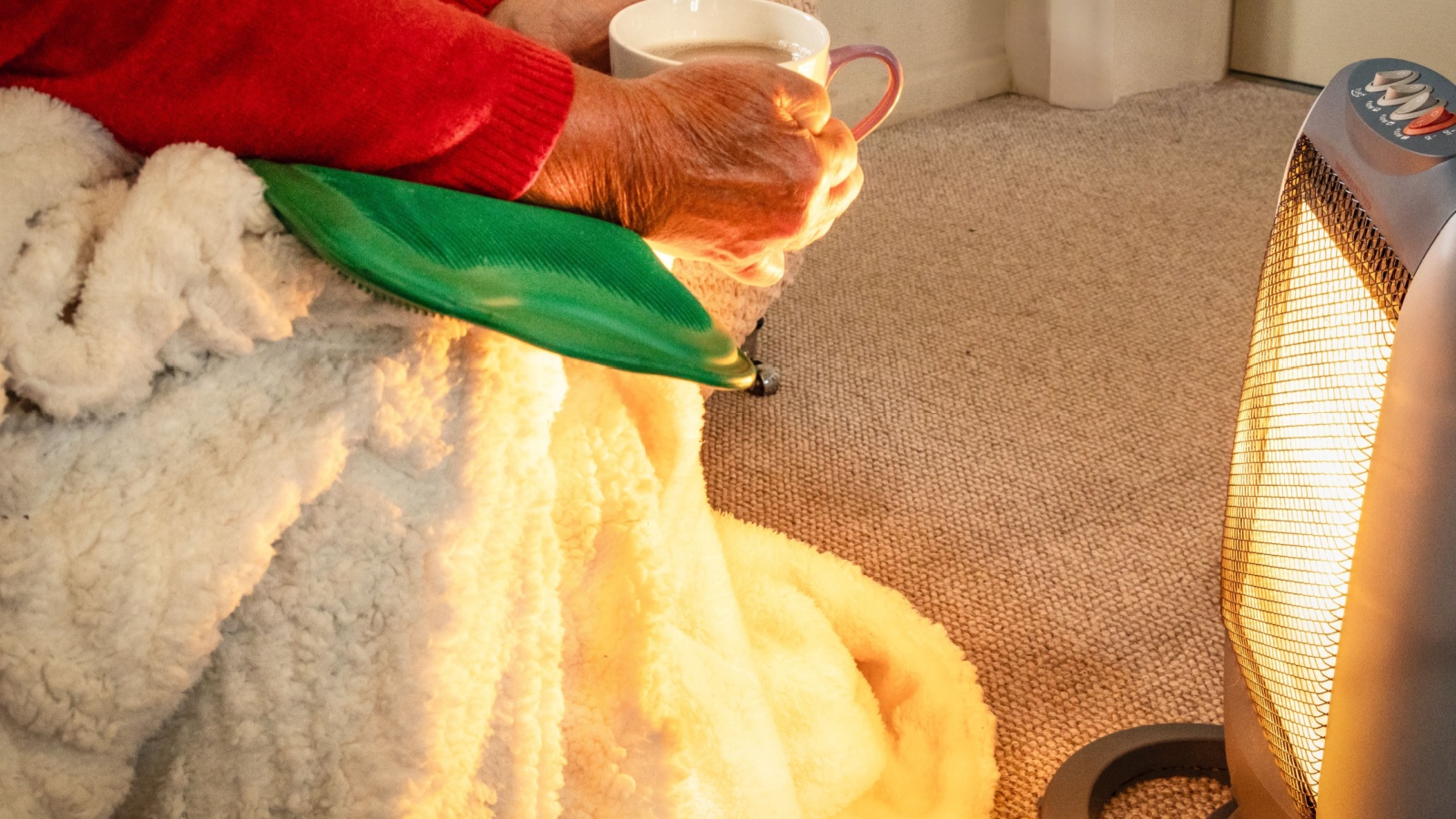
Having backup heat sources is essential for Canadian winters. Portable heaters, wood stoves, or propane heaters can provide warmth during power outages or heating system failures. Ensure proper ventilation and follow safety instructions to prevent fire hazards or carbon monoxide exposure. Stock extra fuel or wood to last several days. Regularly inspect equipment for proper function before winter. Emergency heat sources allow continued comfort and safety during storms or blackouts. Preparing in advance reduces stress and provides peace of mind. Keeping emergency heat sources ready is a simple but critical habit for Canadians facing cold and unpredictable winter conditions.
Prepare for Storms

Power outages can occur unexpectedly during winter storms in Canada. Prepare by keeping flashlights, extra batteries, candles, and backup heating options accessible. Stock food and water to last multiple days. Charge electronic devices in advance and consider a generator for essential appliances. Having a plan for family and pets ensures safety and comfort. Knowing local emergency shelters and keeping important documents accessible is also useful. Preparing for longer outages reduces stress and ensures you can manage winter emergencies safely. Canadians benefit from planning ahead, as harsh weather can cause extended disruptions to electricity and daily routines.
Charge Devices Before Storms

Keeping devices fully charged before winter storms is a crucial habit in Canada. Power outages are common during snowstorms, ice storms, or strong winds. Fully charged phones, tablets, and laptops ensure you can communicate with family, neighbors, or emergency services. Portable power banks should also be fully charged as backups. Charge devices during low-usage periods to maximize battery life. This habit provides peace of mind and helps Canadians stay connected and safe during unpredictable winter weather. Having power for essential devices ensures access to weather updates, emergency contacts, and navigation when needed.
Plan Indoor Activities to Stay Active

Staying active indoors helps Canadians maintain physical and mental health during long winters. Exercise routines like yoga, strength training, or dance workouts prevent stiffness and boost energy. Indoor hobbies, games, or learning activities keep the mind engaged. Creating a schedule encourages consistency and helps combat seasonal fatigue or cabin fever. Families can incorporate shared activities to build connections and maintain social interaction. Staying active indoors reduces the negative effects of limited outdoor time during harsh winter conditions. Planning indoor activities is a practical habit that keeps Canadians healthy, motivated, and entertained throughout the colder months.
Embrace Daylight With Morning Walks
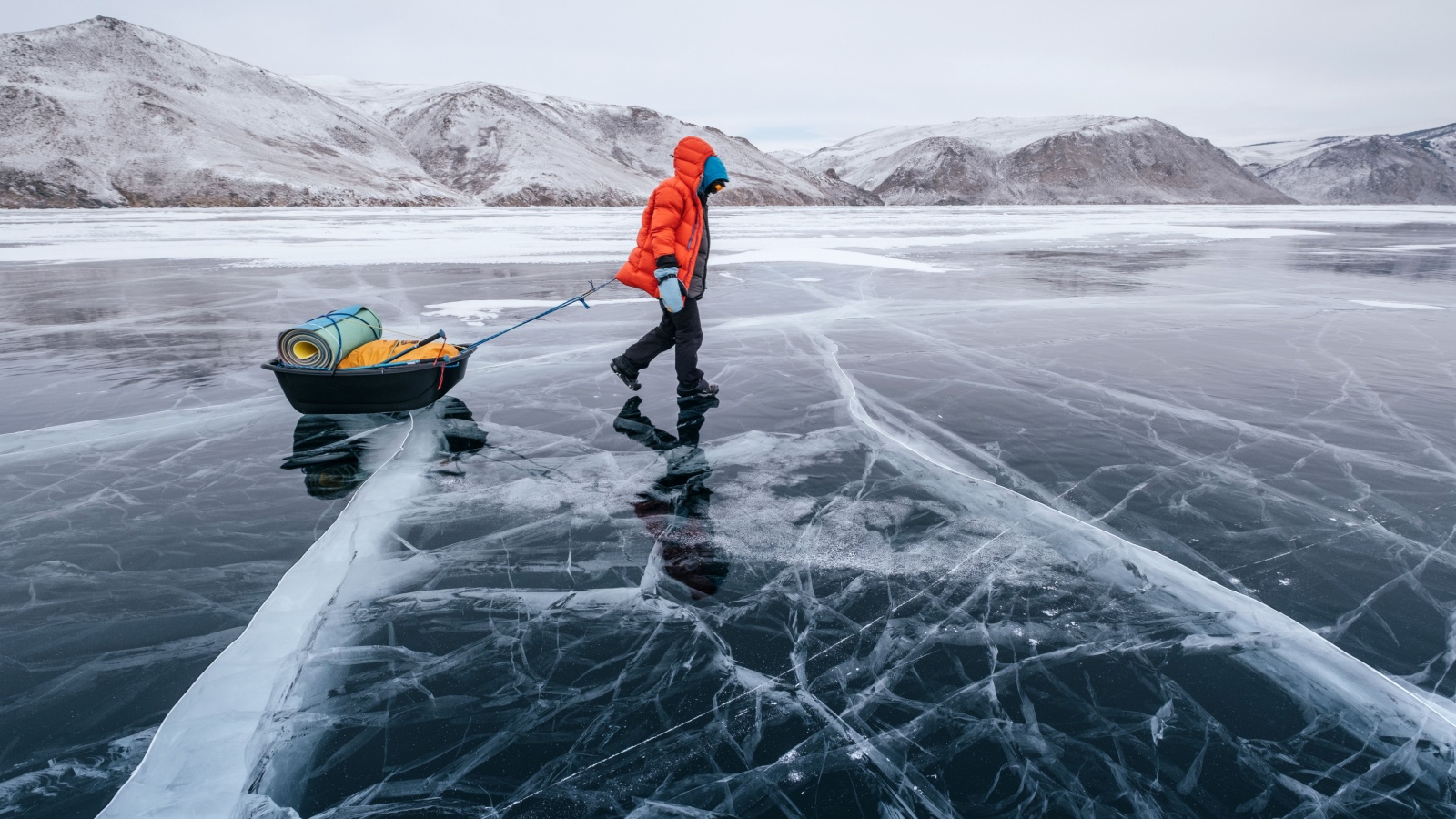
Taking morning walks during daylight hours helps Canadians cope with shorter winter days. Exposure to natural light improves mood, supports vitamin D production, and helps regulate the body’s internal clock. Even a brief walk around the neighborhood can boost energy and focus for the day. Layer appropriately for warmth and wear reflective gear if walking near roads. Combining light exposure with gentle physical activity promotes overall wellness. Regular morning walks also encourage consistent daily routines, which can reduce feelings of fatigue or seasonal sadness. Embracing daylight through morning walks is a simple habit that makes Canadian winters feel shorter.
Stay Connected With Friends and Family

Maintaining social connections is vital during Canada’s long and cold winter months. Regular communication with friends and family provides emotional support and helps reduce feelings of isolation. Virtual calls, online group activities, or small in-person gatherings can keep relationships strong. Sharing experiences, meals, or winter hobbies fosters engagement and positivity. Staying connected encourages Canadians to remain motivated, active, and mentally healthy despite limited daylight and harsh outdoor conditions. Planning social interactions also provides something to look forward to during winter. Prioritizing relationships is a simple yet effective habit that makes the season feel shorter.
21 Products Canadians Should Stockpile Before Tariffs Hit

If trade tensions escalate between Canada and the U.S., everyday essentials can suddenly disappear or skyrocket in price. Products like pantry basics and tech must-haves that depend on are deeply tied to cross-border supply chains and are likely to face various kinds of disruptions
21 Products Canadians Should Stockpile Before Tariffs Hit
