
Every global crisis exposes strengths that many people never notice in calmer times. Canada has many quiet advantages that rise to the surface when the world gets unpredictable. These strengths come from geography, policy choices, social habits, resource management, and long-standing stability. None feels flashy, yet they tend to hold steady even when other systems shake. These advantages also help Canadians adapt faster than expected, which surprises outsiders who assume the country always moves slowly. Here are 23 hidden Canadian advantages in a global crisis.
Strong Public Health Infrastructure

Canada’s public health network stays stable during emergencies because services stay accessible. Provinces coordinate closely, which keeps gaps smaller. Hospitals rely on shared standards rather than fragmented systems. There is also dependable community outreach, which supports families during sudden changes. These strengths look ordinary during calm years, yet they become important during global disruptions. Canadians benefit from predictable access even when pressure rises. This lowers fear and reduces misinformation. It also keeps the national response more unified. Since care remains available to most people regardless of income, communities hold together when stress increases across regions.
Reliable Food Supply Chains

Canada has long supply chains, yet they function well during global issues because producers work with stable rules. Large grocery networks coordinate with farms without major pricing shocks during early disruptions. Canada grows a wide mix of crops, which helps keep store shelves filled even when imports slow. Cold storage capacity also gives retailers more buffer time. Local producers step in fast when trucking faces delays. Smaller towns often have direct links with nearby farms, which keep households supplied. These conditions ease panic buying and limit shortages that sometimes hit other countries harder during global shocks.
Stable Banking System
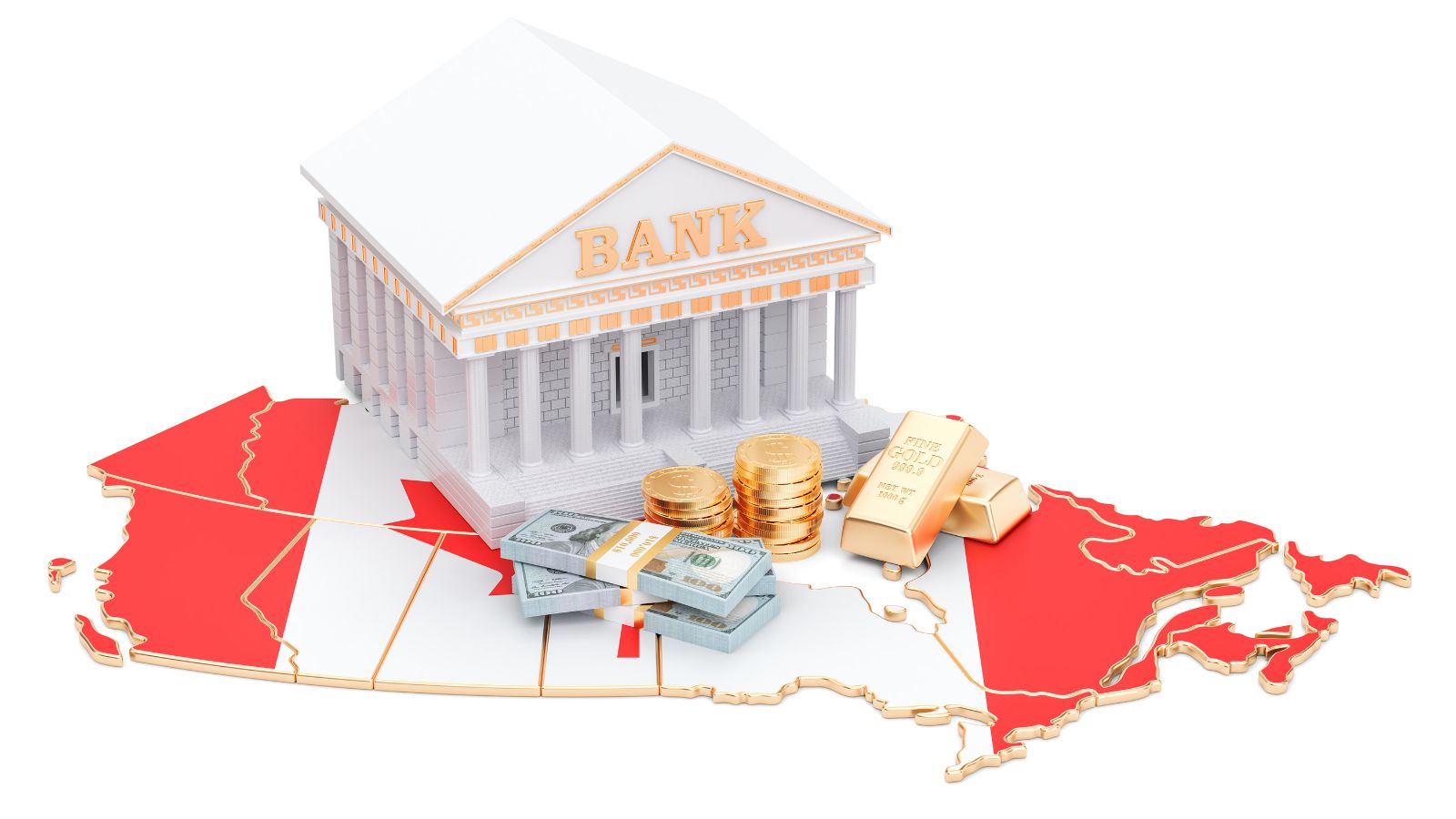
Canadian banks operate under strict standards that keep them steady during worldwide turbulence. They hold strong reserves that protect customers when global markets shake. The small number of major banks creates consistency across the country. They move slowly on risky products, which helps avoid sudden failures. Digital services stay reliable during heavy demand because investments focus on long-term stability. Canadians experience fewer shocks during market drops because their banking structure avoids extreme swings. This gives households more confidence to make decisions. Businesses also benefit from predictable lending, which helps keep staff employed during market downturns.
Abundant Natural Resources

Canada has vast supplies of energy, minerals, lumber, and fresh water. These resources support strong exports even when the global economy slows. Demand for energy stays steady across many regions, which keeps revenue flowing. Resource industries also support remote communities with stable jobs. During global shortages, Canadian supplies help fill gaps. Countries look for consistent partners, and Canada fits that role. The country benefits from strong trade relationships that build long-term trust. These natural reserves also support strategic planning when global prices shift suddenly. They help Canada remain flexible during global uncertainty.
Predictable Governance

Canada’s political system shifts gradually rather than sharply, which builds stability during emergencies. Policies rarely swing overnight. Institutions follow clear rules that support continuity. Public services remain steady even when elections approach. International partners trust Canada because responses do not change without warning. This makes negotiations easier during urgent global issues. Canadians also feel less anxiety because transitions stay calm. Predictable governance reduces confusion during rapidly changing global conditions. Communities can adapt without facing sudden policy shocks. This steady environment supports long-term planning even during worldwide upheaval.
Strong Social Safety Nets

Programs like employment insurance, child benefits, and income support give Canadians some protection when work becomes unpredictable. These systems activate quickly during downturns. Families have access to direct relief when hours get cut. Support arrives through established programs, which reduces delays during emergencies. This safety net keeps households from dropping into deeper stress during global shocks. Communities experience fewer disruptions because people can cover basic needs. Businesses benefit because consumer spending holds steadier. These protections limit long-term damage after crisis periods. The social safety net becomes a quiet stabilizer during worldwide pressures.
High Trust in Public Institutions

Canada maintains relatively high trust in public institutions compared with many countries. This becomes important during global emergencies when people need clear information. When trust is high, communities follow guidance with less conflict. Misinformation spreads more slowly because credible voices hold more weight. This helps stabilize public reaction during uncertain periods. Agencies can coordinate faster because fewer groups resist basic steps. As a result, Canada moves through emergencies with fewer social fractures. People cooperate with each other without heavy enforcement. This trust reduces panic and supports a more orderly response to global disruptions.
Strong Trade Relationships

Canada has long-standing trade relationships with major global partners. These ties stay active even during worldwide economic strain. Buyers trust Canada as a steady supplier. Exporters maintain contracts through volatile markets. This helps protect jobs in manufacturing, agriculture, and energy. Canada’s trade agreements also give access to alternative markets when certain regions slow. This flexibility reduces economic shocks during global downturns. Ports stay busy because shipping routes rarely shut down for Canadian suppliers. These consistent trade links help maintain economic stability during worldwide disruptions.
Large Skilled Immigrant Workforce

Canada attracts skilled workers who contribute to critical sectors. Many new arrivals fill roles in health care, technology, engineering, construction, and research. During crises, these workers keep essential services running. Employers rely on their expertise during high-pressure periods. Immigrants also help stabilize population growth, which supports the economy during a global slowdown. Their diverse skills strengthen Canada’s ability to adapt quickly. Cities benefit from cultural networks that spread information fast. These communities help newcomers settle even during difficult periods. Canada gains a workforce that supports resilience during global disruptions.
Strong Manufacturing in Key Sectors

Canada has solid manufacturing capacity in areas like aerospace, automotive parts, food processing, and medical supplies. These industries protect the country during global shortages. Factories can adjust production when imports slow. Workers in these sectors maintain stable employment even during downturns. Domestic production reduces dependency on fragile global supply chains. Canadian firms often collaborate closely with the government during crisis periods. This coordination supports smoother shifts in production when needed. Manufacturing strength in targeted sectors becomes a major advantage during worldwide instability.
Abundant Fresh Water

Canada holds large reserves of fresh water that give it security during global water stress. Lakes, rivers, and groundwater provide a long-term supply for households and industries. Other regions face water shortages during global heat events, but Canada remains steady. Water supports hydro power, agriculture, and manufacturing. This reduces vulnerability during international supply chain disruptions. Water also keeps food production more reliable during droughts elsewhere. These reserves become a strategic advantage in global crisis conditions.
Strong Digital Connectivity

Broad internet access across cities and many rural regions helps Canadians stay connected during emergencies. Remote work becomes easier when travel is disrupted. Businesses keep operating because digital tools function reliably. Schools maintain classes through online platforms. Families communicate with services without needing physical appointments. These strengths reduce the impact of global disruptions on daily life. Digital connectivity also supports mental health because social contact remains accessible. When other countries experience major digital outages, Canada often maintains stable networks that support continuity.
Stable Housing Market Structure

Canada’s housing market rises and falls, but its structure avoids extreme crashes. Lending rules are strict, which reduces risky borrowing. Banks stress-test buyers, which limits sudden defaults. Builders respond gradually to demand shifts. These features keep the market steadier during global pressure. Slow swings prevent large waves of foreclosures. This stability protects household wealth and supports economic confidence. People continue spending because they feel less fear about losing their homes. A stable housing system becomes a major advantage during worldwide uncertainty.
Strong Research Institutions

Canadian research institutions support national resilience because they produce steady findings across many fields. Scientists study health, climate, engineering, and technology with long-term commitment. Their work helps governments plan during unpredictable periods. Universities also cooperate with global partners when fast answers are needed. This collaboration keeps research active even when other countries face disruptions. Students participate in many projects, which increases national capacity during stressful times. Funding remains stable enough for multi-year studies, which protects progress during global uncertainty. These institutions provide a strong knowledge base that supports practical decisions during worldwide crises.
Food Security Planning

Canada treats food security as an ongoing responsibility rather than a temporary response. Agencies monitor supplies throughout the year. They work closely with farmers to understand upcoming risks. Storage sites keep key products available during disruptions. Provinces prepare seasonal plans to avoid sudden shortages. Local producers also offer backup during transportation delays. These systems reduce panic buying because people see consistent access. Families worry less when shelves stay stocked through difficult periods. Planning helps stabilize prices when global markets shift fast. This steady approach makes the national food system more dependable during worldwide challenges.
Strong Nonprofit Sector

Canada’s nonprofit sector becomes very active during crises. Organizations distribute meals, supplies, and emergency support when pressure rises. Volunteers mobilize quickly because many groups already operate year-round. They often reach individuals who avoid formal services. Their local knowledge helps them respond with precision. Nonprofits also reduce strain on government offices during high-demand periods. Many groups offer counselling and community programs that help people feel supported. This network keeps communities connected even when larger systems feel overwhelmed. Their efforts become a stabilizing force during global disruptions. The nonprofit sector provides grounded support when uncertainty increases.
Geographic Buffer from Conflicts
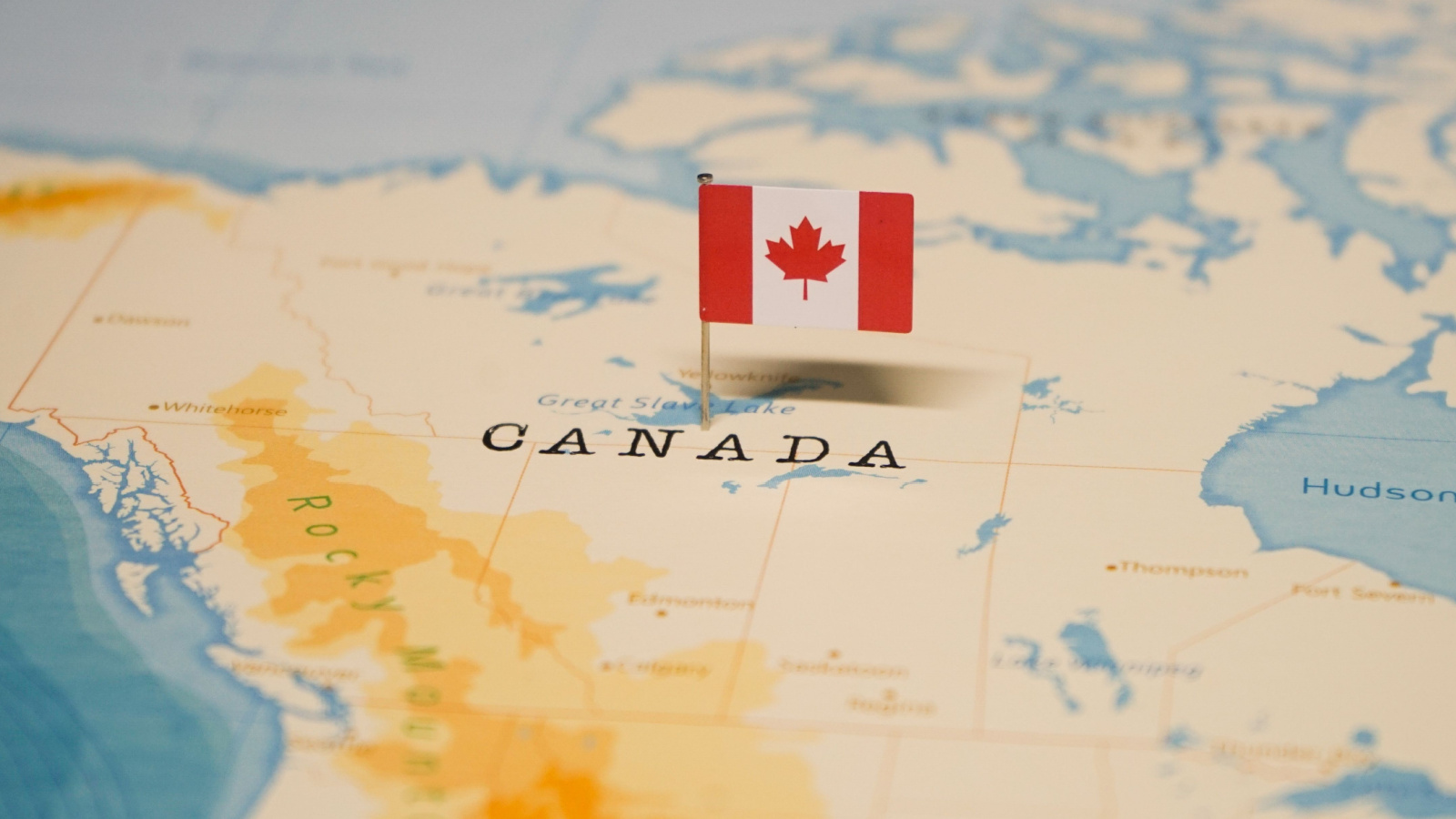
Canada’s geographic position lowers its exposure to many global tensions. The country sits far from major conflict zones, which reduces direct disruption. Trade routes remain open more often because the surrounding areas stay calm. Ports operate safely during international tension. Canadians also face fewer forced border pressures during global crises. This advantage allows government agencies to focus on internal planning rather than sudden conflict response. The distance provides breathing room during worldwide turmoil. This buffer supports steadier national logistics and calmer public reaction. Geography quietly protects Canada when global instability rises.
Strong Emergency Response Systems

Canada’s emergency response structure operates with clear coordination across provinces. Fire crews, paramedics, and police train using consistent standards. Communication systems help teams react quickly during complex events. Emergency planners test scenarios regularly, which prepares them for real situations. Communities feel safer because these systems show reliable performance. Agencies share resources during major incidents, which reduces pressure on smaller regions. Volunteers also assist during disasters, which strengthens recovery efforts. These systems protect lives during unpredictable times. A well-organized response network becomes a major advantage when global crises create sudden stress.
Strong Cooperation Between Provinces

Provinces work together during emergencies, which strengthens national resilience. They share medical supplies when shortages arise. Transportation networks coordinate to keep essential goods moving. Health agencies exchange data that supports faster decision-making. When one region faces extreme demand, others help stabilize the situation. Provinces also support wildfire and flood responses by sending specialized teams. Cooperation increases efficiency during nationwide challenges. This teamwork reduces regional strain and prevents isolated breakdowns. Strong interprovincial cooperation becomes a key advantage when global crises create unpredictable pressure.
Resilient Energy Grid
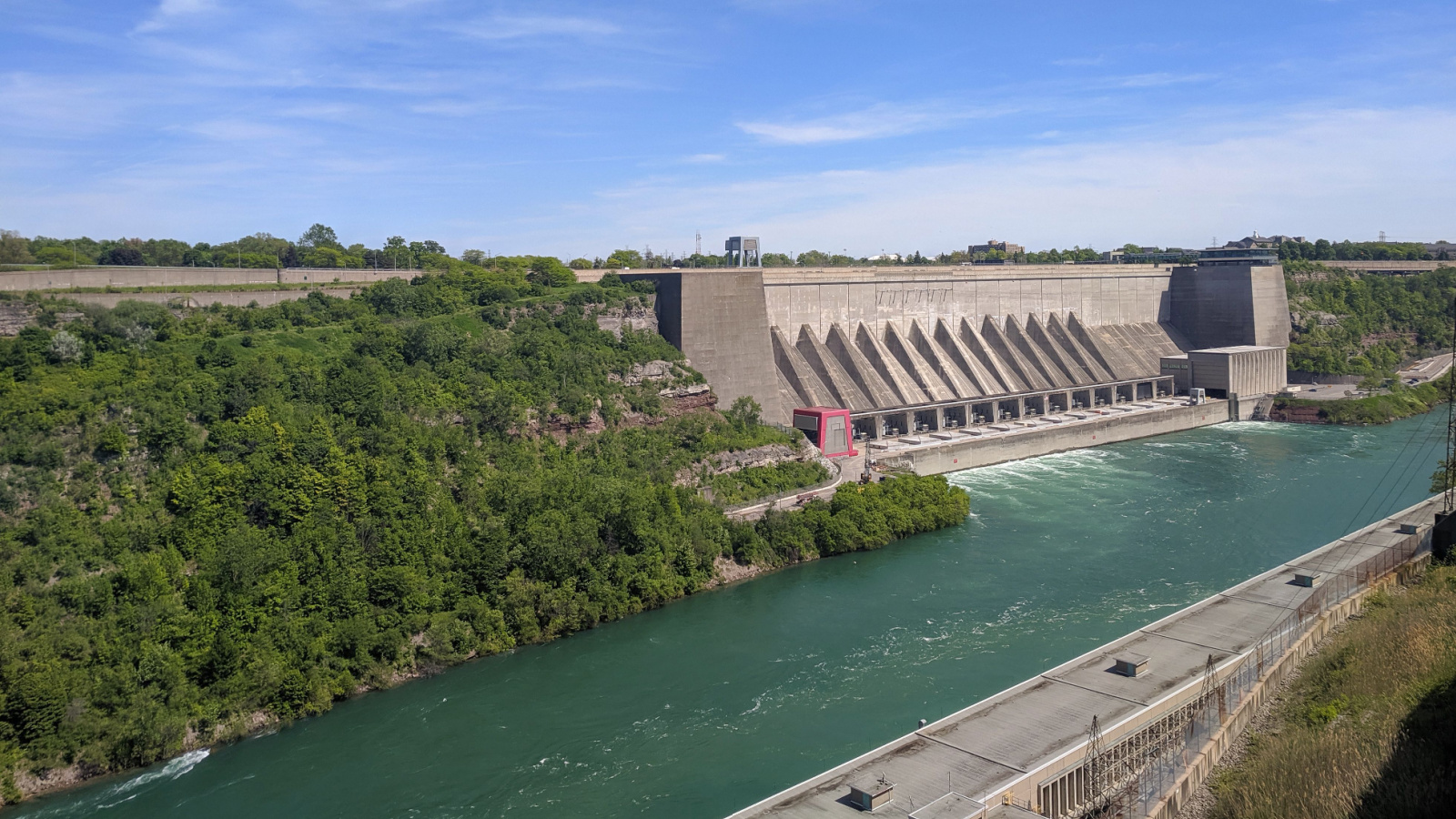
Canada’s energy grid stays reliable during worldwide disruption because it uses several power sources. Hydropower carries much of the load. Natural gas, nuclear plants, and wind projects support the remaining demand. These varied sources reduce risk during supply chain problems. Grid operators communicate closely across provinces. This coordination helps maintain stability when usage spikes. Canadians face fewer outages during stressful global events. Reliable power supports hospitals, schools, and businesses. A steady grid also protects households from sudden interruptions. This resilience becomes an important advantage during international crises.
Large Landmass for Strategic Planning

Canada’s vast land area provides room for storage sites, resource management, and long-term planning. Remote regions hold emergency supplies that support provinces during shortages. Transportation networks spread risk across multiple routes. This reduces the impact of blockages during global turmoil. Natural disasters also have different effects across regions, which reduces nationwide strain. Wildlife and environmental planning benefit from the available land, which protects ecosystems under climate pressure. Urban and rural areas can adapt differently, giving planners more flexibility. The large landmass becomes a quiet advantage during global crises.
Strong Agricultural Diversity

Canada grows many types of crops across several climates. This diversity reduces national risk during global shortages. Prairie regions produce grains and oilseeds. Other areas grow fruits, vegetables, and dairy products. Farmers adjust production based on yearly conditions. This flexibility protects the food supply when certain imports slow. Different provinces specialize in different products, which spreads risk across the country. Storage facilities support seasonal gaps. Price swings stay moderate because multiple crops remain available. Agricultural diversity helps Canada stay stable during worldwide food disruptions.
Consistent Long-Term Investment Climate

Investors trust Canada because regulations change gradually. Markets remain steady even during global tension. Pension funds operate under strict rules that protect their long-term value. Businesses find predictable conditions for planning expansion. These features attract capital when other regions experience instability. Foreign companies continue funding projects because the environment feels safe. This steady investment climate supports job growth during downturns. It also helps maintain research, housing, and infrastructure development. Consistency becomes a key advantage when the global economy grows uncertain.
21 Products Canadians Should Stockpile Before Tariffs Hit

If trade tensions escalate between Canada and the U.S., everyday essentials can suddenly disappear or skyrocket in price. Products like pantry basics and tech must-haves that depend on are deeply tied to cross-border supply chains and are likely to face various kinds of disruptions
21 Products Canadians Should Stockpile Before Tariffs Hit
