Canada is not usually seen as a loud voice on the world stage, but it speaks up when timing matters. The country often steps forward during tense moments when a calm tone holds weight. These moments show how steady leadership can move conversations in a useful direction. From trade talks to peace efforts, Canada has shaped outcomes by speaking with clarity rather than noise. Many countries pay attention because this approach feels reliable and grounded. Here are 20 Times Canada Spoke Up and Everyone Listened.
Canada Backed Global Peacekeeping When Many Hesitated
Canada helped shape global peacekeeping during a period when many countries avoided direct involvement. Its early participation showed that mid-sized nations could carry serious responsibilities. Canada supported training programs, funded missions, and contributed personnel when others paused. These actions made several hesitant governments reconsider their positions. Canada also pushed for realistic goals that matched conditions on the ground. This reduced tension among groups that feared rushed plans. Over time, confidence in peacekeeping grew because Canada kept showing steady support. The country’s voice influenced how missions evolved and helped build trust during delicate negotiations.
Canada Warned About Arctic Security Before It Became Urgent

Canada raised concerns about Arctic security when global interest was still limited. Its northern vantage point helped it detect early signs of rising activity from several countries. Canada shared research on shipping routes, resource claims, and environmental risks. These points entered international debates that had been slow to form. As ice levels changed, shipping increased, and interest grew quickly. Countries then began paying more attention to Canada’s early warnings. Its message helped guide discussions about cooperation, scientific research, and safety. Many leaders later admitted that without Canada’s push, the region would have faced greater tension and uncertainty.
Canada Advocated for Refugee Resettlement During a Global Crisis

During the Syrian refugee crisis, Canada took a clear position while many countries remained uncertain. It was committed to resettling families, offered detailed plans, and backed humanitarian groups. This action shaped global conversations that felt divided. Canada shared practical steps other nations could follow. These included community support models, screening processes, and long-term integration efforts. Several countries studied the results before forming their own resettlement programs. Canada’s steady voice became a reference point for governments that feared public backlash. Over time, this approach helped ease panic and encouraged broader cooperation during a tense humanitarian emergency.
Canada Supported Same-Sex Marriage When It Was Still Rare Globally

Canada recognized same sex marriage during a period when only a few countries had taken the step. Its decision carried influence because it came from a broad national debate rather than a rushed trend. The world watched to see how people responded. Many governments studied the stability that followed. Canada also continued to discuss equality at international forums, which added weight to its message. This helped shift public conversations in regions where laws remained restrictive. Several countries cited Canada’s experience during their own legislative debates. This early leadership made global audiences stop and pay attention.
Canada Spoke Against Apartheid Before Many Major Powers Did

Canada opposed apartheid years before several powerful countries reconsidered their positions. It supported sanctions during meetings where many states tried to avoid tough choices. This stance reached both allies and skeptical governments. Canada pushed for pressure that targeted the South African regime without harming everyday citizens. Its actions influenced countries that lacked the confidence to move first. As sanctions gained momentum, global pressure on South Africa increased. Canada’s early voice helped create a moral standard that shaped later decisions. Many historians argue that this consistent position helped accelerate worldwide action against the system.
Canada Helped Create the Ottawa Treaty on Landmines

Canada played a central role in launching the landmine ban treaty after years of stalled talks. It brought activists, diplomats, and experts together during crucial planning meetings. Canada pushed for simple goals that countries could accept quickly. This helped move discussions forward when momentum slowed. The Ottawa Conference became the turning point because Canada insisted on fast timelines. Many leaders praised the country for refusing delays. Over 100 nations eventually signed the treaty. Several officials said the agreement would not exist without Canada’s pressure and coordination. This achievement showed how steady diplomacy can produce real results.
Canada Raised the Alarm on Climate Impacts in Northern Communities

Canada highlighted climate problems in northern communities long before many governments understood the scale of the issue. Researchers and Indigenous leaders shared direct observations about changing weather, melting permafrost, and shifting coastlines. Canada brought these concerns to global climate meetings and provided new data. Many countries listened because the information came from real conditions rather than predictions. These early warnings shaped climate models and development plans. Canada pushed for funding that supported vulnerable regions. Its message influenced global reports and helped direct more attention to northern populations facing serious environmental change.
Canada Defended Rules-Based Trade During Conflicts

During several global trade disputes, Canada defended the idea of predictable and transparent rules. Its voice mattered because major powers were leaning toward aggressive tactics that risked destabilizing markets. Canada argued for calm discussions that focused on long-term outcomes instead of sudden restrictions. Many countries welcomed this message because it reduced confusion during tense negotiations. Canada also proposed practical steps that kept systems operating while talks continued. This helped prevent disputes from turning into larger conflicts. Over time, Canada’s steady approach shaped key decisions that protected smaller economies from sudden shocks.
Canada Supported Ukraine with Clear Messaging During the Crisis

When Russia invaded Ukraine, Canada reacted quickly with support that included sanctions, equipment, and diplomatic backing. Leaders used clear language that avoided mixed signals. This helped shape Western unity during the early days of the crisis. Several European governments referenced Canada’s statements in their own briefings. Canada also highlighted humanitarian needs and pushed for aid that reached civilians. These actions influenced countries that were undecided about their response. The clarity of Canada’s position built trust during a chaotic moment. Many analysts said the country’s early message helped stabilize international coordination.
Canada Backed Global Pandemic Research When Disputes Grew

During COVID-19, tension grew between nations over vaccines, data, and guidelines. Canada encouraged cooperation instead of division. It supported open research networks and backed vaccine programs that several countries relied on. Canada also pushed for shared scientific standards during public debates that felt tense. Many specialists praised the measured tone Canada used. Countries that struggled with conflicting messages viewed Canada as a stable voice. Its support helped keep cross-border studies active when pressure mounted. These partnerships contributed to faster testing, stronger data, and improved coordination between health systems.
Canada Spoke Up for Press Freedom During Regional Crises

Canada raised concerns about threats to journalists in regions facing political unrest. It spoke during forums where many countries stayed silent. Canada argued that open reporting helped prevent violence and misinformation. These statements added pressure at moments when governments faced criticism for restricting press access. Several allies referenced Canada’s stance while forming their own responses. Canada also supported global programs that trained reporters and strengthened safety guidelines. This steady involvement shaped diplomatic discussions about freedom of information. Many advocacy groups pointed to Canada’s voice as a reliable force during difficult periods.
Canada Supported Indigenous Rights on World Stages
Canada addressed Indigenous rights in global settings even when many nations avoided the topic. It backed declarations that promoted land protection, cultural preservation, and fair participation. Canada gained credibility by acknowledging both progress and remaining gaps within its own borders. This openness influenced other countries to examine their histories. Canada worked with international groups to build guidelines that shaped long-term policy. Several nations adopted measures inspired by these discussions. The global conversation shifted because Canada placed Indigenous issues within major human rights debates.
Canada Encouraged Open Internet Rules During Digital Disputes

As governments clashed over digital control, Canada supported global rules that protected open access. It highlighted the importance of privacy, safe use, and clear accountability. These ideas reached countries facing rising tension between public safety and online freedom. Canada’s proposals helped shape early drafts of international agreements. Several governments cited Canada’s approach when writing new digital laws. The message carried weight because it focused on users rather than political power. This helped create balanced discussions during a period of rapid technological change.
Canada Pushed Early Talks on Clean Energy Transition
Canada raised its voice during major energy meetings to promote cleaner systems before the issue gained wide support. It backed research partnerships, shared data from renewable projects, and pushed for long-term planning. Many countries listened because Canada focused on realistic strategies instead of dramatic promises. This helped shape early frameworks that guided global targets. Canada also linked energy planning to community development. These connections influenced several nations that needed practical paths toward cleaner production. Over time, early conversations set goals that later formed the backbone of major climate agreements.
Canada Highlighted Ocean Protection Before It Became Mainstream

Canada spoke about declining ocean health during years when few countries treated the issue as urgent. Researchers shared alarming data on rising pollution, damaged ecosystems, and coastal risks. Canada pushed for agreements that protected marine life and supported communities dependent on fisheries. These calls gained momentum as global attention shifted toward oceans. Several nations studied Canada’s proposals during early negotiations. This shaped new partnerships focused on long-term conservation. Canada’s voice helped direct funding toward regions that faced serious ecological decline.
Canada Supported Humanitarian Corridors During Conflict

Canada pushed for humanitarian corridors during several major conflicts. It spoke about the need for safe passage for civilians trapped in dangerous areas. These calls often came when other countries remained quiet. Canada raised the issue in international meetings and coordinated with groups already on the ground. Many leaders backed the idea after hearing Canada’s detailed arguments. Some regions saw reduced civilian harm because corridors opened in time. Canada’s consistency helped influence governments that were hesitant to act.
Canada Defended Fair Migration Talks During Political Tension

During heated global debates on migration, Canada encouraged balanced conversations. It promoted humane treatment during periods when several countries shifted toward restrictive policies. Canada shared long-term data showing how migration supported economic growth. These points shaped discussions that had grown highly emotional. Countries listened because the message avoided extreme language and focused on real outcomes. Canada supported international agreements that protected vulnerable people. This steady involvement influenced talks that later guided policy in several regions.
Canada Spoke About Financial Stability During Market Volatility

Canada raised concerns during several periods of financial volatility. It warned about unstable lending practices and highlighted the need for steady oversight. These messages came when fear was building in global markets. Many countries reviewed Canada’s analysis before adjusting their own policies. Canada also encouraged cooperation between financial institutions to prevent sudden collapses. These discussions helped reduce panic by providing clear expectations. Several international meetings adopted points raised by Canada. The country’s voice played a key role in calming public and investor anxieties.
Canada Backed Peace Talks in the Middle East During Tense Periods
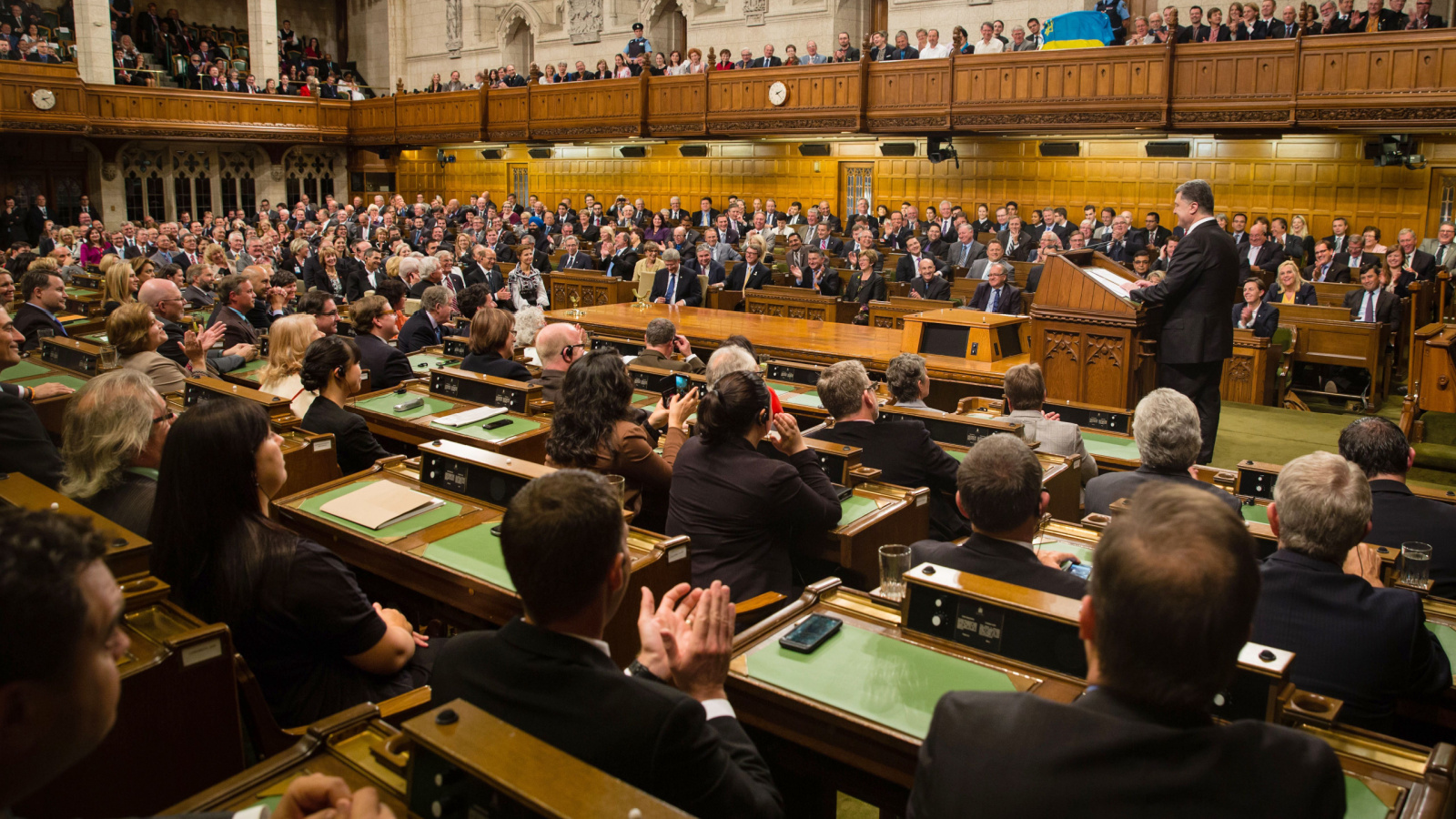
Canada supported peace talks in the Middle East during phases of rising violence. It pushed for patient dialogue rather than quick statements. Canada avoided one-sided language, which made its message more acceptable to competing groups. Several regional leaders paid attention because Canada focused on long-term stability. Global partners also referenced Canada’s approach when forming diplomatic plans. These efforts helped maintain pressure during fragile negotiations. Canada’s voice-guided conversations during moments when tensions made progress feel unlikely.
Canada Encouraged Global Cooperation on Food Security

Canada spoke about rising risks to global food supplies during years of unpredictable weather and trade disruptions. It encouraged cooperation instead of blame. Canada supported research networks, farming programs, and aid groups. These points influenced countries that feared shortages. Several regions used Canada’s data to form early strategies that protected crops, trade routes, and storage systems. Canada’s involvement helped ease panic during tense periods. Many organizations included Canada’s findings in major reports. This steady voice shaped responses that protected vulnerable populations.
21 Products Canadians Should Stockpile Before Tariffs Hit

If trade tensions escalate between Canada and the U.S., everyday essentials can suddenly disappear or skyrocket in price. Products like pantry basics and tech must-haves that depend on are deeply tied to cross-border supply chains and are likely to face various kinds of disruptions
21 Products Canadians Should Stockpile Before Tariffs Hit
21 Products Canadians Should Stockpile Before Tariffs Hit
If trade tensions escalate between Canada and the U.S., everyday essentials can suddenly disappear or skyrocket in price. Products like pantry basics and tech must-haves that depend on are deeply tied to cross-border supply chains and are likely to face various kinds of disruptions
21 Products Canadians Should Stockpile Before Tariffs Hit
