Storm alerts are common in many parts of Canada, especially during the winter season. When a storm is expected, people prepare by stocking supplies that help them stay safe, warm, and comfortable at home. Some items support basic needs while others help during outages, road closures, or delays in services. This preparation has become routine because conditions can change quickly, and access to stores is not guaranteed. Having the right supplies provides a sense of readiness and reduces stress during uncertain weather. Here are 17 products we stockpile before every storm.
Bottled Water
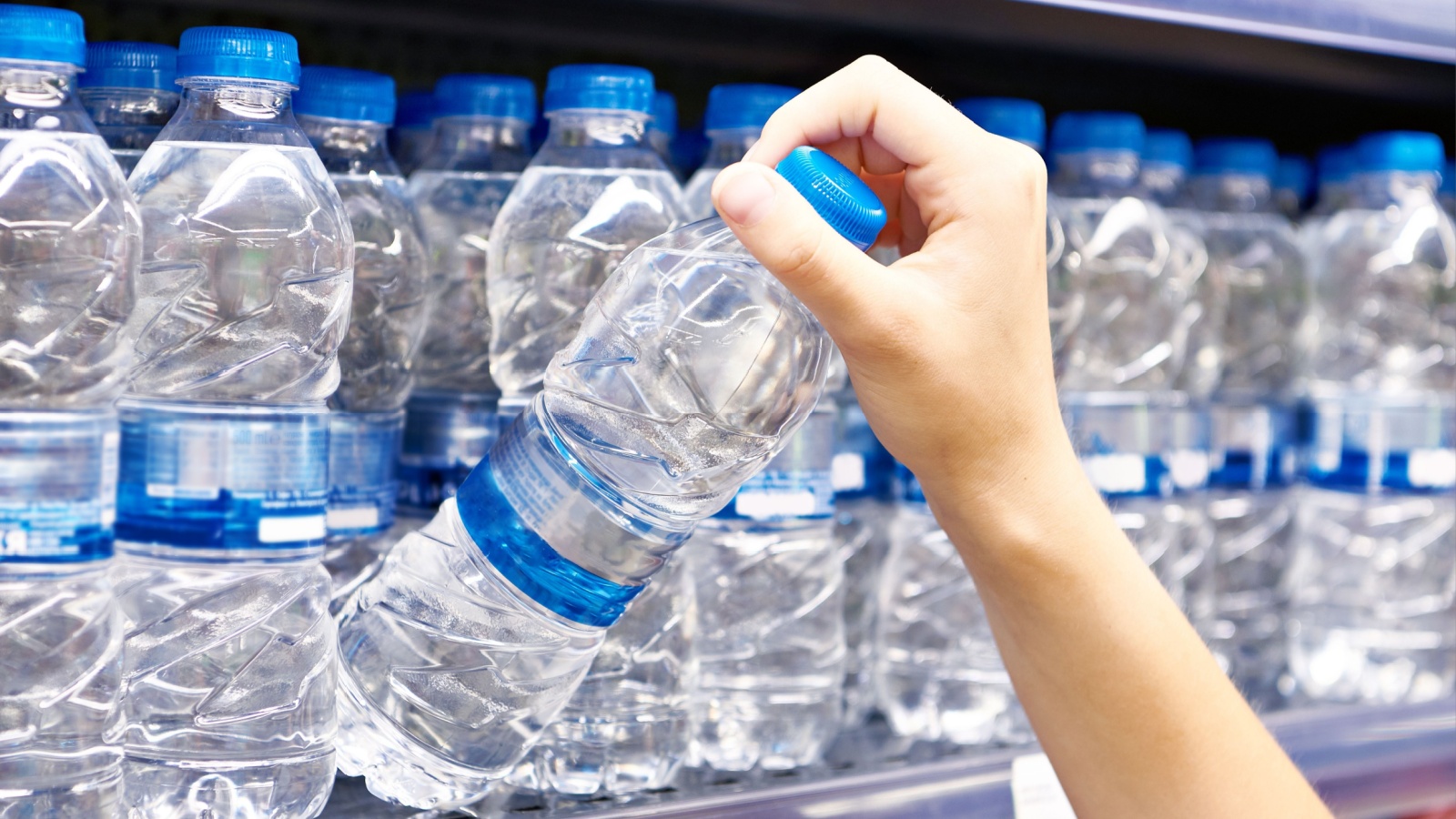
Bottled water is one of the first items Canadians stockpile when snowstorms or ice storms are forecasted. If roads close, pipes freeze, or power outages affect water systems, having a supply helps ensure households can drink, cook, and maintain basic hygiene. Many people follow the general guideline of at least two litres per person per day, with additional water set aside for pets or medical devices. Households often store cases in basements, garages, or emergency kits. While tap water is reliable most of the year, severe storms remind people that access is not always guaranteed during emergencies in Canada.
Shelf-Stable Food Like Canned Soup and Beans

Shelf-stable foods are commonly purchased before major winter weather in Canada. Canned soups, beans, pasta sauces, oatmeal packets, and ready-to-eat items are useful when power outages limit cooking options. These foods have long shelf lives, require minimal preparation, and provide calories during cold periods when more energy is needed. Many households also buy canned vegetables, tuna, peanut butter, crackers, and dry pasta. Stocking shelf-stable food helps reduce grocery trips during dangerous road conditions. Some families keep a dedicated pantry section for storm-ready meals. Having these items available provides convenience, safety, and stability during prolonged winter disruptions.
Batteries for Flashlights and Radios
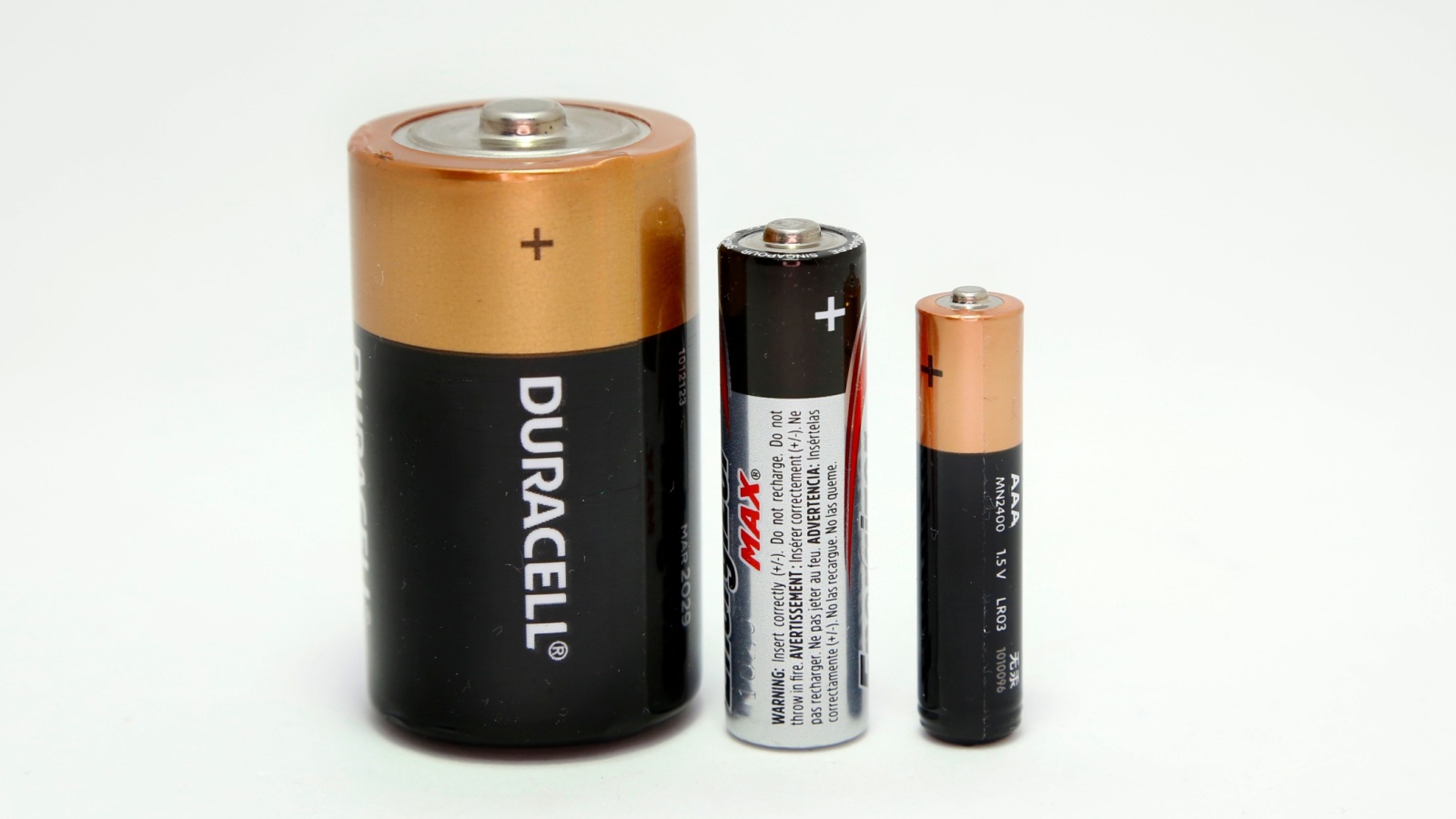
Batteries are a practical item Canadians buy before large storms because flashlights, weather radios, and other emergency devices rely on them. Power outages can occur with snow, freezing rain, and high winds, especially in regions with older electrical infrastructure. Having various battery sizes ensures devices remain functional. Weather radios are especially important in rural communities where service interruptions are common. Stocking batteries also supports carbon monoxide detectors and medical or mobility devices. Some households buy rechargeable batteries, while others keep sealed multi-packs ready for emergencies. Batteries remain a simple but essential resource during unpredictable winter weather.
Flashlights and Emergency Lanterns

Flashlights and emergency lanterns are widely purchased in Canada when a storm is expected. They help maintain visibility in homes during power outages and reduce safety risks. Lanterns are especially helpful for families, as they light larger spaces and allow for routine activities like cooking, reading, or organizing supplies. LED flashlights are preferred due to long battery life and durability. Some households keep wind-up or solar-powered options that do not rely on batteries. Having multiple light sources ensures that each family member can navigate their space safely. Lighting becomes essential during long winter nights and unpredictable outages.
Portable Power Banks for Phones
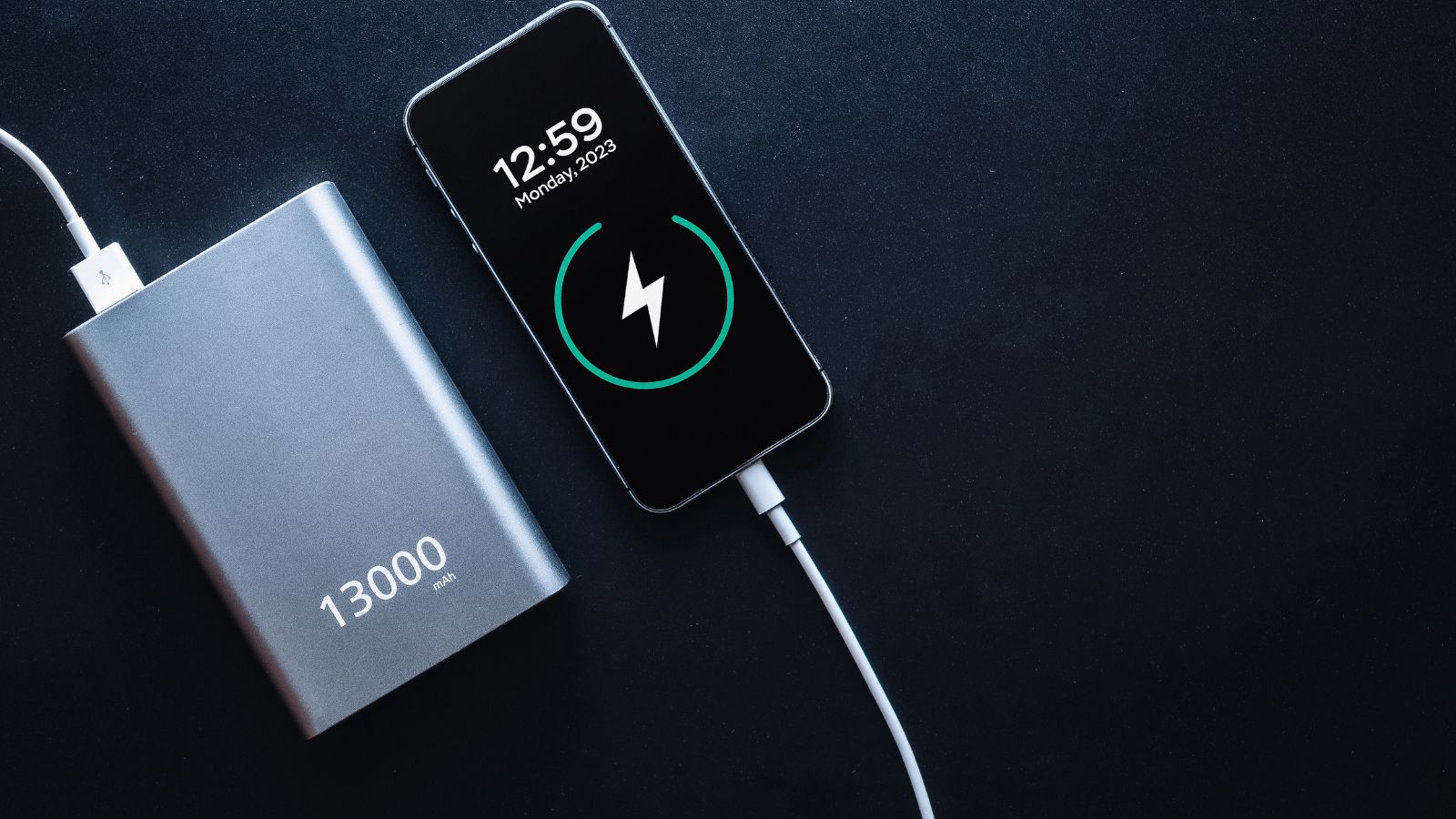
Portable power banks are commonly purchased in Canada as part of storm preparation. Phones are essential for checking weather alerts, communicating with emergency services, or staying in contact with family during outages. If power remains off for several hours or days, a fully charged power bank can keep a device operational. Many Canadians choose high-capacity models capable of charging multiple devices. Power banks are particularly important in rural and northern regions, where outages may last longer. Some households also use solar-powered chargers for extended emergencies. Keeping communication available provides reassurance and ensures access to critical information.
Propane or Butane Fuel for Camping Stoves
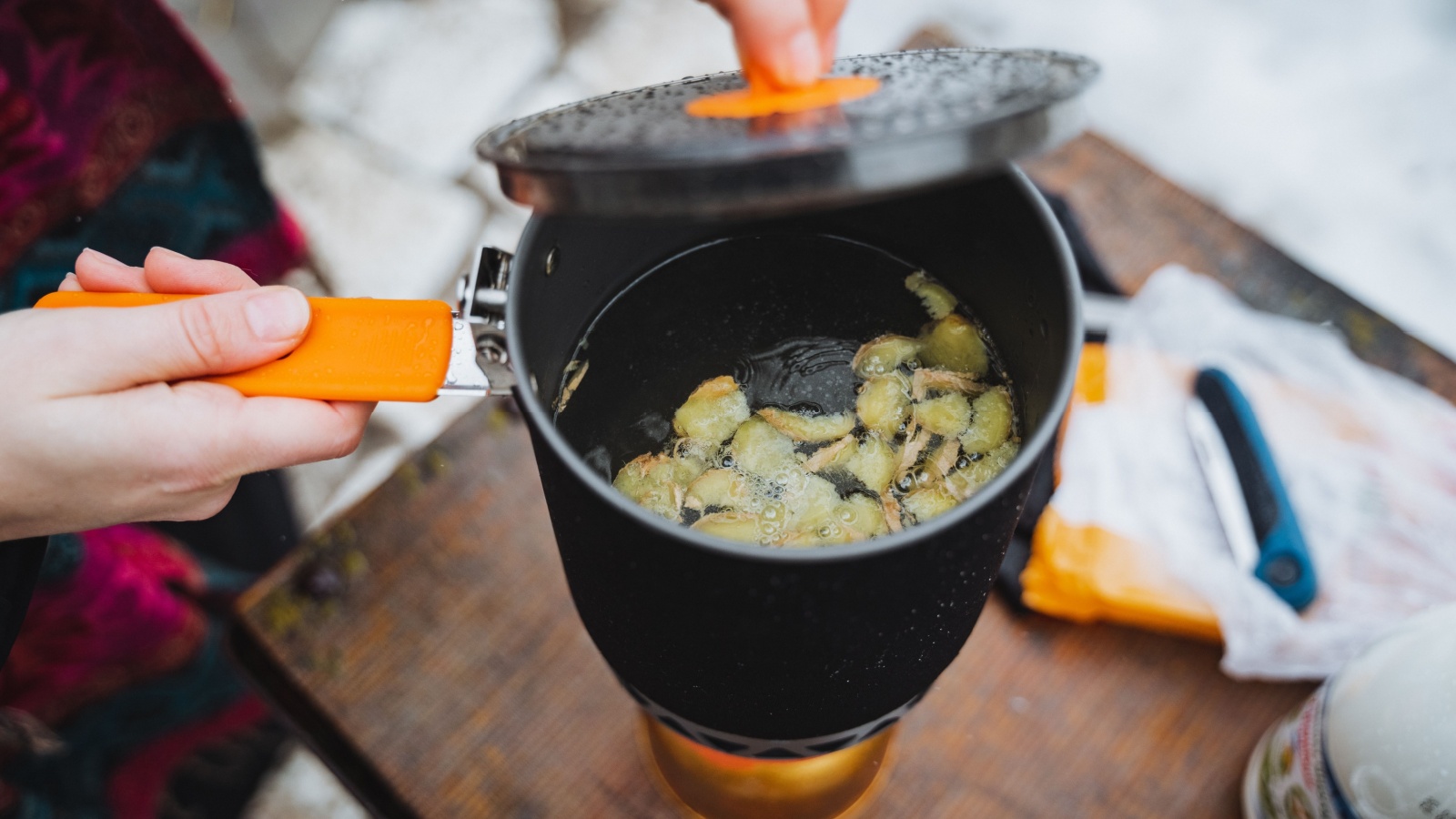
Propane or butane fuel is often purchased before storms, especially in areas where outages may disrupt electric stove use. Camping stoves allow basic cooking or boiling water when other appliances are unavailable. Many Canadian households already own portable stoves for camping or emergency kits, which makes fuel a simple addition. Fuel canisters are stored safely in garages or sheds to avoid indoor hazards. People who rely on barbecues may also stock propane for outdoor cooking. While these tools are used cautiously, they provide a reliable backup during extended power interruptions and help maintain routine meals during storms.
Firewood or Wood Stove Pellets

Firewood and wood stove pellets are commonly stocked in Canadian households, especially in rural and northern regions where wood-burning stoves are part of daily heating. During winter storms, power outages can affect electric and gas heating systems. Having a supply of dry wood or pellets ensures backup heat and helps maintain safe indoor temperatures. Many families prepare well before winter and store enough supplies to last several weeks. Wood also supports cooking or boiling water if other systems fail. Access to reliable heat is one of the most important considerations during Canadian storms, making this item a key priority.
Salt, Sand, or Ice Melt for Driveways and Sidewalks
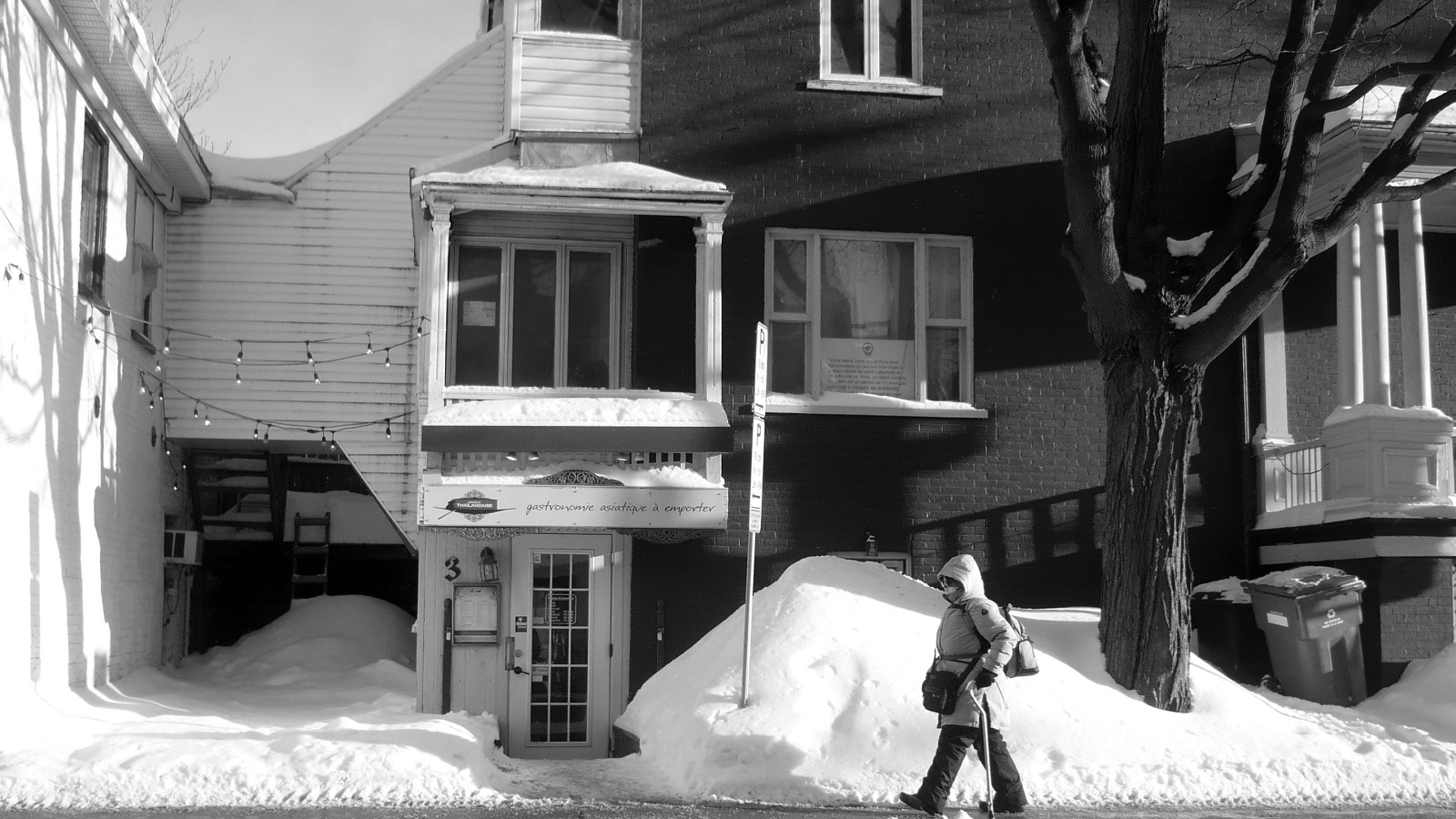
Salt, sand, and ice melt products are purchased before storms to prevent slips and maintain safe walkways. Canadian winters often bring freezing rain or quick temperature drops that create hazardous ice layers. Salt helps melt ice on driveways, sidewalks, and stairs, while sand improves traction in extremely cold conditions where salt becomes less effective. Many homeowners and property managers buy in bulk to avoid shortages during peak winter months. Keeping these products accessible allows safer movement around the home and reduces the risk of injuries. These supplies help maintain mobility when storm conditions create dangerous icy surfaces.
Toilet Paper and Paper Towels

Toilet paper and paper towels are frequently added to storm preparation lists in Canada. If road conditions make travel unsafe or stores temporarily close, households prefer having enough supplies to avoid unnecessary trips. These items are considered essential for cleaning, hygiene, and convenience during extended home stays. Many people purchase larger packages during the winter season to ensure reliable access. Paper goods also support sanitation needs during power outages when cleaning options may be limited. While not as urgent as food or water, these products help maintain comfort and normal daily routines throughout a winter storm.
Matches and Lighters
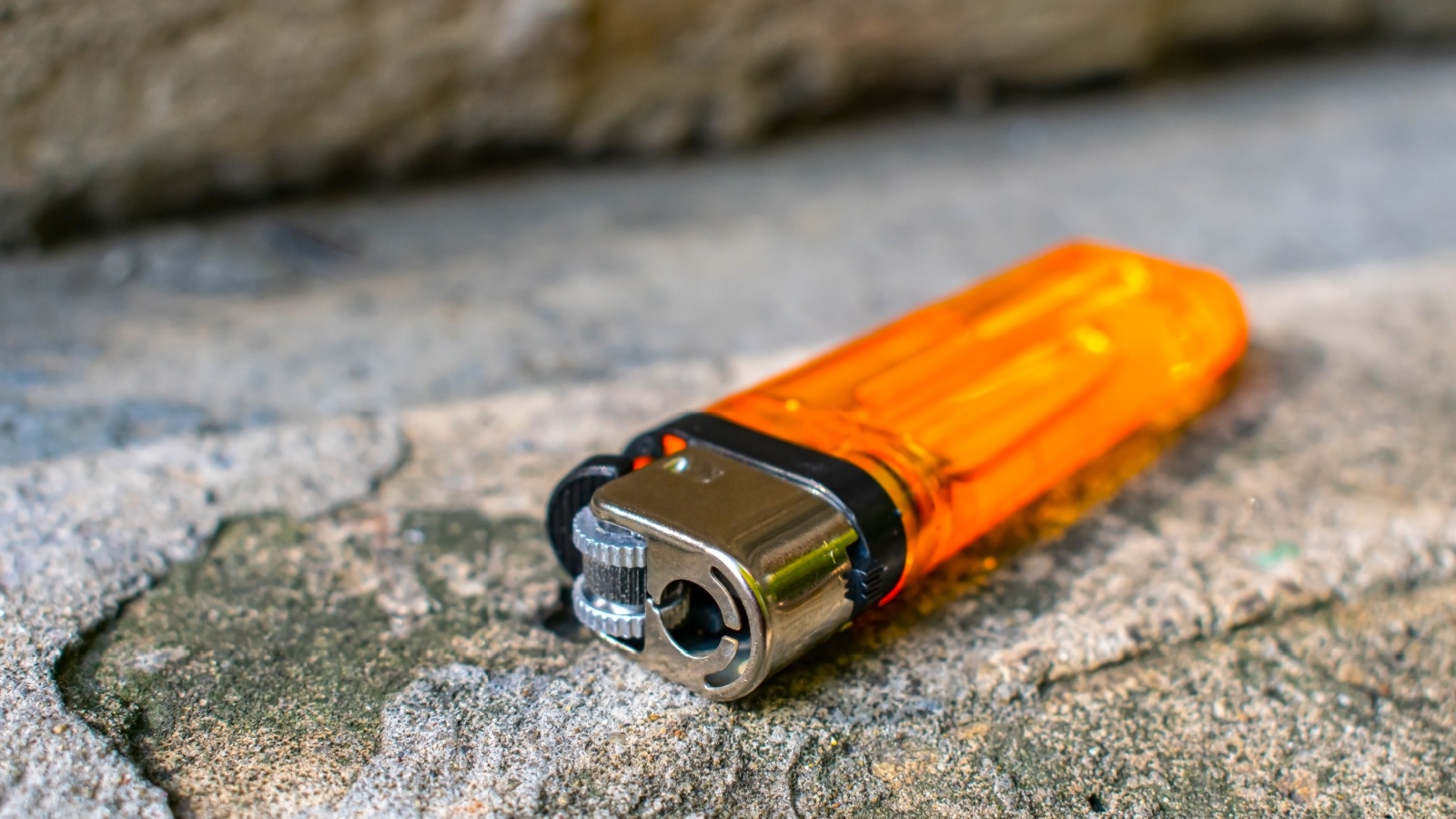
Matches and lighters are practical tools kept on hand during storm preparation in Canada. They support lighting candles, fireplaces, wood stoves, or portable cooking equipment during outages. In rural and older homes that rely on wood heat, matches are considered essential. Households often store waterproof or windproof options in emergency kits. Since storms can disrupt normal lighting and cooking, having a reliable ignition source ensures heating and meal preparation remain possible. Matches and lighters are small, inexpensive, and easy to store, yet they provide important support during uncertain winter weather conditions.
Baby Supplies Including Formula and Diapers

Families with infants often prepare by stocking formula, diapers, wipes, and other necessary baby care items before major storms. Travel may become unsafe, or stores may be inaccessible for several days. Having an adequate supply ensures that essential needs are met without stress. Some households also store extra baby food pouches, medications, and clothing layers for colder temperatures. Because infants require consistent care regardless of weather conditions, advanced planning is important. Having these supplies available helps families manage emergencies confidently and ensures infants remain safe and comfortable throughout winter disruptions.
Pet Food and Essential Pet Items

Canadians with pets often buy extra food, medication, and supplies before a storm. Pets require routine care even when travel is risky or stores are closed. Households stock kibble, canned food, litter, and waste bags to avoid shortages. For pets requiring medication, owners often request early refills if storms are forecasted. Some also prepare warm bedding or paw protection for dogs that still need outdoor walks in cold conditions. Stocking supplies ensures animals remain cared for and reduces stress during emergencies. Planning for pets is an expected part of winter preparation in many Canadian homes.
Blankets and Thermal Sleeping Bags

Blankets and thermal sleeping bags are stored or purchased before winter storms because they provide warmth during power outages or furnace failures. Canadians often keep fleece blankets, layered bedding, or emergency foil blankets in vehicles and homes. Thermal sleeping bags are especially valued in rural and northern regions where outages may last longer. These items help maintain body heat, prevent hypothermia, and create safe sleeping arrangements if indoor temperatures drop significantly. Having reliable warming supplies provides reassurance and comfort during unpredictable winter conditions and supports overall emergency preparedness.
Prescription Refills and First Aid Essentials

Many Canadians refill prescriptions and update first aid kits before a storm. Travel can become unsafe, and pharmacies may close temporarily, making access to medication difficult. People often check supply levels for regular prescriptions and over-the-counter staples like pain relief, allergy medication, or cold remedies. First aid items such as bandages, antiseptic wipes, and gauze are also kept available. This preparation helps households manage minor injuries or symptoms without leaving home during dangerous conditions. Planning ahead reduces stress and ensures medical needs are covered if a storm disrupts normal routines.
Backup Heat Sources Like Space Heaters
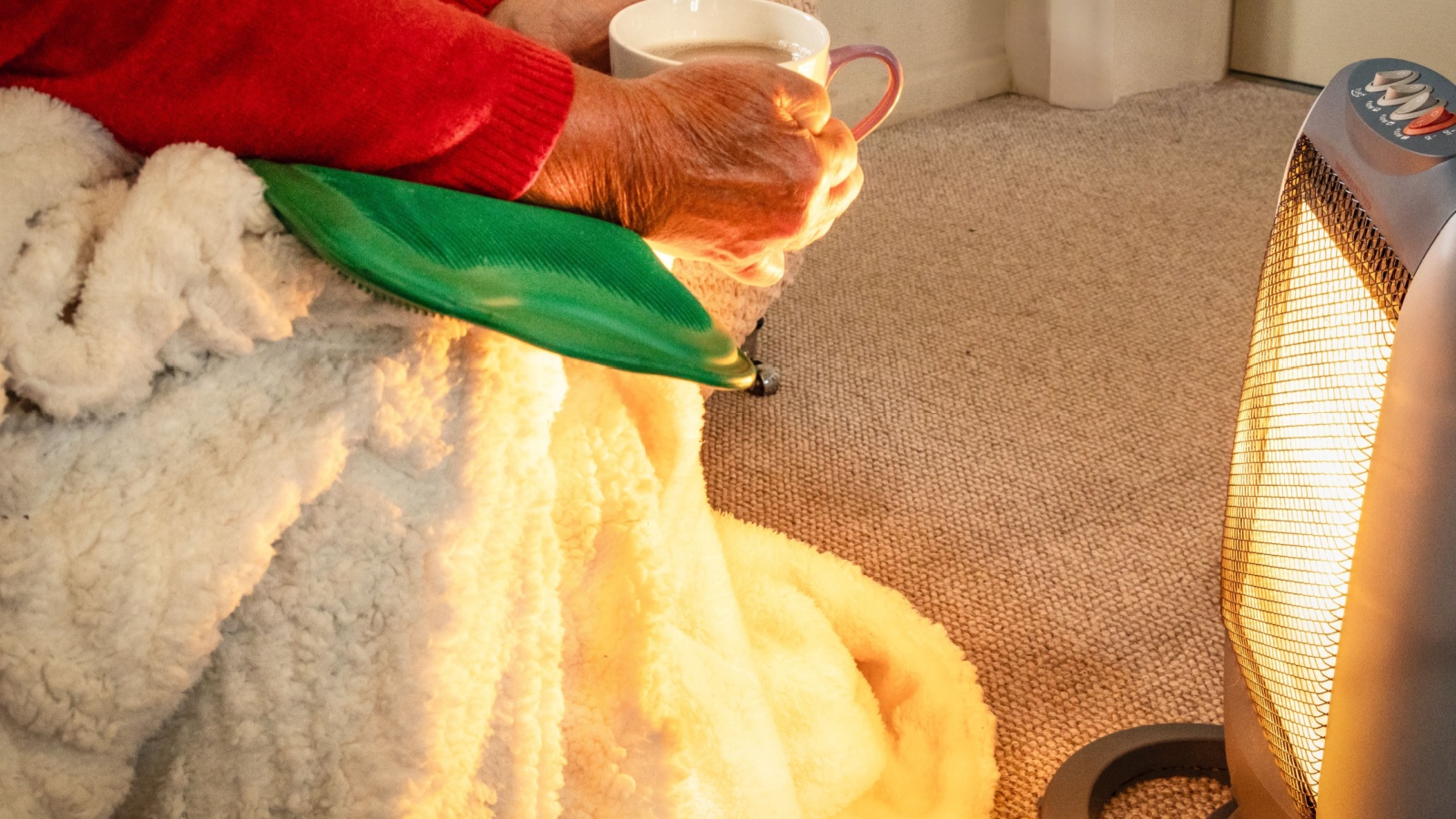
Backup heat sources are common in storm preparation across Canada. Many households own portable space heaters to use if the furnace fails or if certain rooms become too cold. Electric space heaters are most common, though some people also keep propane-compatible models rated for indoor use. Safety features like automatic shutoff and certified ventilation are important considerations. These heaters help maintain livable temperatures and prevent pipes from freezing. Having an alternative heat source is practical, especially in regions that experience long or severe winter storms.
Winter Windshield Washer Fluid Rated for –40
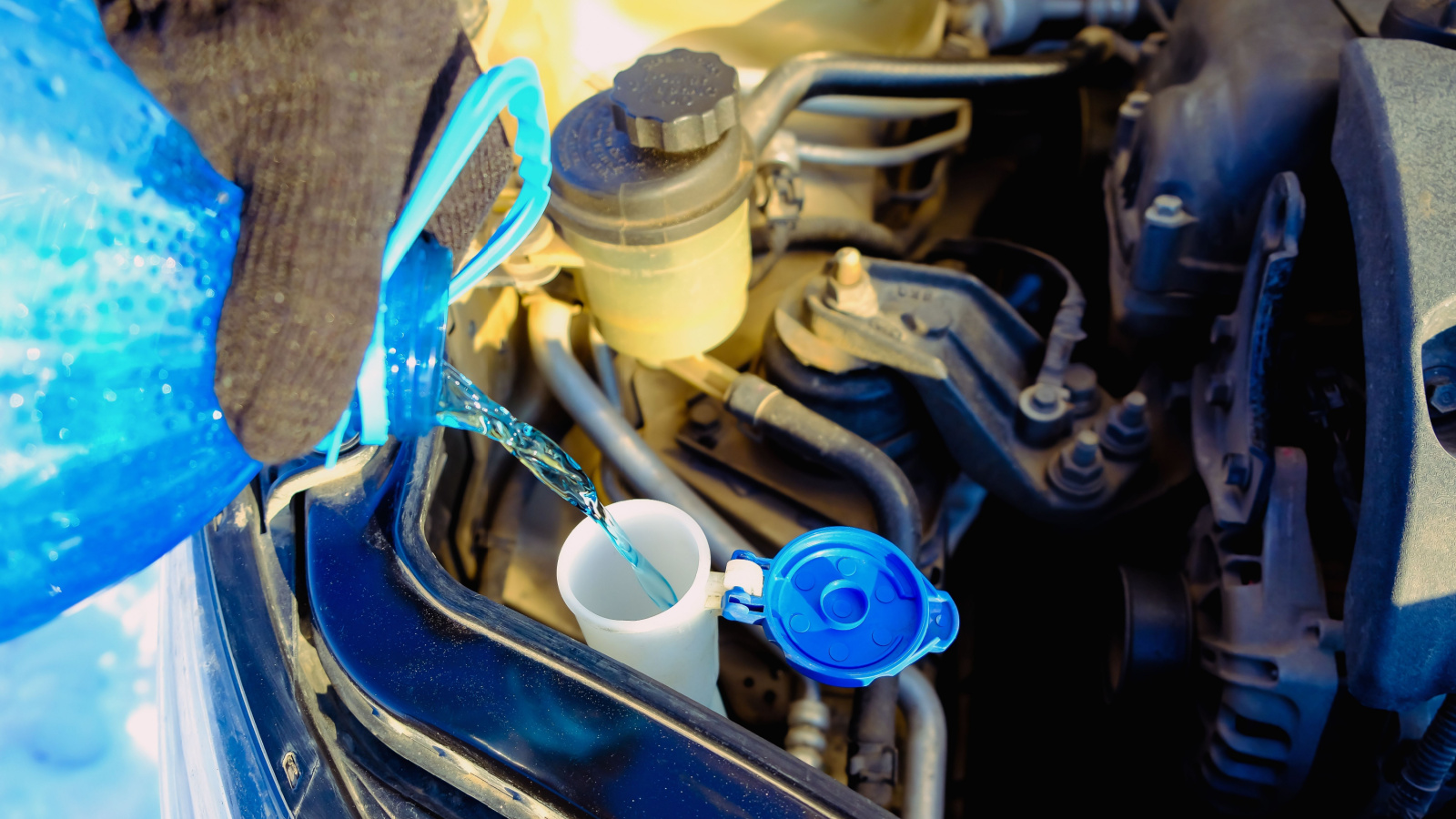
Winter windshield washer fluid rated for –40°F is stocked before severe weather because standard fluid can freeze on contact in cold temperatures. Canadians often keep extra jugs in the garage or car trunk to ensure safe visibility on snowy or icy roads. Storms can create slush, salt spray, and grime that quickly coat windshields. Having the correct cold-weather formula helps maintain clear sightlines while driving. Running out during a storm can make travel unsafe, so stocking winter-specific fluids is a routine preparation step across the country.
Milk, Bread, and Eggs as Last Minute Essentials
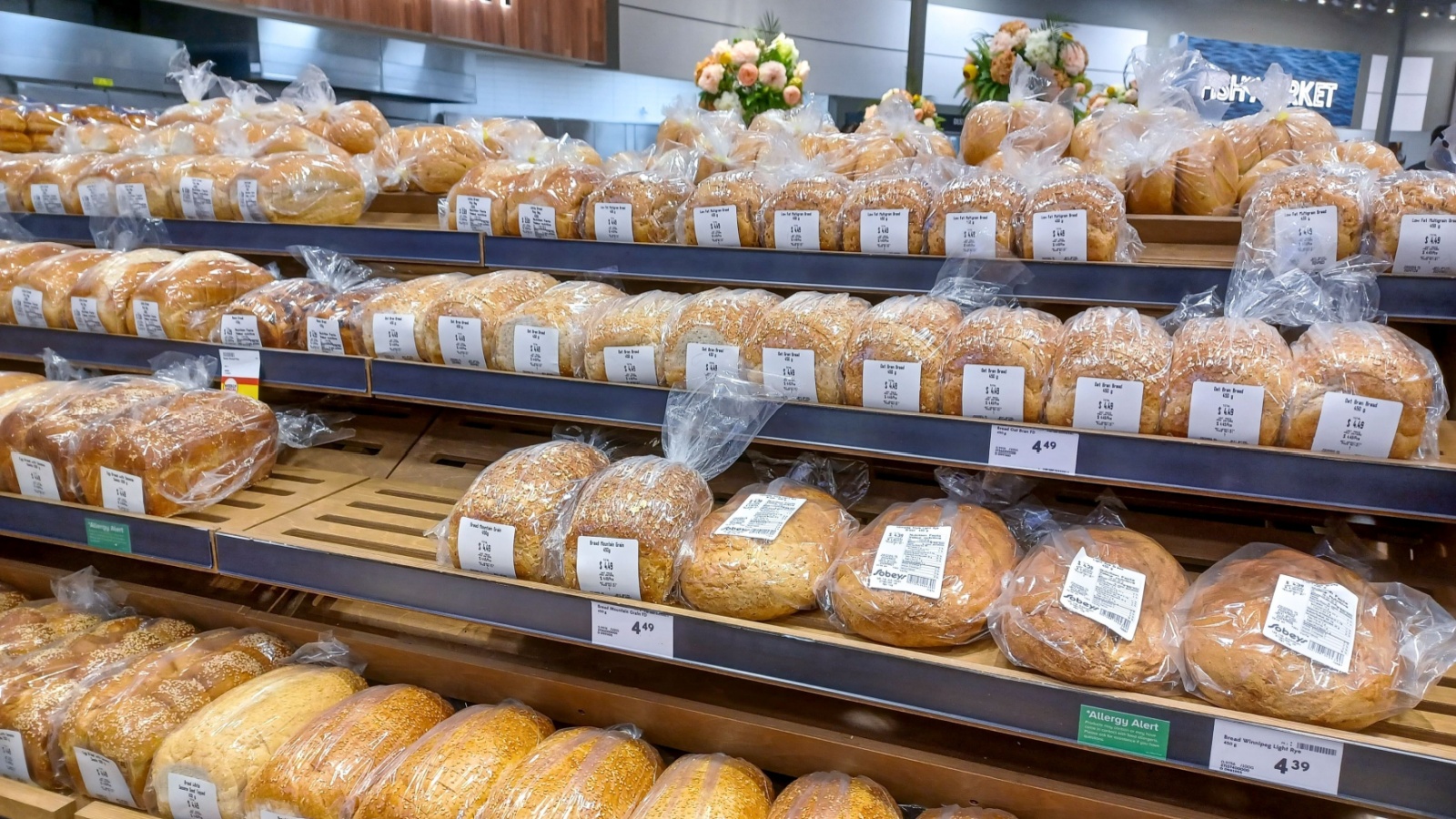
Milk, bread, and eggs are often bought before a winter storm because they are easy to store and use in a variety of meals. Many Canadians pick up these items during the final grocery run when storm warnings are issued. These foods help households prepare simple meals without requiring frequent store visits. They are staples in many homes and remain reliable even during short-term outages. While not the most specialized emergency supplies, they support convenience and comfort when staying indoors for several days during winter conditions.
22 Groceries to Grab Now—Before another Price Shock Hits Canada

Food prices in Canada have been steadily climbing, and another spike could make your grocery bill feel like a mortgage payment. According to Statistics Canada, food inflation remains about 3.7% higher than last year, with essentials like bread, dairy, and fresh produce leading the surge. Some items are expected to rise even further due to transportation costs, droughts, and import tariffs. Here are 22 groceries to grab now before another price shock hits Canada.
22 Groceries to Grab Now—Before another Price Shock Hits Canada
