
Canada often gets described as quiet, steady, and predictable, yet the country keeps landing global wins in places few expect. Many of these strengths grew slowly, shaped by geography, culture, and long commitments that rarely make loud headlines. The results show up today in sectors that look nothing alike. Some relate to science, while others connect to daily life. Together, they reveal a country that keeps advancing without rushing to claim credit. Here are 20 surprising things Canada now leads the world in.
Clean Hydropower Production

Canada produces more hydropower than any other country except China, and it leads the world in hydropower per person. Provinces like Quebec and British Columbia generate most of their electricity from flowing water. This huge output lets many regions keep their grids stable even during extreme weather. The system also supports exports to the United States through long-term energy deals. Many communities rely on hydropower for local jobs and technical training. Canada continues to expand stations in remote areas to support population needs and modern supply chains. This leadership has shaped Canada’s global energy reputation.
Maple Syrup Supply

Canada produces nearly three-quarters of the world’s maple syrup, with Quebec far ahead of every region worldwide. The country protects the industry with strict tapping rules that preserve forests. Large and small producers contribute to global exports and seasonal tourism. Many families visit sugar shacks each spring to taste fresh syrup and watch traditional boiling methods. The supply also supports bakeries, packaged food companies, and restaurants around the world. Canada’s syrup leadership grew from centuries of practice and careful forest management. It remains one of the most recognizable Canadian exports today.
Polar Bear Population Stewardship

Canada is home to most of the world’s polar bears, and the country leads global conservation work for this species. Northern communities participate in monitoring programs that track bear health and movement patterns. Local knowledge guides researchers during difficult winter conditions. Many provinces create long protected zones that support wildlife migration. This work draws international interest from climate scientists who rely on Canadian field data. Visitors come to towns like Churchill to see polar bears safely with trained guides. Canada’s leadership reflects long cooperation between science teams and Indigenous communities across the Arctic.
Public Library Usage

Canadian libraries record some of the highest per-person borrowing rates in the world. Cities continue to invest in bright, well-equipped branches that focus on accessibility. Many libraries offer study spaces, job search tools, and free digital learning programs. Immigrants rely on these services to adapt quickly after arrival. Kids use library workshops to gain early reading skills and access community mentors. Libraries in Canada often stay open late to serve busy urban families. This strong usage reflects trust in public services and interest in lifelong learning. The system remains a quiet point of national pride.
Ice Wine Production

Canada produces more ice wine than any other country due to its reliable cold winters. Vineyards in Ontario and British Columbia wait for grapes to freeze naturally before harvesting. This produces a sweet, concentrated flavor prized worldwide. Ice wine requires skill and patience because crops often freeze at unpredictable times. Many wineries hold winter festivals that draw visitors for tastings. Canada exports bottles to luxury markets in Asia, Europe, and the United States. This leadership helps small producers stay profitable despite challenging weather. Ice wine remains one of Canada’s most distinctive agricultural products.
Urban Parks and Green Space Access

Canadian cities rank among the world’s leaders in access to green space. Many neighborhoods sit near parks, trails, or waterfront paths. City planners protect natural zones during construction to preserve local ecosystems. Residents use these spaces for exercise, gatherings, and seasonal events. Urban forests help cool dense areas during heat waves. Kids spend time outdoors without travelling far from home. These spaces support mental health and reduce noise pollution. Cities like Vancouver and Calgary receive global praise for planning choices that put nature close to daily routines. This leadership reflects Canada’s long relationship with outdoor living.
Remote Medical Training Programs

Canada leads global efforts to train medical teams in remote and rural settings. Schools in provinces like Manitoba and Newfoundland prepare students for long-distance care. Many doctors use virtual tools to treat patients in northern communities. Training programs cover harsh winter travel, emergency response, and cultural knowledge. These systems help reduce medical barriers in isolated towns. Canada shares these learning models with international partners who face similar challenges. The approach puts community needs at the center of healthcare planning. This leadership has shaped global interest in adaptable medical education.
Forest Certification Standards

Canada has one of the largest areas of certified sustainable forest land in the world. Independent groups monitor harvest levels and wildlife impact. Companies follow strict rules that track each cut. Forest workers receive training in safety and environmental protection. Communities rely on forestry jobs while protecting long-term resources. This model helps global buyers trust Canadian wood products. Many countries study Canada’s system to improve their own forestry practices. The certification system balances industry demands with conservation. It plays a major role in Canada’s reputation as a responsible forest nation.
Mineral Exploration Investment

Canada leads the world in mineral exploration spending because it attracts large numbers of prospectors and investors. The country offers stable regulations and strong research support. Remote regions hold valuable deposits of copper, nickel, gold, and rare earth elements. Many exploration companies operate out of Toronto, which acts as a global mining capital. Northern communities gain job opportunities from survey work and training programs. Canada’s leadership helps supply minerals required for batteries and new technology. This position also supports thousands of engineering, transport, and environmental jobs across the country.
Wildlife Monitoring Technology

Canada is a global leader in wildlife tracking and monitoring technology. Research teams use drones, remote sensors, and satellite tools to follow animal movements. These tools help protect species threatened by habitat change. Many universities work with Indigenous communities to develop safe monitoring methods. Data gathered in Canada influences global conservation policy. The country also builds research stations in harsh climates where fieldwork is difficult. International scientists often travel to Canada to test new tracking equipment. This leadership shows how technology can support long-term wildlife protection.
Community Land Trust Growth

Canada has seen one of the fastest expansions of community land trusts worldwide. These trusts help residents protect affordable housing by removing land from private speculation. Cities like Vancouver and Hamilton use this model to stabilize neighbourhoods. Volunteers and local groups run many of these trusts with support from city planners. Residents gain long-term security through shared ownership structures. The model also supports small businesses that might struggle with rising rents. Other countries watch Canada’s progress as housing pressure grows globally. This leadership reflects creative responses to urban challenges.
Space Robotics Development

Canada leads global space robotics due to long partnerships with NASA and international agencies. The Canadarm remains one of the most recognizable space tools ever created. New robotic systems help astronauts maintain stations and guide complex experiments. Canadian companies design sensors, grapples, and autonomous devices for future missions. Students train with virtual labs that simulate orbit conditions. This leadership supports high-skilled jobs across engineering and technology. Canada continues to contribute to lunar and deep space projects. The country’s robotics legacy remains a major point of scientific pride.
Inclusive Sports Participation

Canada records some of the highest participation rates in inclusive and adaptive sports. Community centres run programs for people with physical and cognitive disabilities. Coaches receive training that focuses on accessibility. Many national teams rank high in global competitions. Families appreciate programs that support long-term health and confidence. Cities invest in accessible rinks, tracks, and swimming pools. Public schools also integrate inclusive sports into daily classes. This leadership helps Canada promote active living for everyone. The approach connects health, community, and belonging.
Freshwater Supply Management
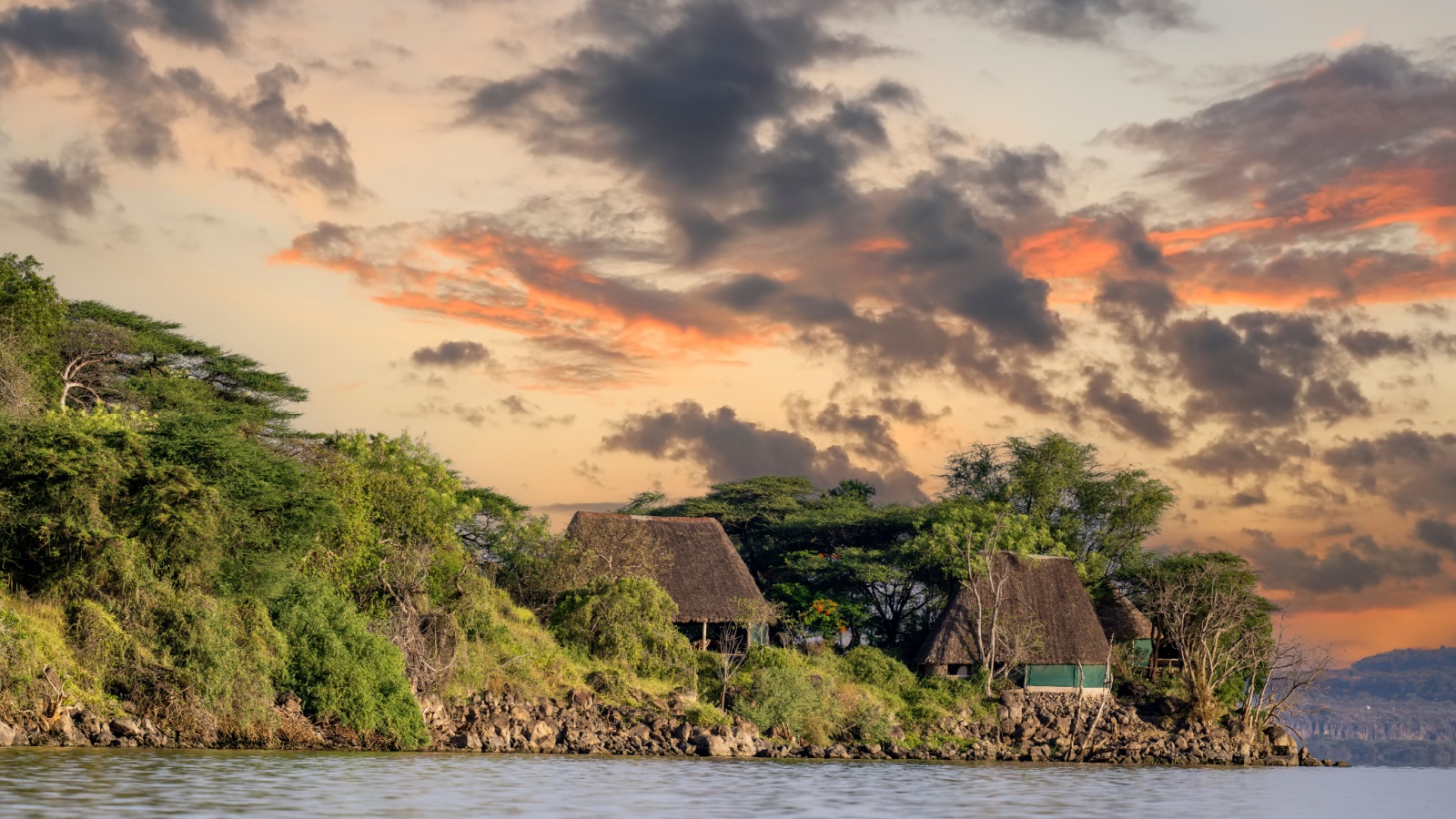
Canada holds one of the largest reserves of freshwater on the planet and leads global efforts in watershed management. Provinces track water levels with detailed systems. Communities near lakes and rivers follow strict protection rules. Scientists study long-term changes caused by climate patterns. The country invests in treatment plants that support both urban and rural needs. These systems help keep drinking water safe. Many countries partner with Canada to improve their water planning. This leadership remains vital for future food production, energy, and community health.
Electric Grid Reliability

Canada’s electricity grid ranks among the most reliable in the world. Hydropower, nuclear, and wind energy help stabilize supply during extreme weather. Regions share power through large interprovincial connections. Rural communities benefit from upgraded lines that reduce outages. Utilities invest in early warning tools that track storms. This reliability supports businesses that depend on steady power. Manufacturers and tech firms choose locations based on these strong grids. Canada’s leadership in grid reliability supports economic stability and daily life.
Indigenous Language Revitalization Programs
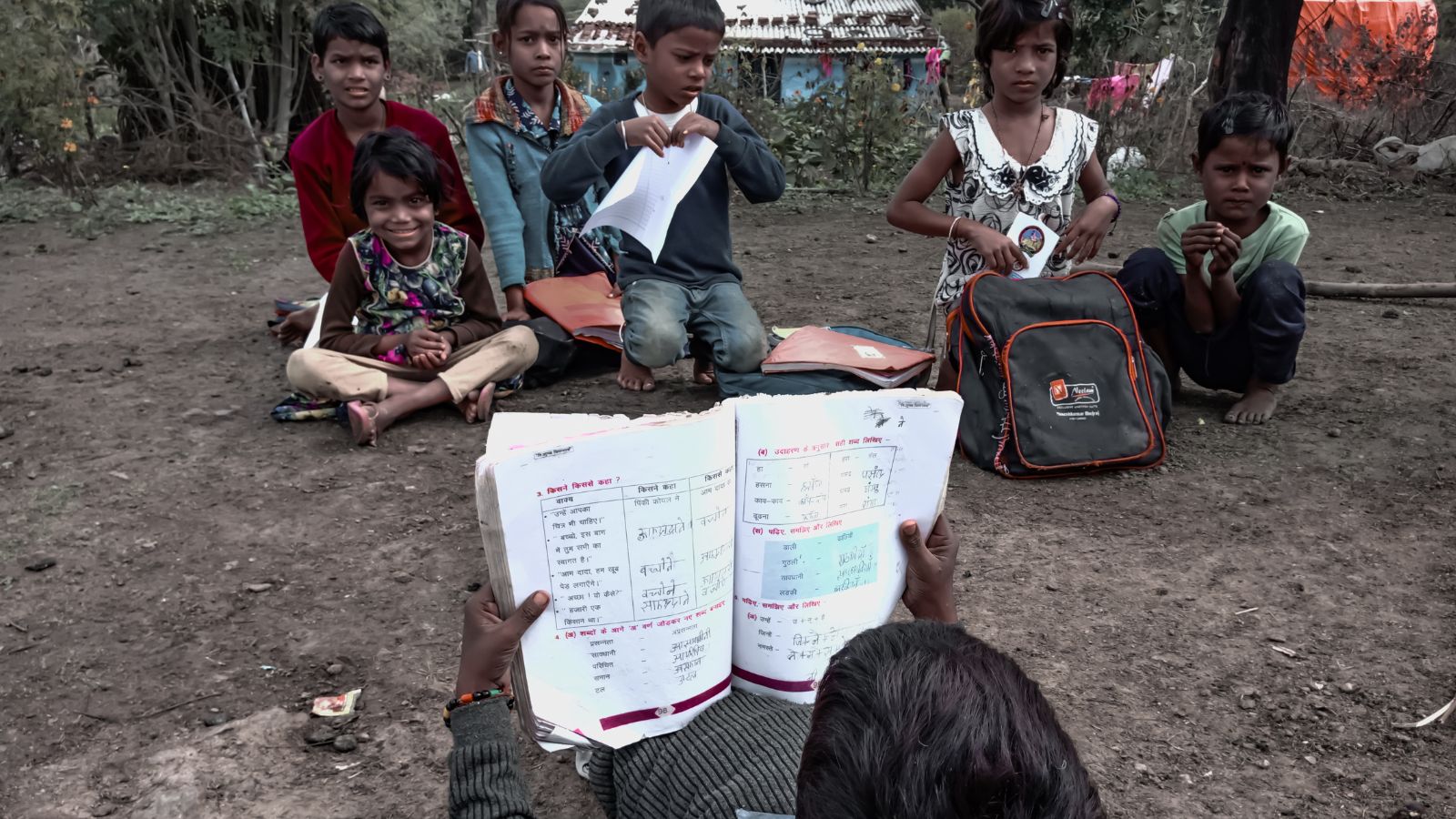
Canada leads global efforts to support Indigenous language learning through official funding and community programs. Schools offer immersion classes for young students. Elders guide lessons that connect language with history. Universities create digital tools for learners across distances. Communities host seasonal camps that teach kids through stories and traditional activities. Governments work with leaders to expand teacher training. Many countries study Canada’s approach to support their own language programs. This leadership helps preserve cultural identity and strengthens community bonds across generations.
Ethical Seafood Certification

Canada ranks high in ethical seafood production due to strong quality controls and coastal monitoring. Fisheries track catch levels to protect stocks. Local communities help manage harvesting seasons. Scientists study ocean patterns that affect marine life. The industry focuses on traceable supply chains. Restaurants promote certified seafood to meet customer expectations. Export buyers trust Canadian products because rules remain strict. This leadership supports coastal economies and long-term sustainability. Canada’s seafood system sets a model for responsible ocean practices.
Winter Road Engineering

Canada’s cold climate has produced world-leading winter road design and maintenance systems. Engineers test road materials that handle temperature swings. Cities invest in snow-clearing fleets that respond quickly during storms. Remote regions rely on temporary ice roads that support heavy transport. Provinces monitor pavement conditions with digital tools. Drivers receive real-time alerts that reduce accidents. These systems keep supply chains moving through long winters. Many countries study Canada’s techniques to improve their own winter road safety.
AI Ethics Frameworks

Canada leads international discussions on safe and fair use of artificial intelligence through national guidelines and academic research. Policy teams study risks linked to industry adoption. Universities run labs that test real-world impacts. The country works with global partners to shape shared standards. Companies follow ethical frameworks during product development. Public institutions adopt transparency practices that build trust. These systems help manage rapid changes in technology. Canada’s leadership in AI ethics reflects strong collaboration between research, business, and government.
Sustainable Tourism Models

Canada has become a leader in sustainable tourism by promoting low-impact travel in sensitive regions. Parks limit visitor numbers during peak seasons. Communities offer cultural programs that support local families. Tour operators follow strict environmental rules. Trails receive maintenance to protect wildlife and plants. Visitors learn responsible travel habits through clear guides. Many countries use Canada’s tourism model as inspiration for long-term planning. This leadership keeps natural destinations healthy while supporting local economies.
22 Groceries to Grab Now—Before another Price Shock Hits Canada

Food prices in Canada have been steadily climbing, and another spike could make your grocery bill feel like a mortgage payment. According to Statistics Canada, food inflation remains about 3.7% higher than last year, with essentials like bread, dairy, and fresh produce leading the surge. Some items are expected to rise even further due to transportation costs, droughts, and import tariffs. Here are 22 groceries to grab now before another price shock hits Canada.
22 Groceries to Grab Now—Before another Price Shock Hits Canada
