
Every country faces moments when the path ahead looks uncertain. Canada has seen its share of economic drops, social tension, global emergencies, and periods when the future felt unpredictable. Yet many breakthroughs across science, business, healthcare, and community life began during hardship. These weren’t loud announcements or perfect plans. They were practical moves created by people trying to solve problems when pressure was high. Here are 23 Canadian Achievements That Started During a Crisis.
Medicare was born from rising medical debt

Families across Canada struggled to pay for treatment during the 1950s and 60s, and many avoided hospitals until emergencies forced action. Debt ruined households and governments, faced pressure from voters who had no financial security during sickness. Saskatchewan tested public health coverage during the worst stress, and the results convinced other provinces to join. The system grew because the crisis left no alternative. Medicare was later expanded to protect every resident and prevent health costs from destroying family finances. Canadians still rely on this foundation, which started as a response to painful economic fear rather than calm planning.
The invention of canola during a food supply scare

Global edible oil shortages in the 1970s caused panic across agriculture, and food prices jumped without warning. Canadian scientists searched for a reliable substitute because farmers needed income during market instability and households needed affordable cooking options. The new oilseed developed in Manitoba offered lower saturated fat and strong crop performance. Farmers adopted it because recession pressure demanded dependable products. The crop later became known as canola and turned into a massive export for Canada. What began as a way to stabilize food costs during trouble evolved into a global agricultural success respected by suppliers and consumers.
Toronto’s PATH network after city congestion problems

Downtown Toronto faced traffic gridlock and overcrowded sidewalks during economic contraction, and businesses feared that customers would stop coming to offices and stores. Developers built underground walkways to create protected and convenient access between major buildings. The network expanded every time surface travel became harder due to weather, strikes, or construction. Shoppers and workers kept using the system because it reduced stress during rush hours. PATH eventually became the largest underground shopping complex worldwide. A solution to urban pressure quietly turned into a feature that supports tourism, retail, and daily convenience in one of Canada’s busiest regions.
BlackBerry government systems under national security pressure

After 9/11, Canada and allied countries needed secure mobile communication for emergency teams, military agencies, and government staff. BlackBerry technology was still young, but demand for encrypted messaging grew rapidly under security pressure. The company adapted fast because institutions needed safe channels during unpredictable global conditions. The smartphones became standard equipment in offices and command centers around the world. BlackBerry pushed Canada into global tech relevance. Even after the consumer shift, its secure software continues to protect critical data in hospitals, airports, banks, and government networks. The product scaled because fear required reliability more than convenience.
Insulin mass production during the rise in diabetes deaths

Hospitals across Canada saw children dying from diabetes in the early 1920s, and families begged for treatments that did not exist. Physicians Frederic Banting and Charles Best worked urgently in Toronto laboratories as the crisis intensified. They discovered insulin and immediately began producing it for desperate patients who were running out of time. News spread quickly because parents needed hope during constant grief. Insulin saved lives in Canada and worldwide and remains one of the most meaningful medical achievements. A breakthrough that started under pressure continues to support millions of people living with diabetes today.
Food banks were founded during the recession to stop hunger

The early 1980s recession pushed many Canadians into unemployment, and thousands struggled to afford groceries. Volunteers and community groups began collecting surplus food from stores and neighborhoods because families needed immediate support. Donations increased as households saw their neighbors suffer during financial hardship. Food banks became organized systems when demand stayed high. They later evolved into national networks with storage facilities and year-round supply programs. What started as emergency relief still helps millions of people during economic dips, natural disasters, and personal setbacks. A resource built to handle a crisis became part of everyday community life.
Shopify rising during collapsing retail markets

Two entrepreneurs tried to sell snowboards online during a financial downturn and discovered that existing e-commerce platforms were too expensive and unreliable for small businesses under pressure. They built their own software to survive declining retail demand. Other struggling merchants started using the tool because it offered simple online storefronts during a risky economy. Shopify grew as companies searched for affordable ways to keep customers. The platform later became a global force in e-commerce and helped many entrepreneurs launch stores during unstable periods. A company born from recession fear became a dependable digital foundation for businesses worldwide.
The electronic music scene is growing despite club restrictions

During the 1990s, several Canadian cities restricted nightlife venues due to public safety concerns, and artists feared losing performance spaces. Musicians moved events into warehouses, art centers, and community halls because fans still wanted a place to gather. The crisis pushed DJs and producers to collaborate instead of compete. The underground scene gained energy because limited options forced creativity and unity among performers. Canada eventually became a respected exporter of festivals and electronic talent. A scene that once fought to survive regulation grew into a cultural identity known across audiences and international stages.
Credit unions expanding during banking distrust

During the Great Depression, major banks stopped lending to many working families and small businesses. Communities created credit unions so residents could borrow and save without discrimination during financial stress. Members pooled money to support each other when traditional banking systems shut their doors. The model spread because people needed access to fair loans during hardship. Credit unions became trusted institutions in rural areas and cities. Today, they remain essential for households and entrepreneurs seeking stability. The system that started as a lifeline during a crisis became a permanent part of Canadian finance.
Zero-waste grocery models during supply chain instability

When the 2008 recession hit, food shipments slowed, and grocery prices fluctuated unpredictably. Canadian entrepreneurs responded by launching refill stores that reduced packaging and helped shoppers stretch their budgets during financial pressure. Customers brought reusable containers and paid only for the product, not the packaging. The idea attracted families looking for dependable and affordable food options during uncertainty. These stores continued operating after the economy recovered because habits changed. Zero-waste groceries remain popular today for both financial and environmental reasons. A solution born from instability transformed everyday shopping across the country.
Remote medicine is expanding during northern healthcare shortages

Remote Canadian communities struggled when winter storms blocked travel and doctors could not reach patients during emergencies. Hospitals began using early telemedicine tools to support towns that felt forgotten during budget cuts and staff shortages. Residents quickly accepted the system because it provided treatment without long travel delays. The model grew as demand increased during other healthcare pressures. Video consultations later became standard practice across Canada. The program that initially responded to the crisis helped modernize healthcare delivery and continues to support rural regions during seasonal and economic disruptions.
Electric school buses launched during fuel price spikes

School boards faced escalating gasoline costs during major fuel price jumps, and transportation budgets risked collapsing. Administrators tested electric buses because they needed predictable, long-term savings amid financial uncertainty. The first fleets appeared in small numbers while districts searched for relief from rising expenses. When the results showed lower maintenance and fuel costs, the idea spread quickly. Provinces later adopted programs to help schools switch fleets. A decision created to survive fuel volatility has now become part of Canada’s sustainable transportation future.
National parks’ expansion during the tourism collapse

During wartime and deep economic decline, tourism dropped sharply, and hotels and attractions struggled with low visitor numbers. Parks Canada acted during the slowdown by securing and protecting new land because the absence of crowds created a rare opportunity. Natural areas across the country grew while travel remained weak. These expansions later revived tourism when the economy recovered and protected wildlife for future generations. A period that threatened the travel industry helped create iconic park spaces that Canadians and visitors enjoy today.
Cross-border remote jobs during pandemic unemployment

When lockdowns shut workplaces in 2020, thousands of Canadians lost jobs and searched for stability online. Professionals in design, technology, marketing, and media began applying for United States-based remote roles because hiring continued across the border. Workers shifted to global job markets out of necessity during income uncertainty. Higher salaries and wider opportunities helped entire industries develop new confidence. Remote employment is now normal for many Canadians. A job crisis transformed national career expectations and access to international work.
Digital government services during the overwhelming paperwork

Before major digitization efforts, long lines and processing delays affected immigration, licensing, and public benefits. Budget pressure and growing demand triggered a backlog that frustrated residents. Governments launched online platforms to handle applications because in-person systems could not manage the volume. People quickly adopted digital submissions because they removed travel and long wait times. Online services expanded to many departments and made access faster for millions. A crisis caused by paperwork overload changed how Canadians interact with public services permanently.
Public libraries during literacy emergencies

Literacy rates dropped in the early 1900s, especially for low-income families who could not afford books during economic stress. Neighborhoods collected donated reading materials and created small free libraries because children needed access to learning resources. Communities built reading spaces and volunteer programs that supported students during hardship. The idea spread quickly, and cities adopted library systems. Public libraries later became essential for education, recreation, and community connection. A temporary response to literacy decline grew into one of Canada’s most valued public institutions.
STEM programs for girls during educational inequality

During the 1990s, schools saw low participation of girls in science and technical fields, and leaders worried about long-term career gaps. Teachers and organizations responded by creating science camps, mentorship groups, and scholarships during the crisis. Families welcomed these programs because opportunities mattered during uncertain job markets. Participation grew steadily, and graduates later entered engineering, research, and technology careers. The challenge that once caused alarm helped build a more balanced future in science education across Canada.
Renewable energy projects during the oil price collapse

When oil prices crashed in the mid-2010s, workers in energy provinces faced unemployment, and communities feared losing economic stability. Governments and companies tested wind and solar projects because they needed new revenue paths during downturns. The projects created jobs while traditional energy struggled. Results later attracted investors and expanded the clean power sector. Renewable energy became a core part of provincial economies. A crisis changed the direction of long-term energy development and helped Canada compete in global clean power markets.
Local manufacturing boom during supply chain cuts

Border closures and global shortages exposed Canada’s reliance on imported goods and essential equipment. Factories quickly shifted production lines to create medical supplies, electronics, and household items during emergency demand. Communities supported local manufacturers because access mattered more than brand recognition during uncertainty. When restrictions eased, many companies kept their new product lines. Domestic production strengthened national resilience and reduced dependency on foreign suppliers. A crisis pushed businesses to reinvent operations and secure new jobs.
Farmers’ markets during rising distrust in packaged food
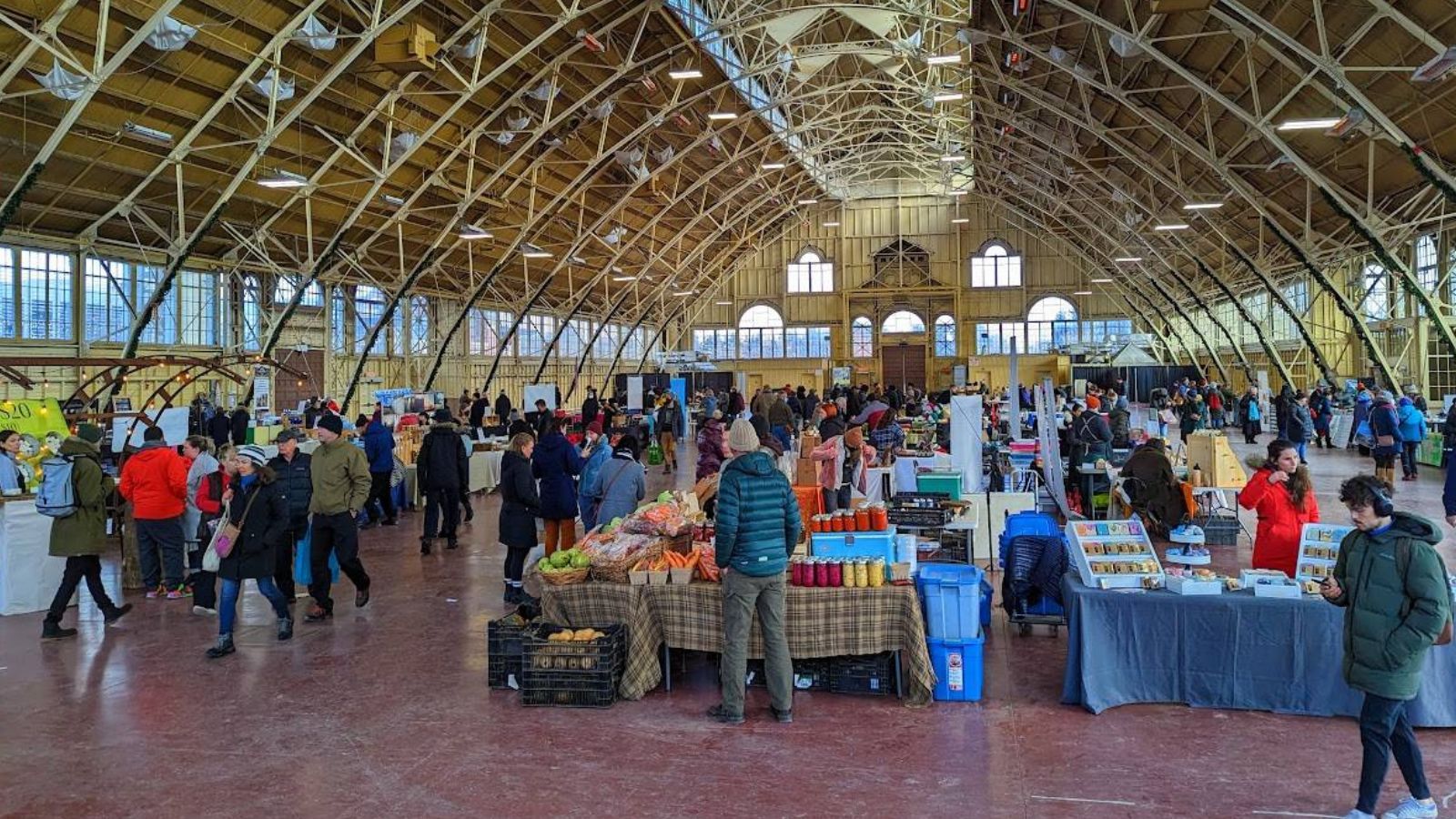
During the 1970s recession, some households worried about the quality and freshness of packaged products, and packaging costs continued to rise during inflation. Farmers brought produce directly to public spaces and parking lots so families could buy food from trusted sources. Cities welcomed markets because residents needed reliable access to groceries during uncertainty. The model remained popular long after the crisis faded. Farmers’ markets continue to support growers and help shoppers access affordable food across Canada.
Bilingual education during cultural tension

During periods of disagreement between English and French-speaking communities, families feared their children would lose connection to language and identity. Schools launched bilingual programs to reduce division during emotional and social conditions. Parents supported the programs because they helped children build confidence in both languages during the national strain. Over time, bilingual education strengthened cultural understanding and communication. A system created to prevent disconnect evolved into an educational advantage used across schools today.
Startup accelerators during youth unemployment spikes

Graduates struggled to find jobs during the late 2000s downturn, and young people worried about their future in shrinking industries. Universities, investors, and public institutions launched accelerators and training hubs to support new founders during the crisis. Students built companies when traditional roles disappeared. Some of those businesses grew into strong national brands. A lack of job openings eventually fueled a boom in entrepreneurship across Canada.
Mental health campaigns during widespread burnout

Multiple periods of economic and social pressure caused rising stress, suicide rates, and community exhaustion. Volunteers and organizations started campaigns to provide counseling, support networks, and awareness during the crisis. People responded because the programs acknowledged daily struggles instead of ignoring them. Mental health became part of regular conversation in workplaces, schools, and homes. Resources and funding expanded nationwide. A movement that began from worry and despair helped build long-term support for emotional well-being.
22 Groceries to Grab Now—Before another Price Shock Hits Canada

Food prices in Canada have been steadily climbing, and another spike could make your grocery bill feel like a mortgage payment. According to Statistics Canada, food inflation remains about 3.7% higher than last year, with essentials like bread, dairy, and fresh produce leading the surge. Some items are expected to rise even further due to transportation costs, droughts, and import tariffs. Here are 22 groceries to grab now before another price shock hits Canada.
22 Groceries to Grab Now—Before another Price Shock Hits Canada
