
Canada is usually associated with maple syrup, hockey, and oil. Yet over the past decade, the country has quietly built unexpected economic strengths. These industries did not dominate headlines when they started. Most of them seemed too niche or too small at first. Today, they bring jobs, exports, and global attention. Some grew out of necessity. Others came from simple community projects that scaled slowly. Here are 21 Canadian industries nobody saw coming.
Seaweed Farming
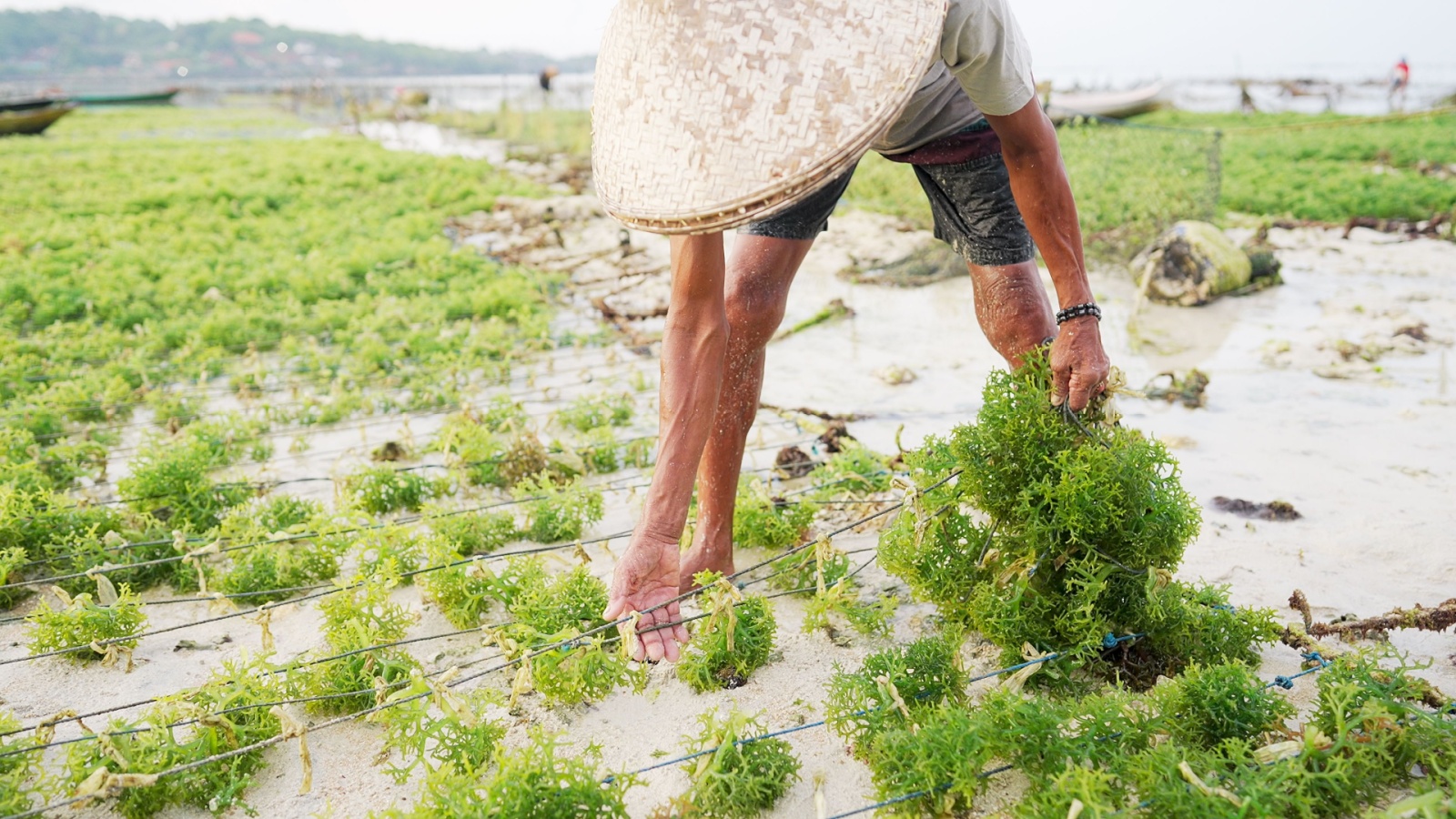
Seaweed farming moved from small coastal experiments to a recognized commercial sector. Cold waters in Canada allow seaweed varieties to grow at steady rates without heavy parasite pressure. Companies now supply bulk ingredients for plant protein, organic fertilizers, and packaging. The market expanded because food and consumer product companies searched for ocean-friendly options. New farms opened in British Columbia and Nova Scotia, and created jobs in harvesting and processing. Seaweed can grow without freshwater, farmland, or pesticides. That gives it long-term economic potential. Export demand continues to grow due to global needs for sustainable raw materials.
Space Robotics Manufacturing

Canada developed robotic technology during major space missions. That foundation allowed private companies to grow when commercial space transport became more common. Ontario and Quebec firms design robotic systems capable of maintaining satellites and supporting lunar construction. Clients include government agencies and private aerospace groups. The work requires engineers, machinists, programmers, and precision technicians. These companies earn recurring contracts because satellites need reliable servicing after launch. The sector gains strength from the global shift toward reusable spacecraft.
Plant-Based Seafood

Plant-based seafood in Canada grew from small research kitchens to international suppliers. Early demand came from consumers who wanted seafood alternatives without ocean impact. Producers in Vancouver and Toronto built recipes using pea protein, seaweed, and flax to replicate texture. Their distribution started through grocery chains and then expanded to hotels and restaurants across Asia and Europe. Production facilities opened to meet large orders. Global shortages of fish and rising sustainability concerns supported rapid scaling. The industry now provides jobs in product development, supply chain roles, and packaging.
Cold-Climate Data Centres

Canada’s cool climate and stable renewable energy supply attracted data center development. Server farms require cooling, and operating in northern regions reduces electricity costs. Facilities in Yukon, Manitoba, and Alberta draw corporate cloud clients that want secure hosting. Hydroelectric power helps lower emissions compared to warmer locations. The centres hire electrical technicians, cybersecurity teams, and maintenance staff. Steady contracts from international companies provide long-term revenue. Additional expansion continues because demand for digital storage grows yearly. Cold-climate data centres create strong economic activity in regions where heavy industry was limited.
Artisan Maple Beauty Products

Maple extract cosmetics moved from small craft stalls to global distribution channels. Producers noticed a market for skincare products sourced from maple trees because the extract contains antioxidants. Small operations in Quebec and Ontario started with soaps and body creams. Online sales created new audiences outside Canada. Export interest arrived from distributors in Asia and Europe. Production lines expanded to meet orders and support consistent quality. The industry benefited maple farmers by increasing demand for new sap applications outside of food.
Prairie Whisky

Whisky production in Alberta and Saskatchewan became a major rural industry after early tasting events impressed international judges. Small distilleries relied on local grains and unique rye blends. Tourism programs connected travelers with tasting rooms and festivals. Exports to Europe and Japan increased brand recognition and revenue. The industry created farming contracts, hospitality jobs, and supply partnerships. Many distilleries now operate visitor centres supported by nearby hotels and restaurants. Prairie whisky became known for regional flavor rather than a standard national profile. Domestic and global demand continues to rise due to interest in craft spirits and tasting tourism.
Indigenous Tourism

Indigenous tourism developed gradually through community-led projects. Travelers wanted cultural experiences that reflected local history, nature, and traditional food. Lodges, tours, and craft programs formed across provinces. These businesses provide revenue while supporting language and knowledge preservation. Training programs help residents develop guiding and hospitality skills. Many international visitors come specifically for cultural education and land connection. Government travel campaigns increased awareness and bookings. The industry provides steady income for communities without requiring heavy construction. It also supports regional food producers, artists, and storytellers.
Winter Agriculture
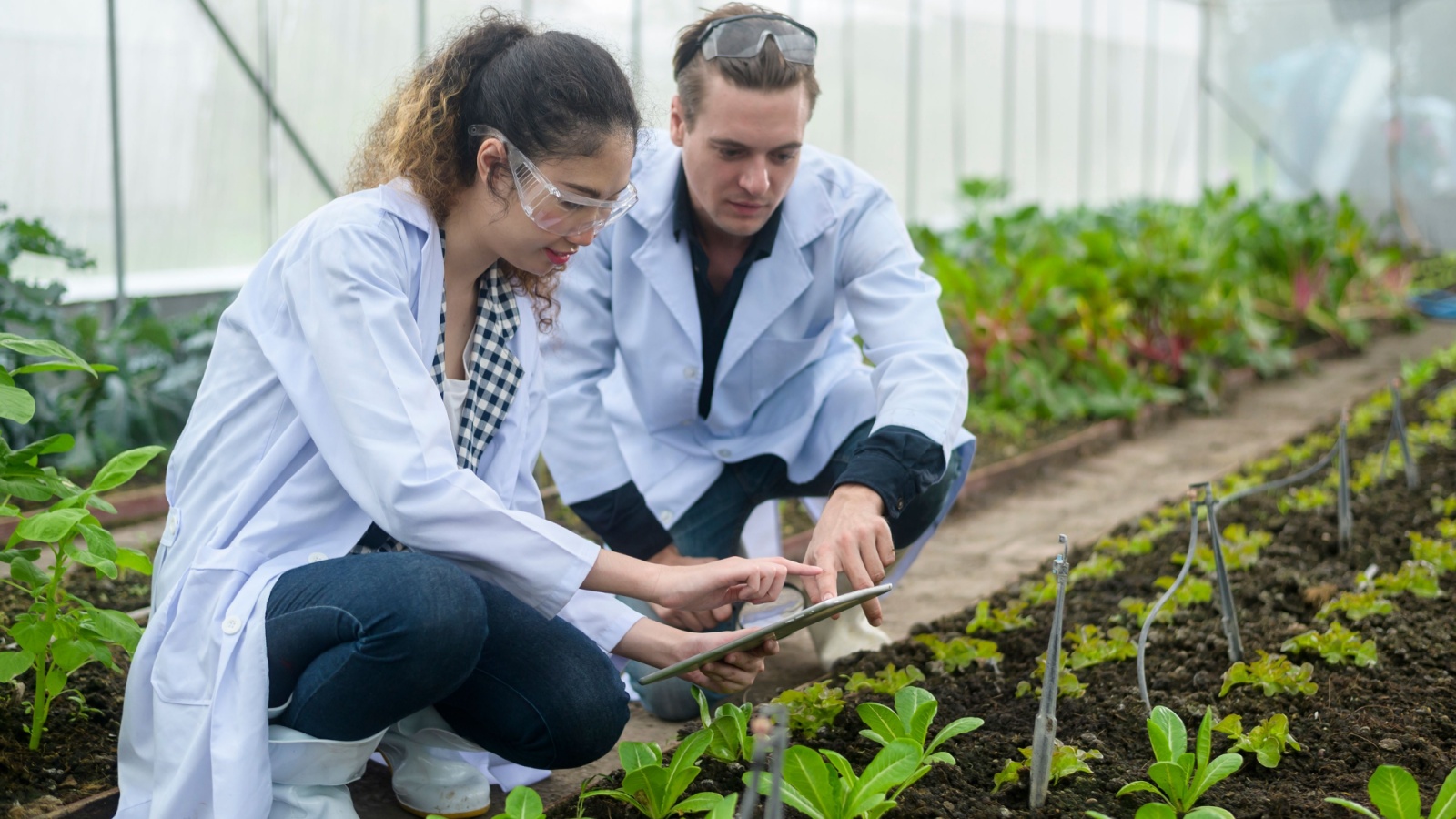
Winter agriculture surprised analysts when remote regions began producing vegetables through insulated greenhouses. Solar power and heat recovery systems lowered operating expenses. The farms shorten supply chains by replacing imported produce transported by air during cold months. Grocery stores buy locally, bringing fresher products to northern communities. Jobs include technicians, crop supervisors, and packaging staff. The greenhouses support year-round food security and reduce shipping emissions. Research groups continue testing more efficient lighting and climate control. Rising demand from restaurants and schools keeps the industry profitable.
Nordic Spa Wellness
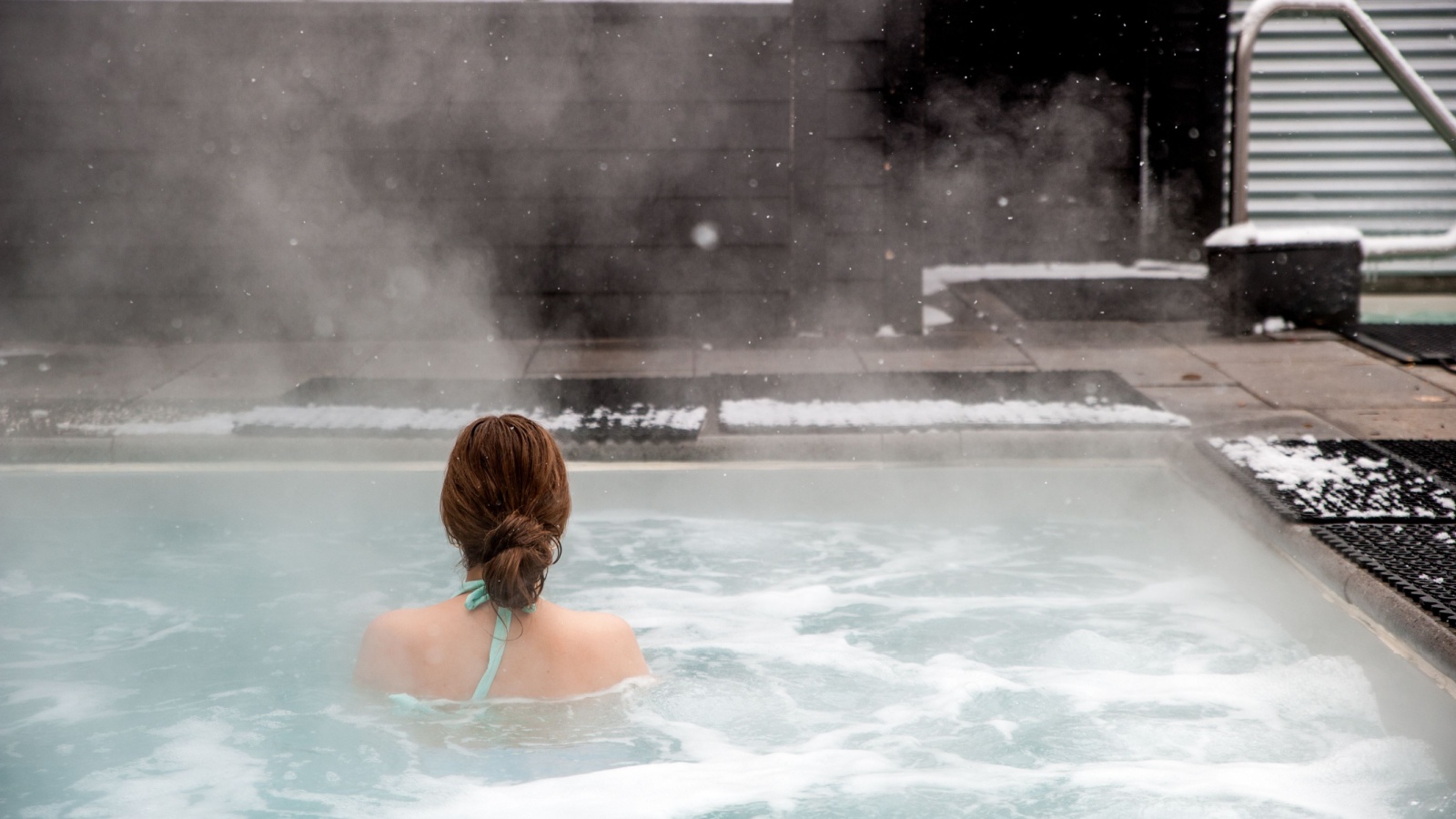
Nordic spa wellness became a steady business after Canadians searched for outdoor relaxation activities during colder months. Facilities offer thermal pools, cold plunges, and nature-based rest areas. Visitors appreciate the quiet atmosphere rather than resort entertainment. Locations near forests, lakes, and mountains attract guests from large cities. The industry created roles in hospitality, landscaping, and customer services. Winter tourism increased because travelers visit destinations that once saw slow seasons. Partnerships with hotels and restaurants strengthen local revenue. Wellness tourism continues growing internationally, and Canadian spas benefit from natural landscapes and longer winter seasons compared to warmer countries.
Mushroom Packaging

Mushroom packaging uses mycelium to grow replacement materials for Styrofoam. Small labs in Ontario and British Columbia began experimenting with production molds. Furniture and technology companies ordered protective packaging for products that ship globally. The material decomposes quickly in soil, which reduces landfill waste. Manufacturing facilities expanded to include drying rooms, assembly lines, and quality testing. Engineers work on new designs that support heavy items such as electronics. Export partnerships grow each year as more companies search for sustainable packaging.
Vintage Apparel Export

Vintage apparel reselling turned into a large export business. Shops across Canada collect clothing from donation centres, estate sales, and private retailers. Items are sorted, cleaned, graded, and packed for international buyers. Japan and South Korea became major markets because consumers value curated retro styles. Warehouses now run digital auctions and wholesale shipments. The industry employs workers in logistics, quality inspections, and marketing. It also supports recycling goals by extending the life of garments. Global demand continues because fashion cycles repeat and collectors search for rare pieces.
Green Mining Technology

Green mining technology originated from the challenge of strict environmental laws. Canadian engineering groups designed systems that reduce dust, water waste, and emissions during mineral extraction. Companies around the world want cleaner extraction because electric vehicle production and renewable energy supply chains depend on sustainable components. Canadian firms license equipment and software rather than building full mining sites. The business model reduces risk while generating steady revenue. Research partnerships with universities support constant product updates. International mining companies buy Canadian technology to meet stricter standards.
Drone Forestry Services

Forestry management requires constant monitoring of pests, fire risk, and land health. Drones provide safer options than helicopters or manual field surveys. Canadian startups developed imaging software that detects patterns in tree disease, moisture levels, and wildlife movement. Provincial forestry departments use these services for seasonal planning and emergency response. The work supports biologists, drone pilots, and data analysts. Private timber companies hire operators for inventory mapping and replanting programs. The sector grows because forests cover large portions of Canada and require regular oversight.
Snow Sports Filmmaking
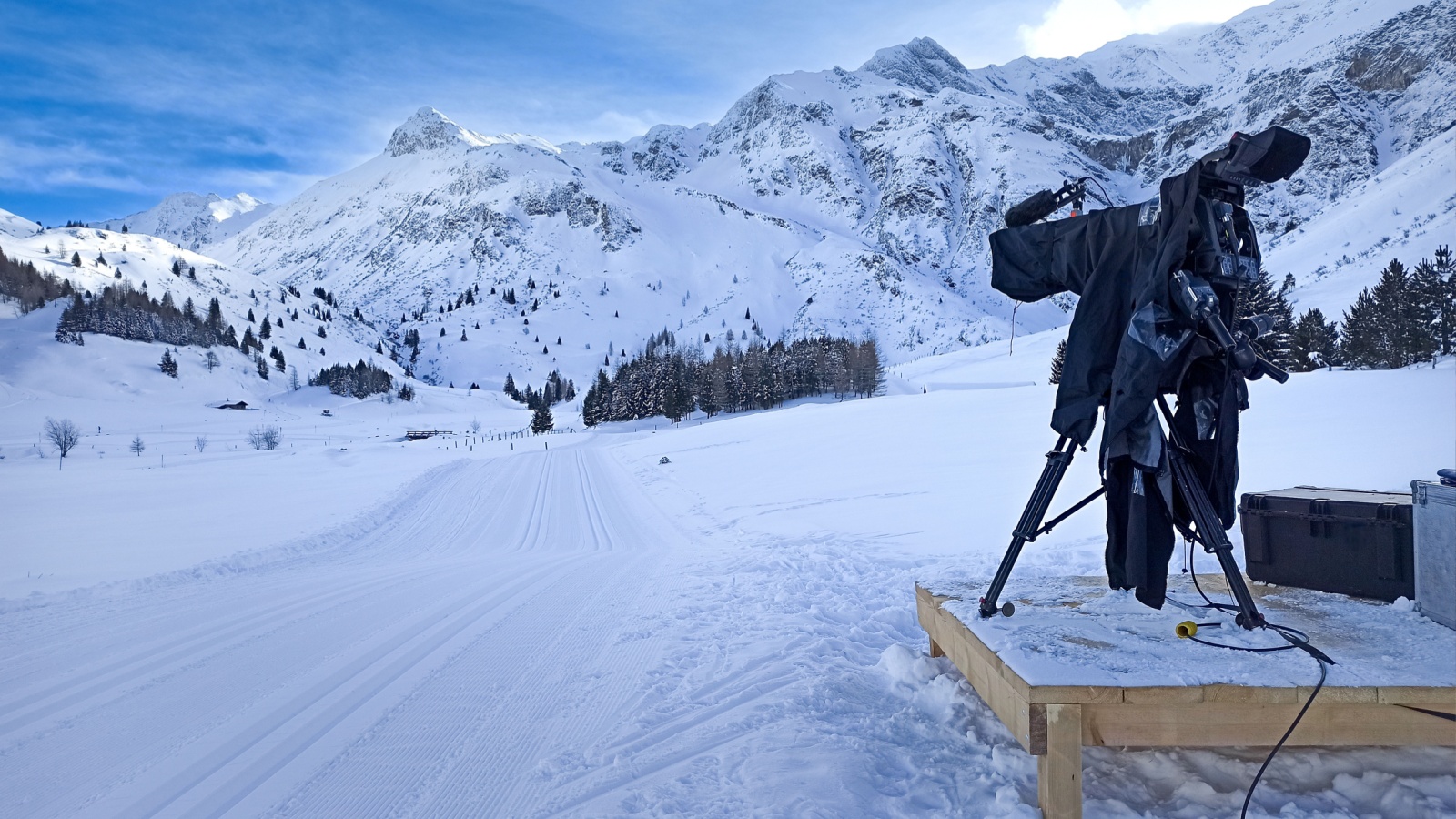
Snow sports filmmaking began as a hobby among winter athletes who wanted high-quality footage of their runs. Production companies formed as demand increased across ski resorts. They film competitive events, documentaries, and promotional videos for sports brands. Streaming platforms now purchase winter sports content because audiences enjoy watching mountain locations. The industry hires camera crews, editors, sound teams, and drone pilots. Local tourism boards benefit because films highlight regions and attract visitors. Filmmakers work year-round due to the winter in various locations.
Remote Work Retreats

Remote work retreats evolved when digital workers looked for quiet places outside major cities. Properties near lakes, forests, and coastal areas updated cabins and lodges with high-speed internet and long stay amenities. Travelers book monthly stays and combine work with nature recreation. This approach helped regions that once relied on short tourist seasons. The industry created roles in property management, maintenance, and housekeeping. Cafes and grocery stores receive more business because guests settle temporarily rather than visiting quickly. Demand continues because companies allow flexible schedules.
Ethical Diamond Labs

Ethical diamond labs grew from an early interest in gemstones created without mining sites. Canadian facilities developed controlled chambers that produce diamonds with consistent clarity. Luxury brands and jewellery retailers purchase bulk orders for rings and accessories. Customers appreciate traceable sourcing and accessible pricing. The labs hire technicians, engineers, and gem specialists. Production runs year-round and does not rely on seasonal extraction. Facilities export both loose stones and finished jewellery. The industry gains support from customers who prefer transparent supply chains. Continued research aims to increase size, variety, and color options. International demand keeps the sector profitable.
Avalanche Safety Gear
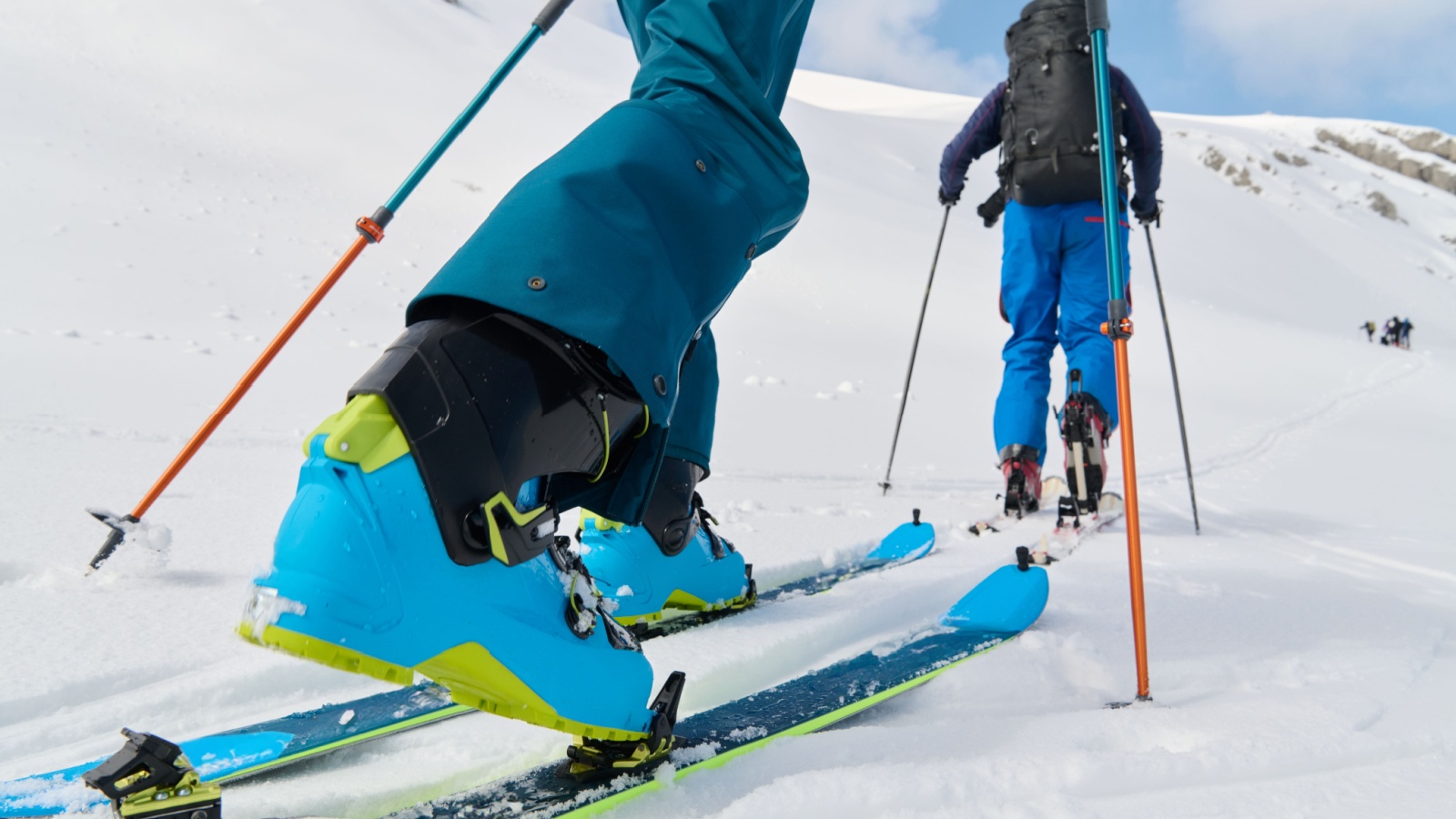
Avalanche safety gear expanded in Canada as backcountry skiing and snowboarding gained more participants. Companies developed lightweight airbags, sensors, and training tools to reduce risk in remote areas. Ski resorts and mountain guides adopted the products for guest safety. Distributors in Europe and the United States placed large orders once performance testing results were published. The sector employs engineers, designers, and assembly workers. Partnerships with rescue organizations support product testing. Interest in winter adventure tourism continues to rise, which keeps the market active.
Biochar Energy
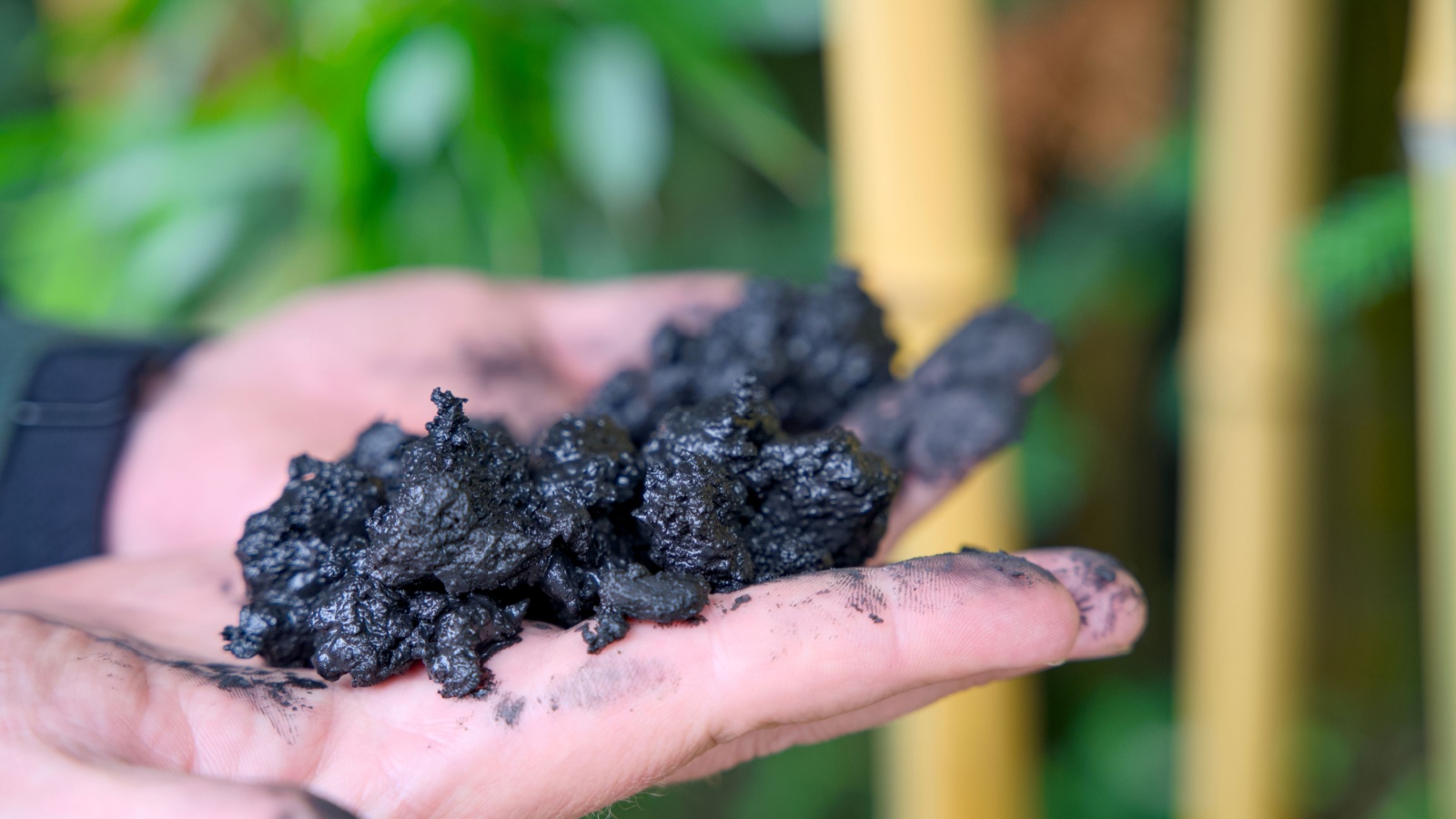
Biochar energy projects use agricultural waste heated in low oxygen to create material that locks carbon in soil. This method supports farming productivity and long-term carbon removal. Canadian facilities placed operations near farms to reduce transport expenses. Government programs purchased biochar for environmental restoration projects. Export partners include countries that want to reduce emissions in agriculture. The sector supports engineers, equipment operators, and research teams. Farmers gain financial returns by selling crop residues to processors. Biochar energy continues growing because climate policies reward carbon retention.
Lakeside Film Studios
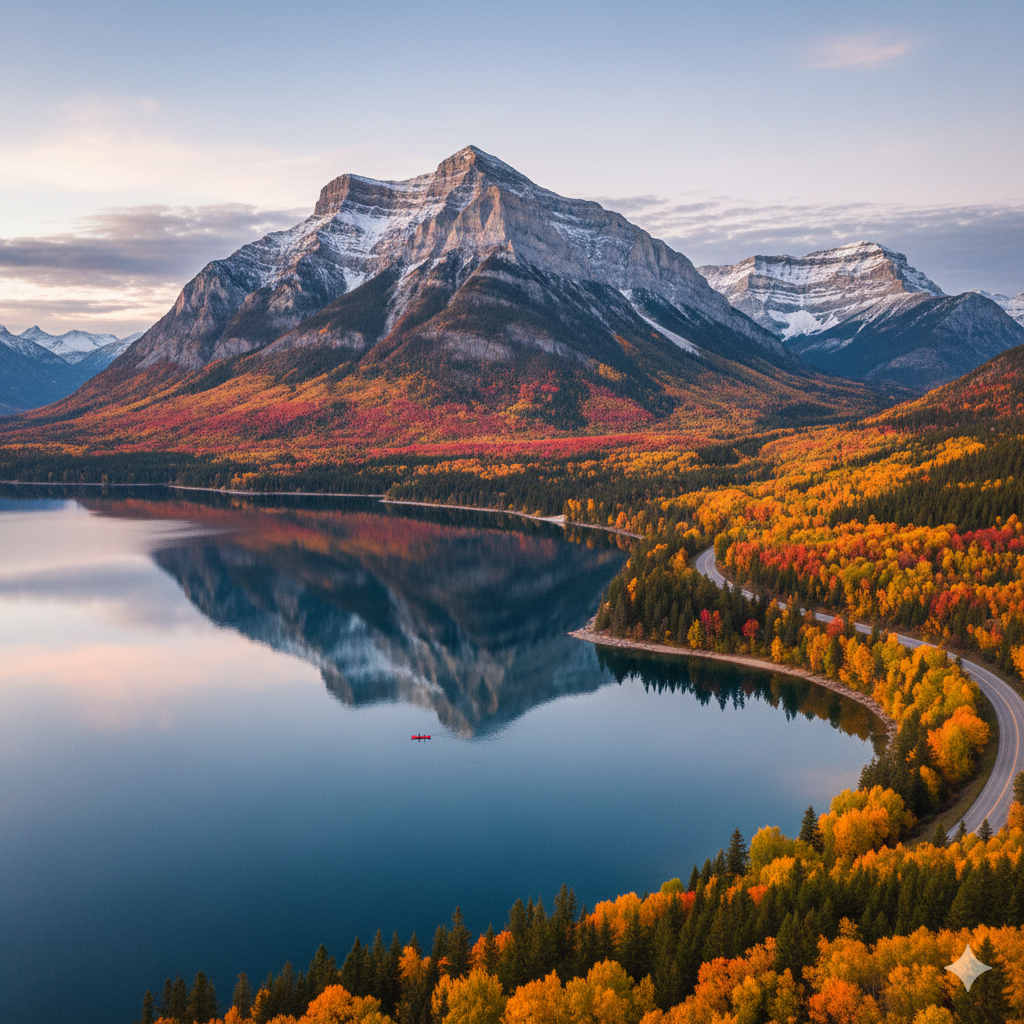
Lakeside film studios transformed old warehouses near natural locations into production stages. Proximity to forests and water creates scenic backdrops without expensive digital effects. Streaming services boosted demand for original content and booked year-round filming schedules. Production draws crews, makeup teams, costume workers, and transportation services to nearby towns. Hotels and restaurants see consistent revenue from cast and staff. Municipal governments support filming because it builds long-term jobs. The studios compete directly with major United States locations due to lower costs.
Arctic Research Logistics
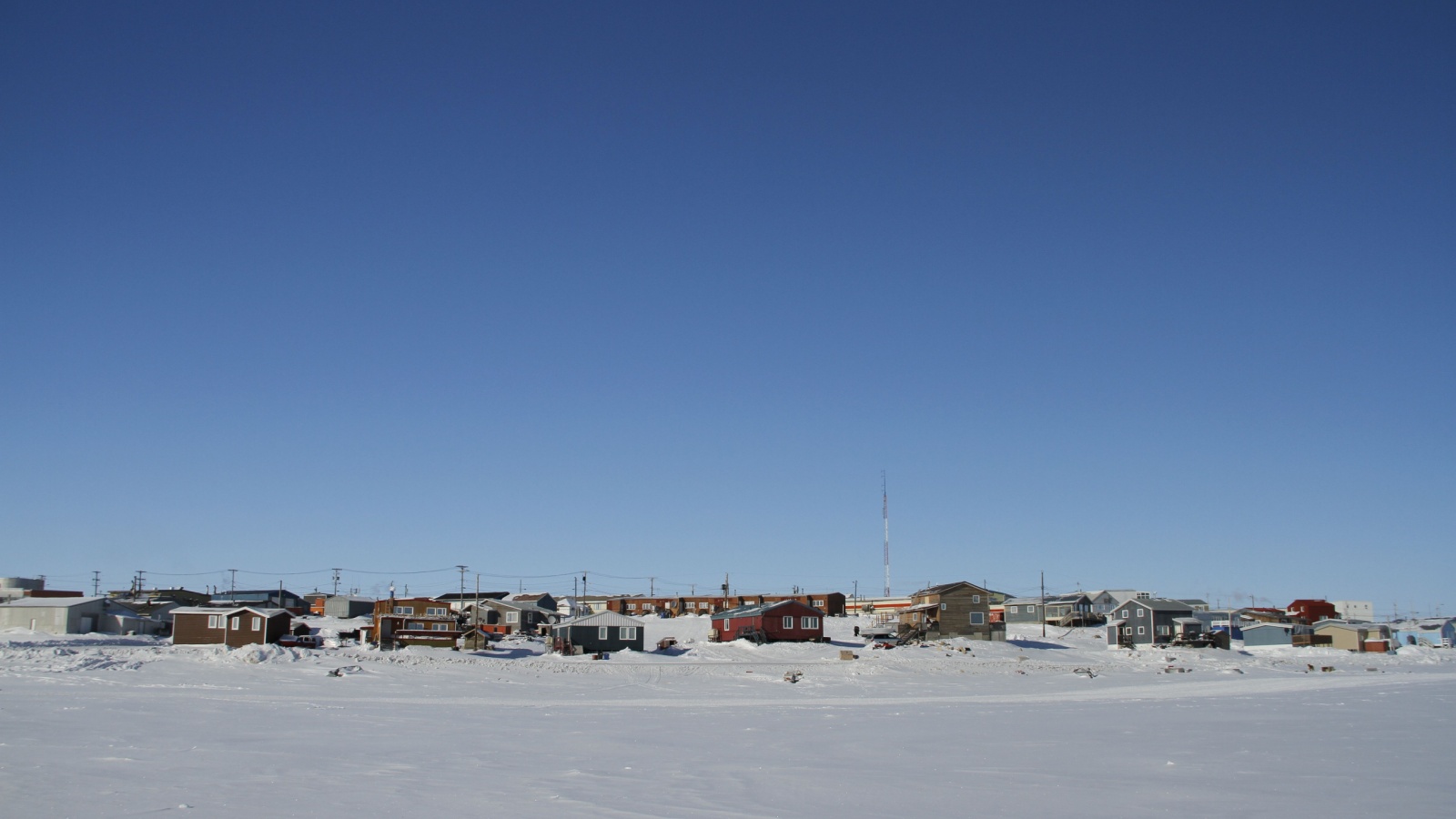
Arctic research logistics developed because scientists need transportation, housing, and supply coordination in remote northern regions. Companies organize flights, snow vehicles, and emergency resources for research teams. The work supports pilots, mechanics, safety planners, and field technicians. Multiple countries send researchers to Canada due to its accessible Arctic geography. Research programs require long-term data collection, which leads to repeat contracts. Logistics companies cooperate with local communities for staffing and cultural guidance. Stable demand continues because climate research remains a high priority. The sector brings revenue to remote regions without heavy industrial development.
Retro Gaming Repair

Retro gaming repair emerged when demand for functioning consoles and arcade machines exceeded available supply. Shops collect old hardware from sellers, auctions, and estates. Technicians restore parts and fabricate replacements using 3D printing and refurbished components. Customers include collectors, themed venues, and online buyers. Social media platforms spread awareness and increase sales. Many shops now ship globally through online marketplaces. The sector supports technical trades and digital commerce roles. Nostalgia remains strong across generations, which keeps demand steady.
22 Groceries to Grab Now—Before another Price Shock Hits Canada

Food prices in Canada have been steadily climbing, and another spike could make your grocery bill feel like a mortgage payment. According to Statistics Canada, food inflation remains about 3.7% higher than last year, with essentials like bread, dairy, and fresh produce leading the surge. Some items are expected to rise even further due to transportation costs, droughts, and import tariffs. Here are 22 groceries to grab now before another price shock hits Canada.
22 Groceries to Grab Now—Before another Price Shock Hits Canada
