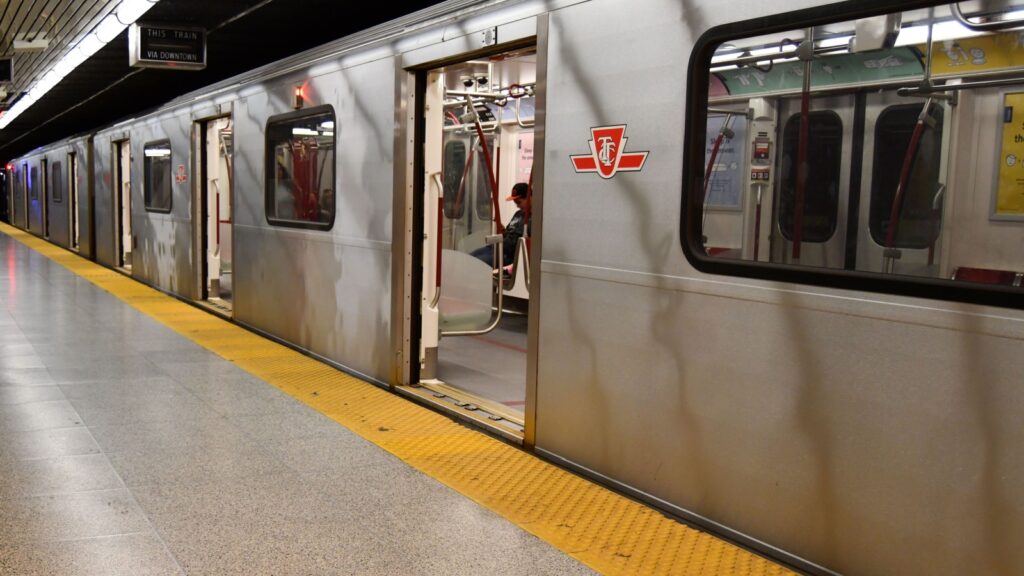
Canada’s urban landscape is evolving rapidly, and public transit projects are at the forefront of this transformation. Across the country, cities are investing in subway expansions, light rail transit (LRT) systems, and rapid transit planning to accommodate growing populations and reduce traffic congestion. These projects promise faster commutes, improved accessibility, and integration with existing transit networks, while supporting sustainable urban development. Here are the 21 subway and LRT projects that will reshape commutes.
Ontario Line, Toronto, Ontario
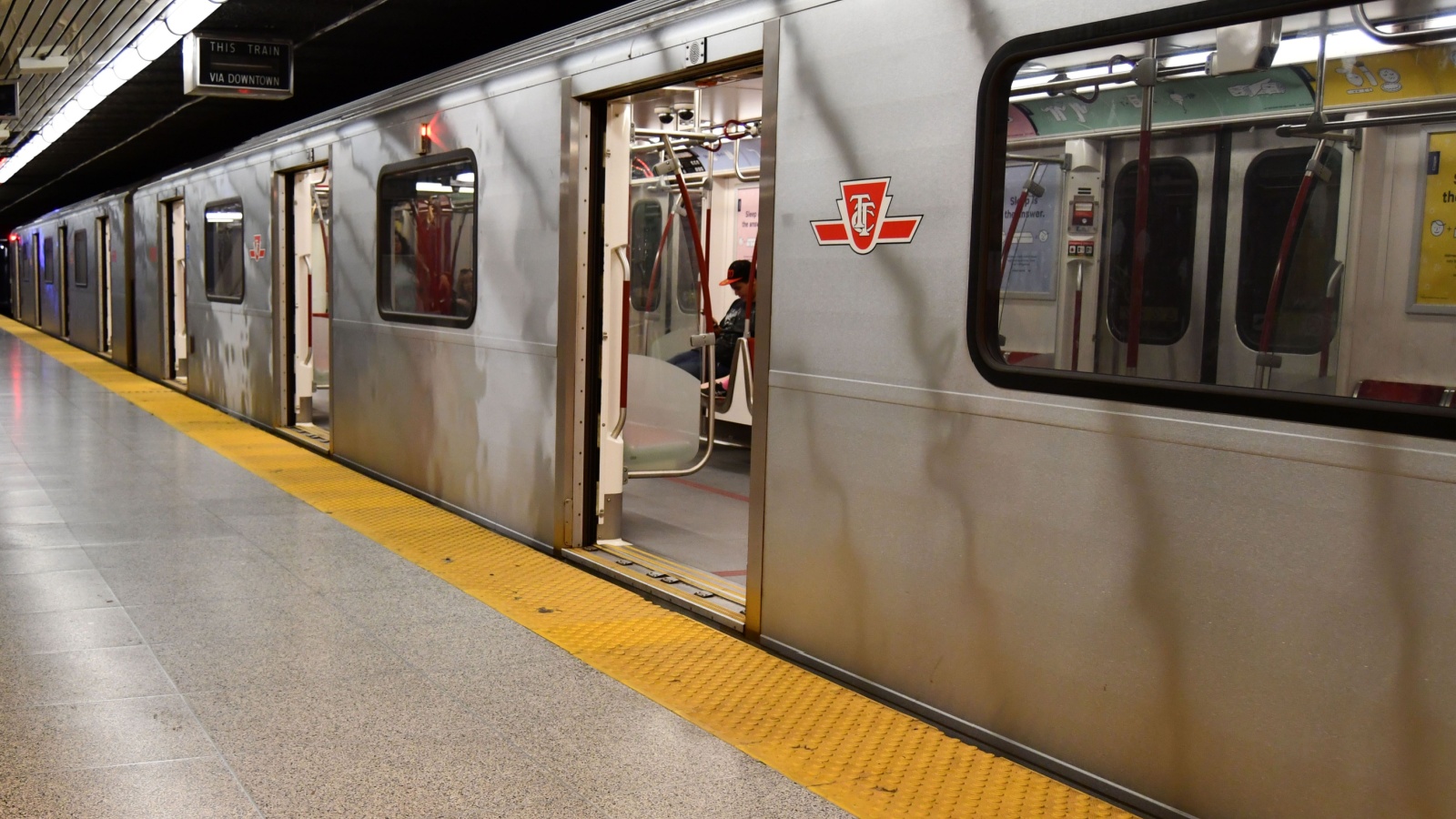
The Ontario Line is a major rapid transit project in Toronto designed to improve connectivity across the city. It spans approximately 15.6 km, linking the Ontario Science Centre in the northeast with Exhibition Place in the southwest. The line is expected to reduce congestion on the overcrowded Line 1 Yonge-University subway. With 15 new stations, it will provide faster transit options, seamless transfers to existing subway lines, and connections to GO Transit and regional buses. The Ontario Line is projected to open in phases starting in 2030, transforming Toronto commutes for thousands of daily riders.
Scarborough Subway Extension, Toronto, Ontario

The Scarborough Subway Extension extends Line 2 Bloor-Danforth eastward to better serve Scarborough residents. This 7.8 km project adds three new stations, connecting McCowan Road to Sheppard Avenue. It replaces the aging Scarborough RT, increasing capacity and reducing travel times into downtown Toronto. Construction includes modern stations, accessible entrances, and improved connections to bus and regional transit. The project aims to stimulate economic growth in Scarborough while enhancing transit reliability. Expected completion is around 2030, providing long-term benefits for residents and commuters navigating one of Toronto’s busiest transit corridors.
Eglinton Crosstown LRT, Toronto, Ontario
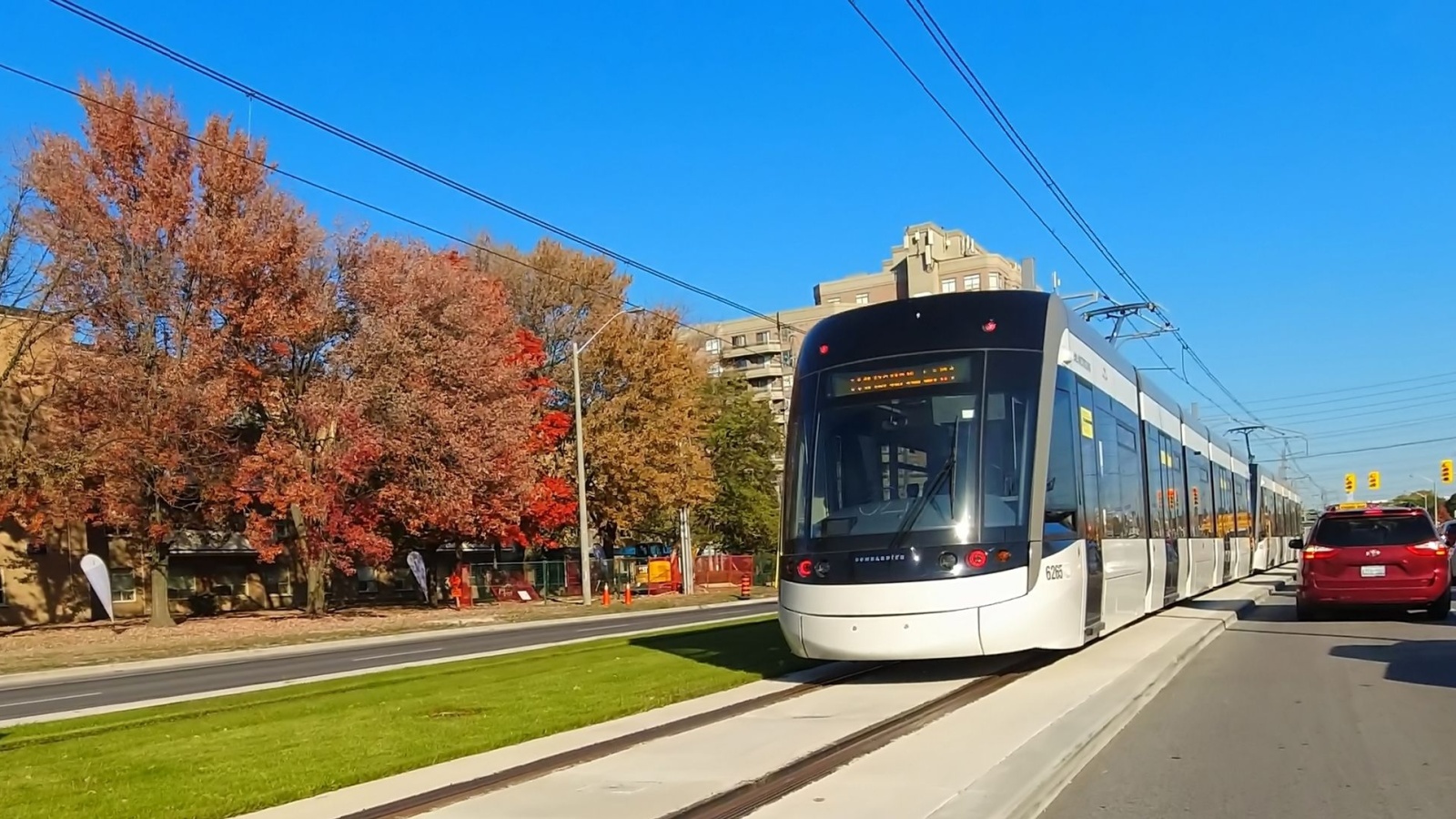
The Eglinton Crosstown LRT, also known as Line 5, is a 19 km light rail line running along Eglinton Avenue. It connects Mount Dennis in the west to Kennedy Station in the east. The line features 25 stations, including underground and surface stops, improving east-west transit across midtown Toronto. Designed to reduce congestion and provide faster travel than buses, the LRT integrates with the subway network and GO Transit. The Eglinton Crosstown LRT supports urban development along the corridor and promotes sustainable transit. The line is expected to open in 2025, significantly enhancing daily commuting options.
Finch West LRT, Toronto, Ontario
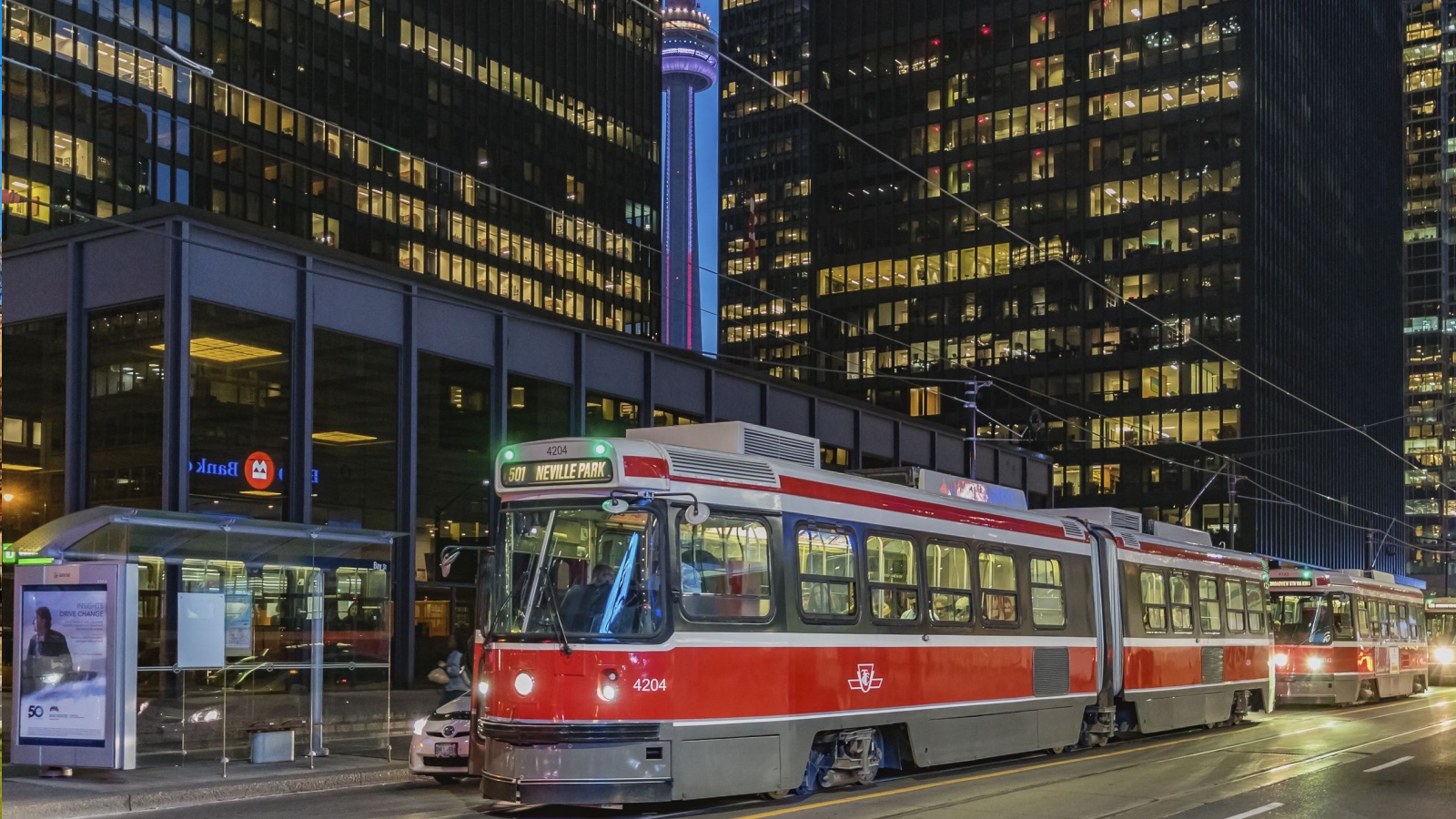
The Finch West LRT is a 10 km light rail line along Finch Avenue West, connecting Humber College to the Finch West subway station. With 18 stops, it provides faster, more reliable service than the existing bus route. The project integrates with Toronto’s subway network, including Line 1 Yonge-University and Line 2 Bloor-Danforth via transfer points. It serves diverse communities, improving transit access to residential and commercial areas. Modern stations, accessible platforms, and priority signaling for trains enhance efficiency. Scheduled to open in 2024, the Finch West LRT is expected to transform commuting patterns and encourage sustainable urban mobility.
Hurontario LRT, Mississauga, Ontario
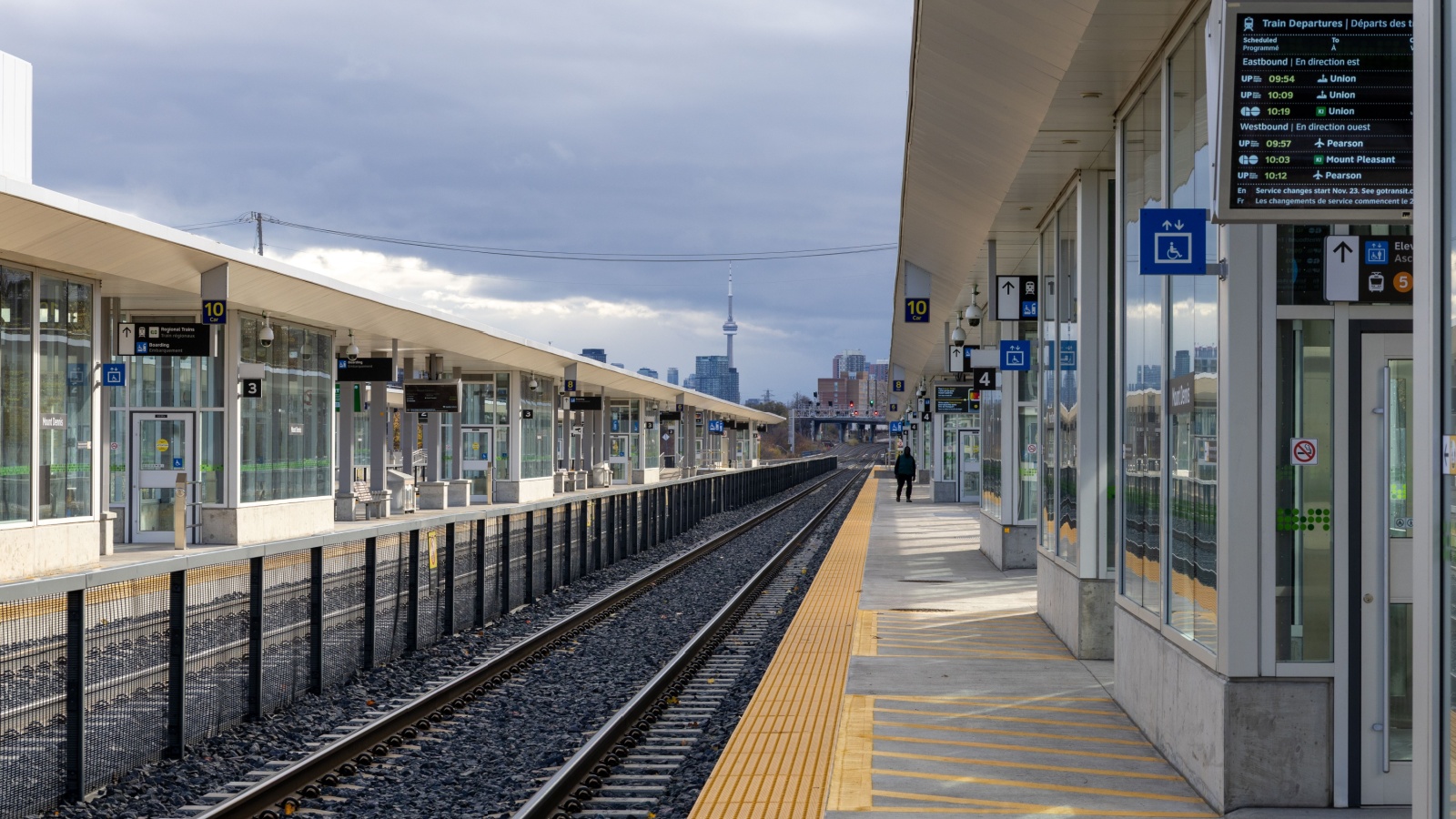
The Hurontario LRT is a 19 km light c transit line connecting Port Credit in c to Brampton Gateway Terminal. Featuring 19 stations, it runs along Hurontario Street, serving key residential, commercial, and employment areas. The LRT provides faster, more reliable transit than buses, reducing congestion on local roads. Designed for integration with regional transit, it connects to the GO Train network, MiWay buses, and Brampton’s Züm service. Construction includes modern accessible stations, streetscape improvements, and active transportation enhancements. Completion is expected in 2025, significantly improving mobility in the Greater Toronto Area.
Valley Line LRT, Edmonton, Alberta
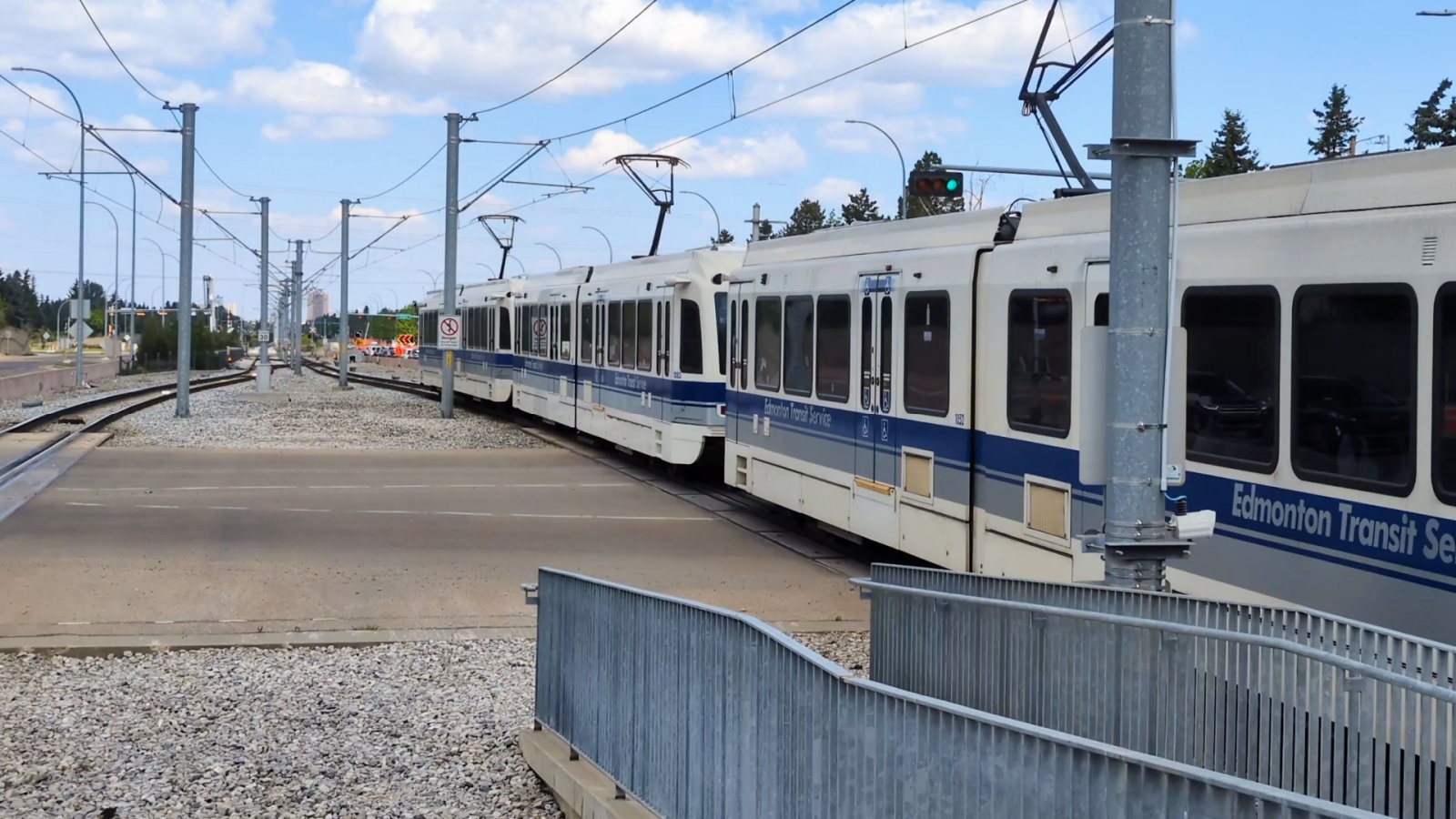
The Valley Line LRT is a 27 km light rail project in Edmonton, linking Mill Woods in the southeast to Lewis Farms in the west. With 25 stations, the line travels at-grade and underground in the city center, connecting residential, commercial, and cultural districts. The LRT offers modern vehicles, accessible stations, and improved transit efficiency compared to buses. It integrates with Edmonton’s existing Capital Line and Metro Line, expanding network coverage. Expected to open in phases starting in 2024, the Valley Line LRT enhances east-west mobility, supports urban development along the corridor, and provides residents with reliable year-round public transit.
Metro Line Extension, Edmonton, Alberta

The Metro Line Extension in Edmonton adds approximately 3.3 km of LRT track from the existing Churchill Station to NAIT (Northern Alberta Institute of Technology). The project includes three new stations and improves access to education, residential, and commercial areas in the north-central region. Designed to integrate seamlessly with Edmonton’s existing LRT network, it offers modern trains, accessible platforms, and efficient service. The extension reduces travel times, supports urban growth near NAIT, and encourages public transit use among students and workers. Completion is expected in 2026, providing a reliable and convenient commuting option.
Stage 2 LRT Expansion, Ottawa, Ontario
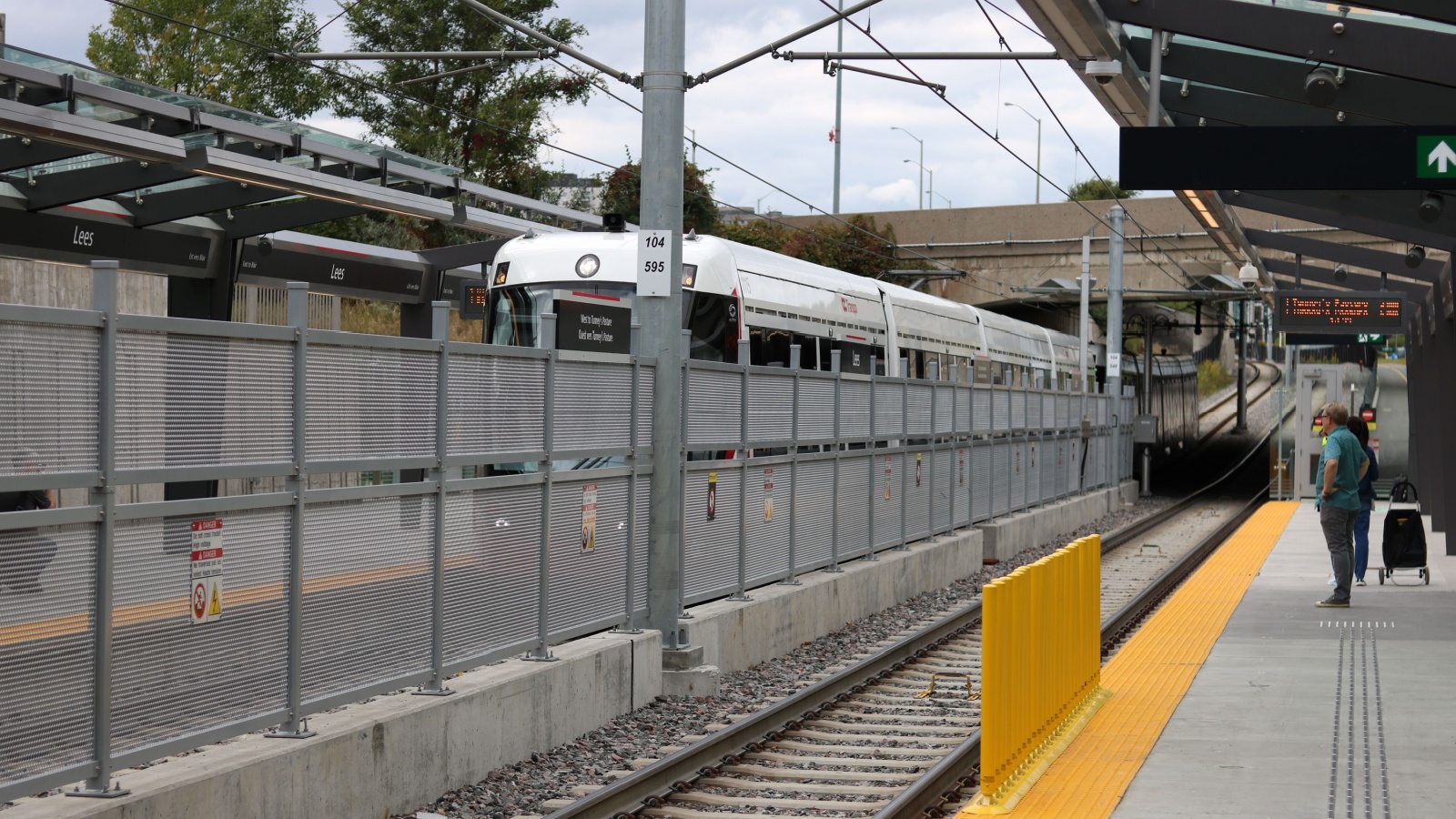
Ottawa’s Stage 2 LRT Expansion adds 44 km of new track, including 24 new stations, extending the existing Confederation Line and Trillium Line. The project serves key areas in Ottawa, Orleans, Kanata, Barrhaven, and Riverside South, connecting residential and commercial zones. It improves transit reliability, reduces congestion on buses, and enhances accessibility with modern vehicles and stations. The expansion also integrates with regional transit networks, including OC Transpo and VIA Rail. Expected to open in phases by 2026, Stage 2 transforms commuting patterns and supports sustainable urban development in Canada’s capital.
Confederation Line Phase 2, Ottawa, Ontario

Confederation Line Phase 2 is part of Ottawa’s LRT expansion, extending the east-west rapid transit corridor from Blair Station to Trim Road and westward to Moodie Drive. The project includes 16 new stations, modern trains, and accessible facilities. It connects key suburban communities to the downtown core, reducing car dependency and easing traffic congestion. Integration with existing OC Transpo services ensures efficient transfers. The expansion encourages development along the transit corridor and supports sustainable transportation initiatives. Completion is expected by 2026, providing residents with a faster, reliable commuting alternative across Ottawa.
Kelowna Rapid Transit Feasibility Study, British Columbia
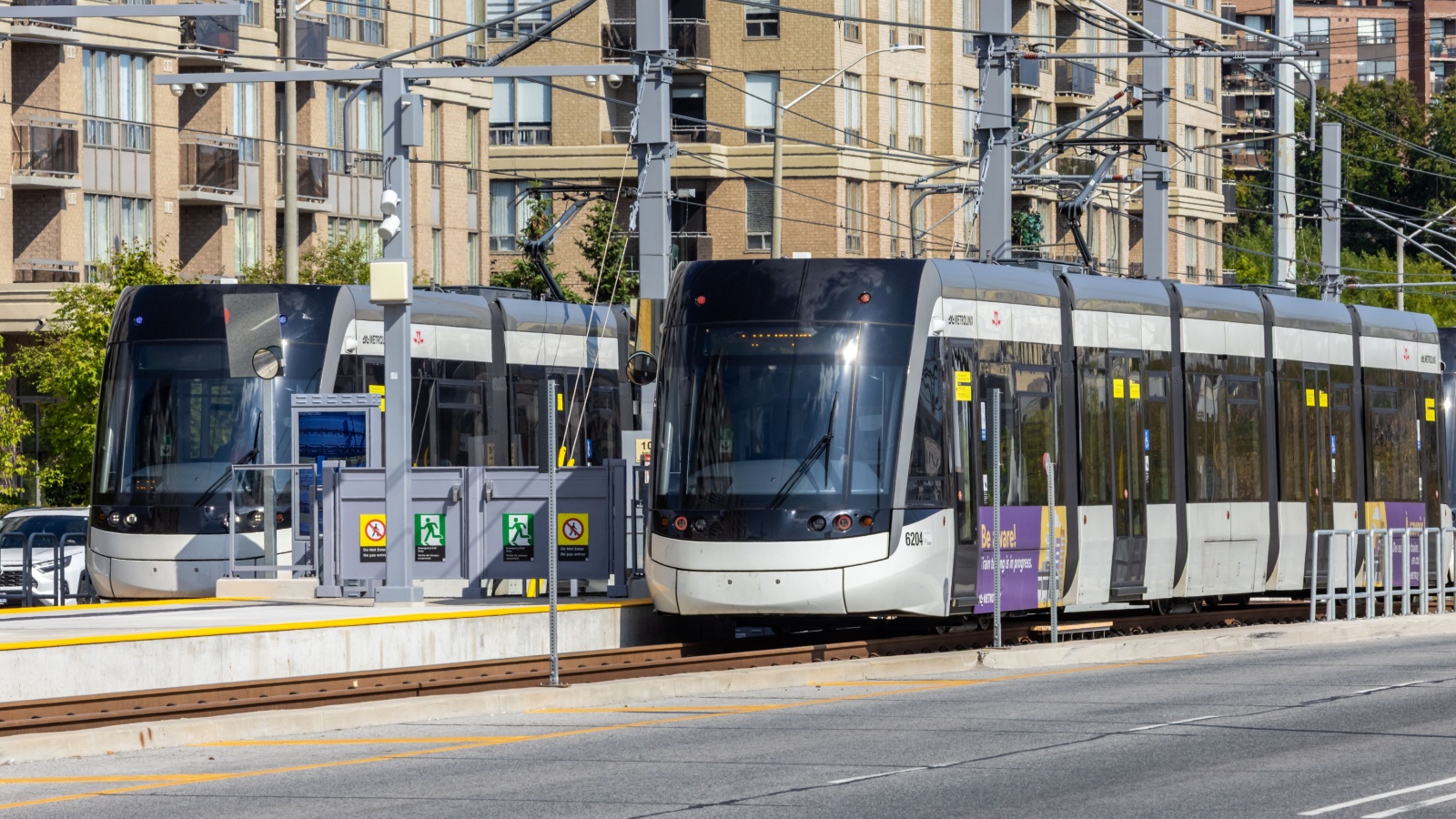
Kelowna’s Rapid Transit Feasibility Study explores options to improve transit along key corridors, including Highway 97 and Lakeshore Road. The study evaluates light rail, bus rapid transit, and hybrid solutions to enhance mobility, reduce congestion, and support the city’s growing population. It identifies potential stations, integration with local bus networks, and connections to nearby communities. The project aims to increase public transit efficiency while promoting sustainable development. Results from the feasibility study will inform long-term planning, ensuring Kelowna residents have reliable, faster commuting options in the future.
Broadway Subway Extension, Vancouver, British Columbia
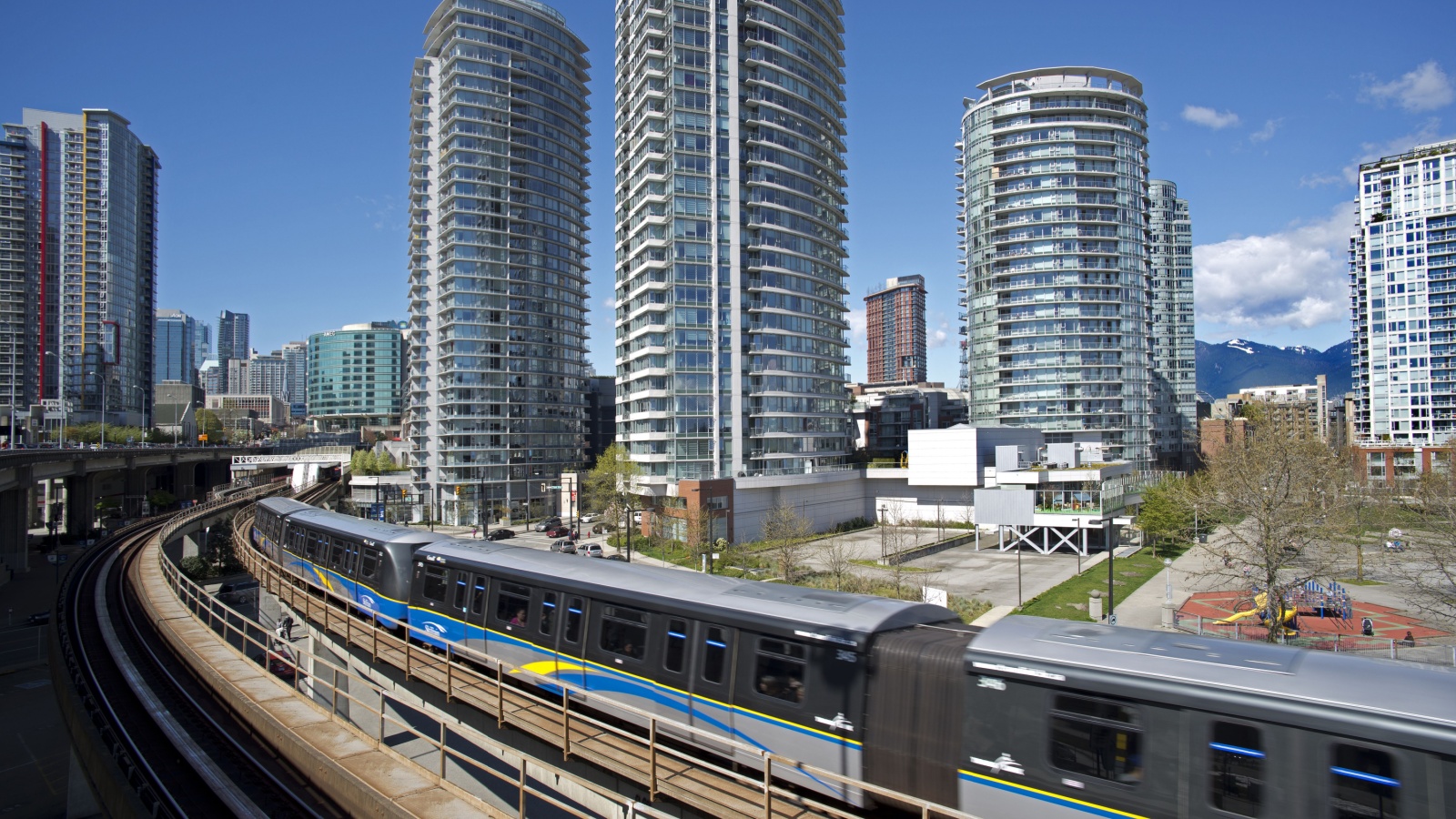
The Broadway Subway Extension extends Vancouver’s Millennium Line westward from VCC–Clark Station to Arbutus Street. The 5.7 km extension includes six new underground stations and integrates with existing transit services. It aims to reduce congestion on buses along the busy Broadway corridor and provide faster access to central Vancouver, the University of British Columbia, and surrounding communities. Modern underground stations and trains ensure efficiency, accessibility, and safety. Construction began in 2022 with completion expected in 2028. The extension is set to transform commuting along one of Vancouver’s busiest transit corridors.
Surrey LRT Feasibility Study, British Columbia
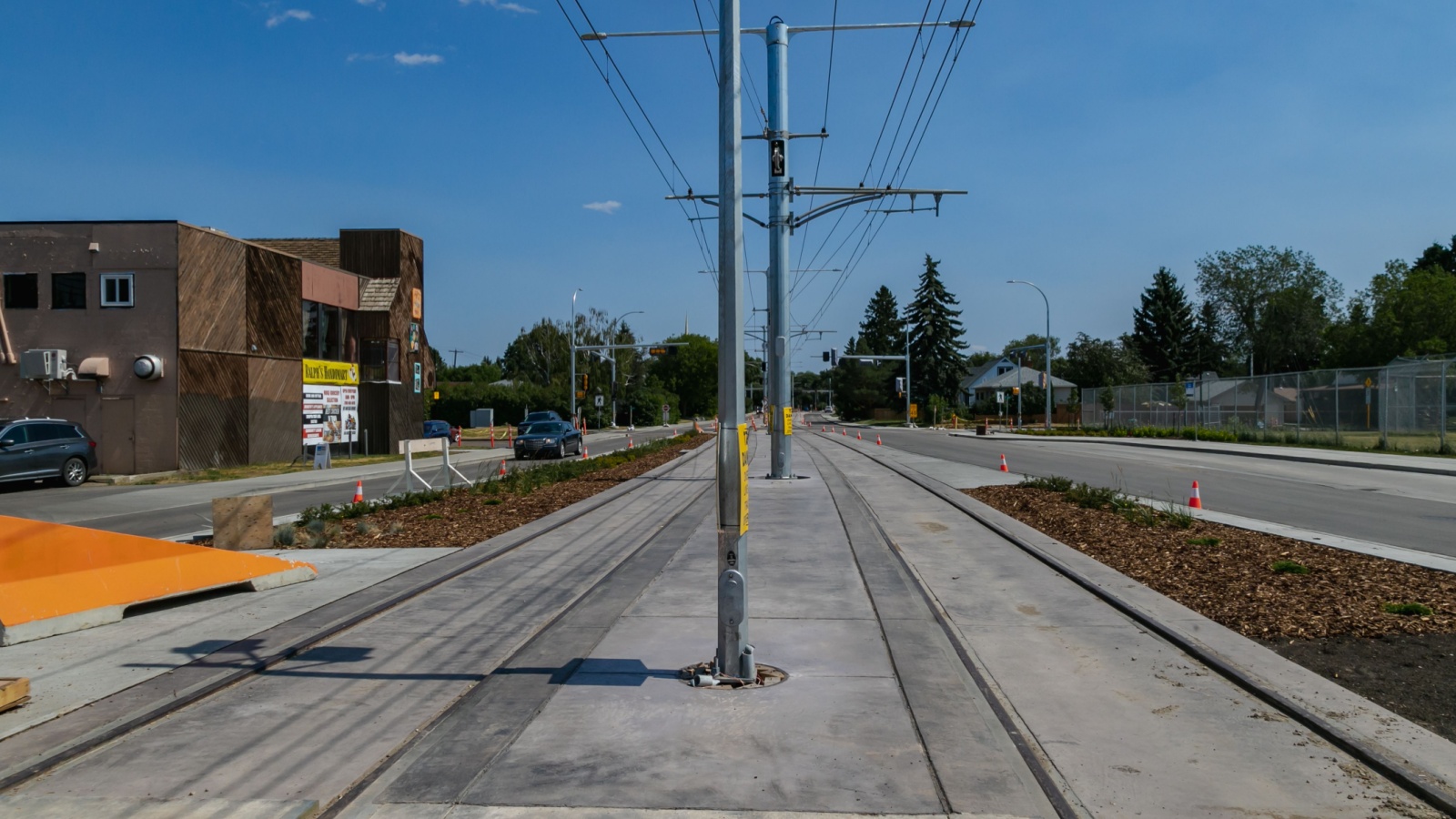
The Surrey LRT Feasibility Study explores options for a light rail transit system connecting key areas within Surrey and linking to Vancouver’s SkyTrain network. The study evaluates route options, station locations, integration with local and regional transit, and potential economic and environmental impacts. Its goal is to enhance mobility, reduce traffic congestion, and promote sustainable transportation. Findings from the study will guide future infrastructure decisions, ensuring that residents benefit from reliable transit and improved connectivity to Greater Vancouver’s rapid transit system.
Calgary Green Line LRT, Calgary, Alberta
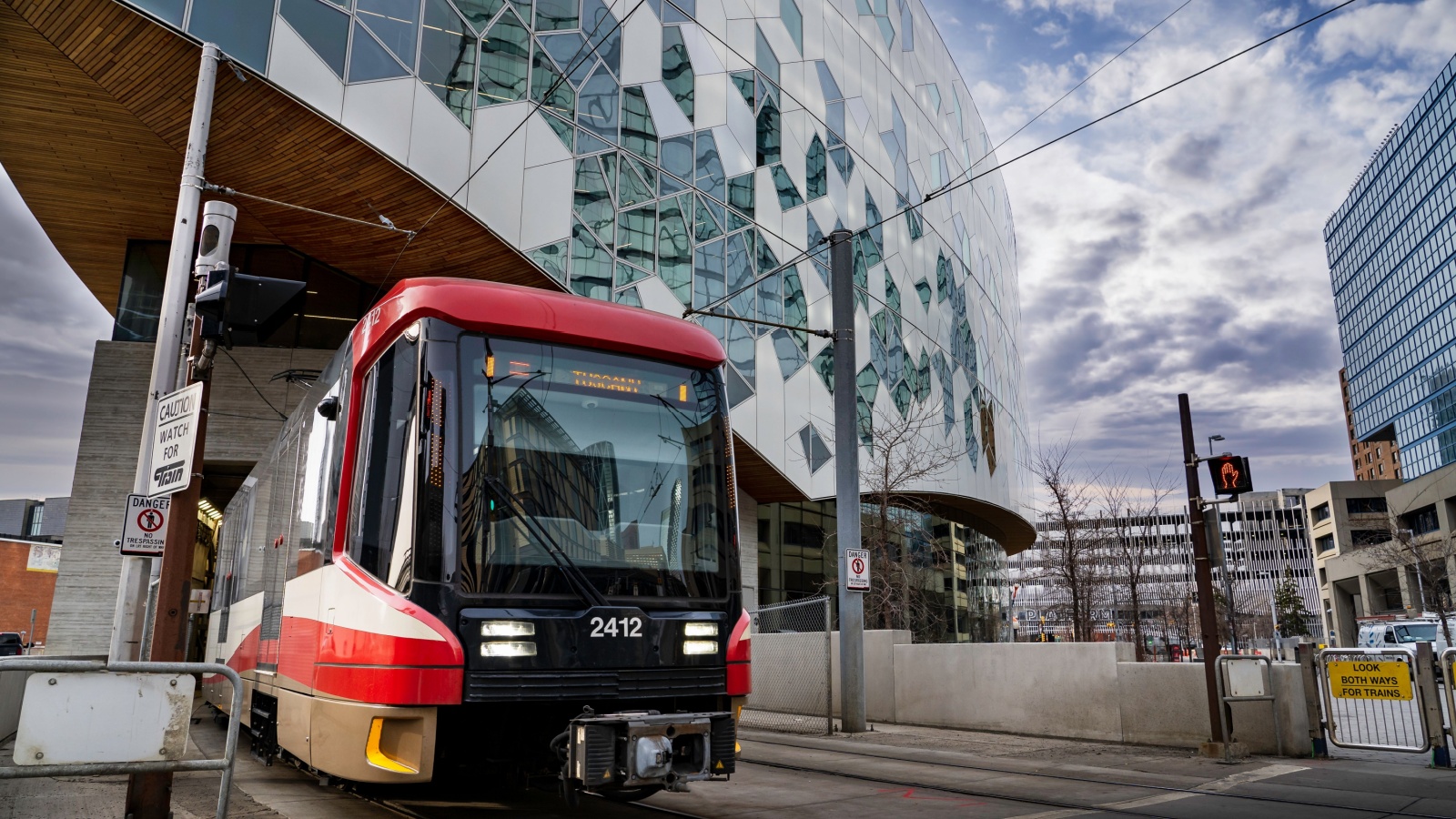
Calgary’s Green Line LRT is a 46 km project connecting north and southeast Calgary with 28 stations. The line integrates with the existing Blue and Red LRT lines, providing a faster alternative to buses and reducing traffic congestion. It serves major residential, commercial, and employment areas, supporting urban development along the corridor. The project features modern trains, accessible stations, and dedicated transit lanes for efficiency. Construction is ongoing in phases, with partial service expected in 2027. The Green Line is poised to transform commuting in Calgary and encourage sustainable public transit usage.
Calgary Blue Line Extension, Calgary, Alberta
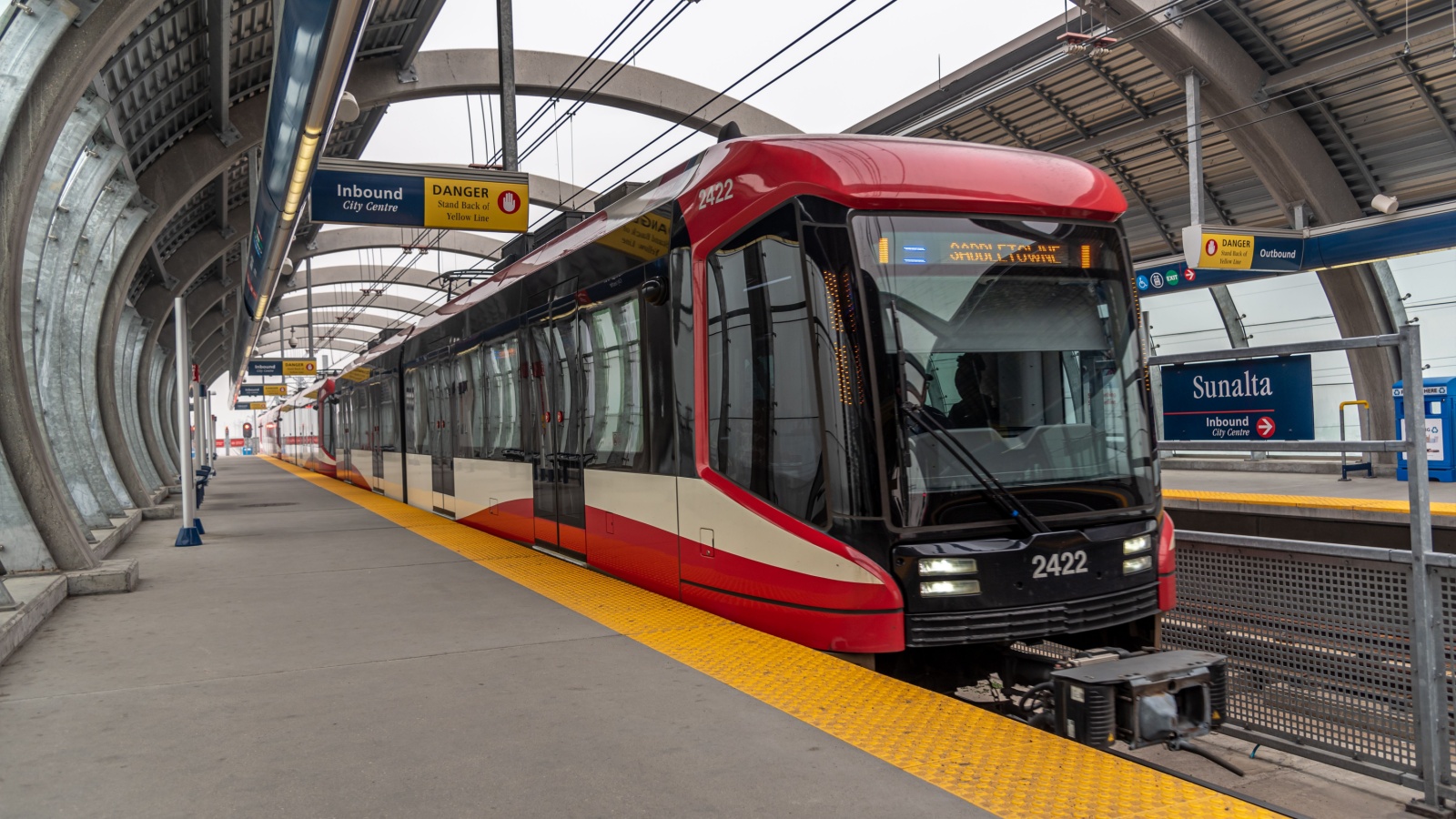
The Calgary Blue Line Extension expands the existing Blue Line LRT from 69 Street SW to Signal Hill, adding approximately 3.5 km of track and one new station. The project aims to improve access to residential and commercial areas in the southwest, reduce traffic congestion, and increase public transit usage. Modernized stations, accessible platforms, and upgraded signaling systems are included to enhance safety and efficiency. Completion is expected by 2027, offering Calgary residents a faster and more reliable commuting option while supporting urban development along the expanded corridor.
Montreal REM (Réseau express métropolitain), Quebec
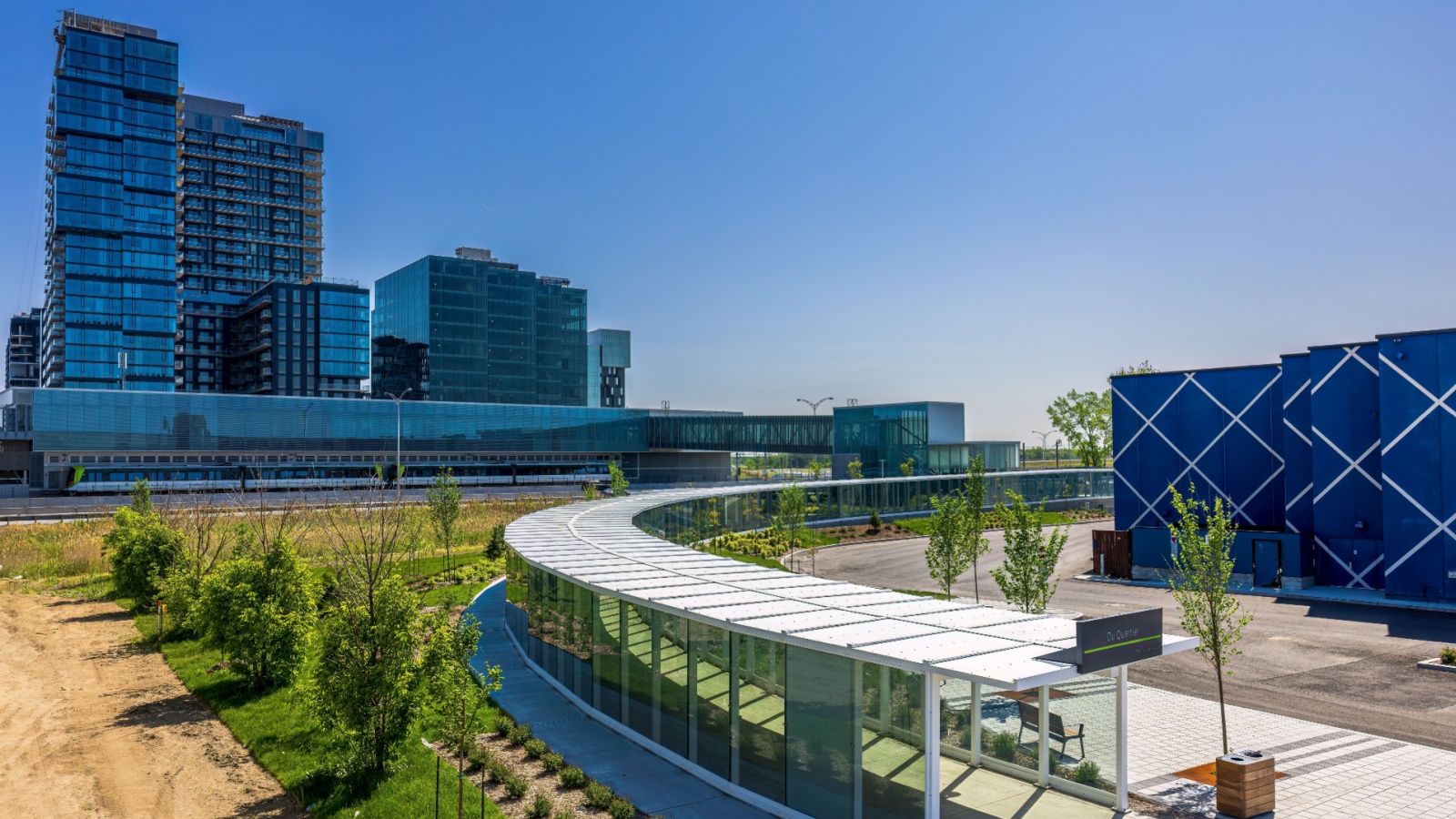
The Réseau express métropolitain (REM) in Montreal is an automated light metro system spanning 67 km with 26 stations, connecting downtown, South Shore, West Island, and the airport. The REM reduces travel times, integrates with existing metro and commuter rail networks, and offers frequent, fully electric service. Designed to support sustainable urban mobility, it promotes reduced car dependency and encourages transit-oriented development along the corridor. Partial service began in 2023, with full completion expected in 2024, transforming commuting patterns for Greater Montreal residents.
Laval REM Extension, Quebec
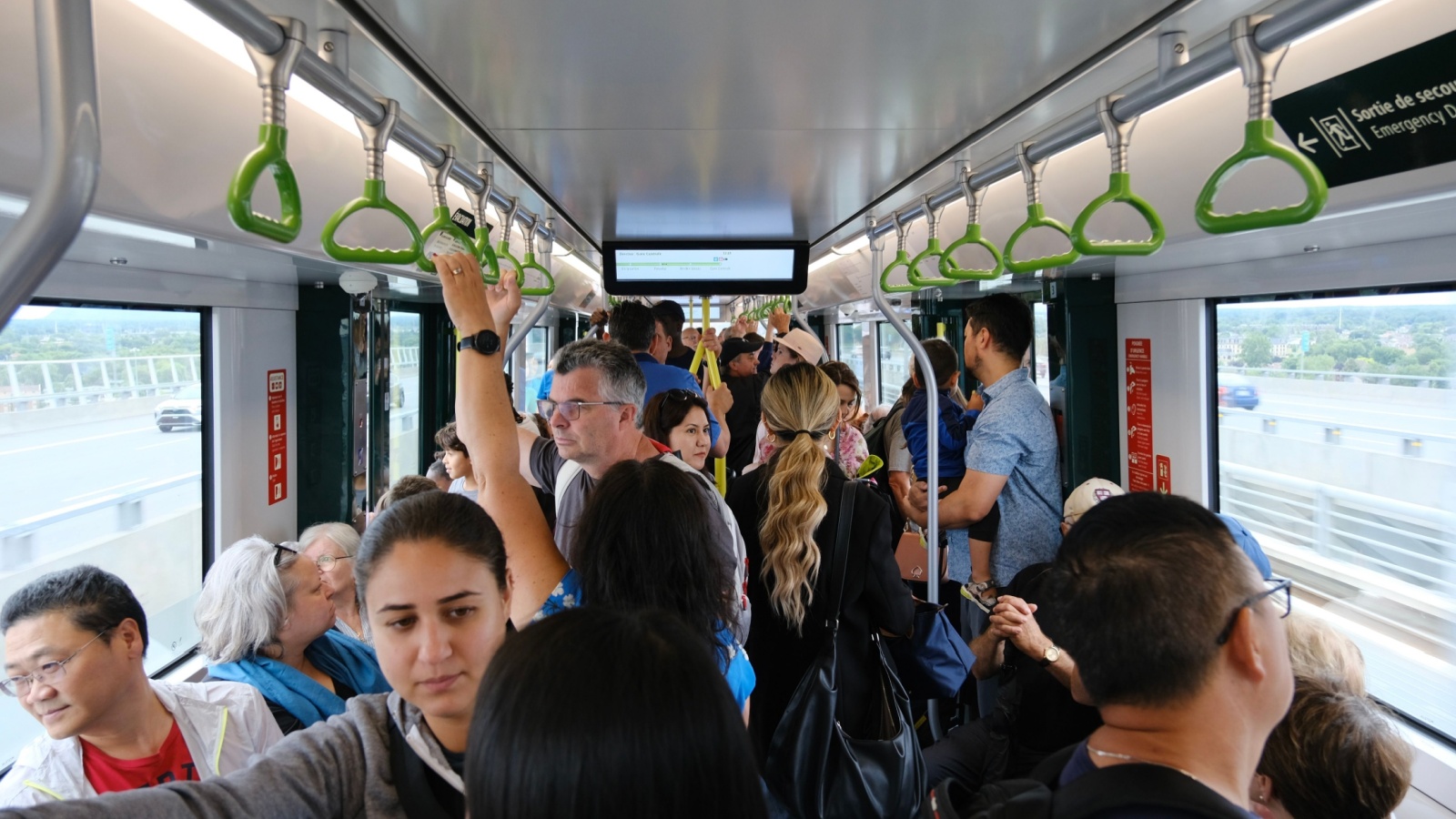
The Laval REM Extension adds five stations and over 20 km of track to connect Laval residents to Montreal’s REM network. This project improves public transit accessibility for suburban communities, reduces traffic congestion on Highway 15, and integrates seamlessly with local bus and commuter rail services. The automated electric trains provide frequent, reliable, and eco-friendly travel options. Completion is scheduled for 2024, offering Laval residents faster commutes into downtown Montreal while supporting sustainable urban growth and transit-oriented development in the region.
Quebec City Tramway Project, Quebec
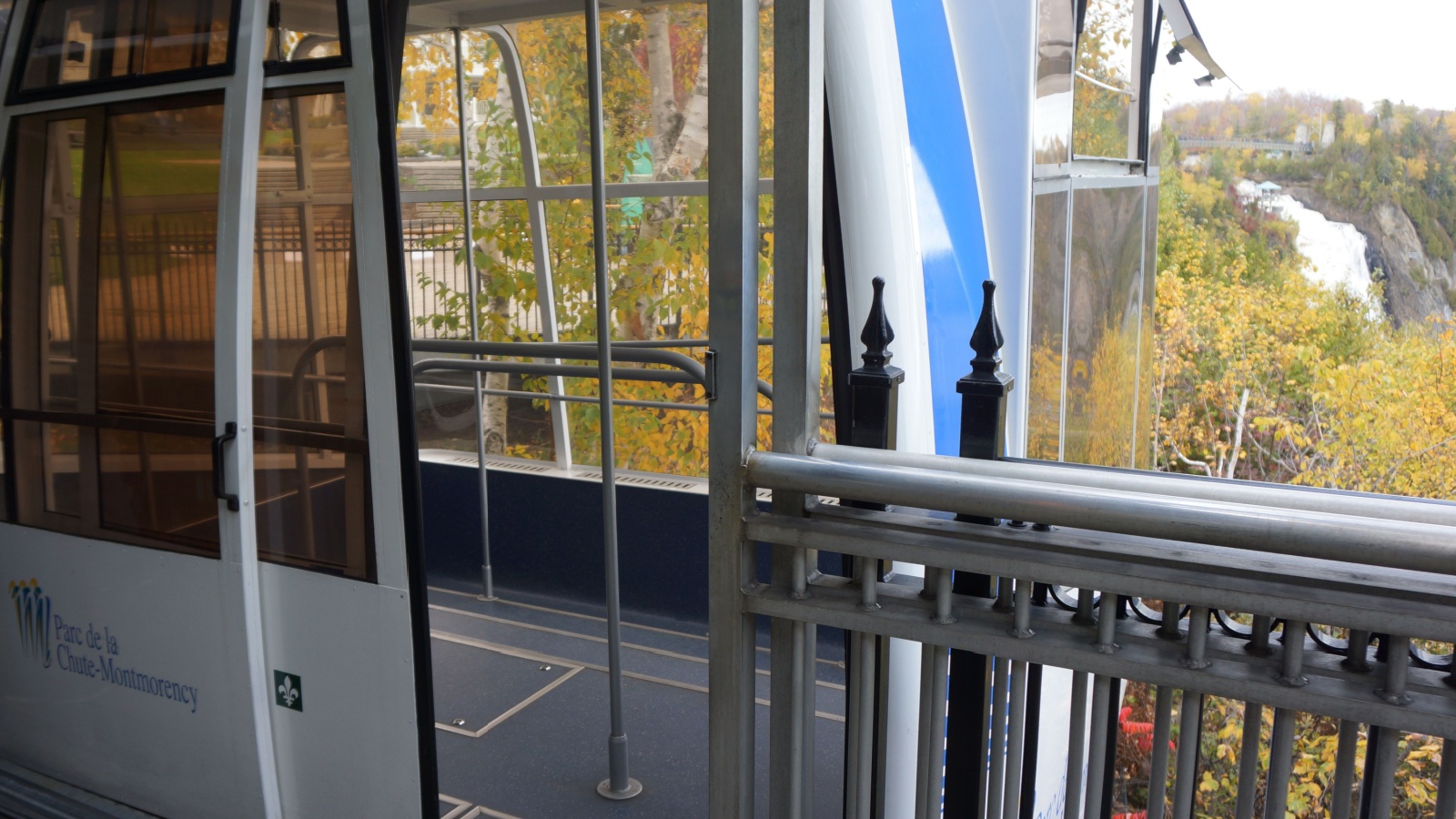
Quebec City is developing a modern tramway network to connect key districts, including downtown, Sainte-Foy, and Limoilou. The project includes multiple lines, new stations, and integration with bus and commuter rail services. It aims to reduce traffic congestion, promote eco-friendly transportation, and improve connectivity across the city. The tramway will provide accessible, efficient, and frequent service, encouraging public transit usage while supporting urban development along the routes. Construction is expected to begin in 2025, transforming commuting and enhancing sustainable mobility in Quebec City.
Hamilton LRT Project, Hamilton, Ontario
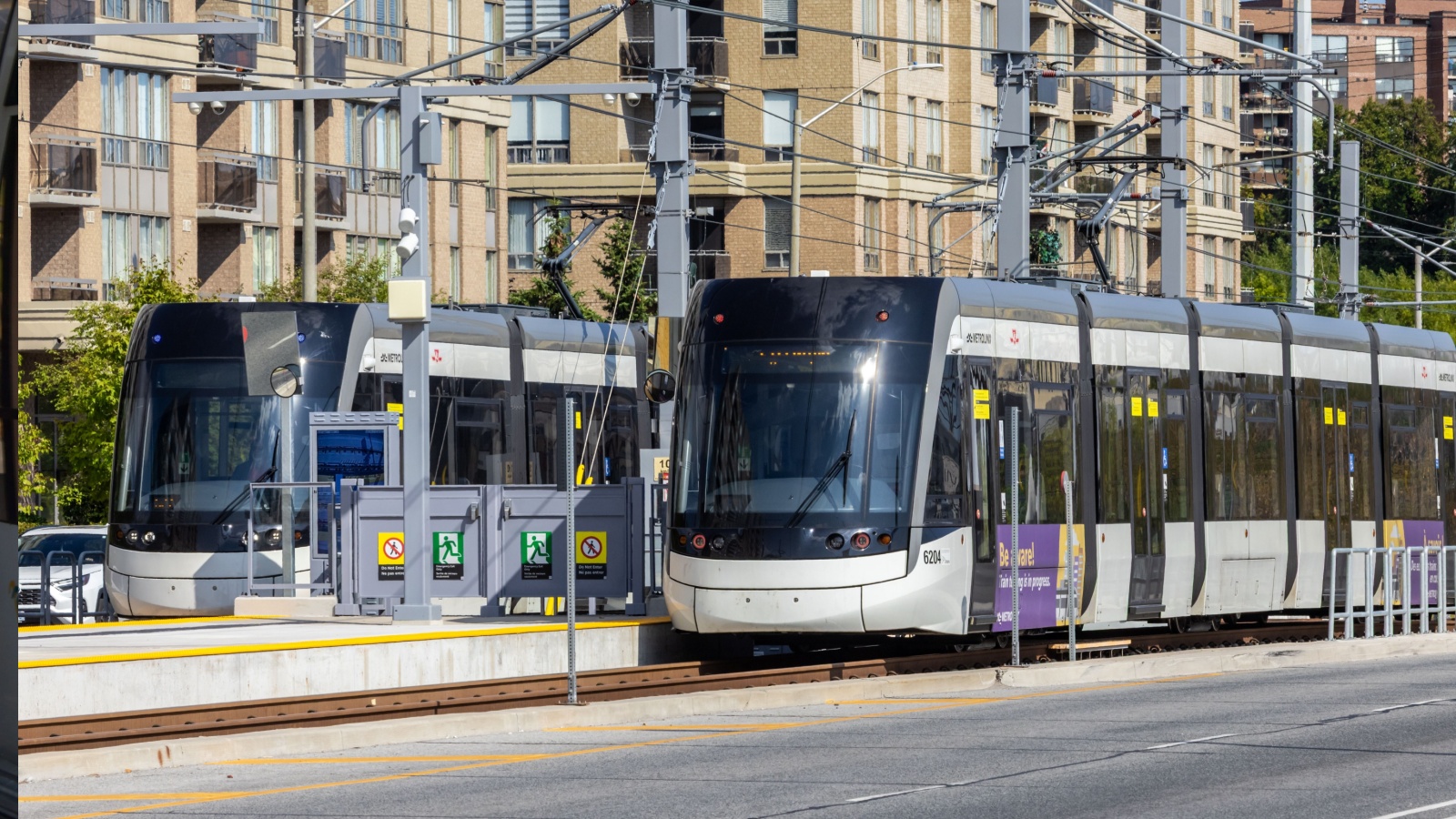
The Hamilton LRT Project plans a 14 km light rail line connecting McMaster University to Eastgate Square with 17 stations. The project improves connectivity between residential, educational, and commercial areas while reducing road congestion. Modern LRT vehicles, accessible stations, and integration with existing transit services ensure efficient, reliable, and safe travel. Construction is expected to start in 2026, with service anticipated by the early 2030s. The LRT line will encourage sustainable transportation and support urban growth along Hamilton’s rapid transit corridor.
Waterloo Region LRT Expansion, Kitchener-Waterloo, Ontario

The Waterloo Region LRT Expansion adds 14 km to the existing Ion Light Rail network, connecting Kitchener, Waterloo, and Cambridge. New stations improve access to residential, educational, and commercial areas while integrating with local bus services. The project reduces road congestion, promotes sustainable public transit, and supports regional economic growth. Completion is expected in phases by 2028, providing residents and commuters with a reliable and efficient alternative to driving.
Regina Rapid Transit Planning, Saskatchewan
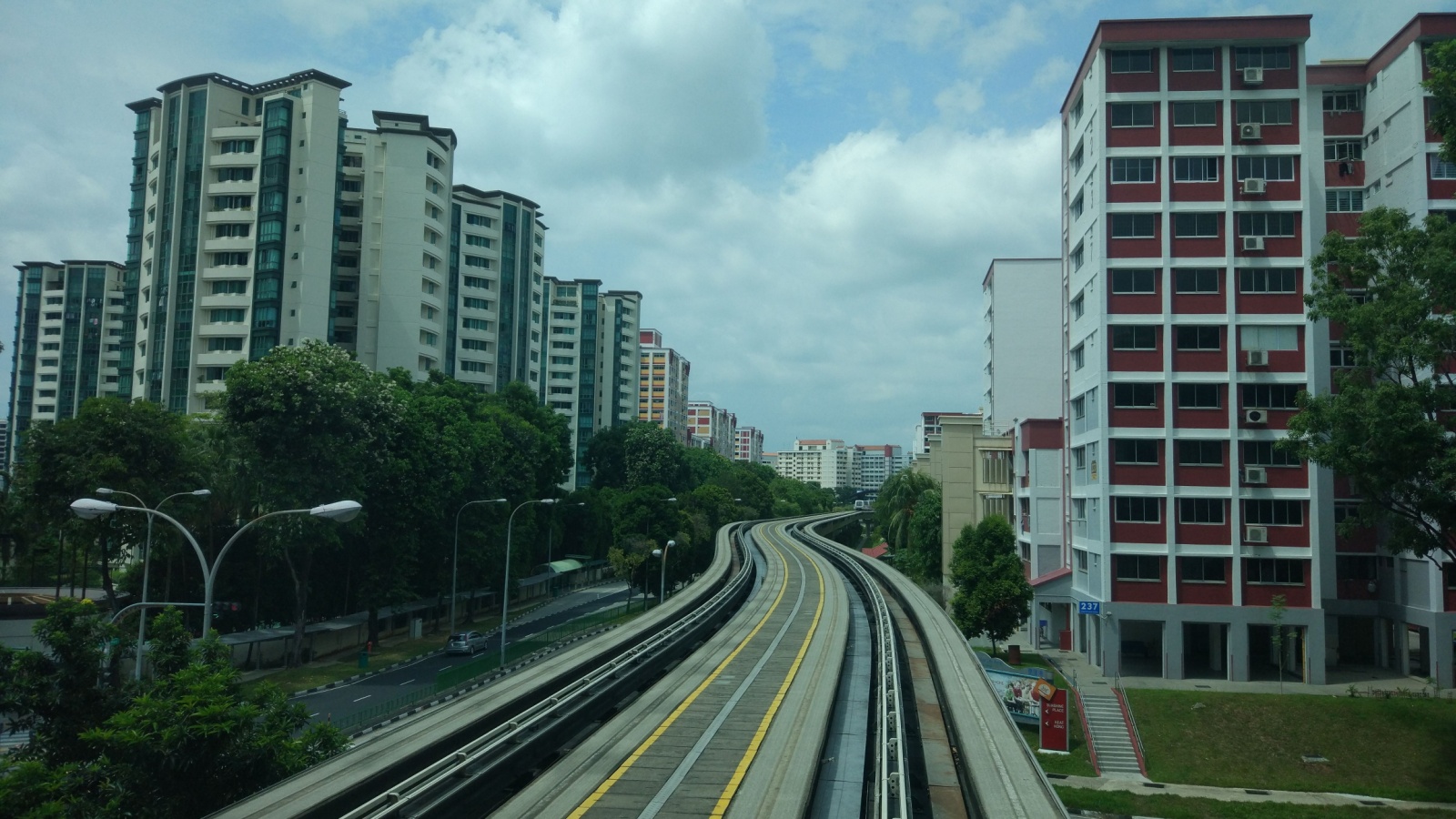
Regina is exploring options for a rapid transit system to connect key areas within the city, including downtown, residential neighborhoods, and commercial hubs. The project evaluates bus rapid transit and future light rail options, aiming to reduce traffic congestion, improve transit efficiency, and encourage sustainable transportation. Plans include integration with existing transit networks and improved service frequency. Implementation will enhance mobility for residents and support long-term urban development in Saskatchewan’s capital.
Saskatoon Bus Rapid Transit and LRT Planning, Saskatchewan

Saskatoon is developing plans for bus rapid transit (BRT) and potential light rail transit (LRT) systems to improve connectivity between residential, industrial, and commercial areas. Proposed routes include dedicated transit lanes, modern stations, and integration with existing bus networks. The initiative aims to reduce traffic congestion, increase public transit usage, and support sustainable urban growth. Planning and community consultation are ongoing, with long-term implementation expected to provide Saskatoon residents with efficient and reliable commuting options.
22 Groceries to Grab Now—Before another Price Shock Hits Canada

Food prices in Canada have been steadily climbing, and another spike could make your grocery bill feel like a mortgage payment. According to Statistics Canada, food inflation remains about 3.7% higher than last year, with essentials like bread, dairy, and fresh produce leading the surge. Some items are expected to rise even further due to transportation costs, droughts, and import tariffs. Here are 22 groceries to grab now before another price shock hits Canada.
22 Groceries to Grab Now—Before another Price Shock Hits Canada
