
Canada’s progress is often reported through numbers, charts, and major announcements. What is missed is how much of that progress started with Indigenous knowledge, leadership, and creativity. From science to renewable energy to food security to global fashion, many so-called new ideas began in communities that have been problem-solving for thousands of years. The country is benefiting today from methods and models that were shaped long before most cities existed. Here are 23 Canadian Wins Fueled by Indigenous Innovation.
Wildfire Management Based on Traditional Burns

Indigenous fire knowledge has shaped some of Canada’s most effective wildfire strategies. Controlled cultural burns reduce fuel buildup, protect biodiversity, and lower disaster risk. Agencies in British Columbia and Alberta now apply these methods after decades of suppression made forests more vulnerable. Partnerships with First Nations firekeepers allow crews to study seasonal patterns, soil conditions, and smoke direction. The approach protects homes, wildlife, and power infrastructure. As climate events intensified, these techniques helped provinces avoid heavier losses. The country now treats Indigenous burning as science, not folklore, and many fire departments are training under knowledge keepers.
Goose Break Academic Calendars Improving Graduation Rates

Schools in northern regions paused classes during the spring goose harvest long before educators studied cultural learning cycles. Today, many school boards adopt a similar model. They adjust schedules around local seasons and family food gathering instead of forcing students to choose between culture and attendance. Graduation rates rose because attendance increased during the most meaningful months. Students spend time outdoors with family and return with a stronger focus. This concept now shapes alternative timetables in several provinces. It proves education success can rise when schools follow the rhythm of community life rather than a distant calendar.
Modern Cold-Weather Gear Rooted in Inuit Clothing Design

Parka patterns developed by Inuit communities inspire some of the warmest jackets in the world. The layering method traps heat while preventing sweat buildup during long outdoor work. Designers now copy the shaped hoods, rear flaps, and wind-blocking shoulders found in original Inuit parkas. Global brands study this structure for mountaineering gear. The Canadian Armed Forces tested “Inuit 2.0” coat prototypes during Arctic missions after earlier coats failed. Northern seamstresses continue to design and sell garments that handle extreme temperatures better than many technical fabrics. Knowledge of wind, snow, and movement remains the real technology.
Indigenous-Led Solar Grids Cutting Energy Costs in Remote Communities

Some northern communities depend on diesel flown in by aircraft, which raises living costs. Indigenous-run solar projects in places like Old Crow, Fort Chipewyan, and Lubicon Lake change that picture. Councils lead planning, installation, and ownership. Diesel use has dropped sharply. Families pay less for electricity. The projects create jobs for local technicians who maintain the grids rather than outside contractors. The idea spread to other regions where utility companies are partnering with First Nations for renewable power. These models help Canada scale clean energy without forcing communities to abandon control of their land.
Forest Rangers Using Indigenous Mapping to Protect Wildlife Habitats

Satellite maps show terrain, but Indigenous land knowledge describes movement patterns of animals and water pathways that satellites miss. Provincial wildlife programs now rely on First Nations rangers to map moose trails, migration corridors, and calving grounds. The data improves land-use plans and reduces conflict between industry and conservation. Companies change road placement to avoid disturbing habitats. Hunters gain more stable populations because tracking information is more accurate. This mapping provides insight shaped through generations on the land rather than one season of drone footage. It continues to improve policy across Canada.
Cheekbone Beauty Proving Indigenous Brands Can Lead Global Retail

Cheekbone Beauty started as a small business with one lipstick shade. Today it appears in Sephora, London Drugs, and global retailers. The brand built its success around sustainable packaging and products that work for diverse skin tones. Its growth inspired policies supporting Indigenous-owned consumer brands in the beauty sector. Cheekbone also funds scholarships for Indigenous youth in science. Investors now pay attention to founders who build companies tied to purpose, trust, and transparency. The story reshaped the beauty market in Canada by proving that success does not require copying foreign trends. It can start with identity.
Indigenous STEM Camps Giving Canada a New Pipeline of Researchers

STEM camps rooted in land-based learning are producing future engineers, mathematicians, and scientists. Students combine cultural teachings with robotics, coding, and environmental studies. Universities noticed that Indigenous participants in these camps continue into post-secondary programs at higher rates than before. Scholarships followed. Professors now request partnerships with community instructors to build stronger learning models. The camps shift science education from memorization to real-world observation and problem-solving. Many graduates return as mentors, creating a circle of teaching and leadership. This approach brings fresh research talent to Canada’s labs and industries.
Legal Precedents from Indigenous Rights Strengthening Resource Negotiations

Court rulings involving Indigenous land rights transformed how governments and corporations negotiate projects. Consultation is no longer optional, and agreements need real benefit sharing. Many Canadian resource projects stalled until developers adapted. As companies changed plans, communities gained jobs, training, and decision-making power rather than only compensation. These precedents now guide international conversations about ethical development. Legal teams around the world study Canadian cases when designing frameworks for large projects. What started as battles for fairness reshaped how the country manages economic growth and environmental responsibility.
Métis Beadwork Inspiring Fashion Houses and Supporting Art Careers

Métis beadwork has entered runways, museums, and international retail collections. Designers study traditional floral patterns not as decoration but as cultural storytelling. Artisans now build full-time careers because brands pay for collaboration instead of borrowing patterns. Fashion students in Canada learn beadwork design during textile courses. The demand created online stores, workshops, and economic growth in Métis communities. What once existed mostly in households is now recognized as a creative force that influences global clothing trends. Fashion success grew when artistic traditions were treated as knowledge, not souvenirs.
Indigenous Tourism Creating Jobs and Bringing Global Visitors

Visitors from Europe, Asia, and the United States look for authentic cultural experiences. Indigenous-owned tourism businesses deliver that. From guided canoe routes to Arctic wildlife tours to culinary retreats, these companies generate income without displacing local identity. Revenues move directly back into communities instead of leaving through outside ownership. Tourism boards now market Indigenous experiences as key attractions, not side options. Jobs in guiding, hospitality, food, photography, and education become long-term careers. Tourism growth supports land protection because communities have an economic interest in keeping the environment healthy.
Inuit Food Security Programs Strengthening Northern Nutrition

Many remote towns rely on costly imported groceries. Community gardens, country food programs, and shared harvest freezers create stronger nutrition and independence. Local hunters provide meat for the elders. Youth learn hunting skills and safety. Health workers say these programs reduce diabetes risk because people eat fewer packaged meals. Families gain access to fresh food without trips to distant stores. Government agencies now study these programs as models for food security rather than temporary relief. These programs combine tradition and modern cooperation, proving that nutrition can be strengthened by community-driven action.
Indigenous Architects Reshaping Public Buildings

Architects from First Nations, Métis, and Inuit communities design schools, community centers, and museums that support belonging. Their buildings follow natural light, local materials, and gathering spaces instead of standardized blueprints. Studies show students feel more connected when schools reflect their culture. City planners noticed that crime decreases when people feel ownership of where they live. Architectural firms now request Indigenous professionals for major projects across Canada. These designs are not symbolic. They change how people experience learning, healing, and community life. Infrastructure becomes personal rather than generic.
Traditional Ice Cellars Inspiring Eco-Friendly Cooling Systems

Underground ice cellars used by Inuit communities preserve meat year-round with zero electricity. Engineers studied the structure while searching for low-cost cooling solutions. New municipal pilot projects in Nunavut and Yukon are applying the model to community food storage. The design lowers refrigeration expenses and prevents food spoilage during power outages. Researchers believe the approach can expand into northern mining camps and emergency shelters. The idea shows how sustainable technology can come from centuries-old knowledge rather than complex machinery.
Water Guardians Monitoring Lakes and Rivers with Cultural Knowledge

Indigenous guardians track water health using both observation and science. They monitor algae, wildlife, erosion, and water flow. Their measurements fill gaps left by intermittent government testing. Fishing groups, tourism operators, and municipalities rely on this information for planning. The program supports employment while strengthening environmental protection. Universities collect data from guardians for research because it gives long-term patterns rather than short snapshots. As water concerns grow, this program is shaping Canada’s strategy on freshwater protection across multiple provinces.
Indigenous-Owned Fishing Ventures Reviving Coastal Economies

Fishing licenses, boats, and processing facilities owned by Indigenous cooperatives create stable revenue on both coasts. Profits stay local and support housing, education, and training. Youth see fishing as a viable career again, rather than a fading tradition. Partnerships with colleges teach marine safety and business management. Coastal towns benefit from this economic activity because workers spend their income locally. These ventures show that long-term success is possible when communities control ocean resources rather than acting as subcontractors for third parties.
Cultural Addiction Recovery Models Improving Treatment Outcomes

Some recovery programs focus entirely on clinical care. Indigenous-run facilities combine counselling with ceremony, land time, and community support. Studies show stronger outcomes because treatment addresses identity and belonging. Clients rebuild relationships rather than only quitting substances. Provinces now fund these models because relapse rates have decreased. Professionals from non-Indigenous facilities visit to learn program structure and apply similar elements. This shift changed healthcare policy by proving that recovery works better when connection replaces isolation.
Indigenous-Led Film and TV Changing Canadian Storytelling

Film studios once treated Indigenous stories as historical pieces only. Today, Indigenous writers, directors, and actors lead projects that cover every genre. Productions like Reservation Dogs, Bones of Crows, and Three Pines raised the standard for representation. Film schools now teach Indigenous cinema as part of their curriculum. Job opportunities expand for camera crews, editors, and set designers from Indigenous communities. The shift supported Canada’s cultural economy while giving viewers stories rooted in lived experience instead of stereotype.
First Nations Finance Authority Helping Communities Access Big-Scale Capital

The First Nations Finance Authority allows communities to raise capital for major infrastructure through pooled borrowing. Rates match what large municipalities receive. That makes it easier to build water systems, housing, and business developments without long waits for grants. The program shows global investors that Indigenous governments can manage complex financial systems with strong repayment records. The model gained international attention, and similar authorities are being studied abroad. It demonstrates that financial tools can increase autonomy without giving up ownership.
Indigenous Nurses Improving Maternal Care in Remote Regions

Expectant mothers in remote communities often travel far for prenatal and postnatal appointments. Indigenous-led nursing programs provide care closer to home. Nurses who share language and culture help parents feel comfortable asking questions and making decisions. Mothers report less anxiety and more confidence. Babies receive care in stable environments rather than unfamiliar cities. Provinces now fund more hiring to expand this model. It changes healthcare outcomes by recognizing that trust is part of medical care.
Indigenous Carving Reviving Sustainable Wood Economies

Wood carving shops and studios generate income without industrial logging. Artists collect material responsibly and carve to order. Buyers purchase pieces for homes, offices, and galleries. Tourism increased demand for artwork that is culturally meaningful. Workshops teach youth carving as both a cultural practice and an income skill. Small businesses that grew from this tradition support equipment suppliers, courier services, and art markets. It proves that forests can sustain economies without large-scale extraction.
Language Revitalization Apps Strengthening Cultural Identity

Language apps developed in Indigenous communities help learners study local dialects with audio, games, and vocabulary practice. Youth learn words at home and practice with elders. Teachers use app modules in classrooms. Language knowledge improves mental health because students feel a stronger cultural connection. Some apps now reach international learners with Indigenous ancestry. Technology companies offer partnerships because the apps maintain consistent user engagement. This digital movement protects languages that almost disappeared a generation ago.
Community-Owned Broadband Bringing Remote Regions Online

Some remote areas waited years for broadband installation. First Nations decided not to wait. They built their own networks with trained local technicians. The service connects homes, schools, and health centers with reliable high-speed internet. Students complete assignments online without leaving town. Businesses operate websites and payment systems that support growth. When outages occur, crews repair problems quickly because they live in the community. The model caught national attention as a cost-effective path to digital inclusion.
Indigenous Agriculture Reviving Ancient Seeds and New Markets
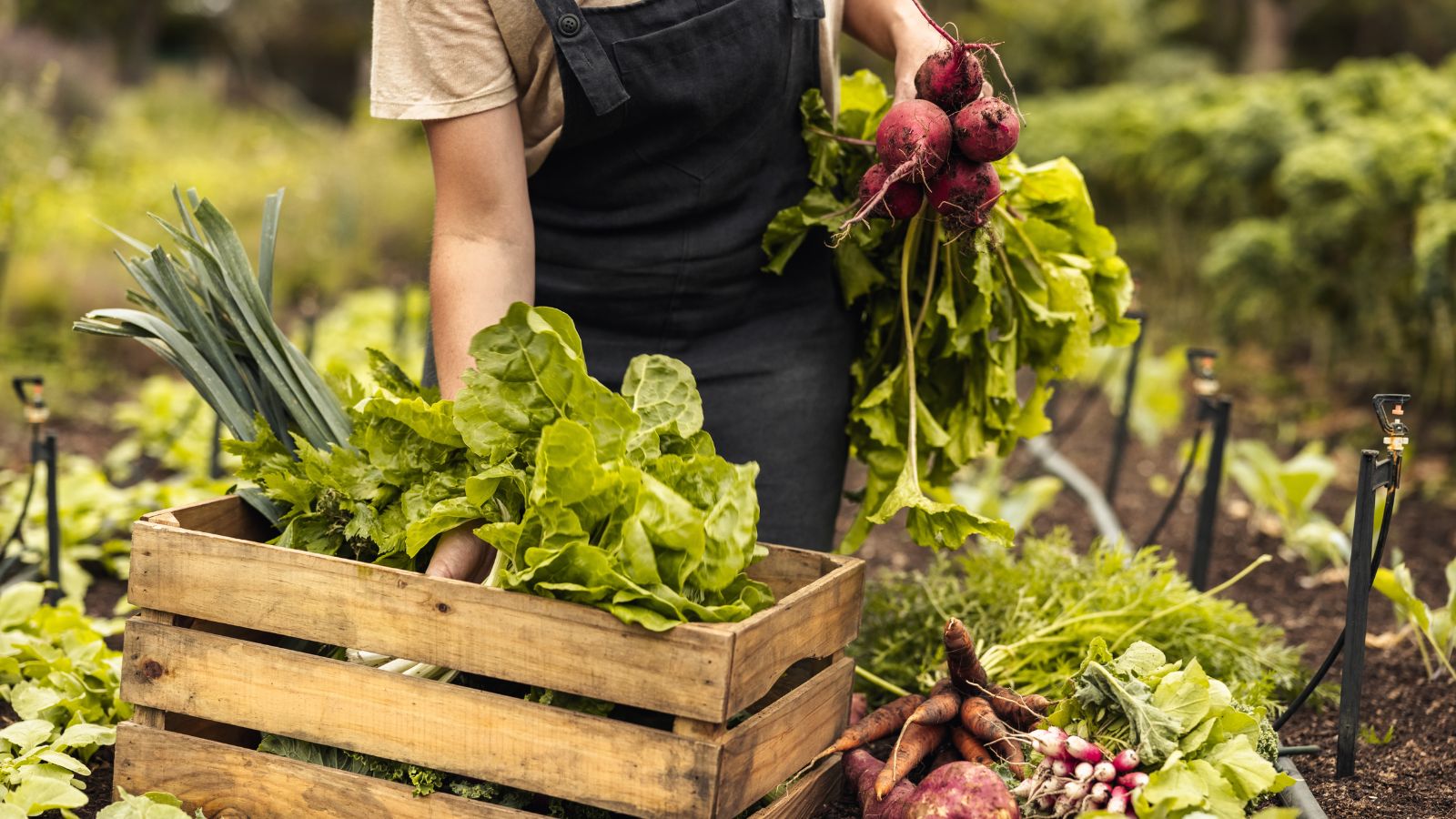
Farmers and food researchers partner with Indigenous growers to revive ancient crops like Three Sisters vegetables, wild grains, and heirloom corn. These crops survive climate swings better than many modern seeds. Farmers sell them in farmers’ markets, restaurants, and grocery stores. Chefs build menus around their flavors. New research funding supports this work because it helps prepare for future climate challenges. Agriculture evolves without abandoning cultural history.
22 Groceries to Grab Now—Before another Price Shock Hits Canada

Food prices in Canada have been steadily climbing, and another spike could make your grocery bill feel like a mortgage payment. According to Statistics Canada, food inflation remains about 3.7% higher than last year, with essentials like bread, dairy, and fresh produce leading the surge. Some items are expected to rise even further due to transportation costs, droughts, and import tariffs. Here are 22 groceries to grab now before another price shock hits Canada.
22 Groceries to Grab Now—Before another Price Shock Hits Canada
