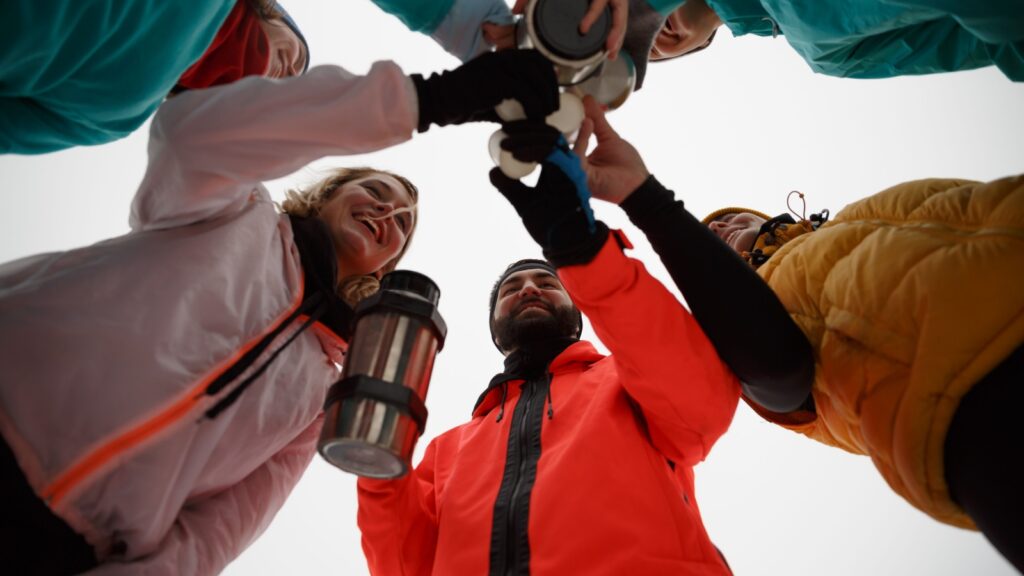
School traditions are a defining part of student life, shaping memories that last long after graduation. Across Canada, these customs take on a character of their own, often rooted in regional culture, seasonal events, and community pride. While students eagerly look forward to these activities each year, they can seem quite unusual to anyone who did not grow up experiencing them. From outdoor winter recess in freezing weather to spirited fundraising runs and costume-filled theme days, these traditions stand out with their creativity and enthusiasm. Here are the 17 School Traditions That Look Bizarre To Outsiders.
Terry Fox Run Fundraising Tradition
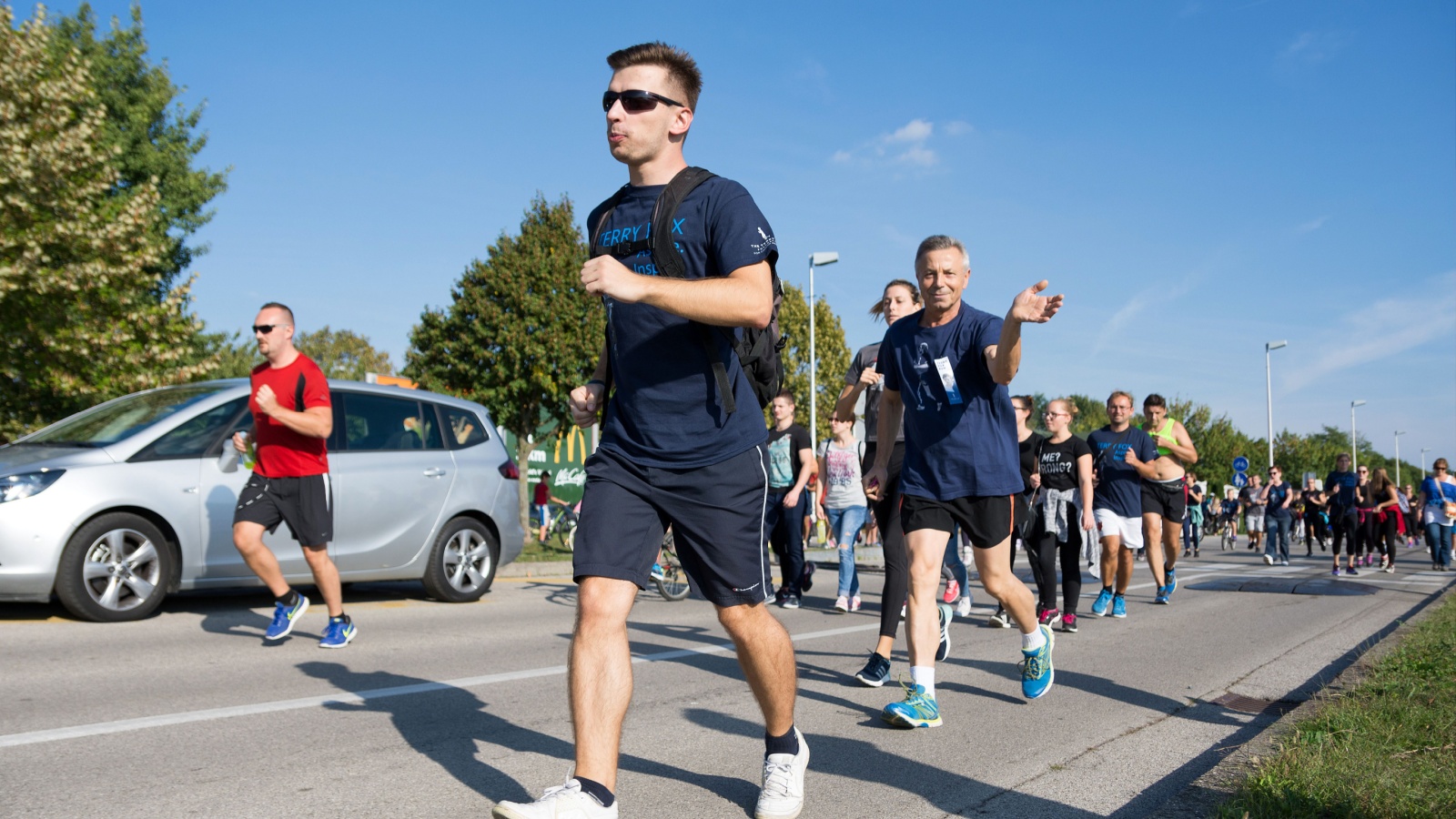
The Terry Fox Run is a major Canadian school tradition that honors Terry Fox, who attempted to run across Canada in 1980 to raise awareness and funds for cancer research. Each year, schools organize a community run or walk event where students, parents, and staff participate to support the cause. Fundraising often happens through pledges collected before the run, and all proceeds go toward cancer research initiatives through the Terry Fox Foundation. The event emphasizes resilience, community service, and national unity. For many students, participating in the Terry Fox Run is a meaningful annual tradition that promotes fitness and charitable giving.
Grad Prank Season in High Schools

Grad prank season is a long-running tradition in many high schools where graduating students plan humorous and harmless pranks before the school year ends. These pranks typically aim to surprise teachers and underclassmen and create memorable moments that mark the end of the graduating class’s journey. Examples range from rearranging classroom furniture to filling hallways with balloons. Most schools allow pranks as long as they follow safety rules and do not cause damage or disrupt learning. Administrators often supervise the planning process to maintain boundaries. The tradition builds camaraderie among classmates and provides a fun final milestone before graduation ceremonies.
Winter Carnival Competitions and Ice Sculptures
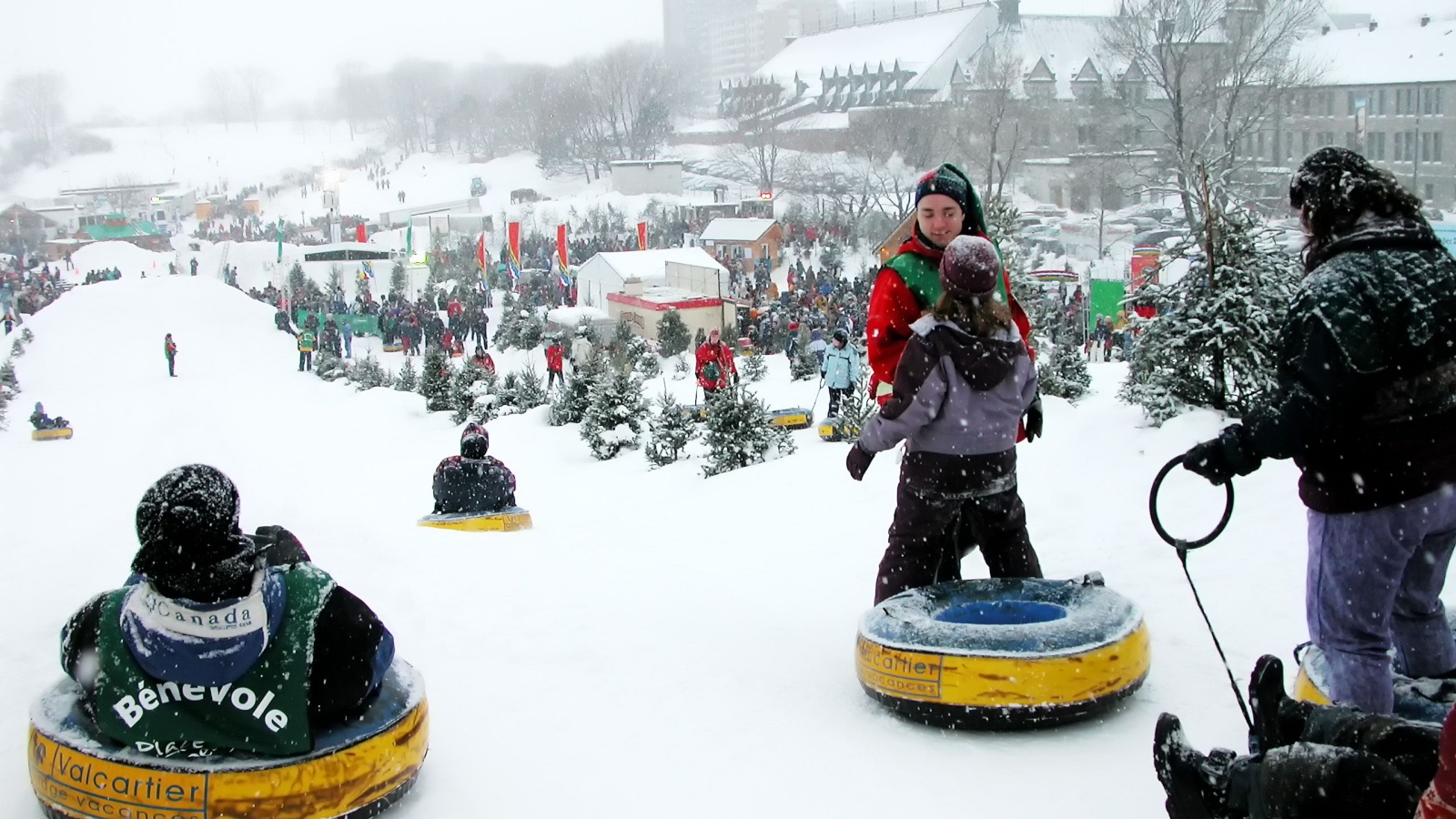
Winter carnivals are celebrated in many northern regions and involve schoolwide outdoor competitions that highlight teamwork and seasonal tradition. Activities may include snowshoe races, toboggan relays, and ice block sculpting challenges. Students often work together in teams representing school colors or grade levels. Ice sculptures are a major attraction and can range from small carvings to large, creative designs. These events encourage students to embrace winter rather than avoid it. Schools usually schedule the carnival during the coldest months to make full use of snow resources. It remains a unique tradition that brings students, staff, and families together in community celebration.
Outdoor Winter Recess in Freezing Temperatures

In many schools located in cold climates, outdoor winter recess continues even when temperatures drop significantly. Children often play outside while wearing appropriate winter clothing, including snow pants, gloves, boots, and hats. Schools generally follow safety guidelines based on wind chill and temperature to determine when outdoor play is permitted or when recess must move indoors. Supporters of the tradition believe outdoor recess improves physical health, reduces restlessness, and allows children to engage socially in unstructured environments. While the practice may seem unusual to those from warmer regions, it is widely considered an important part of daily school routines.
Milk Delivery Programs in Elementary Schools

Milk delivery programs are a longstanding elementary school tradition in several regions, particularly in Canada. Students can purchase small cartons of milk, which are delivered daily to classroom fridges and distributed during snack time. The program aims to support nutrition and offer an affordable, healthy beverage option. Some schools manage the program through parent volunteers or student leaders who assist with organizing orders and distribution. While milk delivery programs have declined in some areas due to changing dietary preferences and logistical costs, many communities continue the tradition because it promotes healthy habits and provides consistent access to a reliable dairy source.
High School Outdoor Camping or Canoe Trips
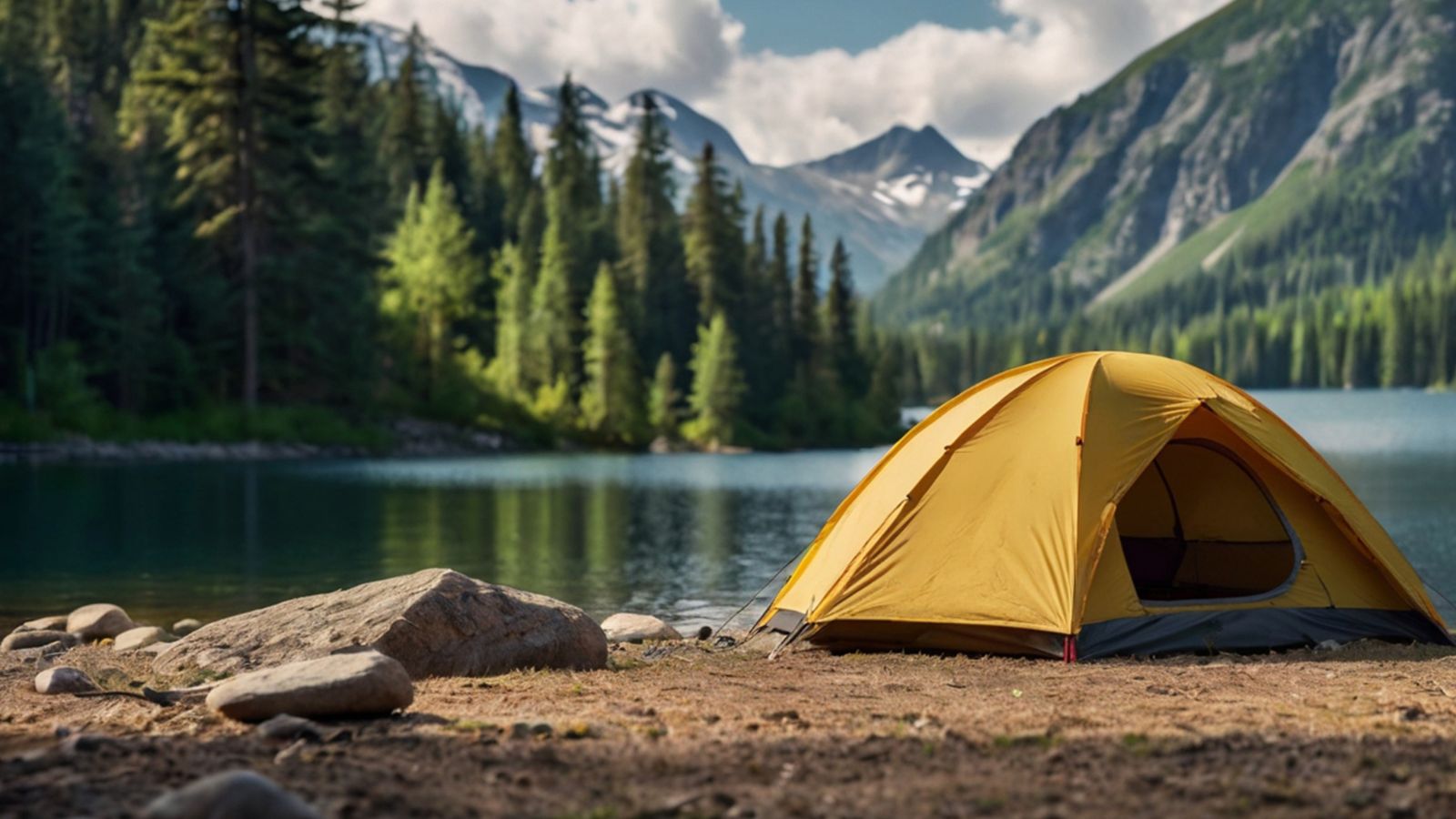
Many high schools, especially in regions with strong outdoor culture, organize multi-day camping or canoe trips as part of experiential learning programs. Students travel to provincial parks or wilderness areas where they learn survival skills, teamwork, navigation, and environmental stewardship. Activities may include canoeing across lakes, setting up campsite tents, cooking outdoors, and completing guided hikes. These trips often serve as memorable bonding experiences and are seen as an important part of personal development. For students from urban areas, the chance to immerse themselves in nature can be transformative and educational in a way that traditional classroom learning cannot replicate.
Grade 12 Snowball Fights
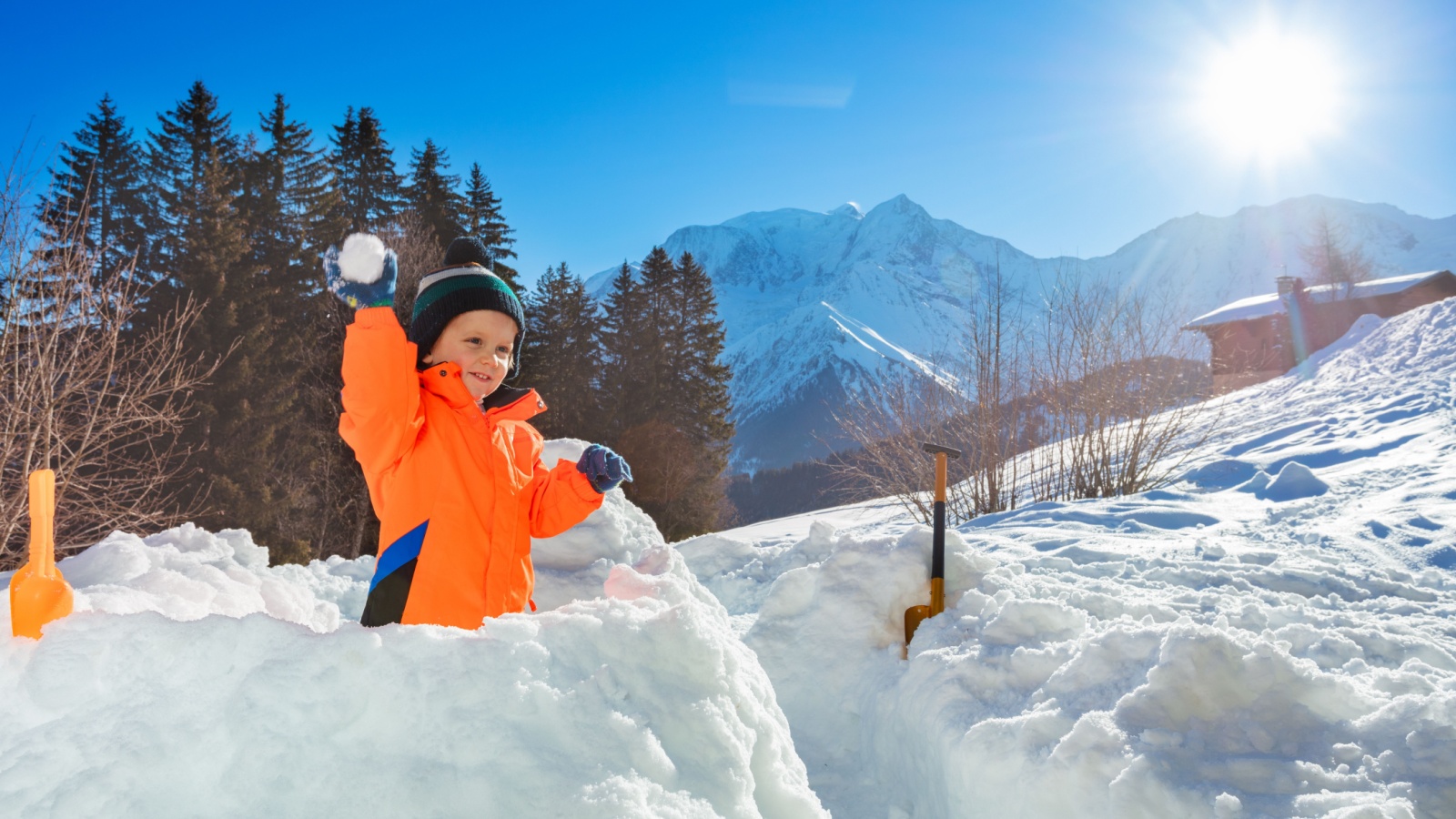
In many schools, the first big snowfall of the winter unofficially signals the annual Grade 12 snowball fight. Seniors gather during lunch or after school to celebrate the season by playfully launching snowballs in a large friendly battle. The event is usually spontaneous and student-organized, and although monitored for safety, it is widely accepted as a rite of passage. Participants often describe it as a thrilling and unifying moment that marks the final chapter of their high school journey. For those unfamiliar with snowy climates, a school-wide snowball fight can appear chaotic—but for local students, it is a cherished tradition.
School-Wide Pancake Breakfasts
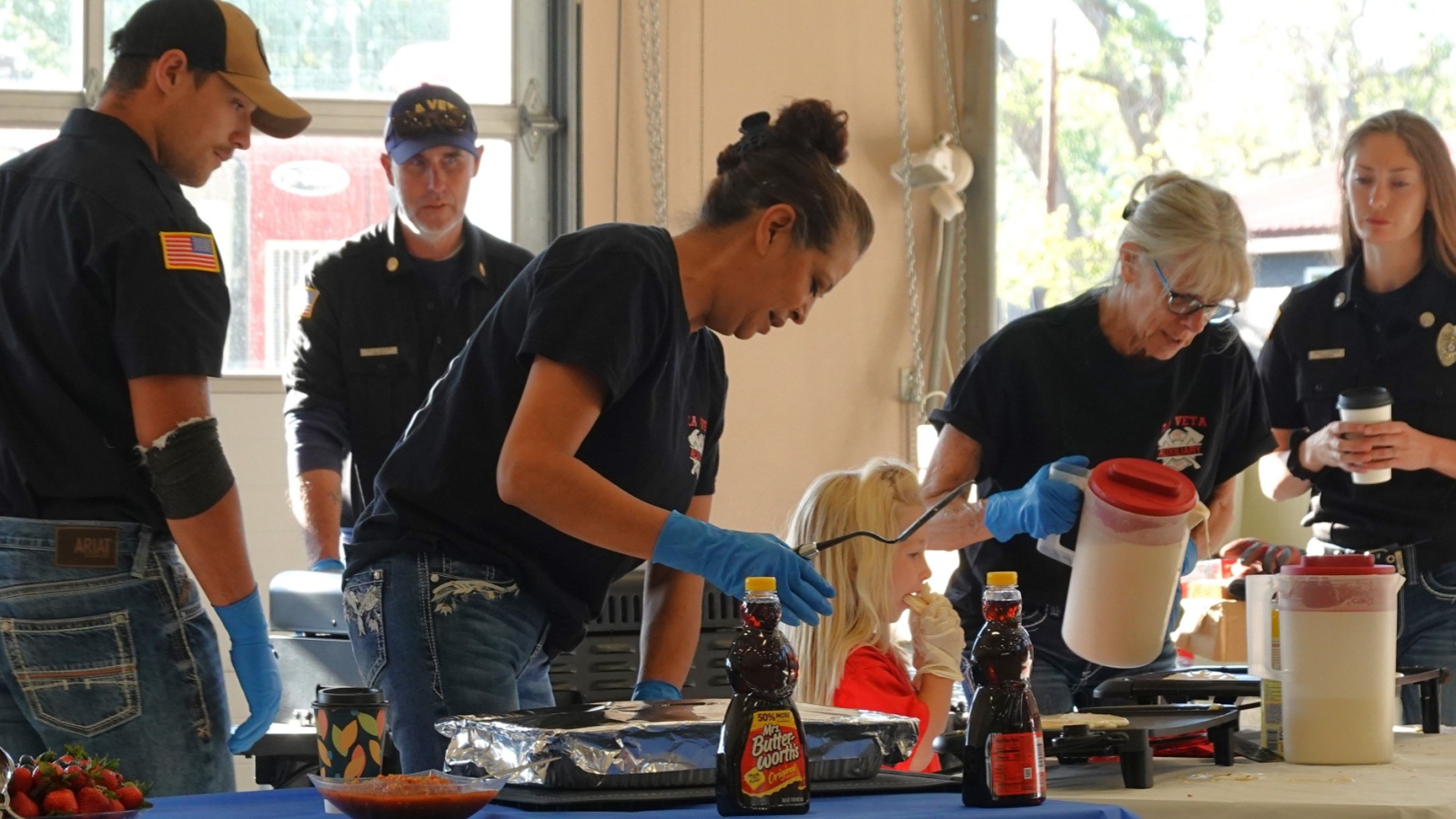
School-wide pancake breakfasts are popular community traditions held to celebrate milestones, holidays, or fundraising goals. Staff, parents, and sometimes student volunteers cook and serve pancakes for the entire school, often using large griddles set up in gymnasiums or cafeterias. Toppings may include berries, whipped cream, and of course, maple syrup. These events are designed to bring everyone together in a relaxed atmosphere and encourage connection outside the typical classroom structure. Pancake breakfasts are particularly common during winter festivities or charity events and are remembered fondly for their warm, welcoming spirit.
Orange Shirt Day for Reconciliation

Orange Shirt Day is a significant school tradition held every September 30 to honor Indigenous children who were harmed by Canada’s residential school system. Students and staff wear orange shirts and participate in lessons, assemblies, and discussions about reconciliation, truth, and Indigenous history. The tradition began to support survivors and create awareness about the lasting impacts of residential schools. Many schools invite Indigenous speakers, artists, or Elders to lead cultural activities such as drumming or storytelling. It is a deeply meaningful and educational event that promotes understanding, respect, and commitment to building a more inclusive future.
Indoor Shoe Requirement in Classrooms
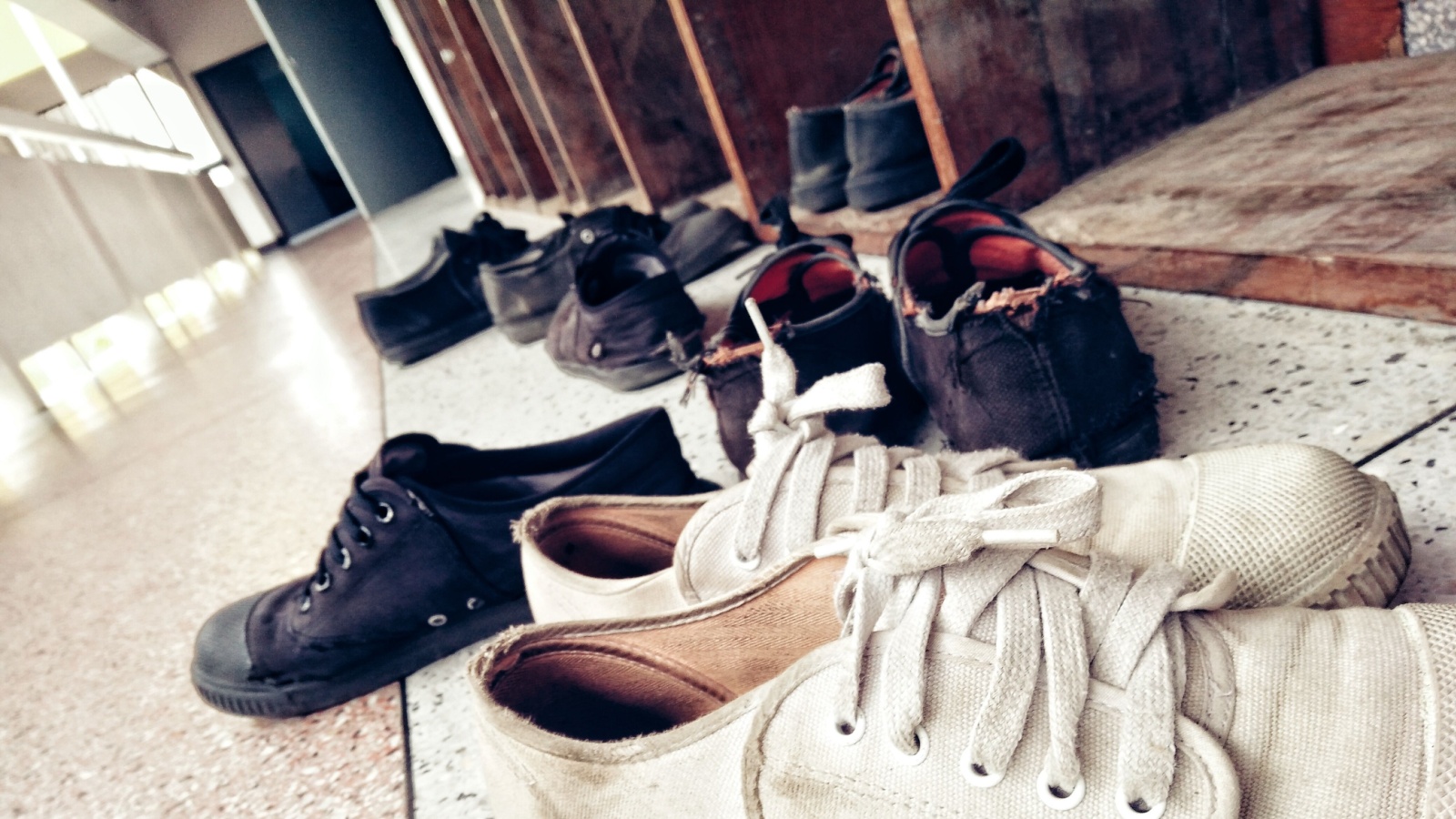
The indoor shoe rule is common in many Canadian schools, where students must change from outdoor footwear into clean indoor shoes when entering the building. This practice protects floors from snow, mud, and salt during long winter months and helps maintain a cleaner learning environment. Younger students often keep a pair of indoor shoes stored in their cubbies or lockers year-round. For newcomers or visitors, the system may seem unusual, but it is seen as practical and hygienic—especially in regions with harsh winter conditions. Indoor shoes can also double as gym shoes to simplify school routines.
Canadian History Heritage Fairs

Heritage fairs are popular academic traditions where students research and present projects on Canadian history, culture, or significant figures. Participants create visual displays, models, or multimedia presentations and share their work in a showcase that families and community members can attend. Local winners may advance to regional or provincial levels. The goal is to encourage pride in national heritage and deepen historical understanding beyond textbook learning. Topics can range from Indigenous leaders to technological innovations or notable Canadian events. These fairs celebrate creativity, research skills, and a strong sense of identity rooted in history.
School Curling Team Tryouts
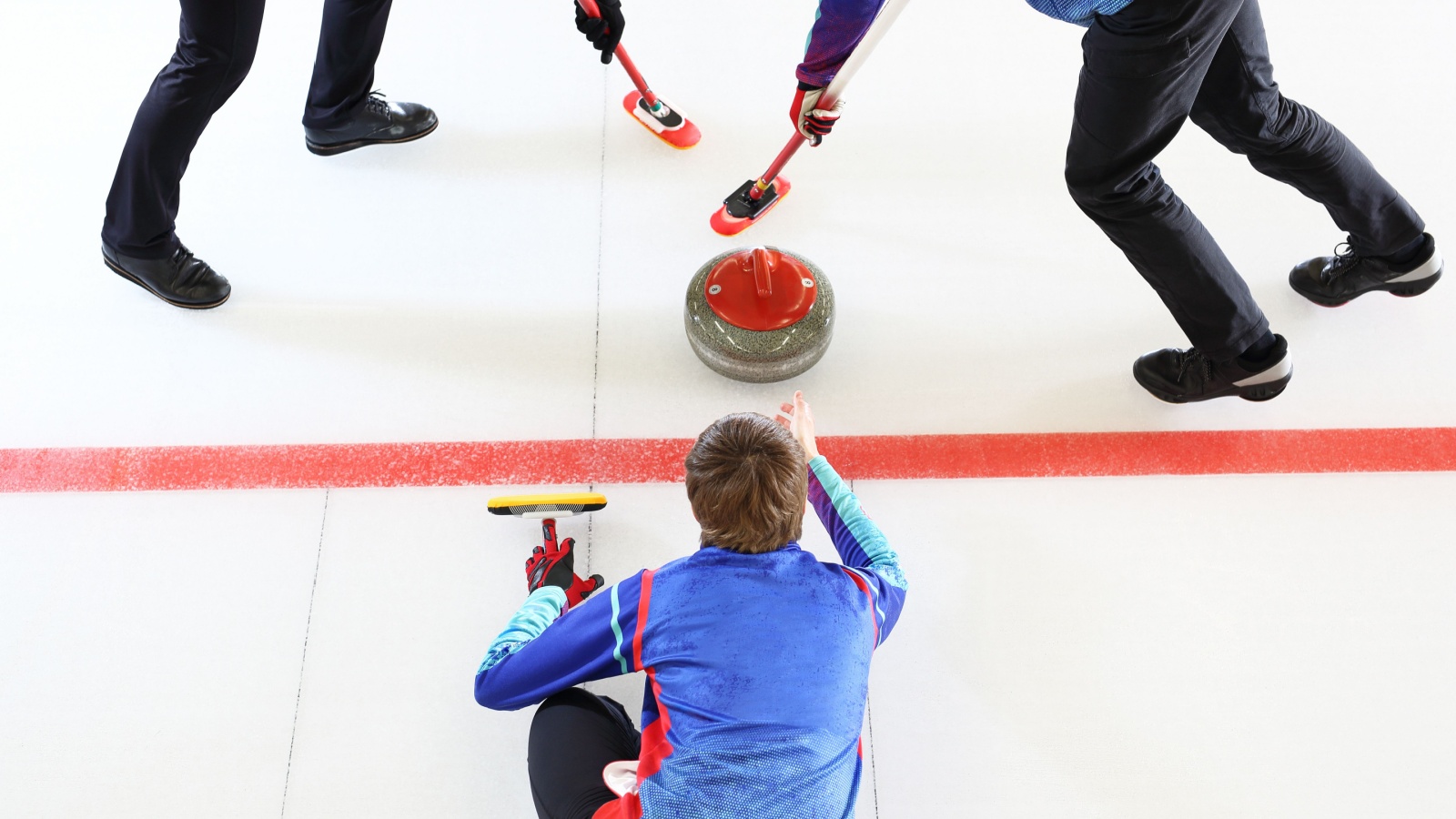
Curling is a uniquely Canadian sport with a strong presence in many school athletic programs, particularly in provinces like Manitoba, Saskatchewan, and Alberta. Schools hold competitive curling team tryouts where students learn strategy, sweeping techniques, and teamwork. Practices take place at local curling rinks, and teams often compete in regional or provincial tournaments. To outsiders, the sport may seem unusual or slow-paced, but within Canada, it is a respected tradition that builds sportsmanship and precision. For many students, curling season is an exciting highlight of the school year.
Hot Lunch Programs Run by Parent Volunteers
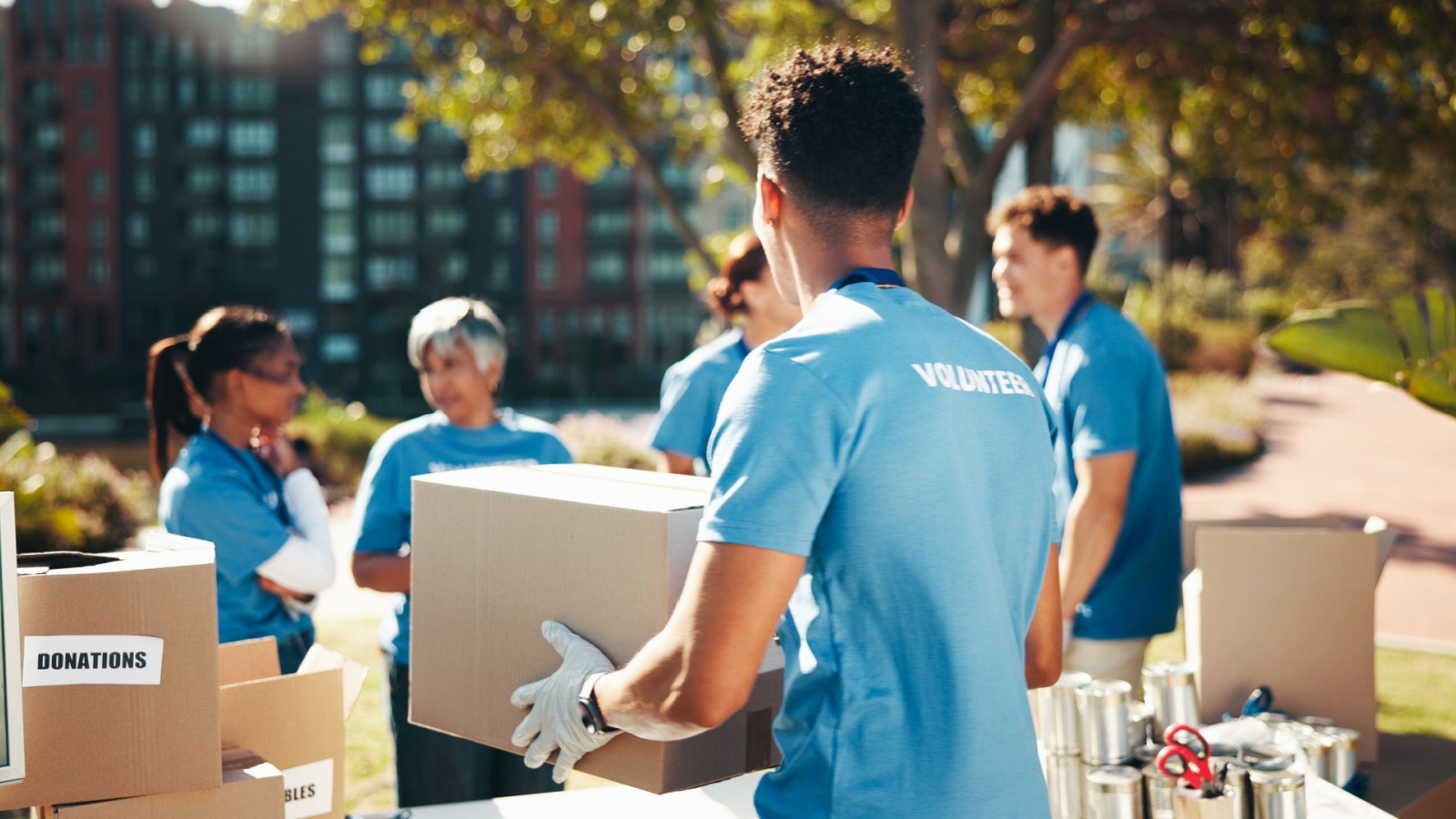
Many schools rely on dedicated parent volunteer groups to run hot lunch programs that provide warm meals for students once a week or on special occasions. These lunches may include pasta, pizza, soups, or traditional cultural dishes, depending on the community. Proceeds often support school trips, sports teams, or classroom supplies. Families appreciate the convenience and sense of community, and students look forward to the shared meal experience. Visitors may find it unusual to see parents cooking and organizing cafeteria service, but it reflects strong community involvement in education.
Singing the National Anthem Every Morning

In most Canadian schools, the day begins with students standing for the national anthem played over the PA system. O Canada is sung or listened to respectfully before morning announcements. Some schools also include a land acknowledgment recognizing Indigenous territories. For newcomers, the daily anthem tradition may feel formal or ceremonial, but it reinforces civic values and unity. Many students grow up seeing it as a normal routine that marks the start of the school day.
Hockey or Floor Hockey Tournaments in Gyms

Hockey culture is deeply rooted in Canadian identity, and this enthusiasm often extends into schools through floor hockey or indoor hockey tournaments. Teams made up of students and sometimes teachers compete in friendly matches to raise school spirit. Equipment like plastic sticks and soft pucks makes the games accessible and safe indoors. Tournaments are often part of winter carnivals or spirit weeks and can draw large crowds of cheering students. For those unfamiliar with hockey’s national importance, the level of excitement in a school gym may come as a surprise.
Spirit Bear or Mascot Parades in Schools
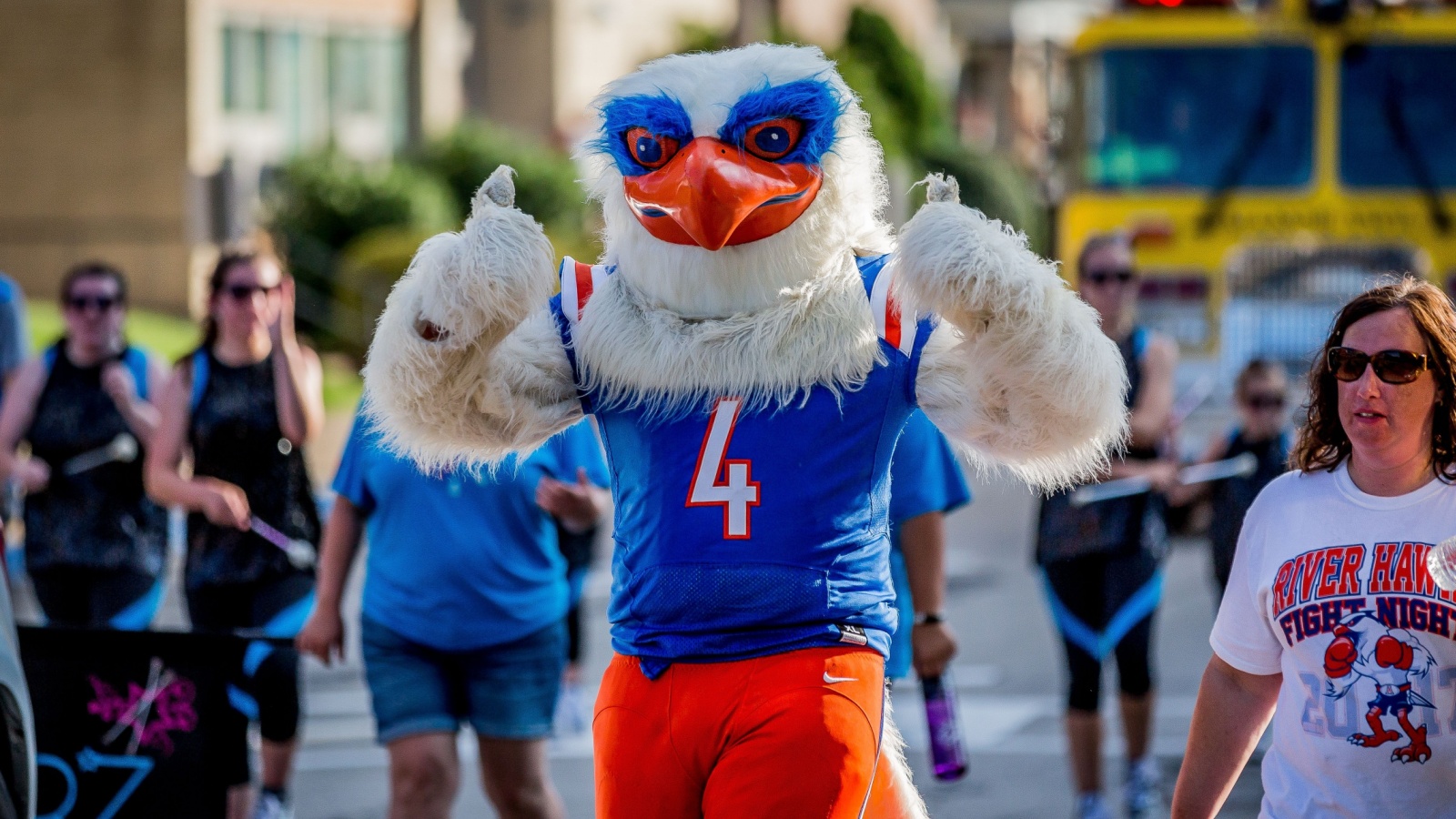
Many schools celebrate community pride by organizing mascot parades featuring characters like spirit bears, wolves, or eagles representing school values or team names. Students march through halls wearing themed outfits, carrying banners, or shaking pom-poms while music plays. These events usually take place during spirit weeks, championship send-offs, or cultural celebrations. The atmosphere is lively and unifying, encouraging students of all ages to participate. To outsiders, a costumed mascot leading a hallway parade may seem quirky, but for students, it is a beloved tradition that strengthens school identity.
22 Groceries to Grab Now—Before another Price Shock Hits Canada

Food prices in Canada have been steadily climbing, and another spike could make your grocery bill feel like a mortgage payment. According to Statistics Canada, food inflation remains about 3.7% higher than last year, with essentials like bread, dairy, and fresh produce leading the surge. Some items are expected to rise even further due to transportation costs, droughts, and import tariffs. Here are 22 groceries to grab now before another price shock hits Canada.
22 Groceries to Grab Now—Before another Price Shock Hits Canada
