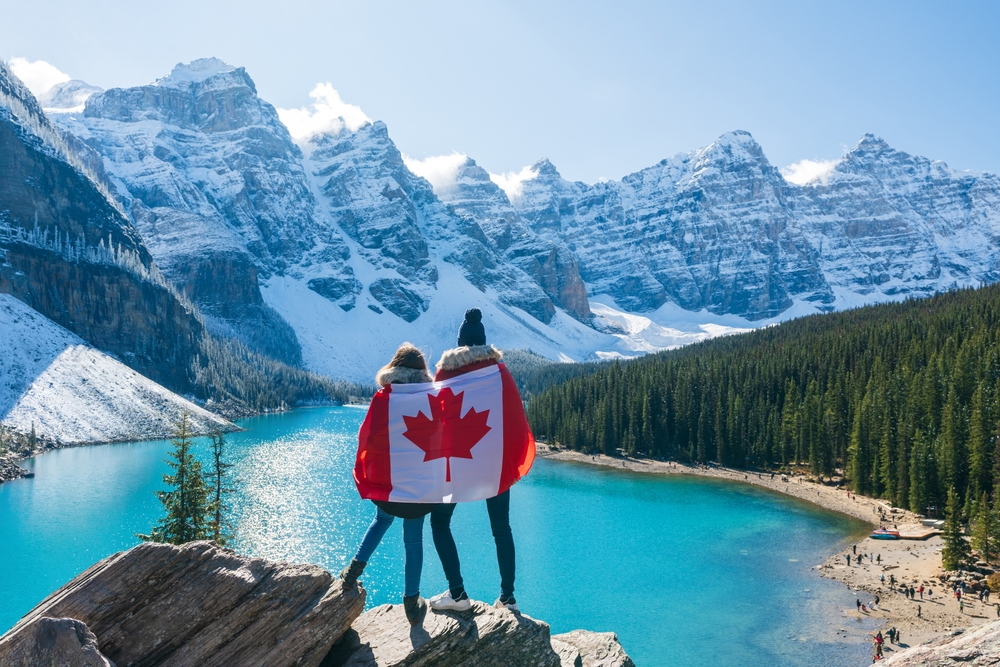
Canada is filled with landscapes that look like they belong in a movie rather than reality. From turquoise glacial lakes in Alberta to rugged coastlines in Newfoundland and surreal fjords in British Columbia, the country offers breathtaking scenery at every turn. Majestic mountains, towering cliffs, colorful flower fields, and the ethereal Northern Lights create natural wonders that feel almost unreal. Here are 22 places in Canada that don’t look real (but totally are).
Moraine Lake, Alberta
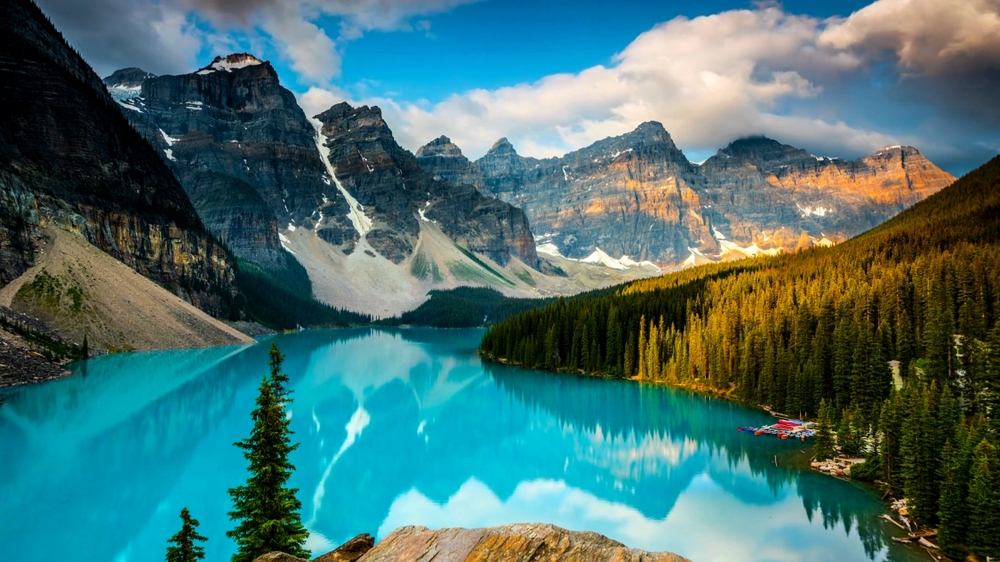
Moraine Lake is one of Canada’s most photographed destinations. Its turquoise waters are framed by the Valley of the Ten Peaks in Banff National Park. The vibrant blue color comes from glacial rock flour reflecting sunlight. Hiking trails surround the lake, offering panoramic views and access to nearby peaks. Canoeing is popular in summer, providing a close-up experience of the water. Tourists flock here for its breathtaking scenery, often describing it as unreal. Despite its popularity, the area maintains a serene and pristine atmosphere. Moraine Lake exemplifies Alberta’s natural beauty and is a must-visit for anyone exploring Canada.
Lake Louise, Alberta
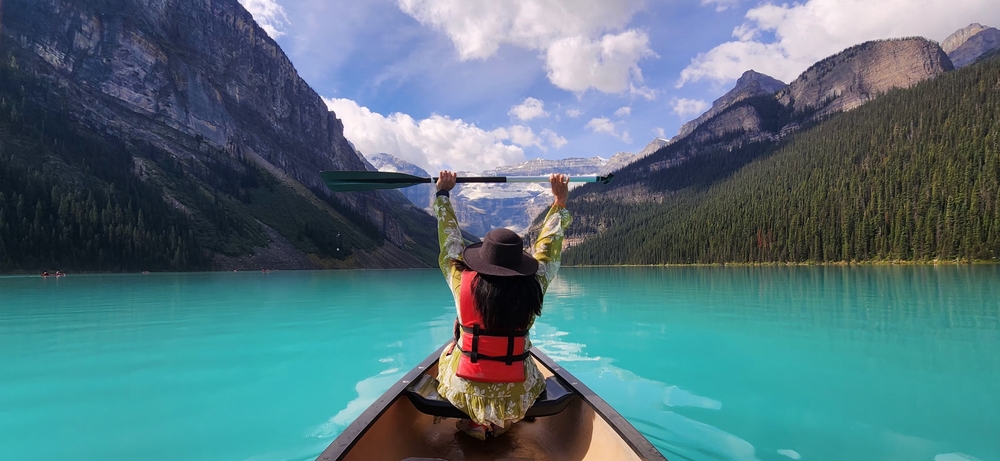
Lake Louise, located in Banff National Park, is famous for its striking emerald-green waters and iconic Fairmont Chateau backdrop. Surrounded by rugged mountains and glaciers, the lake reflects the natural splendor of the Rockies. Visitors can enjoy hiking trails, canoeing in summer, and ice skating in winter. Wildlife sightings are common around the lake, adding to its enchanting atmosphere. The lake’s color is due to glacial sediment that refracts sunlight. Lake Louise attracts photographers and nature lovers from around the world. Its combination of accessibility and stunning scenery makes it one of Alberta’s most famous natural attractions.
Peyto Lake, Alberta
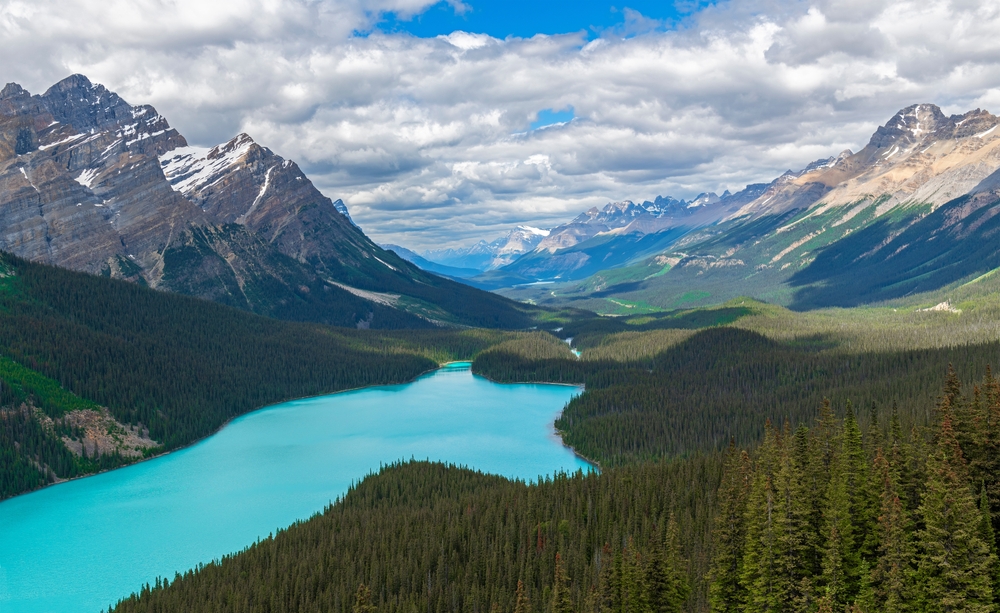
Peyto Lake is a glacial lake in Banff National Park known for its unique wolf-head shape. The lake’s vivid turquoise color comes from glacier rock flour carried into the water. Accessible via the Bow Summit viewpoint, it offers breathtaking panoramic views. Hikers enjoy trails along the Icefields Parkway that showcase the surrounding mountains and glaciers. Wildlife, including bears and mountain goats, is commonly spotted in the area. Peyto Lake is especially photogenic in summer and early fall, when the contrast between the lake and evergreen forests is striking. It is considered one of Canada’s most surreal landscapes.
Emerald Lake, British Columbia
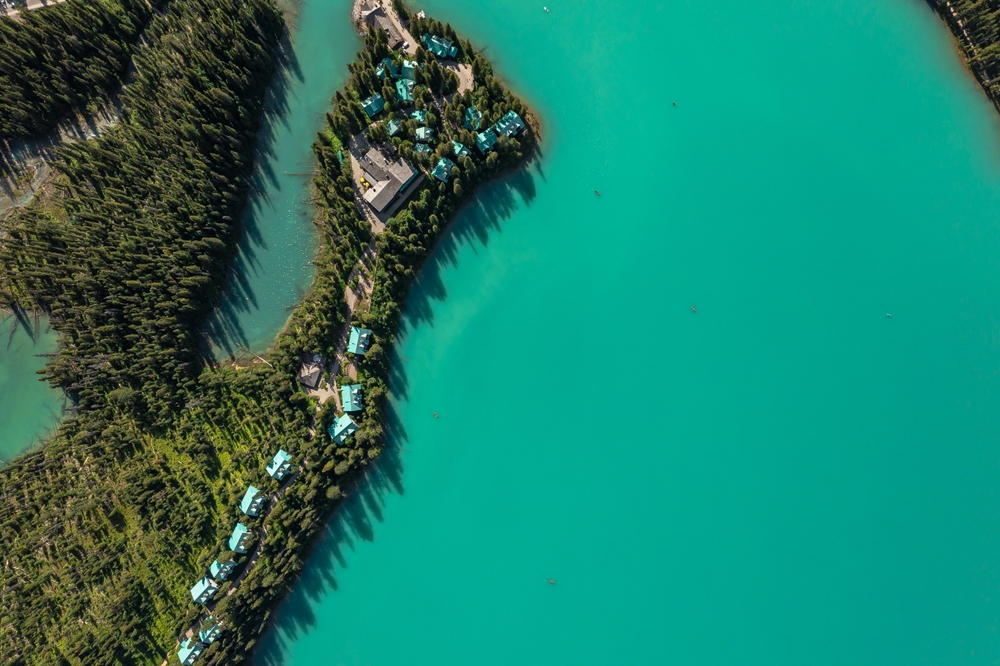
Emerald Lake is located in Yoho National Park and is renowned for its stunning green waters. The lake is surrounded by dense forests and rugged mountains, creating a magical reflection on calm days. Canoeing, hiking, and photography are popular activities at this tranquil site. In winter, the frozen lake becomes a skating destination. Its vibrant color is caused by mineral deposits from nearby glaciers. Emerald Lake is less crowded than its Alberta counterparts, offering a peaceful and almost unreal experience. Visitors often describe the scenery as otherworldly due to the vivid color and pristine natural surroundings.
Spirit Island, Maligne Lake, Alberta
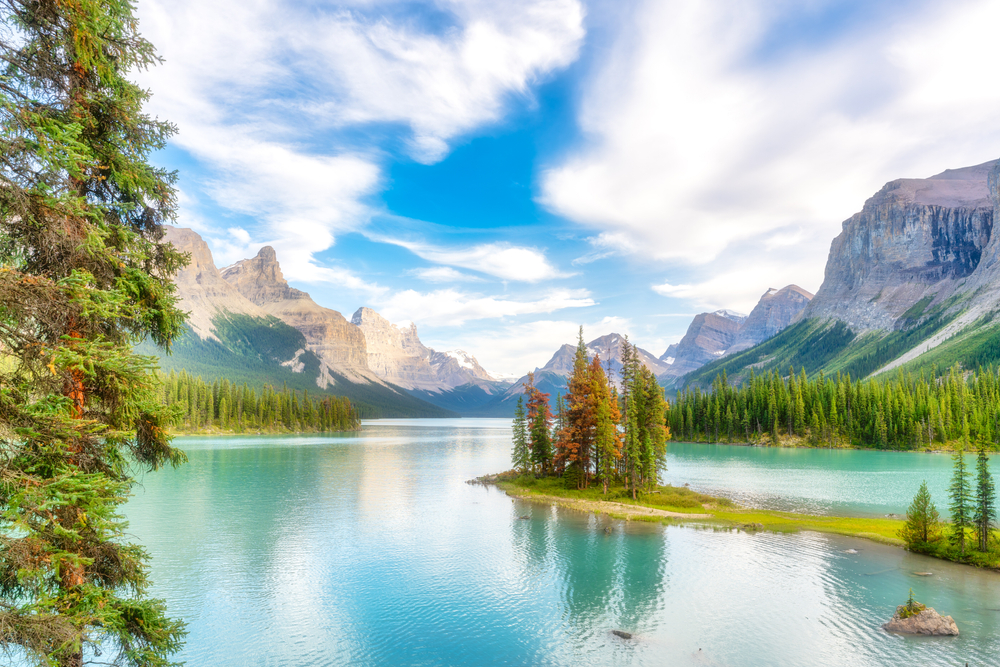
Spirit Island is a small, picturesque island located in Maligne Lake, Jasper National Park. Surrounded by turquoise glacial waters and towering mountain peaks, it is one of Canada’s most iconic and photographed landscapes. Accessible primarily by boat tours, the island offers breathtaking views and excellent photo opportunities. Canoeing nearby waters is also a popular activity. The lake’s color is due to glacial sediment reflecting light. Spirit Island feels almost unreal with its serene waters, dramatic scenery, and remote location. Visitors often compare it to a postcard or a fantasy setting. It remains a symbol of Jasper’s natural beauty.
Icefields Parkway, Alberta and British Columbia
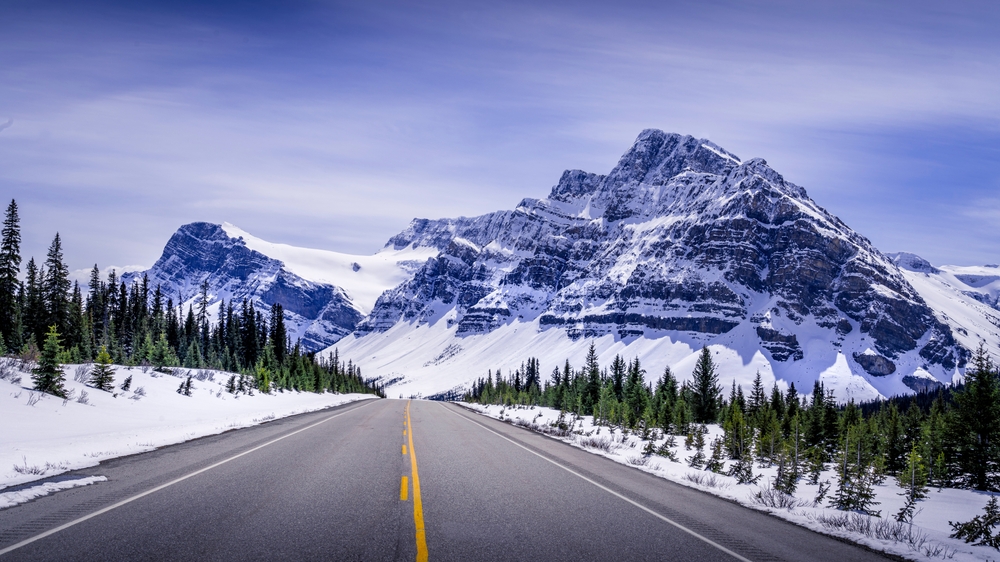
The Icefields Parkway stretches over 230 kilometers, connecting Banff and Jasper National Parks. This scenic highway passes glaciers, turquoise lakes, waterfalls, and rugged mountains. Popular stops include Athabasca Glacier, Peyto Lake, and Bow Lake, offering unforgettable photo opportunities. Wildlife, including bears, elk, and mountain goats, is commonly sighted along the route. The road is open year-round, but summer and early fall provide the most accessible conditions. Travelers often describe the drive as surreal, as the landscape appears almost untouched. Icefields Parkway is a must-do for nature lovers seeking a dramatic and immersive Canadian experience.
Nahanni National Park, Northwest Territories

Nahanni National Park is a UNESCO World Heritage site famous for its dramatic canyons, waterfalls, and the South Nahanni River. The park is remote and largely untouched, creating an otherworldly atmosphere. Virginia Falls, twice the height of Niagara Falls, is a highlight of the park. Canoeing, rafting, and hiking are popular activities for adventurous visitors. The area is home to diverse wildlife, including bears, wolves, and moose. Its rugged wilderness and striking geological formations make it feel almost unreal. Nahanni National Park is a prime example of Canada’s untouched natural beauty and is a bucket-list destination for explorers.
Gros Morne National Park, Newfoundland and Labrador
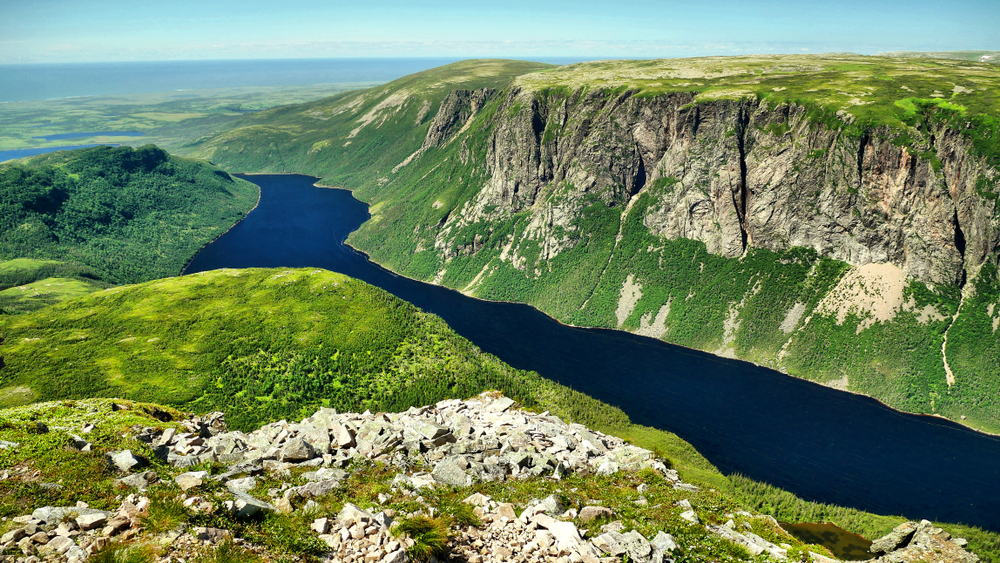
Gros Morne National Park is a UNESCO World Heritage site known for its dramatic cliffs, fjords, and glacial valleys. The Long Range Mountains provide a rugged backdrop to serene lakes and lush forests. Hiking trails, boat tours, and wildlife viewing make the park a popular destination. Visitors often marvel at the Tablelands, where the Earth’s mantle is exposed. The combination of geological features and untouched landscapes gives the park an almost surreal quality. Gros Morne offers both adventure and tranquility, making it one of Newfoundland and Labrador’s most extraordinary natural wonders and a must-visit for anyone exploring Canada.
Cape Breton Highlands, Nova Scotia
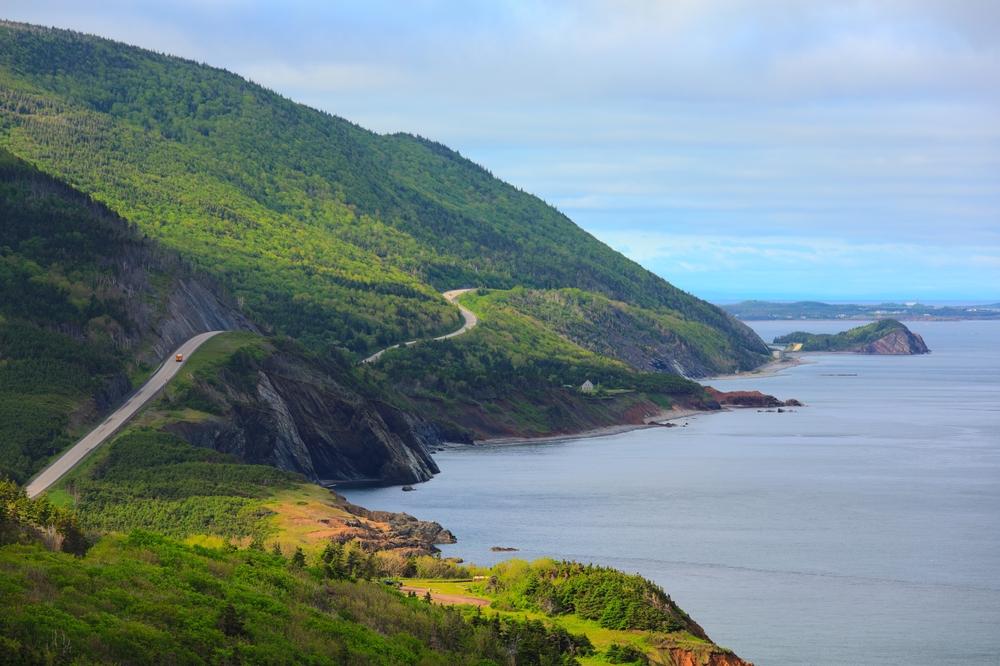
The Cape Breton Highlands offer breathtaking scenery with cliffs, coastal views, and dense forests. The Cabot Trail winds through the region, providing spectacular overlooks and opportunities to spot moose, eagles, and other wildlife. Hiking trails lead to waterfalls and secluded beaches, while the highlands’ rolling terrain creates dramatic contrasts with the Atlantic coastline. Many travelers describe the landscape as almost unreal, with vibrant greens and deep blue waters. The region’s mix of mountains, ocean, and forest creates a unique Canadian experience. Cape Breton Highlands is celebrated for its beauty and is a top destination for nature lovers.
Ha Long Bay-Esque Fjords of British Columbia
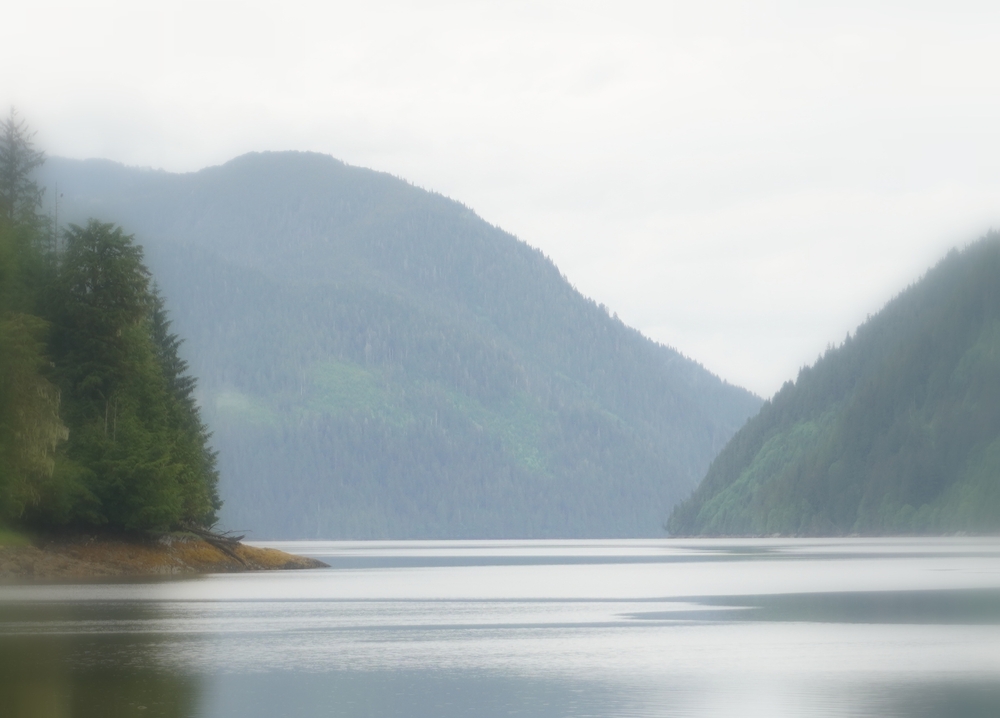
British Columbia’s fjords resemble Vietnam’s Ha Long Bay with towering cliffs rising from calm waters. Areas like the Sunshine Coast and coastal inlets provide dramatic scenery with reflections that seem almost unreal. Kayaking, boating, and photography are popular ways to experience these fjords. The combination of dense forests, clear waters, and remote landscapes creates a pristine atmosphere. Wildlife, including seals, eagles, and dolphins, adds to the immersive experience. These fjords feel untouched and otherworldly. The unique coastal geography demonstrates Canada’s diverse natural beauty and offers an unforgettable adventure for those seeking landscapes that appear almost magical.
Flower Fields of Niagara-on-the-Lake, Ontario
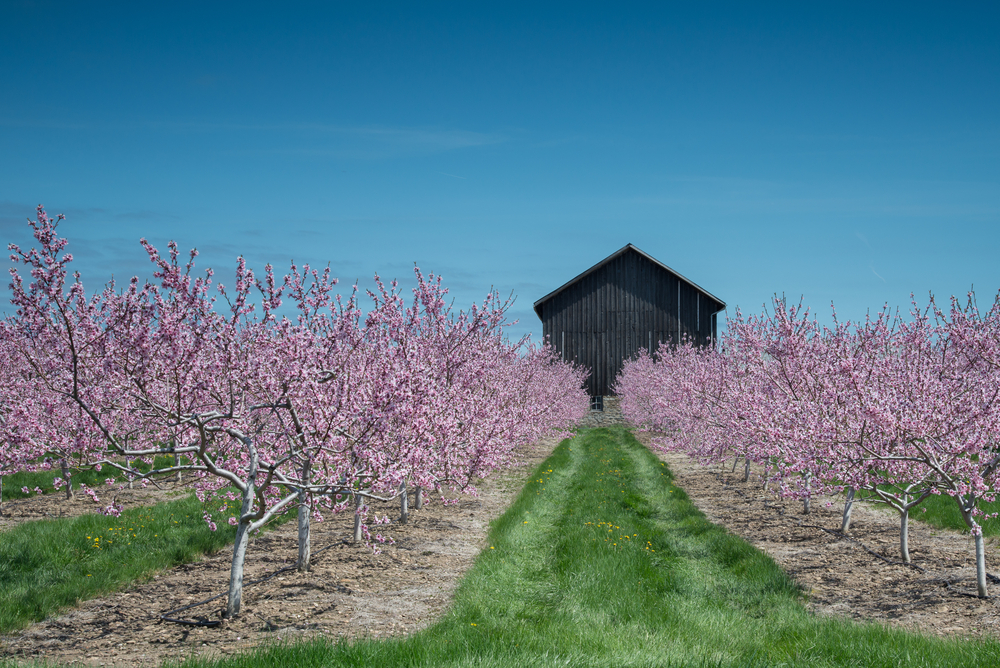
Niagara-on-the-Lake is famous for its colorful flower fields that bloom each spring. Tulips, daffodils, and other vibrant flowers create vast, painterly landscapes. The combination of gently rolling vineyards, quaint towns, and floral displays makes the area look almost unreal. Festivals and garden tours attract photographers and tourists from around the world. Walking or cycling through the fields provides immersive experiences. The vivid colors, patterns, and seasonal blooms make this region a photographer’s dream. Niagara-on-the-Lake demonstrates the beauty of cultivated landscapes combined with natural charm, creating a Canadian destination that feels like a living painting.
Painted Rock Formations, Alberta
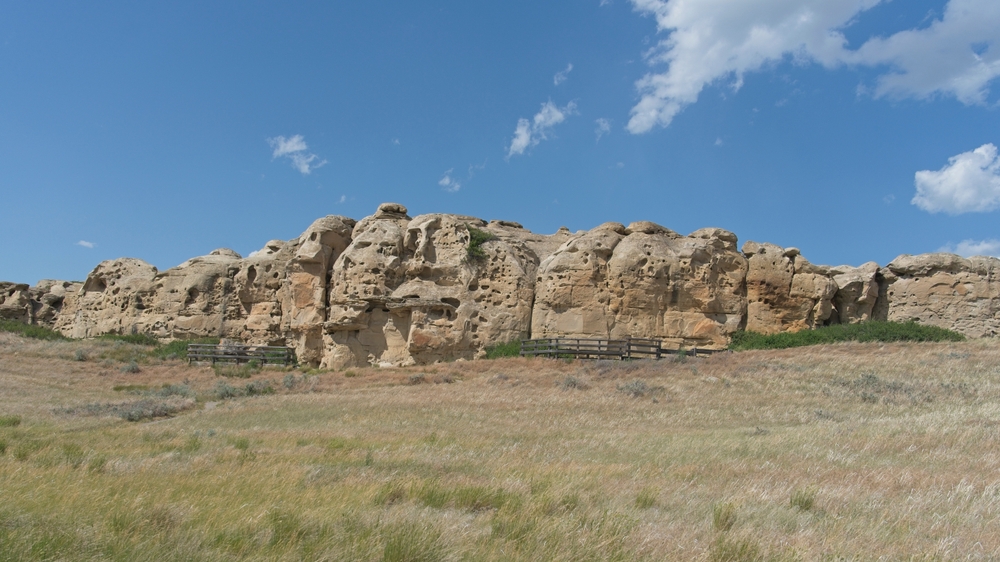
Alberta is home to unique painted rock formations with striking colors and patterns created by sedimentary layers and erosion. Areas such as Writing-on-Stone Provincial Park display reds, oranges, and whites that appear almost otherworldly. Petroglyphs and indigenous history add cultural significance. Hiking trails allow visitors to explore the formations up close while learning about the geology and heritage of the region. These natural sculptures are visually stunning and create landscapes that seem unreal in their beauty and complexity. Alberta’s painted rocks highlight Canada’s diverse natural environments and offer an unforgettable experience for nature enthusiasts and photographers alike.
Bay of Fundy Tidal Flats, New Brunswick
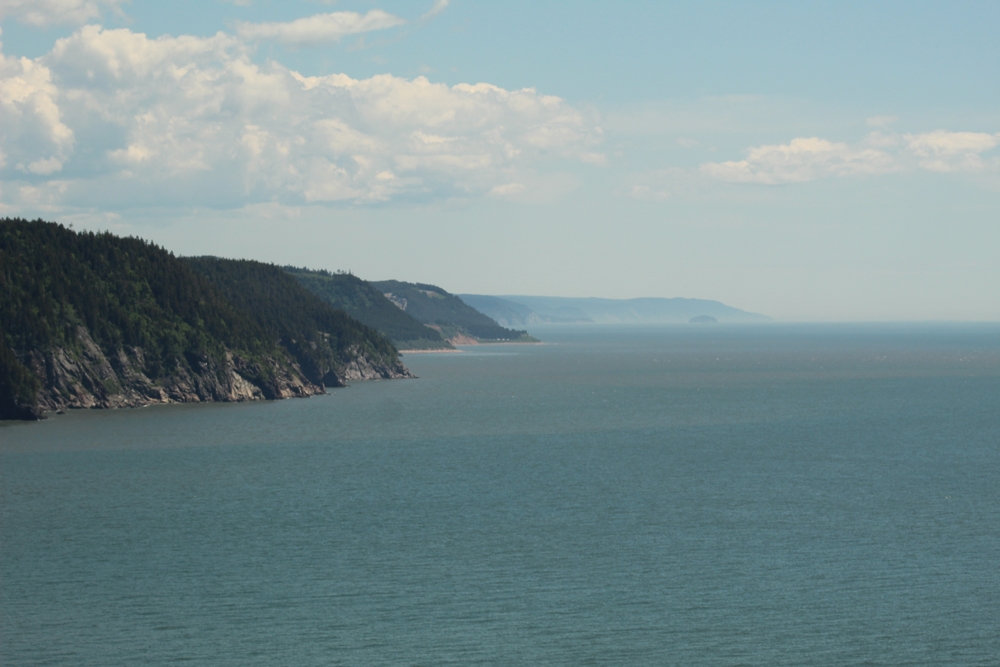
The Bay of Fundy is known for having the highest tides in the world, creating vast tidal flats that appear surreal at low tide. Mudflats, salt marshes, and exposed rocks reveal unique ecosystems. Walking on the flats or exploring by kayak gives a perspective rarely seen elsewhere. The tidal changes occur twice daily, dramatically transforming the landscape. Birdwatching, fossil hunting, and photography are popular activities. The region’s unusual tidal phenomena and natural beauty make the Bay of Fundy feel almost unreal. This iconic Canadian location demonstrates the dynamic forces of nature in a way that captivates visitors.
Cathedral Grove, British Columbia

Cathedral Grove in MacMillan Provincial Park is famous for its towering old-growth Douglas firs and red cedars. Some trees are over 800 years old, creating a forest that feels timeless and surreal. Walking along boardwalks and trails, visitors are surrounded by majestic trees and dense moss, producing an almost magical atmosphere. Photography, nature walks, and educational tours highlight the park’s unique ecology. The scale and age of the trees make the forest feel otherworldly. Cathedral Grove is a prime example of Canada’s preserved natural wonders and demonstrates the grandeur of temperate rainforests in British Columbia.
Athabasca Glacier, Alberta
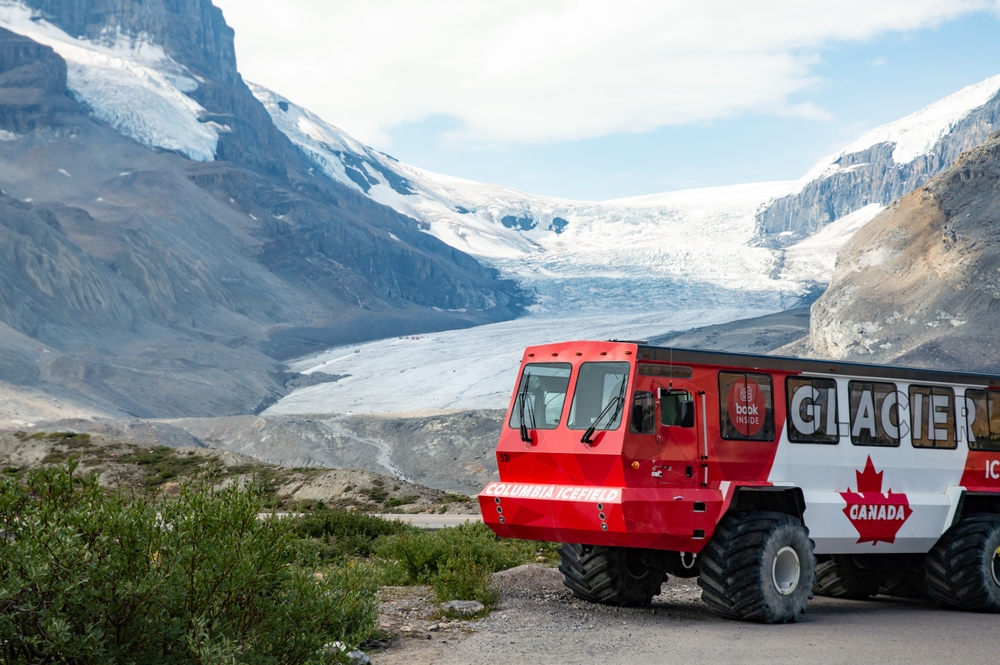
The Athabasca Glacier is part of the Columbia Icefield in Jasper National Park. Visitors can walk on the glacier or take guided tours to explore its blue ice formations. The glacier’s surface features crevasses and meltwater streams, giving it an otherworldly appearance. Its dramatic location between rugged mountains enhances the surreal experience. Climate change has made the glacier more accessible, but also highlighted environmental concerns. Tourists often describe standing on the glacier as stepping into another world. Athabasca Glacier is a striking example of Canada’s glacial landscapes and remains a must-visit for nature lovers and photographers.
The Northern Lights in Yellowknife, Northwest Territories
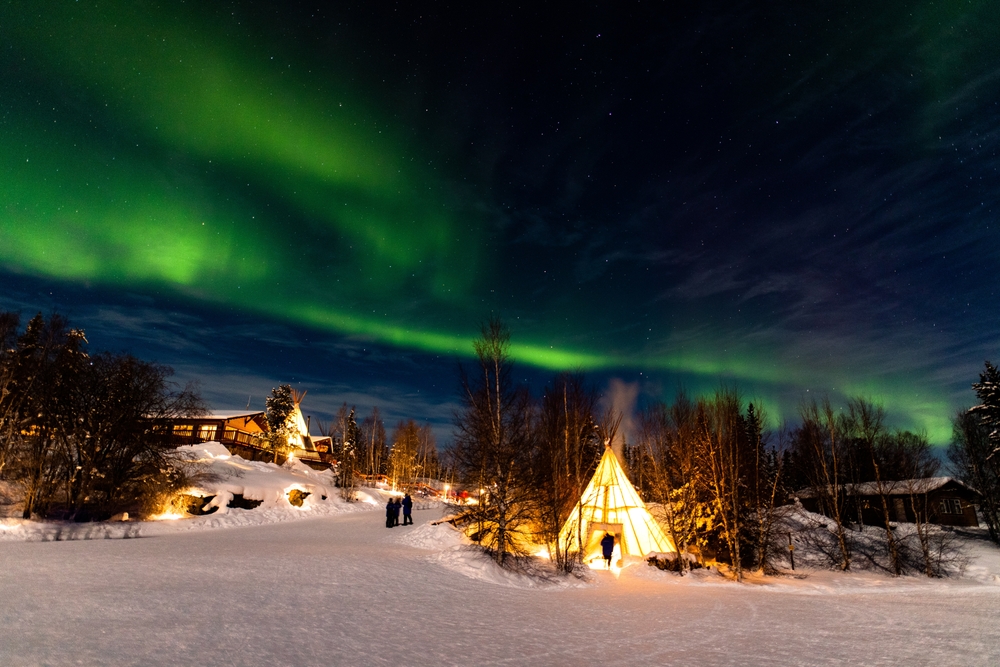
Yellowknife is one of the best places in Canada to witness the Northern Lights. The Aurora Borealis paints the night sky with vibrant greens, purples, and pinks. Cold, clear nights in winter provide optimal viewing conditions. Tourists can enjoy guided tours or view the lights from remote lodges for minimal light pollution. The experience feels almost unreal, as the sky appears alive with moving color. The Northern Lights attract photographers and travelers seeking a once-in-a-lifetime spectacle. Yellowknife’s location and natural conditions make it a global destination for aurora viewing and a highlight of Canada’s northern beauty.
Magdalen Islands, Quebec
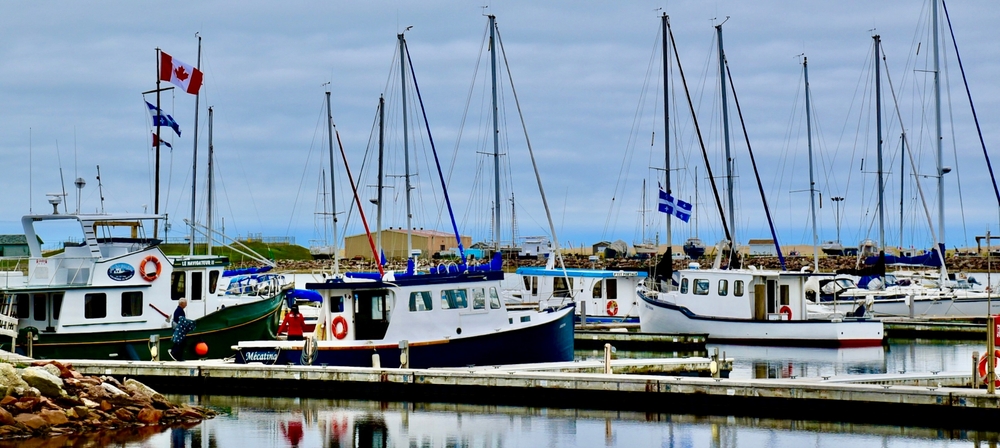
The Magdalen Islands are a remote archipelago in the Gulf of Saint Lawrence. Red cliffs, sandy beaches, and turquoise waters create an almost unreal coastal landscape. Visitors enjoy cycling, kayaking, and exploring fishing villages with a unique Acadian culture. Wildlife, including seals and seabirds, adds to the region’s charm. The islands are known for their wind-swept dunes and dramatic coastal cliffs. Quiet beaches and rugged scenery provide a sense of isolation and natural beauty. The combination of colorful villages, ocean views, and geological formations makes the Magdalen Islands a surreal and picturesque Canadian destination.
The Sand Dunes of Prince Edward Island
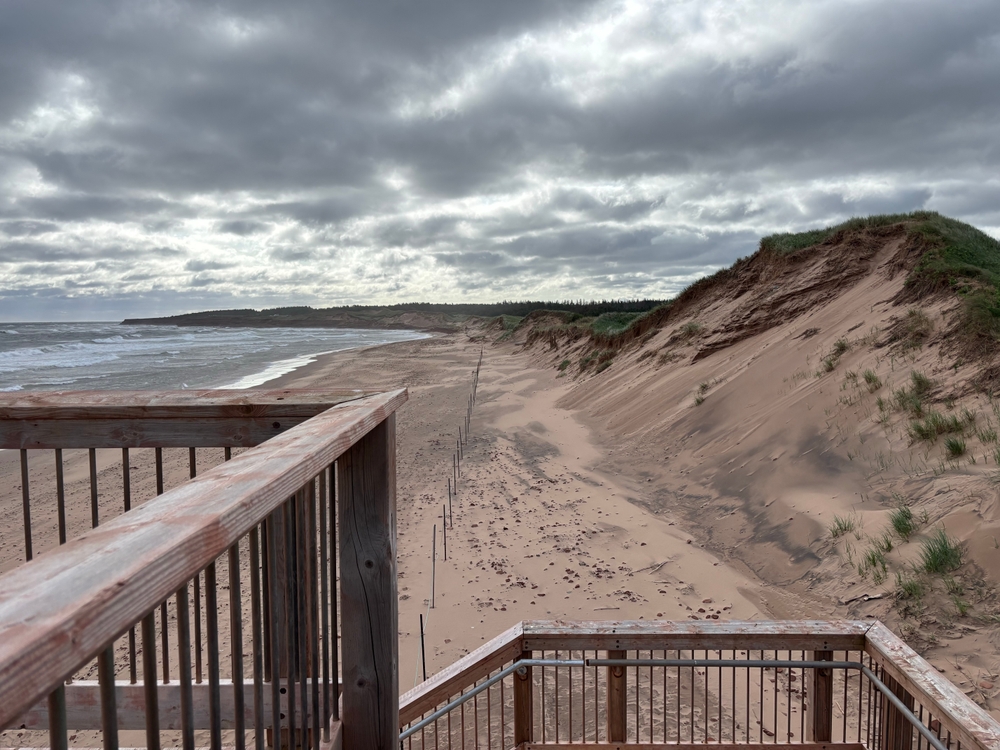
Prince Edward Island’s dunes stretch along the island’s coastline, creating vast, rolling landscapes. The soft, red-gold sands contrast with green vegetation and blue ocean waters. Hiking trails and boardwalks allow visitors to explore the dunes and coastal ecosystems. The dunes feel almost unreal due to their size, shape, and vibrant color. Seasonal bird migrations and unique plant life add to the area’s ecological importance. Photographers often capture the sweeping dunes at sunrise or sunset for their dramatic effect. PEI’s dunes are a distinct natural feature that highlights Canada’s diverse and scenic coastal landscapes.
Sea to Sky Highway Views, British Columbia
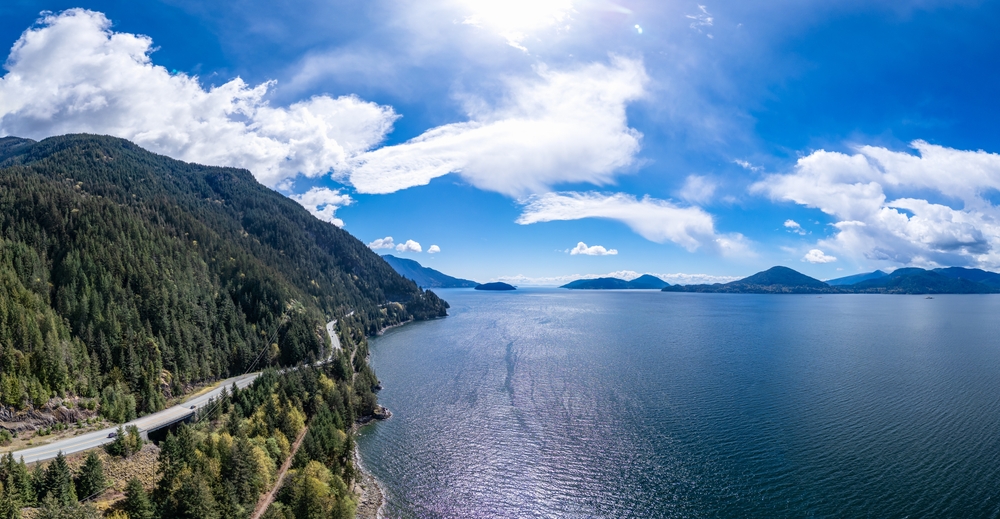
The Sea to Sky Highway stretches from Vancouver to Whistler, offering breathtaking views of mountains, forests, and the Pacific coastline. Scenic viewpoints and waterfalls dot the route, creating photo opportunities at nearly every turn. The combination of sheer cliffs, turquoise rivers, and deep forests feels almost unreal. Travelers enjoy hiking, climbing, and stopping at lookout points along the way. The highway showcases British Columbia’s rugged beauty and is a favorite route for tourists seeking dramatic landscapes. Its combination of accessibility and striking scenery makes the Sea to Sky Highway one of Canada’s most unforgettable drives.
Thunder Bay Skyline and Lake Superior, Ontario
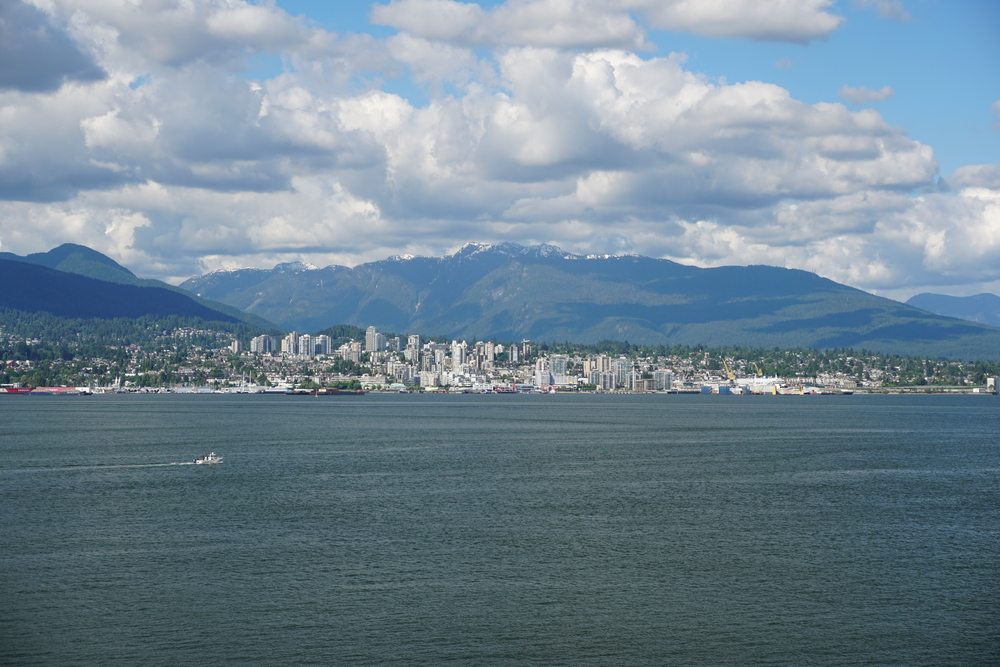
Thunder Bay is located on the shores of Lake Superior, the largest freshwater lake in the world. The city’s skyline, set against dramatic cliffs and forests, creates a striking scene. Sleeping Giant Provincial Park nearby offers panoramic views of the lake. The lake’s vastness and the surrounding natural beauty give the area an almost unreal appearance. Boating, hiking, and photography are popular activities. Thunder Bay combines urban charm with stunning natural landscapes, offering a unique Canadian experience. Its combination of city and wilderness makes it a must-visit for travelers exploring Ontario.
The Red Sandstone Cliffs of Bon Echo Provincial Park, Ontario
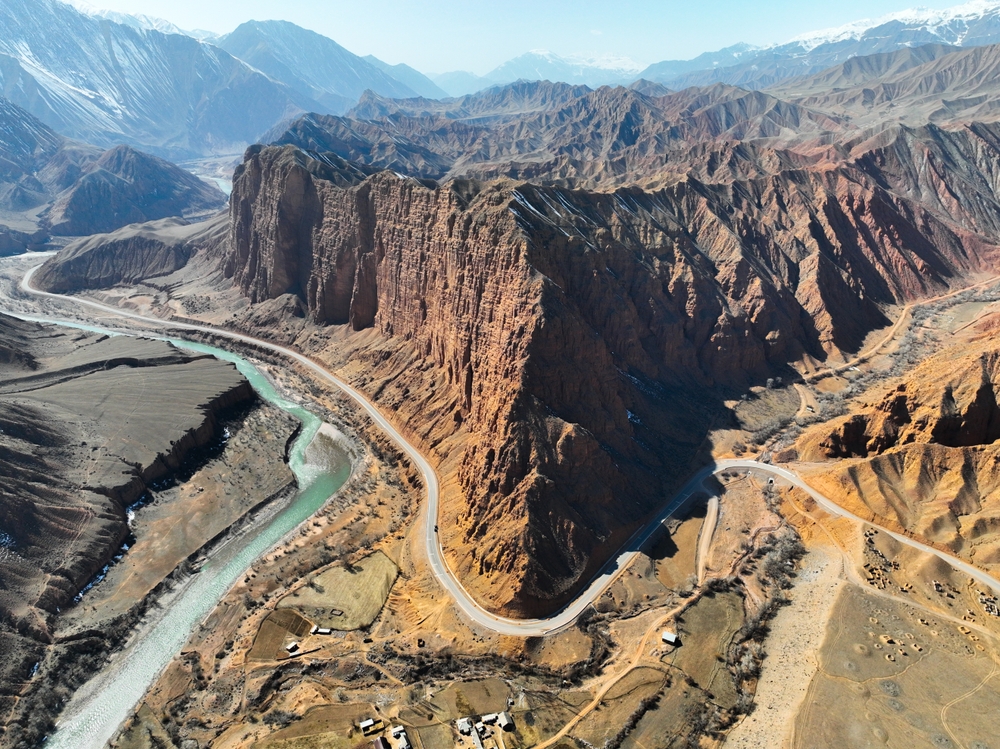
Bon Echo Provincial Park is known for its towering red sandstone cliffs along Mazinaw Lake. The cliffs rise dramatically above the water, creating a breathtaking and almost surreal view. Canoeing and kayaking allow close exploration of the cliffs and surrounding forests. Trails lead to lookouts with panoramic vistas of the lake and cliffs. Petroglyphs and indigenous history add cultural significance. The contrast between red rock, green forests, and blue water enhances the park’s visual impact. Bon Echo Provincial Park is a remarkable example of Ontario’s natural beauty and geological diversity, leaving visitors in awe.
Fogo Island Coastline, Newfoundland and Labrador
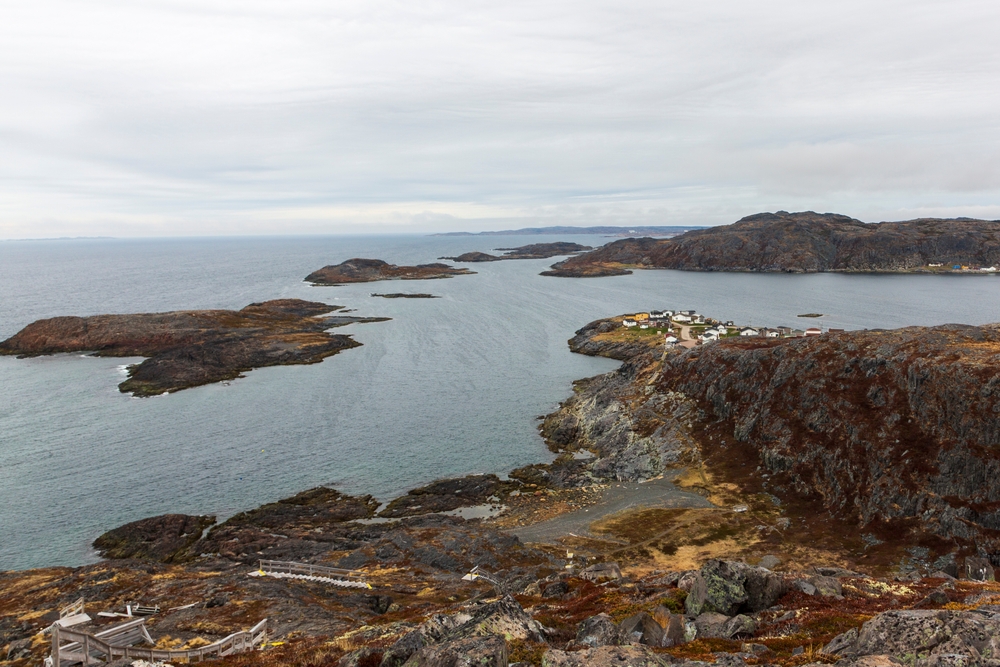
Fogo Island features rugged cliffs, rocky shores, and dramatic ocean views along its coastline. The island’s remote location preserves its natural beauty and makes the landscape feel almost unreal. Visitors explore hiking trails, historic fishing villages, and unique cultural experiences. The combination of crashing waves, jagged rocks, and colorful buildings creates striking contrasts. Wildlife, including seabirds and marine life, enhances the scenic experience. Fogo Island’s coastline demonstrates Newfoundland and Labrador’s raw, untouched beauty and offers a one-of-a-kind Canadian destination that appears almost otherworldly in its pristine and dramatic environment.
22 Groceries to Grab Now—Before another Price Shock Hits Canada

Food prices in Canada have been steadily climbing, and another spike could make your grocery bill feel like a mortgage payment. According to Statistics Canada, food inflation remains about 3.7% higher than last year, with essentials like bread, dairy, and fresh produce leading the surge. Some items are expected to rise even further due to transportation costs, droughts, and import tariffs. Here are 22 groceries to grab now before another price shock hits Canada.
22 Groceries to Grab Now—Before another Price Shock Hits Canada
