
Canada and the United States share a border, a language, and a lot of similarities. Still, whenever Americans discover how Canadians live, they often pause and ask if we are joking. From healthcare quirks to ketchup chip obsession, many ordinary parts of Canadian life seem wild to visitors from the south. Canadians rarely think about these differences because they grew up with them. Americans watching from the outside often need a second read to process them. Here are 27 Canadian “facts” that make Americans do a double take.
We Have Free Healthcare and Still Complain About Waiting Rooms

Canada’s universal healthcare makes Americans stare. Canadians get covered visits for emergencies, specialists, and everyday issues without paying at the door. Still, Canadians constantly complain about wait times, parking fees, and cold waiting room chairs. Americans hear the complaints and wonder why anyone with free hospital access is upset. Canadians shrug because standing in line for a flu test feels annoying, even if the bill is zero. The financial difference shocks visitors who expect thousands of dollars per hospital visit. Canadians just walk out and go home like normal.
We Actually Say Sorry Even When We’re Not Wrong

Americans learn quickly that “sorry” is Canada’s unofficial national greeting. Canadians apologize when they bump someone, when someone bumps them, or when doors get stuck. It is not guilt. It is reflex. Americans think it sounds like the entire population feels responsible for every inconvenience. Canadians hear nothing strange because “sorry” often means “my bad,” “excuse me,” “friendly acknowledgment,” or “carry on.” In the U.S., saying sorry too often might feel weak. In Canada, it feels polite and automatic. People joke that we should print it on the flag.
Every Province Has Different Liquor Rules
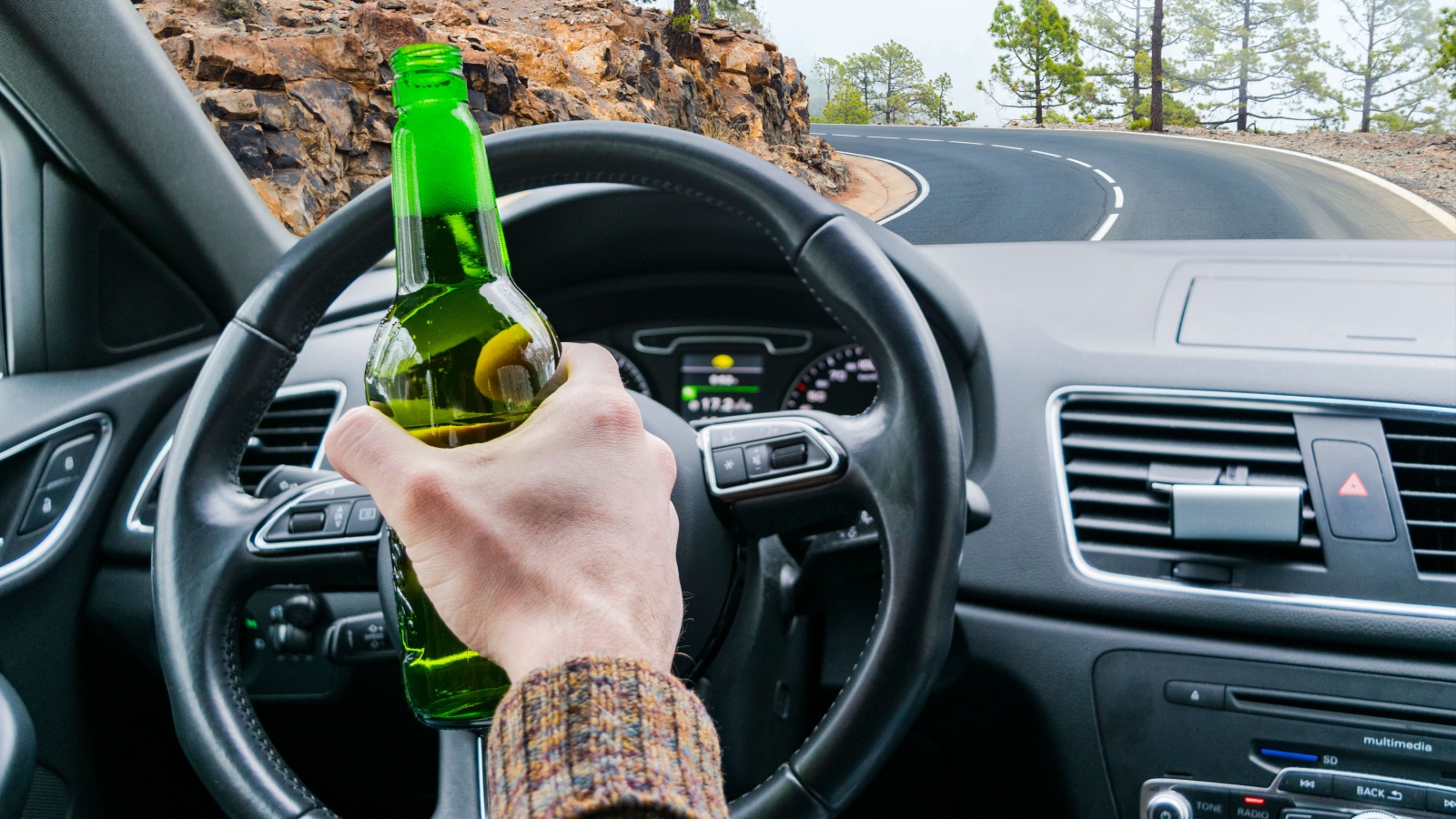
Americans are stunned when they drive across Canada and realize that alcohol shopping rules change every provincial border. Some provinces allow beer in grocery stores. Others require separate liquor shops. Some ban alcohol sales on certain holidays. Some let you buy wine next to produce. One province may let you buy vodka at 9 a.m. while another might force you to wait until noon. The United States also has varying rules, but not on the scale Canada uses. Many visitors ask if Canadians need flowcharts to buy a six-pack.
We Put Gravy and Cheese Curds on Fries Like It’s Normal
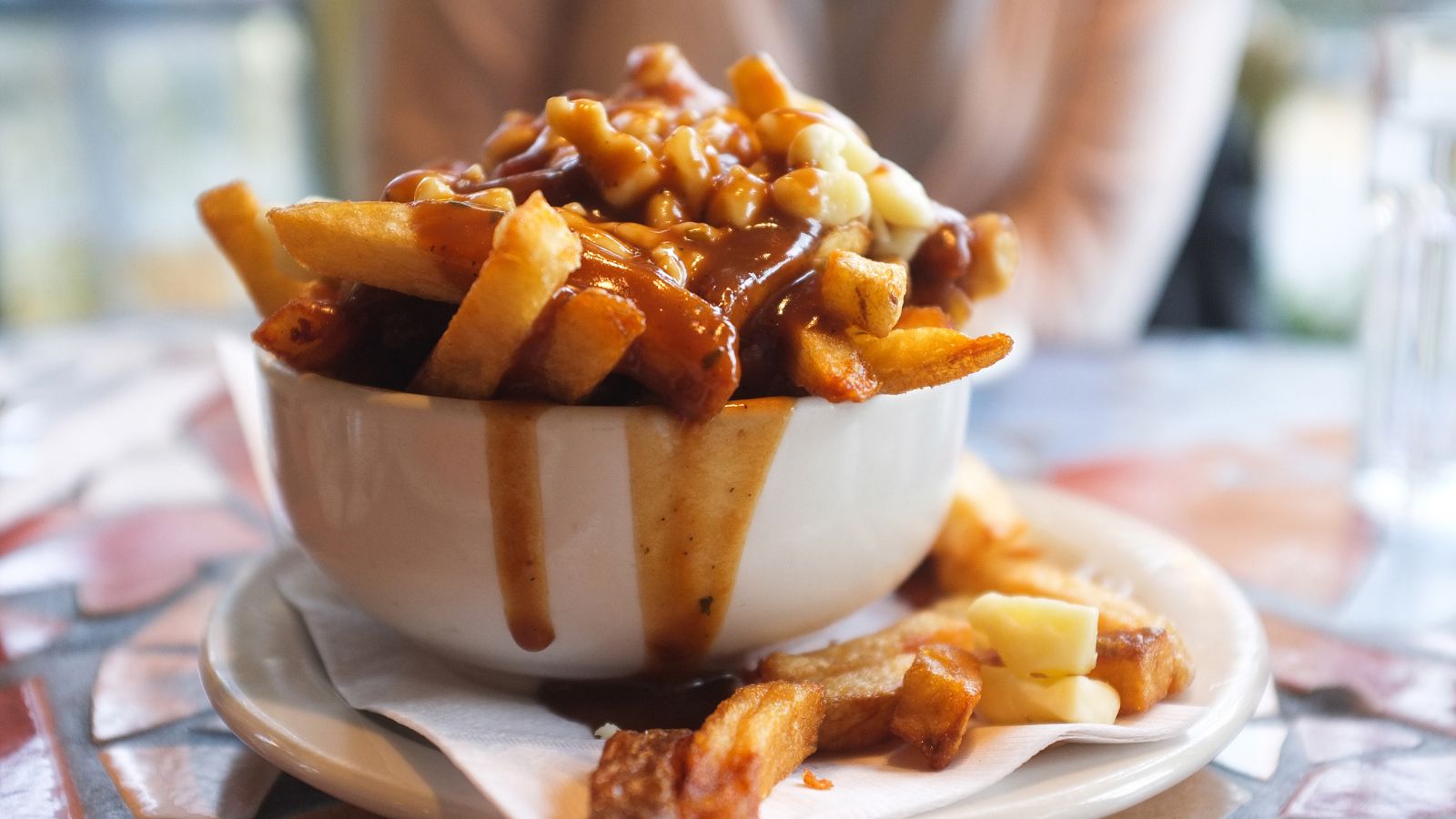
Poutine is adored in Canada. Fries topped with gravy and cheese curds seem completely reasonable. Americans usually stare before trying a bite. They expect it to taste strange and then discover that it tastes amazing. The dish started in Quebec and spread across the country until fast-food chains adopted it. International visitors struggle with the concept. Canadians eat poutine at hockey games, campuses, and late-night diners. Americans who discover it wonder why they do not have it everywhere.
Canada Has More Lakes Than the Rest of the World Combined
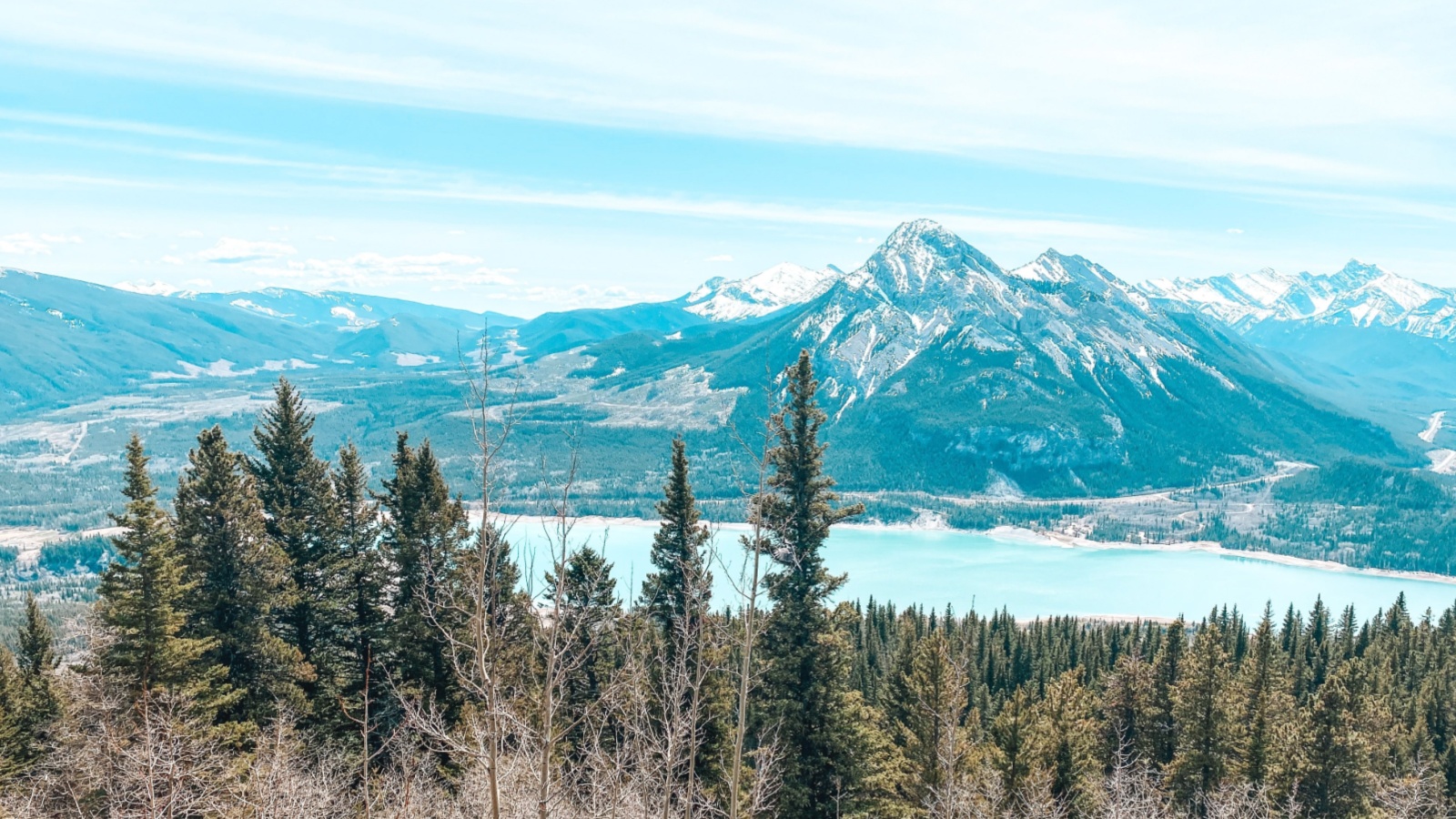
The number of lakes in Canada shocks Americans. There are roughly two million. Some are tiny. Some are enormous. Many are remote and can only be reached by floatplane. Americans traveling through northern Ontario or central Manitoba say the map looks like blue lace. The idea that one country could own most of the world’s freshwater lakes feels unreal. Canadians with cottages do not think twice. For them, summer means lakes. Americans compare it to owning endless waterfront property and shake their heads.
We Have To Know Both Fahrenheit and Celsius To Survive
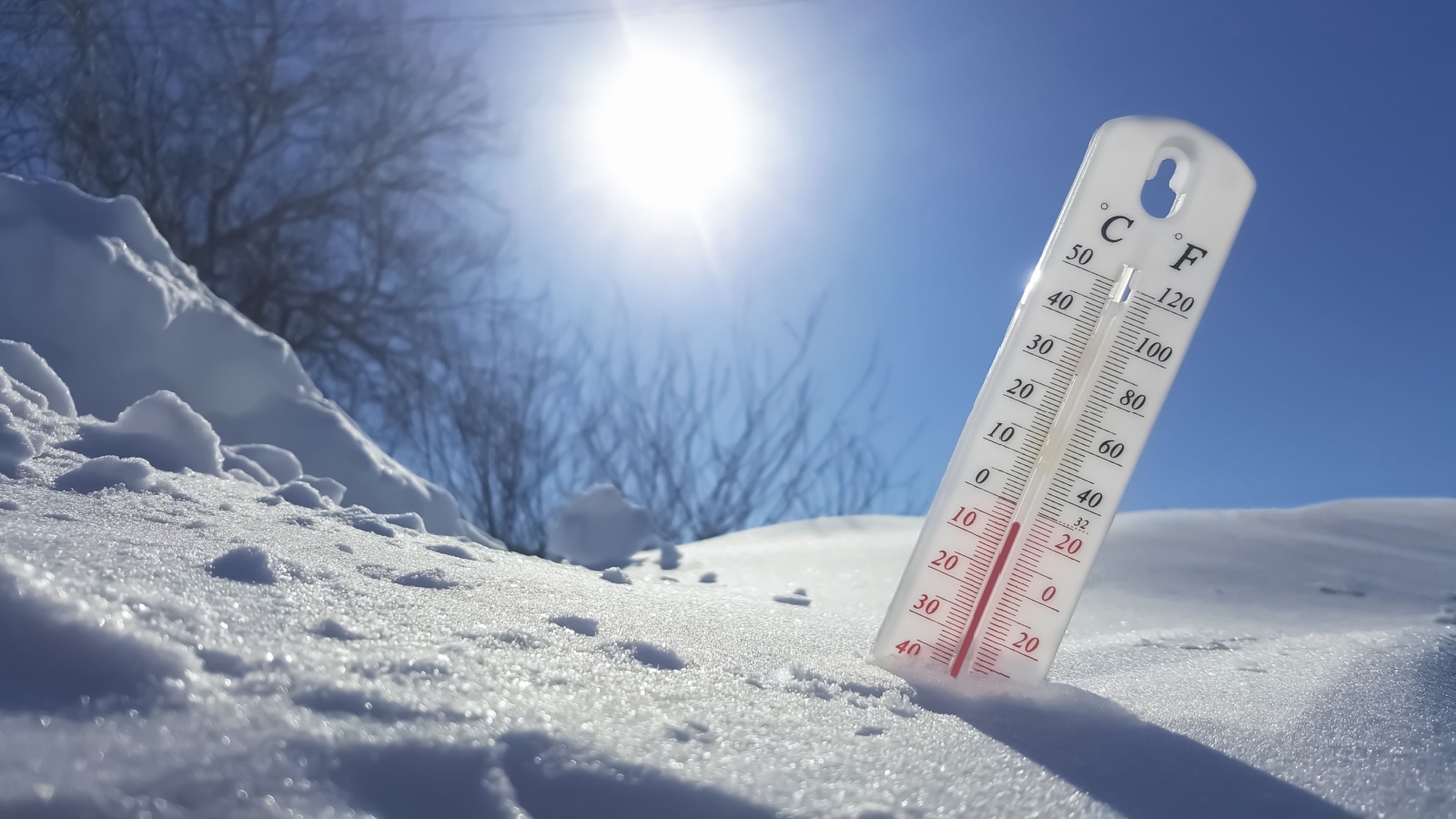
Canadians switch between Celsius and Fahrenheit with no warning. Weather apps show Celsius. Pool temperatures are often expressed in Fahrenheit. Ovens switch to Fahrenheit. Doctors sometimes use Celsius for body temperature. Americans visiting Canada feel confused because there is no official standard for daily talk. Canadians just read both and never question it. Temperature jokes fly every winter. “Minus 20 today but feels like minus 32” makes Americans panic. Canadians shrug and go get a coffee.
We Call Our Dollar Coins Loonies, and It Doesn’t Bother Us
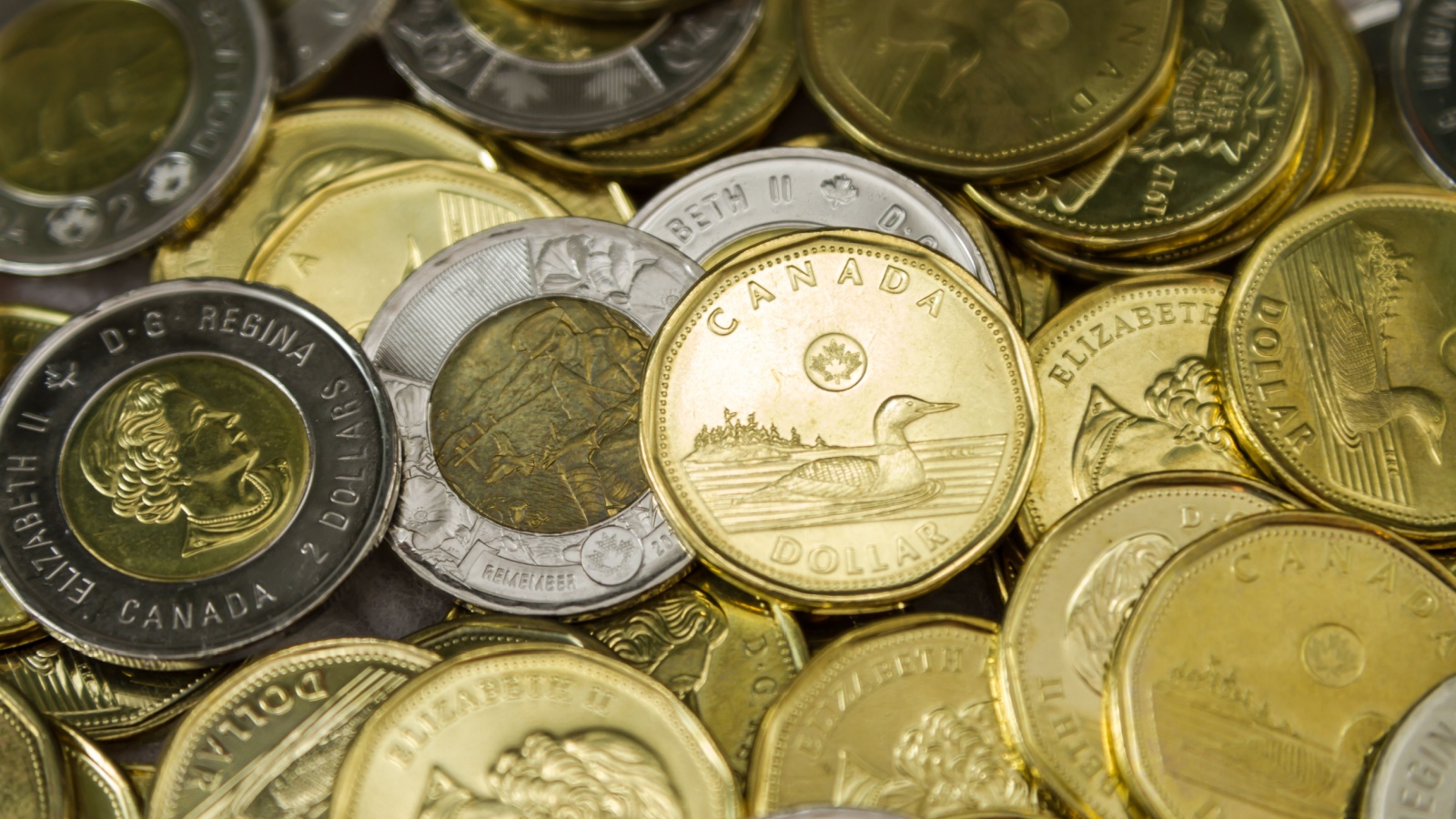
Americans are surprised when they hear a cashier say, “That’s five loonies.” Canadians do not blink. The loonie got its name from the common loon bird on the coin. Then the two-dollar coin became the toonie, and Canadians accepted it without a second thought. Americans visiting Canada often laugh out loud. The humor grows when Canadians talk about losing loonies in couches or dropping toonies at parking meters. Currency names that sound like children’s toys are normal here.
People Skate on the World’s Longest Outdoor Rink
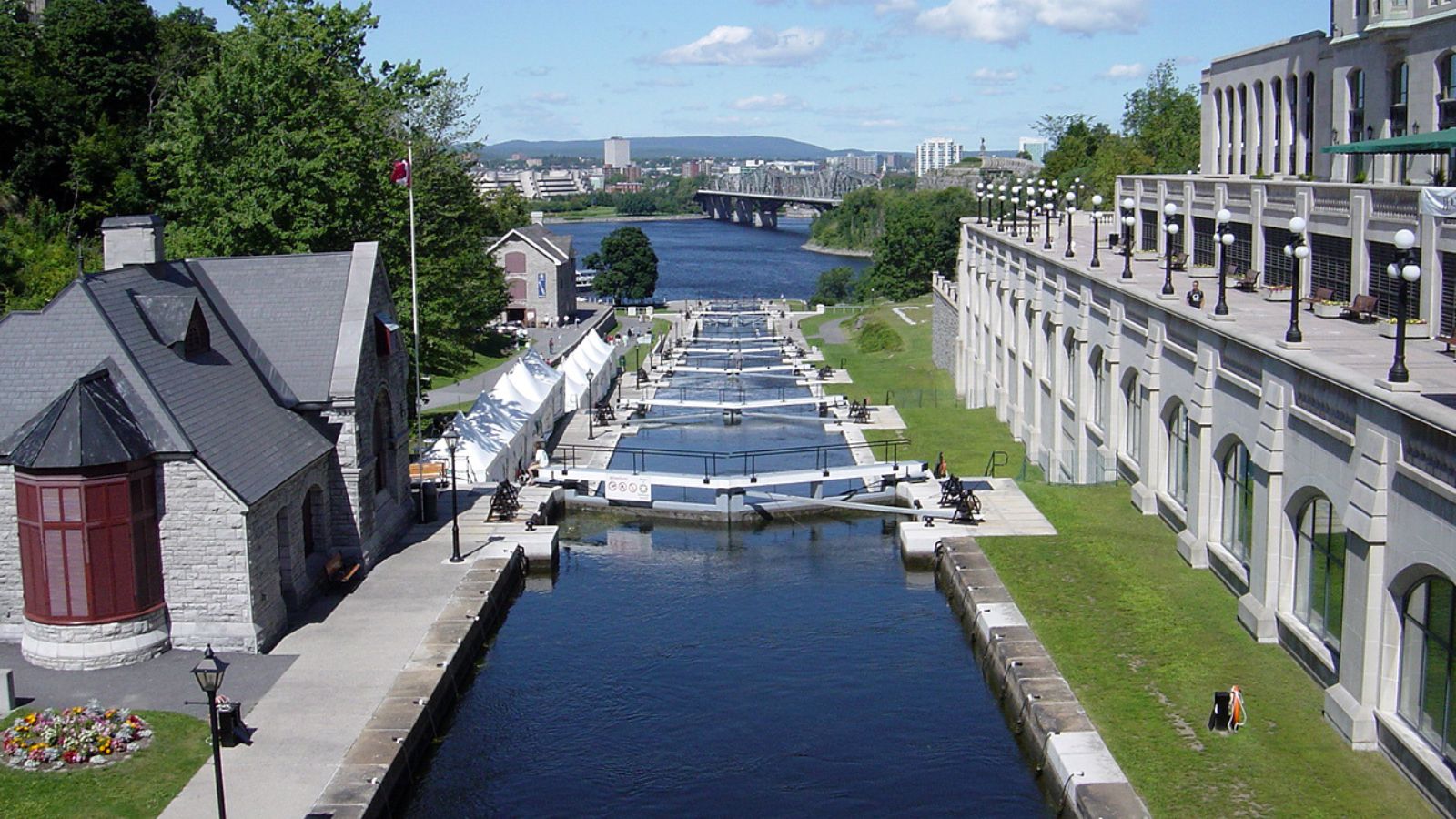
Ottawa’s Rideau Canal turns into a frozen highway each winter. People skate to work, school, and coffee stands. Americans visiting Canada in January are stunned to see commuters wearing skates instead of shoes. The canal stretches nearly eight kilometers and becomes a winter tradition. Workers clear snow from the ice instead of the roads along the canal. Food vendors serve hot chocolate and beaver tails on ice pads. No big city in the U.S. has anything close to a frozen morning commute like this.
Our Wild Geese Run Cities Like Tiny Winged Bosses
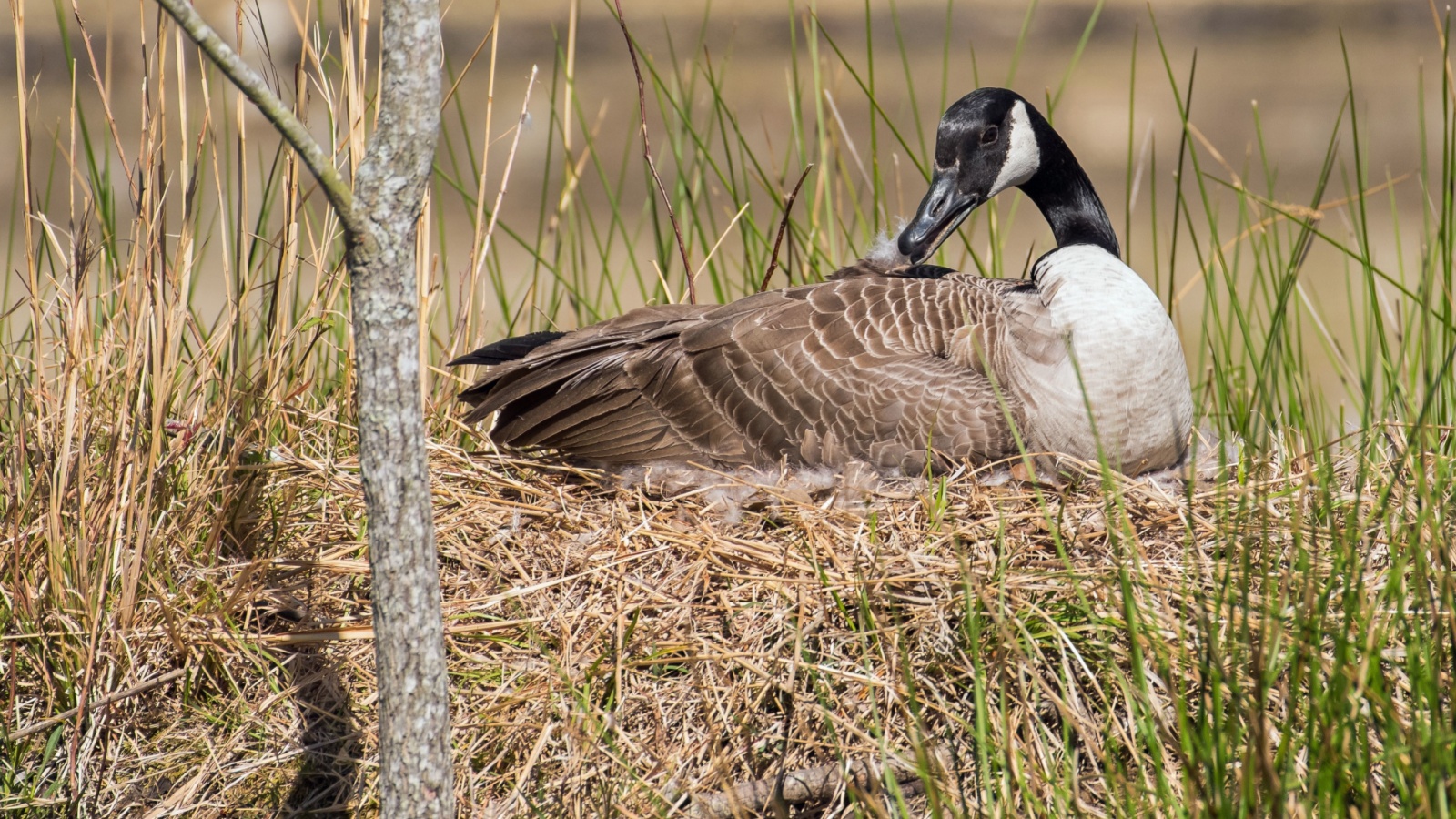
Canada geese behave like they own municipal property. They block sidewalks, parking lots, school yards, golf courses, and even office entrances. They stare people down and hiss at anyone who walks too close. They refuse to move for dogs or strollers. Spring nesting season turns every neighbourhood into a wildlife obstacle course. Cities warn residents not to disturb them because the birds come back every year and multiply. Americans expect birds to scatter around humans. Instead, they watch Canadians walk routes that avoid geese like it were a normal daily strategy. Canada bows to birds with confidence.
Milk Used To Come in Bags and Still Does in Some Places

Bagged milk continues to surprise Americans who see it stored in clear plastic containers inside fridges. A sealed bag goes into a reusable jug, and the corner gets cut with scissors. It is sold mostly in Ontario and the Maritimes, which creates heated debates during family road trips. Some Canadians think bagged milk creates less waste and costs less. Others insist cartons and jugs pour better. People argue passionately over a grocery item that outsiders barely notice. Americans stare at the bags and wonder why milk packaging became a regional rivalry. Canadians defend their method without hesitation.
We Eat Ketchup Chips, and They Are Not a Gimmick
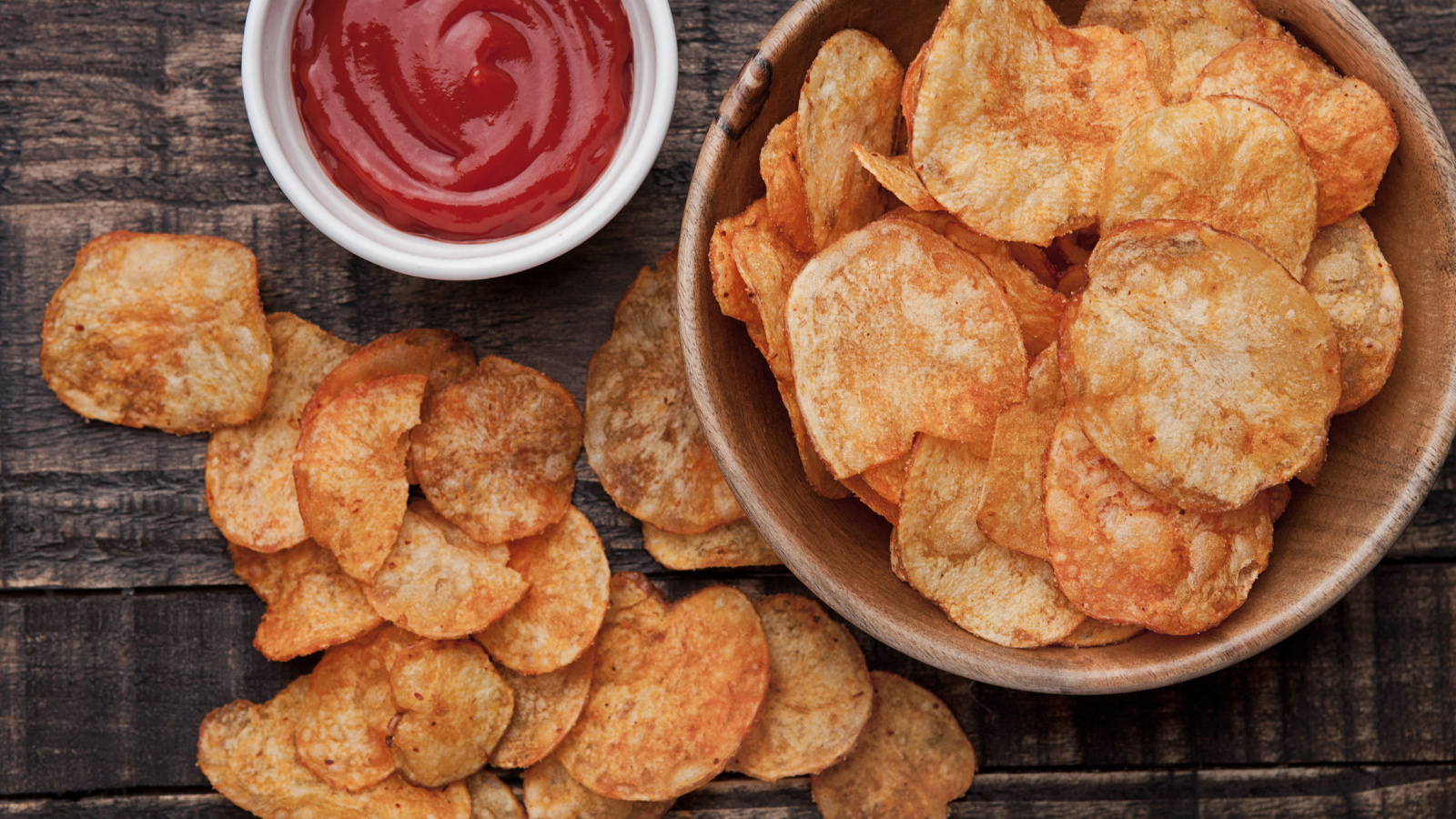
Ketchup chips are an essential Canadian snack that confuses every visiting American. The flavour sounds strange but becomes addictive quickly. The chips are tangy, salty, sweet, and bold. Entire grocery aisles offer different brands and seasonal varieties. Canadians grow up with them at school lunches, movie nights, camping trips, and hockey tournaments. Americans try one and instantly look shocked because they enjoy it far more than expected. Visitors often take multiple bags home since most stores in the United States do not carry them. Canadians feel proud and puzzled that such a basic snack never crossed the border.
We Have Two National Sports

Canada officially has two national sports, and Americans need time to process that. Hockey holds the winter title, and lacrosse holds the summer title. Most people assume hockey is the only national sport, so learning that there is another one surprises many. Lacrosse has a deep history in Canada with roots that go back long before hockey existed. Many kids learn both sports in recreation programs and summer leagues. Americans often need to check the facts online because it sound made up. Canadians barely think about it because the titles are part of school trivia and citizenship questions.
Gas Prices Display Cost per Litre, Not Gallon
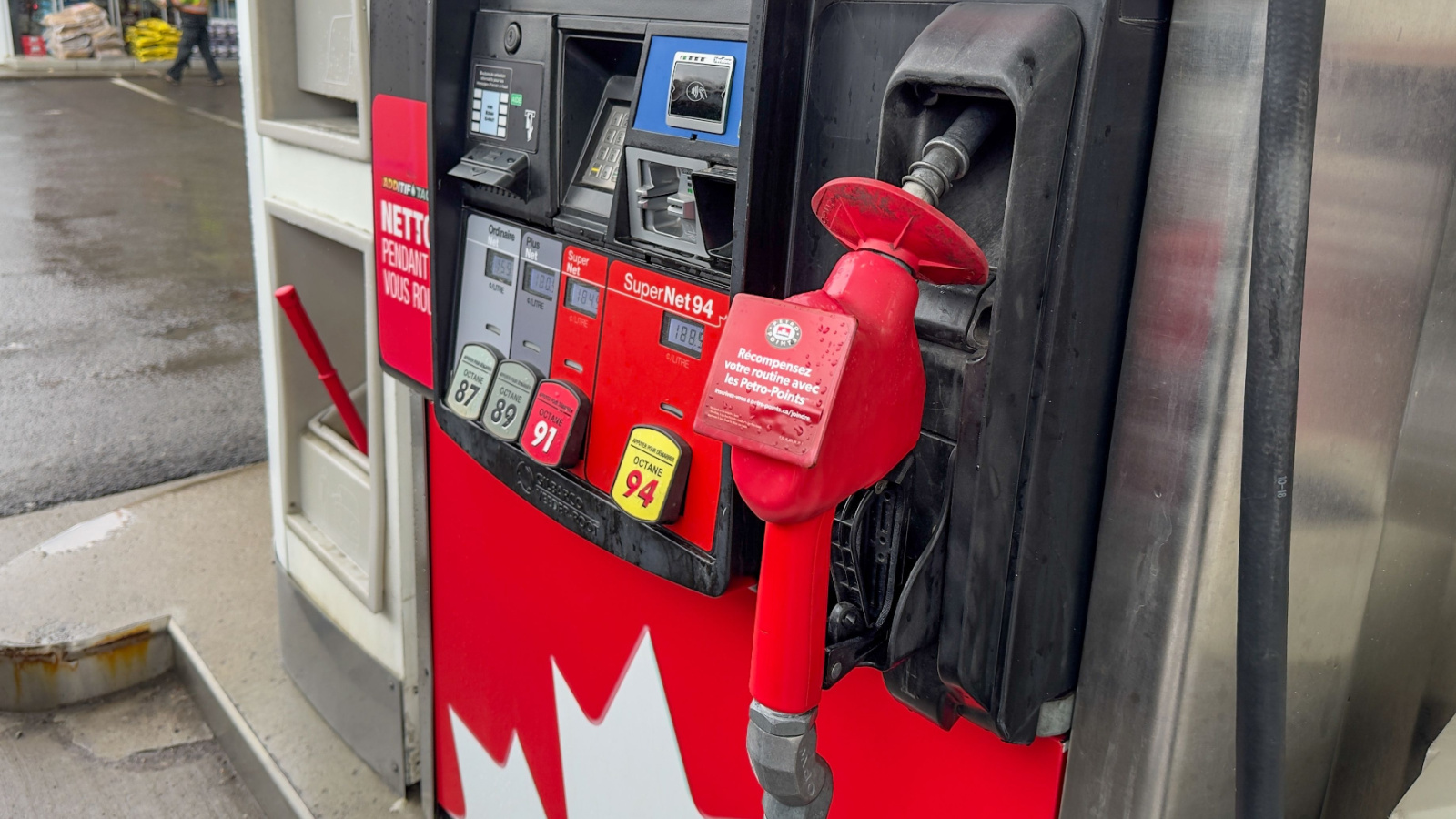
Canadian gas stations run on litres, and Americans panic when they first see the numbers. A sign showing $1.69 looks shocking until they realize it is not per gallon. Converting litres into gallons becomes a math headache during cross-border trips. Canadians do not calculate anything and simply complain about gas prices like everyone else. Car conversations always include “It was cheaper last week” and “The next town might be better.” Americans stay confused when each province shows different prices and taxes. Canadians understand the system instinctively and wonder why anyone finds the measurement complicated.
Maple Syrup Isn’t a Small Thing Here

Americans know Canada makes maple syrup, but rarely understand the scale and cultural value. Maple products are everywhere. Grocery stores sell maple butter, maple candy, maple cookies, maple tea, and maple coffee. The flag has a maple leaf for a reason. Quebec produces most of the world’s maple syrup and even keeps a strategic reserve to stabilize pricing in tough harvest years. Families tour sugar shacks every spring and eat maple poured on snow as a treat. Visitors feel stunned that syrup is both a business and a tradition. Canadians talk about it casually like the weather.
We Have Provinces and Territories, Not States
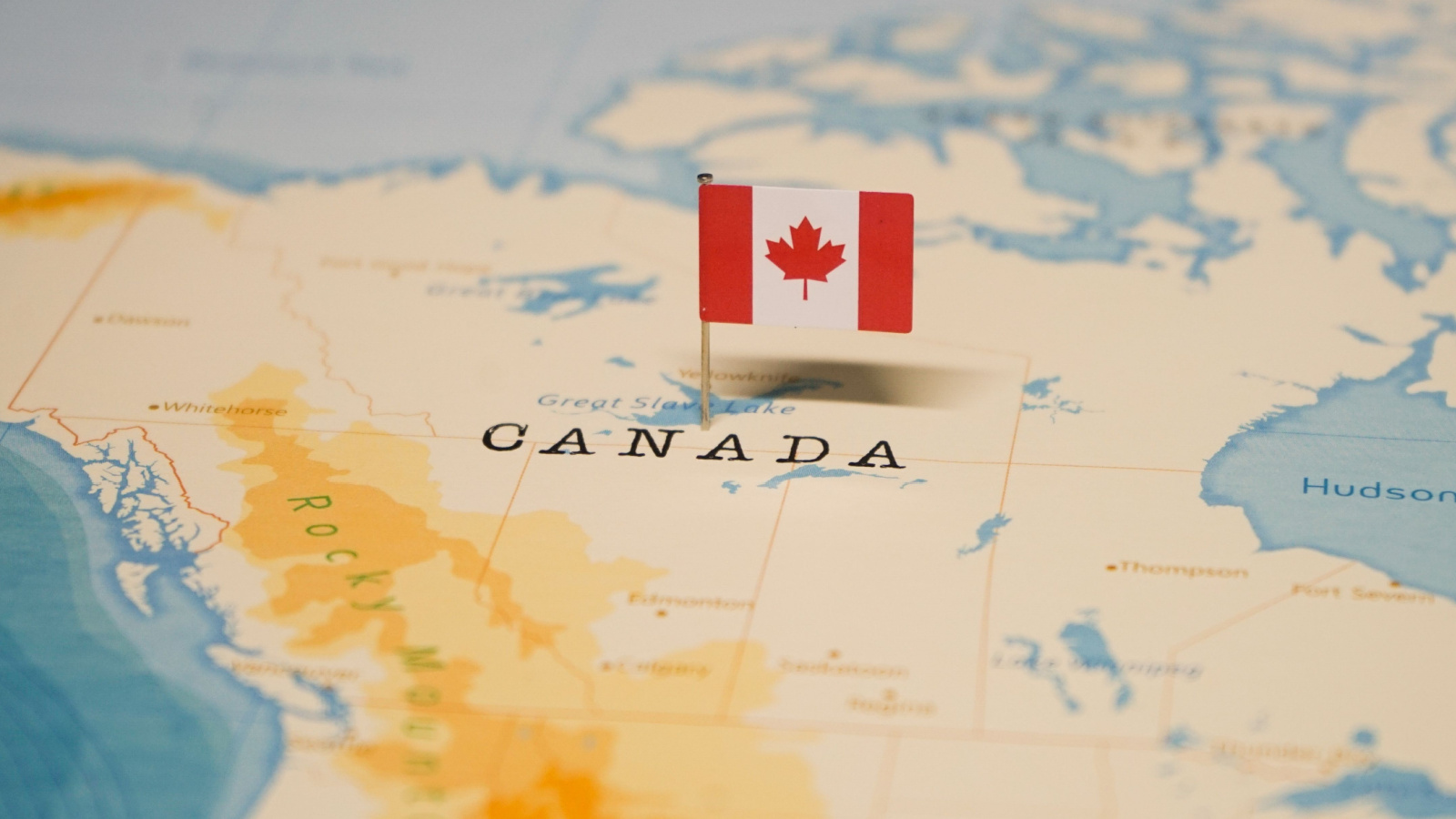
The moment Americans ask how many states Canada has, confusion begins. Canada is divided into provinces and territories instead of states. The difference is not just labels because provinces and territories operate under different constitutional frameworks. Each region has its own rules for health coverage, education, property laws, and liquor regulations. Canadians grow up knowing all 13 regions through school quizzes and maps. Americans sometimes try memorizing them and give up halfway. The structure surprises visitors because it feels familiar and unfamiliar at the same time. Canadians consider it a normal part of daily geography.
Cars Freeze Shut, and That’s Just Winter
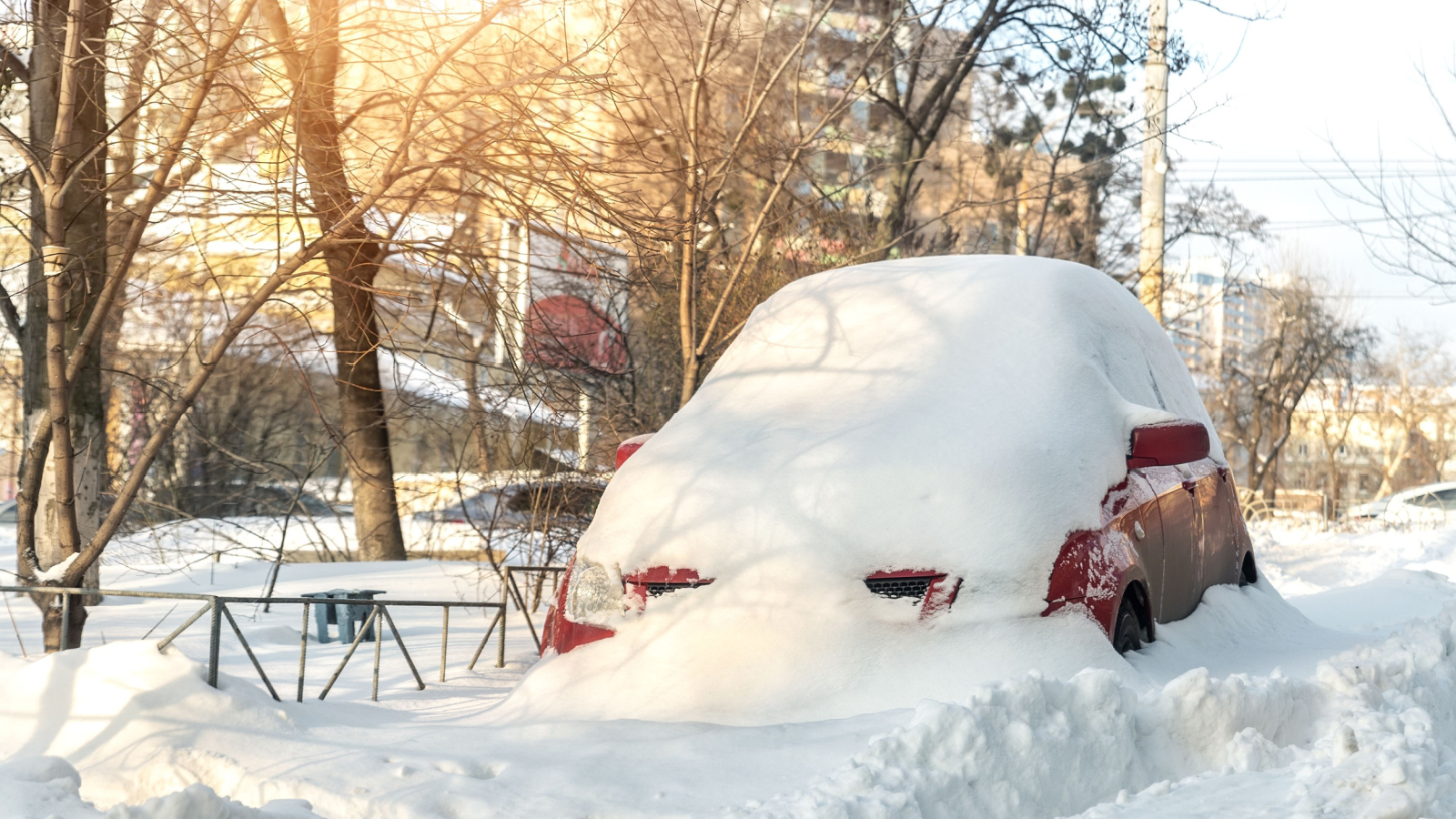
Americans think “my car door froze shut” means something dramatic happened. Canadians know it means the temperature dipped, freezing moisture around the frame. Winter mornings include scraping ice off windshields, warming engines, and tugging stubborn doors open. Windows often refuse to roll down, and gas caps stick closed. Remote starters, door seal sprays, and ice scrapers live in every vehicle. Schools and workplaces expect late arrivals during ice storms because cars simply do not cooperate. Americans wonder how people survive this. Canadians take a breath, bundle up, and go about their day with little hesitation.
Buying a House Requires Decoding Zoning Acronyms
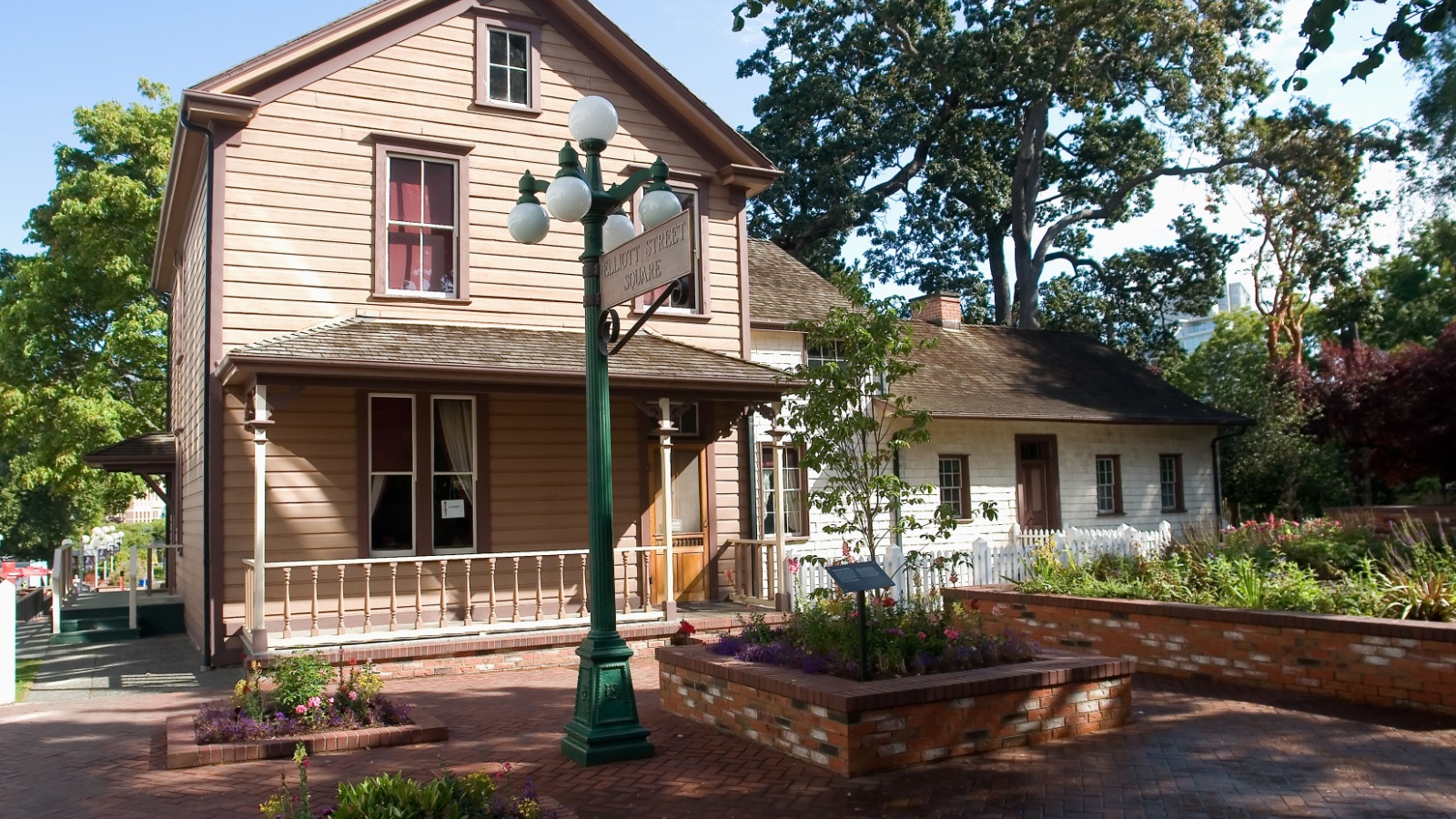
Canadian real estate listings read like puzzles to Americans. A typical listing might mention SFH, strata bylaws, crown title rights, assessed value, RM3 zoning, or freehold status. Every province has its own property rules and terminology. Even Canadians need time to decode listings when moving between regions. Prices in cities like Toronto, Vancouver, and Victoria shock Americans who compare them to entire homes in their own suburbs. Conversations about bidding wars, inspection conditions, and closing delays sound overwhelming. Canadians look exhausted because buying property feels like a marathon. Americans stare and wonder how anyone does it.
Our Police Drive Snowmobiles in Some Areas
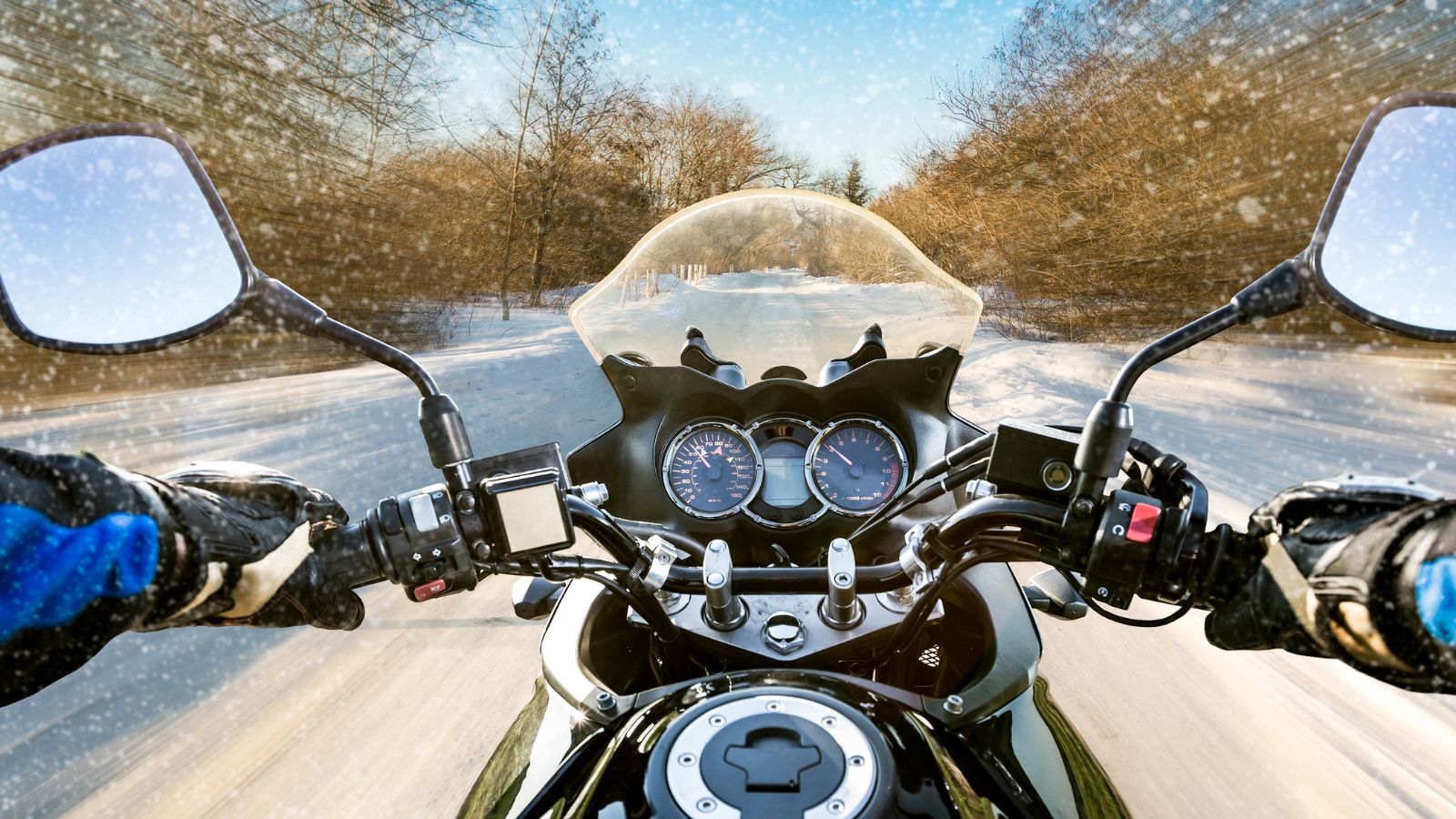
In remote or northern parts of Canada, regular police cars cannot access winter terrain. Snowmobiles become necessary for patrols across frozen lakes, wooded trails, and snow-covered roads. Americans are stunned because they rarely associate law enforcement with snowmobile operations. Police respond to emergencies, missing person calls, and winter accidents using machines designed to handle deep snow. Officers in these regions train for cold-weather rescue and navigation. It seems unusual to outsiders, but it keeps people safe in isolated communities. Canadians accept it without surprise because the environment leaves no alternative.
We Have Towns With Polar Bear Warnings

Americans cannot imagine receiving alerts about polar bears near neighbourhoods. Churchill, Manitoba, experiences that reality. Residents follow strict safety rules because bears wander close to town and sometimes into populated areas. Schools teach children what to do if they see one. Conservation teams monitor bears and transport them to a holding facility if they get too close. Tourists visit, hoping to glimpse wildlife, but quickly understand the danger. Canadians view Churchill with pride and caution because the community coexists with something powerful and unpredictable. Americans have been telling stories about it for years because it sounds unreal.
French and English Road Signs Are Standard
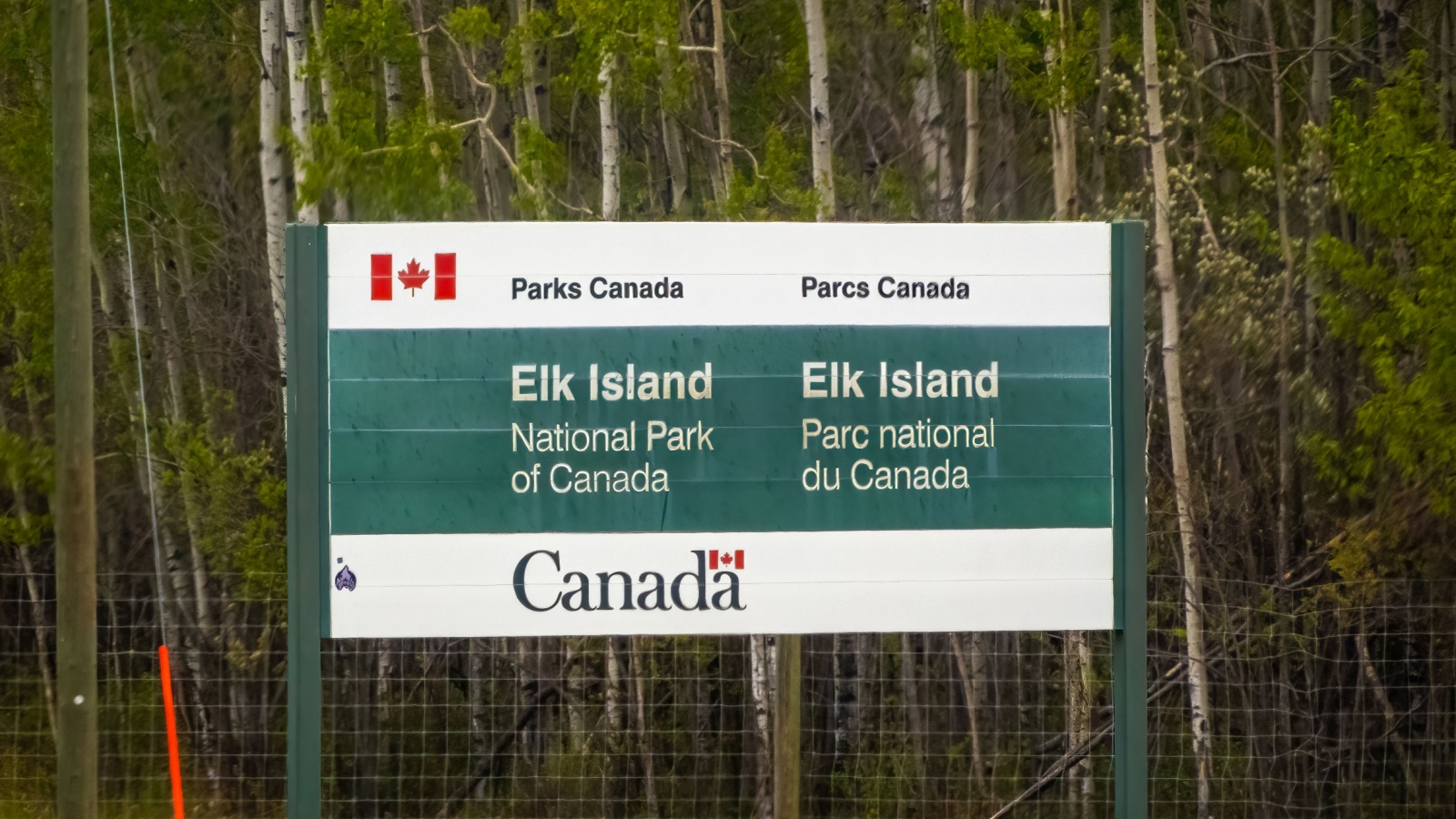
Bilingual road signs surprise Americans driving through Canada, especially in Quebec and New Brunswick, where French appears first. Directions, street names, highway exits, and warnings show two languages. Canadians switch mentally without thinking because schools teach bilingual awareness early. Parents take road trips, flipping between French and English to explain directions to kids. Americans sometimes experience panic on the road because they cannot process signs quickly enough. It becomes easier with time, but the first drive can be tense. Canadians wave it off since they are familiar with both languages, even if they do not speak both fluently.
We Consider Winter Tires a Personality Trait

Winter tires are taken seriously in Canada. Some provinces require them legally for certain highways and dates. Others allow drivers to choose, but strongly recommend them because stopping distance changes drastically when temperatures drop. Canadians discuss tire brands, tread patterns, and rubber compounds during the fall. People book installation appointments weeks ahead because shops fill quickly. Americans visiting Canada sometimes assume that snow tires are only for extreme blizzards, not ordinary winter driving. Canadians understand that icy roads and black ice appear without warning. Conversations about winter traction become passionate because safety depends on preparation.
We Have Drive-Through Tim Hortons Lines Longer Than Highways
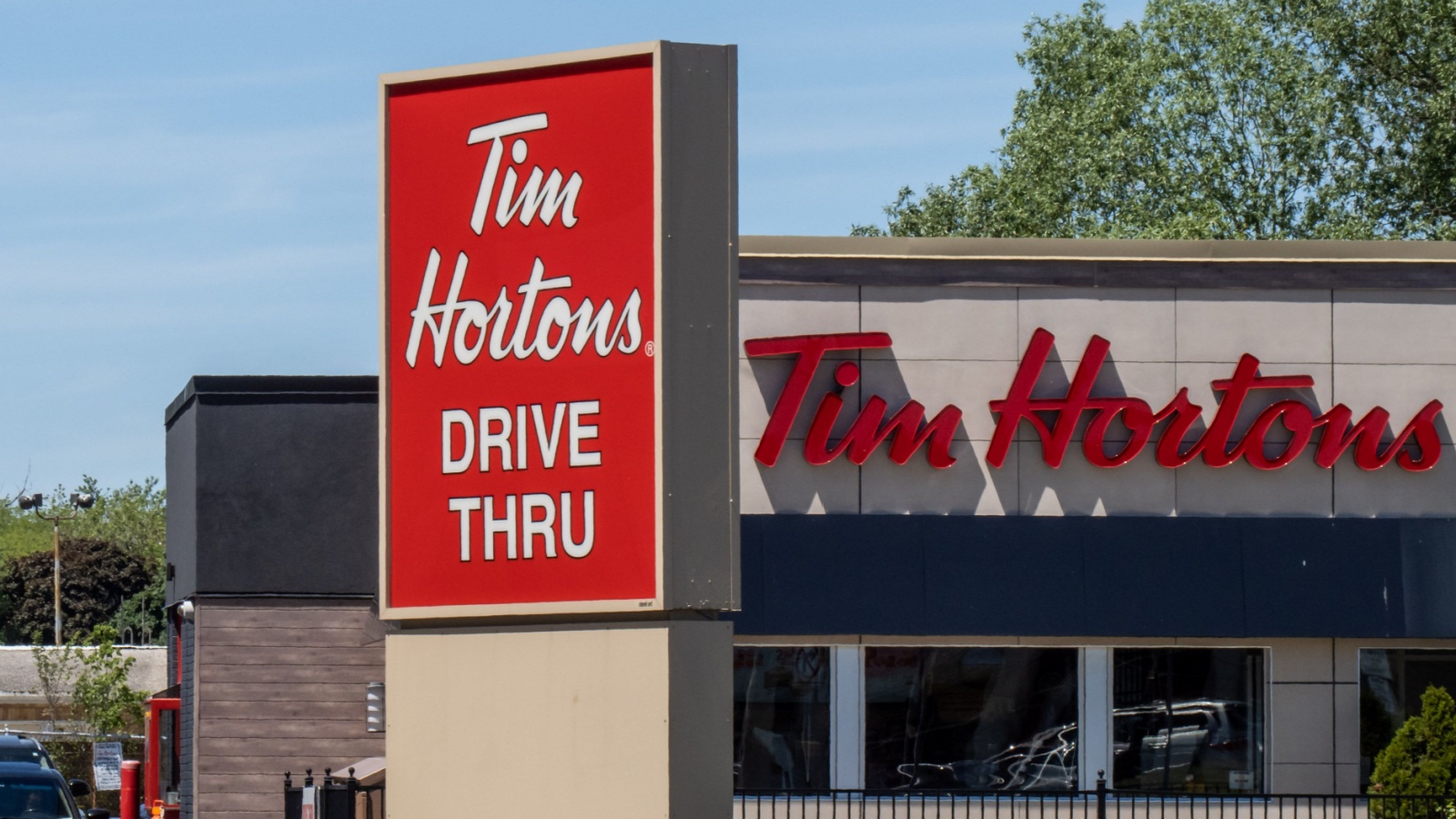
Tim Hortons defines the morning routine for millions of Canadians. People wait through long lines for double-doubles, breakfast sandwiches, and Timbits, even during blizzards. Drive-through lineups often wrap around buildings and spill into streets. Americans question the patience and dedication because they expect coffee rushes to move faster. Canadians defend the ritual because it is tied to memory and habit. Sports teams meet there. Work crews start shifts there. Families grab treats there after grocery runs. The brand is woven into ordinary life, and that loyalty confuses outsiders who do not feel the connection.
Our Wildlife Crossing Signs Look Like Comic Strips
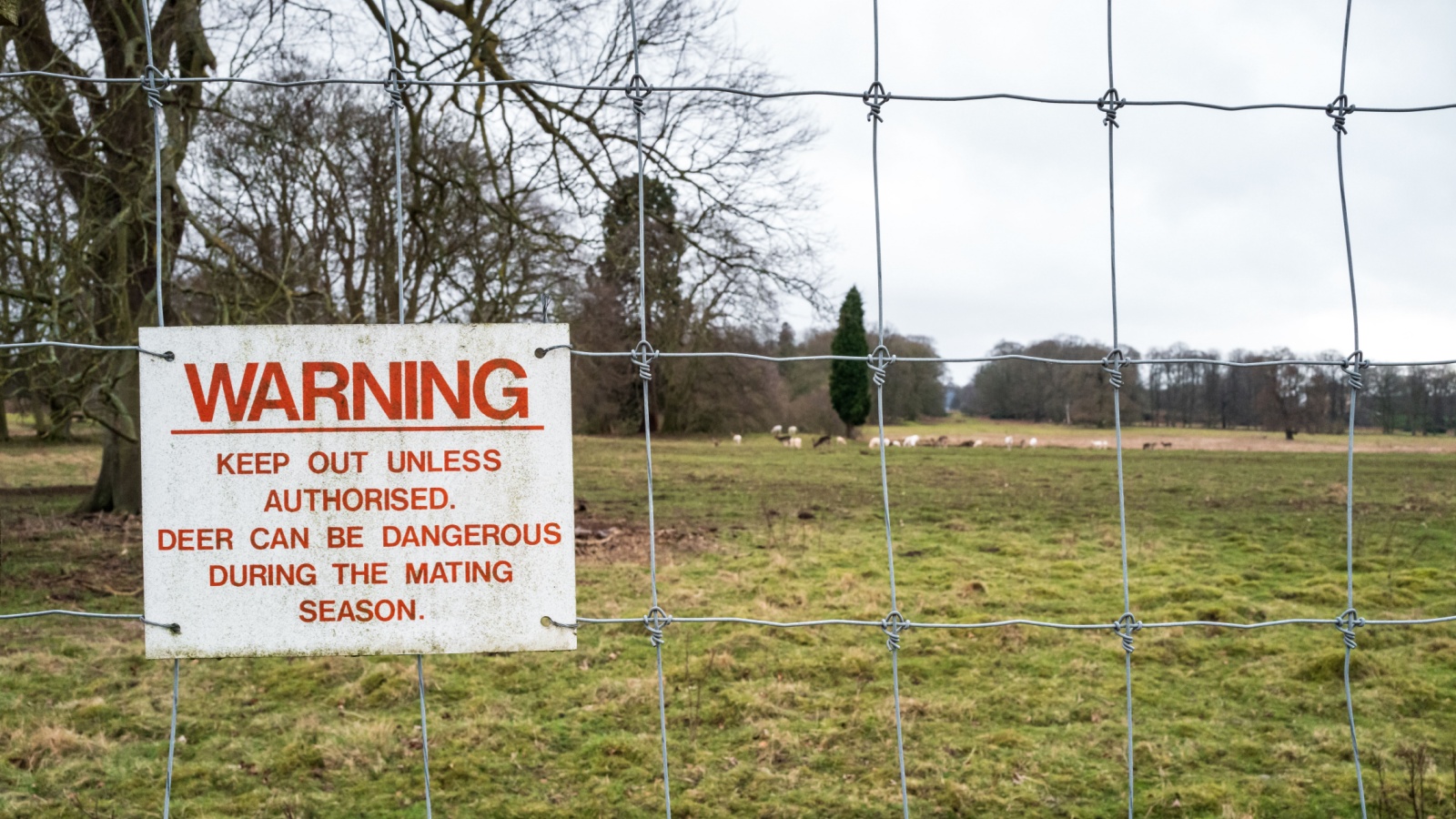
American highways usually show deer symbols and little else. Canadian roads feature warning signs for moose, elk, bears, caribou, and bison, depending on the region. Some signs display multiple animals in one area. Tourists pull over to take photos because the artwork feels dramatic and memorable. Canadians understand that hitting a moose can destroy an entire vehicle. Mountain driving comes with reminders about avalanche zones and animal migration patterns. Americans rarely expect highways to feel like wilderness maps. Canadians do not question it because wildlife is part of driving reality, especially in rural and northern regions.
We Eat Donuts From Chains That Aren’t Krispy Kreme
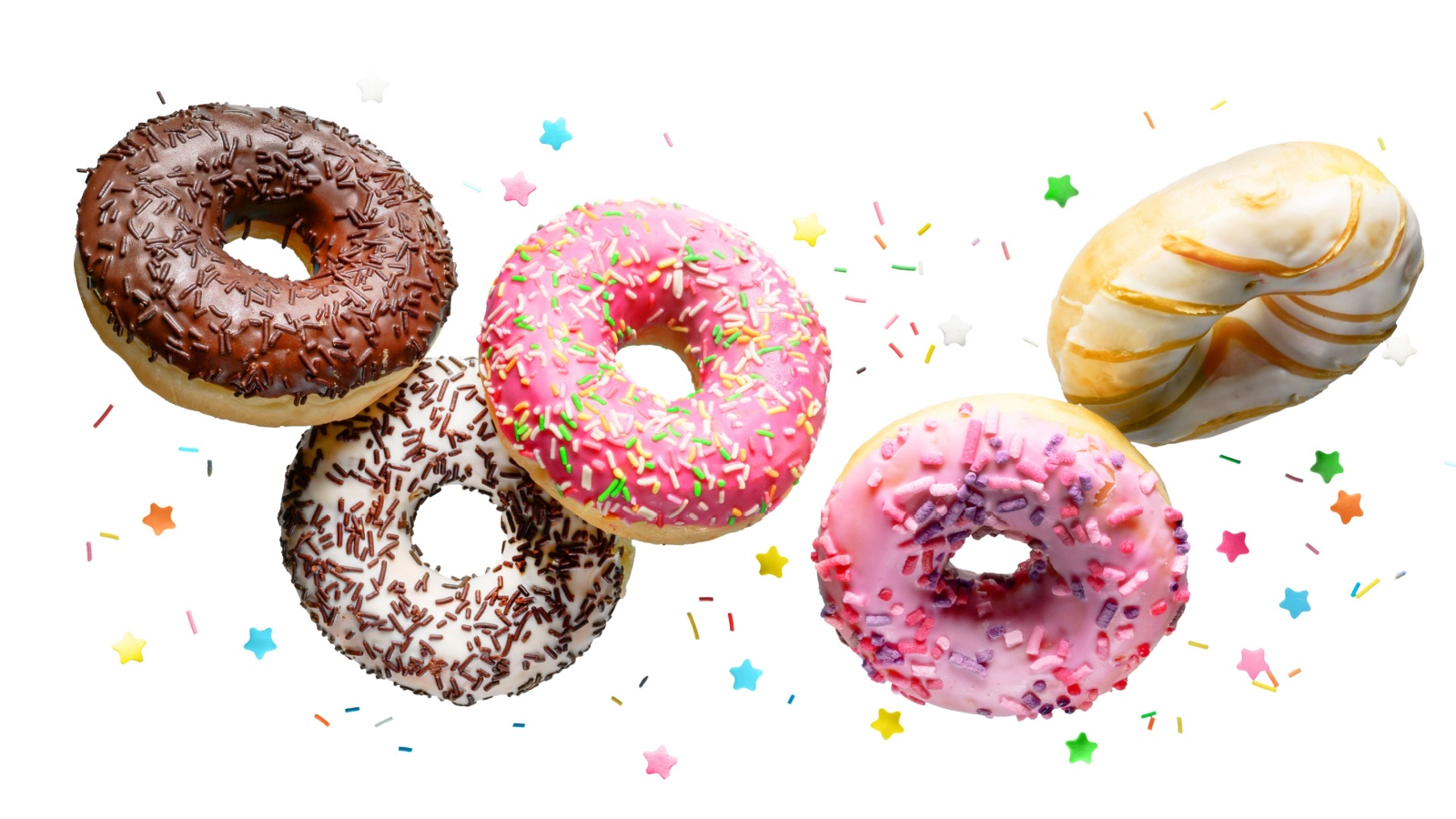
American visitors often assume Krispy Kreme and Dunkin’ dominate Canada. They quickly discover that donut culture here has its own brands and favourites. Tim Hortons leads the list, but regional chains like Robin’s Donuts and Country Style are also part of the landscape. Many towns have independent donut shops that outrank chains in local loyalty. People argue about the best donut like sports fans argue about teams. The maple dip, walnut crunch, and classic honey glazed inspire debates. Americans watch this passion with interest because the attachment feels personal. Canadians enjoy every piece without overthinking it.
We Have National Parks Bigger Than U.S. States
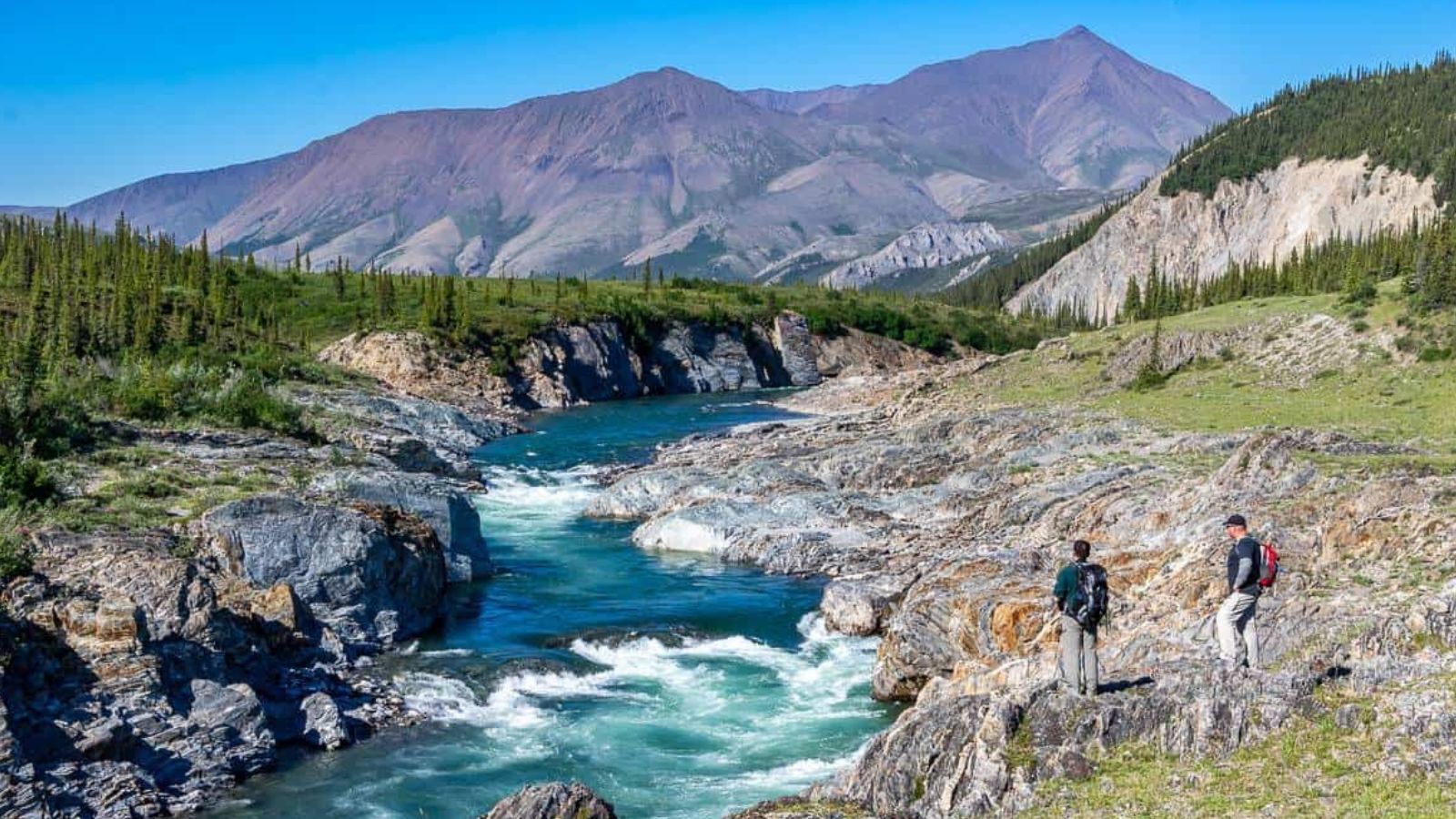
The scale of Canadian national parks shocks Americans. Wood Buffalo National Park stretches across more than 44,000 square kilometres. It is larger than several individual U.S. states. Wilderness in Canada feels endless because hiking trails, canoe routes, glaciers, and forests reach far beyond populated areas. Camping often means no cell service and no lights except stars. Americans used to crowded parks stare at maps and wonder how a single country could protect so much land. Canadians appreciate the space but sometimes take it for granted because many grew up visiting campgrounds and lakes every summer.
We Tip Like Americans but Argue About It More

Many Americans assume tipping is lower in Canada. It usually matches or exceeds U.S. expectations. Servers depend on tips the same way they do across the border. Canadians debate tipping constantly. Some people think 18 percent is fair. Others want 20 percent or more. Mandatory gratuity charges spark arguments online. New payment machines ask for preset percentages that cause stress at tables. Americans visiting Canada feel surprised that tipping culture mirrors their own, especially after hearing myths that Canadians never tip. Canadians continue arguing about etiquette while still tipping almost every time.
We Have Provinces Where Nobody Locks Their Doors

Some rural areas in Canada operate on trust rather than locks. Families leave doors open when stepping out briefly because everyone knows each other. Neighbours check on houses during storms, vacations, and emergencies. Community safety depends on relationships rather than alarms. Americans hear this and react with disbelief because most U.S. regions rely heavily on locks, cameras, and layered security. It is not about being careless. It is about feeling protected within a close community. Visitors learn quickly that small-town Canada functions differently from large cities. Canadians admire the comfort that comes from shared responsibility.
22 Groceries to Grab Now—Before another Price Shock Hits Canada

Food prices in Canada have been steadily climbing, and another spike could make your grocery bill feel like a mortgage payment. According to Statistics Canada, food inflation remains about 3.7% higher than last year, with essentials like bread, dairy, and fresh produce leading the surge. Some items are expected to rise even further due to transportation costs, droughts, and import tariffs. Here are 22 groceries to grab now before another price shock hits Canada.
22 Groceries to Grab Now—Before another Price Shock Hits Canada
