
Canada has a reputation for being calm, polite, and predictable, but tourists discover something different when they arrive. They expect snow, hockey, and maple syrup stunts, yet everyday Canadian habits leave them puzzled. Visitors watch locals apologize to inanimate objects, carry giant coffees everywhere, and call milk by a number as if it is a secret code. Here are 19 everyday things Canadians do that completely confuse tourists.
Saying “Sorry” even when nothing happened

Tourists are baffled when Canadians apologize for situations that are not their fault. Someone bumps into a Canadian, and the Canadian says sorry first. People apologize to doors, chairs, and kitchen counters after walking into them. The word becomes a reflex more than a sentence. It works during disagreements, awkward moments, or even humor. Visitors often think Canadians feel guilty, but the habit just smooths out conversations. Once tourists stay long enough, they sometimes start saying sorry without realizing it, which surprises them even more and creates a funny sense of belonging in a very Canadian way.
Forming very calm and patient lineups
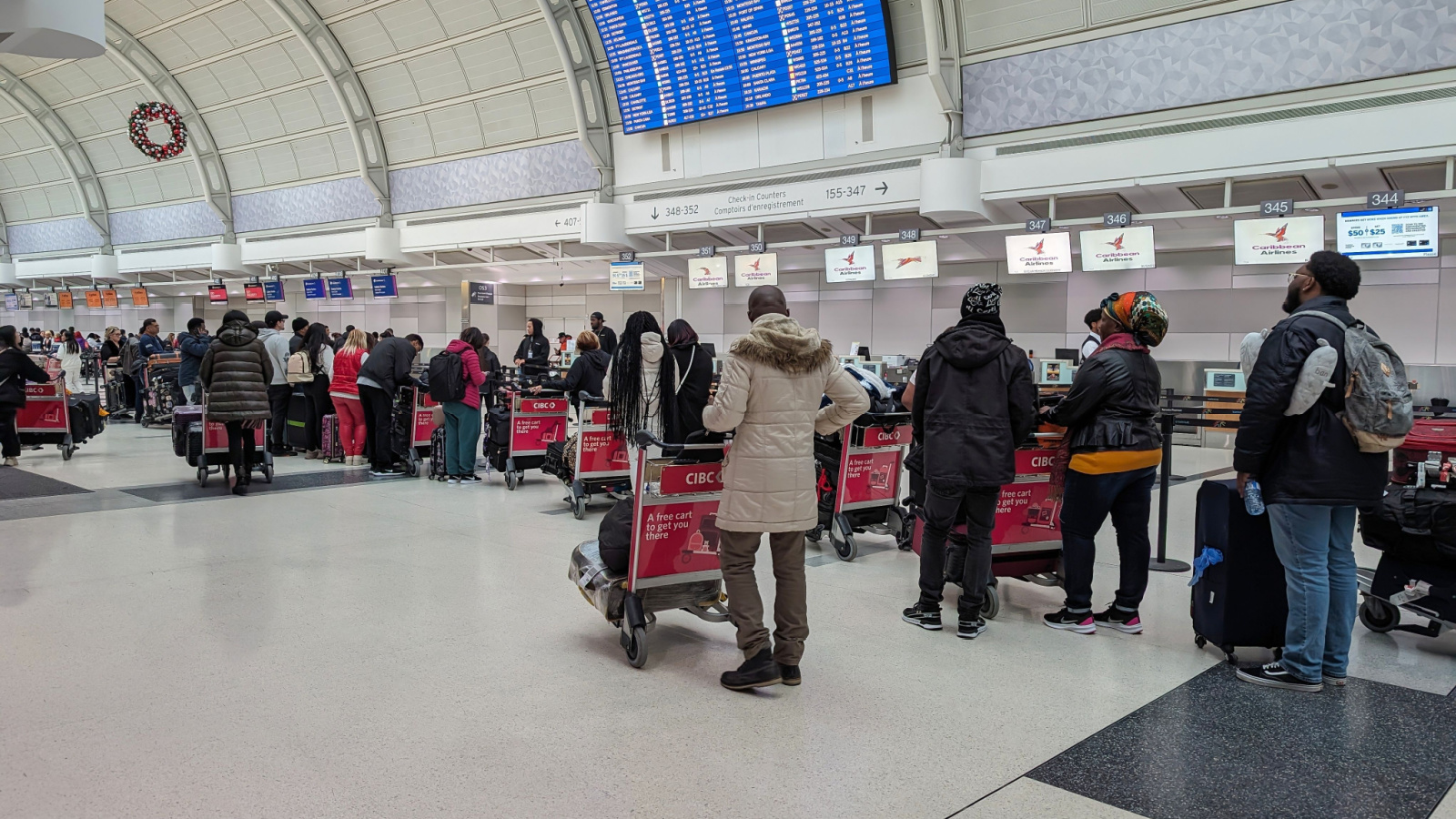
Tourists cannot believe how quietly Canadians line up for almost anything. People wait their turn at clinics, coffee shops, pharmacies, street vendors, and even portable washrooms during events. No one cuts ahead or argues about waiting times. Most people simply check their phone or chat politely until they reach the front. If someone accidentally jumps ahead, they apologize and move back without drama. Visitors from faster or louder cities often feel uncomfortable at first. Over time, they start enjoying the unusual calm and sometimes miss it after returning home, especially when faced with chaotic public spaces elsewhere.
Treating “loonie” and “toonie” like normal words

Tourists stare blankly when they first hear Canadians refer to money using cartoon-like names. Visitors expect bills for one and two dollars, not coins. Newcomers end up holding a handful of unfamiliar coins while trying to guess their value during checkout. Meanwhile, Canadians move quickly and toss a toonie into a donation bin like it is totally ordinary. Some tourists think the names are jokes or regional slang at first. Eventually, they start using the words without noticing. The moment they return home and attempt to use the same terms with friends becomes a confusing and entertaining memory.
Walking around in winter while drinking iced coffee

Tourists often assume winter means hot drinks only. Instead, they watch Canadians walking outside in freezing temperatures holding iced coffees like portable trophies. People sip cold beverages during snowstorms as if the weather barely exists. It becomes even more confusing when iced drinks appear at outdoor winter markets, ski hills, and New Year’s street events. Visitors usually warm their hands on hot chocolate while locals carry giant iced lattes that look impossible to enjoy during harsh weather. It creates a funny contrast between survival mode and complete comfort. For Canadians, temperature does not decide their coffee order.
Talking about milk using percentages instead of size

Tourists enter Canadian grocery stores expecting to find regular milk sizes. Instead, they face a dairy aisle covered in numbers. Canadians buy 1 percent milk, 2 percent milk, or 3.25 percent milk without hesitation. Visitors think the percentage refers to a completely different detail. Many ask store clerks for “normal milk” and receive more questions than answers. It becomes a small cultural puzzle that returns each time they go shopping. Canadians talk about milk numbers casually, which makes tourists feel left out at first. The system does make sense later, but the learning curve always feels unexpected.
Holding doors for strangers who are nowhere near the entrance
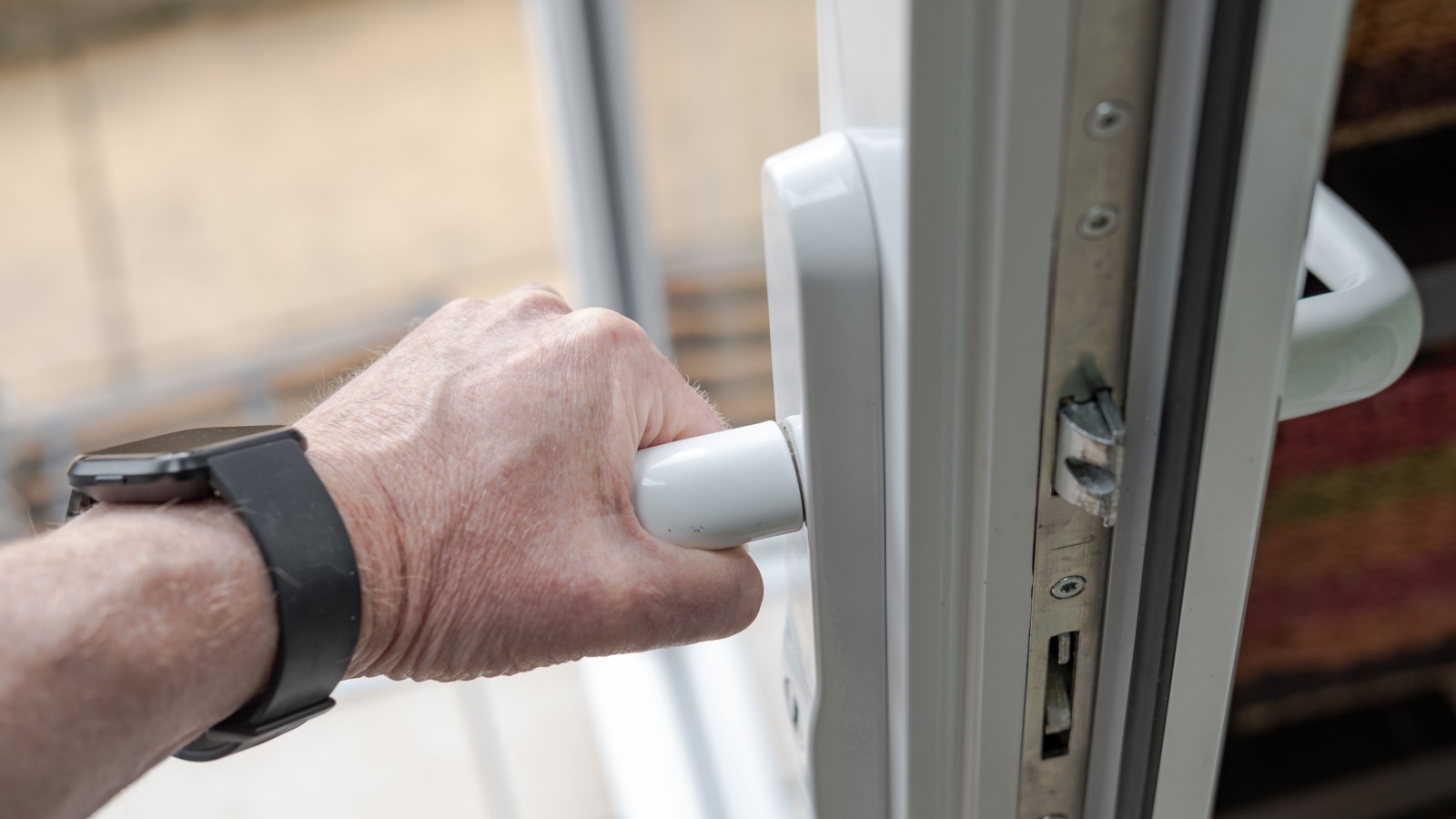
Tourists try to understand why Canadians hold doors open for people who are still very far away. The gesture is polite, but it creates a funny moment where the stranger feels pressured to walk faster. If the person rushes, the Canadian apologizes. If they do not rush, the Canadian waits anyway. Visitors sometimes hesitate because they are not used to such habits in daily life. Eventually, they start opening doors early as well, and they laugh when they realize they have adopted the same routine without intending to. It becomes another memorable cultural adjustment for newcomers.
Calling every tissue box “Kleenex” regardless of the brand
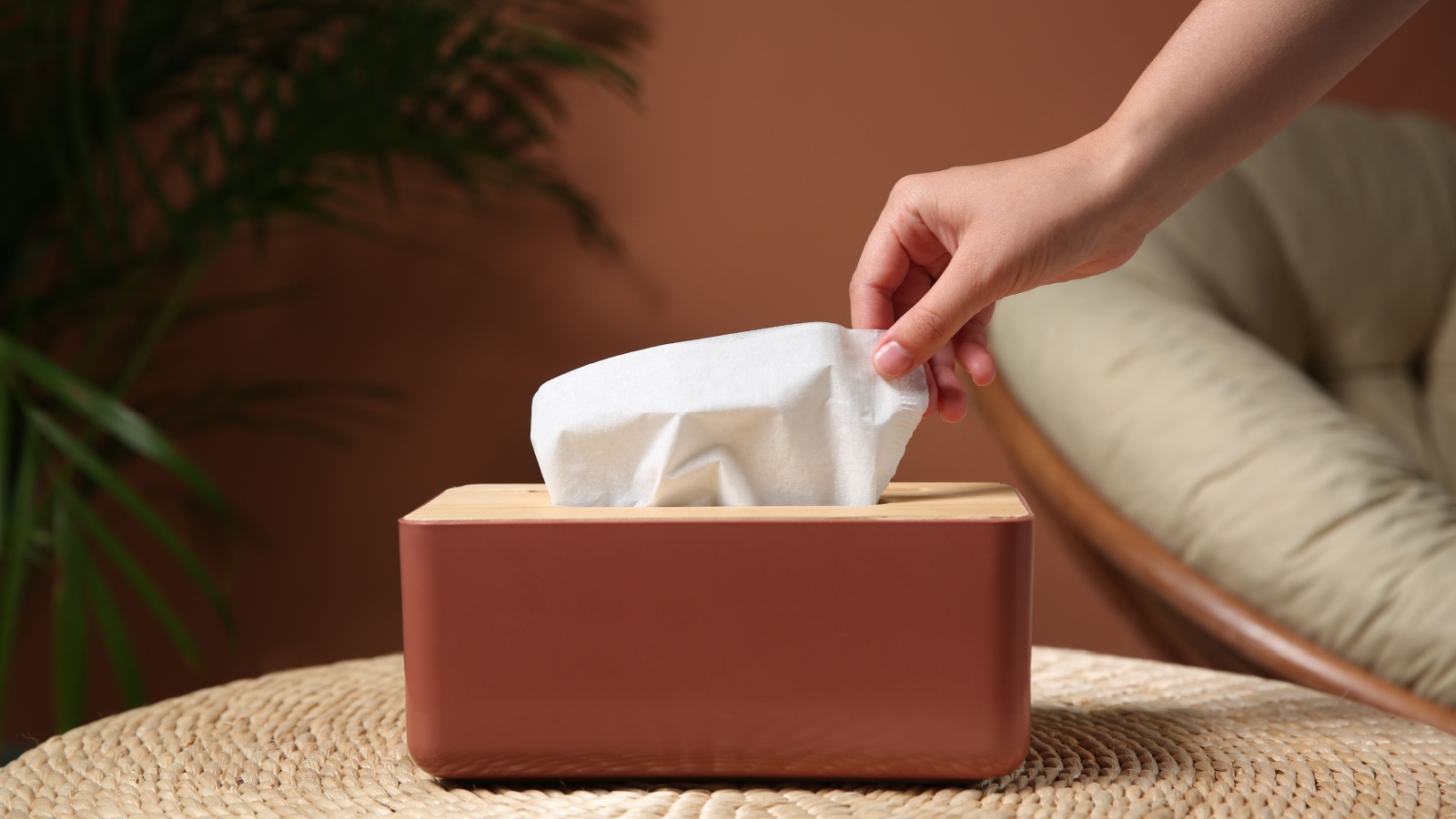
Tourists become confused when they ask for tissues, and Canadians automatically say Kleenex. The name sticks so strongly that many people forget it is a brand. Newcomers search store shelves and struggle to pick the right box because every package looks similar, and the word tissue rarely appears in conversation. Friends ask for a Kleenex even when the box clearly shows a different brand. Visitors eventually give up and say Kleenex like everyone else. The shift happens so casually that they do not realize when it started. It shows how deeply the nickname is ingrained in daily speech.
Wearing shorts outdoors during cold months

Tourists panic when they see people wearing shorts during freezing temperatures. They assume those individuals forgot to check the weather or hurried out the door. In reality, many Canadians say the temperature feels mild compared to earlier weeks. Teenagers walking to school in sneakers and shorts become a common winter sight. Visitors bundled in heavy coats stare in disbelief. Some try to copy the behavior once but usually regret it immediately. Canadians insist they are comfortable, which confuses travelers even more. It becomes one of the clearest signs that locals experience winter differently from almost anyone else.
Ending sentences with “right?” or “eh?” instead of asking direct questions
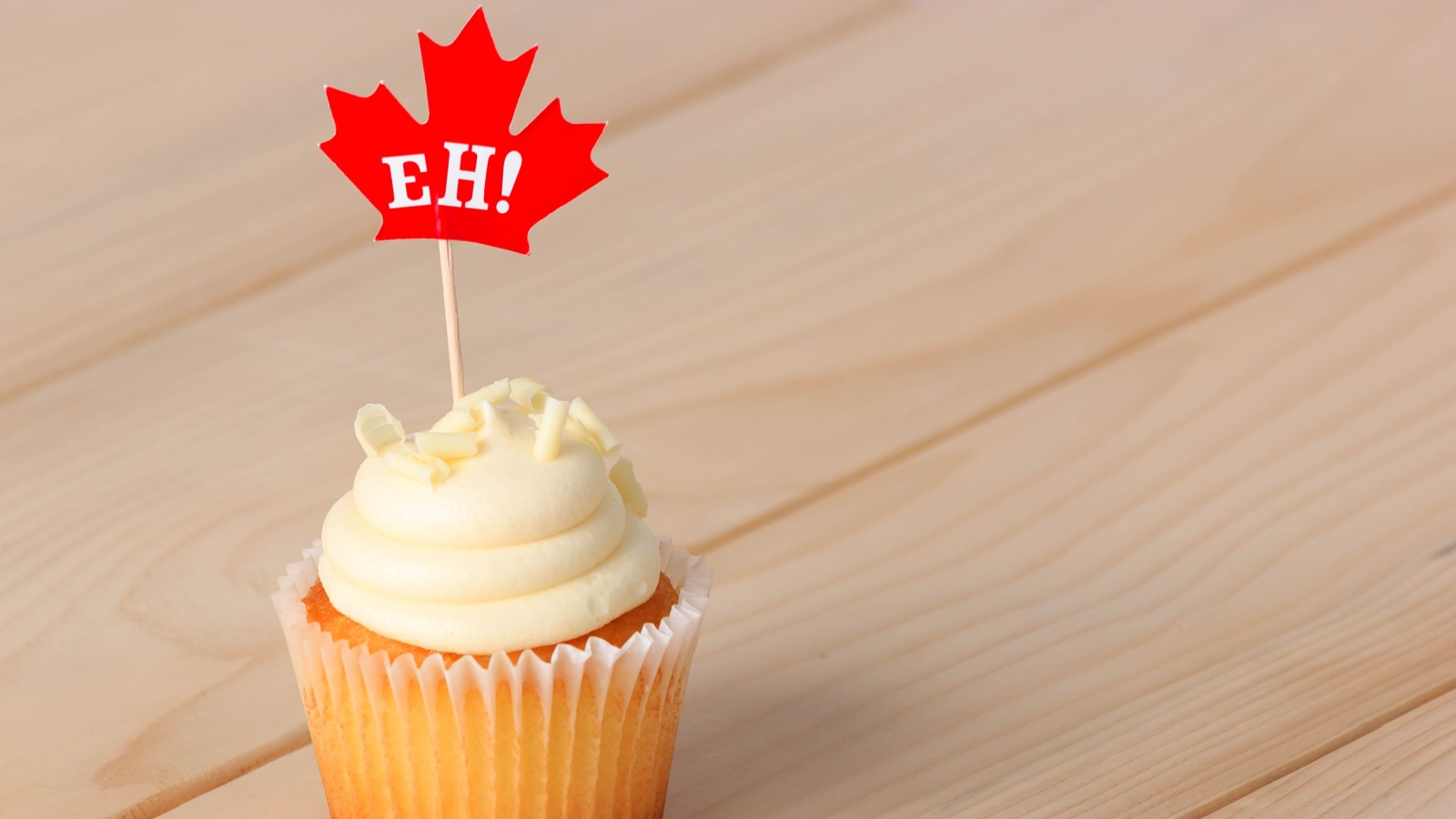
Tourists struggle to understand whether Canadians are making statements or asking for agreement when they end sentences with right or eh. The habit acts like a social connector rather than a true question. It does not always require an answer, which adds to the confusion. Visitors try to respond every time, and conversations become awkward until they adjust. After spending time in Canada, some tourists catch themselves using right or eh accidentally. This realization usually brings laughter because it shows how quickly the language rhythm blends into daily speech and quietly influences people without any formal learning.
Eating on patios during chilly weather
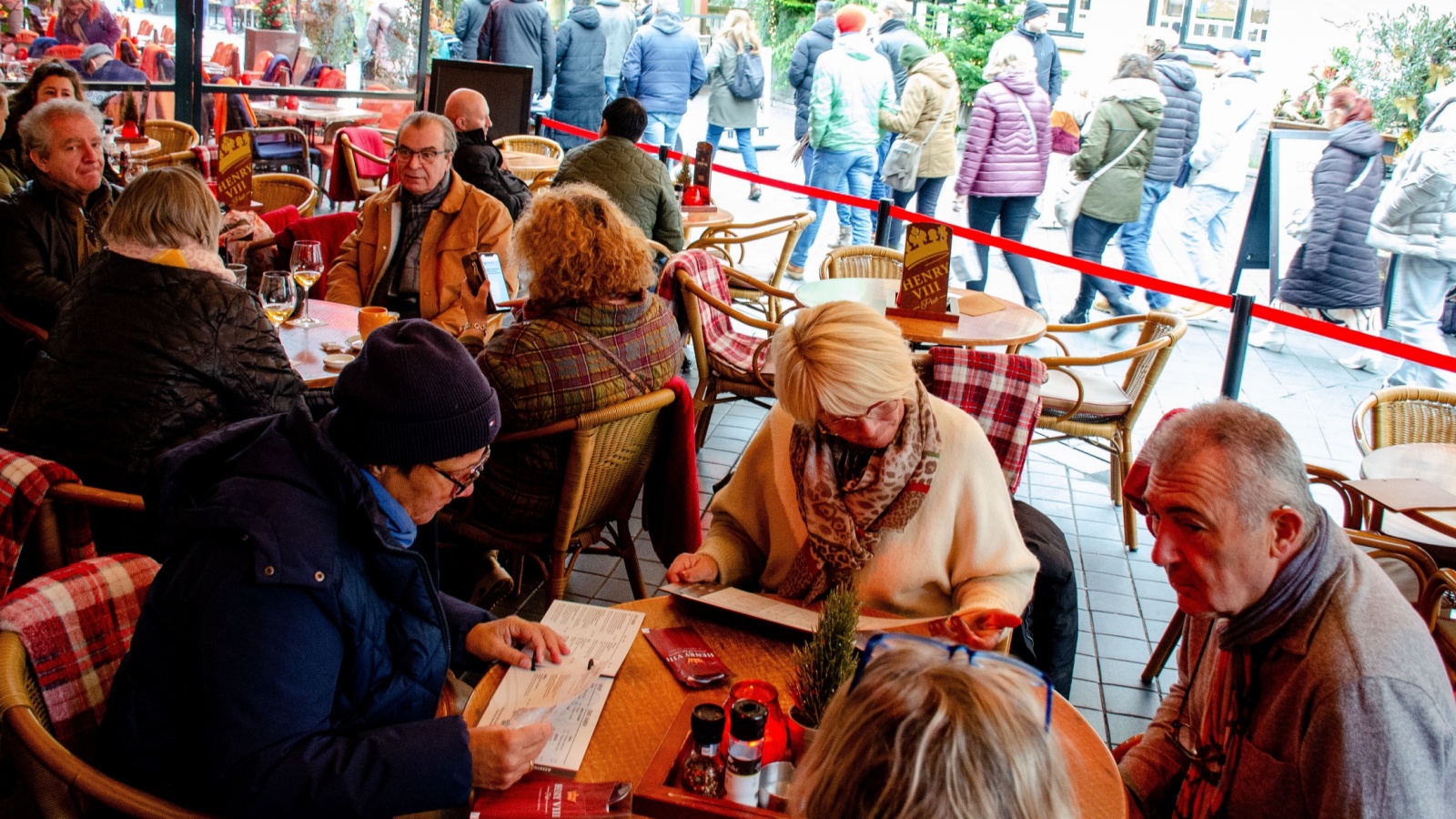
Tourists assume patio season ends when the temperature drops. Canadians think differently and continue eating outdoors for weeks past the expected cutoff. Restaurants supply blankets, heaters, and windshields to keep customers comfortable. Locals sit outside wearing big coats while steam rises off their meals. Visitors watch from inside and wonder why anyone would choose cold seating on purpose. People enjoy the fresh air, social buzz, and change in scenery. Some travelers try it once for fun and discover that it is surprisingly enjoyable, even if they still prefer indoor dining when winter arrives in full force.
Tipping confidently in many different situations
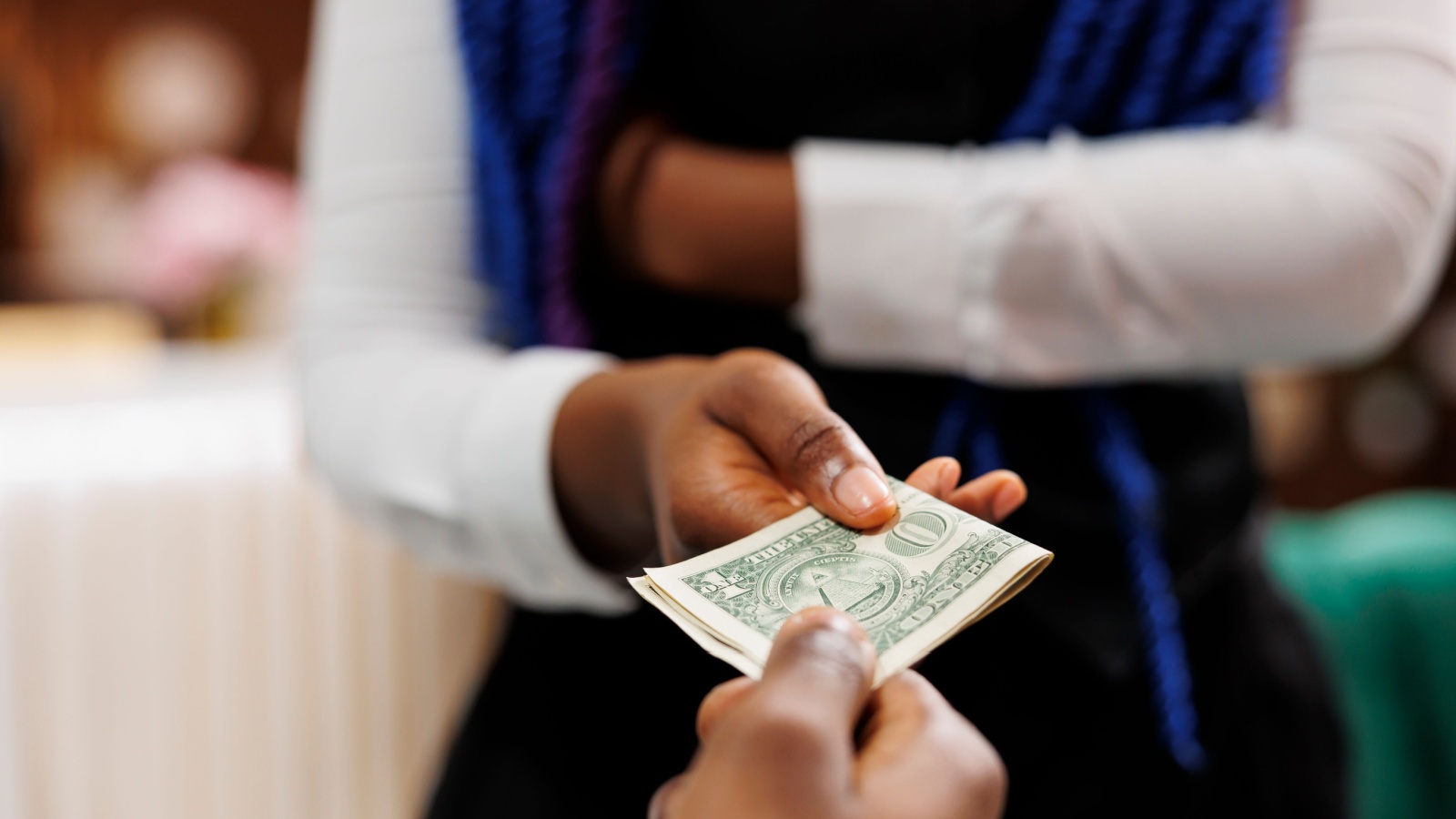
Tourists experience stress when faced with tipping screens and unclear expectations. Canadians tip regularly at restaurants, salons, taxis, delivery services, and bars. They finish the payment process quickly and move on without hesitation. Visitors scroll through an overwhelming list of suggested percentages and panic about selecting the correct option. Some overtip to avoid discomfort. Others ask awkward questions that slow the line. Once tourists stay long enough, they start recognizing patterns and feel more comfortable. Even then, the Canadian tipping culture continues to surprise people because it appears so frequently across daily life compared to many other countries.
Ordering coffee using the term “double-double.”

Tourists listen in confusion the first time they hear someone order a double-double. The phrase sounds complicated, but it simply means a coffee with two creams and two sugars. The term is widely used at Tim Hortons and other cafés. Newcomers attempt the order and stumble over the words or panic halfway through. Canadians say double-double effortlessly and often without thinking. Tourists eventually learn the correct meaning, but it still feels like a secret code that belongs to the culture. Some visitors bring the phrase home as a travel souvenir and laugh when friends have no idea what it means.
Treating snow removal like a normal daily task
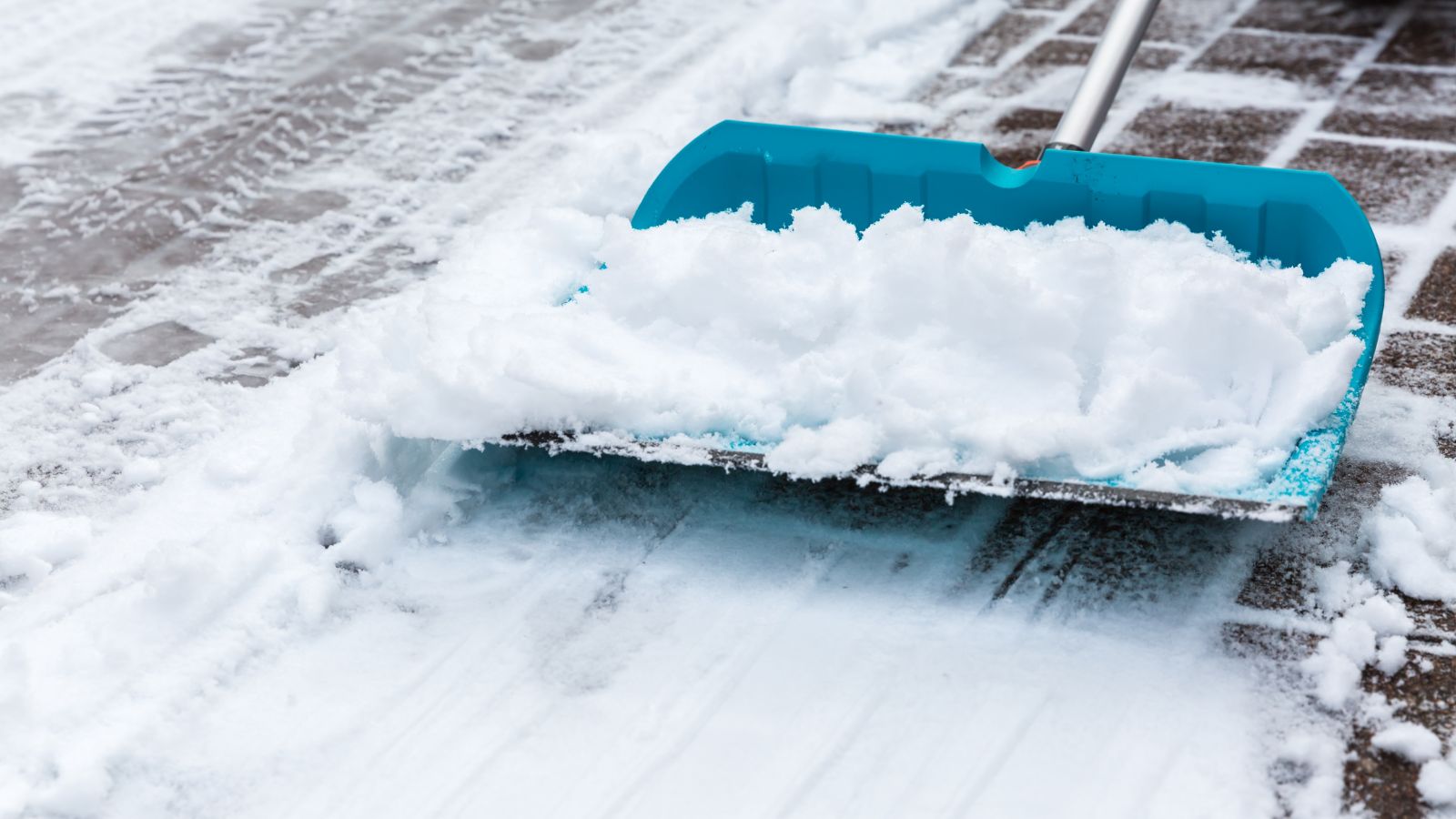
Tourists freeze in shock when they realize how much energy Canadians dedicate to snow clearing. People wake up early to shovel driveways, scrape ice from windshields, and push snow blowers across large yards before starting their day. Neighbors help one another without hesitation and talk about snow equipment like sports fans comparing statistics. Visitors cannot understand how everyone continues life so calmly after heavy snowfalls. Schools stay open, buses run, and workplaces expect attendance. Over time, tourists understand that this routine is about keeping life moving, even though the amount of snow would shut down entire cities elsewhere.
Loving Ketchup-Flavoured chips like a national treasure
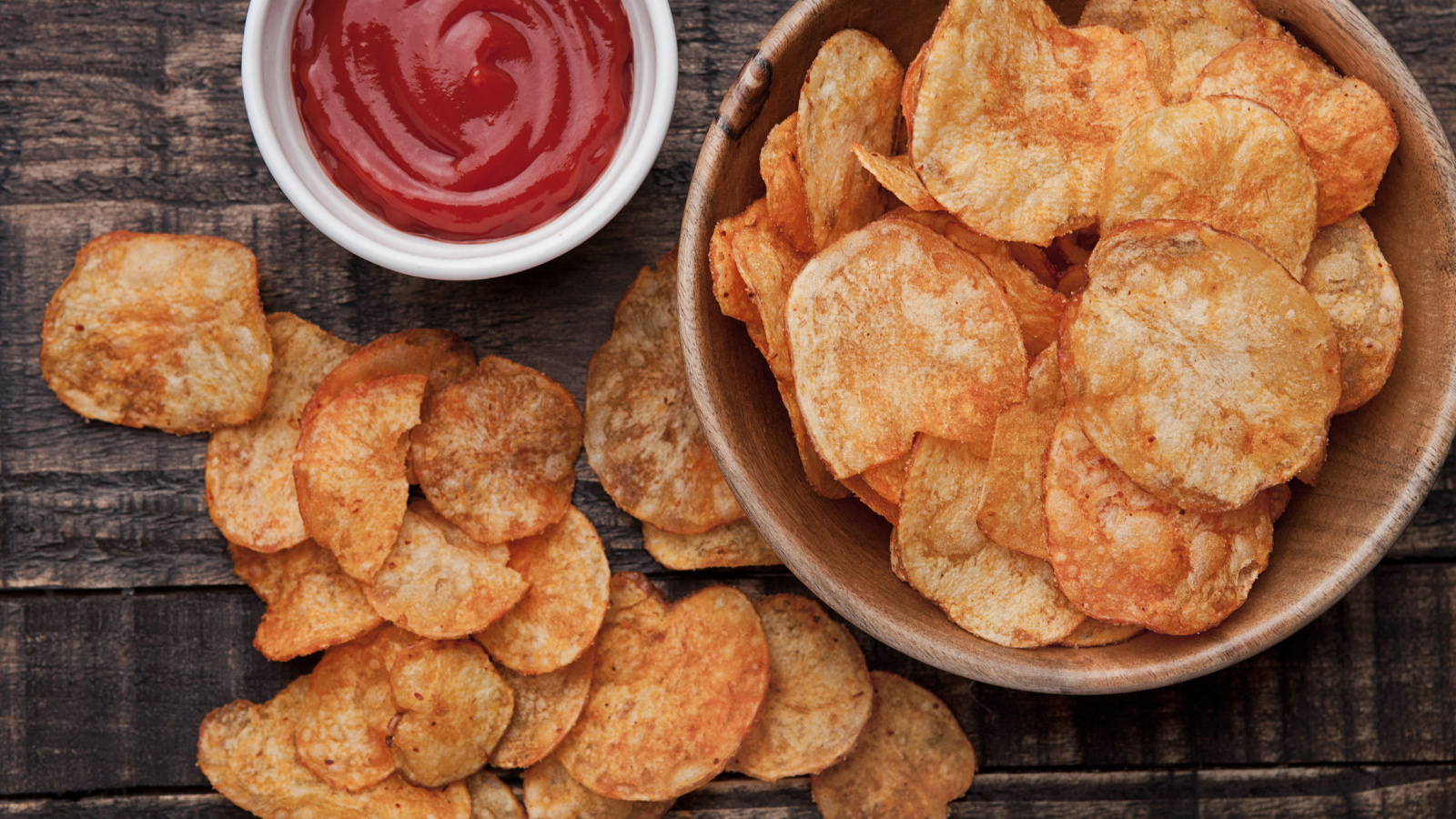
Tourists expect traditional chip flavours and are startled when they see ketchup chips filling entire sections of grocery stores. Canadians adore them and defend the flavor passionately. Visitors try one chip and either love it instantly or swear never to touch it again. The strong flavor creates bold reactions, which makes the experience memorable. Some tourists buy bags to bring home as souvenirs because friends will not believe the flavor exists. Canadians accept this snack as completely normal, adding to the playful confusion. The reaction becomes a travel highlight for many people visiting the country for the first time.
Calling soft drinks “pop” like there is no alternative
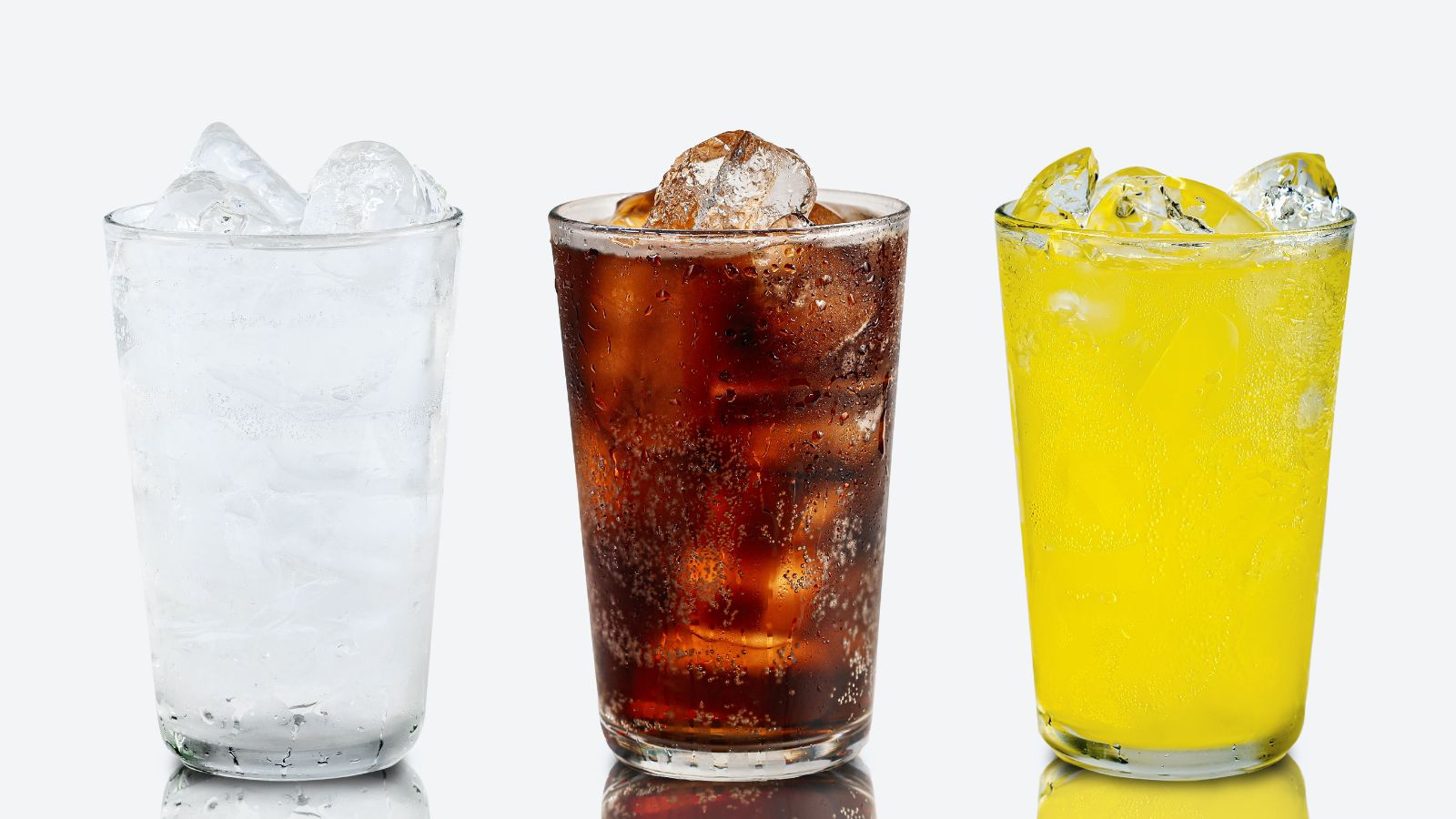
Tourists ask for soda, and Canadians respond with confusion before suggesting pop. Restaurants, vending machines, and menus use the word consistently. Visitors repeat the word slowly while trying to sound natural. It does not feel familiar at first, but the repetition becomes easier with time. Friends from other countries tease them when they return home and accidentally use pop instead of soda. The difference seems small, but it acts like a tiny reminder that Canada holds onto its own language variations. Even a simple drink order turns into a cultural lesson that no one expects during a vacation.
Smiling at strangers for no clear reason

Tourists are taken off guard when Canadians smile while walking past them. The smile is not an invitation for conversation. It does not mean someone needs help. It acts like a small greeting between strangers. Visitors from crowded or fast-paced cities sometimes feel suspicious at first because they are not used to casual friendliness on sidewalks. After a few days, the smiles become normal and even comforting. Some travelers find themselves returning the gesture without thinking. It becomes a part of daily life that feels nice, even though it cannot be fully explained in words.
Turning every holiday into a themed snack celebration

Tourists often think themed snacks appear only during major holidays. Canada treats every event as a chance to add treats to store shelves. Canada Day brings maple-themed cookies. Thanksgiving brings pumpkin candy. Valentine’s Day brings pink treats everywhere. Even long weekends inspire seasonal food displays. Visitors laugh at how quickly stores shift themes from one event to the next. Canadians enjoy the fun change in flavours and packaging throughout the year. Tourists sometimes buy a themed snack as a souvenir because it feels uniquely Canadian. The commitment to novelty snacks is surprising but also entertaining for newcomers.
Following winter clothing strategies instead of outfits

Tourists cannot understand why Canadians talk about dressing for the bus stop rather than dressing for the destination. Locals wear heavy boots and thick jackets to travel, then remove layers indoors and change footwear when they arrive. Visitors feel frustrated while trying to balance warmth with comfort. After freezing once or twice, they realize the local method works. It becomes a small survival skill that eventually feels natural. Canadians do not treat winter dressing like fashion. They treat it like a daily plan for transportation. Tourists always remember the moment they finally adopt this practical approach.
Pronouncing cities and towns in surprisingly casual ways
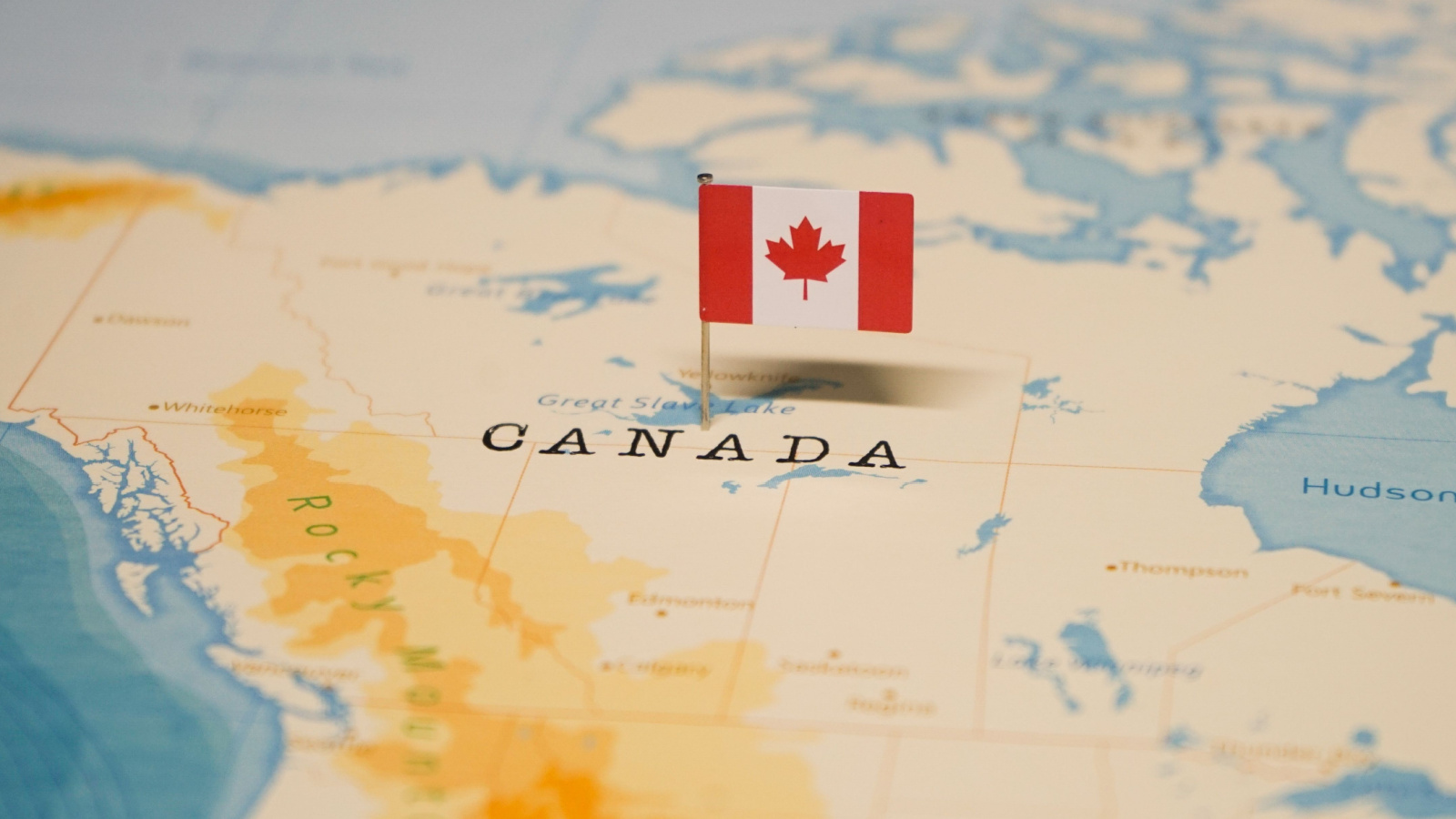
Tourists struggle when they attempt to pronounce Canadian place names using the spelling as a guide. They mispronounce Regina, Trois-Rivières, Iqaluit, and St. John’s during conversations. Canadians help kindly but sometimes laugh before correcting. Locals often speak the names so quickly that the original spelling seems unrelated. Visitors who practice still feel unsure until they hear locals say the names repeatedly. Eventually, the proper pronunciation clicks and becomes easier. Some tourists find it so fascinating that they ask locals to list more challenging place names just for fun. It becomes a playful part of learning Canadian culture.
22 Groceries to Grab Now—Before another Price Shock Hits Canada
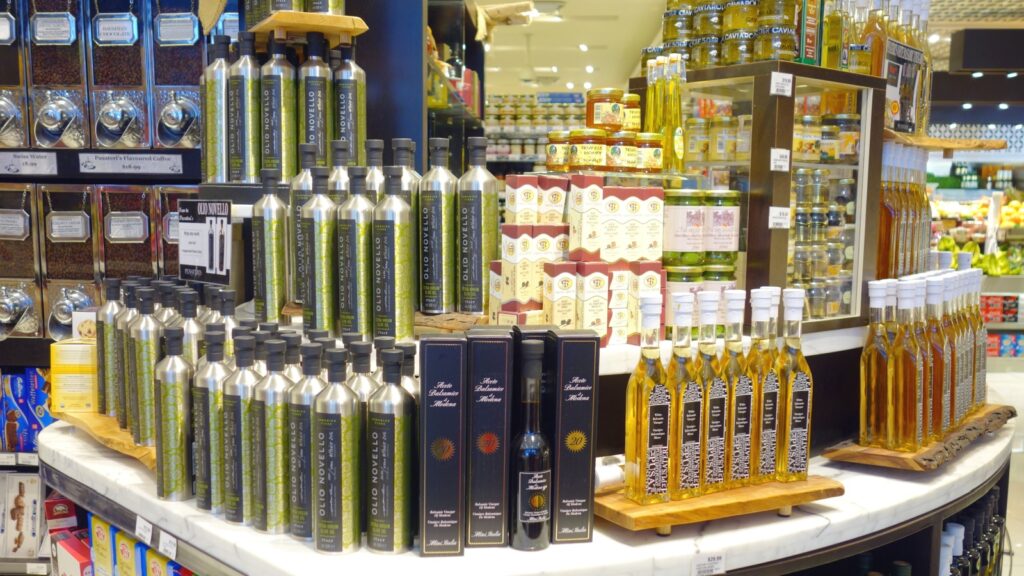
Food prices in Canada have been steadily climbing, and another spike could make your grocery bill feel like a mortgage payment. According to Statistics Canada, food inflation remains about 3.7% higher than last year, with essentials like bread, dairy, and fresh produce leading the surge. Some items are expected to rise even further due to transportation costs, droughts, and import tariffs. Here are 22 groceries to grab now before another price shock hits Canada.
22 Groceries to Grab Now—Before another Price Shock Hits Canada
