
Canadian real estate investors are facing a rapidly changing tax landscape that could dramatically affect profitability and investment strategies. From higher capital gains rates to stricter reporting requirements, these changes are increasing compliance burdens and reducing potential returns. New rules on rental income, short-term rentals, pre-construction assignments, and municipal levies are catching many investors off guard. Here are 20 tax changes that could blindside Canadian real estate investors.
Higher Capital Gains Inclusion Rate Reducing Investor Profits

Photo Credit : Shutterstock
The higher capital gains inclusion rate is reducing net returns for many Canadian real estate investors. More of the profit from selling a property is now taxable. This change affects small and large investors who relied on gains to support long-term financial plans. The increased tax burden reduces overall yield and limits portfolio growth. Many investors are reconsidering sales because higher taxes reduce the value of cashing out. Hold strategies are becoming more common as owners avoid triggering gains. The new rate makes real estate investing more expensive and changes how investors plan upgrades, refinancing, and future purchases.
New Reporting Rules for Trusts and Bare Trusts

New reporting rules for trusts and bare trusts are catching many real estate investors off guard. These rules require more detailed disclosure, even for simple ownership structures. Many investors did not know their arrangements counted as trusts under tax law. The expanded requirements create added paperwork and higher compliance costs. Penalties for missing or incorrect filings can be severe. Investors using joint ownership, nominee agreements, or estate planning structures must now provide more information. The CRA is using these reports to track property ownership more closely. The new rules increase administrative burdens and raise the risk of unexpected filings.
Tighter CRA Audits Targeting Rental Income Claims

The CRA is increasing audits focused on rental income reporting. Investors claiming repairs, utilities, renovations, and carrying costs must now provide stronger documentation. Missing receipts or incomplete records can lead to denied deductions. The CRA is also reviewing whether properties were rented consistently or used personally without proper reporting. Many owners who rely on generous expense claims face higher scrutiny. Short-term rentals and mixed-use properties are key targets. The increased audit pressure raises the risk of reassessments and penalties. Investors must stay organized and ensure all claims are legitimate. The tightened approach aims to close gaps in rental income reporting.
Stricter Rules on Principal Residence Exemptions

The principal residence exemption is facing stricter interpretation from the CRA. Investors who live in a property for a short time before selling may struggle to qualify. The CRA is checking whether owners genuinely used the home as their main residence. Renovations, rental periods, or quick sales can trigger questions. Incorrect claims can lead to unexpected capital gains tax. Flippers and short-term investors face the highest risk. Documentation such as utility bills, addresses, and occupancy records is more important now. The stricter rules aim to reduce misuse and protect tax revenue. Investors must plan carefully to avoid disputes.
Expanded Underused Housing Tax Enforcement

The Underused Housing Tax now targets more owners with expanded enforcement. Many Canadians were unaware they had to file even if no tax applied. The CRA is issuing penalties for missing forms, and the amounts are significant. This tax affects foreign owners, vacant properties, and some complex ownership structures. The filing process can be confusing for investors with multiple properties. The CRA is using new data tools to identify non-filers and properties that appear underused. Enforcement is increasing across major cities. Investors must review their ownership status to avoid penalties. The broader approach is catching many by surprise.
Increased Scrutiny of Short-Term Rental Income

Short-term rental income is now under closer examination by the CRA. Hosts must report earnings from platforms like Airbnb with full accuracy. Many investors did not track income properly, expecting platforms to handle reporting. The CRA now receives data directly from these companies. This makes underreporting easier to detect. Expenses must be supported with receipts and must relate to rental use. Mixed personal and rental use raises further questions. Some investors face audits after claiming large deductions. The increased scrutiny aims to ensure compliance across the short-term rental sector. Investors must maintain clear records to avoid issues.
Denied Expense Deductions for Non-Compliant Recordkeeping

The CRA is increasingly denying expense deductions for investors with incomplete or inaccurate records. Expenses such as repairs, renovations, utilities, and property management fees now require clear documentation. Many small landlords and investors previously relied on informal records, which may no longer suffice. Missing invoices or poorly organized receipts can trigger reassessments and penalties. Investors must maintain detailed bookkeeping to support every claim. The CRA emphasizes that unverified expenses are not deductible, reducing potential tax savings. This enforcement change highlights the importance of professional accounting, digital tracking, and consistent recordkeeping to avoid losing deductions and facing fines.
New GST and HST Requirements on Assignment Sales

Assignment sales are now subject to stricter GST and HST reporting requirements. Investors who previously assumed these sales were tax-exempt must now confirm compliance. Non-compliance can result in unexpected tax liabilities and penalties. Both buyers and sellers must clearly account for any GST/HST on assignments, including contracts and statements. Developers and real estate professionals are adjusting practices to meet CRA expectations. Investors must understand the tax implications before completing an assignment sale. Failure to comply may reduce profits and complicate future transactions. Proper consultation with tax professionals is now essential to avoid audits or reassessment in this growing area of focus.
Higher Property Transfer Taxes in Major Cities

Property transfer taxes in major Canadian cities have increased, putting additional pressure on real estate investors. Cities like Toronto, Vancouver, and Montreal are raising rates on higher-value properties. This tax increase reduces profitability for both residential and commercial investors. Investors must now account for higher upfront costs when purchasing or transferring properties. The rising tax burden may affect investment strategy, especially for those relying on leverage. Some investors are delaying purchases or seeking smaller properties to minimize transfer taxes. Understanding local rules and factoring them into financial planning has become more critical to maintaining healthy returns on investment.
Reduced Depreciation Benefits for Rental Properties

Depreciation benefits for rental properties are being reduced, limiting a common tax-saving tool. Investors can no longer deduct as much depreciation on buildings and renovations as before. This reduces reported losses and increases taxable income, lowering overall cash flow. Many rely on depreciation to offset rental revenue, but the new limits force a reassessment of property profitability. Investors must now factor in smaller tax advantages when evaluating new purchases or renovations. Proper planning and professional advice are critical to mitigate the impact. These changes may discourage some investors from expanding rental portfolios or engaging in significant property upgrades.
Rising Municipal Vacant Home Taxes
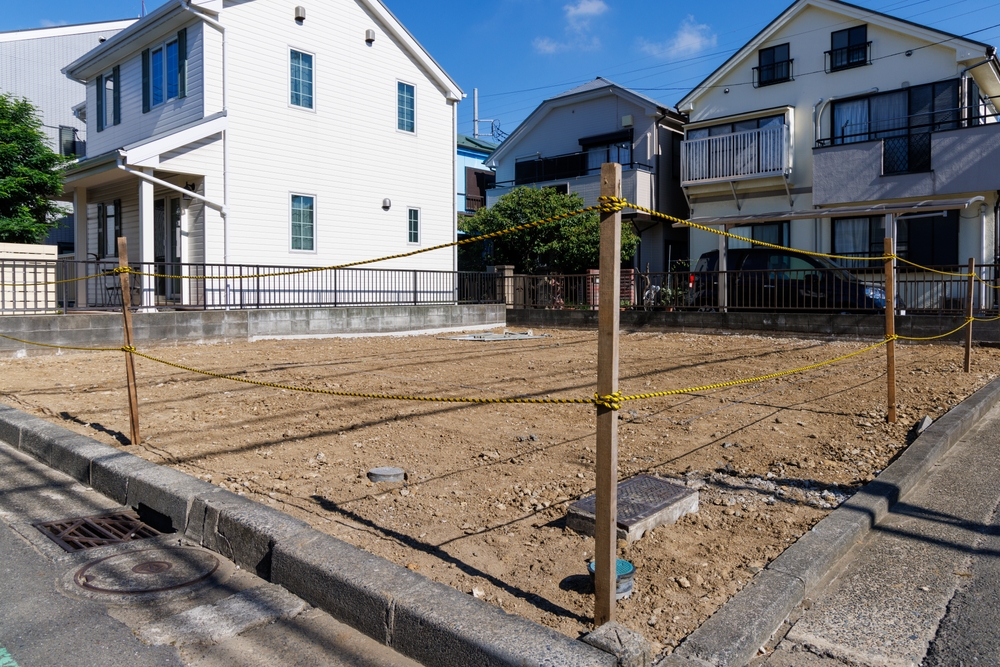
Municipal vacant home taxes are increasing in many Canadian cities, affecting investors holding unoccupied properties. Cities are targeting homes left empty to discourage speculation and generate revenue. The tax applies even if the property is not generating rental income. Investors face higher carrying costs for vacant properties, which can erode cash flow. Non-compliance can lead to significant fines and penalties. Some investors are reconsidering holding strategies or converting vacant units into long-term rentals. Understanding local legislation and maintaining proper occupancy records has become essential. Rising municipal taxes are forcing investors to adapt to a new cost environment.
Tax Penalties for Non-Arm’s-Length Transfers

Transactions between family members or related parties are now under tighter scrutiny. Non-arm’s-length transfers, such as gifts or sales below market value, can trigger tax penalties. The CRA is actively reviewing these transactions to ensure fair valuation. Improper reporting may result in reassessment and unexpected tax liabilities. Investors must document the rationale and fair market value for these transfers. This applies to intergenerational property transfers, partnerships, and corporate structures. Failing to comply can reduce profits and create disputes with the CRA. Careful planning and professional guidance are critical to avoid costly penalties in related-party transactions.
New Limits on Interest Deductibility for Investors

Interest deductibility for investment properties is now limited, affecting leveraged real estate investors. Previously, interest on loans used for rental or income-generating properties could often be deducted fully. The new rules cap the amount eligible for deduction, increasing taxable income. Investors using mortgages or HELOCs to acquire properties face higher effective tax rates. This change affects portfolio strategy, refinancing decisions, and cash flow projections. Investors must adjust financial planning and consider the impact on profitability. Consulting tax professionals is essential to navigate these limits and identify alternative strategies to maintain returns while remaining compliant.
Expanded CRA Data-Sharing With Provinces and Cities

The CRA has expanded data-sharing agreements with provincial governments and municipalities. This allows authorities to cross-check property ownership, income reporting, and compliance with local housing and taxation laws. Investors with multiple properties or complex ownership structures may face increased scrutiny. Missing or inaccurate reports are now easier for authorities to detect. This expanded information sharing improves enforcement of capital gains, rental income, and underused property taxes. Investors must ensure all filings are accurate, up to date, and consistent across federal and local agencies. Failure to comply may result in audits, reassessments, or penalties.
Increased Taxation on Foreign Buyers and Owners

Foreign investors are facing higher taxes in Canada, including additional property transfer taxes, non-resident speculation taxes, and potential income tax obligations. These changes aim to cool housing markets and increase affordability for domestic buyers. International owners of Canadian real estate must comply with new reporting requirements and are often subject to higher effective tax rates. Non-compliance can result in severe penalties, reassessments, or forced sales. These measures affect rental income, resale profits, and long-term investment strategies. Foreign investors must review holdings carefully to understand the financial and regulatory impact of these tax changes.
Stricter Rules for Claiming Renovation and Repair Expenses

The CRA has introduced stricter guidelines for claiming renovation and repair expenses on rental and investment properties. Only costs directly tied to generating rental income can now be deducted. Expenses must be supported with detailed invoices, receipts, and records. Personal or mixed-use costs are scrutinized closely. Non-compliance can lead to denied deductions and reassessment. Many investors who previously claimed broad renovation expenses may face unexpected tax liabilities. Proper documentation, clear accounting, and professional guidance are now essential to ensure expenses remain eligible and avoid penalties.
More Reporting Requirements for Multiple-Property Owners

Owners with multiple properties now face expanded reporting obligations. The CRA requires detailed records for rental income, expenses, and ownership structures across all holdings. These rules increase administrative burden and the risk of errors or omissions. Accurate reporting is critical to avoid audits, penalties, or reassessments. Investors with complex portfolios, including trusts, corporations, or co-ownership arrangements, must ensure compliance across all properties. The enhanced requirements aim to reduce tax avoidance and improve transparency in real estate investment. Investors must implement organized accounting systems and professional oversight to remain compliant.
Tax Changes Targeting Pre-Construction Assignment Profits

Pre-construction assignment profits are now under closer CRA scrutiny. Investors selling contracts before project completion may face GST/HST obligations and capital gains reporting. Many assumed these profits were lightly taxed, but new rules clarify obligations. Failure to report accurately can lead to penalties, reassessments, and reduced profitability. Developers, investors, and real estate professionals must adjust practices to remain compliant. Proper legal and accounting guidance is crucial when navigating these transactions. The focus on assignment profits ensures greater oversight of speculative pre-construction investments.
New Anti-Flipping Tax Reducing Short-Term Gains

The government has introduced anti-flipping measures to limit tax benefits from short-term property sales. Properties sold within a set period may be taxed as business income instead of capital gains. This increases the effective tax rate for quick flips. Investors who rely on rapid resale for profit must adjust strategies. The rules aim to discourage speculative buying and stabilize housing markets. Accurate reporting and careful planning are essential to avoid unexpected tax liabilities. The anti-flipping tax is forcing investors to reconsider holding periods, investment timelines, and portfolio strategies.
Experts Warn More Investor-Focused Tax Changes Are Coming

Tax experts predict additional investor-focused changes in Canada’s real estate sector. These may include further restrictions on deductions, new reporting requirements, and targeted enforcement actions. Market conditions and government priorities suggest continued pressure on investors to comply with evolving regulations. Remaining proactive, updating accounting systems, and seeking professional guidance are crucial. Investors must monitor policy developments and adjust investment strategies to mitigate risks. The trend toward tighter taxation and scrutiny indicates that the landscape for Canadian real estate investors will become increasingly complex, making compliance and planning more important than ever.
22 Groceries to Grab Now—Before another Price Shock Hits Canada

Food prices in Canada have been steadily climbing, and another spike could make your grocery bill feel like a mortgage payment. According to Statistics Canada, food inflation remains about 3.7% higher than last year, with essentials like bread, dairy, and fresh produce leading the surge. Some items are expected to rise even further due to transportation costs, droughts, and import tariffs. Here are 22 groceries to grab now before another price shock hits Canada.
22 Groceries to Grab Now—Before another Price Shock Hits Canada
