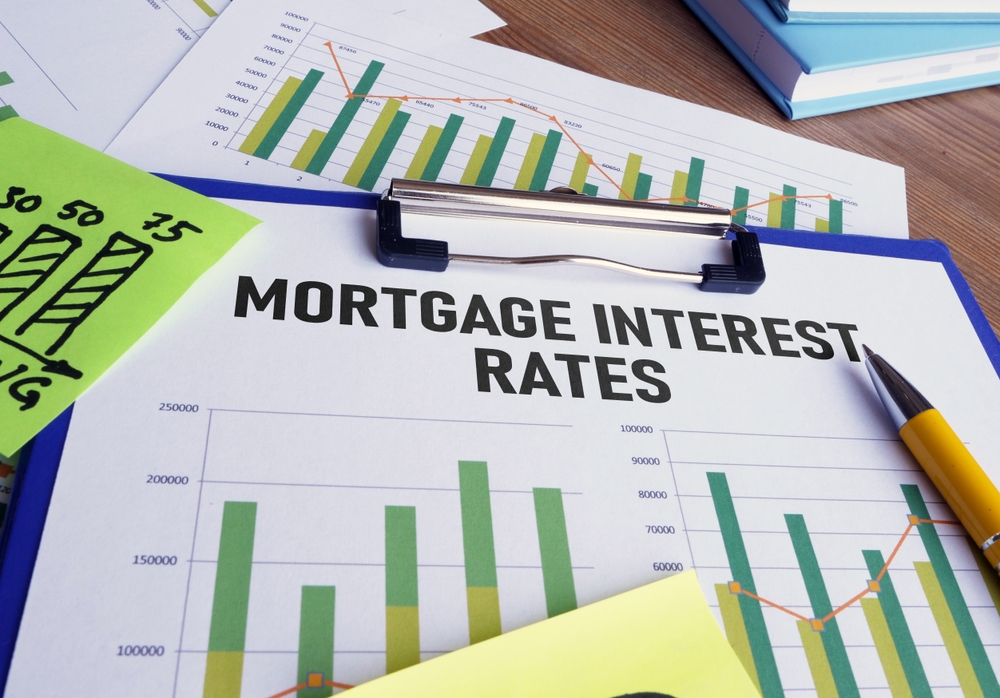
Mortgage renewal season can be stressful for Canadian homeowners, especially in 2026, as interest rates, market conditions, and bank policies continue to fluctuate. Many homeowners assume that renewing with their current lender is straightforward, but banks often use strategies and fine print that are not fully explained. From hidden fees and prepayment penalties to subtle rate adjustments and optional add-ons, these factors can significantly affect the total cost of your mortgage. Here are the 20 secrets banks won’t tell Canadian homeowners about renewing in 2026.
How Banks Really Calculate Your Renewal Rate

Banks use a combination of prime rates, market trends, and internal risk models to determine your mortgage renewal rate. Unlike advertised rates, the rate offered may factor in the bank’s perception of your creditworthiness, loan-to-value ratio, and mortgage type. Small differences in risk assessment can significantly affect the rate. Banks may also include hidden costs or incentives to encourage renewals rather than switching lenders. Homeowners should compare their renewal offer with current market rates and consider negotiating or seeking quotes from other lenders to ensure they secure the most competitive deal.
The Impact of Your Payment History on Offers

Your payment history heavily influences the renewal offer you receive. Banks reward consistent, on-time payments with better rates, while missed or late payments may result in higher rates or less favorable terms. Banks track not only your mortgage payments but also your broader credit profile. Maintaining a strong financial record improves leverage when negotiating your renewal. Homeowners with excellent histories should use this advantage to request lower rates or improved terms rather than automatically accepting the bank’s initial proposal.
Prepayment Penalties Can Be Sneaky and Costly

Prepayment penalties are often underestimated by homeowners during renewal. Banks include clauses charging fees if you pay off your mortgage early or switch lenders before the term ends. These penalties can reach thousands of dollars, particularly with fixed-rate mortgages, and may offset the savings from a lower interest rate elsewhere. Lenders rarely highlight these costs upfront, so it’s essential to request a clear breakdown. Understanding the calculation method—often based on interest rate differences and remaining term—helps homeowners plan strategically. Always consider potential penalties before making early payments or refinancing.
The True Cost of Extending Your Mortgage Term

Extending your mortgage term can lower monthly payments but increases the total interest paid over time. Banks promote longer terms to ease short-term cash flow, but homeowners often overlook the long-term financial impact. Lower monthly payments may feel appealing, but interest accumulates over a longer period, potentially adding tens of thousands in costs. Banks usually highlight term extensions positively without emphasizing total cost. Homeowners should calculate the full repayment scenario and compare shorter-term alternatives or negotiate lower rates to save more money than simply extending the term.
How Your Property’s Appraisal Influences Renewal Options

A property’s current appraisal is critical during mortgage renewal. Banks reassess home value to determine loan-to-value ratios, risk exposure, and eligibility for programs. A higher appraisal may qualify you for better rates or additional borrowing options, while a lower appraisal could limit flexibility or increase your rate. Factors influencing appraisal include local market conditions, property improvements, and neighborhood trends. Homeowners should ensure their property is well-maintained and understand market value changes before renewal. An independent appraisal or consulting a real estate professional can provide leverage when negotiating renewal terms with your bank.
Variable vs Fixed Rates: What Banks Don’t Emphasize

Banks often present variable and fixed mortgage rates as simple choices, but the risks and benefits are more nuanced. Variable rates may start lower, appealing to cost-conscious homeowners, but they fluctuate with market conditions and can rise unexpectedly. Fixed rates provide predictability but may be higher initially. Banks may emphasize stability or low initial payments without fully disclosing potential long-term costs or risks. Homeowners should evaluate personal financial tolerance for interest rate changes, market trends, and term length. Understanding both options fully helps ensure the chosen rate aligns with your budget and long-term goals.
Renewal Offers Are Often Less Competitive Than New Mortgages

Renewal offers from existing lenders are frequently less competitive than rates for new mortgages. Banks rely on customer inertia, assuming many homeowners will accept auto-renewal without comparison shopping. This can result in higher rates and missed opportunities to save money. Homeowners should actively request competitive quotes from multiple lenders before renewing. Negotiating with the current bank using external offers can leverage better terms. Understanding that renewal rates are often intentionally less attractive ensures homeowners remain proactive and avoid overpaying simply due to familiarity or perceived convenience.
The Role of Loyalty: Do Banks Reward Long-Term Customers?

Many homeowners assume loyalty guarantees better mortgage renewal terms, but banks often prioritize profit over tenure. While some lenders offer small incentives for long-standing clients, these are typically minor compared to potential savings from shopping around. Banks may use loyalty as a reason not to reduce rates significantly, betting customers will avoid switching. Homeowners should treat renewal discussions like a competitive negotiation, using loyalty only as one factor. Comparing offers from other lenders or refinancing can often yield better rates, demonstrating that tenure alone rarely secures the most advantageous mortgage terms.
Hidden Fees and Administrative Charges at Renewal
Renewing a mortgage often comes with hidden fees and administrative charges that homeowners may overlook. These can include legal fees, processing costs, appraisal charges, and documentation fees, adding hundreds or even thousands to the total cost. Banks may not highlight these upfront, focusing instead on advertised interest rates. Homeowners should request a full breakdown of all potential charges before agreeing to renew. Understanding these hidden costs allows for better financial planning, comparison with other lenders, and potential negotiation to reduce or eliminate fees, ensuring the renewal remains cost-effective.
How Credit Score Fluctuations Affect Your Renewal Deal

Your credit score at renewal significantly affects the rate and terms offered. Even minor drops in score due to new debts or credit inquiries can lead to higher rates, increased fees, or stricter conditions. Banks periodically review credit during renewal, and a poor score may limit negotiating power. Maintaining a strong credit history—on-time payments, low debt ratios, and minimal recent credit activity—can improve your leverage. Homeowners should check their credit well before renewal and address issues proactively, as this can make a substantial difference in interest rates and overall mortgage costs.
Banks May Overestimate Your Borrowing Capacity

Banks often present higher borrowing limits than homeowners can comfortably afford, assuming clients will accept the full amount. This overestimation can lead to financial strain if monthly payments are too high relative to income or expenses. While it may be tempting to borrow the maximum, doing so increases the risk of payment difficulties if interest rates rise. Homeowners should realistically assess their budget and future financial flexibility before agreeing to higher borrowing amounts. Understanding true affordability helps avoid overextension and ensures the mortgage remains manageable throughout its term.
Negotiating Your Renewal Isn’t as Simple as You Think

Many homeowners assume negotiating a mortgage renewal is straightforward, but banks often have strict guidelines and limited flexibility. Lenders may present a pre-set rate and terms, making it seem non-negotiable. Success requires preparation: comparing market rates, gathering competitive offers from other lenders, and understanding your own financial profile. Homeowners must be ready to challenge the initial offer and highlight their strong payment history or credit standing. Negotiation is a strategic process, and being informed improves the chances of securing better rates, lower fees, or more favorable terms rather than passively accepting the first proposal.
The Effect of Market Trends on Renewal Rates

Mortgage renewal rates are influenced by broader market trends, including central bank rate changes, inflation, and housing market conditions. Banks adjust rates to maintain profitability and manage risk exposure. Even loyal customers with perfect payment histories may see higher rates if market conditions shift. Homeowners should monitor economic trends, understand central bank policies, and anticipate how rate changes could impact their renewal. Staying informed about market conditions provides leverage when negotiating with lenders and ensures that homeowners are not caught off guard by adjustments beyond their control.
How Insurance and Taxes Impact Your Monthly Payments

When renewing a mortgage, insurance premiums and property taxes can significantly affect monthly payments. Increases in either can raise the total cost of homeownership, even if your mortgage rate remains unchanged. Banks may consider these costs in affordability assessments and adjust renewal offers accordingly. Homeowners should review property tax changes, required insurance coverage, and potential increases before renewal. Factoring in these costs ensures accurate budgeting and prevents surprises. Understanding the impact of insurance and taxes helps homeowners negotiate better terms, plan for future expenses, and avoid overextending financially during the renewal process.
Banks Prefer Auto-Renewal, But It Could Cost You

Many banks automatically renew mortgages at the end of the term unless homeowners actively renegotiate or switch lenders. Auto-renewal is convenient but can come at a higher cost. Rates may be less competitive than current market offerings, and additional fees or unfavorable terms may be included. Homeowners relying on auto-renewal risk overpaying for months or years before noticing. Actively reviewing and comparing renewal offers ensures you secure the best possible rate and terms. Being proactive allows homeowners to negotiate, refinance, or switch lenders to reduce costs rather than relying on the bank’s default process.
The Fine Print in Renewal Contracts You Might Miss

Mortgage renewal contracts often contain clauses and conditions that homeowners overlook. These can include prepayment restrictions, penalties, administrative fees, and automatic rate adjustments. Missing these details may result in unexpected costs or limit your flexibility in the future. Banks typically highlight interest rates but may downplay contractual obligations. Homeowners should carefully review every clause, seek clarification, and consider legal advice if necessary. Understanding the fine print protects against surprises, ensures full awareness of obligations, and allows for informed decisions regarding negotiation, refinancing, or alternative lending options during renewal.
Renewal Offers Can Include Unnecessary Add-Ons

Banks sometimes bundle additional products with mortgage renewals, such as payment protection insurance, home equity lines, or banking packages. While presented as beneficial, many add-ons are optional and increase the overall cost without substantial value. Homeowners may unknowingly accept these extras, raising monthly payments unnecessarily. Carefully reviewing the offer and declining unnecessary products ensures savings and clarity in your mortgage obligations. Negotiating a renewal that excludes non-essential add-ons allows homeowners to focus on securing competitive interest rates and favorable terms, preventing hidden costs and avoiding financial strain over the life of the mortgage.
Strategies Banks Use to Discourage Switching Lenders

Banks often employ tactics to retain customers during mortgage renewal, including offering slightly better rates than your current deal but less than market-leading options. They may emphasize loyalty benefits, prepayment penalties, or “exclusive” renewal incentives to make switching seem complicated or costly. Marketing materials and renewal letters can also create a sense of urgency or fear of missing out. Homeowners should recognize these strategies and not feel pressured. Comparing offers from multiple lenders and understanding true market rates allows you to make an informed decision, ensuring you are not trapped into a renewal that is less advantageous than exploring alternatives.
Timing Your Renewal Could Save or Cost Thousands

The timing of your mortgage renewal can have a substantial financial impact. Renewing too early or too late relative to market fluctuations, interest rate changes, or central bank announcements can result in higher costs. Banks may also adjust rates based on seasonal lending trends or upcoming economic forecasts. Monitoring these factors and aligning your renewal date with favorable market conditions can save thousands in interest payments. Homeowners should plan ahead, track rate trends, and, if necessary, negotiate or refinance slightly before term end to optimize savings. Strategic timing can maximize benefits from renewal offers.
Questions You Should Always Ask Before Accepting

Before accepting a mortgage renewal, homeowners should ask key questions to ensure clarity and cost-effectiveness. Important inquiries include: What is the exact interest rate, and how is it calculated? Are there prepayment penalties or hidden fees? How will property taxes or insurance impact payments? Are there optional add-ons or bundled products? How does my credit score affect this offer? What are the consequences of switching lenders now versus later? Asking these questions helps uncover hidden costs, clarifies contractual terms, and positions homeowners to negotiate better rates, ultimately ensuring that the renewal is financially advantageous and aligned with long-term goals.
22 Groceries to Grab Now—Before another Price Shock Hits Canada

Food prices in Canada have been steadily climbing, and another spike could make your grocery bill feel like a mortgage payment. According to Statistics Canada, food inflation remains about 3.7% higher than last year, with essentials like bread, dairy, and fresh produce leading the surge. Some items are expected to rise even further due to transportation costs, droughts, and import tariffs. Here are 22 groceries to grab now before another price shock hits Canada.
22 Groceries to Grab Now—Before another Price Shock Hits Canada
