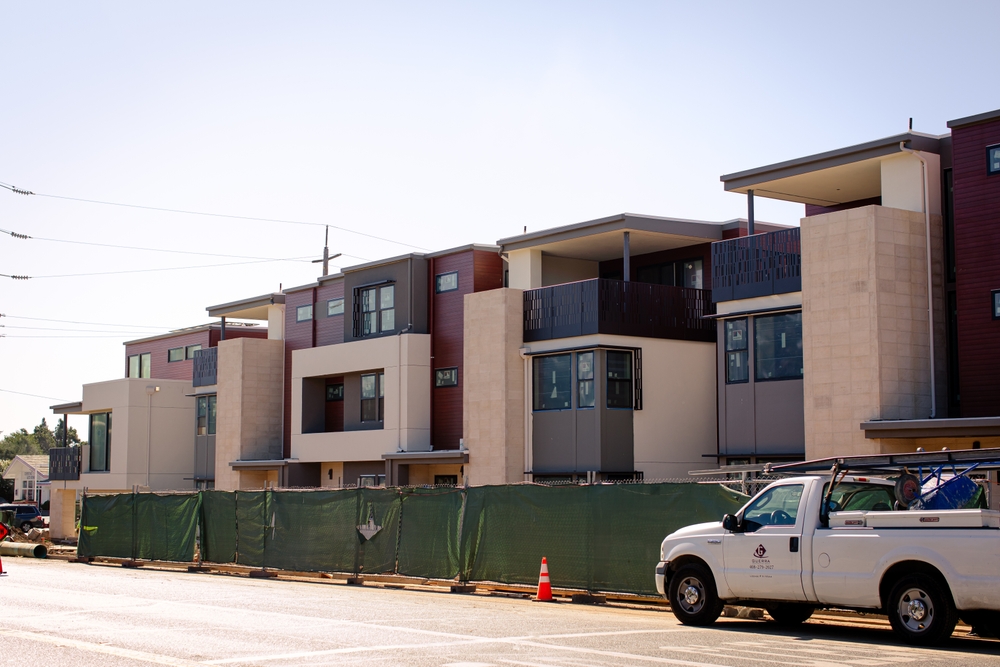
Pre-construction condos across Canada are facing mounting challenges that have pushed the sector into a critical state. Higher borrowing costs, weak investor demand and tougher financing conditions are reshaping the real estate landscape. Developers are struggling to secure funding, buyers are unable to qualify for mortgages and many projects are delayed or cancelled. Market confidence has fallen sharply as construction expenses outpace budgets and unit values no longer match original purchase prices. Here are 20 reasons pre-construction condos across Canada are in serious trouble.
Developers Are Struggling to Secure Construction Financing

Many developers in Canada are facing serious difficulty accessing the financing needed to start or continue condo construction. Lenders have tightened approval standards because rising interest rates have increased project risk. Banks now require stronger presale numbers, higher equity contributions and proof of profitability before releasing funds. With borrowing costs significantly higher than a few years ago, many projects no longer meet financial requirements. As a result, construction timelines are slowing, projects are paused and developers are searching for alternative financing. This challenge is affecting both large and small builders and is contributing to uncertainty across the pre-construction market.
Pre-sales Are Falling Short of Required Minimums

Pre-construction condo projects depend on presales to secure financing and begin building. Recently, presale numbers have dropped sharply because buyers are hesitant to commit during an uncertain market. Higher interest rates and affordability concerns are reducing investor and end-user demand. Many developers are unable to meet the required presale thresholds, meaning banks will not release construction funds. Projects are being delayed for months or placed on hold while developers attempt to attract buyers through incentives. Some are considering price reductions. Falling presale demand signals a significant slowdown in confidence and demand within the pre-construction sector.
Buyers Cannot Qualify for Mortgages at Completion

A growing number of buyers who signed purchase agreements years ago are discovering that they no longer qualify for mortgages at completion. Stress test requirements are stricter and rates are much higher than when they originally purchased. Monthly mortgage payments are significantly above expectations, making financing impossible for many. Some buyers are unable to secure approval even with large down payments. As a result, defaults are increasing and assignments are harder to sell. The inability to qualify leaves buyers stuck between losing deposits or facing unaffordable debt. This issue is creating financial strain for both purchasers and developers.
Project Cancellations Are Increasing Nationwide

More pre-construction condo projects across Canada are being cancelled before completion. Developers facing financial challenges, weak presale numbers and rising costs are determining that continuing is no longer viable. When projects are cancelled, buyers often receive deposit refunds but lose years of time and rising market opportunities. Cancellations undermine confidence in the entire pre-construction sector. Communities counting on planned housing also face setbacks. The rise in cancellations reflects deeper structural issues, including financing limitations and economic uncertainty. With risk higher than expected, more projects may not move forward, increasing instability in the real estate market.
Construction Costs Have Risen Far Beyond Budget

Builders are dealing with major increases in construction costs driven by material prices, supply chain delays and labour shortages. Items such as concrete, steel, lumber and mechanical systems cost far more than budgeted when projects were launched. Labour costs have also climbed due to limited skilled workers and increased demand. These changes have pushed project costs hundreds of thousands or even millions above initial estimates. Many developers cannot absorb the increases, especially when presale pricing was locked in years earlier. Higher expenses make projects financially unworkable and lead to delays, redesigns or cancellations. The cost surge is reshaping development decisions nationwide.
Interest Rate Hikes Have Made Projects Unprofitable

Many pre-construction condo projects no longer make financial sense due to higher interest rates. The cost of borrowing for land, development and construction has surged. Profit margins that once looked strong have disappeared. Developers who planned projects when rates were low now face financing expenses far beyond projections. Even completed buildings may not generate enough revenue to cover debt and operational costs. With profitability damaged, lenders are hesitant to support projects and investors are losing confidence. The result is stalled construction, cancelled developments and growing concern that many planned condos will never be built.
Assignment Market Has Collapsed Leaving Investors Stuck

The assignment market, which once allowed investors to sell purchase agreements before closing, has significantly weakened. Many buyers who planned to flip contracts are discovering there are few interested purchasers. Higher interest rates and declining demand have reduced investor appetite. Assignment prices have dropped below original purchase values in some regions. Sellers are stuck holding contracts they can no longer afford and may face large financial losses. Without a functioning assignment market, many buyers who counted on resale flexibility have no exit strategy. This collapse is adding stress to both investors and project viability.
Investors Are Walking Away From Deposits

Some investors are choosing to abandon their deposits rather than close on units that are no longer financially viable. Deposits of tens or hundreds of thousands of dollars are being forfeited because buyers cannot qualify for financing or cannot justify paying more than the unit is now worth. Walking away is seen as a smaller loss than committing to long-term debt and negative equity. This trend is increasing default rates and creating major financial pressure for developers. Forfeited deposits highlight how severe market conditions have become and how risky pre-construction investing now appears.
Condo Values at Completion Are Lower Than Purchase Prices
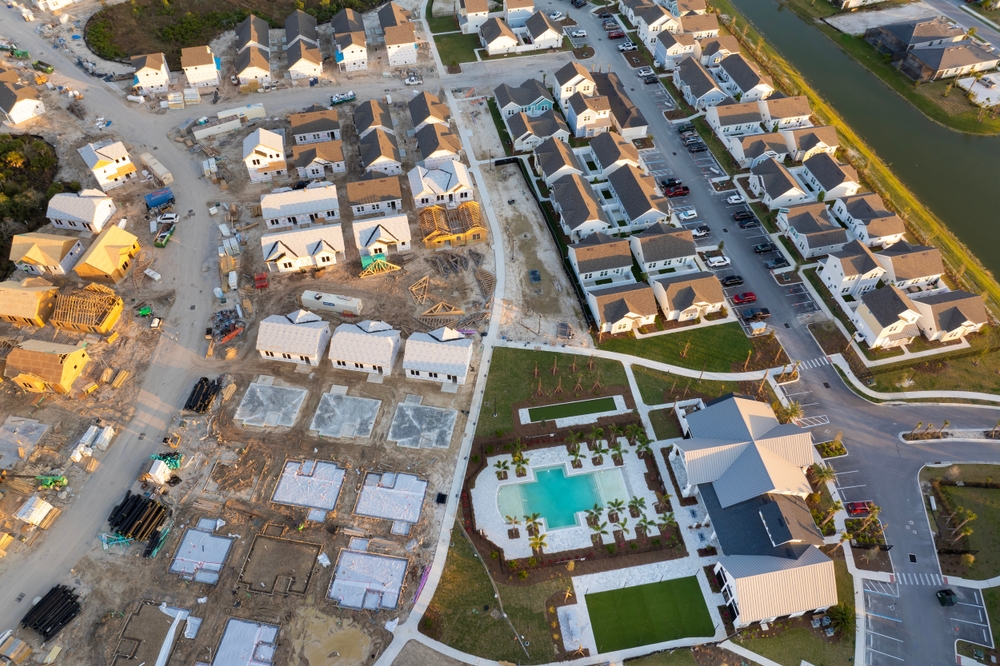
In several markets, condo units are completing at values below what buyers originally agreed to pay. The rapid rise in interest rates and cooling demand have pushed resale prices down. Buyers who expected their purchase to appreciate are facing negative equity before even moving in. This makes securing financing difficult and increases the chance of default. Investors planning to rent units face lower returns and higher carrying costs. Falling values are shaking confidence in the pre-construction model, which relies heavily on expected future price gains. The shift is creating widespread financial uncertainty.
Banks Are Reassessing Project Risk and Pulling Support

Financial institutions are taking a harder look at pre-construction development risk. With higher rates, weak presales and increased defaults, lenders are reducing exposure. Some banks are withdrawing funding commitments or refusing to extend financing needed to continue construction. Others are demanding stricter financial guarantees and larger equity deposits. This sudden pullback places major pressure on developers who rely on financing to move projects forward. Losing bank support can lead to work stoppages, significant delays or full project cancellation. The tightening environment is reshaping which projects survive.
Delays Are Pushing Projects Years Behind Schedule
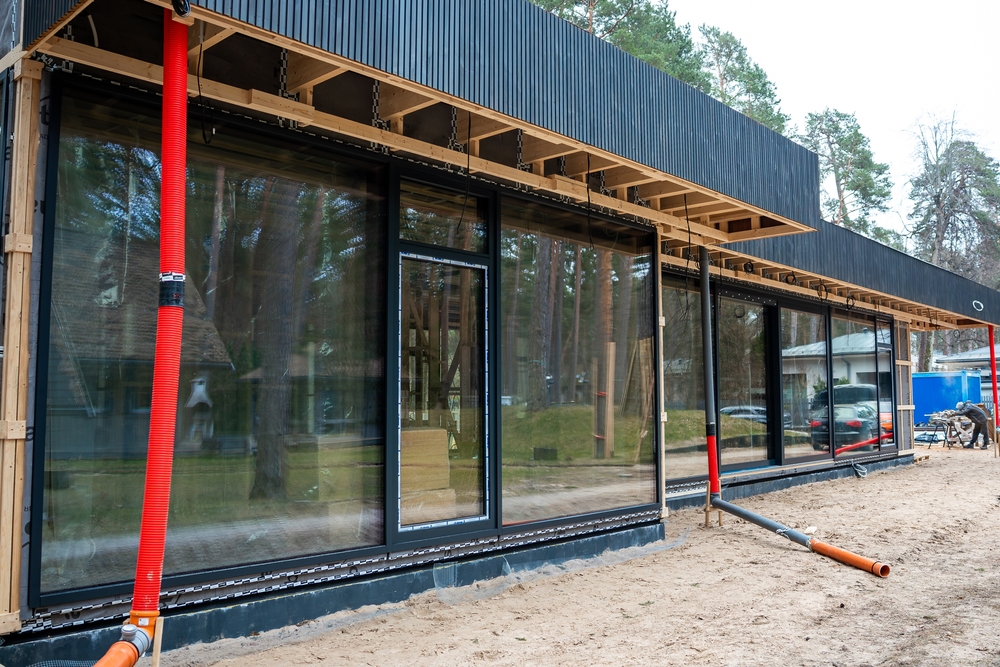
Many condominium developments are experiencing major construction and approval delays. Supply chain issues, labour shortages and financing challenges are extending timelines well beyond original estimates. Some projects expected to be completed in two or three years are now pushed out by several more years. These delays increase costs for developers and uncertainty for buyers. People planning moves or investments based on original closing dates are left in difficult positions. Extended timelines also raise the risk that buyers will be unable to qualify for mortgages when finally required. Prolonged delays are becoming a defining feature of the troubled pre-construction landscape.
Buyer Default Rates Have Reached New Highs

A growing number of buyers are unable or unwilling to complete their purchases when pre-construction condos are ready to close. Many signed agreements when interest rates were low and prices were climbing. Now they face much higher mortgage payments and stricter qualification rules. As a result, more buyers are defaulting and losing deposits. Default rates have reached levels not seen in many years, creating financial strain for developers who depend on closing revenues to complete projects and pay lenders. Rising defaults signal deep trouble in the pre-construction market and growing caution among future purchasers.
New Condo Sales Are at Their Lowest Level in Years

Sales of new condominium units across Canada have fallen to some of the lowest levels recorded in the past decade. High borrowing costs, inflation and declining market confidence have caused both investors and end users to pull back. Many potential buyers are waiting to see how far prices will fall before making a commitment. Developers are responding with aggressive discounts and marketing campaigns, but demand remains weak. Low sales numbers slow project funding, delay construction and increase the risk of cancellations. The decline in new condo purchases reflects broader uncertainty about the future of the housing market.
Rental Guarantees and Incentives Are Disappearing

During stronger market years, developers offered rental guarantees, cash bonuses, and upgrade incentives to attract investors. These benefits have largely disappeared as financial pressure increases. Higher costs and shrinking margins mean developers can no longer afford to provide perks. Without incentives, many projects struggle to generate interest, particularly among investors relying on rental income to cover rising mortgage payments. The removal of guarantees exposes buyers to greater risk if rental markets soften or if rent does not cover monthly expenses. The disappearance of incentives is another sign of the weakening confidence in pre-construction viability.
Developers Are Filing for Creditor Protection

An increasing number of development companies are seeking creditor protection as financial pressures escalate. With costs rising, presales falling and lenders tightening requirements, many developers cannot meet debt obligations. Filing for protection allows time to restructure finances, negotiate with creditors and attempt to salvage projects. However, the process often results in delays, uncertainty and in some cases project cancellations. Buyers who have invested deposits are left with little clarity about outcomes. The rise in filings highlights how severely market conditions have deteriorated and signals potential shakeouts across the construction and real estate industry.
International Buyers Have Pulled Back Significantly

International demand once played a major role in driving pre-construction condo sales, especially in major cities like Toronto and Vancouver. Recently, interest from foreign buyers has dropped sharply. Government taxes on non-residents, stricter ownership rules and global economic uncertainty have made Canadian real estate less attractive. Higher interest rates and reduced rental returns have also discouraged investment. With fewer international purchasers, developers are struggling to meet presale targets and secure financing. The decline in foreign buyer activity has removed a significant source of capital and demand, creating additional pressure on already stressed pre-construction projects.
Labour Shortages Are Halting Construction Progress
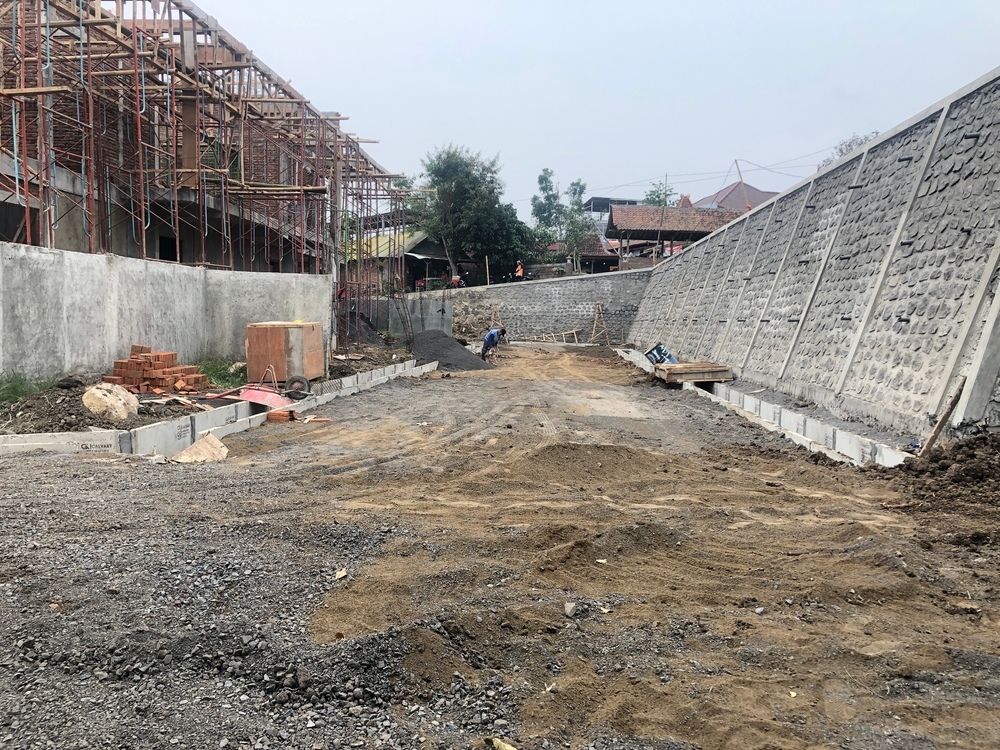
Severe labour shortages are slowing or stopping building progress across Canada. The construction sector is facing a lack of skilled trades, including electricians, plumbers, concrete workers, and carpenters. Competition for talent is driving wages up, increasing project costs. Delays caused by labour gaps are pushing project timelines years beyond expectations. Developers cannot finish buildings on time, which disrupts financing schedules and increases financial risk. Buyers are left uncertain about closing dates and future affordability. Labour shortages have become one of the most serious obstacles affecting project viability and the broader housing supply chain.
Pre-construction Fees and Closing Costs Are Surging
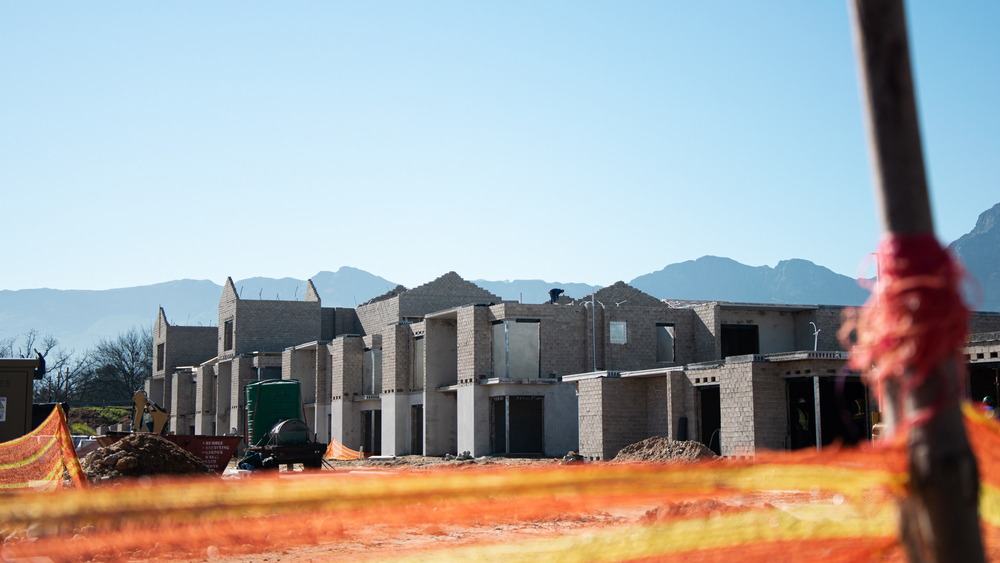
Buyers of pre-construction condos are facing much higher fees and closing costs than previously expected. Development charges, utility connection fees, builder adjustments, occupancy fees and legal expenses have increased significantly. Many of these costs are not fully visible when purchase agreements are signed, leading to financial shock near completion. Higher closing costs make it harder for buyers to finalize purchases, increasing the likelihood of defaults. Rising fees also reduce investor returns and reduce overall demand. These additional expenses contribute to the growing affordability challenge within the pre-construction market.
Insurance and Regulatory Requirements Are More Costly

Insurance premiums for construction projects have risen sharply due to increased risk, material costs and stricter safety regulations. Developers are required to meet more complex compliance standards and provide greater coverage levels. These requirements increase costs and slow approval processes. Higher insurance expenses reduce profit margins and can make marginal projects financially unworkable. For buyers, the added costs are often passed on through higher prices and fees. Tougher regulations aim to protect consumers, but they are also contributing to the financial strain affecting developers and purchasers in the current environment.
Many Projects May Never Be Completed Given Market Conditions
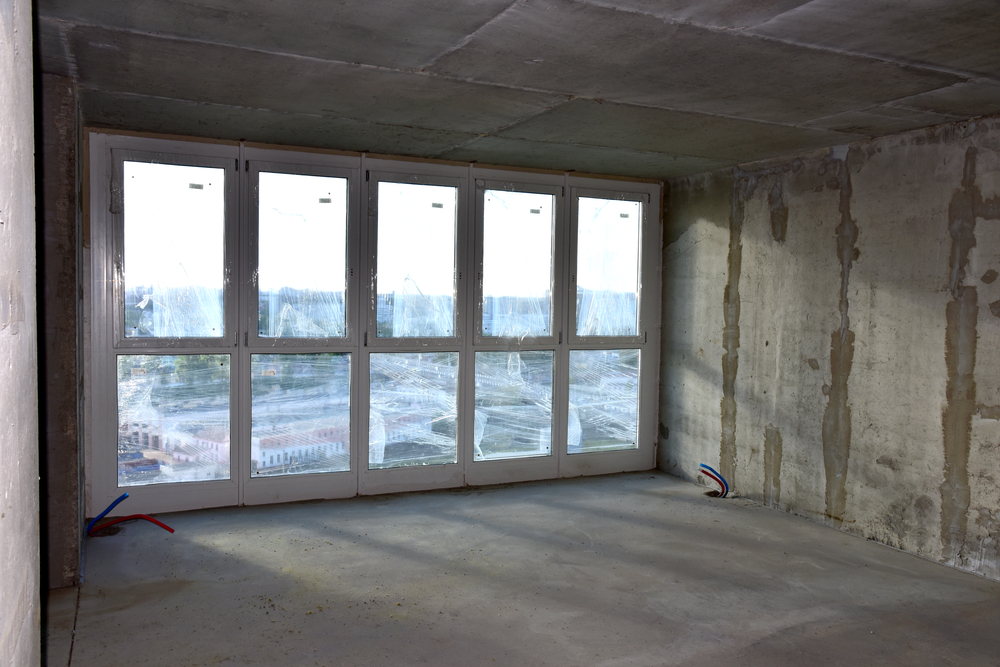
With financing challenges, weak presales, labour shortages and higher costs, experts warn that many planned condo developments may never be finished. Projects that once appeared viable are now too expensive or too risky to continue. Some developments are paused indefinitely, while others are likely to be cancelled outright. Buyers who invested deposits may face long delays or uncertainty about outcomes. Communities relying on new housing supply may face shortages. The possibility of widespread cancellation reflects the seriousness of the current market downturn and highlights the potential long-term disruption facing the Canadian housing sector.
22 Groceries to Grab Now—Before another Price Shock Hits Canada

Food prices in Canada have been steadily climbing, and another spike could make your grocery bill feel like a mortgage payment. According to Statistics Canada, food inflation remains about 3.7% higher than last year, with essentials like bread, dairy, and fresh produce leading the surge. Some items are expected to rise even further due to transportation costs, droughts, and import tariffs. Here are 22 groceries to grab now before another price shock hits Canada.
22 Groceries to Grab Now—Before another Price Shock Hits Canada
