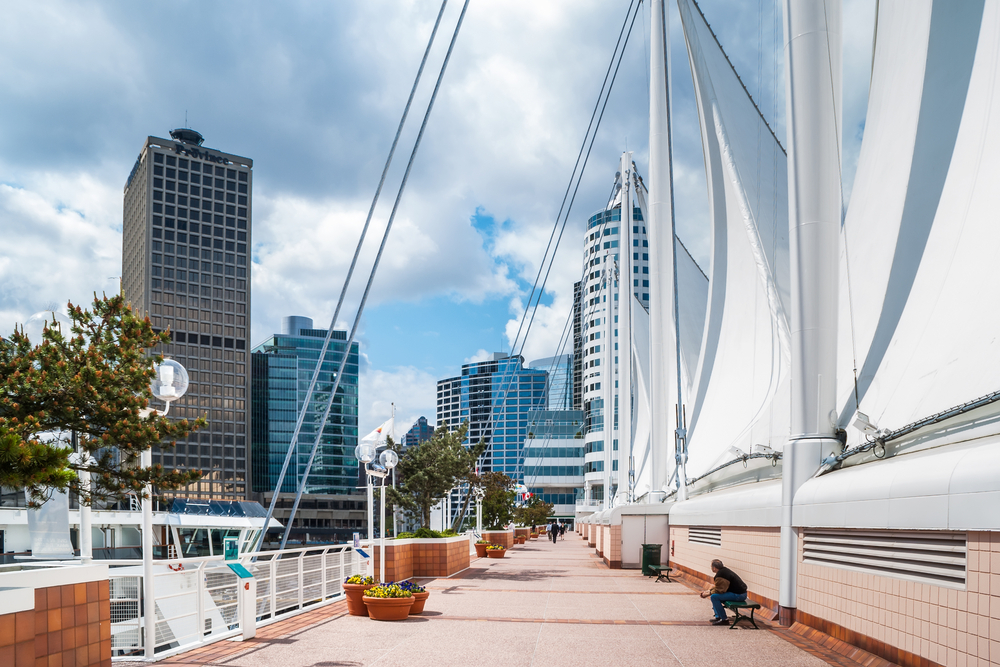
Vancouver’s real estate market, long celebrated for rapid price growth and strong demand, is showing clear signs of strain. Rising interest rates, affordability pressures, and regulatory changes are slowing sales and reducing investor participation. Luxury properties are cooling, pre-construction projects are delayed or cancelled, and mortgage defaults are increasing. Both domestic and foreign buyers are hesitant. Here are 20 signs the Vancouver real estate miracle is starting to unravel.
Home Sales Have Dropped to the Lowest Levels in Over a Decade
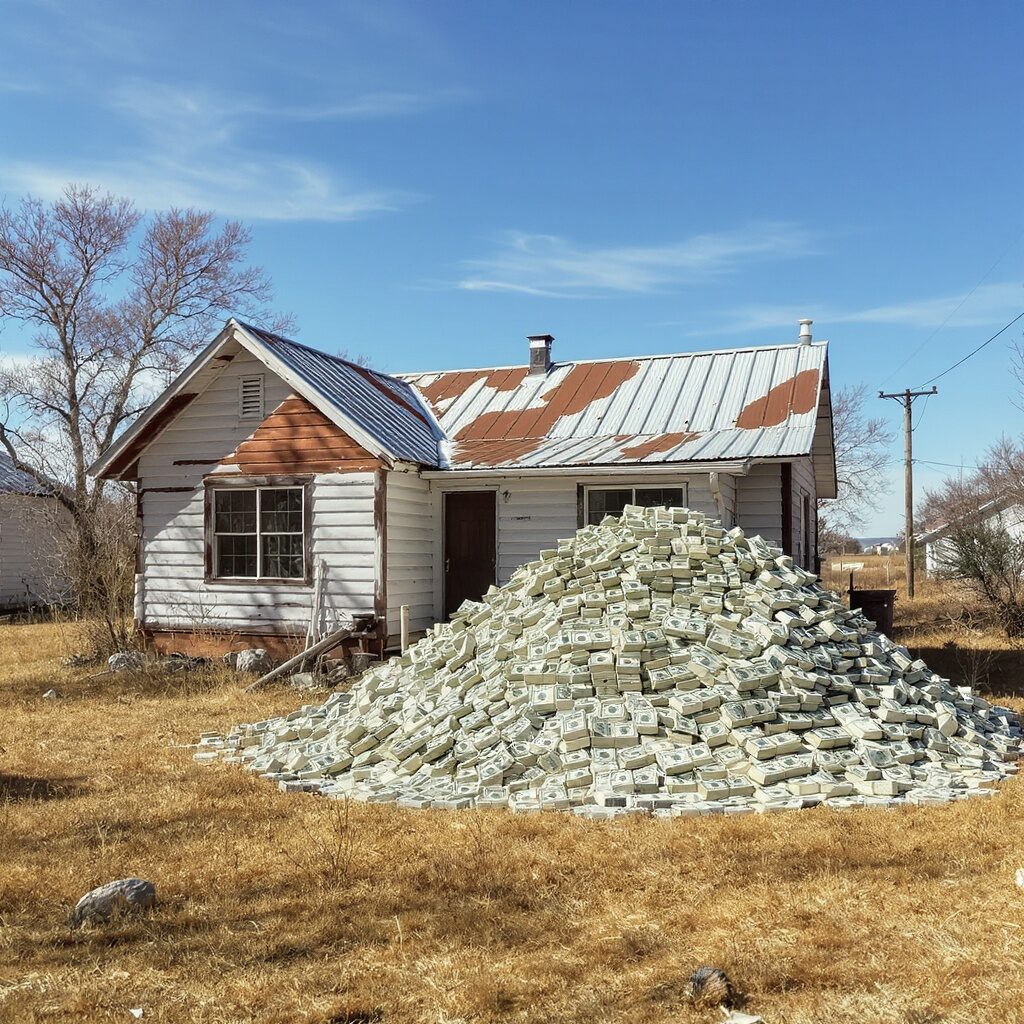
Home sales in Vancouver have fallen to the weakest levels seen in more than ten years. Higher interest rates and tougher mortgage qualification rules have reduced the number of eligible buyers. Many households have paused purchases, waiting for either rate cuts or lower prices. The slowdown is visible across detached homes, townhouses and condos. Reduced activity has shifted the market from intense competition to hesitation and caution. Real estate agents report slower showings and fewer offers. The sharp decline in sales is a clear signal that demand has cooled and that the market is no longer driven by urgency.
Average Home Prices Are Falling Across Multiple Property Types

Price declines are now affecting all categories of housing in Vancouver. Detached homes have seen some of the steepest drops after years of rapid appreciation. Condos and townhomes are also posting lower average sale prices as buyers push for discounts and sellers adjust expectations. Properties that once sold within days are now staying on the market much longer. Price reductions are becoming more common and bidding wars are rare. The shift reflects softer demand and growing fear that values may continue to slide. For many owners, declining prices are putting financial strain on future plans and mortgage renewals.
Inventory Levels Are Rising as More Sellers Rush to List
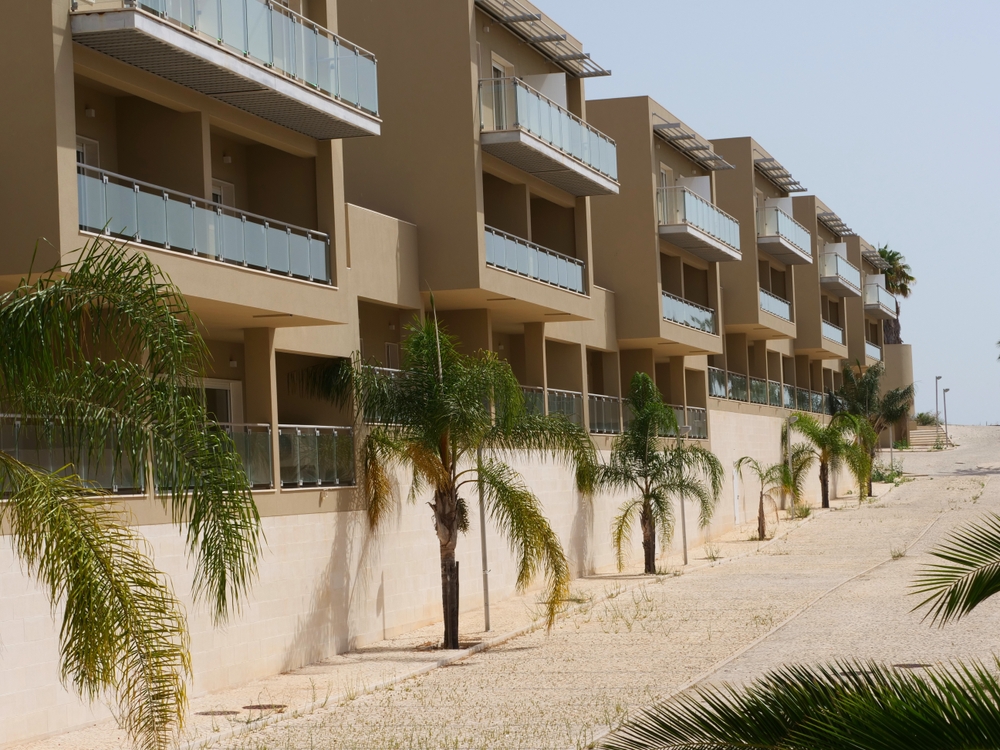
Vancouver is seeing a surge in new listings as homeowners bring properties to market while prices remain above their purchase levels. Many sellers worry that waiting may lead to lower valuations. Rising inventory gives buyers more negotiating power and reduces competition. This shift has moved the market away from shortages and toward balance, and in some areas oversupply. Homes are sitting unsold for longer periods, forcing sellers to reduce expectations on price and timing. Increased listings signal that confidence is slipping and that homeowners are preparing for further change in the market environment.
Investors Are Exiting the Market in Large Numbers

A growing number of investors are selling real estate assets as profits decline and carrying costs rise. Higher mortgage payments and weaker rental returns have made many investment properties financially challenging. Some investors who bought at peak valuations are facing negative cash flow and cannot justify holding long-term. Others fear continued price declines and want to secure gains before values fall further. Assignment listings, condo resales and investment sell offs have all increased. The exit of investors removes a major source of competition that once drove prices upward and contributed to rapid appreciation.
Rental Vacancy Rates Are Increasing After Years of Shortage

Vancouver’s rental market is experiencing rising vacancy rates for the first time in many years. New rental supply, slower population growth and reduced investor demand have changed the balance. Units that once rented instantly are now taking longer to fill. Landlords are offering incentives and adjusting rents to attract tenants. For renters, more choice and less pressure offer welcome relief. For property owners, rising vacancies create financial challenges at a time when interest costs are already high. Changes in the rental market reveal shifting demand and signal that conditions are no longer heavily tilted in favor of landlords.
Luxury Property Demand Has Collapsed Significantly
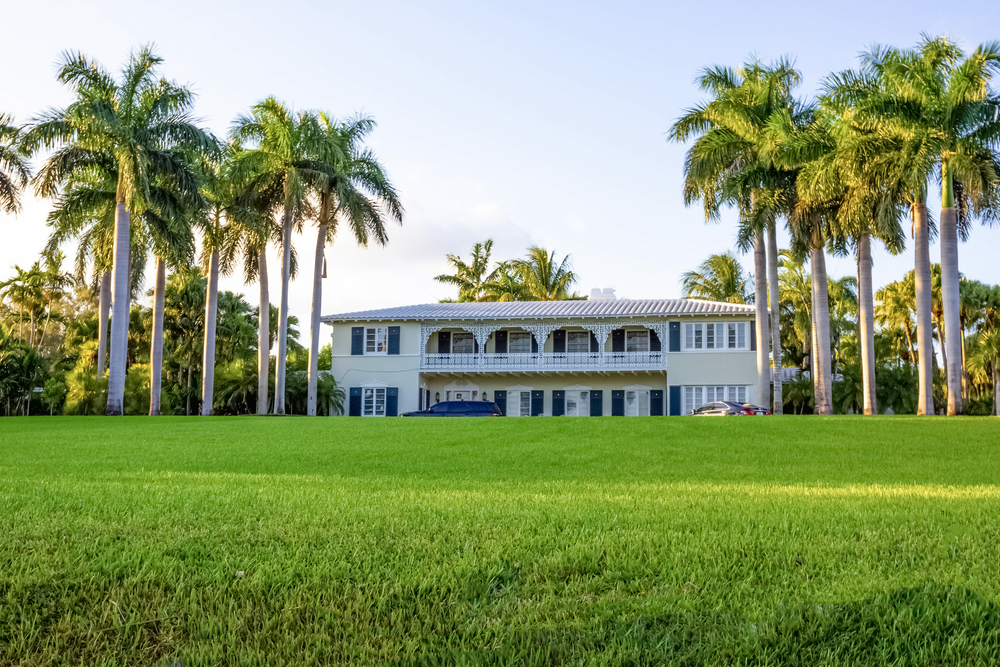
The high-end real estate market in Vancouver is facing a sharp decline in demand. Luxury homes, which previously attracted both domestic and international buyers, are now seeing slower sales and longer listing periods. Rising interest rates, declining affordability and economic uncertainty have made expensive properties less attractive. Many potential buyers are postponing purchases, waiting for prices to correct further. This reduced activity has led to fewer bidding wars and increasing price reductions on premium properties. The collapse in luxury demand signals broader market cooling and affects developers, sellers and investors who rely on strong performance at the top of the market.
Pre-Construction Projects Are Being Delayed or Cancelled
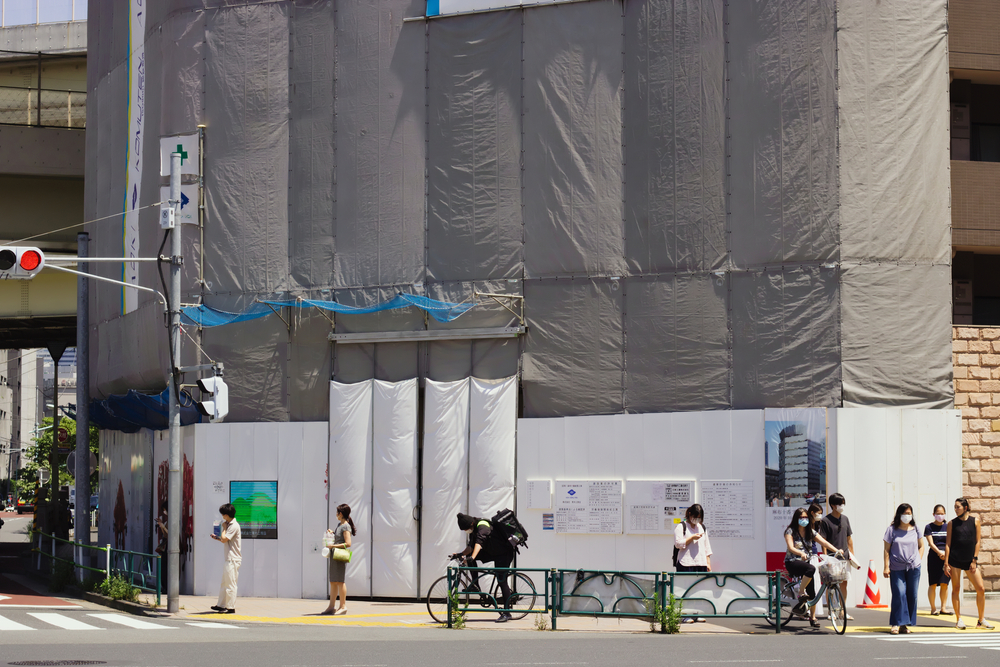
Numerous pre-construction developments in Vancouver are facing delays or outright cancellations. Developers are struggling with rising construction costs, labour shortages and tighter financing conditions. Presale targets are often not met, making it difficult to secure the funds necessary to proceed. Many buyers who invested years ago now face uncertainty about completion dates. Delays increase holding costs and financial risk for developers, while cancellations reduce confidence in the sector. The slowdown in pre-construction projects reflects the broader market stress and highlights the challenges in maintaining profitability and meeting investor and buyer expectations in the current economic environment.
Mortgage Defaults and Distress Sales Are Becoming More Common
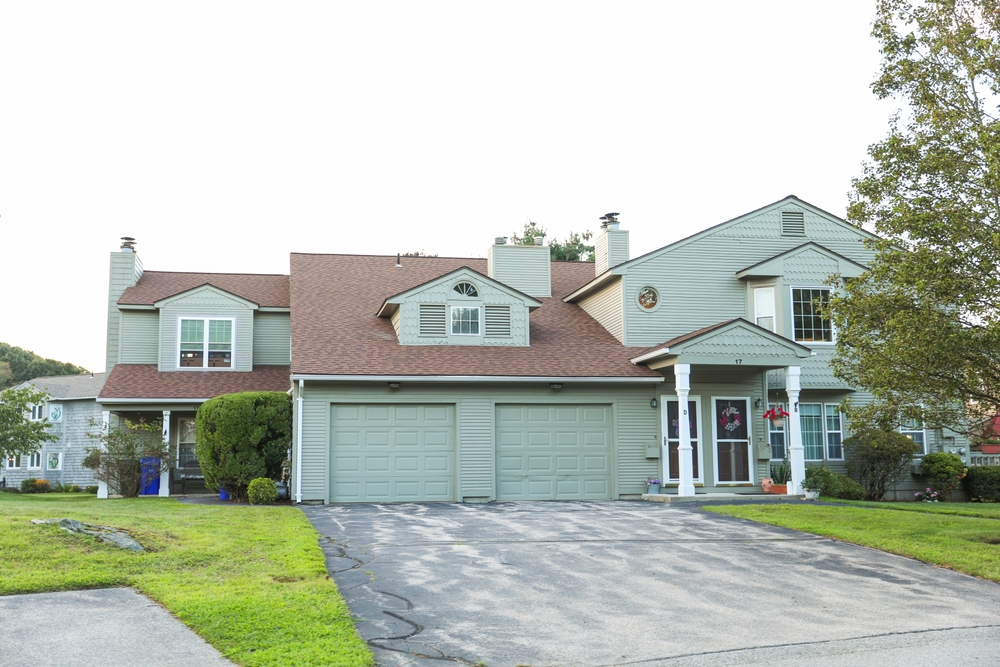
Mortgage defaults and distress sales are rising as Vancouver homeowners struggle with higher interest rates and monthly payments. Some households are unable to meet mortgage obligations, leading to forced sales or foreclosure. Distressed properties are often sold below market value, putting additional downward pressure on local prices. Financial strain is especially acute for those who purchased at peak valuations or used variable-rate mortgages. Increased defaults disrupt the market, create uncertainty and reduce confidence among buyers and investors. Rising distress sales indicate that affordability pressures are intensifying and that the market is experiencing a notable shift from growth to financial vulnerability.
Foreign Investment Has Declined Sharply

Foreign buyers, who once played a major role in Vancouver’s real estate market, have significantly reduced activity. Government taxes on non-resident buyers, stricter regulations, and global economic uncertainty have all contributed to this decline. Higher interest rates and weaker rental yields further deter international investors. The absence of foreign capital has reduced competition for both luxury and mainstream properties. Developers and sellers who relied on overseas demand are now facing slower sales and longer marketing periods. The decline in foreign investment has shifted the dynamics of the market, impacting pricing, inventory levels, and overall growth expectations.
Interest Rate Pressure Is Making Ownership Less Affordable

Rising interest rates have increased monthly mortgage payments across the board, making homeownership less attainable for many Vancouver residents. Buyers must now qualify for higher payments under stricter stress test rules, reducing their purchasing power. Even middle-income households are feeling the pinch, leading some to delay purchases or opt for smaller properties. Affordability pressures are affecting first-time buyers and investors alike, limiting demand and slowing market activity. Higher rates also increase carrying costs for existing homeowners with variable-rate loans. The growing financial burden underscores the importance of interest rates as a key driver of market health and buyer confidence.
Speculative Buying Has Virtually Disappeared

Speculative purchasing, which once drove rapid price growth in Vancouver, has nearly vanished. Investors who previously bought properties expecting short-term gains are now hesitant due to rising interest rates and falling demand. The risk of negative equity and higher carrying costs has discouraged speculative activity. Without these buyers, competition in the market has decreased, reducing upward pressure on prices. This shift is changing market dynamics, leaving fewer active participants and slowing overall transaction volumes. The near-elimination of speculative buying underscores how financial constraints and uncertainty have reshaped the behavior of investors and the real estate market as a whole.
Assignment Sales Are Flooding the Market With Discounts

Assignment sales, where buyers sell pre-construction contracts before closing, have surged in Vancouver. Many sellers are offering steep discounts to exit agreements they can no longer afford or no longer find profitable. Interest rate hikes and stricter mortgage rules make these units difficult to finance at completion, forcing sellers to accept losses. The flood of discounted assignments is putting downward pressure on prices across similar properties. Buyers who can secure financing benefit from bargains, but developers face reputational and financial strain. The increase in discounted assignments highlights how the pre-construction market is adjusting to declining demand and rising costs.
Renovation and Construction Activity Has Slowed Dramatically
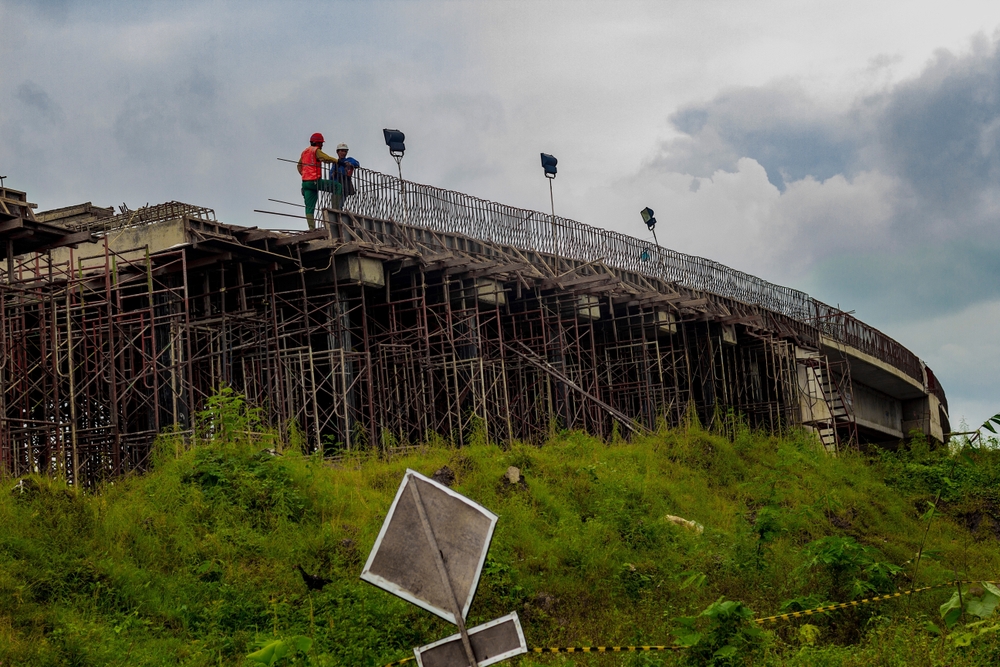
Vancouver has seen a significant slowdown in renovation and construction projects. Rising material costs, labour shortages and stricter financing conditions are contributing factors. Contractors report fewer active projects and longer timelines, delaying completions for both residential and commercial properties. Some developers are postponing or cancelling new builds due to uncertainty over market demand and profitability. Reduced construction activity impacts employment, local suppliers and overall housing supply. The slowdown is a clear sign that the real estate boom has cooled, affecting not only sales but the broader economic ecosystem tied to development and renovation in the city.
Real Estate Industry Jobs Are Being Cut Across the Region

Job losses in Vancouver’s real estate sector are becoming more common. Slower sales, reduced construction activity and declining investment are forcing real estate agencies, brokerage firms, and development companies to downsize. Agents, administrative staff and support roles are affected, with some firms consolidating operations to reduce overhead. Employment cuts reflect broader market stress and reduced transaction volumes. The contraction of the workforce also signals diminished confidence in the sector’s short-term growth. These changes have a ripple effect on related industries, including legal, mortgage, appraisal and renovation services, highlighting the wider economic impact of the real estate slowdown.
Consumer Confidence in the Market Is Falling Rapidly

Consumer sentiment toward Vancouver’s housing market has dropped sharply. Potential buyers are increasingly cautious, concerned about affordability, interest rate hikes and declining home values. Many households are postponing purchases or scaling back expectations. Even investors are hesitant to commit capital, waiting for market stability or further price corrections. Falling confidence slows sales activity, reduces bidding competition and contributes to longer listing periods. The decline in optimism reflects growing uncertainty about future returns and affordability. Low consumer confidence is both a cause and consequence of market cooling, creating a feedback loop that further dampens real estate activity in the region.
Government Policies and Taxes Are Deterring Investors

Government interventions, including foreign buyer taxes, speculation taxes and stricter mortgage regulations, are discouraging investment in Vancouver real estate. These policies have increased costs for investors and reduced potential returns. Combined with higher interest rates, these measures make property ownership less appealing. Both domestic and international investors are reassessing opportunities and many have exited or reduced activity. Developers feel the impact as fewer buyers meet presale requirements and financing becomes harder to secure. While intended to cool the market and improve affordability, these policies are contributing to slower growth, reduced investment and heightened caution among all market participants.
Developers Are Lowering Prices and Offering Incentives

Developers in Vancouver are increasingly reducing prices and offering incentives to attract buyers amid weak demand. Discounts, free upgrades and flexible payment plans are becoming common as presales stall and financing hurdles rise. These measures aim to stimulate sales, but they also reduce profit margins and signal caution in the market. Price reductions are particularly evident in high-end and pre-construction projects where demand has cooled the most. While incentives may temporarily boost interest, they reflect the underlying challenges of affordability, rising costs and diminished buyer confidence, highlighting how developers are adapting to a more cautious and constrained market environment.
Local Businesses Dependent on Real Estate Are Struggling

Businesses that rely on Vancouver’s real estate market, such as mortgage brokers, real estate agencies, construction suppliers, and renovation companies, are facing financial strain. Slower sales, fewer transactions and stalled construction projects are reducing revenue and forcing layoffs or downsizing. Many local services experience cascading effects from lower market activity, including legal, inspection, and property management firms. Reduced demand impacts business planning, cash flow and employment stability. The struggles of these businesses underscore how the cooling real estate market affects not just buyers and developers, but also the broader local economy that depends heavily on real estate activity.
Migration Trends Show Residents Leaving for More Affordable Cities

Vancouver is seeing an increase in residents relocating to more affordable regions of Canada. High housing costs, rising property taxes, and increased interest payments are prompting families and professionals to seek lower-cost alternatives. Cities in Alberta, Ontario, and other regions with better affordability and lower carrying costs are attracting buyers who previously invested in Vancouver. This outward migration reduces local demand for housing, further cooling the market. For developers, investors and the city economy, these trends indicate that Vancouver’s real estate growth may be constrained by affordability pressures and demographic shifts, challenging its long-term market stability.
Analysts Warn the Market Could Face a Long Correction Cycle

Market analysts are cautioning that Vancouver’s real estate sector may enter a prolonged correction phase. Elevated prices, rising interest rates, cooling demand, and increased inventory are contributing to conditions that could extend over several years. Recovery may be slow, with gradual adjustments to pricing and slower sales activity. Investors and homeowners are advised to prepare for continued uncertainty, potential declines in property values, and reduced returns on investment. The warning reflects systemic changes, including affordability pressures, regulatory measures, and demographic shifts, suggesting that Vancouver’s real estate miracle may take considerable time to stabilize and regain prior growth momentum.
22 Groceries to Grab Now—Before another Price Shock Hits Canada

Food prices in Canada have been steadily climbing, and another spike could make your grocery bill feel like a mortgage payment. According to Statistics Canada, food inflation remains about 3.7% higher than last year, with essentials like bread, dairy, and fresh produce leading the surge. Some items are expected to rise even further due to transportation costs, droughts, and import tariffs. Here are 22 groceries to grab now before another price shock hits Canada.
22 Groceries to Grab Now—Before another Price Shock Hits Canada
