Canada’s housing market is facing mounting pressure from rising interest rates, high property taxes, and escalating living costs. Many homeowners and investors are struggling to maintain mortgage payments, cover maintenance, and manage rental properties amid slowing market activity. These financial pressures are creating conditions where power-of-sale listings—properties sold due to the owner’s inability to meet mortgage obligations—could increase across the country. Here are 20 Canadian neighbourhoods about to see a wave of power-of-sale listings.
Downtown Toronto, Ontario
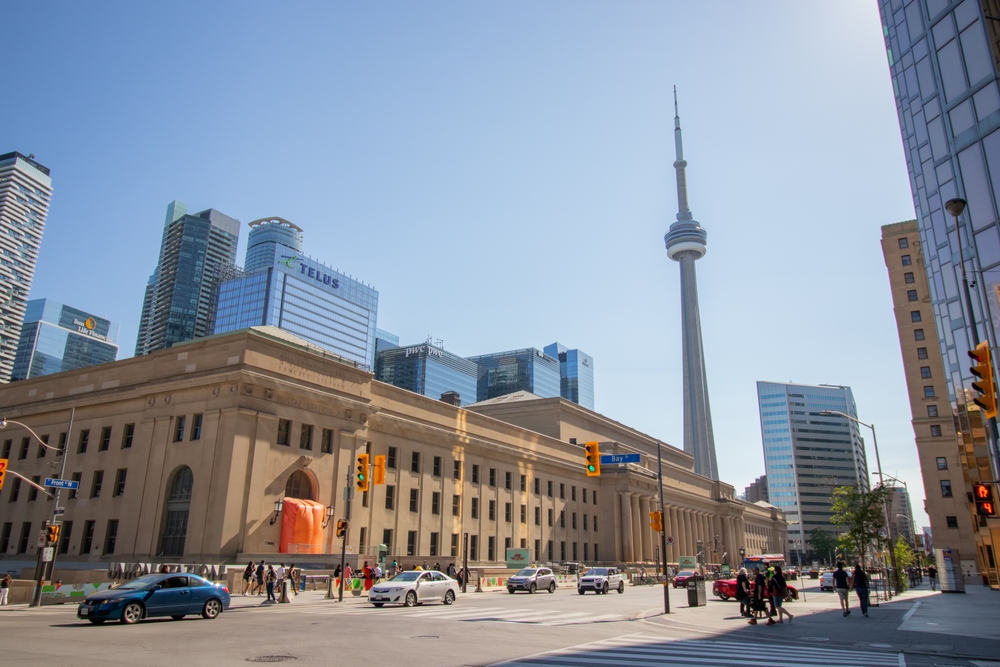
Downtown Toronto is facing increasing pressure from rising mortgage costs and high household debt. Many condo and townhouse owners are struggling to meet monthly payments, making the area a likely hotspot for power-of-sale listings. Declining investor activity and slower resale markets exacerbate the issue. Properties in this densely populated urban core are particularly vulnerable, as smaller units and high valuations amplify financial stress. Buyers may find opportunities, but rising interest rates and affordability challenges mean many owners may be forced to sell to reduce debt exposure, leading to a potential surge in available listings.
North York, Toronto, Ontario
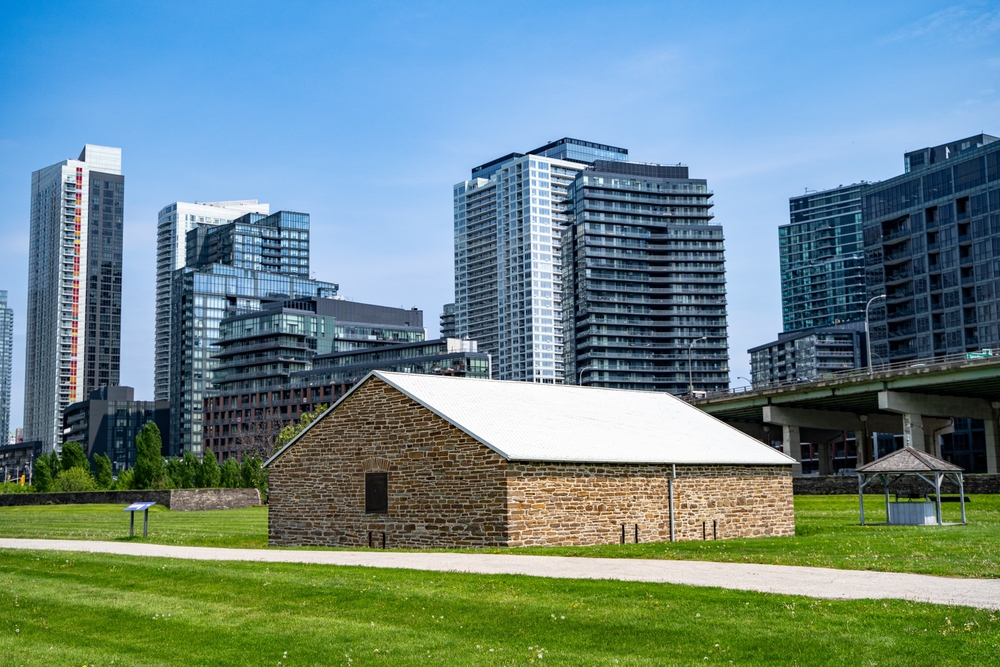
North York is seeing mounting financial pressures among homeowners, particularly in high-rise condominiums and older townhome complexes. Rising interest rates and property taxes are pushing some residents to consider selling. Mortgage renewals are proving challenging for leveraged owners, and declining resale prices create additional stress. Landlords with rental properties may also face cash flow shortfalls, increasing the risk of power-of-sale filings. As affordability challenges persist, North York could experience a notable increase in distressed sales, creating opportunities for buyers but signaling broader market vulnerability for the suburban Toronto region.
Scarborough, Toronto, Ontario

Scarborough’s housing market is showing early signs of distress. Many single-family homes and low-rise properties are owned by residents who are now stretched thin by higher mortgage payments and rising living costs. Declining rental income and slower property appreciation contribute to the risk of forced sales. Combined with competition from more affordable areas, Scarborough could see an uptick in listings due to financial strain. Buyers may find competitive pricing, while sellers are increasingly motivated to act before financial challenges intensify, highlighting a potential wave of power-of-sale activity in this eastern Toronto neighbourhood.
Mississauga, Ontario
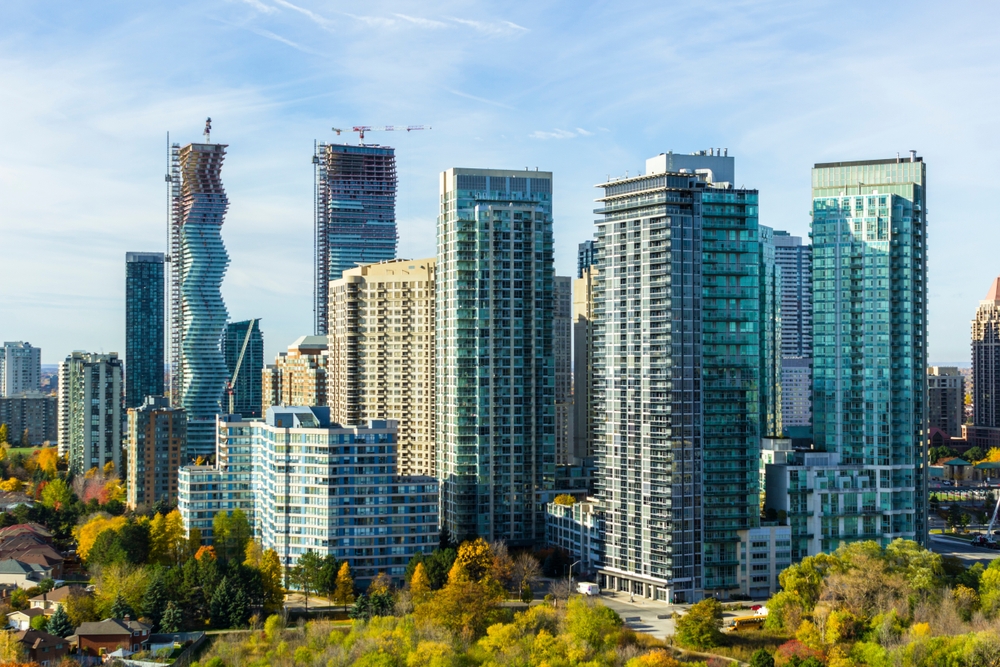
Mississauga’s suburban housing market is under pressure from high debt levels and increased mortgage rates. Homeowners with large mortgages or multiple properties are particularly vulnerable. Rising property taxes, insurance costs, and maintenance expenses add to financial strain, making power-of-sale listings more likely. Detached homes and townhouses in established neighbourhoods may face slower sales, while investor-owned condos could experience cash flow challenges. The combination of affordability pressures and slowing market activity suggests Mississauga could be among the first suburban markets to see a noticeable wave of distressed property sales.
Brampton, Ontario
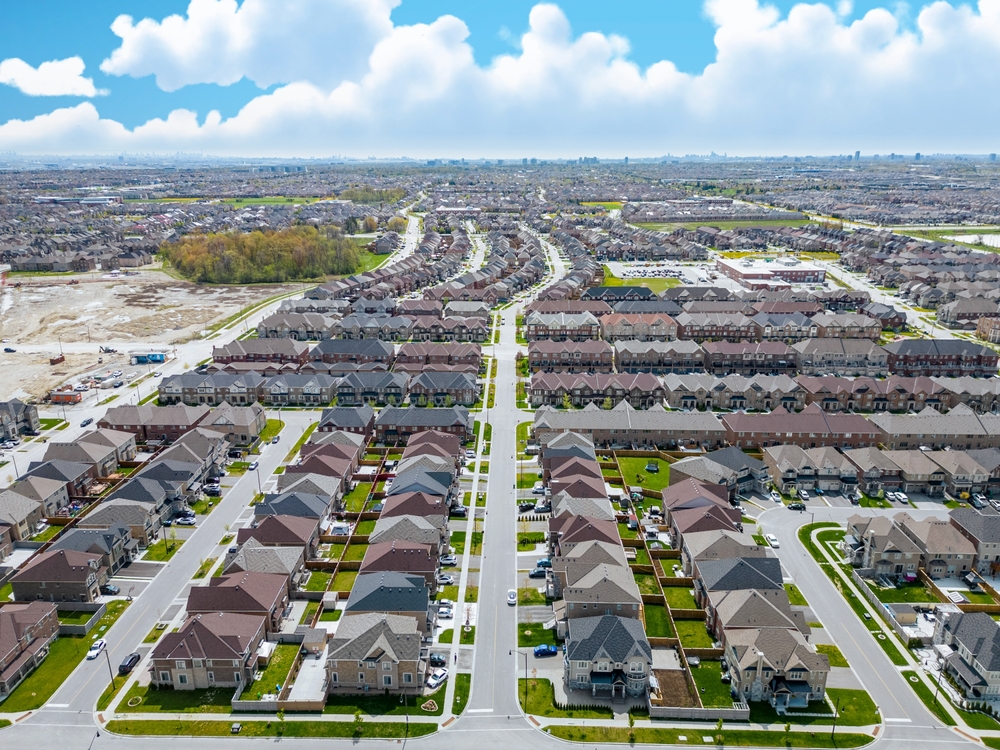
Brampton has been heavily affected by rising interest rates and elevated housing prices. Many homeowners are overleveraged, leaving them at risk of financial strain if income or rental revenue declines. Mortgage renewals for high-value homes may result in unaffordable payments, prompting some owners to sell. Investor activity is slowing, adding pressure to the local rental market. These factors point to an increased likelihood of power-of-sale listings in Brampton, creating potential buying opportunities but also signaling financial stress in one of the fastest-growing suburban regions of the Greater Toronto Area.
Oakville, Ontario

Oakville’s upscale housing market is experiencing pressures from interest rate hikes and increased carrying costs. Homeowners with large mortgages or investment properties may find it difficult to maintain payments, leading to potential forced sales. Declining luxury property demand and slower market activity are exacerbating the financial strain. Investors and residents who purchased at peak prices are most vulnerable, especially in neighborhoods with higher property taxes and maintenance costs. Oakville is positioned as a likely area for a wave of power-of-sale listings, highlighting the growing impact of market adjustments on affluent suburban communities.
Vancouver West End, British Columbia

The Vancouver West End is seeing financial pressures on condo owners due to rising interest rates and high property taxes. Many residents with variable-rate mortgages are facing increased monthly payments, creating a risk of power-of-sale situations. Luxury and older units are particularly vulnerable as declining resale values reduce equity and refinancing options. Investors in rental units may also struggle with negative cash flow, increasing the likelihood of distressed sales. The combination of affordability challenges and high debt levels suggests the West End could experience a noticeable surge in properties entering the market under financial strain.
Vancouver East Side, British Columbia

Vancouver East Side homeowners are increasingly exposed to financial stress from higher mortgage costs and living expenses. Older homes and low-rise properties in this area are more susceptible to declining resale values and rising maintenance costs. Many landlords are experiencing cash flow challenges due to slower rental demand and rising insurance premiums. As a result, a wave of power-of-sale listings may emerge, creating potential opportunities for buyers but signaling financial strain for current property owners. The East Side is poised to be among the neighborhoods most impacted by market adjustments in Vancouver.
Burnaby, British Columbia
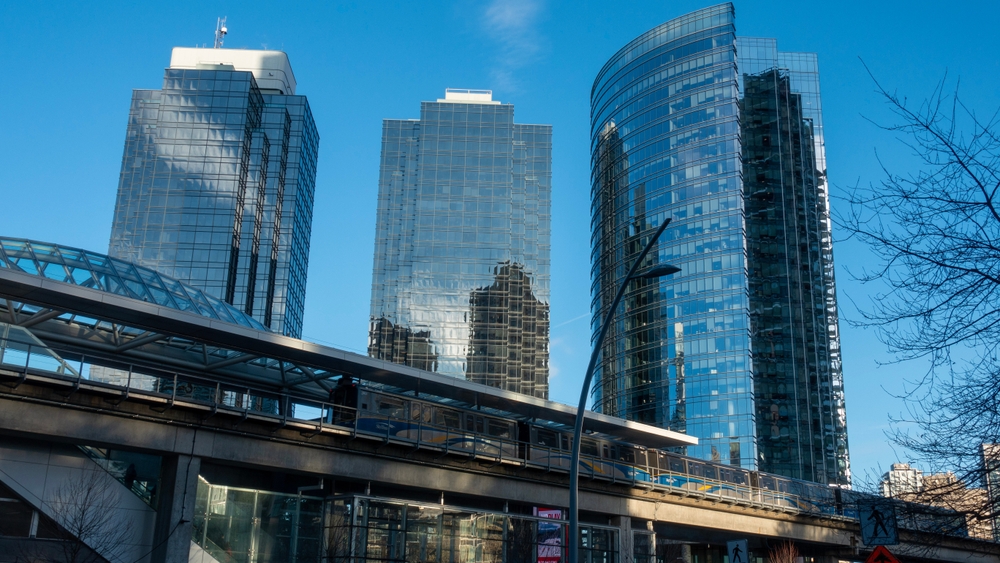
Burnaby’s housing market is facing pressure from rising interest rates, escalating property taxes, and increasing carrying costs. Homeowners with high leverage or investment properties may struggle to meet mortgage obligations. Slowing condo and townhouse markets contribute to declining equity and potential negative cash flow, increasing the risk of forced sales. Burnaby’s mix of family homes and high-density units makes it particularly sensitive to affordability challenges. Buyers may see opportunities as properties enter the market, but the trend underscores mounting financial vulnerability for property owners across the city.
Richmond, British Columbia

Richmond homeowners and investors are confronting affordability pressures due to rising mortgage payments and maintenance costs. Luxury condos and single-family homes purchased at peak prices are at risk as market values stabilize or decline. Investors facing reduced rental income and higher expenses may be forced to sell, while individual homeowners with overleveraged mortgages could also enter power-of-sale proceedings. Richmond’s proximity to Vancouver and strong past demand has not insulated it from current financial stress, making it likely that the city will see an increase in distressed property listings in the coming months.
Montreal Plateau-Mont-Royal, Quebec

The Plateau-Mont-Royal neighborhood in Montreal is showing early signs of housing stress. Rising interest rates and increasing property taxes are affecting homeowners’ ability to maintain payments. Rental income for investment properties is slowing due to market saturation and affordability concerns, creating negative cash flow scenarios. Aging buildings also face rising maintenance costs, adding to financial strain. These factors suggest that Plateau-Mont-Royal could experience a wave of power-of-sale listings as owners adjust to financial pressures. Buyers may find opportunities, but the market is signaling growing vulnerability among property owners.
Laval, Quebec

Laval’s suburban housing market is under pressure from elevated mortgage rates and growing carrying costs. Homeowners with high leverage are vulnerable to financial strain if rental income declines or expenses rise. Maintenance, property taxes, and insurance premiums further challenge cash flow, increasing the likelihood of distressed sales. Investors and first-time homeowners alike may face difficulties in sustaining mortgage payments, which could result in an increase in power-of-sale listings. Laval is becoming a key area to watch as financial pressures mount, signaling potential opportunities for buyers and risk for overextended property owners.
Longueuil, Quebec

Longueuil homeowners are facing financial pressure from rising interest rates and increased property taxes. Many residents purchased homes at peak prices and now struggle with higher mortgage payments. Rental properties are also seeing lower income due to softening demand, creating cash flow challenges. Aging buildings and maintenance costs add to financial stress, making power-of-sale listings more likely. Investors and individual homeowners alike may be forced to sell under these conditions. Longueuil’s proximity to Montreal means that market adjustments in the city are directly affecting the suburb, signaling potential opportunities for buyers amid rising financial strain.
Calgary Beltline, Alberta
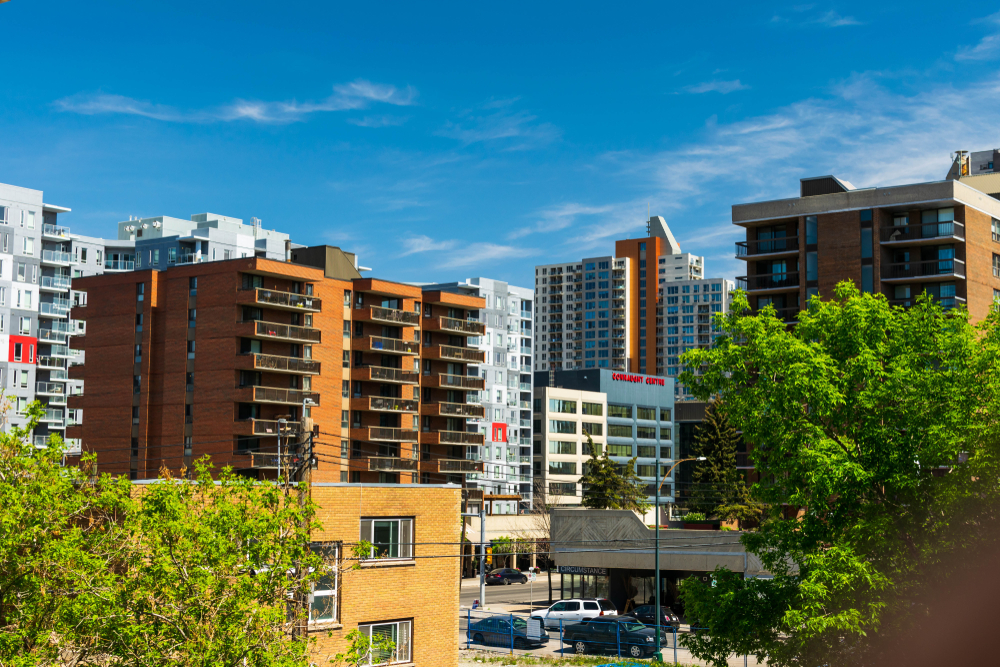
The Calgary Beltline neighborhood is experiencing mounting stress on property owners. Declining resale values, high mortgage rates, and rising property taxes are creating financial pressure for both homeowners and investors. Rental income for multi-unit properties is under strain, leading to negative cash flow for many landlords. Economic uncertainty in Alberta’s energy sector further exacerbates affordability challenges. These factors suggest that the Beltline may see a growing wave of power-of-sale listings, offering buyers opportunities but highlighting the financial vulnerability of property owners in Calgary’s urban core.
Edmonton Strathcona, Alberta
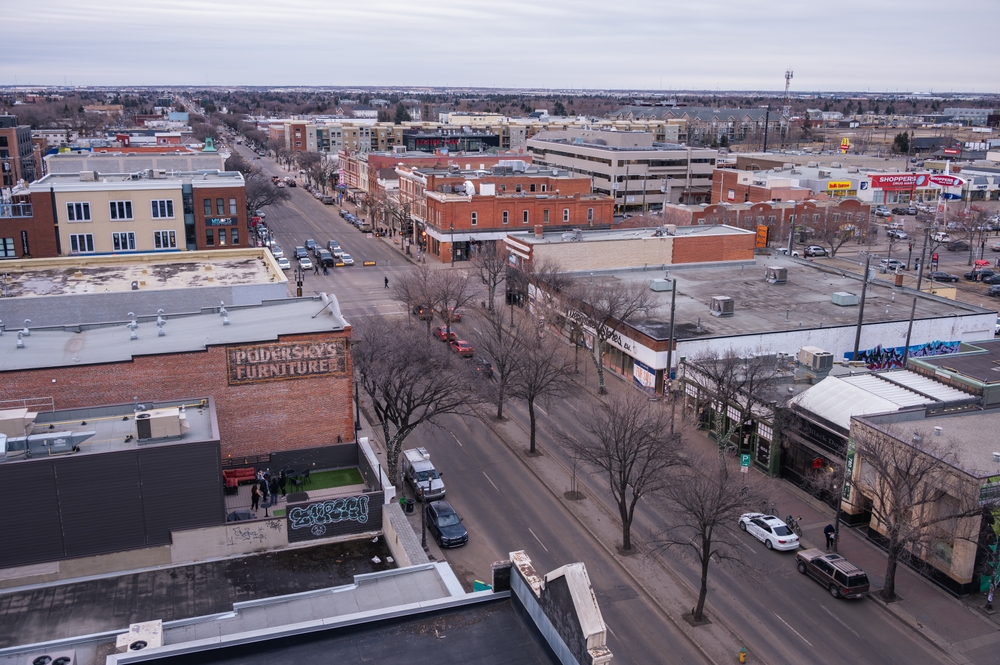
Edmonton’s Strathcona area is facing pressure from higher interest rates, elevated property taxes, and increasing maintenance costs. Many homeowners with older properties or multi-unit rentals are struggling to cover expenses. Rental income has softened, and investors are facing cash flow challenges. Declining equity and slowing resale markets increase the likelihood of power-of-sale listings. These conditions create opportunities for buyers, but they also indicate growing stress among property owners. Strathcona’s mix of student housing and older homes makes it particularly sensitive to economic shifts and affordability challenges in Alberta’s capital city.
Ottawa Kanata, Ontario
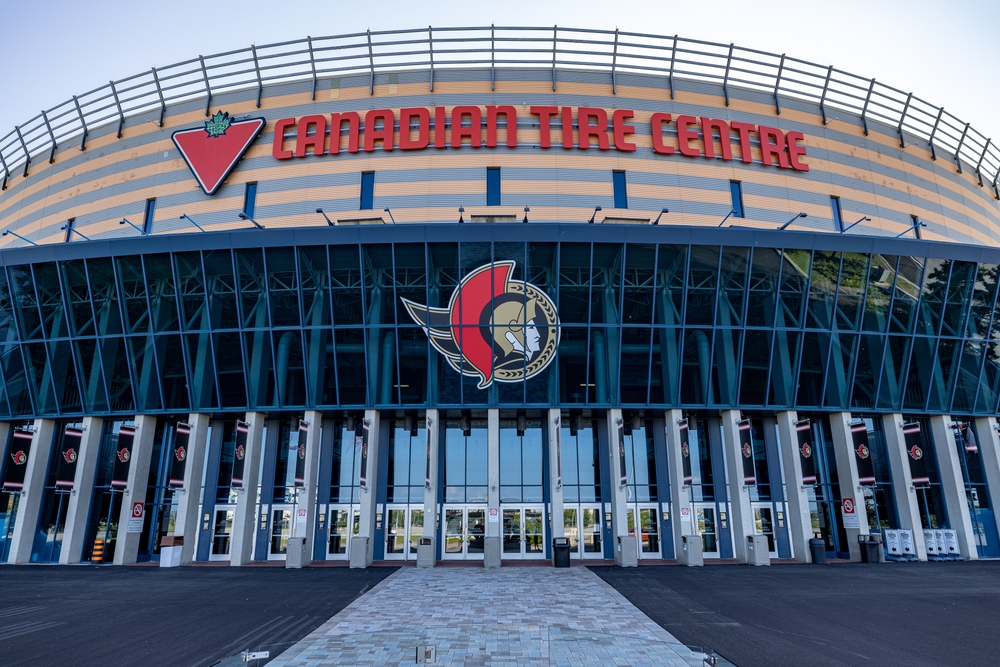
Kanata homeowners are increasingly experiencing financial stress due to rising mortgage rates and high property taxes. Many properties purchased during the housing boom are now seeing slower appreciation, creating negative equity scenarios. Rental properties face declining demand and rising maintenance costs, putting pressure on cash flow. These factors contribute to a higher likelihood of power-of-sale listings in the area. Buyers may find more options as distressed properties enter the market, while property owners face mounting financial strain. Kanata’s suburban market is showing early signs of vulnerability, reflecting broader trends across the Ottawa region.
Halifax Downtown, Nova Scotia
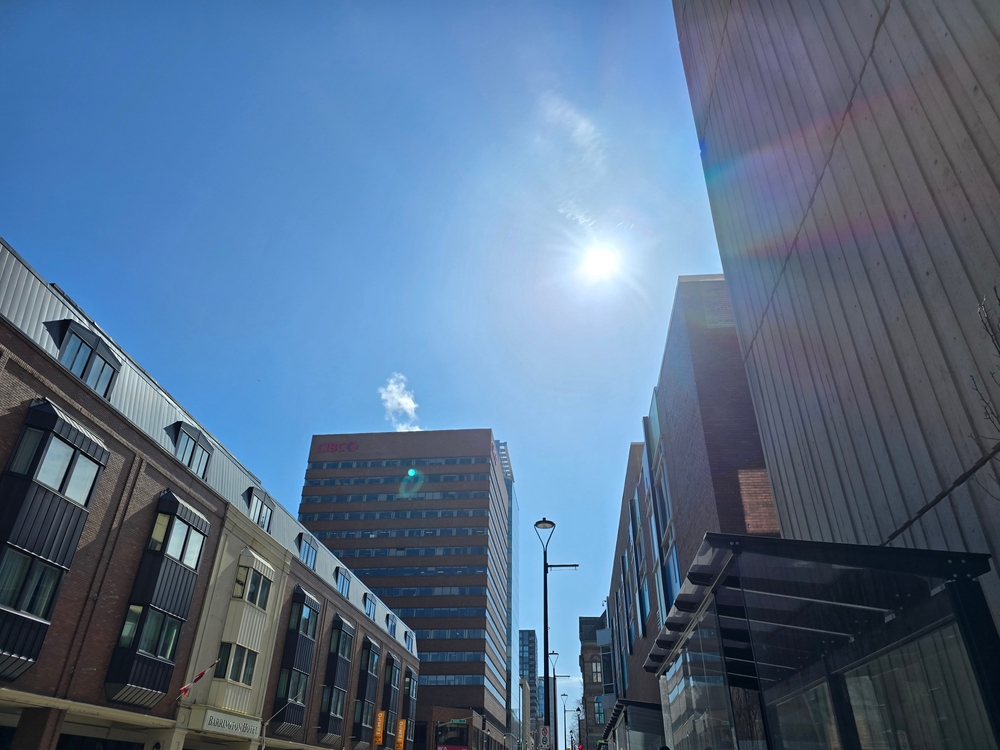
Downtown Halifax is experiencing financial pressure on property owners due to rising interest rates and higher property taxes. Older condos and rental units are seeing slower rental income growth, contributing to negative cash flow. Maintenance and insurance costs are increasing, further straining budgets. These pressures make power-of-sale listings more likely, particularly for overleveraged investors or first-time homeowners. Halifax’s downtown core could see an uptick in distressed property sales, creating opportunities for buyers while signaling the financial vulnerability of property owners in Nova Scotia’s urban markets.
Winnipeg St. Boniface, Manitoba

St. Boniface in Winnipeg is under pressure from rising mortgage payments and property taxes. Many homeowners and landlords are struggling with cash flow as rental income stagnates and maintenance costs climb. Slower property appreciation adds to financial vulnerability, making power-of-sale listings more likely. Investors and individual homeowners may be forced to sell under financial strain, presenting opportunities for buyers. The combination of affordability challenges and economic uncertainty in Manitoba contributes to the growing risk of distressed sales in the St. Boniface neighborhood.
Victoria Downtown, British Columbia

Downtown Victoria property owners are facing financial stress due to rising interest rates, high property taxes, and maintenance expenses. Condos and rental units are particularly vulnerable as rental income softens and carrying costs rise. Overleveraged investors may struggle to meet obligations, increasing the likelihood of power-of-sale listings. Market adjustments in Victoria are creating opportunities for buyers but also highlight the growing financial vulnerability of property owners. Rising costs and slower property appreciation indicate that downtown Victoria could see a notable increase in distressed property sales in the near future.
Burlington, Ontario
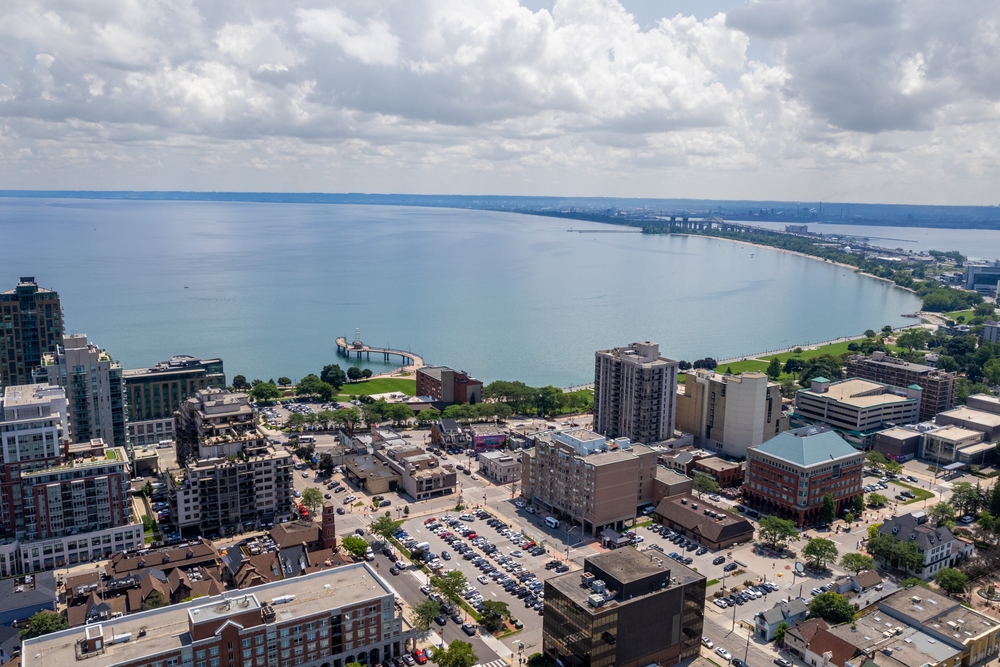
Burlington homeowners are under pressure from rising mortgage rates, property taxes, and maintenance costs. Many investors with rental properties are facing negative cash flow due to slower rental demand and increased expenses. Homeowners with large mortgages may struggle to make payments, increasing the likelihood of power-of-sale listings. The suburban market in Burlington is particularly sensitive to affordability challenges and declining equity. These factors suggest that distressed sales could rise, offering buyers opportunities while signaling financial stress for property owners across the city.
22 Groceries to Grab Now—Before another Price Shock Hits Canada

Food prices in Canada have been steadily climbing, and another spike could make your grocery bill feel like a mortgage payment. According to Statistics Canada, food inflation remains about 3.7% higher than last year, with essentials like bread, dairy, and fresh produce leading the surge. Some items are expected to rise even further due to transportation costs, droughts, and import tariffs. Here are 22 groceries to grab now before another price shock hits Canada.
22 Groceries to Grab Now—Before another Price Shock Hits Canada
