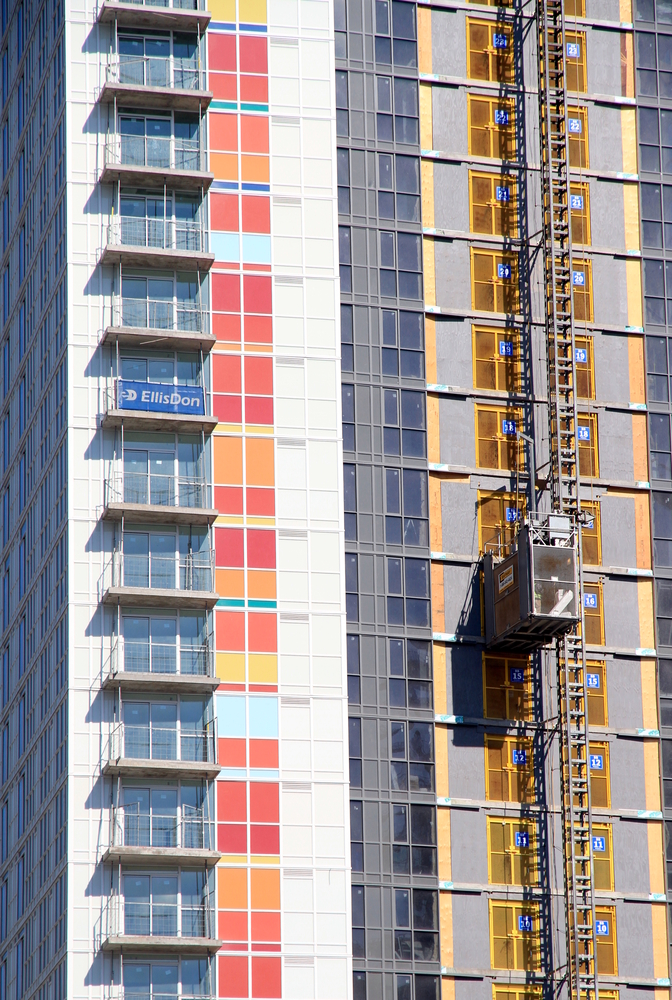
Canada’s office sector is facing major pressure as remote work, corporate downsizing and shifting business needs reshape downtowns. These changes are now influencing the condo market in ways many buyers did not expect. Lower foot traffic, reduced commercial revenue and slower development activity are creating new challenges for both owners and investors. Condo demand in some core areas is softening while costs in many mixed-use buildings are rising. Here are 20 signs Canada’s office tower crisis is spilling into the condo market.
Rising Commercial-to-Residential Conversions
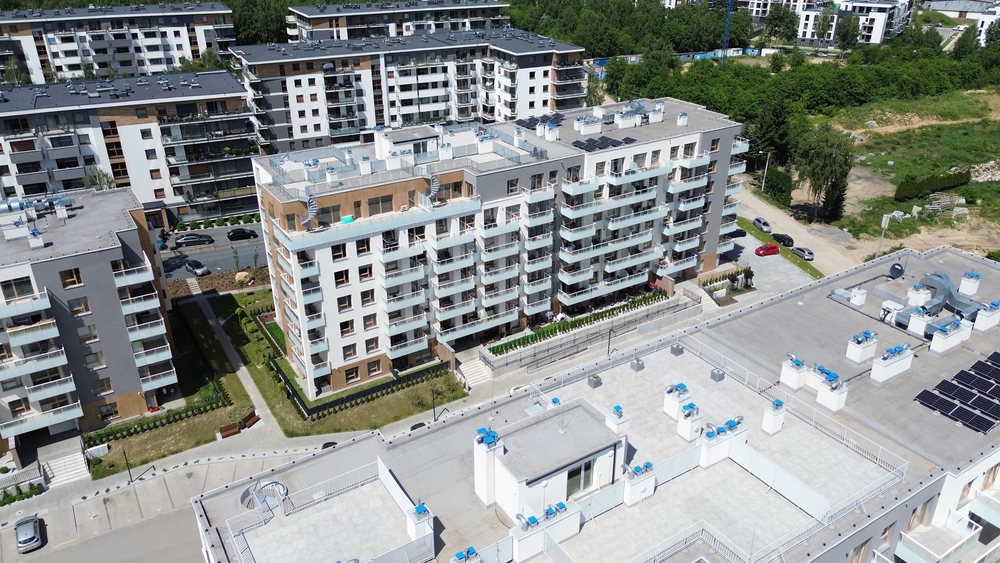
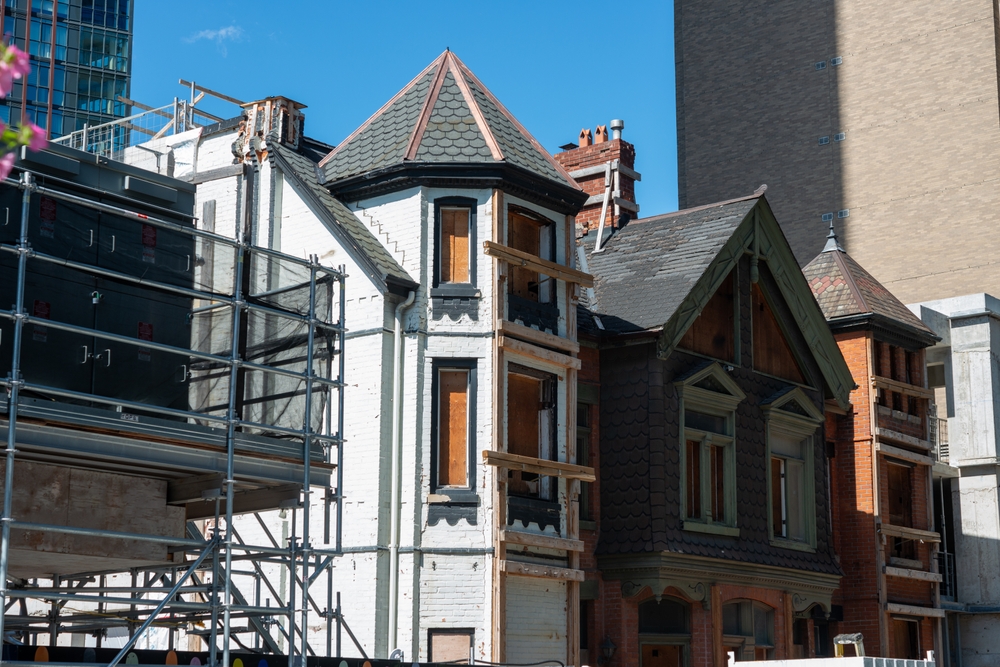
Cities across Canada are seeing more commercial properties converted into residential units. High office vacancies are pushing developers to look for stable demand. Residential projects offer more predictable returns. These conversions change local housing supply and influence overall pricing. Older office buildings often need major upgrades before becoming livable spaces. These upgrades raise construction costs and affect final unit prices. Buyers may also face delays because conversions take longer than standard builds. The trend shows how the office downturn is shaping urban housing markets in real time.
Surplus Office Space Driving Down Urban Land Values

Large amounts of unused office space are reducing commercial land demand. Investors are less willing to pay high prices for downtown parcels. This trend affects nearby residential land values and long-term planning. Cities rely on strong commercial zones to support property tax revenue. When values fall, budgets become harder to manage. Developers also rethink future projects due to weaker returns. Lower land prices may help future residential construction but slow current activity. The imbalance shows how excess office supply is reshaping urban development patterns across major cities.
Developers Pivoting Away from Office Projects

Developers across Canada are shifting away from office towers toward residential projects. Remote work demand continues and reduces the need for new office space. Lenders also prefer projects with steady pre-sales because they lower financing risk. Developers follow these signals and move toward more predictable residential markets. This shift increases future condo supply but slows new commercial construction. The change also delays recovery in major business districts. The pivot reflects broader concerns about long-term office demand and its impact on project planning.
Condos Delayed Due to Financing Challenges
Financing has become harder for many condo projects in large cities. Lenders want stronger pre-sales before releasing funds. Rising interest rates also increase borrowing costs for developers. Some projects pause until conditions improve. Buyers face uncertainty because timelines often shift. Construction slowdowns increase total project expenses and reduce profitability. Developers may adjust pricing or redesign units to manage costs. Uncertain financing affects project reliability and buyer confidence. These delays show how the weaker office market is creating pressure throughout the entire urban development pipeline.
Pre-Construction Buyers Facing Increased Uncertainty

Pre-construction buyers are experiencing more uncertainty across major markets. Many projects face delays because developers struggle to secure financing. Construction costs remain high and force some builders to renegotiate terms. Buyers worry about move-in dates and long-term affordability. Interest rate changes affect final mortgage payments at completion. Market volatility can shift property values while buyers wait. Some reconsider deposits due to these risks. The environment makes pre-construction purchases more unpredictable than in past years. These issues reflect the broader instability caused by weak office demand.
Office Vacancy Rates Triggering Investor Pullback

High office vacancy rates are pushing investors away from urban real estate. Many funds do not want exposure to towers with weak occupancy. This reduces available financing for new mixed-use or commercial projects. Fewer investors also lower confidence in downtown districts. Developers face more challenges when seeking funding for new builds. Investor caution weakens condo markets that rely on strong downtown activity. Buyers may hesitate when local business areas show signs of decline. The pullback highlights how office market struggles influence broader real estate investment decisions.
Declining Downtown Foot Traffic Reducing Condo Appeal
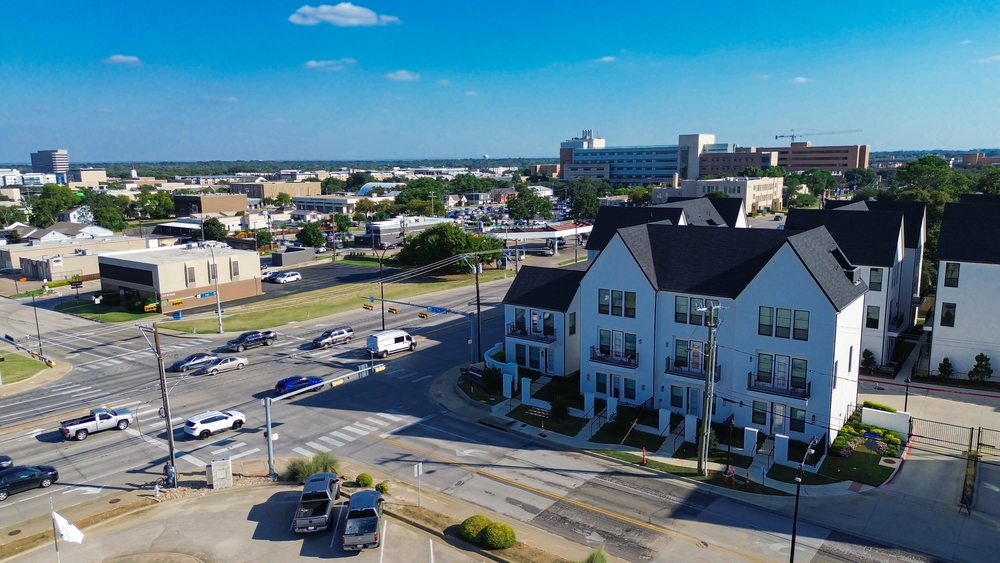
Lower downtown foot traffic is reducing the appeal of urban condo living. Fewer office workers mean fewer customers for local shops and services. Many small businesses close due to reduced demand. This weakens the overall convenience that attracts condo buyers. People want active neighbourhoods with stable amenities. When activity drops, demand for downtown units cools. Prices may flatten as buyers look for better value in other areas. Developers must adjust strategies to draw interest. This shift shows how office vacancies affect condo demand through everyday neighbourhood changes.
Small Businesses Closing Near Condo Hubs

Small businesses near condo hubs are closing as downtown activity declines. Lower foot traffic reduces daily revenue and affects long-term stability. Many shops relied on office workers for steady sales. With fewer workers commuting, these businesses face sharp drops in demand. Store closures reduce neighbourhood convenience and weaken overall condo appeal. Residents notice fewer services within walking distance. This trend pushes some buyers to consider suburban options. The closures show how falling office use influences broader local economies tied to condo communities.
Rental Demand Shifting Away from Core Areas

Rental demand is shifting toward suburban and smaller urban areas. Many renters want more space and lower monthly costs. Remote work makes it easier to live farther from downtown cores. As a result, central condo rentals sit longer on the market. Landlords offer incentives to attract tenants. Some renters leave high-rise districts due to reduced amenities and fewer open businesses. This shift changes pricing trends across major regions. The movement shows how reduced office activity affects rental behaviour in core markets.
Employers Downsizing Corporate Headquarters
Employers across Canada are reducing the size of their corporate headquarters. Hybrid work reduces the need for large offices. Companies continue to shrink their footprints to cut costs. These changes increase vacancy rates in major business districts. Lower occupancy affects local shops and services. Reduced business activity also weakens demand for nearby condos. Fewer workers choose to live close to the office when they visit only a few days each month. Downsizing signals a long-term shift that continues to reshape downtown housing patterns.
Banks Tightening Lending for Urban Developments

Banks are tightening lending standards for new urban developments. Higher interest rates create more risk for lenders. Weak office demand makes mixed-use projects harder to finance. Developers must show stronger pre-sales before receiving approval. These requirements delay projects and reduce new supply. Tougher lending rules also raise costs for builders. Some developments pause or cancel because financing is no longer secure. Buyers face uncertainty as timelines shift. The tighter lending climate reflects concerns about long-term urban market stability.
Distressed Office Assets Reshaping Real Estate Markets

Distressed office buildings are reshaping investment trends across the country. High vacancies push some owners to sell at reduced values. Investors target these properties for redevelopment or repositioning. Lower building prices affect surrounding land values and weaken long-term planning. Some sites convert to residential use when financially viable. These conversions influence condo supply and neighbourhood density. Distressed assets also raise concerns for lenders holding commercial loans. The shift shows how declining office performance impacts broader real estate dynamics.
Condo Prices Flattening in Former High-Demand Districts

Condo prices are flattening in areas that once saw intense demand. Lower downtown activity affects buyer interest. Fewer people want to pay premium prices to live near quiet business districts. Investors are also slowing purchases due to weaker rental prospects. Some sellers adjust pricing to compete in a softer market. Pre-construction units become harder to move without incentives. Flattening prices show that market conditions have changed from earlier high-growth years. This trend reflects slowing momentum tied to reduced office use.
Increased Incentives Needed to Sell Downtown Units

Developers and sellers are offering more incentives to move downtown units. Incentives include reduced deposits, free upgrades and closing credits. These benefits help offset weaker demand in core markets. Buyers hesitate due to concerns about long-term downtown activity. Developers use incentives to maintain sales targets and secure financing. Incentive packages have become common as competition increases. These adjustments show how market conditions have shifted in major cities. The need for incentives highlights the broader pressure created by declining office activity.
Mixed-Use Projects Being Re-evaluated or Paused

ixed-use projects are being re-evaluated across several major cities. Developers are reassessing demand for office, retail and residential components. Weak commercial leasing reduces the financial viability of earlier plans. Some projects pause while builders seek new designs with more housing and fewer offices. Others downsize retail space due to falling foot traffic. These changes cause delays that affect timelines and investor expectations. Paused projects also limit new condo supply in urban centres. The reassessment highlights how reduced office activity is reshaping development strategies.
Construction Costs Rising Due to Market Imbalance

Construction costs continue rising due to market imbalance. Labour shortages, higher material prices and shifting demand patterns increase pressure on builders. Mixed-use project delays reduce economies of scale, making each stage more expensive. Developers adjust budgets and timelines to manage the higher costs. Some planned condo towers stall because they no longer meet financial targets. Rising costs make affordability challenges worse for buyers. The imbalance also affects long-term planning in urban regions. These factors slow new construction and contribute to a more cautious development environment.
Strata and Condo Fees Increasing from Lower Commercial Revenue
Strata and condo fees are increasing as buildings lose revenue from commercial tenants. Many mixed-use properties relied on steady income from offices and retail units. As vacancies rise, the burden shifts to residents. Higher fees cover maintenance, utilities and shared services once supported by commercial rent. Residents face increased monthly costs that affect affordability. Some buildings postpone upgrades because budgets are strained. The changes highlight how falling commercial occupancy directly affects condo owners. This trend adds pressure to markets already dealing with slower sales.
Urban Amenities Losing Funding from Reduced Office Activity

Urban amenities are losing funding as reduced office activity cuts revenue streams. Services like transit, public spaces, cultural programs and community events depend on strong downtown economies. Lower foot traffic and fewer workers weaken sales tax and business revenue. Municipal budgets face shortfalls that force cuts to amenities residents rely on. Reduced investment affects quality of life in high-density neighbourhoods. Some communities see slower maintenance and fewer upgrades. The shift shows how downtown office performance influences wider urban infrastructure and services.
City Tax Bases Shifting Under Financial Pressure

City tax bases are shifting as commercial vacancies rise. Office buildings that once generated strong tax revenue now contribute less to municipal budgets. Cities face financial pressure as they adjust to lower income from key districts. Some municipalities consider increasing residential taxes to close gaps. Others cut services or delay capital projects. The imbalance affects long-term planning and development. Financial strain also influences housing policy and infrastructure investment. These shifts highlight the broader economic impact of declining office markets on urban governance.
Investor Confidence Dropping Across High-density Markets

Investor confidence is dropping in high-density markets affected by weaker office demand. Pre-construction buyers hesitate due to uncertainty around timelines and future property values. Institutional investors also reduce exposure to urban commercial assets. Slower rental growth and higher vacancies create caution. Developers respond by delaying projects or offering incentives to secure commitments. The shift in confidence affects both condo and mixed-use development. Lower investment activity signals doubts about the short-term stability of dense urban markets adjusting to long-term work changes.
22 Groceries to Grab Now—Before another Price Shock Hits Canada

Food prices in Canada have been steadily climbing, and another spike could make your grocery bill feel like a mortgage payment. According to Statistics Canada, food inflation remains about 3.7% higher than last year, with essentials like bread, dairy, and fresh produce leading the surge. Some items are expected to rise even further due to transportation costs, droughts, and import tariffs. Here are 22 groceries to grab now before another price shock hits Canada.
22 Groceries to Grab Now—Before another Price Shock Hits Canada
