
The cost-of-living crisis is changing how Canadians buy, sell, rent, and invest. Prices for daily essentials continue to rise. Housing affordability remains a major pressure point in every province. Many buyers are delaying ownership. Others are adjusting expectations and seeking lower-cost markets. Renters face tighter budgets and more competition. Developers are also shifting strategies to meet new demand patterns. Here are 20 ways the cost-of-living crisis is reshaping Canadian real estate.
Rising Interest Rates Changing Buyer Behaviour

Higher borrowing costs are forcing many Canadians to rethink how and when they enter the housing market. Rising interest rates have reduced affordability, pushing buyers to take smaller mortgages or delay purchases altogether. Many households are choosing fixed-rate terms for stability, even if they cost more upfront. Others are extending amortization periods to manage monthly payments. These changes reflect a cautious approach as buyers try to avoid financial strain. The result is a noticeable slowdown in home sales, especially in major cities where prices were already high. Rising rates are reshaping expectations and slowing the pace of market activity.
Decline in First-Time Homebuyer Activity

First-time homebuyers are finding it harder to qualify for mortgages, especially with strict stress tests combined with higher interest rates. Many young Canadians are postponing homeownership because monthly payments have become unaffordable. This has led to fewer starter-home purchases, reduced activity in entry-level markets, and more people choosing to stay in rentals longer. Some are moving back in with family to save money. Others are leaving major cities entirely in search of lower-cost options. As affordability worsens, the decline in first-time buyer participation is becoming one of the most significant shifts in Canada’s real estate landscape.
Surge in Demand for Smaller, More Affordable Homes

As the cost of living rises, many Canadians are gravitating toward smaller and more affordable homes. Buyers are prioritizing functionality and price over size and luxury. Compact condos, townhomes, and micro-suites are becoming more appealing, especially for young professionals and downsizers. Builders are responding by designing units that maximize usable space while keeping costs down. Smaller homes often come with lower utility bills and maintenance costs, making them even more attractive. This trend reflects a broader shift in lifestyle as Canadians try to reduce financial pressure and remain within realistic housing budgets under challenging economic conditions.
Growth in Multi-Generational Living

More families are choosing multi-generational living as a way to manage rising housing and living expenses. Parents, children, and grandparents are sharing homes to reduce mortgage costs, utilities, and caregiving burdens. This trend is especially strong in cities where property values have climbed beyond what many households can afford independently. Builders are adapting by creating homes with secondary suites and flexible layouts. Multi-generational living also offers emotional and practical benefits, such as shared responsibilities and closer family support. As economic pressures continue, this lifestyle shift is reshaping housing demand across Canada.
Increased Demand for Rentals Over Ownership
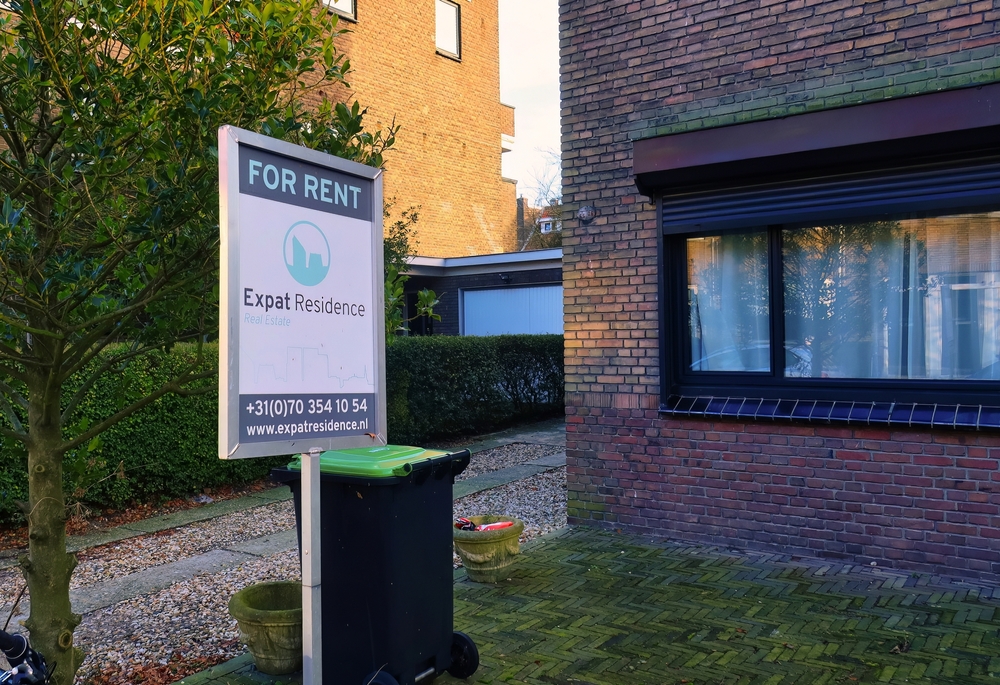
The cost-of-living crisis has pushed many Canadians away from homeownership and toward long-term renting. High interest rates, tougher mortgage rules, and steep home prices are making ownership increasingly unattainable. As a result, rental demand has surged across major cities and suburban markets. Many households now view renting as a practical long-term strategy rather than a temporary step. Developers are responding with more purpose-built rental buildings designed for stability and affordability. With financial pressures rising, renting offers flexibility, lower upfront costs, and relief from the responsibilities that come with owning a home.
Rising Rental Prices Across Major Cities
Rental prices are climbing rapidly in cities like Toronto, Vancouver, and Montreal as demand outpaces supply. Limited rental availability, population growth, and rising operating costs for landlords are driving up monthly rates. Many renters are forced to compromise on location, space, or amenities to stay within budget. Others are moving to smaller cities where rent is more manageable. High rental prices are placing significant strain on households, especially those already dealing with inflation and stagnant wages. This surge reflects broader housing market challenges as more Canadians shift from ownership to renting due to affordability constraints.
Downsizing Becoming More Common Among Retirees

More retirees are choosing to downsize as rising living costs make larger homes harder to maintain. Many are selling high-value properties in big cities and moving into condos, bungalows, or senior-friendly units to reduce expenses. Lower utility bills, less maintenance, and simpler lifestyles are motivating this shift. Downsizing also helps retirees free up equity to support their retirement income. As affordability pressures grow, this trend is accelerating across provinces. Retirees are becoming a major force in reshaping demand for smaller, more efficient housing options.
Shift Toward Suburban and Rural Relocation

High urban housing costs are pushing many Canadians toward suburban and rural communities. Families and remote workers are choosing areas with cheaper homes, more space, and better affordability. Access to nature, lower taxes, and quieter lifestyles also add to the appeal. This movement is driving population growth in smaller towns and shifting demand away from major city cores. As more people relocate, local housing markets outside big cities are experiencing competitive pressures and new development activity. The cost-of-living crisis continues to fuel this geographic reshaping of where Canadians choose to live.
Higher Construction Costs Delaying New Builds

Rising material, labour, and financing costs are slowing down new housing construction across Canada. Builders are struggling to keep projects profitable as inflation pushes expenses upward. Many developments are being delayed or paused, reducing the number of new homes entering the market. These delays worsen supply shortages and place additional pressure on affordability. Higher construction costs also mean that new homes often come with higher price tags. As a result, the pace of new builds has become a major factor shaping Canada’s real estate landscape during the cost-of-living crisis.
Developers Prioritizing Smaller Condo Units
Developers are responding to affordability challenges by designing smaller condo units that appeal to cost-conscious buyers. These compact layouts help keep sale prices within reach while maximizing the number of units per building. Micro-suites, efficient one-bedroom units, and compact two-bedrooms are becoming increasingly common in major cities. Smaller units also offer lower utility and maintenance costs, making them attractive to young professionals and downsizers. This trend reflects a broader industry shift toward affordability-focused construction as Canadians struggle with rising living expenses.
Growing Popularity of Co-Living and Shared Housing

Co-living is gaining momentum as Canadians seek more affordable housing options. Shared homes, rented rooms, and communal living spaces help reduce monthly costs while providing flexibility. Younger renters and newcomers to Canada are driving this trend, especially in expensive urban centres. Co-living offers a way to stay in desirable neighbourhoods without overextending financially. Some developers are creating purpose-built co-living spaces with shared kitchens and amenities. As affordability worsens, co-living has become a practical solution for those seeking community, convenience, and lower rental expenses.
Increased Mortgage Stress Test Failures

More Canadians are failing the mortgage stress test as interest rates rise and debt levels remain high. The test requires borrowers to qualify at rates significantly above what they’ll actually pay, making approval harder. Many potential buyers are being pushed out of the market or forced to consider smaller, less expensive homes. Stress test failures are reducing the number of eligible buyers and slowing home sales nationwide. This trend highlights how the cost-of-living crisis is limiting purchasing power and reshaping the path to homeownership for many Canadians.
More Canadians Extending Amortization Periods

Many Canadians are stretching their mortgage amortization periods to reduce monthly payments. Longer repayment timelines offer short-term relief but increase total interest costs. With rising rates and tighter budgets, homeowners are prioritizing immediate affordability over long-term savings. This trend is especially common among variable-rate mortgage holders facing payment shocks. As cost pressures intensify, extended amortizations have become a widespread coping strategy reshaping mortgage structures across the country.
Spike in Renovation Deferrals Due to Budget Strain

Homeowners are delaying renovations as rising living costs limit disposable income. Projects like kitchen upgrades, bathroom remodels, and major repairs are being postponed to avoid debt or large upfront expenses. This shift is slowing demand for contractors and building supplies. Deferred maintenance also risks future repair issues but reflects the financial strain many households face. The trend shows how the cost-of-living crisis is pushing Canadians to prioritize essential spending over home improvement.
Government Programs Targeting Housing Affordability

Governments at all levels are rolling out measures to improve affordability, including tax incentives, renter protections, grant programs, and zoning reforms. These initiatives aim to support first-time buyers, increase rental supply, and speed up housing construction. While results vary, the rise in policy interventions highlights the urgency of the affordability crisis. Government action is becoming a defining factor in how Canada’s real estate market evolves during this period of financial pressure.
Increased Interest in Purpose-Built Rentals

Purpose-built rentals are gaining traction as supply shortages and high ownership costs drive demand. Developers are investing more in rental-focused projects that offer long-term tenancy, modern amenities, and stable rent structures. These units appeal to students, young professionals, and families priced out of ownership. The trend reflects a shift toward treating renting as a long-term housing solution rather than a temporary stage. Purpose-built rentals are becoming critical to balancing Canada’s housing market.
Foreign Investor Activity Adjusting to Market Conditions

Foreign investors are adapting their strategies as taxes, regulations, and market volatility shift conditions. Some are stepping back due to higher ownership costs, while others are exploring rental-focused investments or secondary markets. Changing immigration levels and global economic trends also influence activity. These adjustments impact demand, especially in major cities where foreign buyers previously played a significant role. The evolving behaviour of international investors continues to shape market dynamics.
More Households Taking on Roommates to Cut Costs

With affordability declining, more Canadians are sharing housing to reduce expenses. Taking on roommates helps split rent, utilities, and groceries, making it easier to manage rising costs. This trend is growing among young adults, students, newcomers, and even middle-income families. Multi-room rentals, basement suites, and shared condos are increasingly common. The rise in shared living arrangements shows how Canadians are adapting to financial pressures while trying to stay in their preferred communities.
Rising Appeal of Energy-Efficient Homes

Energy-efficient homes are becoming a stronger priority for Canadian buyers facing high living costs. Households want lower monthly bills and more predictable expenses. Features like better insulation, high-performance windows, heat pumps, and solar systems help reduce long-term utility costs. New builds with strong energy ratings attract more attention than older homes with higher maintenance needs. Government rebates also make upgrades more practical. Buyers now compare homes based on efficiency as much as location or size. This shift is reshaping demand patterns across major cities.
Greater Demand for Flexible Zoning and Housing Density Policies

Flexible zoning and higher-density policies are gaining support as affordability pressures intensify. Many cities face limited supply and rising prices that outpace incomes. More Canadians now favour policies that allow multiplexes, laneway suites, and gentle density in established neighbourhoods. These options create additional rental supply and more attainable ownership paths. Municipal governments are reworking zoning rules to speed approvals and encourage efficient land use. The shift reflects a growing acceptance that traditional low-density planning no longer meets current needs. Buyers and renters want practical solutions that respond to today’s cost realities.
22 Groceries to Grab Now—Before another Price Shock Hits Canada

Food prices in Canada have been steadily climbing, and another spike could make your grocery bill feel like a mortgage payment. According to Statistics Canada, food inflation remains about 3.7% higher than last year, with essentials like bread, dairy, and fresh produce leading the surge. Some items are expected to rise even further due to transportation costs, droughts, and import tariffs. Here are 22 groceries to grab now before another price shock hits Canada.
22 Groceries to Grab Now—Before another Price Shock Hits Canada
