
Canada’s housing market is feeling a quiet but powerful shift as many baby boomers begin downsizing. Older homeowners are choosing smaller, more manageable properties, moving to condos, townhomes, or secondary cities. This trend is increasing inventory in urban neighbourhoods while easing pressure on tight markets. Homes that were once in high demand are now staying listed longer, impacting local prices. Here are 20 ways Canadian boomers are quietly downsizing and crashing local home prices.
Boomers Selling Earlier Than Expected

More Canadian boomers are choosing to sell their homes earlier than past generations. High living costs, changing health needs, and a desire to simplify are speeding up these decisions. Many want less debt and fewer household responsibilities. Earlier selling is increasing listings in several regions. This trend is adding unexpected supply into markets that were already adjusting to slower demand. Buyers now have more options, especially in established neighbourhoods. The shift is changing price patterns in some cities. Sellers are trying to secure strong values before conditions soften. The accelerated timeline is reshaping local housing inventory.
Growing Preference for Smaller, Low-Maintenance Homes

Boomers are increasingly choosing smaller homes that require less upkeep. Large properties are becoming harder to manage as maintenance costs rise. Many want compact layouts, modern designs, and energy-efficient features. These homes reduce monthly expenses and suit long-term aging plans. Developers are responding by offering more downsized options in condo and townhome formats. This growing preference is influencing inventory in both urban and suburban areas. Smaller homes are seeing faster turnover rates. Older owners are prioritizing convenience over space. This lifestyle shift continues to reshape demand patterns across multiple provinces.
Surge in Listings in High-Priced Urban Neighbourhoods

High-priced neighbourhoods in major cities are seeing a notable increase in listings from older homeowners. Many boomers are selling while prices remain strong. They want to unlock equity and lower financial pressure. The shift is more visible in areas with long-term residents. Homes that stayed off the market for decades are now being listed. This surge is increasing selection for move-up buyers. It is also creating downward pressure on premium segments. More turnover is expected as affordability challenges grow. The trend is contributing to greater price stability in expensive districts.
Increased Inventory Putting Pressure on Local Prices

Rising inventory from early boomer sales is affecting local prices in several markets. More listings mean buyers have more choice. This reduces bidding intensity compared to previous years. Neighbourhoods with many older homeowners are seeing faster inventory growth. The added supply is creating mild price softening in some regions. Sellers now face longer selling periods and more competition. Some are adjusting expectations to match market conditions. The shift is easing extreme price levels seen during recent peaks. Local markets are becoming more balanced as new listings continue to rise.
Downsizing Motivated by Fixed-Income Constraints

Many boomers living on fixed incomes are downsizing to manage rising costs. Property taxes, utilities, and maintenance expenses have increased. These pressures are pushing older homeowners to seek more affordable housing. Selling a large property often reduces monthly expenses significantly. Some use the remaining equity to boost retirement savings. The financial shift is also driven by higher interest rates and inflation. Fixed-income households face tighter budgets. This leads to more listings in established communities. Downsizing helps maintain financial stability in a challenging cost environment.
Shift Toward Condos and Townhomes

Boomers are increasingly moving into condos and townhomes instead of single-family homes. These options offer lower maintenance and predictable living costs. Many buildings provide amenities that appeal to aging homeowners. Condos and townhomes are often located near transit, healthcare, and essential services. This convenience encourages more older buyers to switch housing types. The shift is increasing demand in mid-density developments. It is also boosting turnover in older suburban areas. Developers are adjusting future plans to meet the trend. The move reflects a long-term change in boomer housing preferences.
More Boomers Moving to Secondary Cities

More boomers are relocating to secondary cities where living costs are lower. These areas offer smaller homes, quieter communities, and easier access to essential services. Property taxes and daily expenses are often more manageable outside major urban centres. The move also allows homeowners to retain more equity after selling. Secondary cities are experiencing increased demand for mid-priced homes due to this shift. The trend is helping rebalance housing activity across regions. More inventory is appearing in big cities as older owners exit. This relocation pattern continues as affordability pressures rise nationwide.
Rural and Small-Town Migration Trends

Boomers are also choosing rural areas and small towns for more affordable housing. These locations offer lower ownership costs and reduced financial pressure. Many prefer quieter environments and smaller properties that match their current lifestyle. Increased migration is boosting demand in previously slow-moving markets. Prices in these areas are rising modestly as more listings sell quickly. The shift is also creating larger inventories in major cities. Some small towns are adjusting infrastructure to support new residents. The trend reflects long-term planning by older households seeking stability. Rural markets expect continued activity as cost pressures persist.
Multi-Unit Homes Losing Popularity Among Older Owners

Older homeowners are moving away from multi-unit or multi-generational homes. Maintenance costs and higher utility bills make these properties less practical. Many boomers prefer smaller layouts that suit aging needs. Multi-unit homes also require more upkeep and coordination with family members. As a result, more of these properties are entering the market. Buyers looking for space now have more options. Inventory growth is affecting local pricing in neighbourhoods with many larger homes. Developers and planners are noticing the shift and adjusting future designs. The trend highlights a move toward simplicity and cost control.
Cash-Heavy Buyers Disrupting Local Market Dynamics

Many boomers are entering new markets as cash-heavy buyers after selling high-value homes. Their strong purchasing power can outbid younger buyers. This dynamic is pushing prices higher in some secondary cities and small towns. Cash purchases also speed up transactions and reduce inventory faster. Local buyers with mortgages face more competition. The shift is changing market behaviour in regions not used to rapid demand. Sellers are adjusting pricing strategies to match interest from older buyers. This trend is expected to continue as homeowners unlock equity from major urban centres.
Rising Demand for Senior-Friendly Housing
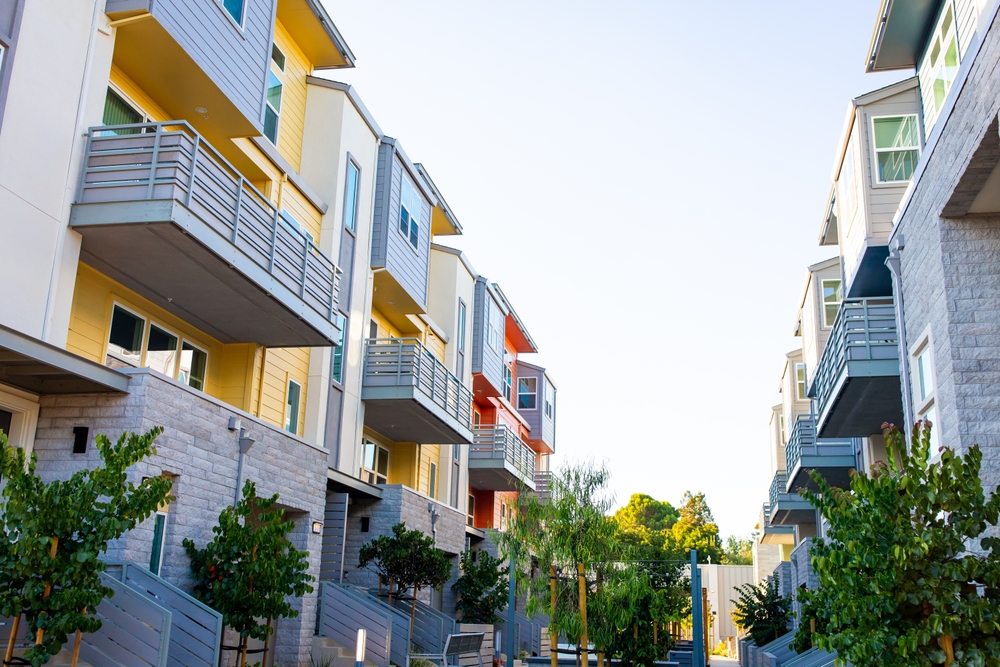
Demand for senior-friendly housing is increasing as more boomers downsize. Features like single-level layouts, wider hallways, and step-free entrances are gaining interest. These homes support long-term mobility needs. Developers are adding more accessible design options to new projects. Existing homes with suitable features are selling faster. Senior-focused communities are also seeing more inquiries. The shift is influencing construction plans across provinces. Older buyers want predictable costs and low-maintenance living. The trend is reshaping inventory needs in both urban and suburban areas as the population ages.
Boomers Choosing to Rent Instead of Own

More boomers are choosing to rent instead of buy after selling their homes. Renting reduces maintenance responsibilities and offers more flexibility. It also allows older adults to protect their savings and avoid rising ownership costs. Some prefer renting while exploring new locations before settling permanently. The shift is increasing demand in the rental market, especially in cities with strong amenities. Developers see more interest in purpose-built rental units among older tenants. The trend eases pressure on ownership markets but tightens rental supply. Boomers are using renting as a practical financial strategy during retirement.
More Estate Sales Adding to Housing Supply
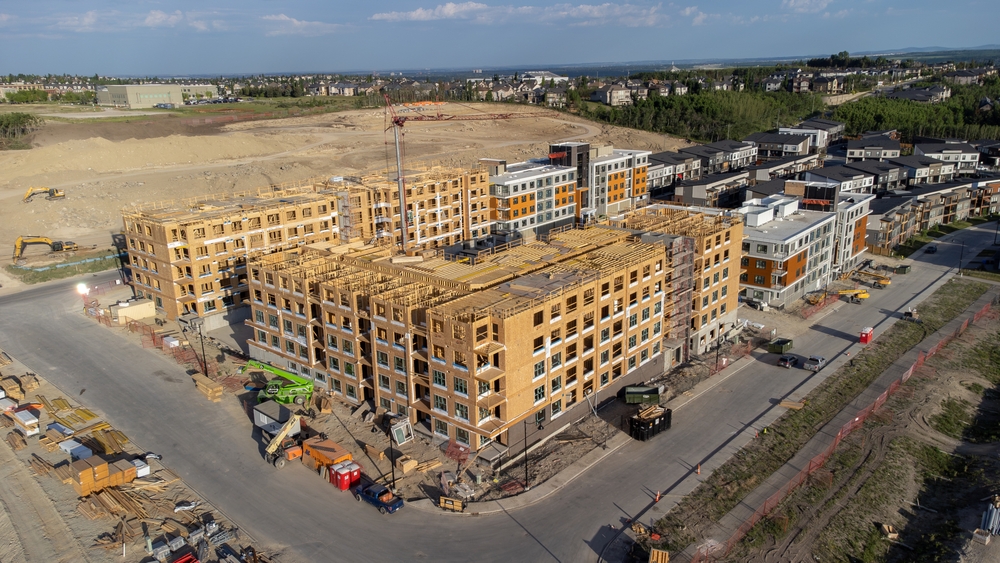
Estate sales are increasing as older homeowners pass properties to family members or executors. Many beneficiaries choose to sell quickly rather than manage the home. These sales add new listings across suburban and urban areas. Estate properties may need updates, which attracts value-focused buyers. The rise in estate sales is expanding inventory and easing pressure in some markets. More listings create price adjustments where supply grows faster than demand. Real estate agents report more inquiries tied to estate transitions. This trend is expected to continue as the population ages. It will shape long-term housing availability.
Boomers Offloading Investment Properties

More boomers are selling investment properties as ownership costs increase. Rising taxes, insurance premiums, and maintenance expenses are reducing returns. Some owners prefer to simplify finances during retirement. Selling these units adds supply to both rental and ownership markets. It also provides younger buyers with more options in previously tight areas. Investor-focused neighbourhoods are seeing more listings than before. The shift also reflects lower interest in being long-term landlords. Boomers are reallocating equity into safer assets. This trend is helping stabilize prices in cities with heavy investor activity.
Renovation-Heavy Homes Being Listed at Discounts

Many boomers are listing older homes that need major upgrades. These properties often come at discounted prices due to renovation needs. Buyers seeking affordability are targeting these listings. Renovation-heavy homes expand opportunities for families willing to update properties over time. Increased supply is reducing local price pressures in some neighbourhoods. Contractors note a rise in inquiries from new buyers. The trend highlights the aging condition of many Canadian homes. It also underscores cost challenges for older owners who avoid large projects. These listings will remain attractive to price-conscious buyers.
Increased Competition Among Sellers in Older Neighbourhoods
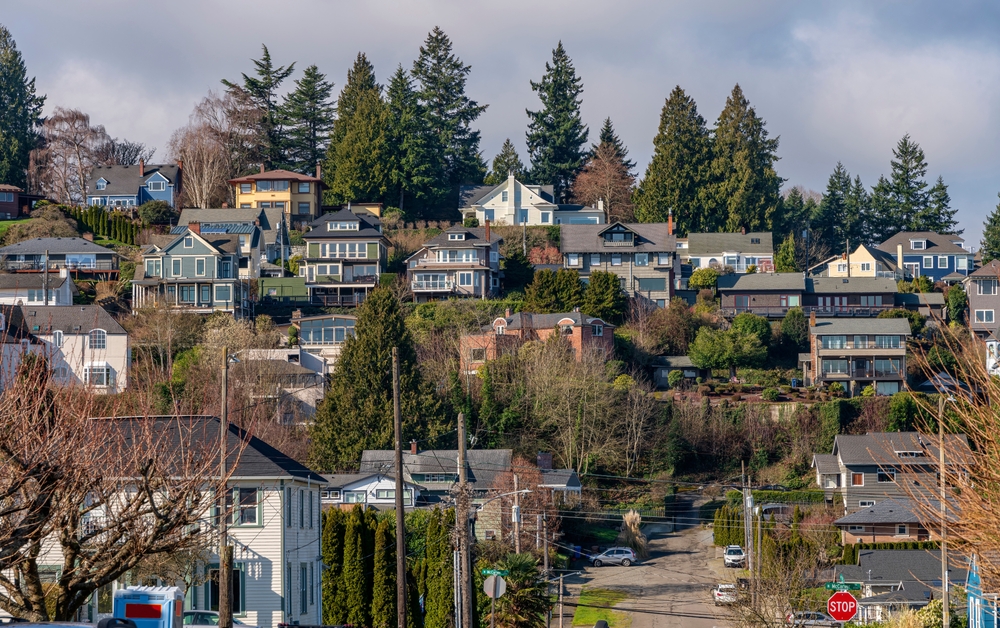
Neighbourhoods with aging populations are seeing more listings at the same time. This increase is creating stronger competition among sellers. Homes are staying on the market longer than before. Buyers have more leverage on pricing and conditions. Local agents report more price reductions as inventory rises. The shift is reshaping demand patterns in long-established communities. Sellers must improve property presentation to stand out. Older neighbourhoods could see further price softening as supply grows. This trend reflects demographic changes across many regions.
Generational Wealth Transfers Influencing Market Timing

Large wealth transfers are influencing selling decisions among aging homeowners. Many boomers plan property sales to support early inheritances. This timing adds new listings to the market at predictable intervals. Some families sell immediately after inheritance to reduce carrying costs. Increased transfers are shaping inventory cycles in urban and suburban areas. These transactions help younger generations enter the market more easily. Wealth transfers also impact regional price stability, depending on local demand. Financial advisors expect this trend to accelerate over the next decade. It will shift long-term patterns in housing supply.
Boomers Opting for Simpler Lifestyles Over Large Homes

More boomers are choosing simpler living arrangements. Large homes require high maintenance, more utilities, and greater upkeep. Downsizing allows for more predictable expenses. Many prefer smaller condos, townhomes, or rental units. This shift is increasing supply in neighbourhoods with many single-family homes. Buyers seeking space now have more selection. The trend also reduces bidding pressure in expensive markets. Simpler lifestyles align with financial planning for retirement. This movement is expected to grow as cost pressures rise.
Higher Downsizing Rates in Provinces With Aging Populations

Provinces with older populations are seeing faster downsizing rates. Regions like Atlantic Canada and parts of British Columbia report more listings from older sellers. These areas have higher shares of retirees who want manageable homes. Increased supply is affecting local pricing and inventory levels. Communities with aging demographics must adjust planning for new housing types. Local markets may experience steadier turnover as older residents move more frequently. This trend impacts both urban and rural regions. Higher downsizing rates will shape future growth patterns in provinces with aging populations.
Impact of Mass Boomer Downsizing on Future Home Values

Mass downsizing among boomers will influence Canadian home values over the next decade. Increased supply in major cities may soften prices as more listings hit the market. Younger buyers will have more choices, reducing bidding pressure. Smaller markets may face price increases if demand stays high. Developers may shift focus toward smaller homes and senior-friendly designs. Financial planners expect long-term structural changes to pricing. Inventory will fluctuate based on demographic trends. This shift marks a major transition in the housing cycle. The impact will be felt across all regions.
22 Groceries to Grab Now—Before another Price Shock Hits Canada

Food prices in Canada have been steadily climbing, and another spike could make your grocery bill feel like a mortgage payment. According to Statistics Canada, food inflation remains about 3.7% higher than last year, with essentials like bread, dairy, and fresh produce leading the surge. Some items are expected to rise even further due to transportation costs, droughts, and import tariffs. Here are 22 groceries to grab now before another price shock hits Canada.
22 Groceries to Grab Now—Before another Price Shock Hits Canada
