
Canada’s housing market has been in constant flux, with record-breaking prices, surging demand, and shifting buyer behavior creating unprecedented changes. First-time homebuyers are struggling, rental rates are climbing, and urban markets are evolving rapidly. Economic pressures, interest rate hikes, and changing lifestyle trends are reshaping where and how Canadians live. Here are 20 shocking stats that prove Canada’s housing market will never be the same again.
Record-Breaking Average Home Prices in Major Cities

Canada’s major cities have seen average home prices hit unprecedented levels. Toronto, Vancouver, and Calgary are leading the charge, making homeownership increasingly difficult. High demand and limited supply are key drivers behind this surge. Many buyers are now priced out of urban cores, seeking alternatives in suburbs or smaller towns. The rise affects not only buyers but also renters, as rental prices adjust in response. Even properties previously considered affordable have crossed new thresholds, changing market expectations. These record-breaking numbers highlight a long-term shift in affordability and housing trends across Canada.
Skyrocketing Mortgage Rates Affecting Affordability

Mortgage rates in Canada have surged to levels not seen in decades. Borrowers now face significantly higher monthly payments, reducing their purchasing power. Many prospective homeowners are delaying purchases or downsizing expectations due to affordability concerns. Rising rates also affect refinancing and investment plans, making debt management more difficult. For first-time buyers, these costs can be prohibitive, shrinking the pool of qualified buyers. Even small increases in rates can translate into thousands of dollars annually, forcing households to adjust budgets. This trend is reshaping the housing market and influencing decisions across urban and suburban areas.Photo Credit : Shutterstock
Declining First-Time Homebuyer Activity

First-time homebuyers in Canada are retreating from the market. Skyrocketing home prices, higher mortgage rates, and stricter lending criteria are key factors. Many young Canadians are delaying purchases, staying with family longer, or renting indefinitely. The decline affects long-term homeownership trends and limits generational wealth accumulation. Sellers may also face a reduced buyer pool, affecting negotiation power. Cities with the highest price surges see the steepest decline in first-time buyers. This shift is altering demographic patterns in the housing market and highlights a growing barrier to entry for those attempting to secure their first property.
Rising Household Debt Levels

Canadian households are carrying record levels of debt, including mortgages, lines of credit, and credit card balances. Rising home prices have forced buyers to borrow more to secure properties. This debt load reduces financial flexibility and increases vulnerability to interest rate hikes. High debt levels also affect consumer spending, influencing the broader economy. For many households, debt servicing takes up a significant portion of income, limiting savings and investments. Elevated debt levels are contributing to a more fragile housing market, with buyers more sensitive to price fluctuations and interest rate increases.
Increase in Days on Market for Listings

Homes in many Canadian markets are taking longer to sell compared to previous years. Rising prices, mortgage rate increases, and reduced buyer affordability contribute to extended days on market. Sellers may face challenges adjusting expectations and pricing strategies. In some regions, properties that would have sold within weeks now remain listed for months. This trend can lead to slower turnover, affecting market liquidity. Longer market times also influence appraisal values and buyer confidence. Overall, the increase in days on market signals a cooling in what was previously a highly competitive housing environment, particularly in major urban centres.
Falling Housing Sales Across Key Markets

Housing sales in Canada’s major cities are declining despite high demand. Higher mortgage rates and affordability challenges have reduced the number of active buyers. Toronto, Vancouver, and Calgary are seeing notable slowdowns compared to previous years. Sellers are adjusting expectations, often reducing listing prices to attract buyers. Lower sales volumes are contributing to a shift in market dynamics, affecting both buyers and real estate professionals. This decline highlights the sensitivity of the housing market to interest rate changes and financial pressures, signaling that previously heated markets are cooling and creating more opportunities for negotiation.
Surge in Rental Prices Nationwide
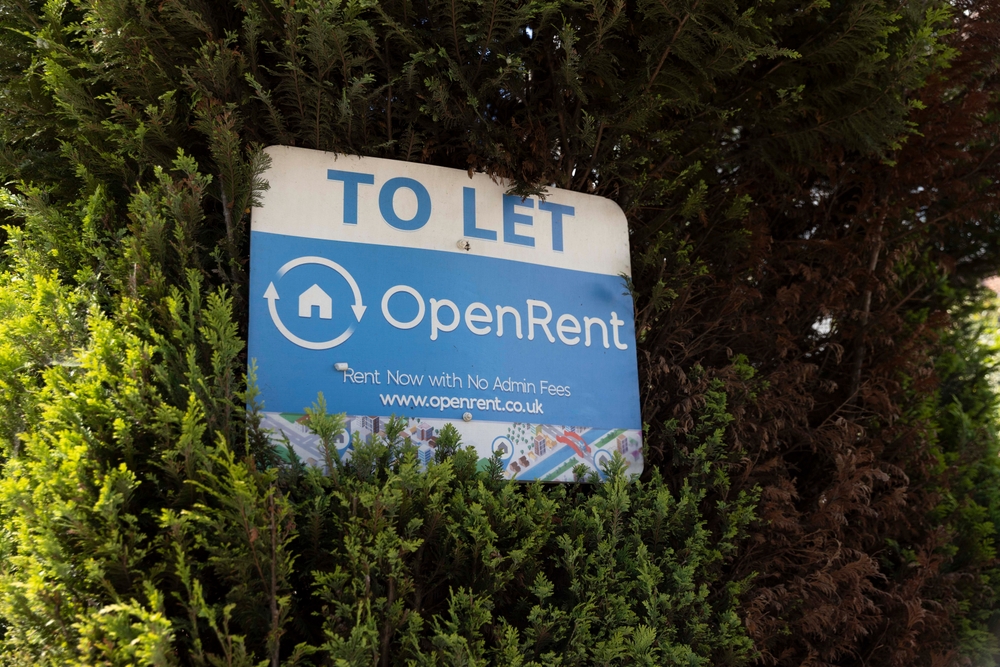
Rental prices across Canada are rising rapidly in response to housing supply constraints and high demand. Urban centres, including Toronto, Vancouver, and Montreal, are experiencing record-breaking rent increases. Many households are shifting from buying to renting due to affordability issues, intensifying competition for available units. Rising rental costs affect budgeting, particularly for young professionals and students. Landlords are adjusting leases to reflect market conditions, further increasing living expenses. This nationwide surge highlights the interconnectedness of housing and rental markets and demonstrates how high home prices are directly influencing rental affordability across Canada’s major cities.
Low Rental Vacancy Rates Driving Competition
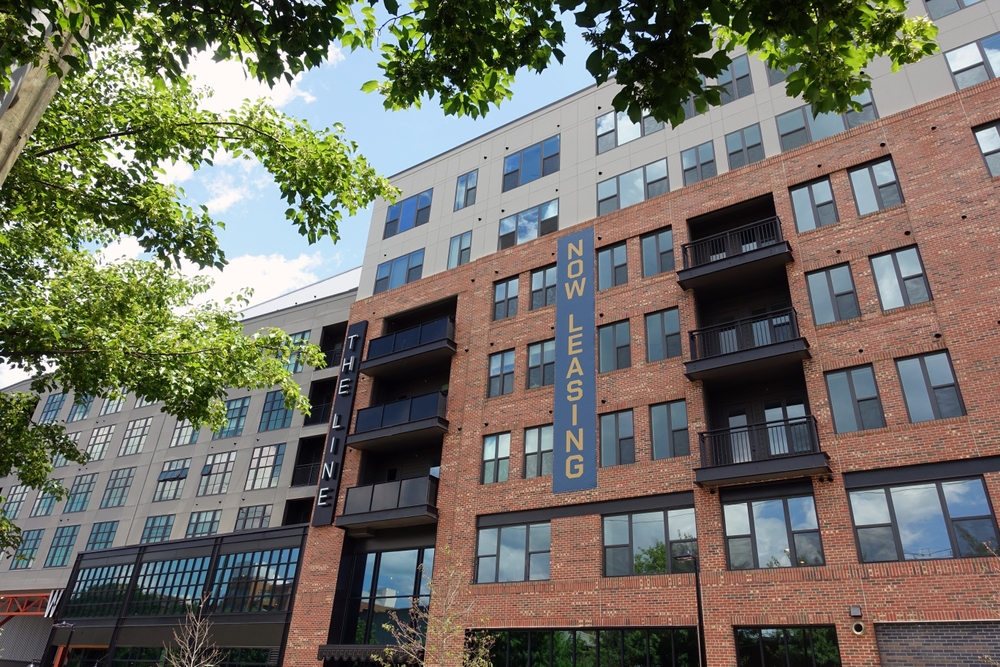
Canada’s rental vacancy rates remain at historic lows in many urban areas. Limited available units create fierce competition, often resulting in bidding wars for apartments and rental homes. Prospective renters face challenges finding suitable housing within budget constraints. Low vacancy rates also drive landlords to increase rents, contributing to affordability stress. The shortage affects workforce mobility and can push residents toward suburban or smaller urban areas. Additionally, short-term rentals and condo conversions further reduce availability. This competitive environment underscores the broader housing crisis and shows how rental market pressure is becoming an ongoing challenge for Canadians nationwide.
Rapid Condo Development Outpacing Demand
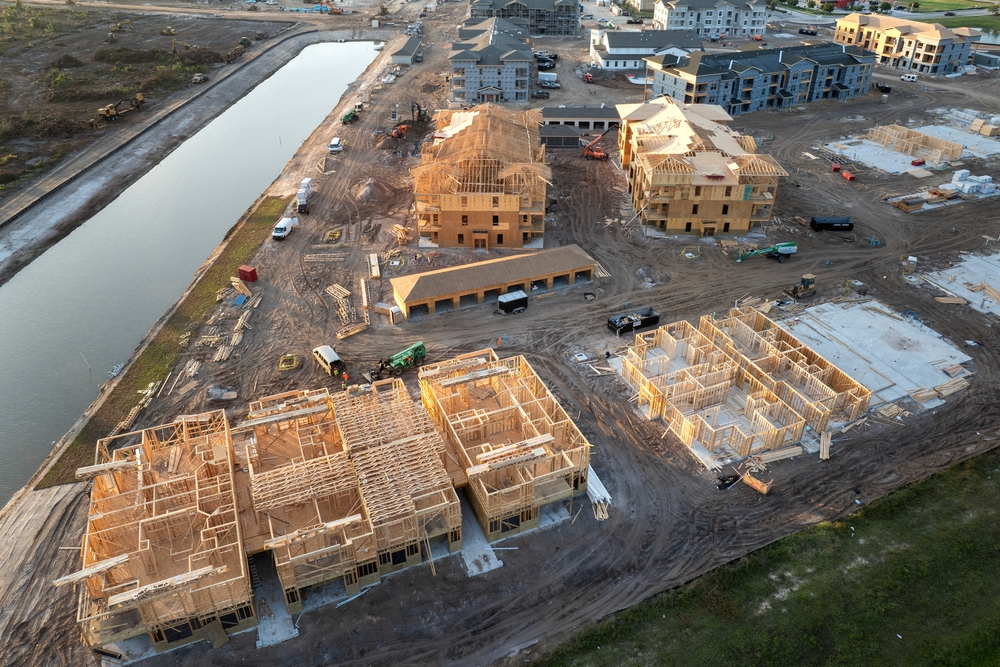
Condo construction in Canada has accelerated, but buyer demand is not keeping pace. Many urban developers are adding new units, contributing to oversupply in some markets. Buyers are cautious due to higher interest rates and elevated home prices. Unsold units may sit on the market longer, affecting investor confidence. This imbalance can impact pricing trends and slow future development projects. In some cities, pre-construction condo projects have seen delays or cancellations as developers reassess market viability. Rapid condo development outpacing demand signals a shift in housing priorities and challenges the assumption that urban real estate growth is sustainable.
Shortage of Single-Family Homes in Urban Areas

Single-family homes in Canada’s major cities are increasingly scarce. Limited land availability and rising prices have restricted the construction of detached homes. Many buyers are priced out, turning to condos or suburban alternatives. The shortage creates bidding wars, inflating prices further. Families seeking space struggle to find suitable options within city limits. Municipal zoning regulations and urban planning constraints contribute to the challenge. The scarcity also affects long-term affordability and alters demographic trends in urban cores. This shortage is reshaping housing markets, forcing both buyers and developers to reconsider priorities and look beyond traditional city boundaries.
Higher Property Taxes in High-Demand Cities
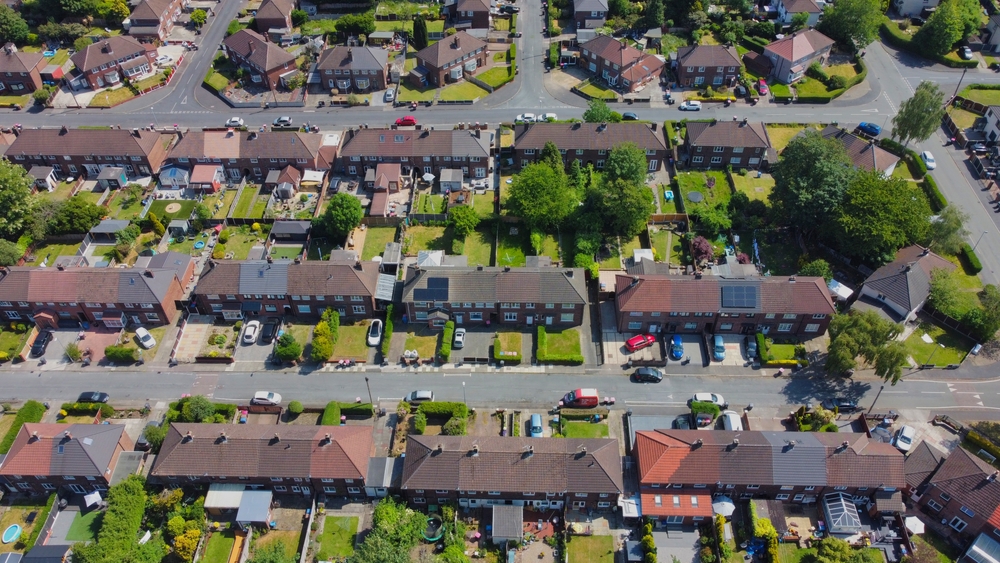
Property taxes in Canada’s high-demand cities have risen steadily, adding to homeowner expenses. Municipal governments are adjusting rates to fund infrastructure, services, and urban development. Higher taxes increase the overall cost of homeownership, particularly affecting first-time buyers and retirees on fixed incomes. In cities like Toronto and Vancouver, property tax hikes compound affordability challenges. Increased taxation can influence buying decisions, neighborhood choices, and long-term financial planning. For some homeowners, rising property taxes are a factor in considering downsizing or relocating to more affordable areas. This trend reflects the ongoing pressure on urban housing markets.
Increased Foreclosure Filings in Some Provinces

Certain Canadian provinces are reporting a rise in foreclosure filings. Higher mortgage rates and affordability challenges are making it difficult for some homeowners to keep up with payments. Ontario, Alberta, and British Columbia are seeing notable increases in legal notices for property defaults. Foreclosures add pressure to local real estate markets by increasing available inventory, potentially lowering home prices. They also highlight the financial vulnerability of households carrying high debt loads. This trend serves as an early indicator of stress in the housing market and signals that even previously stable homeowners are feeling the impact of rising costs.
Growing Number of Cash Buyers in Urban Markets

Cash buyers are becoming a more prominent force in Canada’s urban housing markets. Investors, wealthy individuals, and foreign buyers can bypass financing challenges and outcompete traditional buyers. This trend affects affordability, particularly for first-time homebuyers who rely on mortgages. Cities like Toronto, Vancouver, and Calgary are seeing increased cash transactions, which can drive prices higher in competitive neighborhoods. Cash purchases also create disparities in access to housing and influence bidding dynamics. The growing presence of cash buyers is reshaping market conditions and highlights the challenges middle-income Canadians face when trying to enter urban real estate markets.
Reduced Foreign Investment in Certain Regions

Foreign investment in Canadian real estate is slowing in select regions. Government policies, increased scrutiny, and affordability concerns have reduced overseas interest in some urban markets. Vancouver and Toronto, previously hotspots for foreign buyers, are witnessing decreased transactions from international investors. Reduced foreign investment can ease upward pressure on home prices, creating opportunities for local buyers. It also affects developers and real estate agencies that relied on foreign capital. This shift signals a potential rebalancing in certain markets while showing that policy and economic conditions directly influence foreign participation in Canada’s housing sector.
Strain on Affordable Housing Programs

Canada’s affordable housing programs are under increasing pressure as demand outpaces supply. Rising home prices and rental costs have intensified the need for government-supported housing. Many cities report long waitlists and limited availability for subsidized units. The strain affects low- and middle-income families, exacerbating financial stress and housing insecurity. Local authorities are struggling to expand affordable options quickly enough to meet demand. This ongoing challenge underscores systemic pressures within Canada’s housing system and emphasizes the importance of strategic planning, funding, and policy reform to address housing inequality and ensure accessibility for all residents.
Spike in Multi-Generational Living Trends

Multi-generational living is becoming more common in Canadian households. High home prices, rising rental costs, and economic uncertainty are encouraging families to combine households. Adult children are staying longer with parents, while seniors may move in with younger relatives for support. This trend influences housing demand, requiring larger homes or adaptable layouts. Multi-generational living also affects rental markets, as families seek suitable properties for multiple generations under one roof. The spike highlights how affordability challenges are reshaping family dynamics and housing choices, reflecting broader shifts in Canadian society’s approach to cohabitation and economic survival in high-cost regions.
Decline in Urban Home Renovation Spending

Home renovation spending in urban centers is declining across Canada. Rising construction costs, higher interest rates, and uncertainty in housing markets have prompted homeowners to delay or scale back renovation projects. This trend affects contractors, suppliers, and real estate values, as renovated homes often command higher resale prices. Reduced spending also slows economic activity in local markets. Many homeowners prioritize essential repairs over luxury upgrades due to financial pressures. The decline in urban renovations signals caution among property owners and indicates that even wealthier urban homeowners are adjusting their spending habits in response to housing market volatility.
Shifts from Urban to Suburban Interest

There is a growing shift in housing demand from urban cores to suburban areas. Buyers are seeking larger homes, more outdoor space, and relatively lower prices outside city centers. Remote work flexibility has made suburban and exurban living more appealing. This trend is affecting urban condo markets, reducing demand, and altering investment strategies for developers. Suburban markets are seeing increased competition and rising home prices as more buyers enter these areas. The shift reflects a change in lifestyle preferences and highlights how work-from-home policies, affordability challenges, and urban congestion are reshaping Canada’s real estate landscape.
Rising Popularity of Co-Living Spaces

Co-living spaces are gaining popularity in Canada as a solution to affordability and housing shortages. These shared housing arrangements offer private bedrooms with communal living areas at lower costs than traditional rentals. Young professionals, students, and remote workers are adopting this model to reduce living expenses. Co-living trends also appeal to those seeking community-oriented housing and flexible lease terms. The growth of co-living is influencing urban rental markets, encouraging developers to create multi-unit, shared housing projects. This shift indicates that Canadians are adapting their housing expectations to economic pressures and high real estate costs in major cities.
Regional Disparities in Housing Market Recovery

Canada’s housing market recovery is uneven across regions. Some provinces, like British Columbia and Ontario, face persistent affordability challenges despite cooling trends, while others see gradual stabilization. Factors influencing disparities include population growth, local economic conditions, and regional housing supply. Urban markets often recover differently from rural areas, with certain cities experiencing slower price adjustments. Regional disparities affect migration patterns, investment decisions, and government policy priorities. Understanding these differences is critical for buyers, sellers, and policymakers to navigate the housing market effectively. They highlight that Canada’s real estate landscape is far from uniform, requiring targeted strategies for sustainable recovery.
22 Groceries to Grab Now—Before another Price Shock Hits Canada

Food prices in Canada have been steadily climbing, and another spike could make your grocery bill feel like a mortgage payment. According to Statistics Canada, food inflation remains about 3.7% higher than last year, with essentials like bread, dairy, and fresh produce leading the surge. Some items are expected to rise even further due to transportation costs, droughts, and import tariffs. Here are 22 groceries to grab now before another price shock hits Canada.
22 Groceries to Grab Now—Before another Price Shock Hits Canada
