
Sex habits vary widely across cultures, climates, and social norms. Some countries talk openly about sex, while others keep it private. Surveys help compare these differences using consistent questions. In 2023, Insider Monkey reviewed global survey data on sexual frequency and attitudes. The results surprised many readers and challenged common assumptions. These rankings simply show patterns from self-reported data. Here are the top 20 countries who have the most sex.
Greece

Greece ranked first in the Insider Monkey survey for sexual frequency. Respondents reported frequent intimacy across age groups. Cultural comfort with physical affection plays a role. Warm weather supports social interaction and outdoor living. Long dinners and late nights encourage connection. Greeks also report strong relationship bonds. Sex is often viewed as part of daily life. There is less stigma around desire in long term relationships. Work life balance also helps. Many people prioritize leisure time. This creates more space for intimacy. The survey suggests consistency rather than extremes. Frequency stayed high across regions.
Brazil

Brazil placed second in reported sexual activity. Respondents described sex as frequent and expressive. Brazilian culture supports openness around the body. Music, dance, and social gatherings encourage closeness. Public affection is widely accepted. Many relationships begin through active social lives. The climate supports year round interaction. People often spend evenings outside. This increases chances for romantic connection. The survey also noted confidence levels. Many respondents felt comfortable discussing sex. This likely improved reporting accuracy. Strong emotional expression also plays a role. Intimacy is often linked to affection and communication.
Russia

Russia ranked third in the survey results. Respondents reported regular sexual activity despite colder climates. Long winters encourage indoor bonding. Relationships often develop quickly and intensely. Many respondents linked sex with emotional security. There is less casual discussion of sex publicly. However, private behavior differs from public image. The survey highlighted strong partner commitment. Many couples prioritize physical closeness. Urban areas showed higher frequency. Stressful work environments may also increase bonding needs. Sex is often seen as relationship glue. The data suggests consistency across age ranges.
Poland
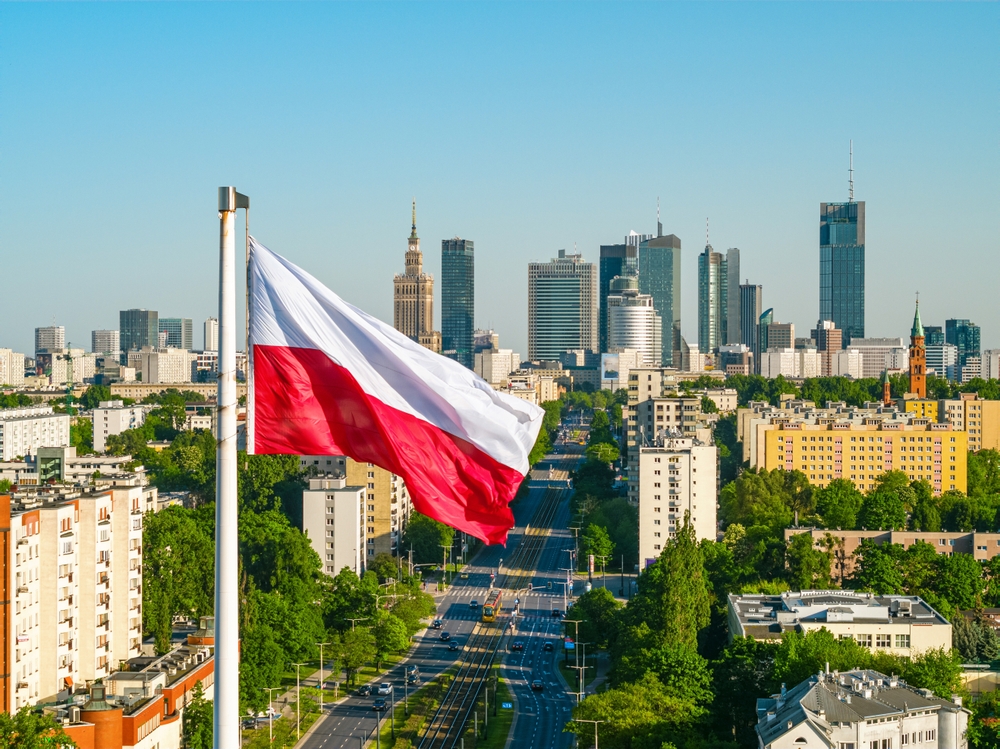
Poland appeared fourth on the list. Respondents reported frequent sex within committed relationships. Cultural values emphasize partnership and family. Many couples spend significant time together. Evenings at home are common. This supports regular intimacy. Public discussion of sex remains limited. Private behavior tells another story. The survey showed high consistency among married couples. Younger respondents also reported active sex lives. Religion did not appear to reduce frequency. Instead, it shaped relationship structure. Stability often led to more regular intimacy. The results surprised many outside observers.
Mexico

Mexico ranked fifth in sexual frequency. Respondents reported active sex lives across age groups. Family oriented culture supports close relationships. Many couples live near extended family. This can strengthen long term bonds. Passionate expression is socially accepted. Music and celebration play a role. Emotional connection often precedes physical intimacy. The survey noted strong satisfaction levels. Urban respondents reported slightly higher frequency. Stress levels varied by region. Despite challenges, intimacy remained regular. Sex was often described as affectionate. The data showed consistency rather than spikes.
India

India placed sixth in the Insider Monkey survey. This ranking surprised many readers. Public discussion of sex remains limited. Private behavior differs significantly. Respondents reported frequent sexual activity within relationships. Urbanization plays a major role. Younger adults reported higher frequency. Longer cohabitation also increased intimacy. Smartphones and media exposure changed attitudes. The survey suggested underreporting remains possible. Even so, reported numbers were high. Marriage remains a major factor. Sex is often tied to partnership rather than casual dating. The results highlight changing social patterns.
Switzerland

Switzerland ranked seventh overall. Respondents reported steady and regular sexual activity. High quality of life plays a role. Lower stress levels support intimacy. Work schedules allow personal time. Sex education is comprehensive. This reduces shame and confusion. Many respondents reported long term relationships. Communication around needs was common. Privacy is respected culturally. This supports honest reporting. The survey showed balanced frequency across genders. Urban and rural gaps were small. Intimacy was described as consistent rather than spontaneous. Stability influenced the results strongly.
Spain

Spain came in eighth on the list. Respondents reported frequent sex and strong desire. Late night culture supports adult socializing. Dinner often starts late. Evenings stretch longer. This encourages connection. Public affection is common. Relationships often begin socially. The survey noted high confidence levels. Many respondents felt relaxed discussing sex. Climate also supports active lifestyles. Stress levels were moderate. Couples often prioritize shared time. Sexual frequency remained high across regions. Age related drops appeared later than average.
Italy

Italy ranked ninth in reported sexual activity. Respondents linked sex with romance and routine. Long term relationships remained active. Food culture supports long shared evenings. Emotional expression is valued. Physical closeness follows naturally. The survey noted high satisfaction scores. Many couples reported steady frequency. Urban centers showed slightly higher activity. Traditional values did not reduce intimacy. Instead, they structured it. Family life often coexists with romance. The data showed strong consistency. Passion was described as calm rather than intense.
China

China placed tenth in the Insider Monkey ranking. Rapid social change influenced results. Younger respondents reported higher sexual frequency. Urban living played a key role. Privacy increased with modern housing. Dating apps expanded opportunities. Traditional views still shape relationships. Sex often occurs within stable partnerships. The survey noted growing openness. Respondents felt more comfortable than before. Work stress affected frequency for some. Even so, reported numbers stayed high. Cultural shifts appear ongoing. The ranking reflects transition rather than uniform behavior.
Germany
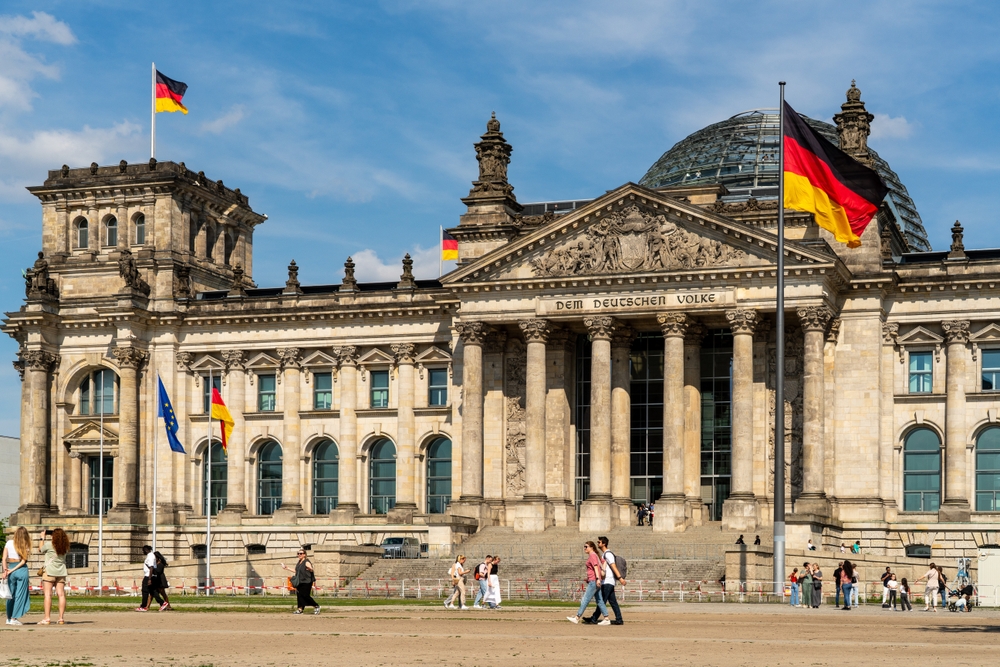
Germany ranked eleventh overall. Respondents reported steady and open sexual habits. Comprehensive sex education influences behavior. Communication around consent and desire is common. Many couples value routine intimacy. Work life balance supports personal time. Public discussion of sex is normalized. The survey showed minimal gender gaps. Frequency remained stable across ages. Urban areas showed slightly higher activity. Stress management played a role. Respondents often linked sex with wellbeing. The data suggests consistency rather than extremes. Honesty likely improved accuracy.
France

France came in twelfth on the list. Respondents described sex as a regular part of relationships. Romance culture supports intimacy. Long term couples remain active. Public attitudes toward sex are relaxed. Privacy is respected. The survey noted moderate but steady frequency. Satisfaction scores were strong. Work schedules varied by region. Urban respondents reported higher activity. Communication around needs was common. Sex was often described as natural. The data showed fewer spikes and dips. Age related changes appeared gradual.
Portugal

Portugal ranked thirteenth in the survey. Respondents reported frequent sex within relationships. Family oriented lifestyles support bonding. Evenings often center around home. This creates privacy and comfort. Public discussion remains modest. Private behavior remains active. The survey highlighted consistency. Many couples reported similar patterns over time. Younger adults showed higher frequency. Stress levels were moderate. Cultural warmth supported closeness. Intimacy was described as affectionate. The ranking reflected stability rather than experimentation.
Thailand

Thailand placed fourteenth overall. Respondents reported active sex lives. Cultural openness around relationships plays a role. Tourism also influences social norms. Urban areas showed higher frequency. Younger respondents reported more activity. The survey noted diverse relationship structures. Sex education varies by region. Even so, reported numbers remained high. Work schedules affected some groups. Social interaction remains strong. Intimacy often followed emotional connection. The data showed variation but strong averages. The ranking reflects mixed but active patterns.
Netherlands
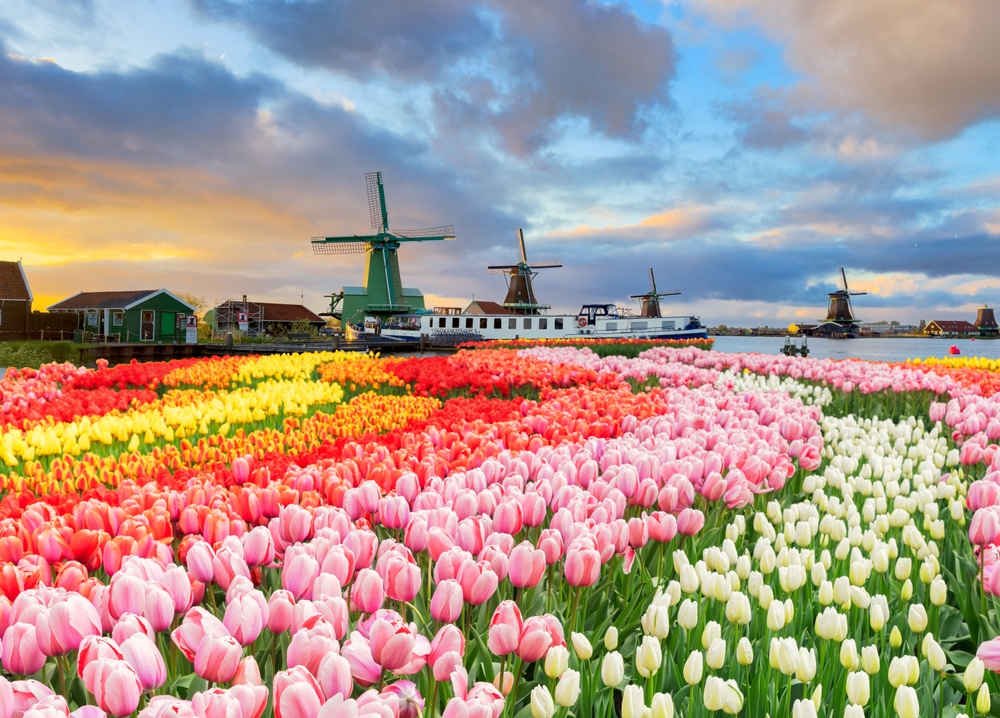
The Netherlands ranked fifteenth in sexual frequency. Respondents valued communication and consent. Sex education begins early. This reduces anxiety and confusion. Many couples prioritize quality time. Work hours support balance. Public attitudes toward sex are open. The survey showed steady frequency. Satisfaction scores were high. Casual and long-term relationships both contributed. Stress levels remained low. Honesty in reporting appeared strong. Intimacy was described as planned but regular. The ranking reflects consistency over intensity.
Turkey

Turkey came in sixteenth on the list. Respondents reported frequent sex within marriage. Cultural norms favor committed relationships. Public discussion remains limited. Private behavior remains active. The survey showed strong regional variation. Urban respondents reported higher frequency. Younger couples were more active. Family structures influenced living arrangements. Privacy increased intimacy. Stress levels varied widely. Even so, averages remained high. Sex was often linked to emotional closeness. The data reflects contrast between public image and private life.
South Africa

South Africa ranked seventeenth overall. Respondents reported active sex lives. Cultural diversity influenced patterns. Urban areas showed higher frequency. Younger adults reported more activity. Social interaction remains strong. The survey noted open discussion among respondents. Education levels influenced reporting comfort. Stress factors varied by region. Even so, intimacy remained regular. Relationships often developed socially. Sex was linked to emotional connection. The data showed wide ranges but strong averages. The ranking reflects diversity rather than uniform behavior.
Nigeria

Nigeria placed eighteenth in the survey. Respondents reported frequent sex within relationships. Cultural norms favor partnership. Public discussion remains cautious. Private behavior remains active. Younger respondents reported higher frequency. Urban living influenced privacy. Extended family structures affected routines. Even so, intimacy remained regular. The survey noted strong emotional bonds. Religion shaped relationship structure, not frequency. Reporting comfort varied. Averages remained high despite underreporting risk. The ranking reflects strong relationship based intimacy.
Australia

Australia ranked nineteenth overall. Respondents reported steady sexual activity. Work life balance supports personal time. Casual dating culture influences frequency. Long term couples remained active. Public discussion of sex is relaxed. The survey showed moderate consistency. Stress levels varied by industry. Urban areas showed slightly higher activity. Outdoor lifestyles support social connection. Intimacy was described as relaxed. Reporting comfort appeared high. The ranking reflects steady habits rather than extremes.
United States

The United States rounded out the top twenty. Respondents reported frequent sex but wide variation. Lifestyle differences affected results. Urban areas showed higher frequency. Work stress reduced activity for some. Dating apps increased opportunities. Long work hours created challenges. The survey showed strong age gaps. Younger adults reported higher frequency. Cultural openness varied by region. Reporting honesty differed widely. Even so, averages remained high. The ranking reflects diversity rather than a single pattern.
22 Groceries to Grab Now—Before another Price Shock Hits Canada

Food prices in Canada have been steadily climbing, and another spike could make your grocery bill feel like a mortgage payment. According to Statistics Canada, food inflation remains about 3.7% higher than last year, with essentials like bread, dairy, and fresh produce leading the surge. Some items are expected to rise even further due to transportation costs, droughts, and import tariffs. Here are 22 groceries to grab now before another price shock hits Canada.
22 Groceries to Grab Now—Before another Price Shock Hits Canada
