
More Canadians are experimenting with new winter escape patterns this year. Demand for warmer weather, healthier climates, and flexible remote work options is driving different travel decisions compared to past snowbird years. Some travellers are choosing domestic coastal cities, while others are opting for smaller international hubs with reliable seasonal flight routes. Airlines are also adding new connections, allowing Canadians to bypass traditional U.S. gateways and reach Caribbean and Latin American destinations more easily. Here are 23 new snowbird routes and destinations Canadians are testing out this year.
Victoria, British Columbia

Victoria has become one of the most popular domestic snowbird alternatives for Canadians looking to avoid U.S. exchange rate issues and rising travel insurance costs. The city offers mild winters, reliable healthcare access, walkable neighborhoods, and a strong rental market for monthly stays. Many snowbirds choose the inner harbour, James Bay, or Fairfield for long-term comfort without needing a car. Ferry routes and non-stop flights from major Canadian cities make arrivals simple. Grocery, pharmacy, and medical services are easily accessible, which appeals to older travellers. Victoria’s community events also help snowbirds feel socially engaged throughout the winter months.
Sidney, British Columbia

Sidney is gaining attention as a quieter Vancouver Island snowbird base offering access to mild winters without the density of Victoria. Canadians appreciate its coastal boardwalks, independent shops, public markets, and proximity to Victoria International Airport for domestic flight connections. Monthly rentals and furnished condos have increased to meet seasonal demand, especially among retirees seeking walkable and low-stress environments. Sidney’s healthcare access is a major draw, with clinics and support services geared toward seniors. Snowbirds enjoy the slower pace and the ability to remain near key transportation corridors, including ferry terminals. For many, Sidney serves as a low-key coastal alternative to U.S. stays.
Nanaimo, British Columbia
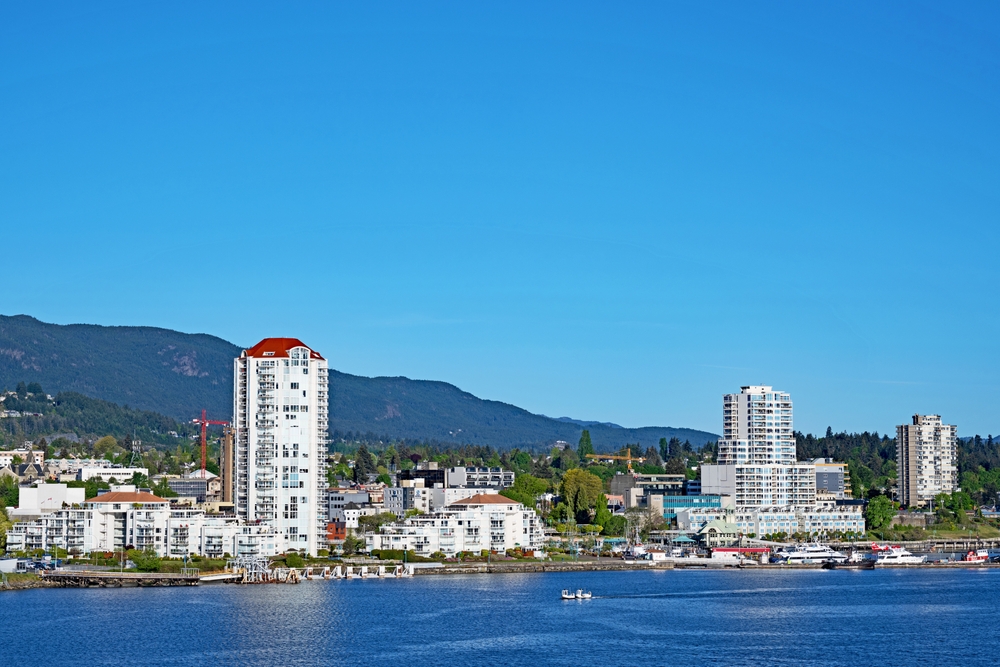
Nanaimo is becoming a domestic snowbird testing ground for Canadians who want extended winter stays without committing to international destinations. The city offers waterfront condos, serviced apartments, and mid-range hotels that provide monthly rates through the winter season. Snowbirds like the mild maritime climate and Vancouver access via ferry, seaplane, or scheduled flights. Nanaimo’s affordability relative to Victoria is another major factor, particularly for retirees balancing fixed incomes with inflation concerns. Healthcare access, grocery convenience, and public transportation make the city workable without a car. Lifestyle amenities, including trails, marinas, and local arts venues, support longer seasonal living.
Parksville, British Columbia
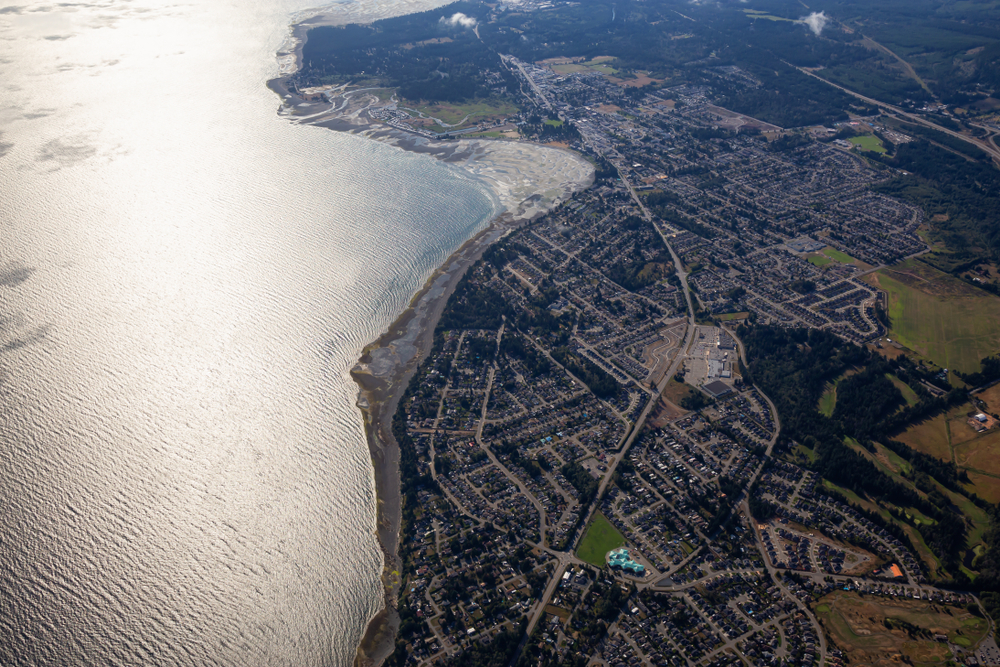
Parksville has risen as a top domestic snowbird town due to its mild winters, community amenities, and beachfront accommodations with long-stay rates. Canadians appreciate the abundance of condos and resort properties that cater to seasonal residents during cooler months. The town is known for its senior-friendly infrastructure, including recreation centers, healthcare services, flat walkable streets, and social clubs. Snowbirds also enjoy regional access to golf courses and coastal parks. Many Canadians use Parksville as a trial destination to compare domestic wintering vs U.S. options, especially during periods of elevated travel costs. Its quieter pace suits retirees seeking relaxation without isolation.
Qualicum Beach, British Columbia

Qualicum Beach is attracting Canadian snowbirds looking for a peaceful residential base with coastal charm and a small-town atmosphere. The community offers well-maintained parks, beach access, local shops, and an active senior demographic. Monthly rentals and condominium stays support snowbird residency without the financial pressures of international travel. Snowbirds highlight the steady winter climate, strong healthcare availability, and lower traffic volumes compared to larger Island cities. Golf, nature trails, and cultural programming provide reliable winter leisure options. Many retirees view Qualicum Beach as a long-term domestic alternative that supports healthy aging and independent living throughout the winter season.
Courtenay / Comox, British Columbia

Courtenay and Comox are gaining momentum with Canadian snowbirds seeking a blend of mild winter weather, affordability, and outdoor recreation. The region’s airport offers regular domestic flights, making it easier for seasonal visitors from the Prairies and Ontario. Furnished rentals, condos, and hotel-style accommodations provide flexible stay options. Snowbirds also enjoy the ability to pair mild coastal living with easy access to Mount Washington for skiing, snowshoeing, and alpine viewing. Healthcare access and community services are well-developed, appealing to older travellers staying for multiple months. The area combines convenience, climate, and a balanced cost of living for winter residents.
Campbell River, British Columbia

Campbell River is emerging as a coastal snowbird alternative for Canadians priced out of Victoria or Parksville, offering more affordable monthly rental options and quieter neighborhoods. The city provides a moderate winter climate, reliable local healthcare, and strong outdoor amenities, including marinas, coastal walking routes, and wildlife viewing. Snowbirds appreciate that essential services remain close to residential areas, reducing the need for a car. Domestic flight links through Comox Valley Airport improve regional access for cross-country visitors. For Canadians hesitant about international wintering due to exchange rates or medical insurance, Campbell River offers a scenic and cost-effective domestic winter base.
Sunshine Coast (Sechelt & Gibsons), British Columbia

Sechelt and Gibsons on the Sunshine Coast are drawing Canadian snowbirds who want a mild winter base without leaving the country. The area offers relaxed coastal living, strong medical services, easy walkability, and a slower pace suited to retirees. Monthly rentals and waterfront condos serve seasonal residents well, and ferry access to Metro Vancouver provides convenience without city congestion. The Sunshine Coast’s cultural community, local markets, and year-round outdoor activities help snowbirds stay socially engaged for longer stays. Many travellers view the region as a domestic alternative to U.S. coastal snowbird hubs, without currency or travel insurance complications.
White Rock, British Columbia
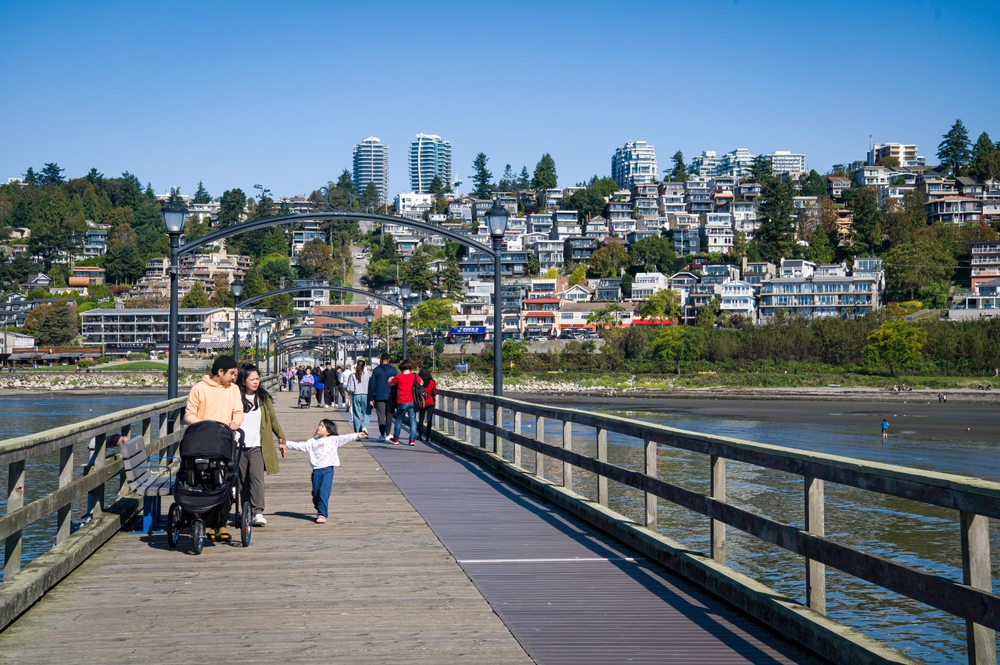
White Rock appeals to Canadians who want coastal winter living with quick access to Vancouver’s hospitals, airports, and transit networks. It is increasingly used as a partial-season snowbird base for retirees avoiding U.S. medical insurance costs. The mild climate, ocean promenade, and condo-heavy town centre make it well-suited for long stays without a vehicle. Snowbirds value how easily daily needs can be met on foot, including groceries, pharmacies, and cafes. Its proximity to the U.S. border also allows for short cross-border trips without fully relocating. For many, White Rock offers the best balance between small-town calm and metropolitan access.
Kelowna, British Columbia

Kelowna is becoming a popular winter alternative for younger Canadian snowbirds who still want urban amenities, wineries, and scenic lake views. The city offers extensive monthly rental inventory, higher-end condo developments, and well-serviced suburbs suitable for longer stays. Healthcare, transit, shopping, and recreation centers are readily available, which matters for retirees and semi-retired travellers. While winters are colder than coastal British Columbia, Kelowna offers more sunshine, indoor attractions, and better flight connections through Kelowna International Airport. Many Canadians treat Kelowna as a hybrid seasonal destination—part snowbird base, part lifestyle relocation trial—without the financial complexity of international wintering.
Penticton, British Columbia

Penticton attracts domestic snowbirds who appreciate mild valley winters, winery culture, and more affordable rents than Kelowna. Long-term condo rentals, lakeside apartments, and resort properties offer off-season monthly rates that appeal to retirees. Healthcare access, flat walkable areas, and active recreation centers make it manageable without a vehicle. Snowbirds also like the balance of quiet living and adequate services, avoiding the higher tourist density of peak summer months. Air connections via Penticton Regional Airport support short-distance winter travel for Ontarians and Prairie residents. For many, Penticton serves as an accessible domestic wintering option without currency risk or U.S. travel paperwork.
Summerland, British Columbia

Summerland is gaining interest from Canadians seeking a calm, vineyard-backed winter base with less urbanization than Kelowna or Penticton. Many retirees choose furnished rentals near the waterfront or hillside neighbourhoods for multi-month stays. The local climate remains relatively mild, with easy access to healthcare facilities, grocery services, and recreational amenities. Snowbirds highlight the town’s sense of community and slower pace, which encourages social engagement without crowds. Because accommodations are less commercial, Summerland appeals to seasoned travellers who prefer extended domestic living rather than resort-style setups. The region’s affordability and quiet charm make it an emerging snowbird destination for Canadians.
Osoyoos, British Columbia

Osoyoos has become one of Canada’s strongest domestic snowbird hubs due to its dry climate, vineyard landscape, and consistently warmer winter temperatures. Canadians appreciate the abundance of condo rentals, RV resorts, and long-term hotel stays that cater to winter residents. Healthcare services, pharmacies, and grocery stores make seasonal living practical for older travellers. Snowbirds also value the proximity to wineries, golfing, lakeside walking routes, and cross-border access when desired. Many retirees use Osoyoos to replace U.S. wintering, especially when medical insurance prices spike. Its affordability and community support make it one of Canada’s most established winter snowbird bases.
Kamloops, British Columbia

Kamloops is attracting snowbirds priced out of the Okanagan’s lakefront towns, offering more affordable long-term rentals and reliable winter services. While colder than coastal destinations, Kamloops provides a dry winter climate, strong medical facilities, large-format shopping, and easy mobility for those who need cars. Canadians staying for multiple months appreciate its indoor amenities, recreation centers, and access to Sun Peaks for skiing and alpine viewing. Direct flights through Kamloops Airport also support cross-country travel. Kamloops is increasingly used by younger seasonal travellers and retirees who want a functional winter base without the currency risk of relocating internationally.
Palm Springs Route (via Calgary)
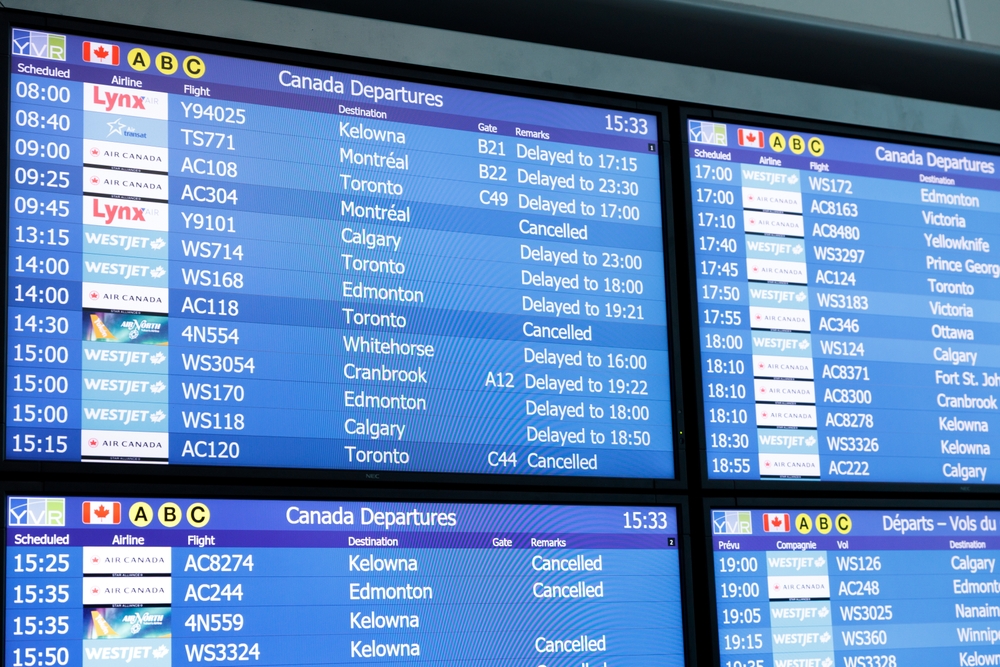
Palm Springs has re-entered the Canadian snowbird rotation due to new and restored winter flight routes from Calgary. These flights allow Alberta-based travellers to reach a warm-weather destination without expensive layovers, making extended stays more appealing. While the destination itself is in the U.S., the route-based shift is Canadian-driven, with travellers seeking manageable airfare, predictable climate, and strong medical infrastructure during the winter months. Canadians appreciate the large seasonal rental inventory, golf courses, and established snowbird communities. The Calgary route also benefits Prairie snowbirds who historically needed longer itineraries. As airfare stabilizes, Palm Springs is becoming a practical testing ground for return-to-U.S. wintering.
Phoenix Route (via Calgary)

Direct Calgary–Phoenix winter flights are helping Albertan snowbirds return to the U.S. Southwest without complicated itineraries or high connection costs. Phoenix appeals for its stable desert climate, golf communities, and massive seasonal rental market. Medical facilities and pharmacies are plentiful, making the destination workable for retirees staying multiple weeks. Calgary travellers in particular appreciate the route’s consistency and the ability to secure condo rentals well below peak-season pricing. Many Canadians are testing Phoenix again after several years of staying domestic, citing direct flights as the deciding factor. This route is especially popular among Prairie snowbirds looking for reliable warm weather.
Mesa Gateway Route (via Edmonton)

New winter service between Edmonton and Phoenix–Mesa Gateway Airport is drawing Prairie snowbirds who prefer smaller airports and easier navigation than Phoenix Sky Harbor. Mesa Gateway gives Alberta travellers quick access to East Valley communities such as Gilbert, Mesa, Queen Creek, and Apache Junction, where long-stay rentals are affordable and widely available. Canadians value the concentration of golf courses, RV parks, and senior-friendly residential communities designed with seasonal travellers in mind. Edmonton-based snowbirds note that flying from their home airport makes multi-month bookings more feasible. The Mesa route is emerging as a low-friction entry point to the Arizona snowbird circuit.
Phoenix Route (via Winnipeg)

Winnipeg–Phoenix routes are re-opening the U.S. Southwest to Manitoba snowbirds who previously relied on lengthy two-stop itineraries or expensive peak-season fares. Phoenix’s reliable winter weather, strong healthcare network, and extensive seasonal rental market appeal to retirees who stay four to twelve weeks. Many snowbirds also choose the area for cost predictability, avoiding Caribbean resort premiums during peak winter months. Winnipeg travellers often pair the route with condo rentals in Chandler, Scottsdale, or Surprise, where daily expenses remain manageable. The restored link has brought new Manitobans into long-stay winter travel, testing Phoenix as a warm alternative to domestic winter hubs.
Fort Lauderdale Route (via Toronto)
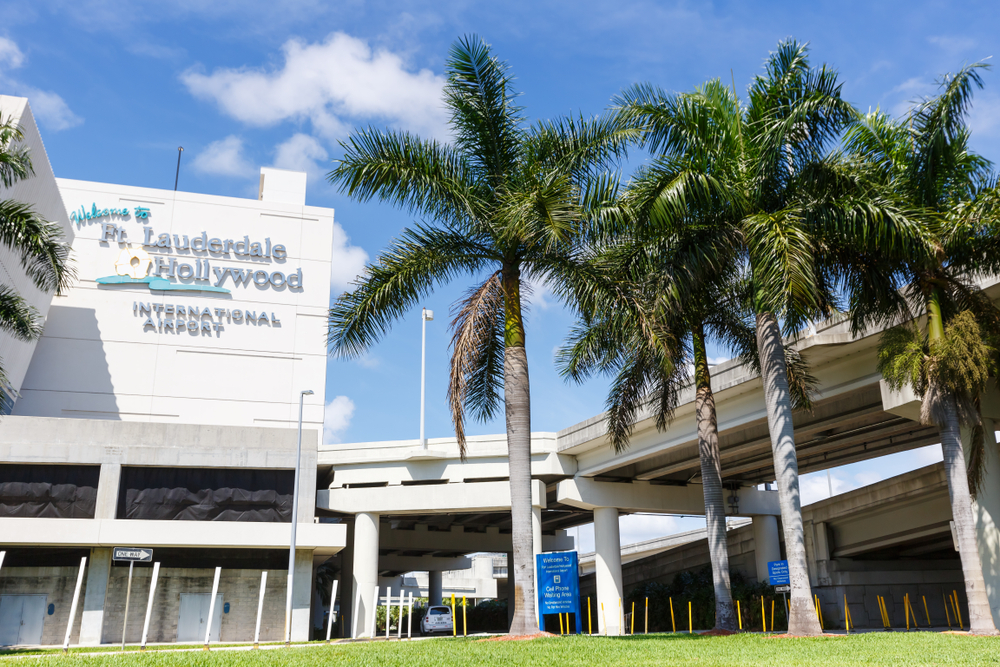
Direct Toronto–Fort Lauderdale service makes South Florida accessible to Ontario snowbirds who want a warm-weather base with strong infrastructure and large Canadian communities. The route provides access to condo rentals in Broward and Palm Beach counties without flying into crowded Miami International Airport. Canadians appreciate Fort Lauderdale for its walkable beachfronts, grocery access, and extensive healthcare networks. Seasonal rentals are competitive, particularly for multi-week stays booked outside peak holiday windows. The route also connects to Port Everglades, supporting cruise-linked snowbird travel. For many Ontarians, this flight is a practical way to test U.S. snowbirding without fully committing to retirement relocation.
Tampa / St. Pete Route (via Toronto)

Toronto–Tampa/St. Pete flights give Ontario travellers an entry point into Florida’s West Coast, known for slower-paced snowbird communities and calmer beaches. Canadians often use the route to base themselves in St. Petersburg, Sarasota, or Clearwater for four-to-twelve week stays. Renters highlight grocery convenience, suburban walkability, and an abundance of healthcare services suitable for older travellers. The Tampa route also provides quick access to Gulf Coast cultural attractions, golf, and waterfront outdoor spaces. For Ontarians searching for a U.S. wintering option less hectic than Miami, Tampa/St. Pete has become a new testing ground thanks to stable winter flight schedules.
Orlando Route (via Hamilton)

Hamilton–Orlando service is attracting Ontario snowbirds who avoid Toronto Pearson congestion and prefer smaller-airport departures for regular winter travel. Orlando offers a large inventory of vacation homes, condo complexes, and gated communities designed for seasonal visitors rather than short tourism windows. Canadians appreciate predictable winter weather, strong healthcare access, and competitive rental pricing in Kissimmee, Davenport, and Winter Garden. Long-stay travellers highlight grocery convenience, walkability in planned communities, and proximity to airports for family visits. The Hamilton route has made snowbirding more accessible for retirees and remote workers across the western GTA and Niagara regions who want smoother winter travel.
Miami Route (via Montreal)
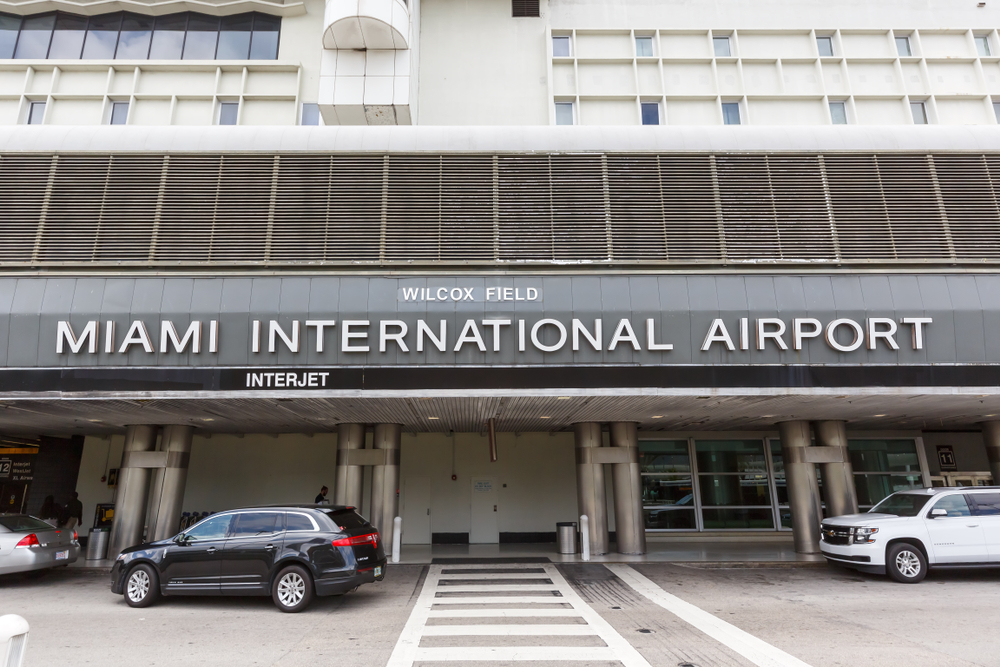
Montreal–Miami flights support Quebec snowbirds who winter in South Florida for cultural familiarity, francophone communities, and reliable healthcare infrastructure. Miami also acts as a hub for onward connections to the Caribbean, allowing Quebec travellers to combine condo living with regional side trips. Snowbirds prefer Miami for its diverse rental options, including high-rise condos with off-season monthly rates. The direct route is especially useful for semi-retired Canadians who split time between Quebec and Florida during the winter months. Montreal-based travellers also cite the route’s predictability, making extended stays easier to coordinate without complicated insurance or foreign-exchange surprises.
Punta Cana Route (via Quebec City)

Quebec City–Punta Cana has emerged as a key winter resort route for Quebec snowbirds seeking predictable all-inclusive costs and warm-weather living without the logistical complexity of U.S. snowbirding. With French-speaking resort staff, medical clinics, and long-stay packages, Punta Cana caters directly to Quebec travellers. The direct flight reduces transfer times and improves feasibility for older travellers who avoid long connections. Canadians choose this route to secure multi-week resort packages that include lodging, meals, and beach access, which simplifies budgeting during higher domestic living costs. The Punta Cana link is one of the strongest Caribbean snowbird expansions out of Quebec this winter.
22 Groceries to Grab Now—Before another Price Shock Hits Canada

Food prices in Canada have been steadily climbing, and another spike could make your grocery bill feel like a mortgage payment. According to Statistics Canada, food inflation remains about 3.7% higher than last year, with essentials like bread, dairy, and fresh produce leading the surge. Some items are expected to rise even further due to transportation costs, droughts, and import tariffs. Here are 22 groceries to grab now before another price shock hits Canada.
22 Groceries to Grab Now—Before another Price Shock Hits Canada
