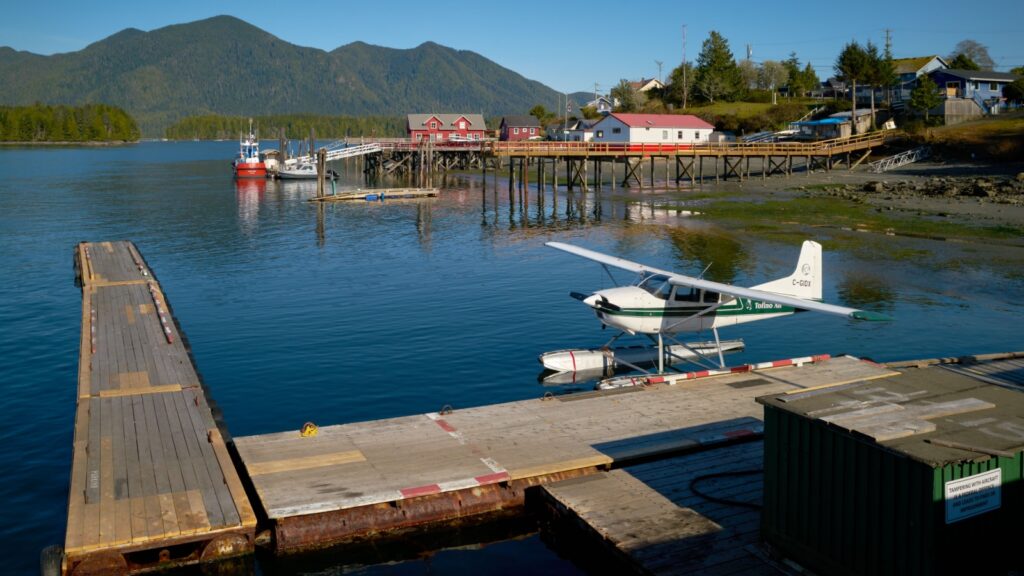
Not all beaches offer the same experience, and Canadians are becoming more selective about where they travel for peace, space, and stress-free downtime. While some destinations are packed with tourists and nightlife, others deliver calm water, open coastlines, small inns, and quiet communities that still feel safe and relaxing. Many Canadians now prefer beaches with nature-forward settings, moderate infrastructure, and fewer crowds. Here are 25 beach destinations Canadians say still feel safe and relaxing right now.
Tofino, British Columbia
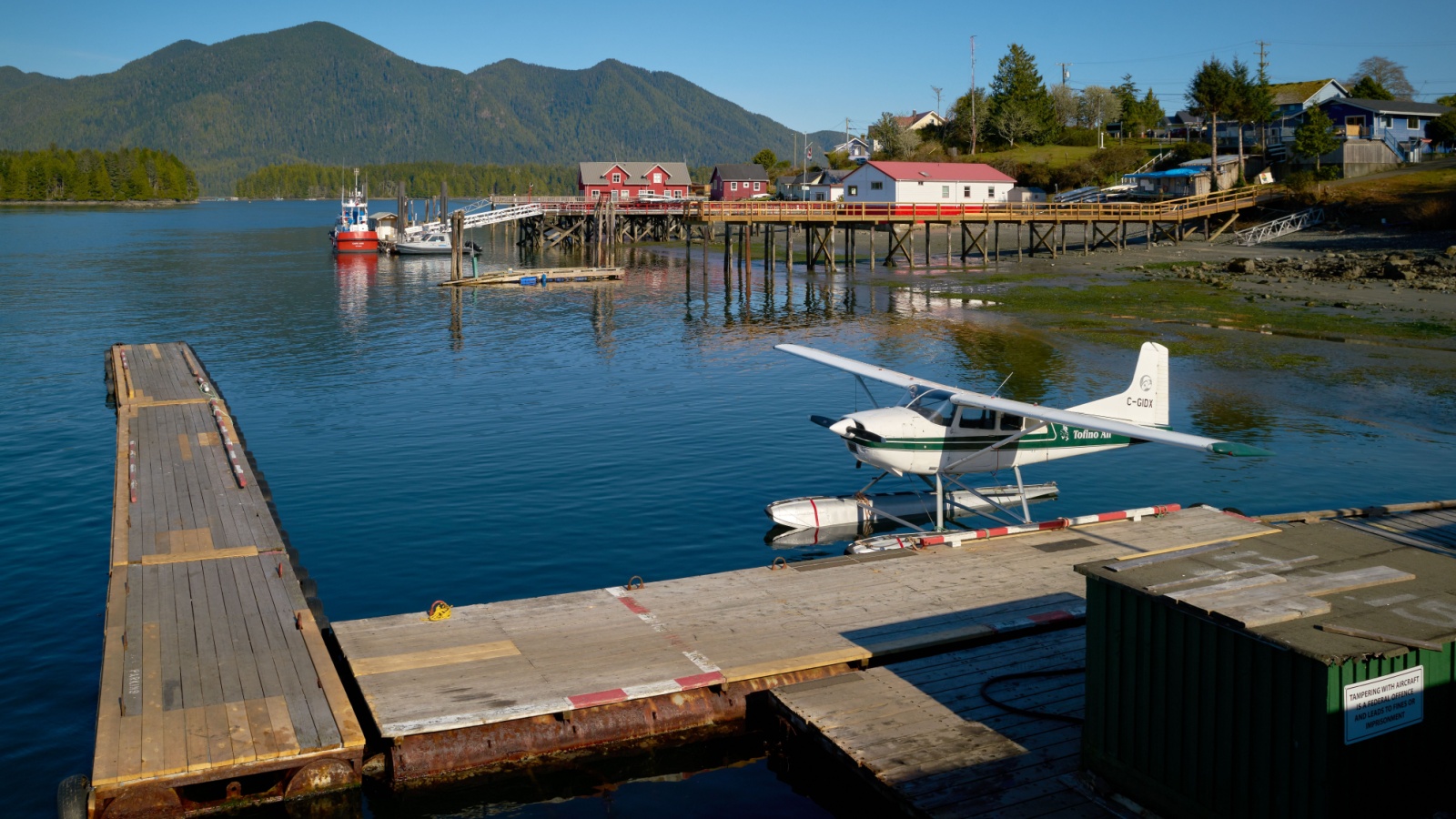
Tofino remains one of the most peaceful coastal escapes in Canada. Its beaches are quiet even in peak seasons. Travelers come for storm watching, surfing, and long walks along Chesterman Beach and Cox Bay. The atmosphere is relaxed with wellness resorts, hiking, and easy access to Pacific Rim National Park Reserve. Health services, restaurants, and accommodations operate year-round and at manageable crowd levels. Nature-focused activities make distancing effortless. Visitors also enjoy the nearby hot springs, wildlife tours, and Indigenous cultural experiences. Winter avoids the busiest periods, keeping travel smooth and predictable. Many Canadians describe Tofino as calm, safe, and restorative.
Ucluelet, British Columbia
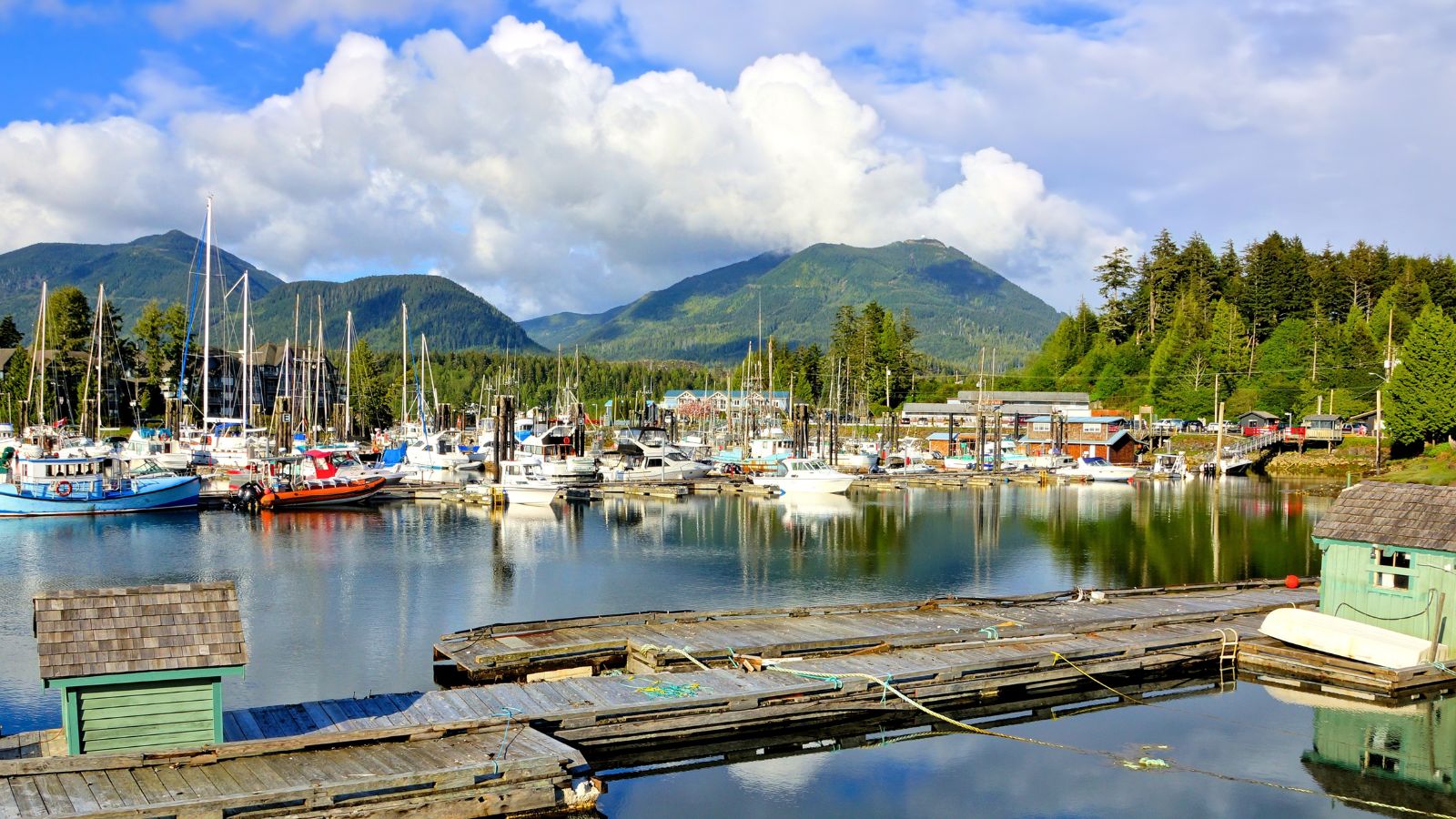
Ucluelet offers a calmer alternative to busier coastal destinations. It is popular for ocean trails, fishing charters, scenic lookouts, and coastal wildlife. The Wild Pacific Trail provides accessible walking routes with wide paths and open views that feel comfortable for travelers prioritizing space and fresh air. Local resorts, lodges, and vacation rentals are spread out, adding to the relaxed setting. Dining skews toward small kitchens and independent operators. The town uses sustainable tourism principles and maintains controlled visitor volumes year-round. Compared to major cities, Ucluelet feels quiet, safe, and uncrowded. Many Canadians recommend it for low-stress winter beach trips.
Parksville, British Columbia
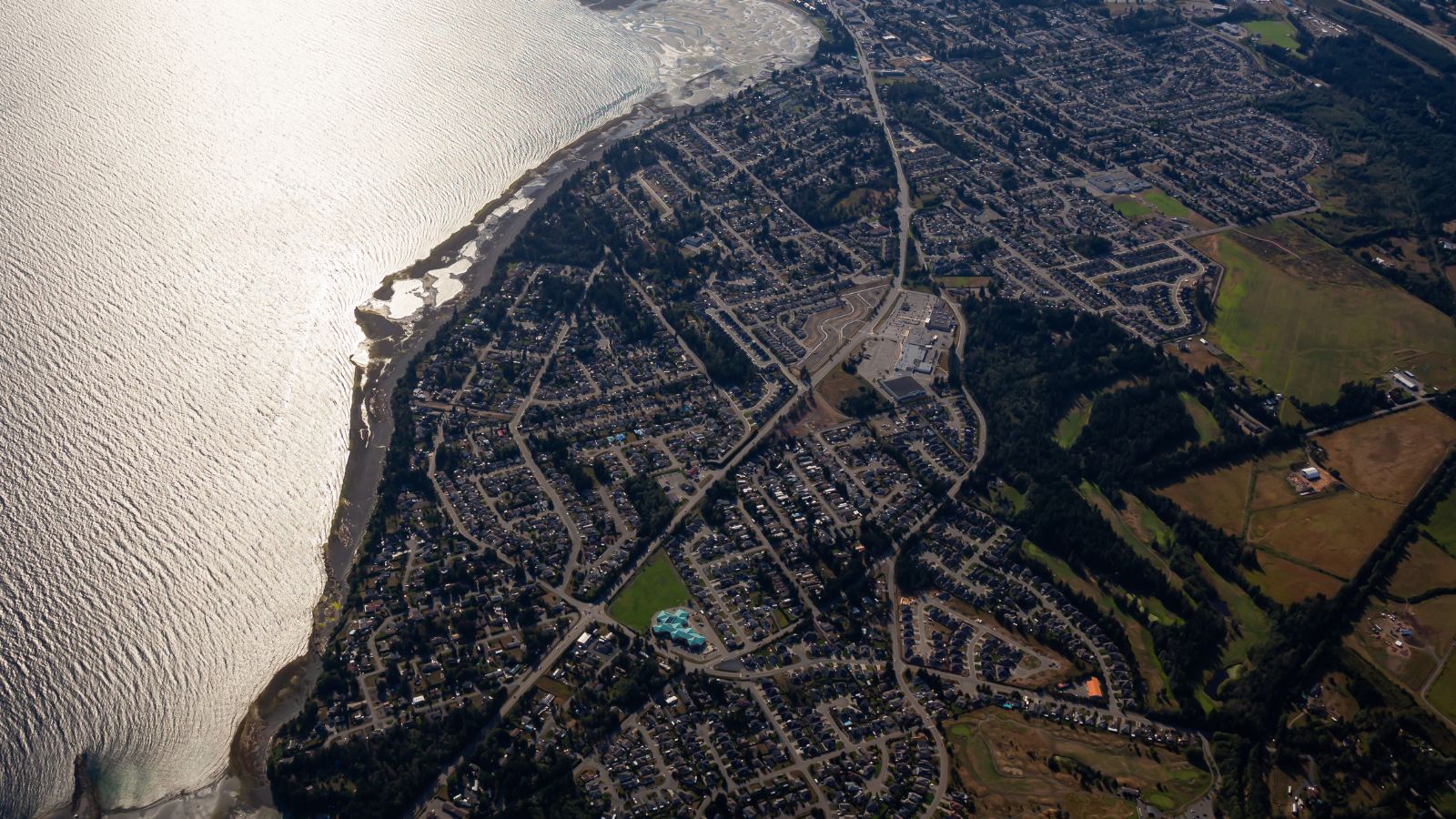
Parksville has calm beaches, warm summer waters, and a family-oriented atmosphere. The community focuses on parks, boardwalks, and easy outdoor recreation. Rathtrevor Beach Provincial Park is a major draw due to its long shallow tide flats and extensive walking areas. Crowd sizes are moderate outside of peak summer weeks. The region has reliable accommodations, health services, and convenient road access from Nanaimo and Victoria. Visitors report feeling safe, unhurried, and well-supported when traveling here. Winter brings even fewer visitors, making the environment more peaceful for Canadians seeking a relaxing seaside stay without flying long distances.
Qualicum Beach, British Columbia
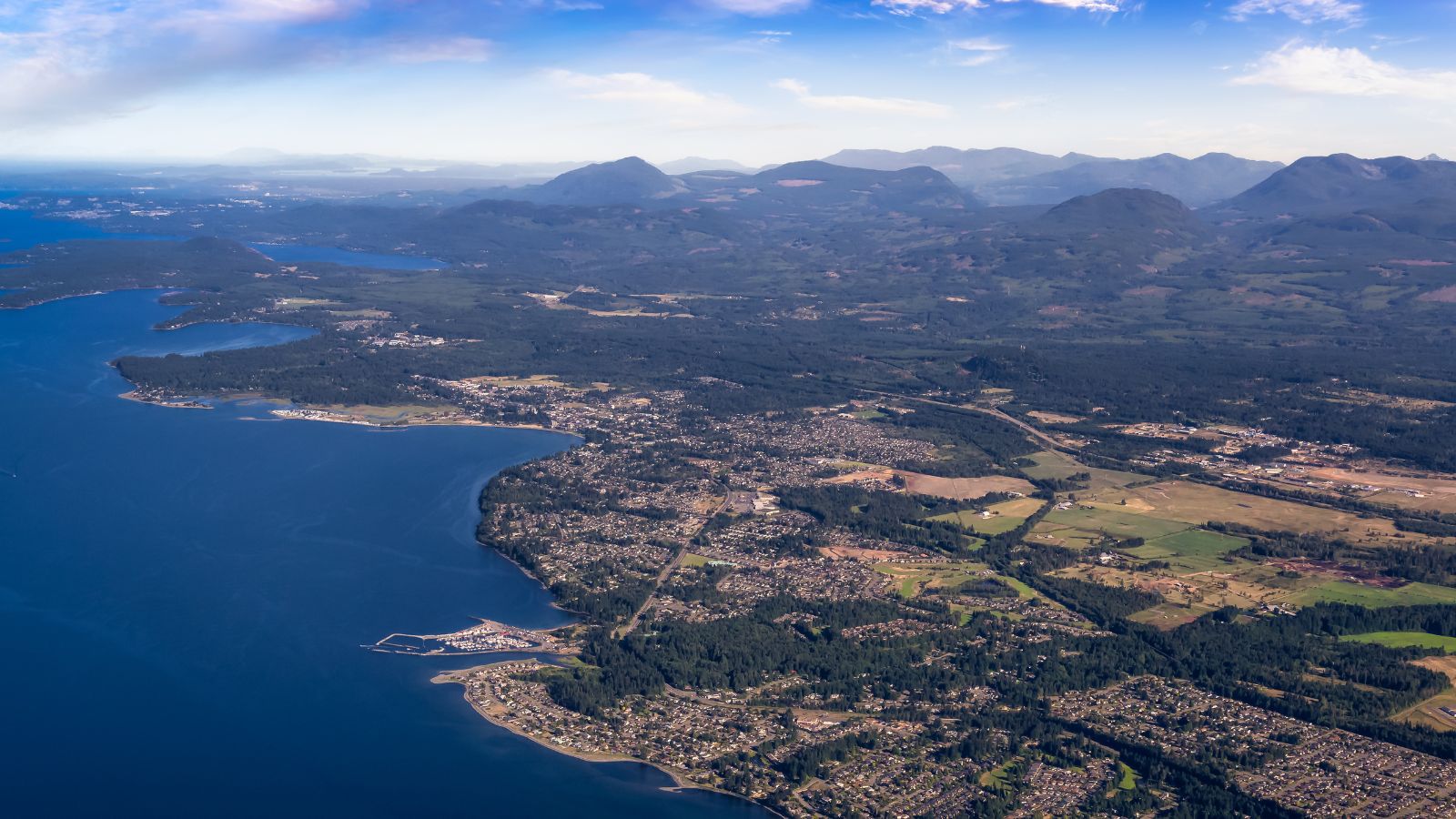
Qualicum Beach offers a slower-paced beach environment with wide shorelines and light tourism traffic. Seniors and couples often choose it due to its quiet streets, small cafés, and boutique inns. The community is walkable and emphasizes outdoor living with golf courses, parks, and ocean-view trails. Safety and comfort remain strong selling points. Healthcare access is local and reliable. Day trips to Coombs, Parksville, and Cathedral Grove add variety without logistical complexity. Storm-season ocean views attract winter travelers who want nature without crowds. Qualicum continues to rate highly among Canadians seeking a safe, low-key coastal holiday.
Sechelt, British Columbia
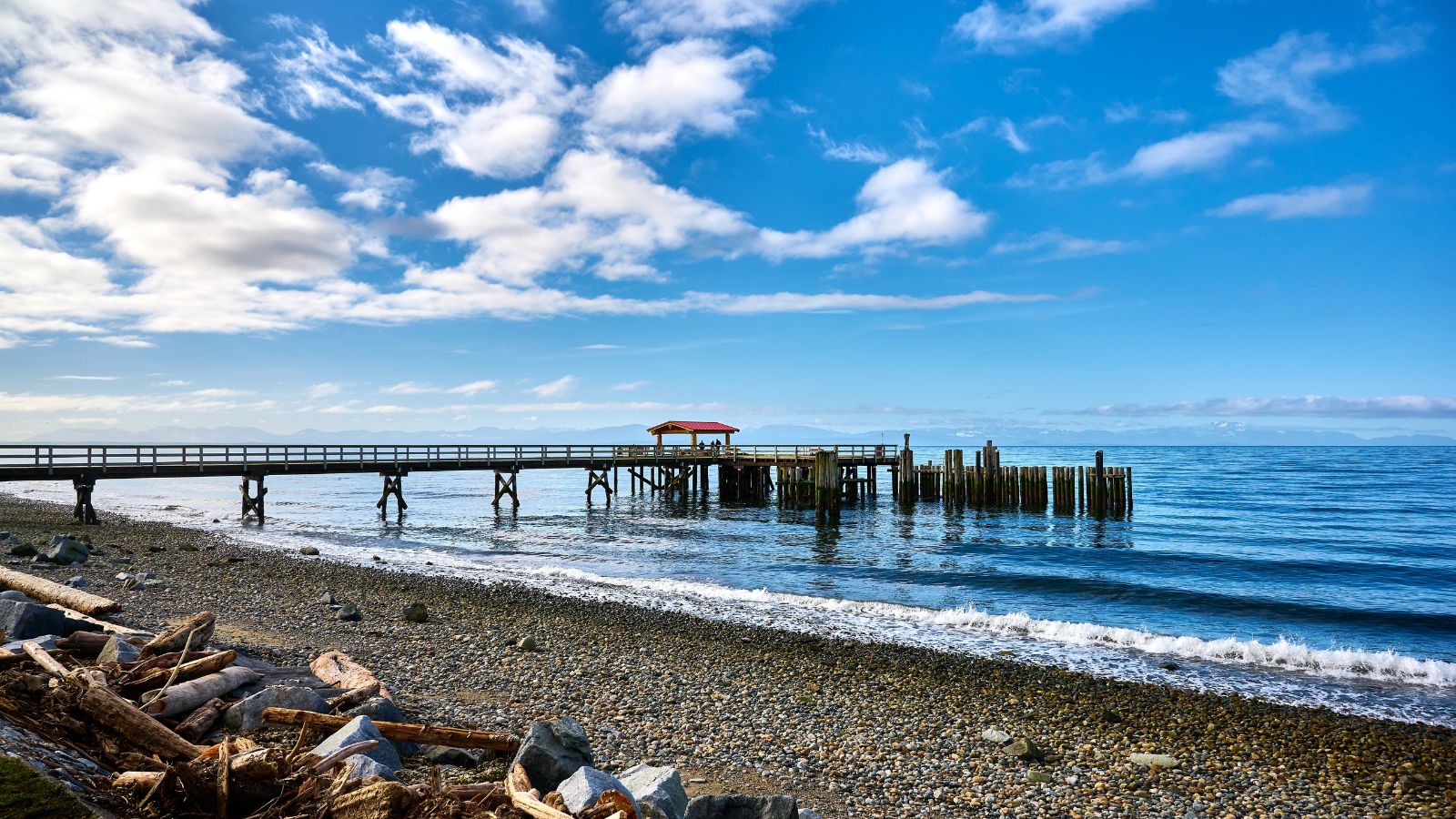
Sechelt sits along the Sunshine Coast and attracts Canadians who want beach access without resort congestion. It combines waterfront parks, quiet marinas, and outdoor recreation like kayaking and hiking. Accommodations include inns, cabins, and vacation rentals spaced across the coastline, helping visitors avoid density. The region feels safe due to its small-town structure, reliable health infrastructure, and slower tourism flow. Beaches are peaceful and rarely overcrowded, even in peak holiday periods. Travelers also explore Davis Bay, Halfmoon Bay, and nearby provincial parks. The relaxed rhythm and easy access from Vancouver make Sechelt a stress-free coastal option year-round.
Powell River, British Columbia
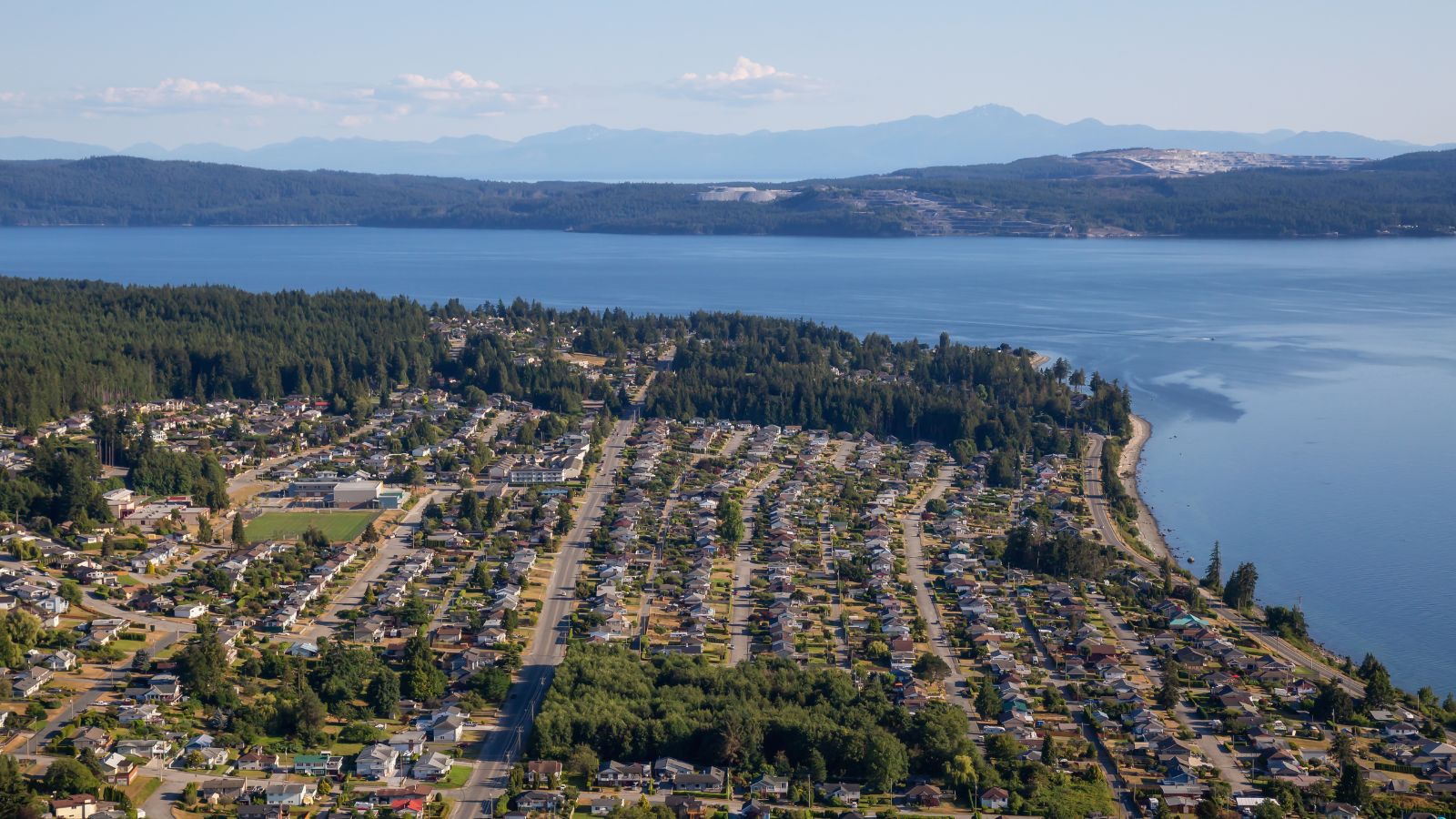
Powell River offers quiet coastal scenery with light tourism and wide-open waterfront access. Its beaches, harbours, and parks provide a peaceful environment for walking, paddling, and wildlife viewing. The community is well serviced yet never crowded, helping travelers feel safe and comfortable. Accommodations range from boutique lodges to private rentals, giving visitors privacy and space. Winter and shoulder seasons are especially calm, with mild weather compared to many Canadian regions. Easy ferry access from the Sunshine Coast keeps visitor numbers naturally moderated. Canadians continue to rate Powell River as a low-pressure, restorative place to unwind by the ocean.
Gibsons, British Columbia
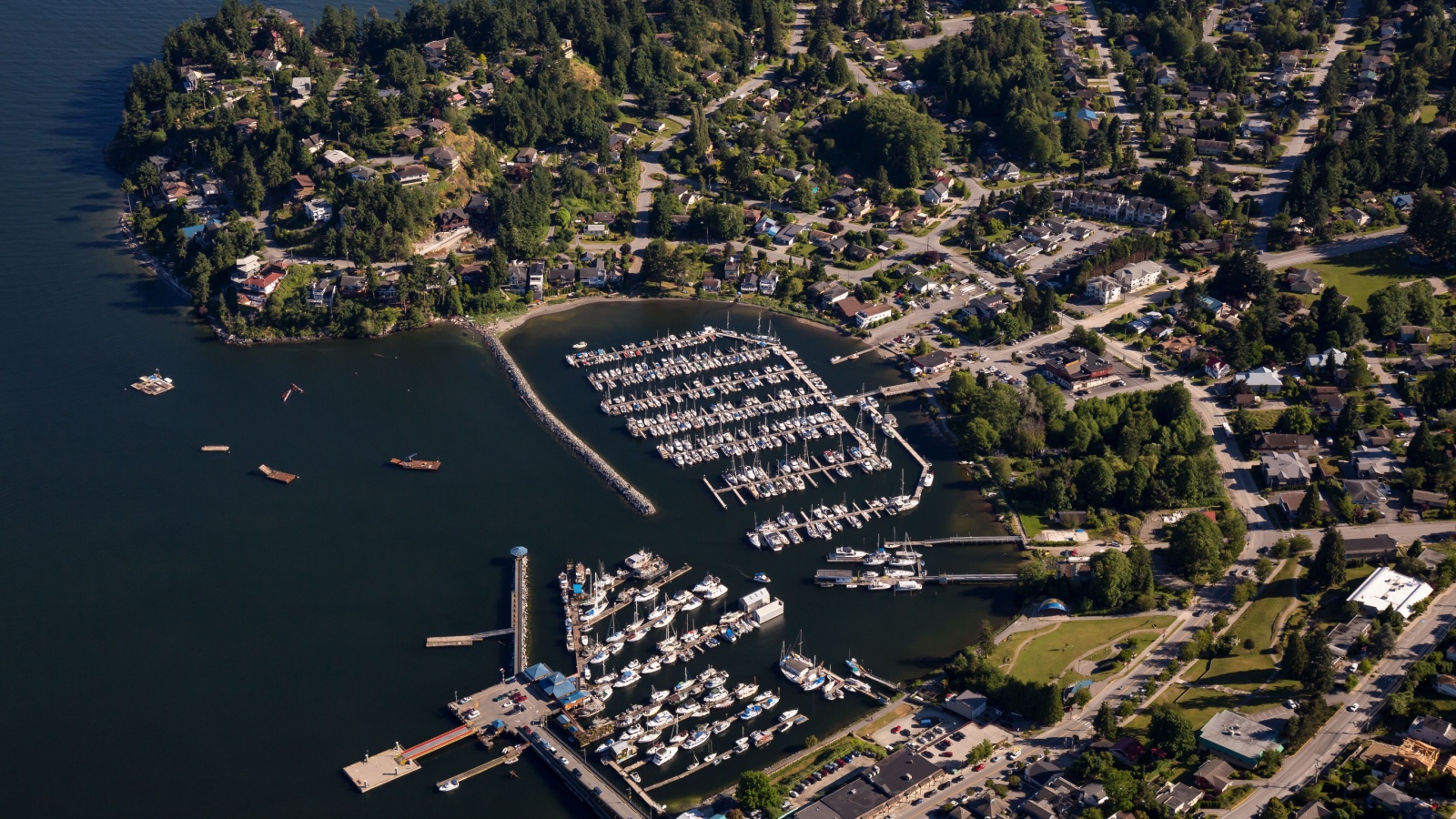
Gibsons combines seaside views, artisan shops, and a gentle pace that appeals to travelers seeking quiet outdoor-focused breaks. Restaurants and cafés are small and locally run, contributing to a calm environment without heavy resort traffic. Marine parks, beaches, and walking paths are spread across the shoreline, making it simple to stay active outdoors without crowds. Many visitors choose cabins and rentals along the waterfront for privacy and relaxation. Healthcare and services are local and reliable. The town’s small size and controlled visitor flow make it feel safe, manageable, and comfortable for Canadians prioritizing low-stress travel experiences.
White Rock, British Columbia
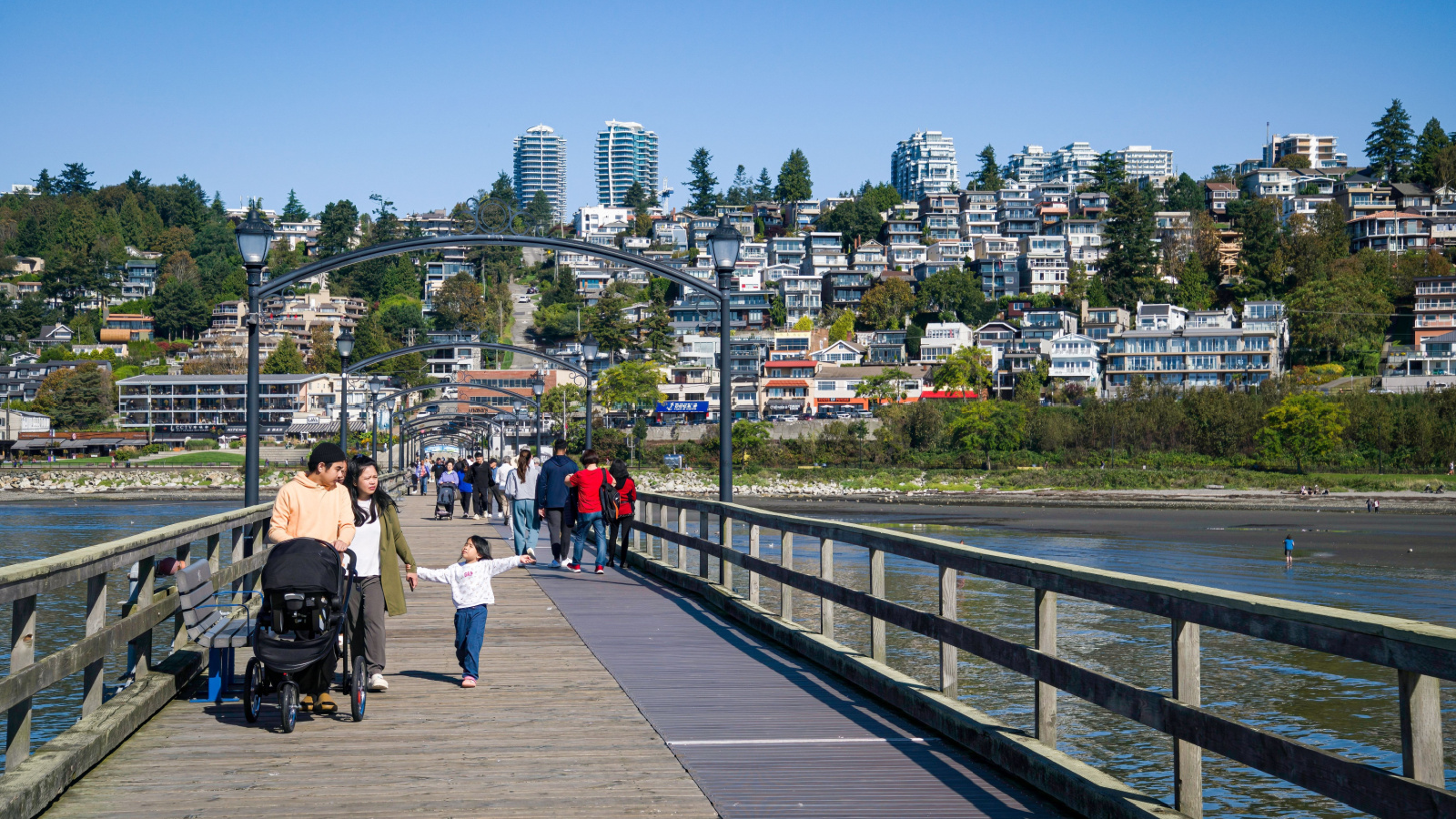
White Rock offers a well-kept beach promenade, calm ocean views, and a waterfront lined with casual dining options. The community attracts year-round visitors but avoids high-density resort activity, keeping the environment relaxed. Beach access is open and spacious, making it easy to enjoy outdoor areas without pressure. The pier and boardwalk stretch provide safe, walkable routes with room to spread out. White Rock also benefits from strong healthcare access due to its proximity to the Greater Vancouver region. Canadians describe it as convenient, scenic, and low-stress — ideal for quiet coastal relaxation without long-distance travel.
Sidney, British Columbia
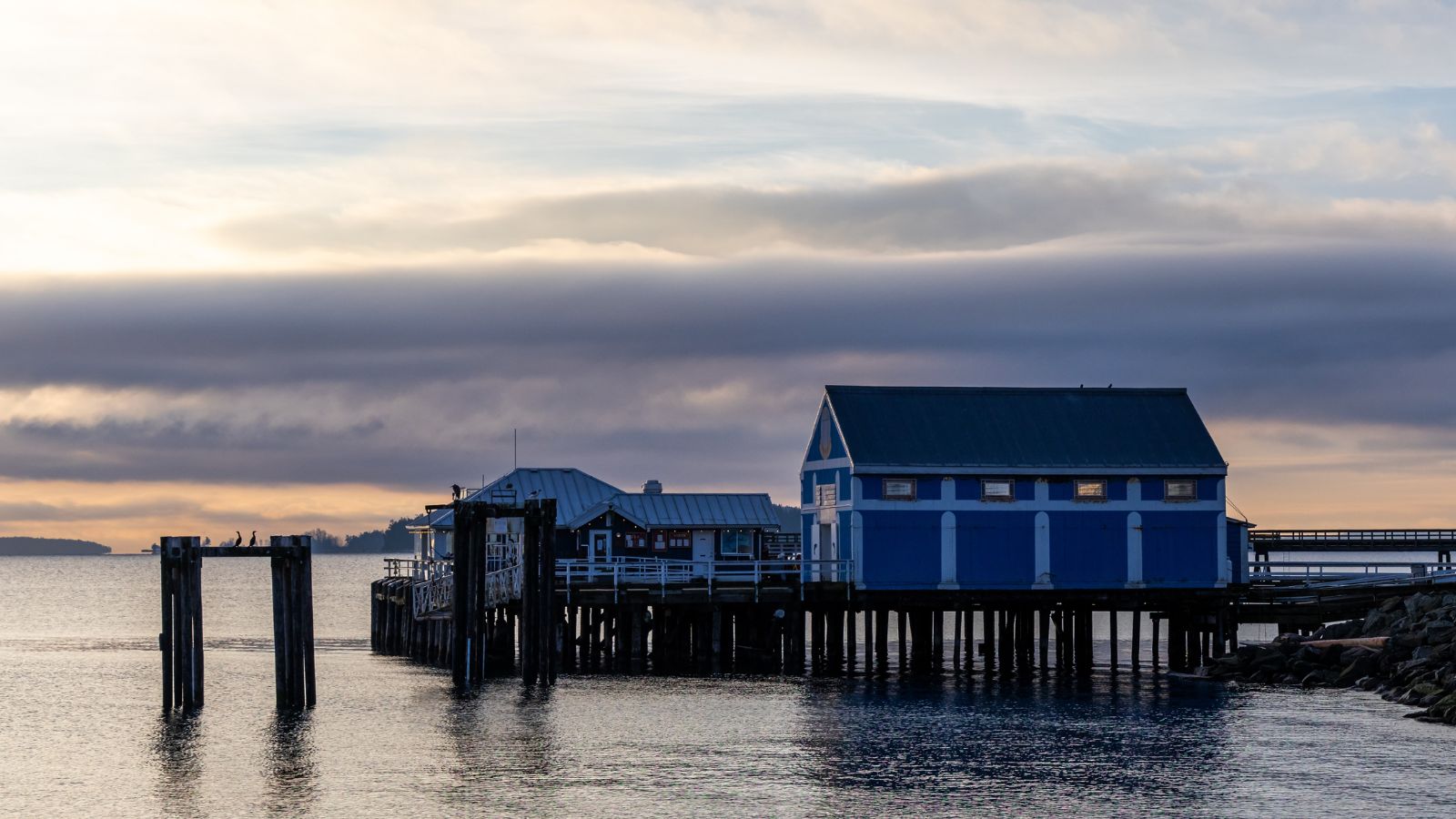
Sidney has a slow and tranquil waterfront culture, drawing seniors, couples, and small groups seeking peace and ocean air. Its beaches, bookshops, cafés, and marina promenades are uncrowded throughout most of the year. Accommodations lean toward boutique inns and small hotels, reducing dense tourism patterns. Sidney also benefits from being near ferry terminals and the airport, yet it preserves a laid-back tempo. Outdoor recreation includes whale watching, kayaking, and scenic trails that provide space and comfort for cautious travelers. Visitors often describe Sidney as peaceful, safe, and predictable — a combination that supports stress-free coastal holidays.
Sooke, British Columbia

Sooke appeals to travelers who prefer wilderness over resort beaches. Trails, rocky shorelines, and rainforest parks dominate the region, offering natural distancing and quiet exploration. Accommodations include cabins, lodges, and private rentals that support privacy and comfort. Local operators focus on eco-tourism, fishing charters, and guided hikes, keeping group sizes small. Dining remains independent and community-focused. The region is known for being calm year-round, especially in winter when crowds are minimal. Many Canadians see Sooke as a safe and refreshing alternative to busier destinations around Victoria, thanks to its wide-open outdoor spaces and slower tourism rhythm.
Nanaimo, British Columbia
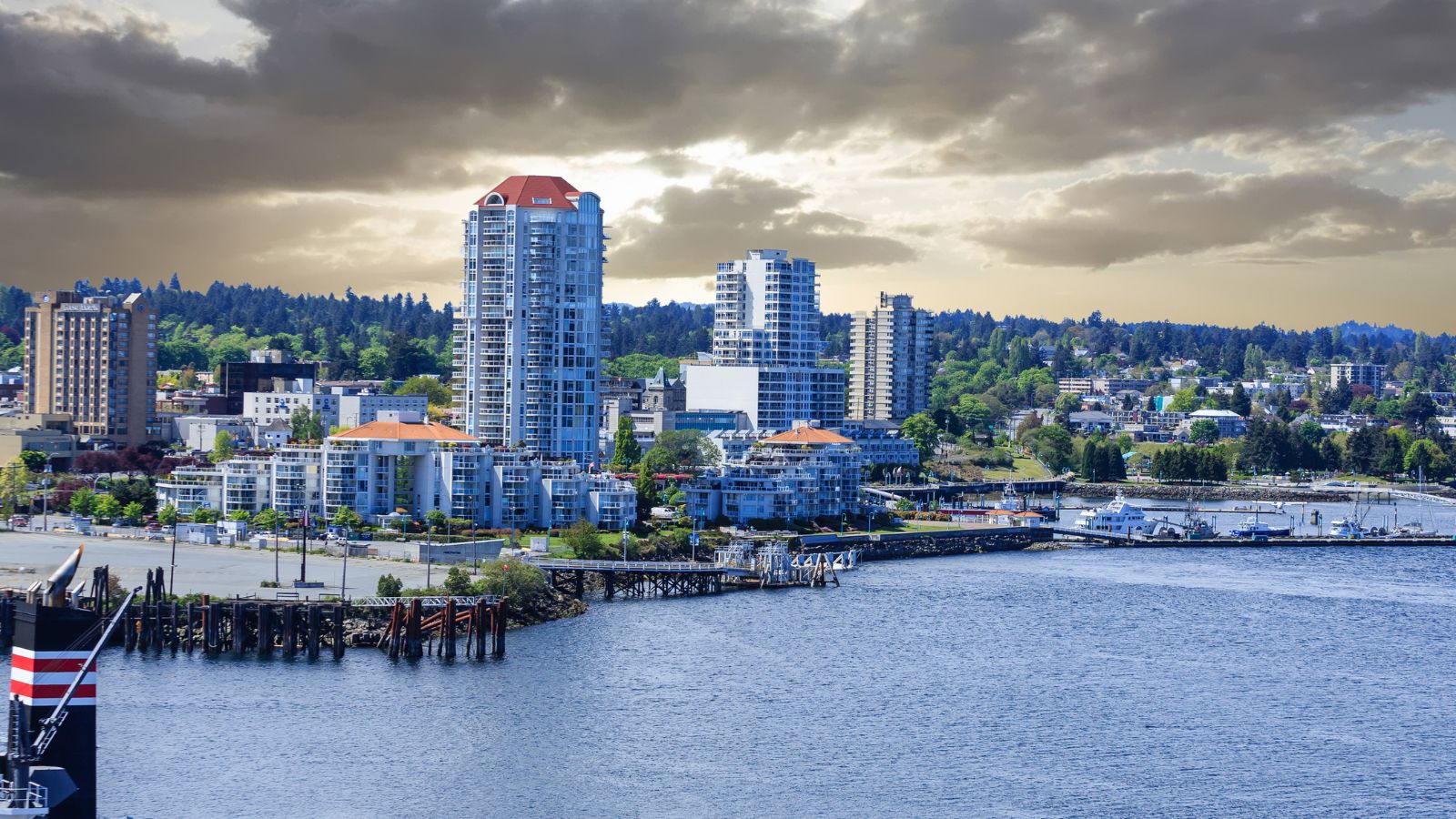
Nanaimo blends beaches, urban services, ferry access, and outdoor recreation in a balanced way that appeals to cautious travelers. Waterfront parks, boardwalks, and accessible beaches allow visitors to spend most of their trip outdoors comfortably. Accommodations and dining are distributed across the city rather than clustered, reducing congestion. Day trips to Newcastle Island, Gabriola Island, and regional parks add variety without stress. Healthcare and infrastructure are strong, which provides reassurance to visitors. Canadians often choose Nanaimo for safe, easygoing coastal breaks that require little planning and offer consistent relaxation throughout the colder months.
Penticton, British Columbia
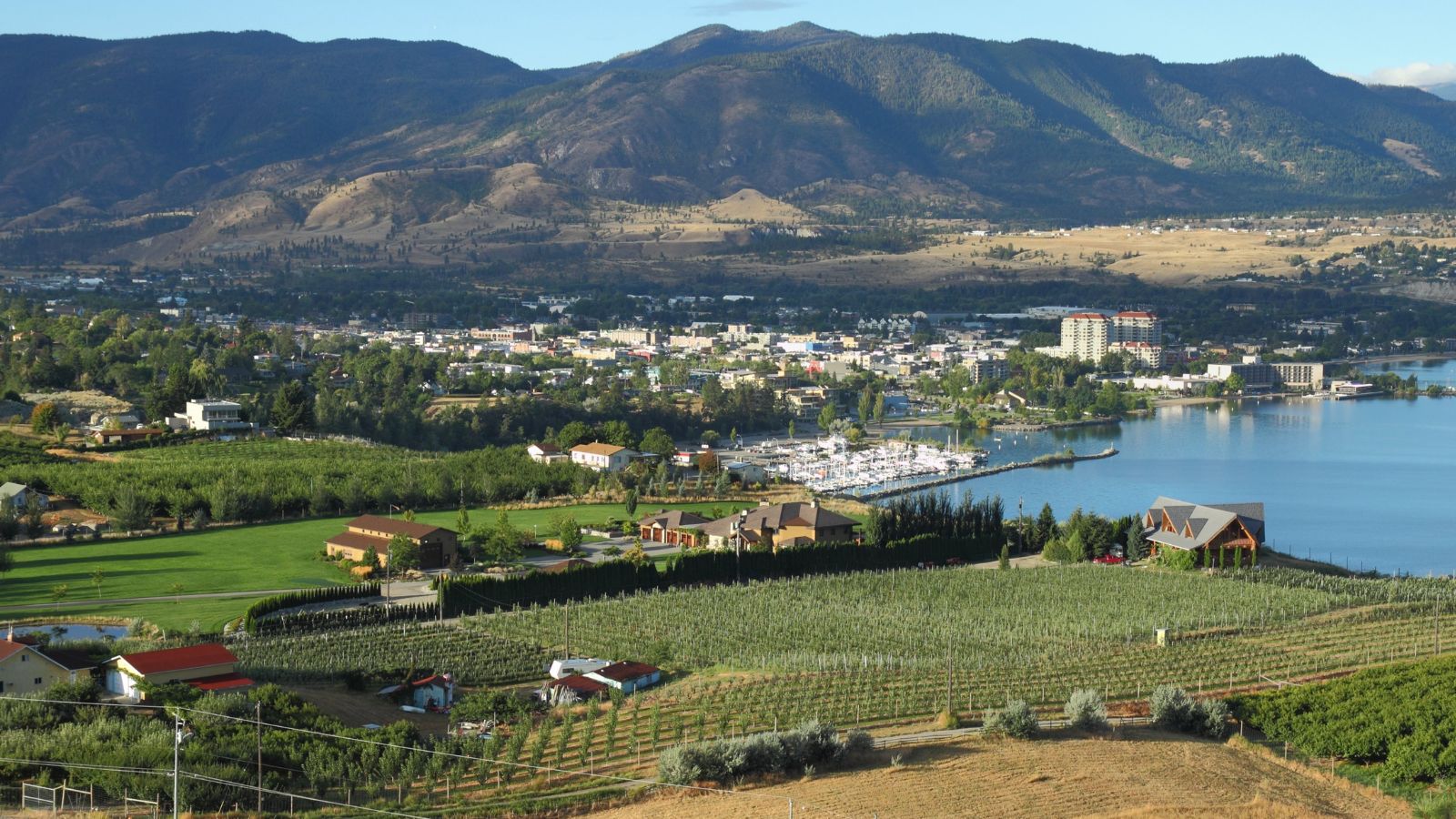
Penticton offers warm lakeside beaches, wineries, and open outdoor spaces that make relaxation feel effortless and low pressure. The shoreline along Okanagan Lake provides wide walking paths and easy public access without resort-style congestion. Accommodations include boutique hotels, resorts, and rentals that allow for privacy and space. Restaurants and tasting rooms operate at a slower, hospitality-focused pace, which many Canadians interpret as calm and safe. Mild weather and strong local services add reassurance for visitors. Penticton continues to attract travelers who want a peaceful beach setting without the crowds or intensity of peak resort destinations.
Summerland, British Columbia
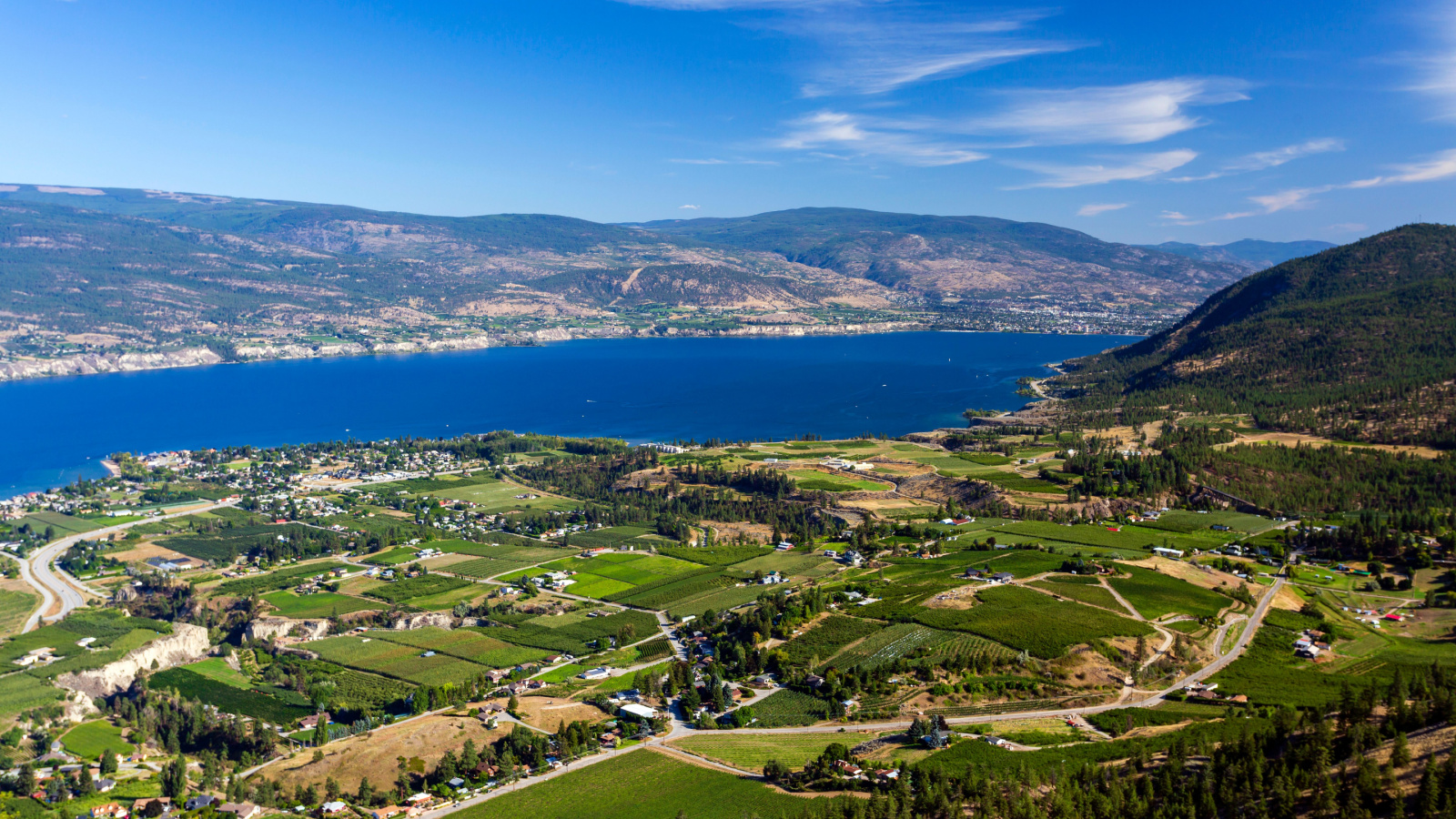
Summerland lives up to its name with sunny lakefront scenery, fruit orchards, and wineries that create a serene coastal-like experience. Its small size helps maintain a relaxed visitor environment with limited congestion. Outdoor spaces such as beaches, parks, and lakeside trails let travelers enjoy extended time outside with plenty of room. Accommodations lean toward boutique inns and private rentals with scenic views, contributing to privacy and comfort. Canadians routinely describe Summerland as quiet, charming, and low-stress — a safe-feeling warm-weather escape within British Columbia’s interior lake region.
Osoyoos, British Columbia
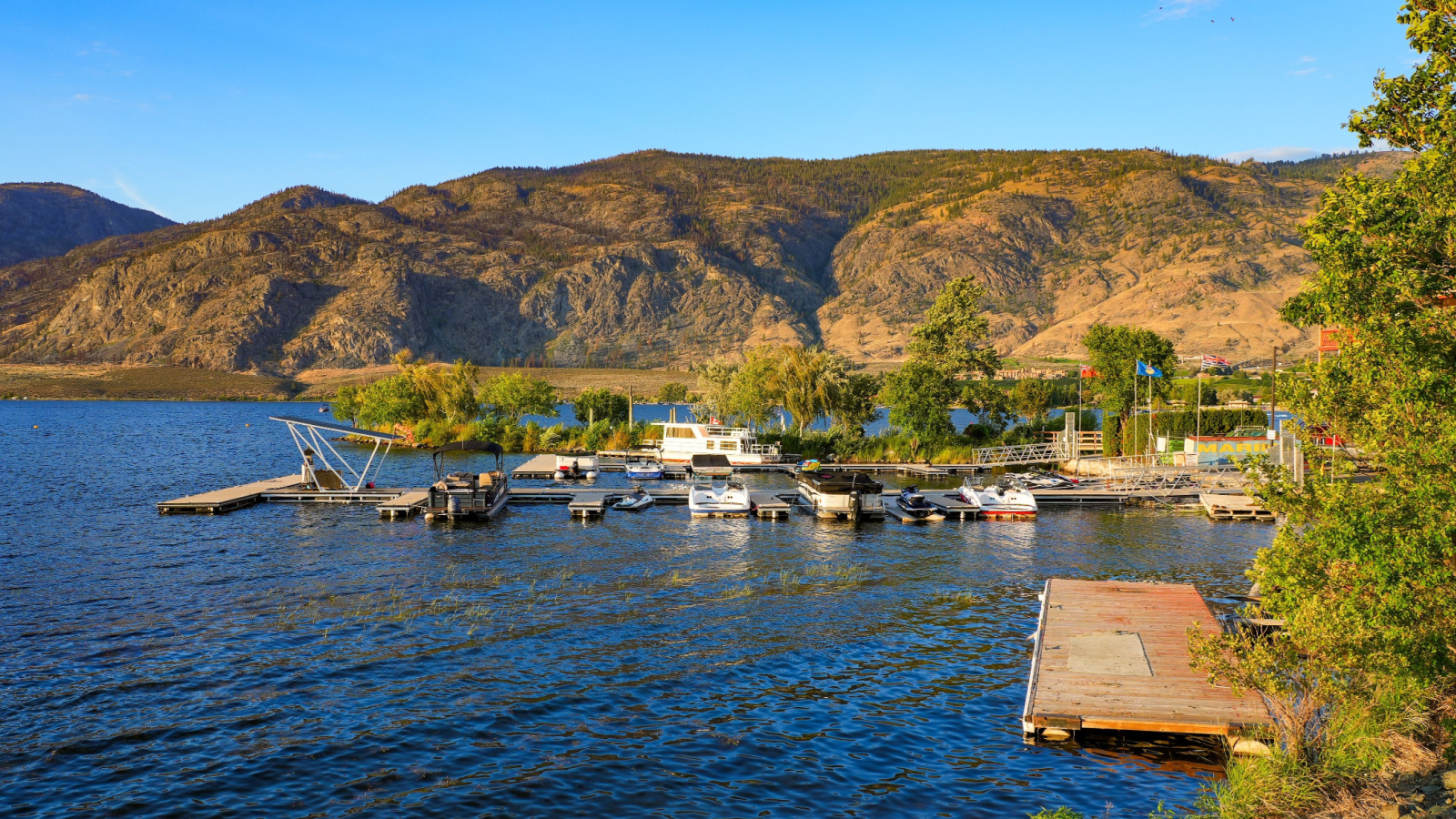
Osoyoos brings desert landscapes, warm lake water, and dry weather that make it feel distinct from most Canadian beach towns. Beaches stretch along Osoyoos Lake and rarely feel crowded outside peak summer. Resorts and wineries offer spacious outdoor layouts, which many visitors appreciate for peace and comfort. Dining and tasting rooms support slower itineraries rather than high-density tourism. Because Osoyoos sits in a rural valley with ample outdoor activity, Canadians see it as a low-pressure getaway with safe, open-air recreation and consistent relaxation during shoulder and winter seasons.
Wasaga Beach, Ontario
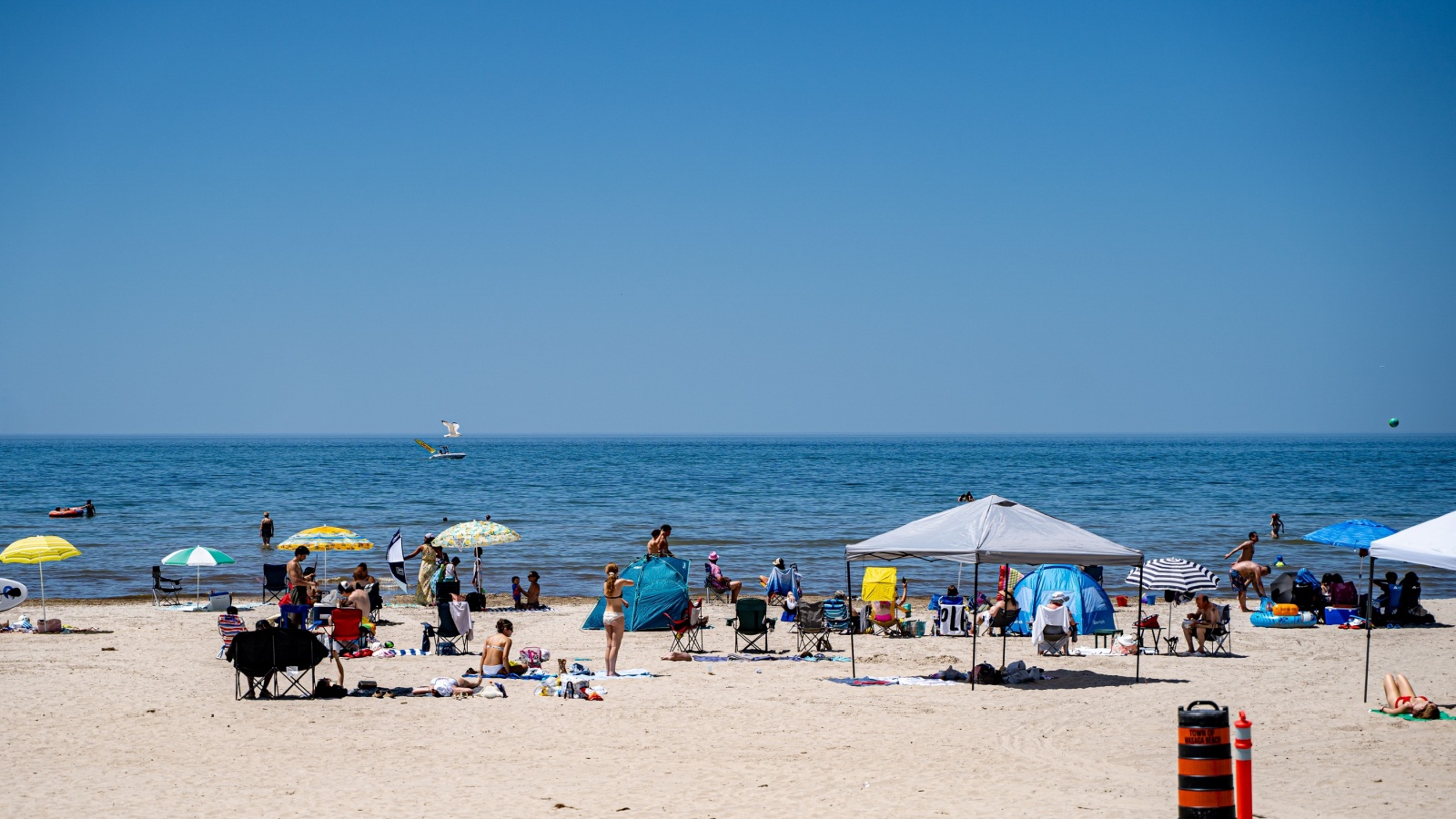
Wasaga Beach remains one of Ontario’s most recognizable lakefront destinations, but its vast sandy shoreline helps disperse visitors across a long stretch of waterfront. Outdoor dining, pathways, and beach access points make it easy to maintain personal space and comfort. The town sees most of its activity in summer, while off-season visits feel particularly calm and restorative. Rentals and cottages allow visitors to maintain privacy. Many Canadians consider Wasaga Beach a safe-feeling option for lake escapes because it offers open outdoor areas and familiar tourist services without requiring resort-style infrastructure.
Sauble Beach, Ontario
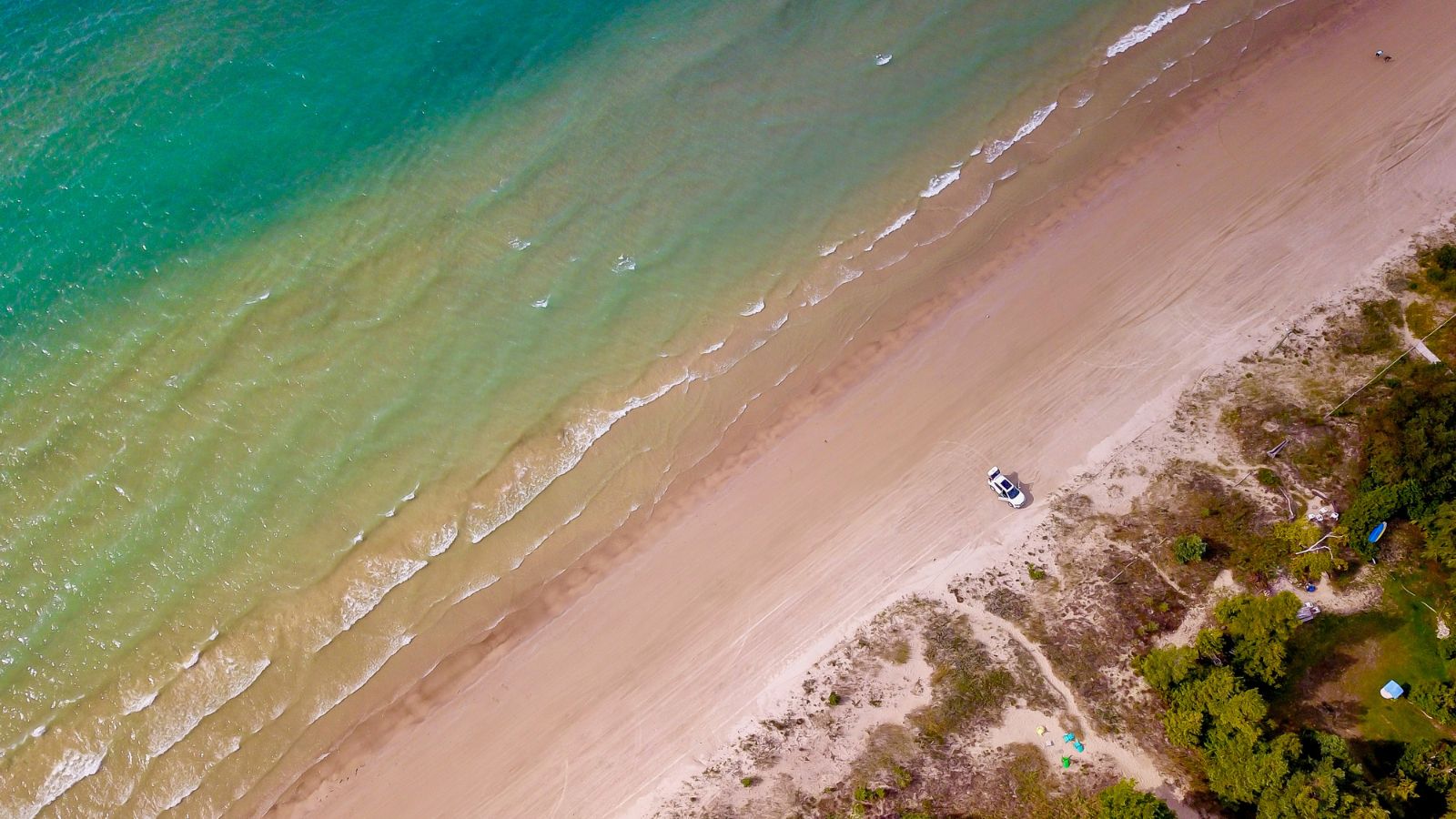
Sauble Beach provides a natural, laid-back beach experience with wide sandy shores and a quiet small-town atmosphere. Visitors can spend most of their time outdoors swimming, walking, or relaxing near the water without dense commercial activity. Cottage rentals and small inns help distribute accommodations across the community, reducing congestion. Local shops and restaurants maintain a slow, seasonal rhythm that travelers find soothing. With strong community infrastructure and abundant outdoor space, Sauble Beach continues to feel safe and easygoing for Canadians seeking low-stress trips by the water.
Grand Bend, Ontario
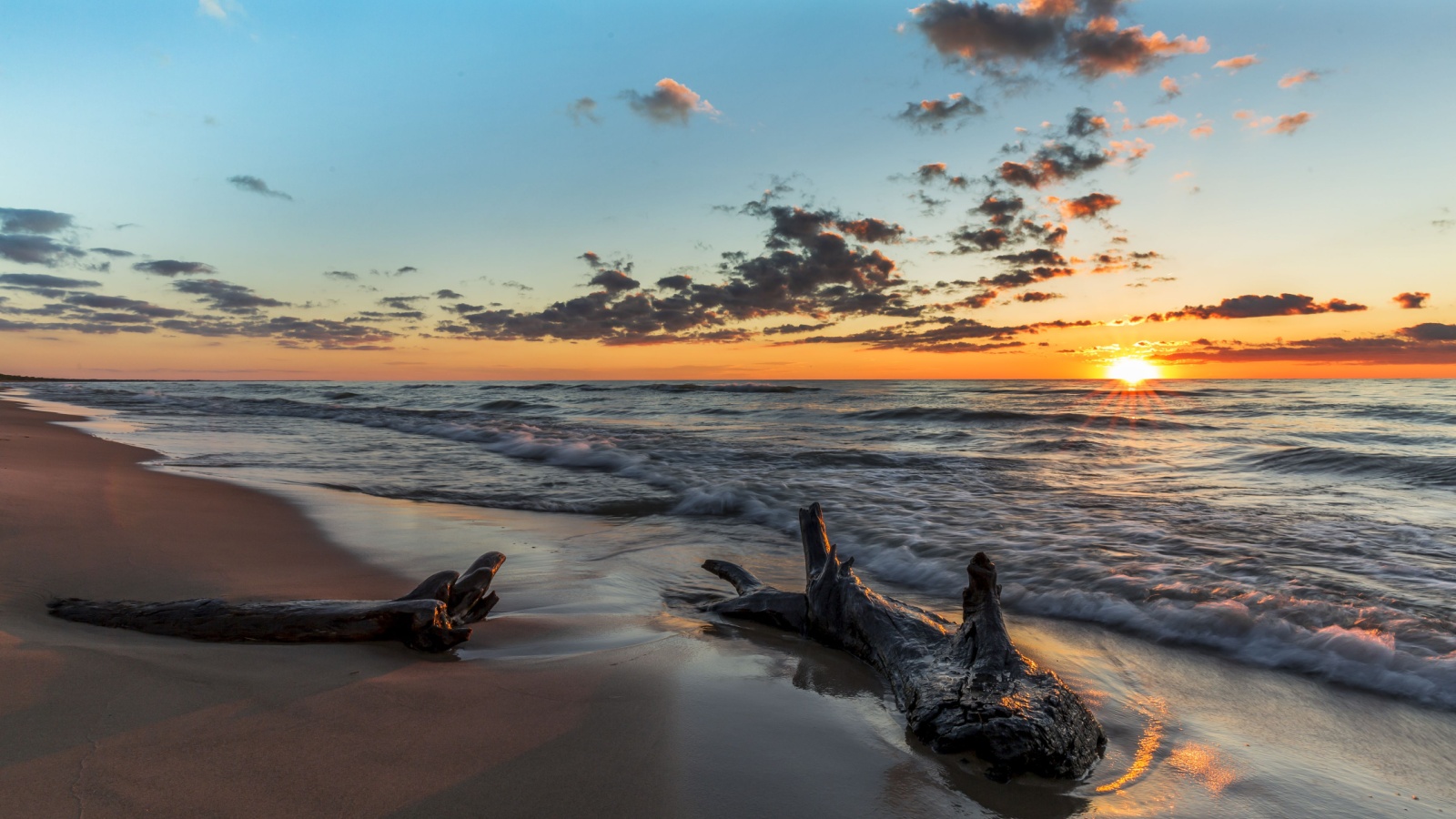
Grand Bend offers long beaches, boardwalks, and a lively summer environment that still feels manageable and relaxed outside peak months. The main beach area has modern facilities, lifeguards in season, and wide waterfront space that spreads out visitors naturally. Cottage rentals and private accommodations give travelers control over their environment, which many Canadians equate with comfort and safety. Dining and activities focus heavily on outdoor patios and open-air spaces during warm months. Between Lake Huron sunsets and walkable community areas, Grand Bend remains a reliable low-stress lakeside option for Ontarians seeking a beach atmosphere close to home.
Cobourg Beach, Ontario
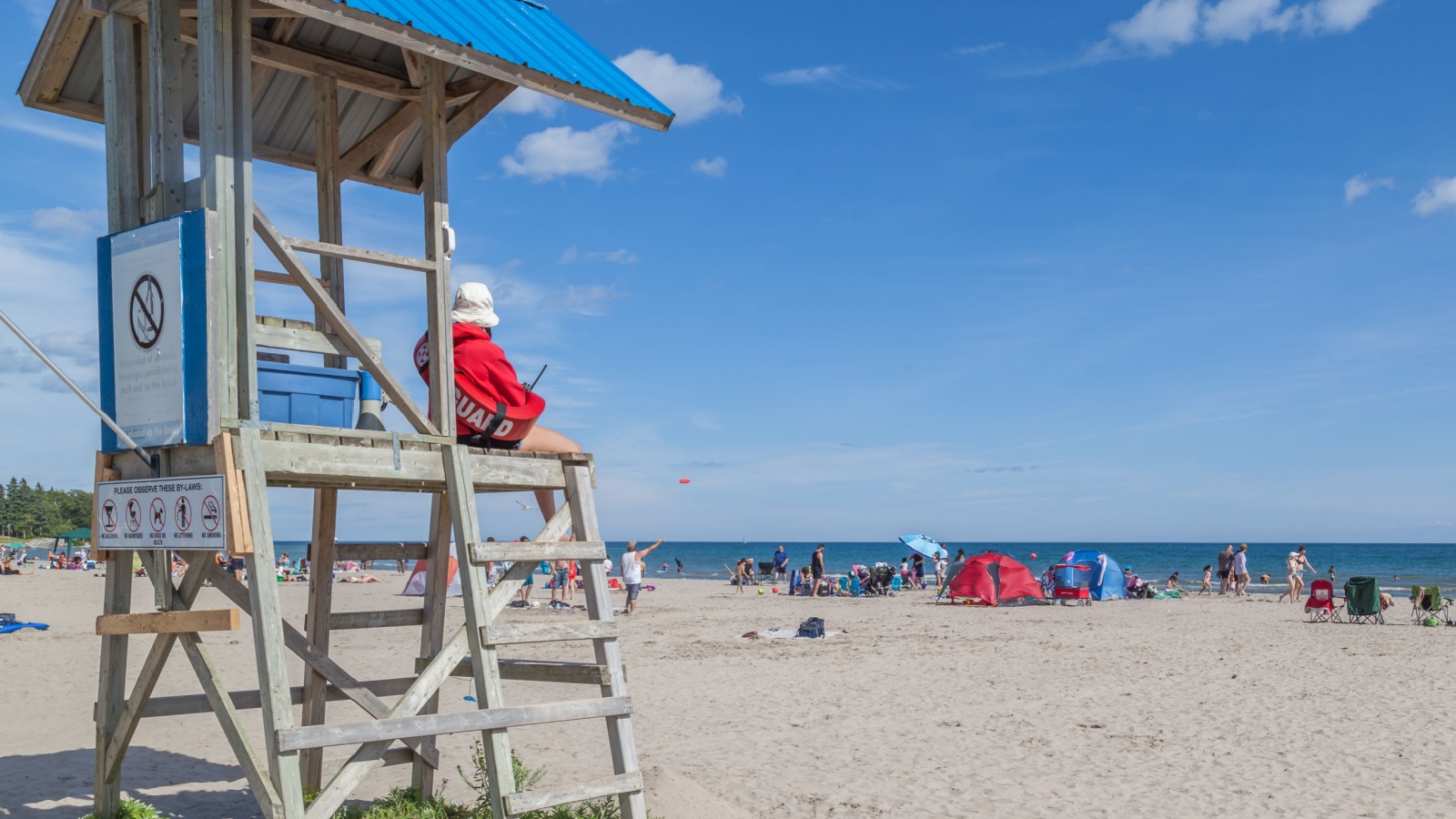
Cobourg Beach offers a calm, family-friendly stretch of Lake Ontario waterfront with clean facilities and well-maintained public spaces. The boardwalk and park provide plenty of room for walking and relaxing, which helps keep the environment unhurried. Travelers appreciate that the town is structured around slow coastal charm rather than crowded tourism zones. Private rentals and boutique hotels add privacy, while the heritage downtown offers a relaxed pace for dining and shopping. Many Canadians describe Cobourg as safe and peaceful due to open outdoor layouts, modest visitor volumes, and local infrastructure designed for comfort rather than spectacle.
Shediac, New Brunswick
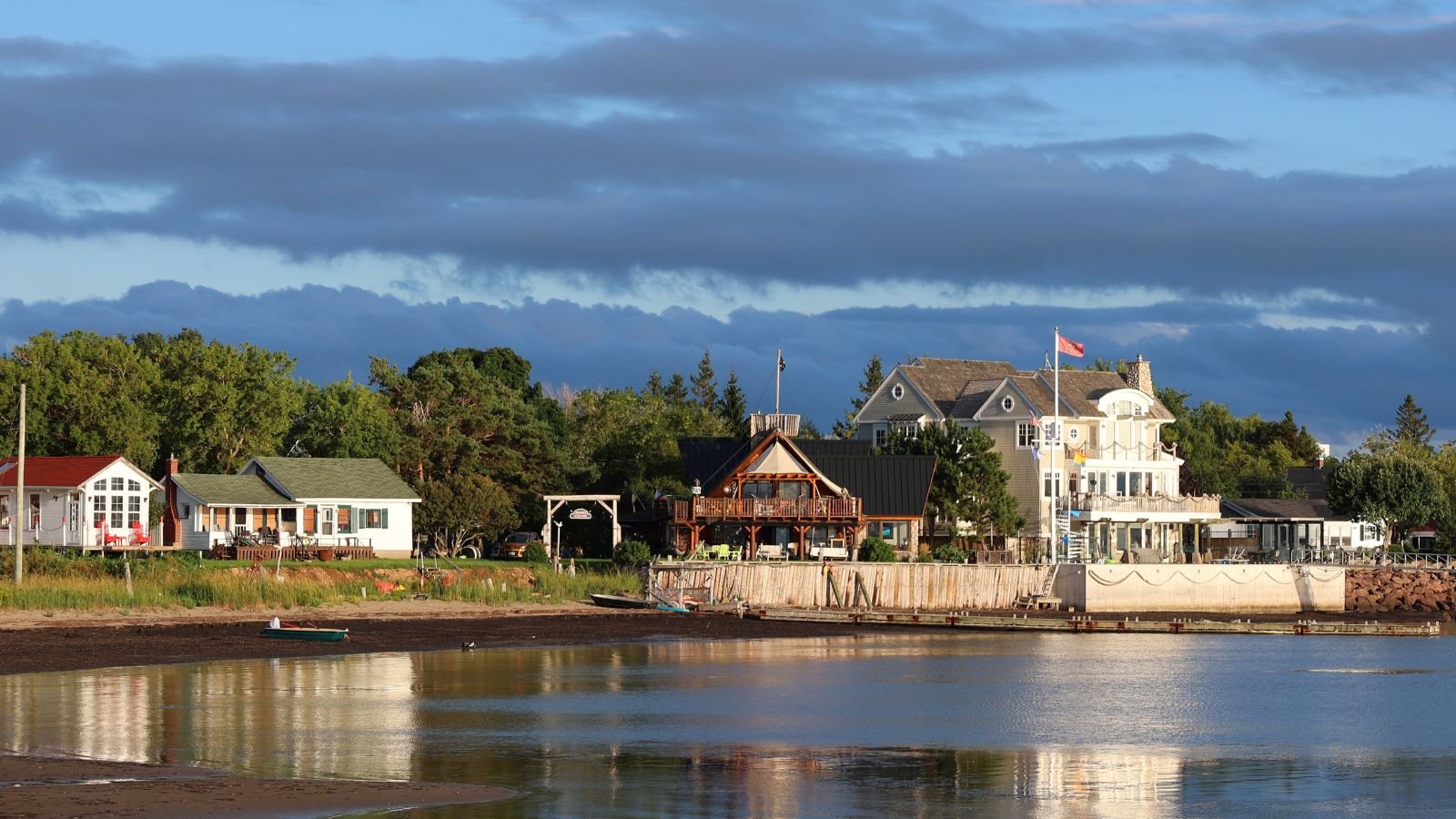
Shediac is known as the “Lobster Capital of the World,” but its coastline and beaches are equally appealing for low-pressure relaxation. The town has a friendly maritime pace with lots of activities centered on fresh air, water, and open community spaces. Travelers enjoy access to marinas, wharves, boardwalks, and small beaches that rarely feel overwhelmed. Cottage rentals and small inns allow for privacy while still offering services when needed. Canadians who visit Shediac appreciate its balanced environment — enough tourism to feel cared for, but not enough congestion to feel stressful. It remains a warm-season Atlantic escape with safe outdoor appeal.
Parlee Beach, New Brunswick
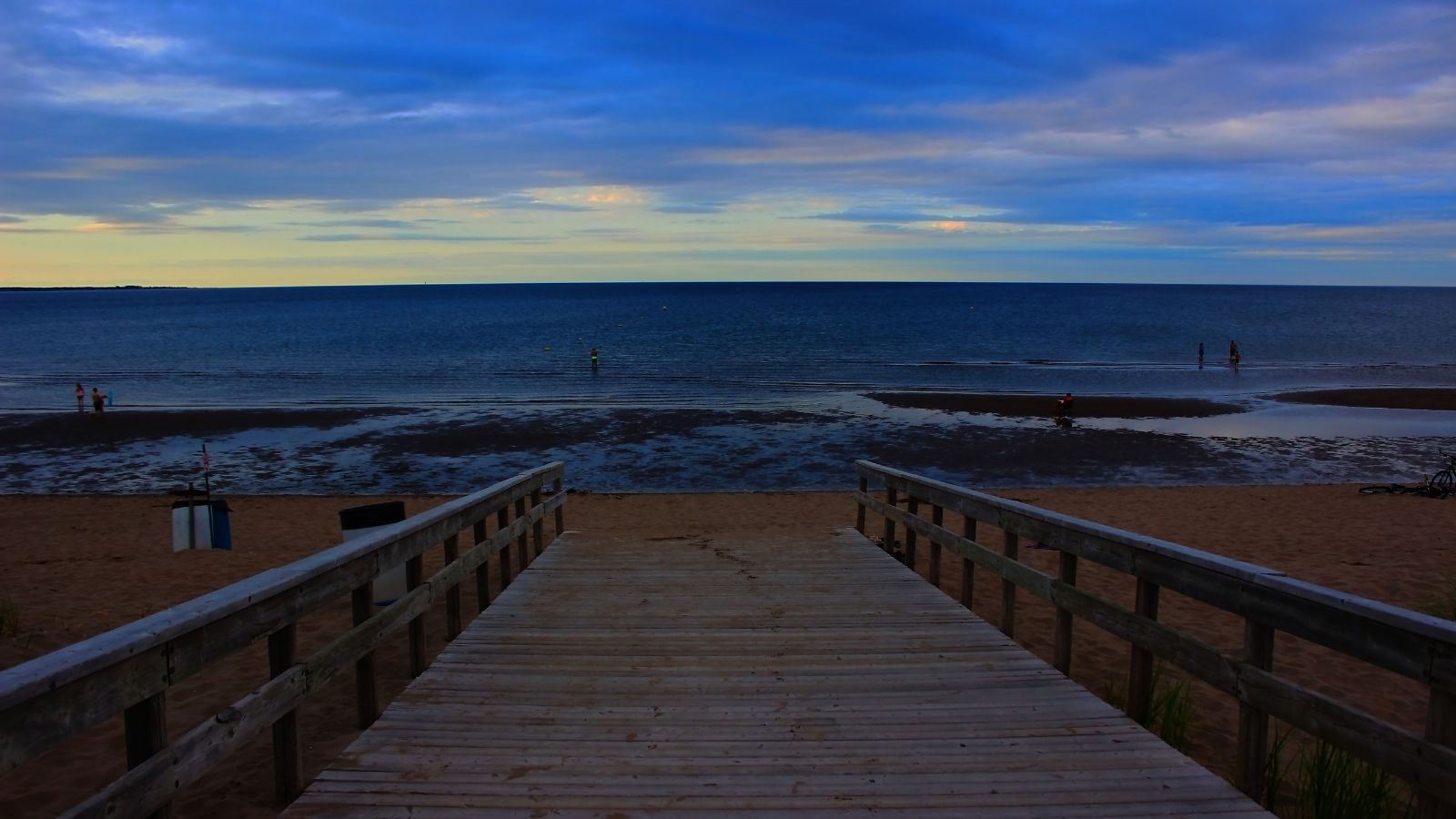
Parlee Beach offers some of the warmest saltwater swimming in Canada, attracting travelers who want a true beach experience without flying south. The provincial park setup helps manage visitor flow with facilities, lifeguards in season, and vast open sand. Picnic areas, trails, and dunes provide additional space for movement, making the environment feel comfortable and low-intensity. Travelers choose Parlee Beach when they want a safe-feeling summer destination that prioritizes nature and outdoor environments over commercial density. Many Canadians who return year after year describe Parlee Beach as predictable, calm, and family-friendly — ideal for stress-free maritime beach days.
Cavendish Beach, Prince Edward Island
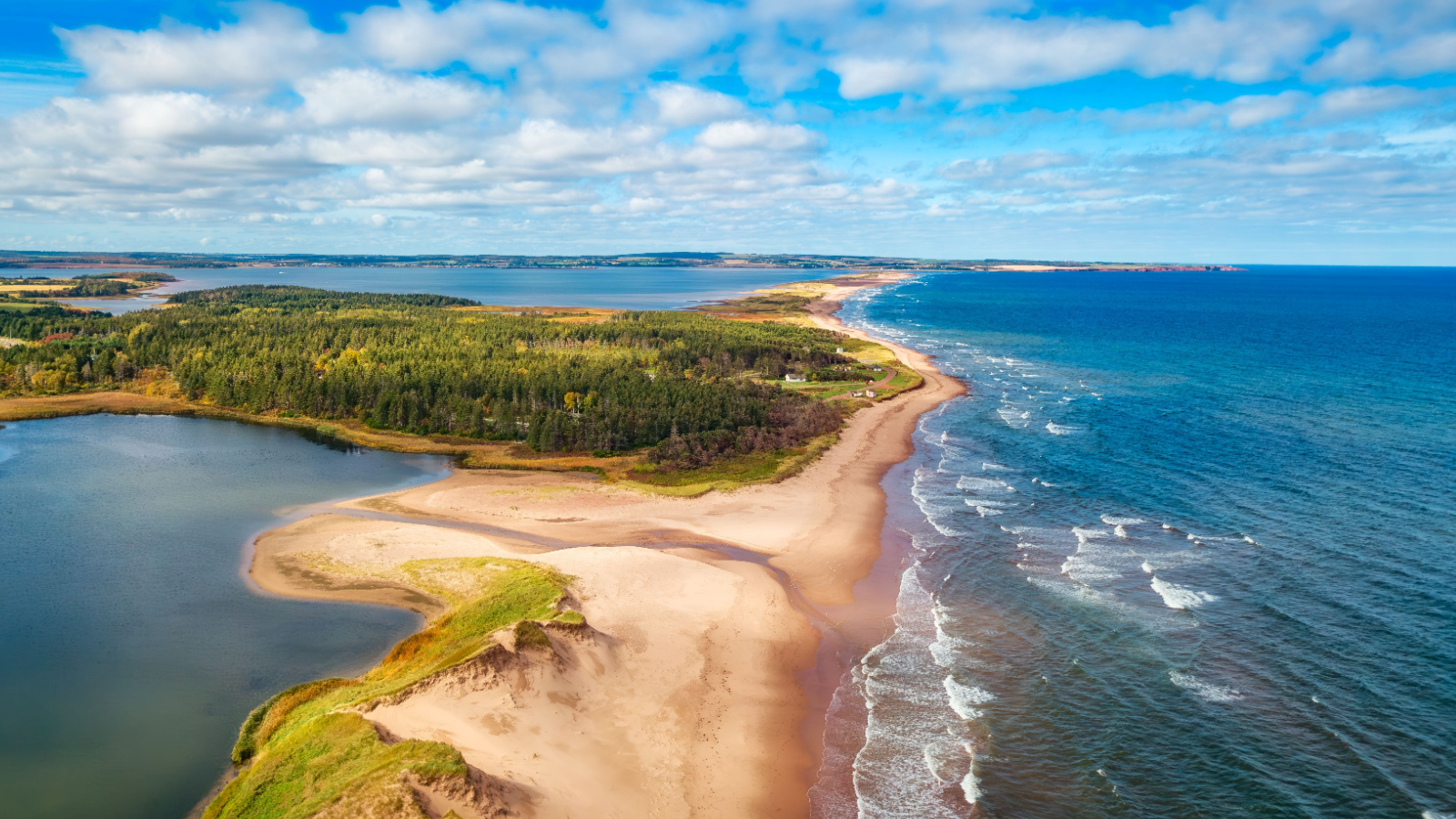
Cavendish Beach feels spacious and restorative thanks to its placement within Prince Edward Island National Park. Wide sand dunes, long shorelines, and protected landscapes create a slower, quieter environment with minimal development right on the beach. Visitors often stay in cottages, small inns, or vacation rentals, allowing for private, low-stress accommodation styles. Outdoor walking and cycling paths support movement without congestion. Because the area is designed around the natural coastline rather than heavy urban tourism, Canadians regularly describe Cavendish as relaxing, peaceful, and safe-feeling — especially during shoulder seasons when crowds are light.
Brackley Beach, Prince Edward Island
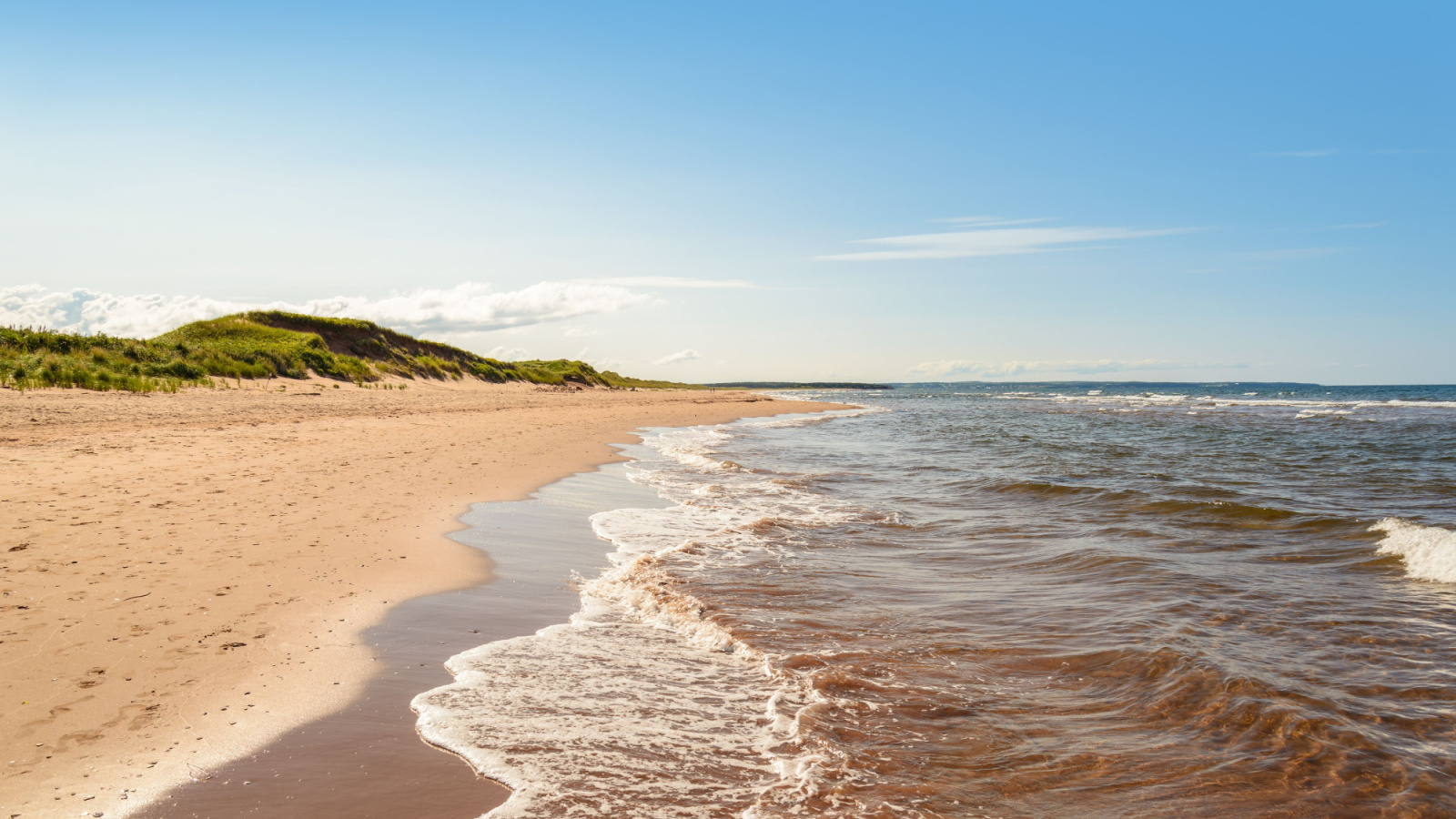
Brackley Beach is another PEI National Park location where nature drives the experience rather than dense commercial amenities. Long beaches, dunes, and well-maintained trails help visitors spread out across the coastline. The absence of major resort development gives the area a calm, minimalist beach atmosphere that Canadians find restorative. Accommodations tend to be small-scale — cottages, inns, and rentals — which adds privacy and comfort. Many travelers highlight that Brackley feels clean, unhurried, and safe due to abundant outdoor space and slow-paced maritime hospitality. It remains a top PEI choice for beach-focused relaxation.
Ingonish Beach, Nova Scotia
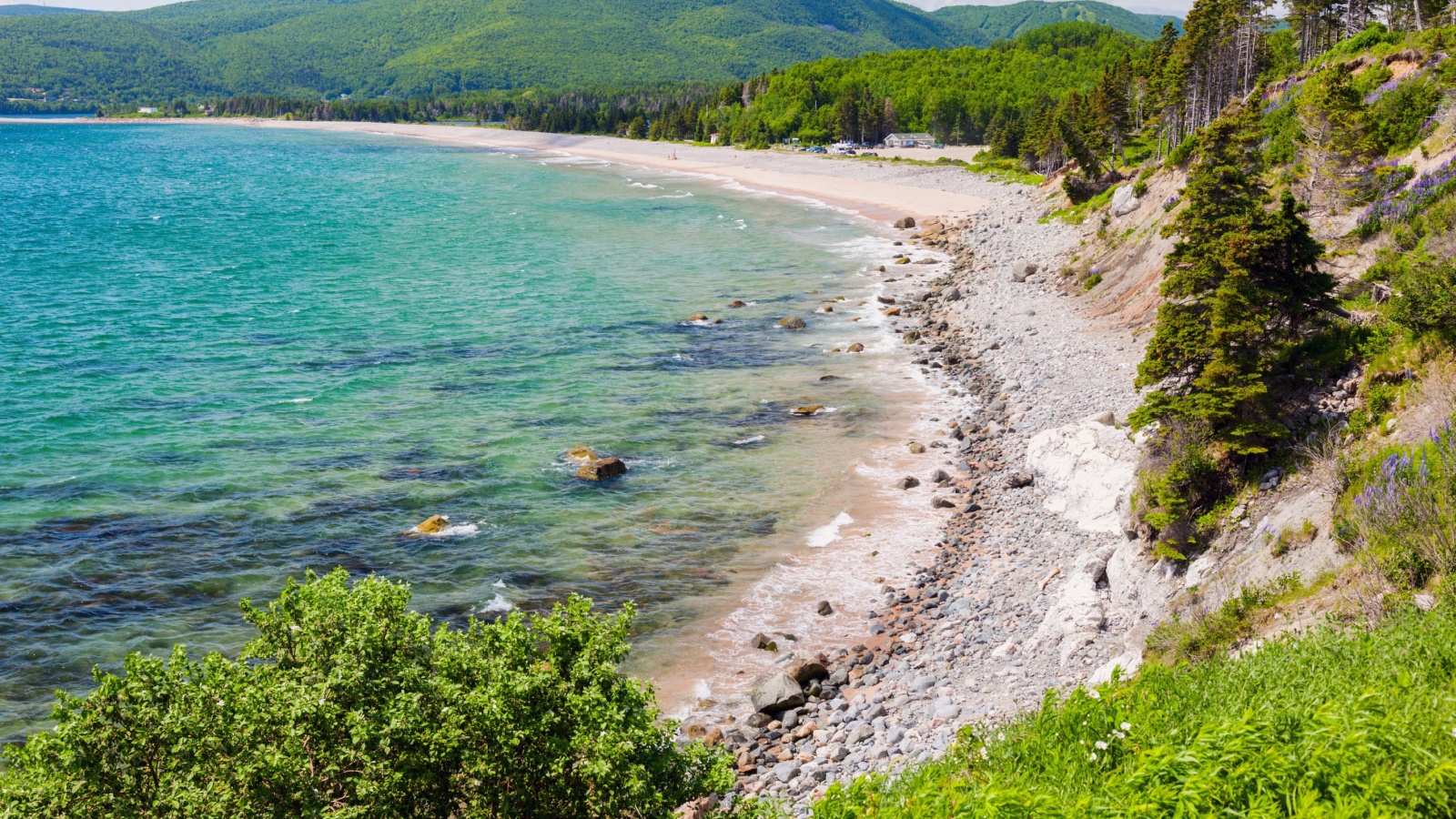
Ingonish Beach sits along the Cabot Trail within Cape Breton Highlands National Park, offering a rare combination of ocean waves and freshwater swimming. The layout of the beach encourages natural spacing, with long stretches of sand, rocky shoreline, and adjacent walking trails. Most accommodations in the region are small inns, cottages, and lodges, which Canadians often describe as calm and safe-feeling due to limited crowd density. The surrounding national park environment reinforces the sense of peaceful outdoor immersion. Visitors come for scenery, cold Atlantic waters, sunsets, and coastal hikes rather than busy resort atmospheres, making Ingonish a relaxing maritime destination.
Lawrencetown Beach, Nova Scotia
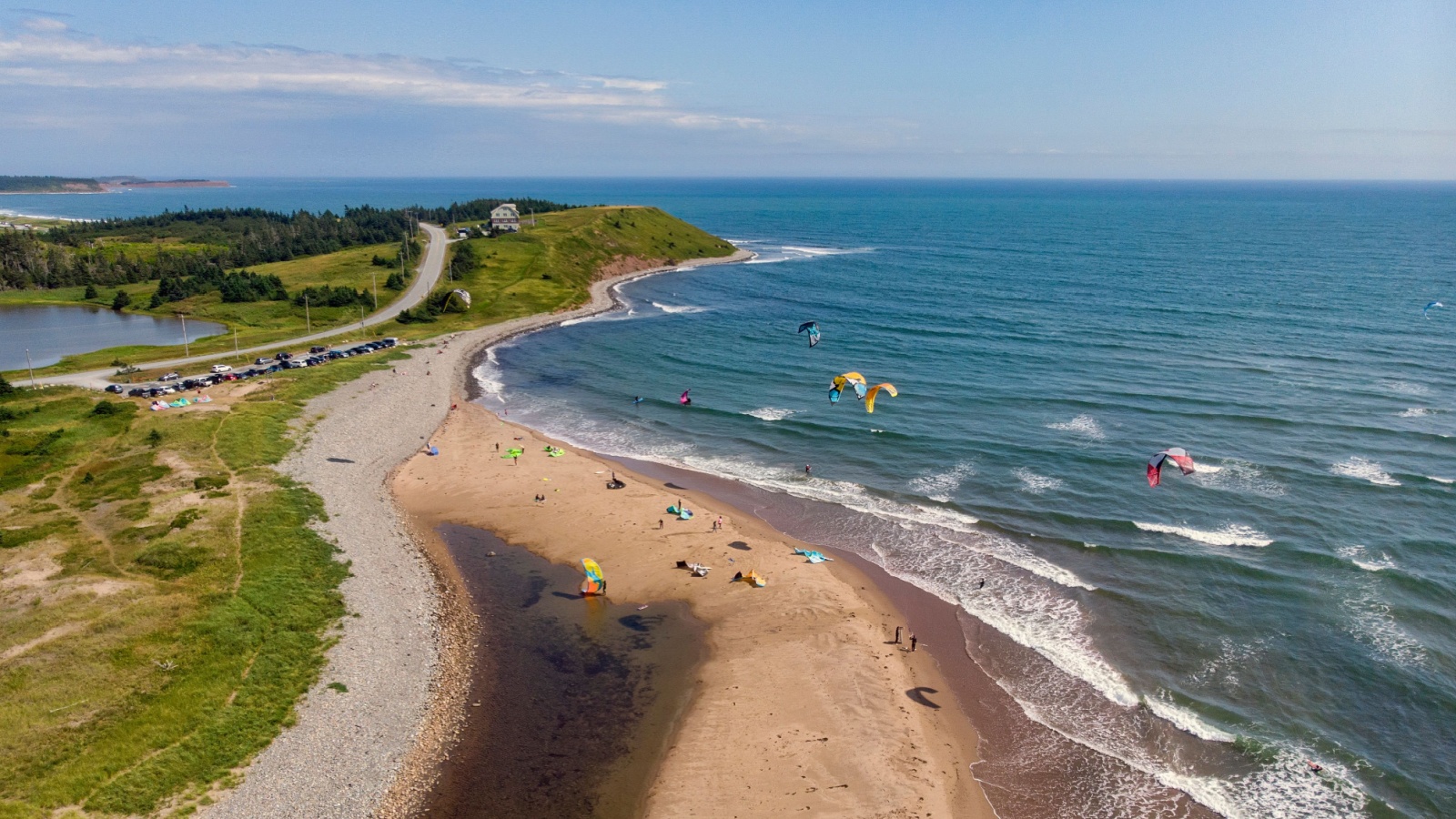
Lawrencetown Beach sits just outside Halifax and is well-known among surfers for consistent waves, wide coastal views, and rugged Atlantic beauty. Canadians increasingly choose it for low-stress, nature-first relaxation instead of typical resort-style beach towns. Facilities are modest but well-managed, and the adjacent park and trail networks give visitors space to explore without feeling crowded. Accommodations are primarily small inns, cottages, and private rentals, which creates a calm environment with greater privacy and flexibility. Many travelers appreciate Lawrencetown’s balance between accessibility and wilderness, offering a safe-feeling outdoor escape that stays peaceful even during busier summer periods.
Middle Cove Beach, Newfoundland & Labrador
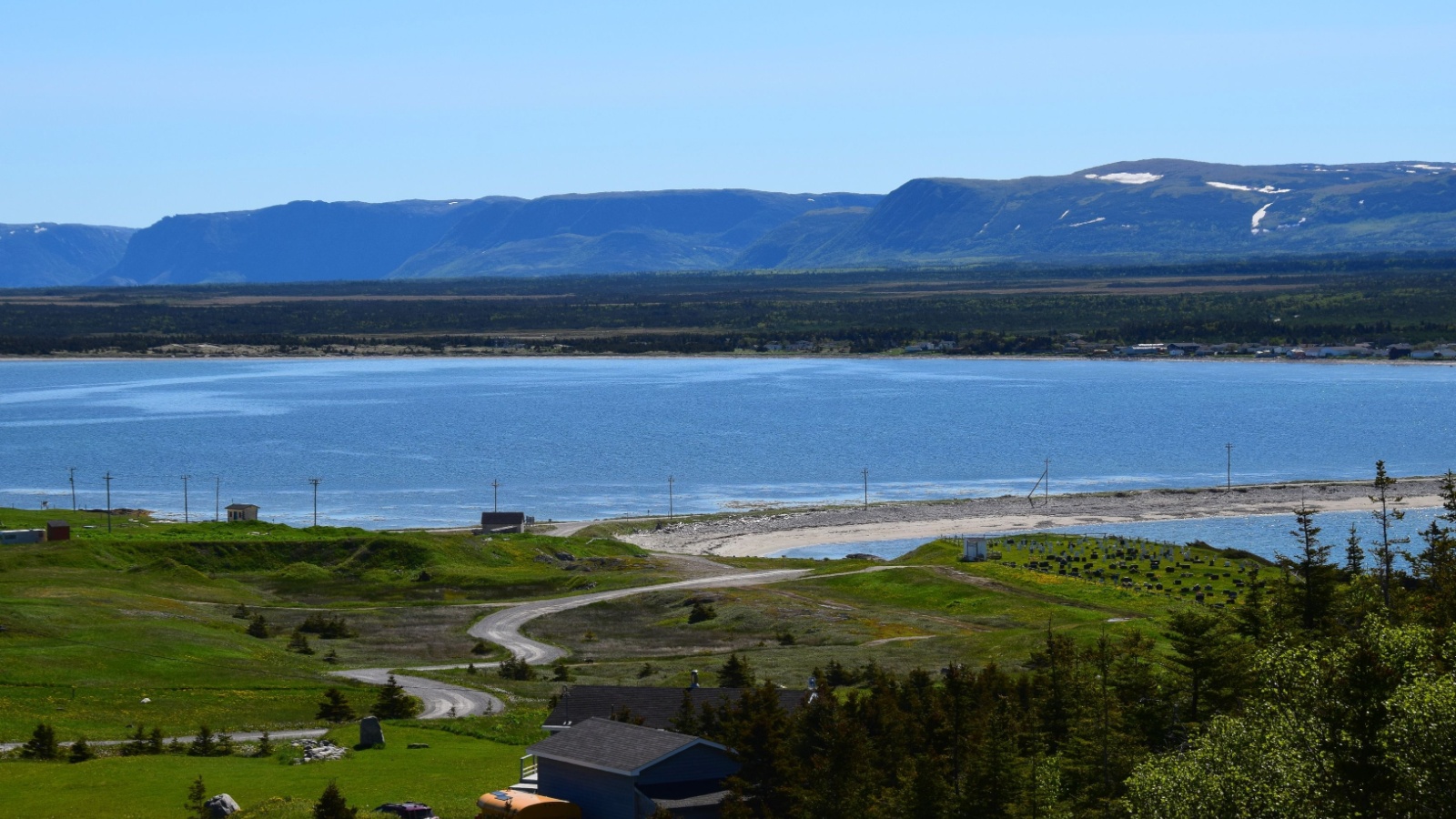
Middle Cove Beach provides a classic Newfoundland coastal experience — dramatic cliffs, cold Atlantic waters, and a quiet beach atmosphere free from mass tourism. Canadians describe it as safe-feeling due to abundant open space, light infrastructure, and a strong outdoor culture focused on walking, whale-watching, bonfires, and coastal photography. Instead of commercial resort amenities, the appeal lies in small communities, scenic drives, and private rentals along the Avalon Peninsula. Its proximity to St. John’s makes it easy to reach without losing the sense of quiet and solitude. Middle Cove remains a reliable maritime beach choice for low-pressure relaxation.
22 Groceries to Grab Now—Before another Price Shock Hits Canada

Food prices in Canada have been steadily climbing, and another spike could make your grocery bill feel like a mortgage payment. According to Statistics Canada, food inflation remains about 3.7% higher than last year, with essentials like bread, dairy, and fresh produce leading the surge. Some items are expected to rise even further due to transportation costs, droughts, and import tariffs. Here are 22 groceries to grab now before another price shock hits Canada.
22 Groceries to Grab Now—Before another Price Shock Hits Canada
