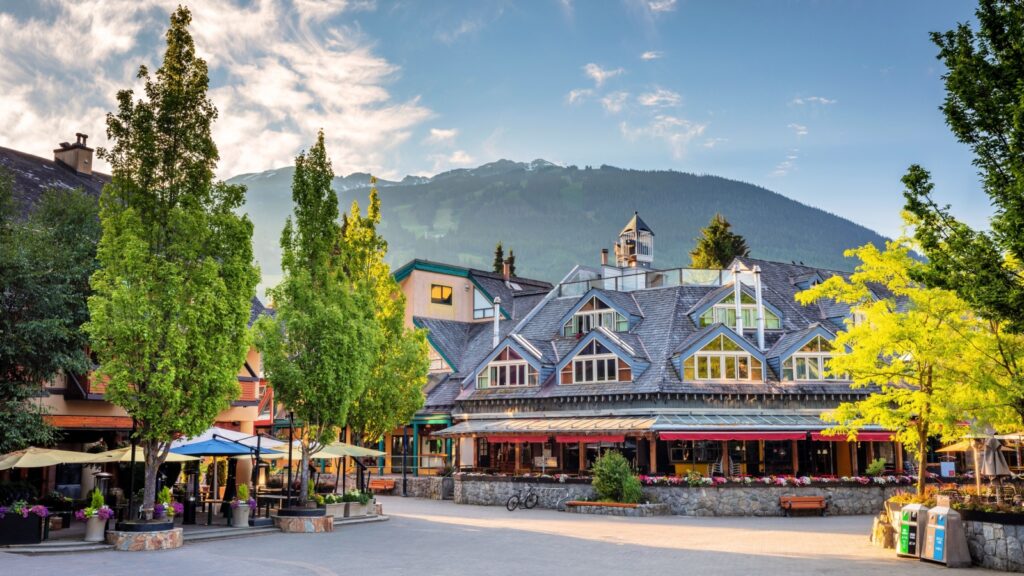
Winter flight prices, unpredictable airline schedules, and growing interest in regional travel have pushed more Canadians to explore cold-weather destinations by road. These trips combine flexibility, scenery, and access to national parks, coastal towns, mountain resorts, and heritage areas without dealing with airports. Shorter routes allow for weekend plans, while longer drives provide an alternative to high-cost trips south. Here are 20 winter road-trip routes Canadians are driving instead of flying south.
Vancouver to Whistler, British Columbia
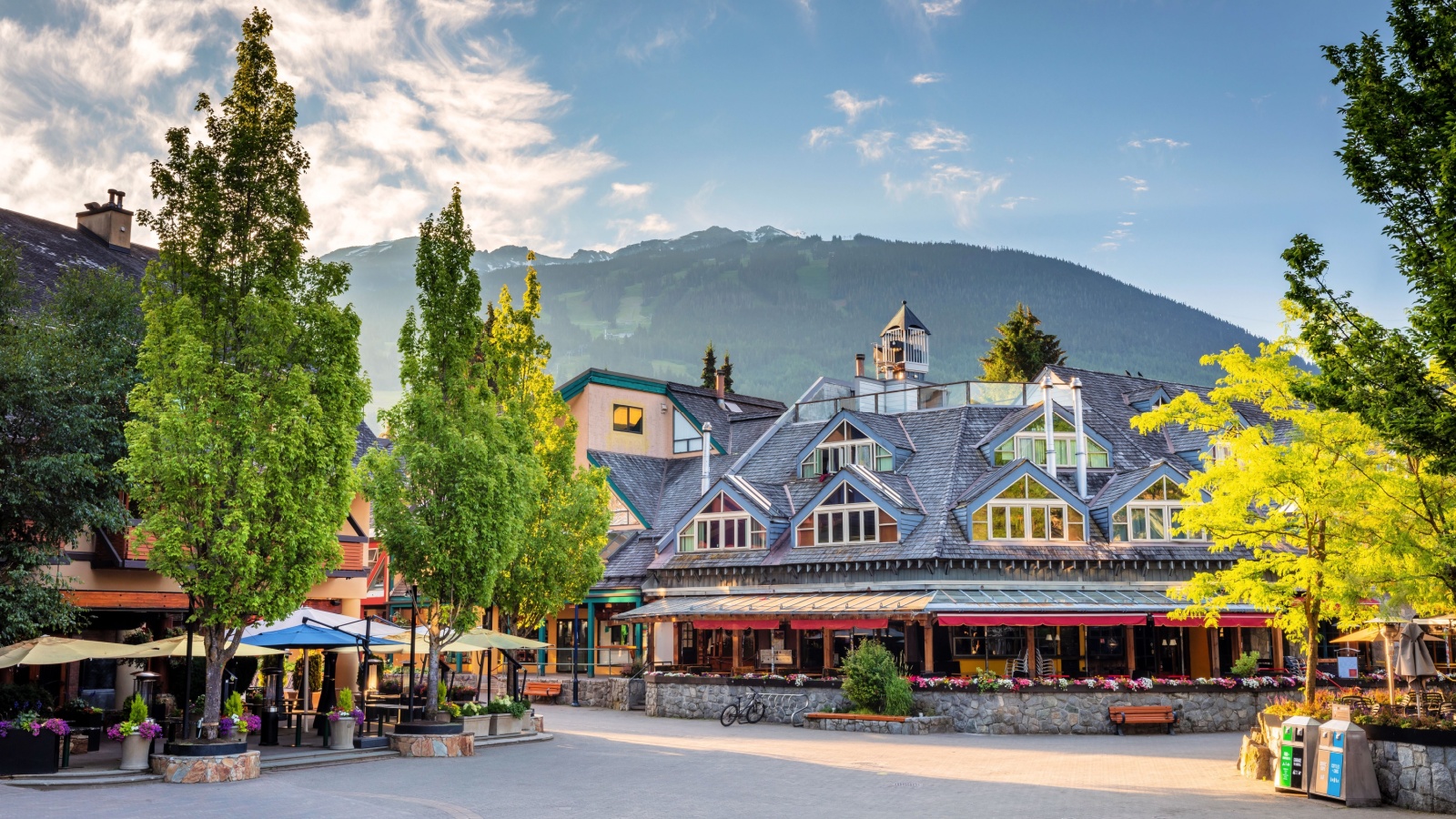
The Vancouver to Whistler route is one of the most popular winter drives in Canada. The Sea to Sky Highway connects travellers to skiing, snowboarding, and winter dining in under two hours. Canadians choose this trip because Whistler Village offers everything within walking distance once parked. Hotels, spas, and après-ski venues fill short winter itineraries. Vancouver residents can travel after work on Friday and return by Sunday without using PTO. The drive stays busy during peak winter weekends due to reliable access and varied activities. Families, couples, and groups continue to choose this route over winter flights to warmer destinations.
Vancouver to Tofino, British Columbia
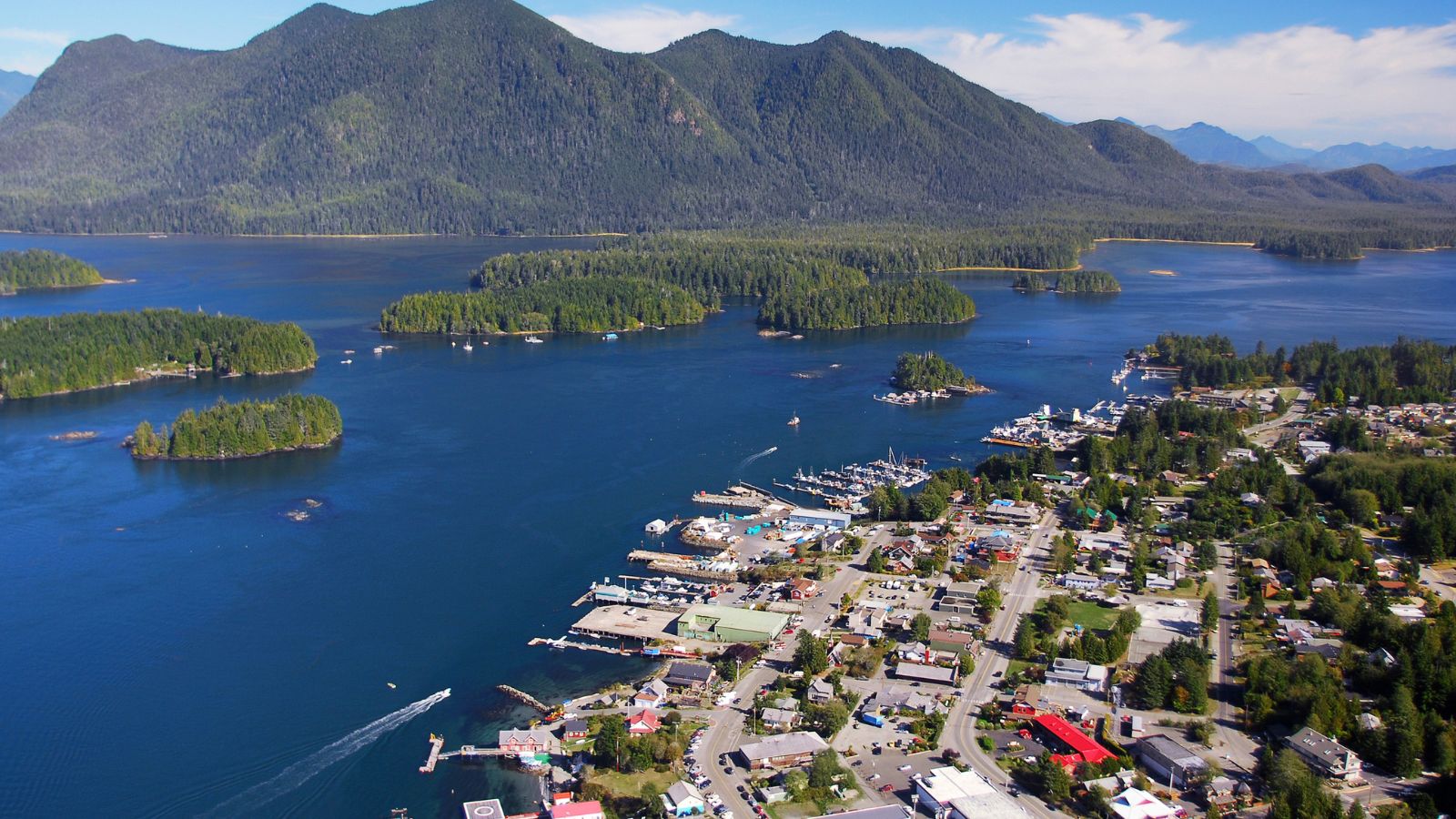
The Vancouver to Tofino road trip appeals to Canadians who want winter storm watching, surfing, and coastal scenery. Most travellers drive to Horseshoe Bay, take the ferry to Vancouver Island, and continue west toward Tofino. Many stop in Nanaimo, Parksville, or Ucluelet to break up the journey. Winter weekends feature oceanfront lodges, seafood restaurants, breweries, and walks on Long Beach. The trip works within two or three nights without requiring vacation days. Canadians choose this drive instead of winter flights because it offers a unique coastal setting during colder months. Tofino remains a reliable winter road-trip destination for West Coast travellers.
Calgary to Banff and Lake Louise, Alberta
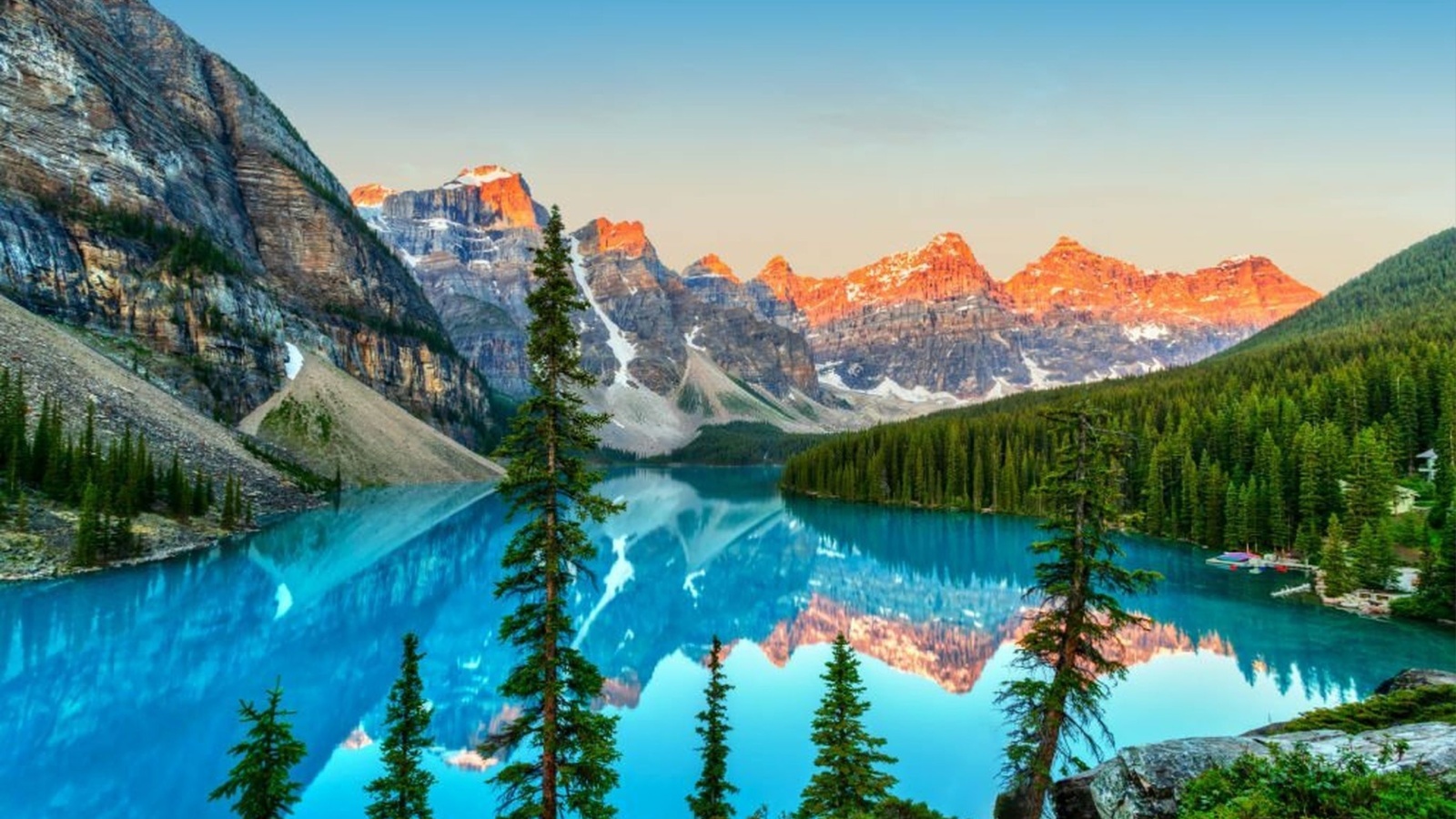
Calgary residents often drive to Banff and Lake Louise during winter for skiing and winter hiking. The trip takes roughly two hours and does not require extensive planning. Travellers check into lodges, hotels, and cabins for two or three-night stays. Ski resorts such as Sunshine Village and Lake Louise Ski Resort make the trip rewarding for winter sports. Banff Avenue provides dining, shops, and hot springs for non-skiers. Canadians avoid flights by choosing this drive, which offers mountain scenery and outdoor activities close to home. The route remains one of Alberta’s easiest winter escapes.
Calgary to Jasper via Icefields Parkway, Alberta
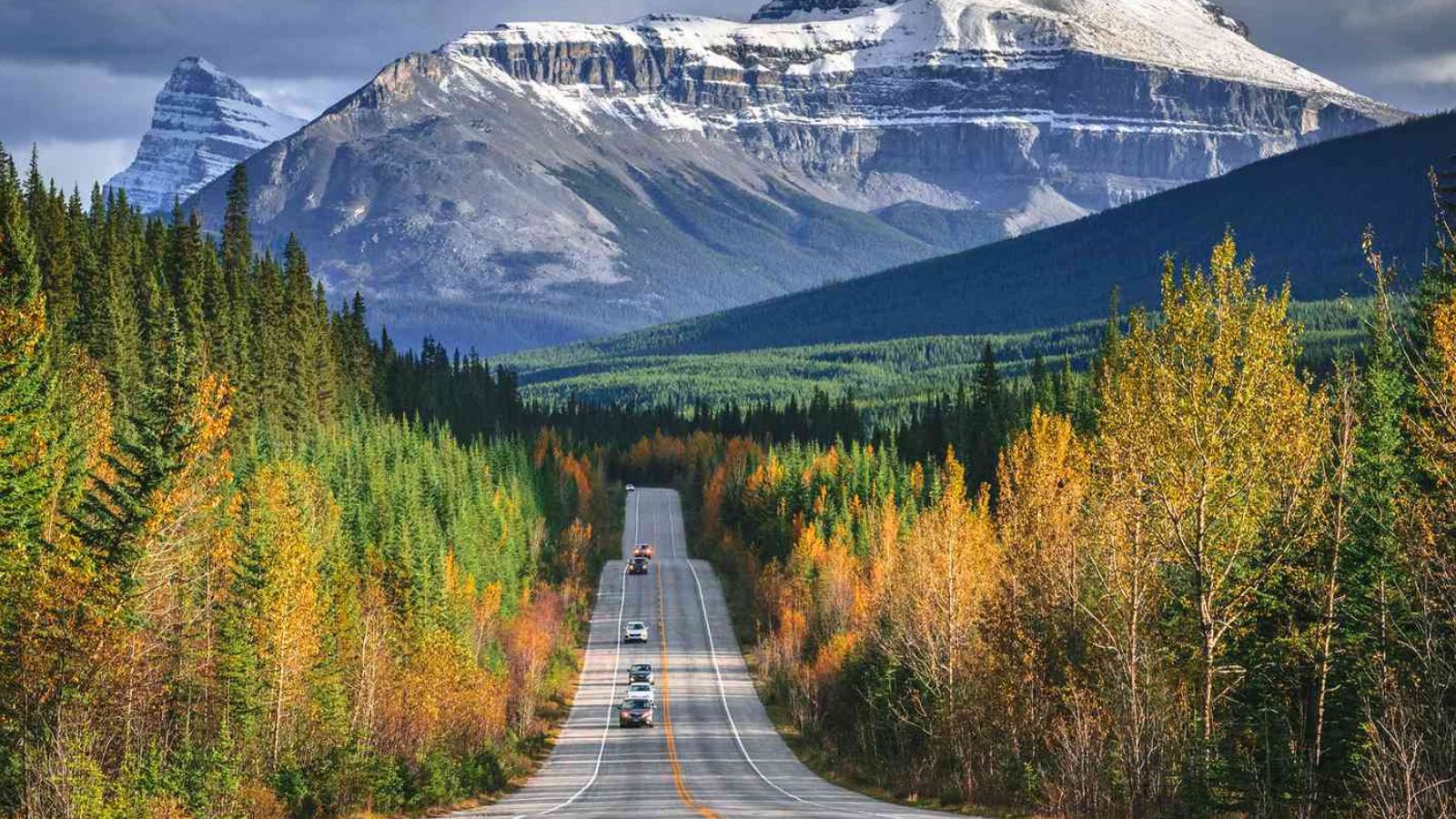
Canadians drive from Calgary to Jasper in winter for quieter ski slopes, wildlife viewing, and scenic stops. The Icefields Parkway is known for its winter landscapes and access to lakes and viewpoints. Drive times vary depending on the weather, so most travellers plan two or three-night stays. Jasper offers skiing at Marmot Basin along with snowshoeing and winter hiking. Parking, dining, and lodging remain easy to access during winter weekends. Travellers choose the road-trip option instead of flights because the journey itself adds value. The route supports a winter getaway without leaving Alberta or taking vacation days.
Edmonton to Canmore, Alberta
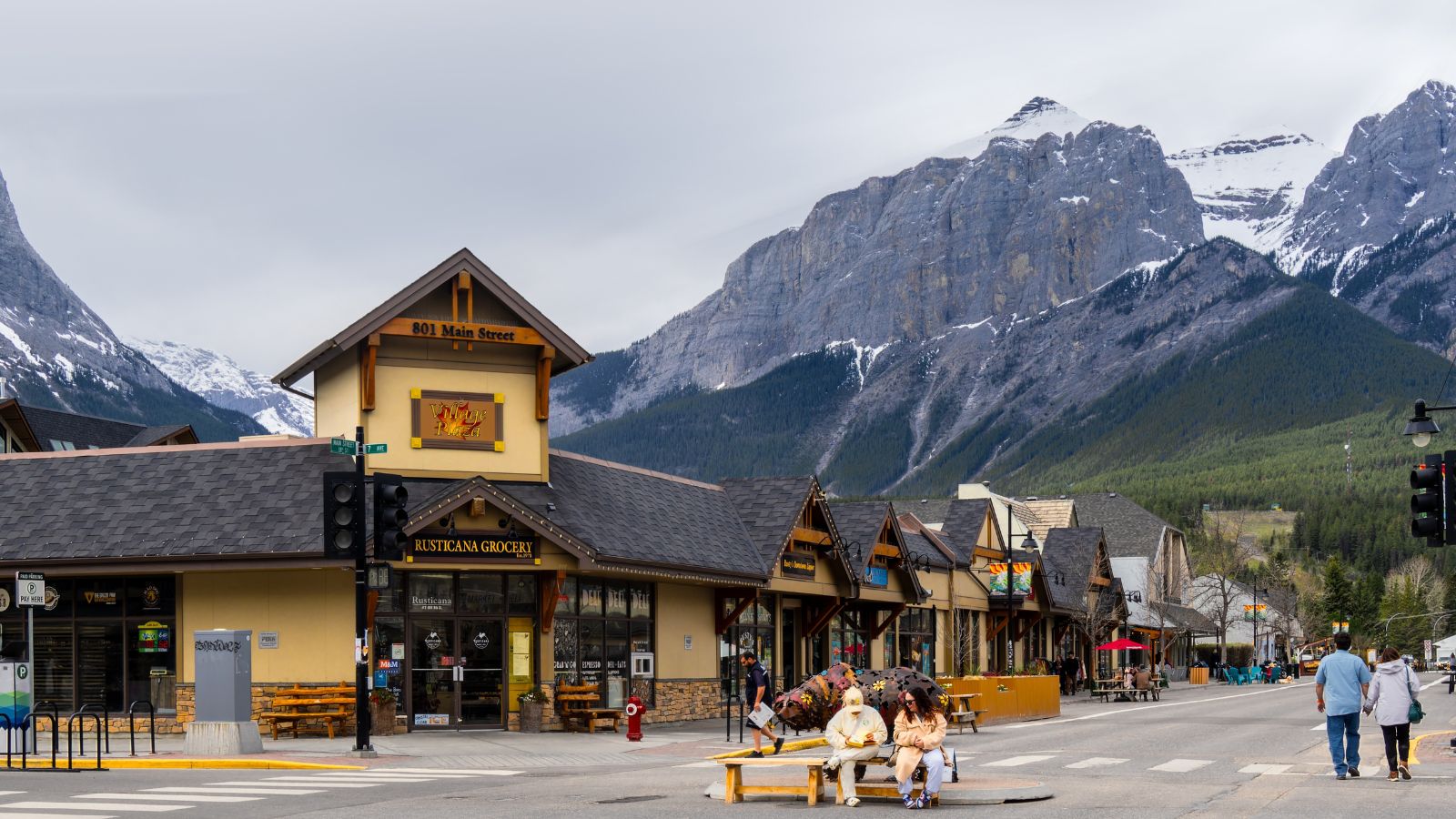
The Edmonton to Canmore drive has become a common winter weekend trip for Canadians who want mountain scenery without the price of Banff. The trip takes roughly four hours, allowing travellers to leave Friday evening and return Sunday. Canmore offers dining, breweries, spas, and winter trails that fit into short itineraries. Nordic skiing and snowshoeing attract active travellers, while others simply enjoy a quiet winter setting. Canadians choose to drive instead of flying south because it offers relaxation and mountain access without high costs or time commitments. The route works well for couples and families seeking manageable winter road trips.
Regina to Moose Jaw, Saskatchewan
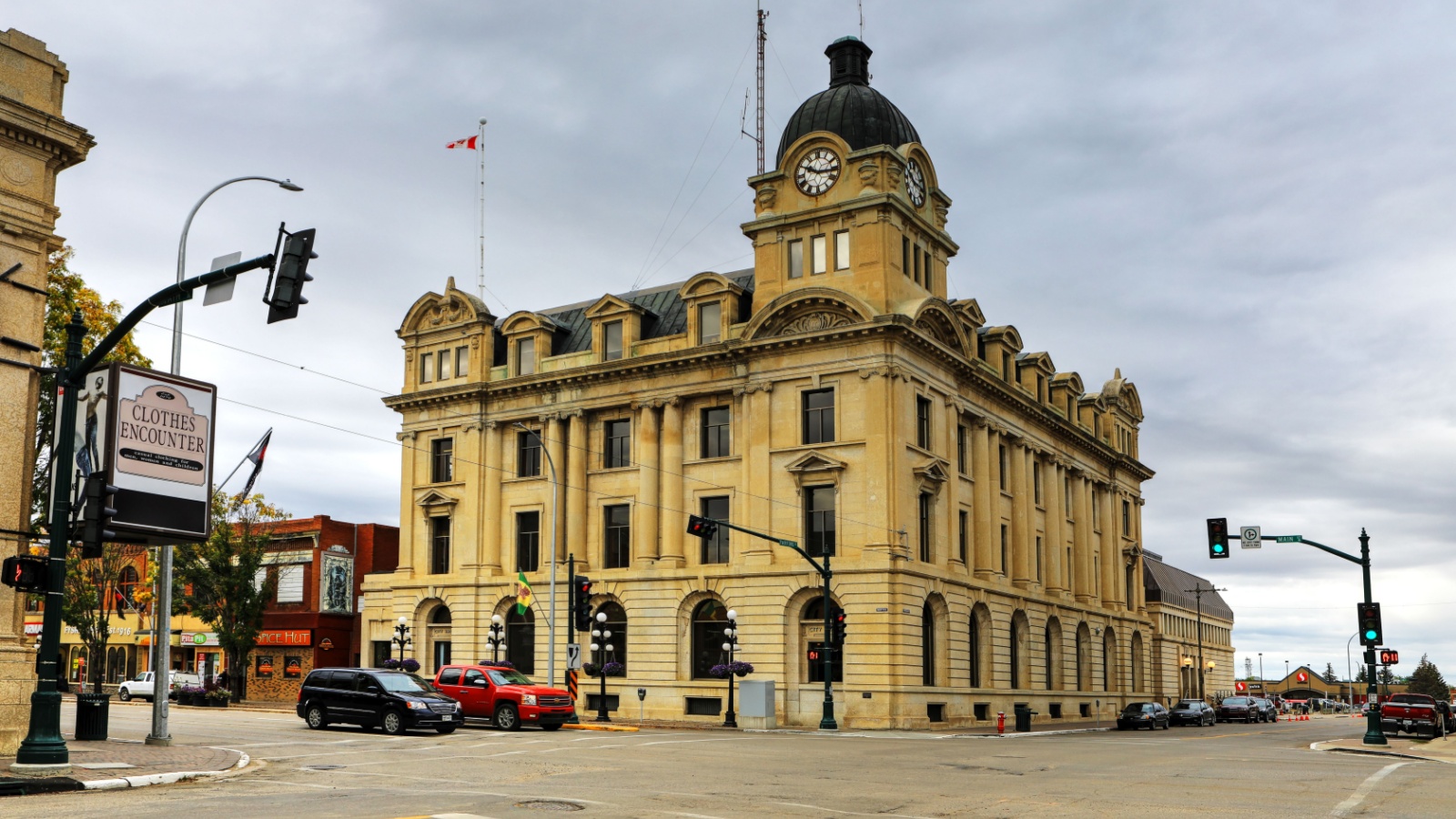
The short drive from Regina to Moose Jaw is ideal for winter travellers who want variety without long hours on the highway. The route takes just under an hour but packs in relaxing hot springs, small-town dining, and heritage attractions. Many families stretch this into a weekend by booking time at Temple Gardens Hotel & Spa, known for its mineral pool experience. Moose Jaw’s murals and aviation museum add extra interest for multigenerational groups. Road conditions tend to be manageable through the winter months, making this a reliable cold-weather escape for southern Saskatchewan residents looking to avoid airport lines.
Winnipeg to Riding Mountain National Park, Manitoba
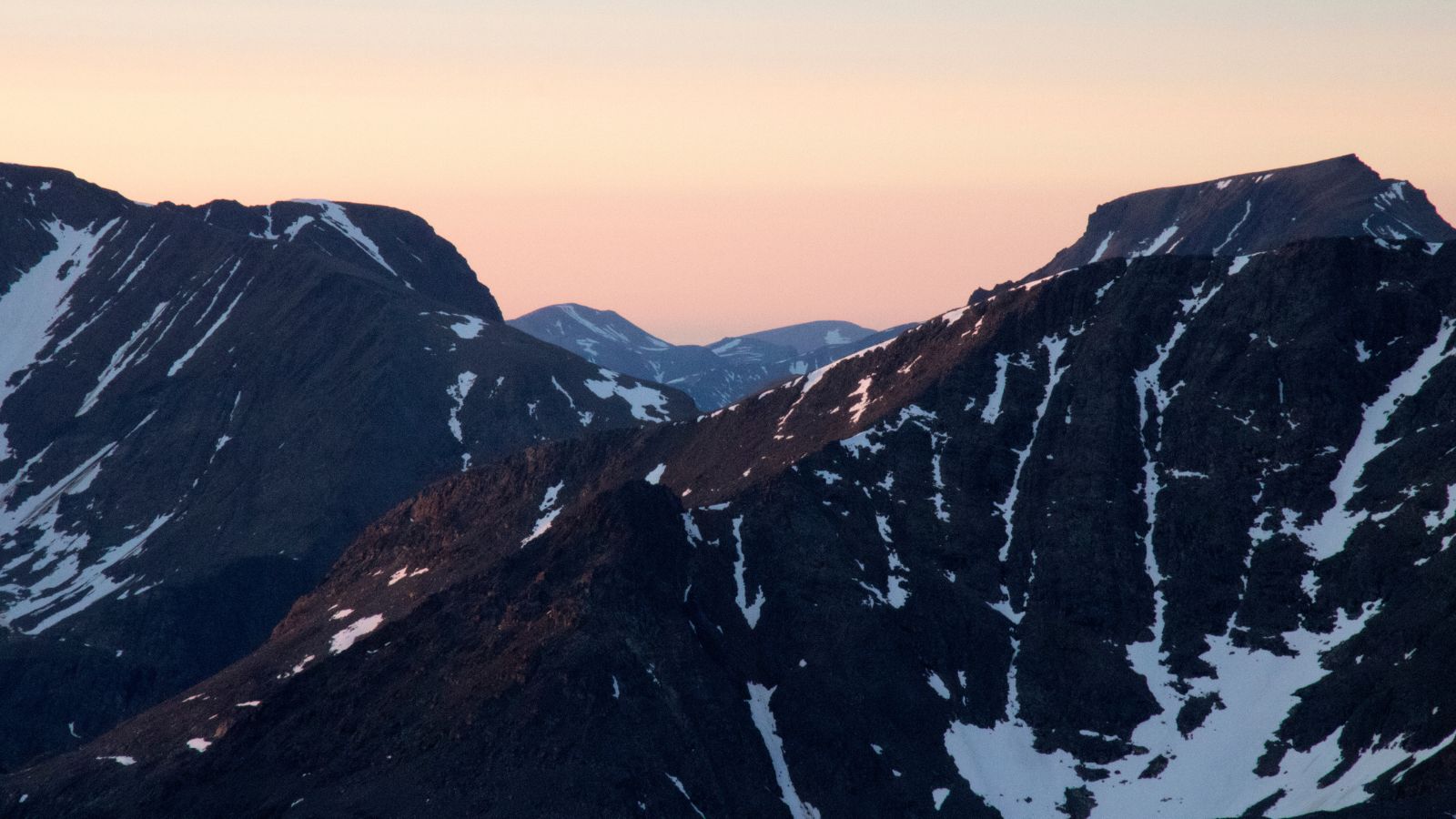
The drive from Winnipeg to Riding Mountain National Park gives winter travellers access to scenic prairies, boreal forests, and wildlife habitat within about three hours. The townsite of Wasagaming stays active in winter with skating, snowshoeing, and cross-country skiing. Many visitors book cabin rentals or lodges for quiet weekends away from city noise. Clear nights often come with star-filled skies that make for good photography opportunities. Highway conditions can vary from clear to icy depending on storms, so residents tend to watch forecasts closely. For Manitobans who want nature rather than beaches, this winter road trip has become a favourite.
Winnipeg to Churchill (Rail and Drive Combination), Manitoba
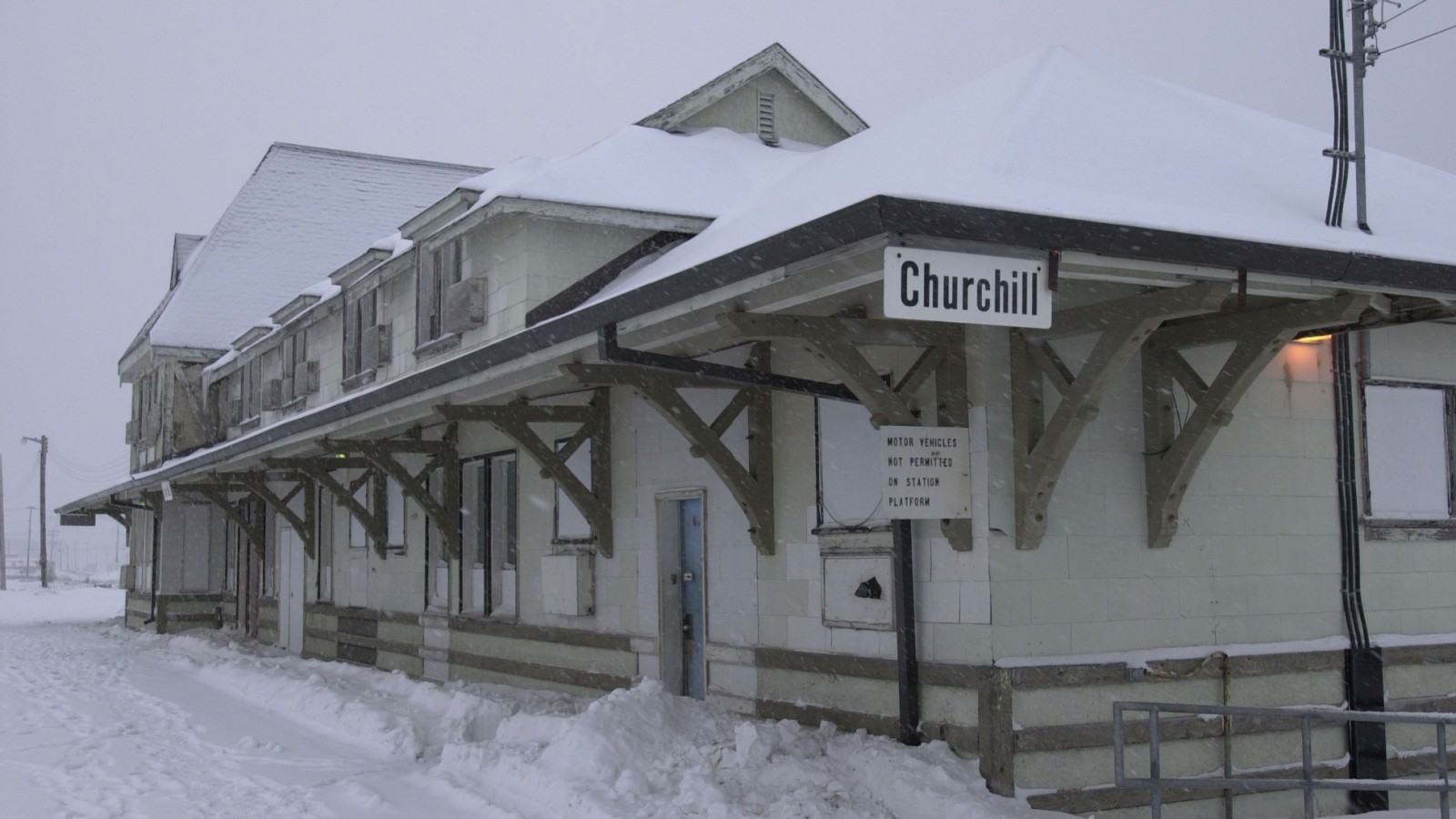
Though Churchill is not fully reachable by road alone, Canadians have embraced this hybrid rail-and-drive approach as a winter adventure alternative. Travellers drive to Thompson and then connect by VIA Rail north to Churchill. Once in town, winter means northern lights tours, Arctic wildlife viewing, and cultural experiences. The trip takes planning, but it offers something no beach destination can match. Hotels and operators tend to book up months ahead during peak aurora season. With fewer international trips being taken in winter, more Canadians are opting for northern wonder instead of palm trees, and Churchill delivers that reliably.
Toronto to Blue Mountain, Ontario
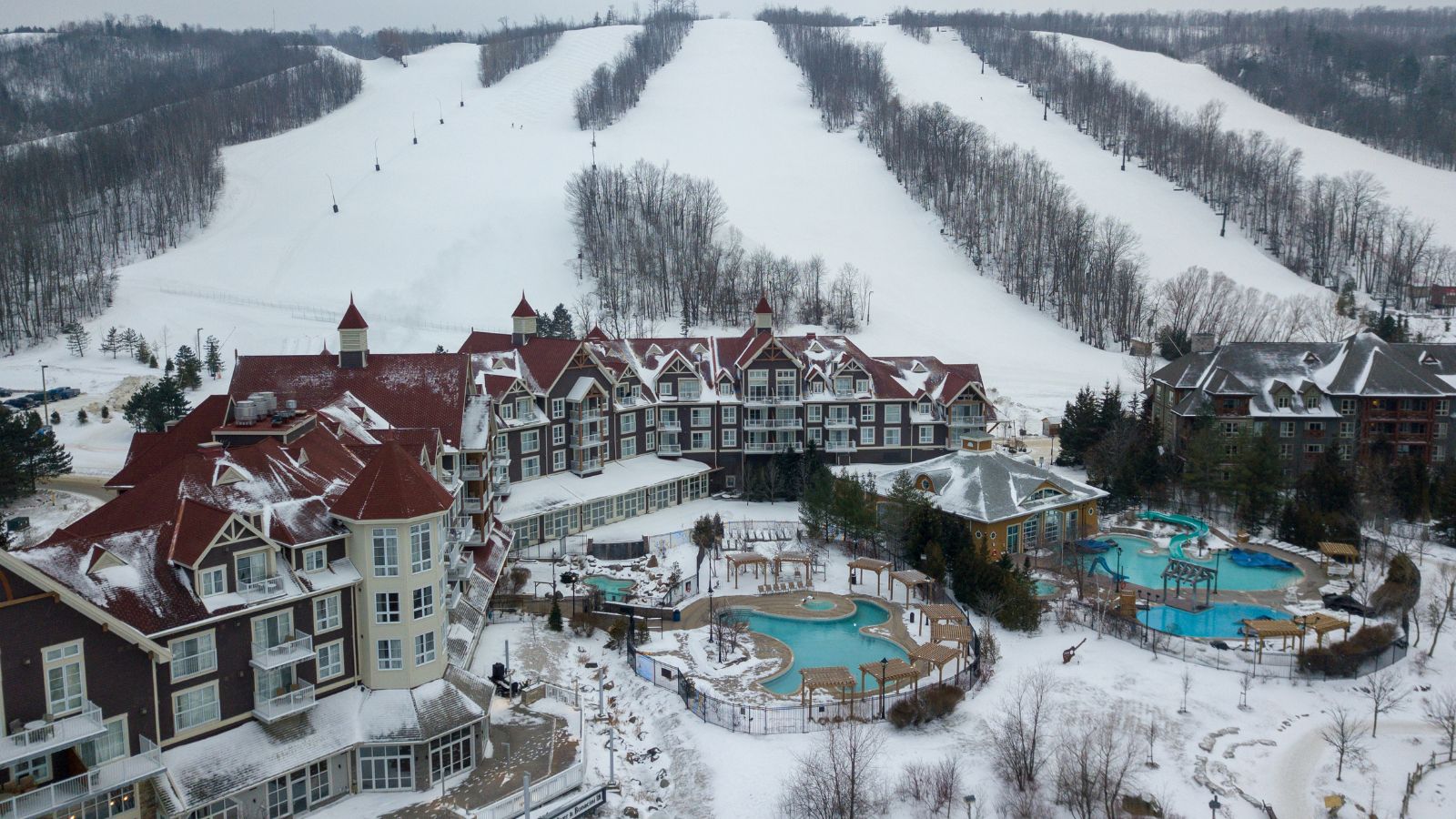
Toronto residents often choose Blue Mountain for winter weekends because it offers skiing, tubing, village shopping, and dining within a two-hour drive. The route along Highway 400 and regional roads is straightforward, with road crews keeping conditions passable through most of the season. Visitors booking overnight stays at the resort or nearby hotels enjoy flexibility between outdoor activity and relaxation. The pedestrian village layout helps families avoid extra driving once they arrive. Winter festivals, light installations, and spa options add appeal. With flight prices high in peak winter, this trip gives Torontonians a quick and varied cold-weather getaway.
Toronto to Prince Edward County, Ontario
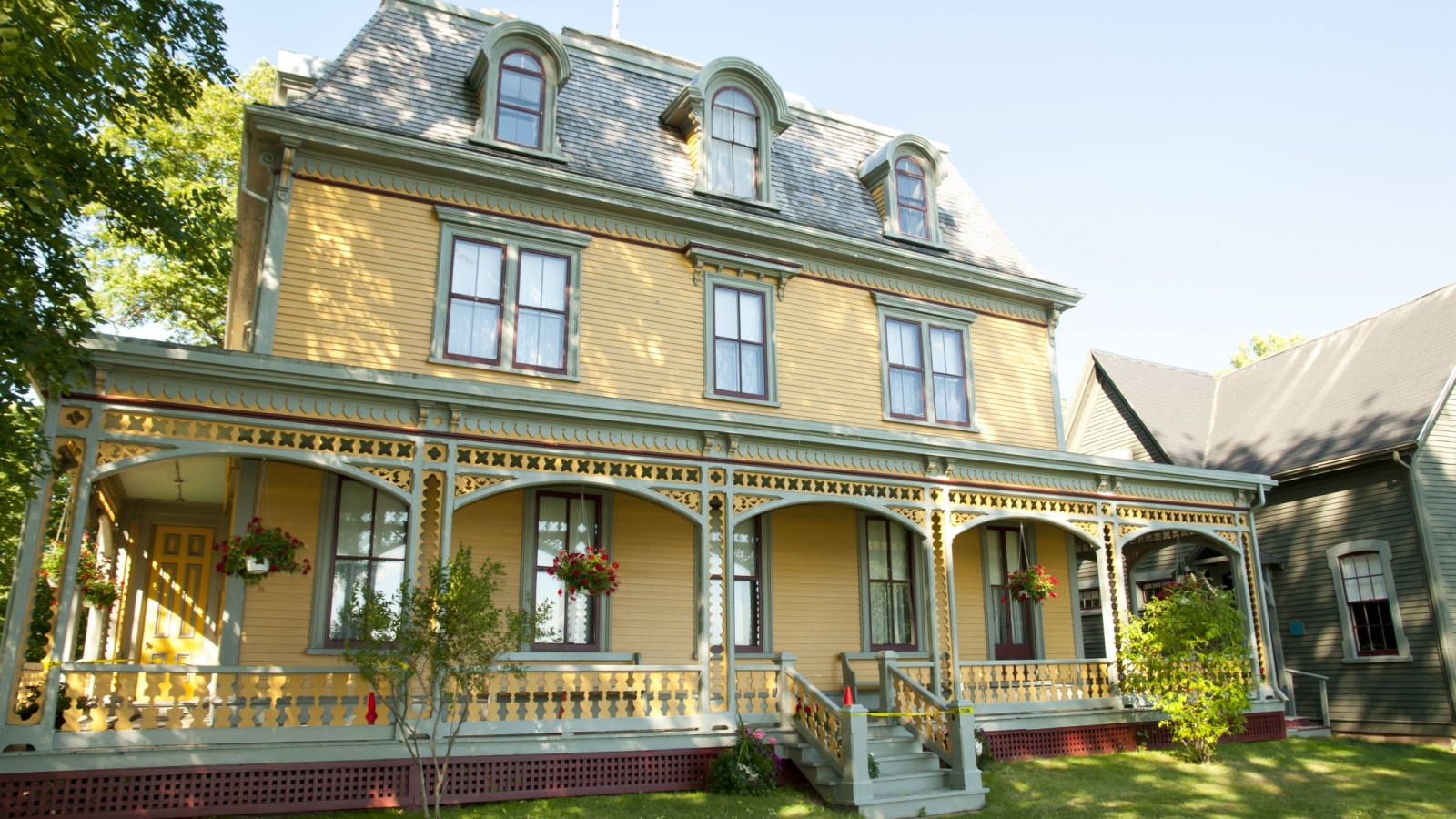
Prince Edward County attracts Torontonians year-round, and winter has become a calmer, more affordable season for weekend road trips. Wineries stay open with indoor tastings and fire-pit patios. Boutique hotels and B&Bs offer seasonal packages that appeal to couples and friend groups. Restaurants highlight local products, and quieter roads make moving between towns easy. Snowy shorelines around Wellington and Sandbanks create a scenic backdrop that many visitors miss in summer. The drive takes about two and a half hours, depending on city traffic. For urban residents who want charm, food, and wine instead of airports, PEC remains a reliable choice.
Ottawa to Mont-Tremblant, Quebec
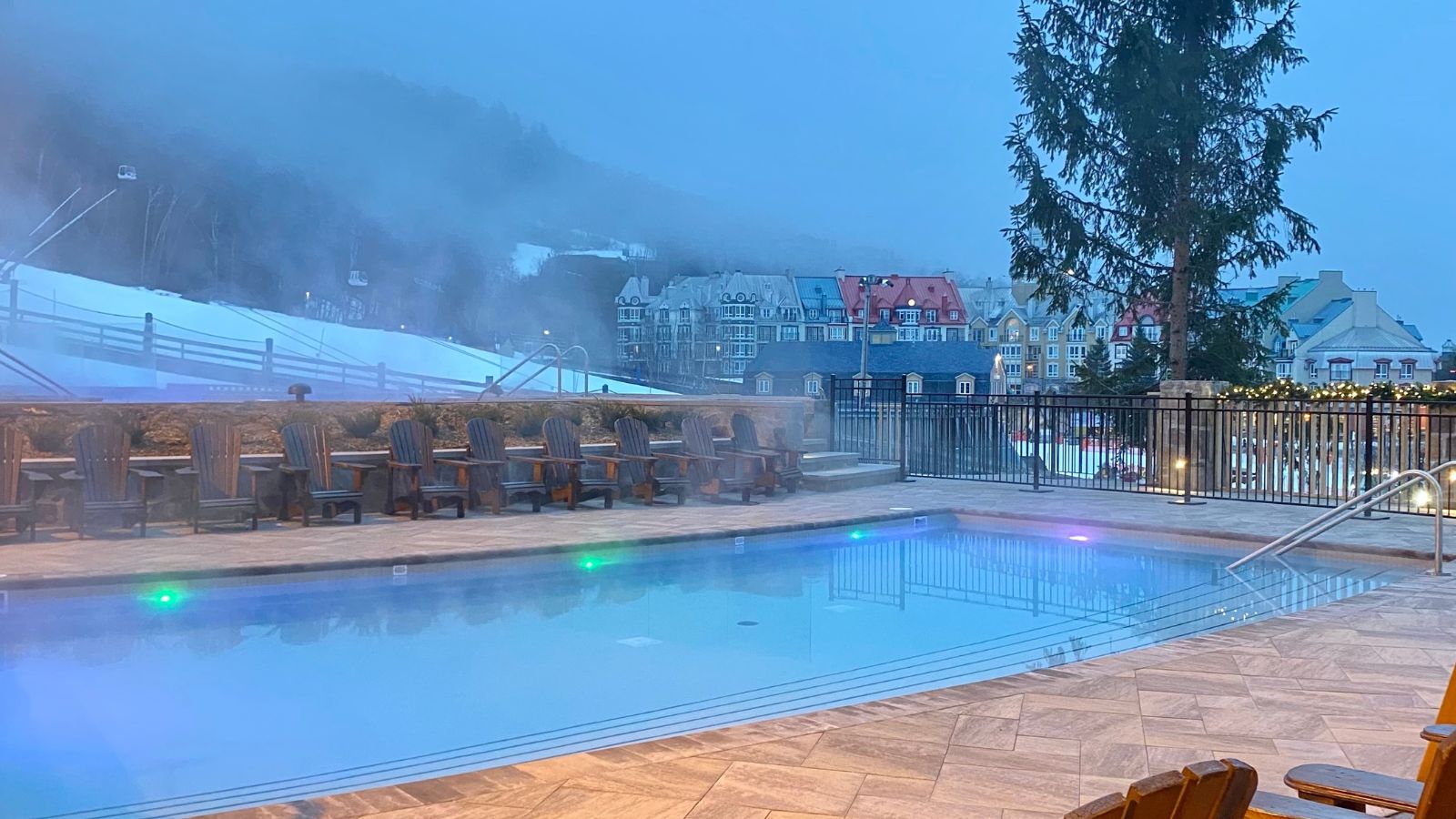
The drive from Ottawa to Mont-Tremblant takes about two hours, making it a popular winter road trip for skiing, snowboarding, and alpine village dining. The route stays mostly on major highways, helping keep travel times consistent even in snowy periods. Families and groups appreciate the pedestrian resort layout, which allows them to park once and move easily between activities. Winter festivals, tubing, and spas add non-ski options, widening appeal across generations. With airfare inflation and heavy travel delays elsewhere, many Ottawa residents now choose this mountain corridor for efficient winter getaways that feel far removed from the capital without requiring flights.
Ottawa to Quebec City, Quebec
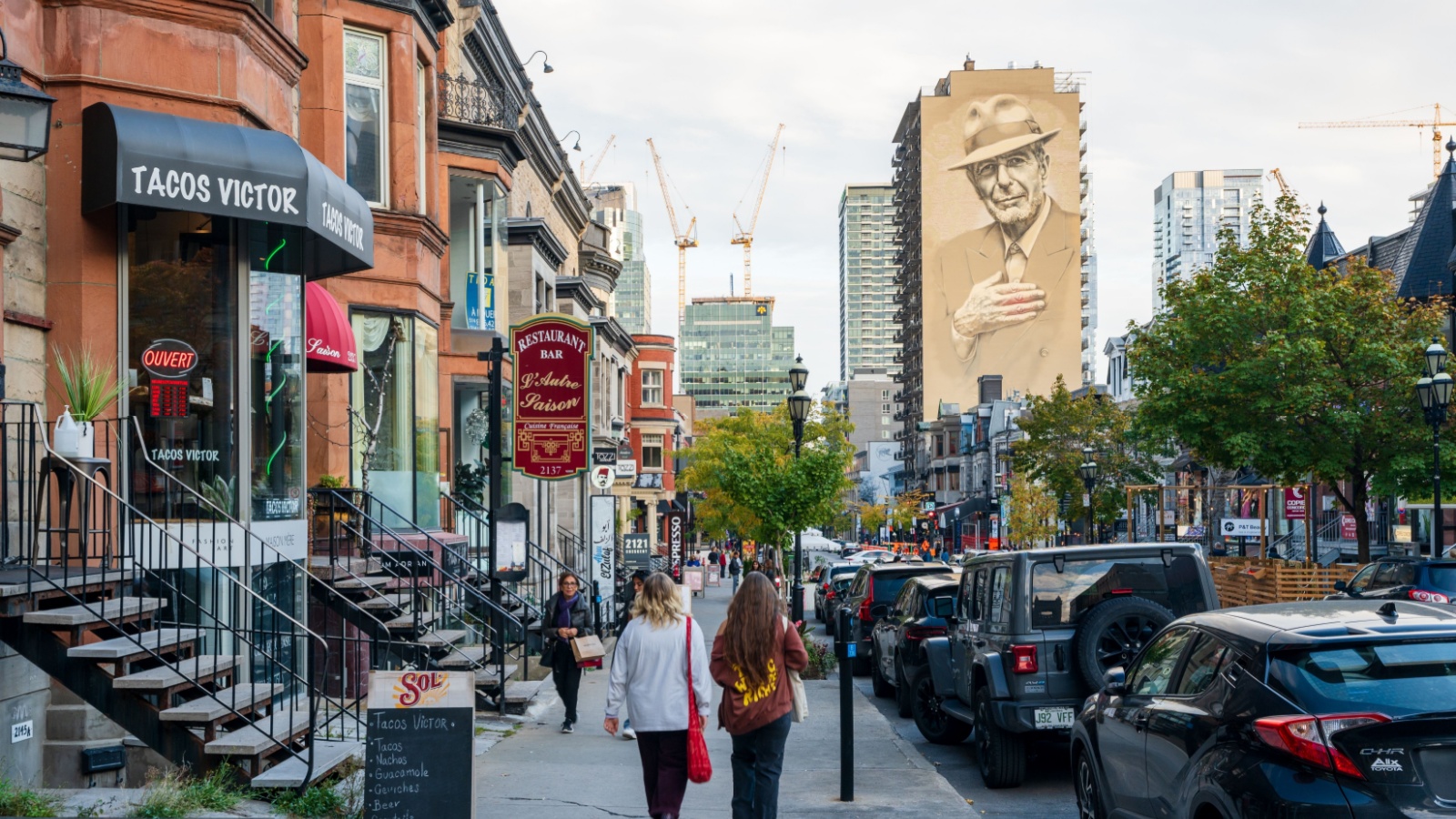
Ottawa residents have increasingly chosen Quebec City for extended winter weekends, thanks to its historic core, culinary scene, and major winter events. The six-hour drive allows travellers to avoid airports while still accessing a destination with European-style architecture and strong cultural programming. Winter Carnival draws visitors for ice sculptures, parades, and outdoor activities, while boutique hotels and heritage properties offer cold-season packages. Snowfall can be heavy along the corridor, so travellers watch forecasts closely. Despite variable weather, the ability to reach a distinctive winter destination without airlines makes this route appealing for families, couples, and multigenerational groups.
Montreal to the Eastern Townships, Quebec
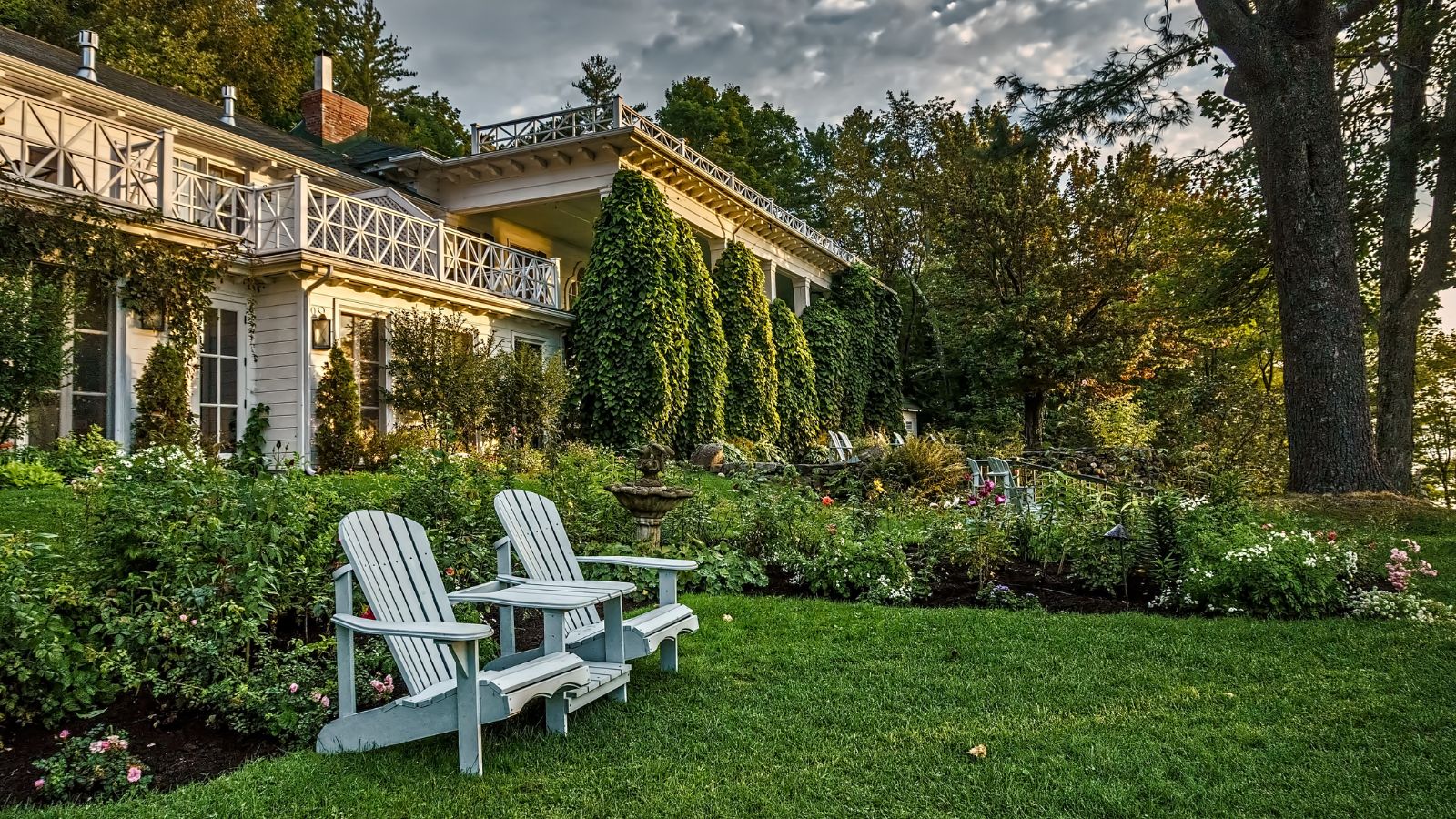
Montrealers often treat the Eastern Townships as their quick-reach winter countryside. The drive varies from one to two hours, depending on the chosen town—Magog, Sutton, Bromont, and Knowlton are among the most popular stops. Ski hills, microbreweries, spas, and lakeside villages give the region a strong winter variety. Visitors also take advantage of Nordic spas, boutique inns, and ice-wine tastings. Road conditions are usually manageable, with local crews clearing secondary highways promptly after storms. With rising international travel costs, many residents now use the Townships for cozy, food-focused winter escapes rather than booking resort trips to the U.S. or Caribbean.
Montreal to Charlevoix, Quebec
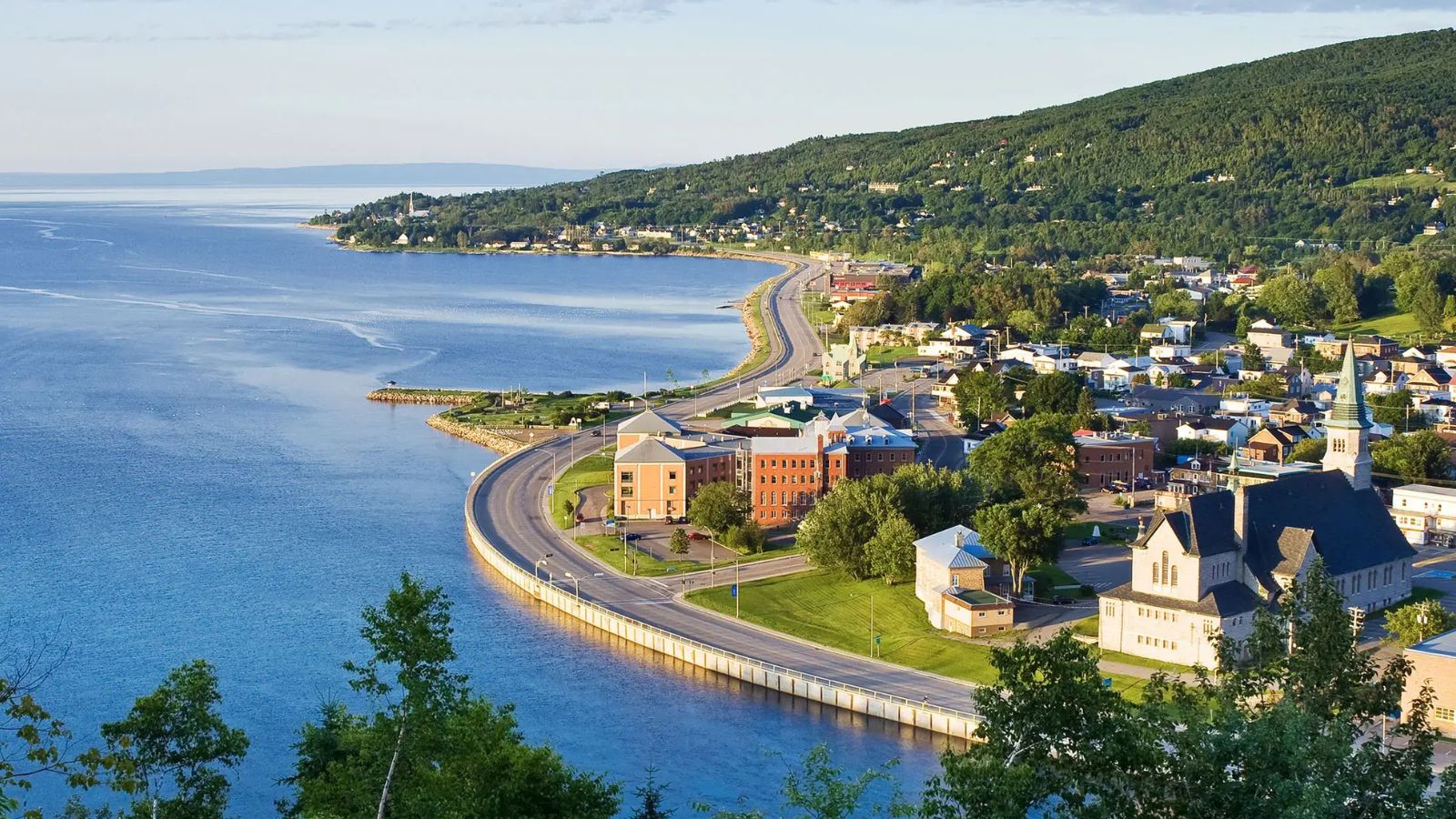
The Charlevoix region has become a top winter driving destination thanks to its dramatic river landscapes, ski hills, and upscale lodging. The route from Montreal takes about four hours, giving travellers access to Le Massif ski area, Baie-Saint-Paul galleries, and renowned regional cuisine. Winter packages at boutique hotels and auberges encourage longer weekend stays. Snow coverage tends to be reliable, adding appeal for outdoor sports. The scenic section along the St. Lawrence makes the final portion of the drive a highlight. Many Montrealers now choose Charlevoix as a winter alternative to pricey flights, finding value in its combination of nature and culture.
Quebec City to Saguenay Fjord, Quebec
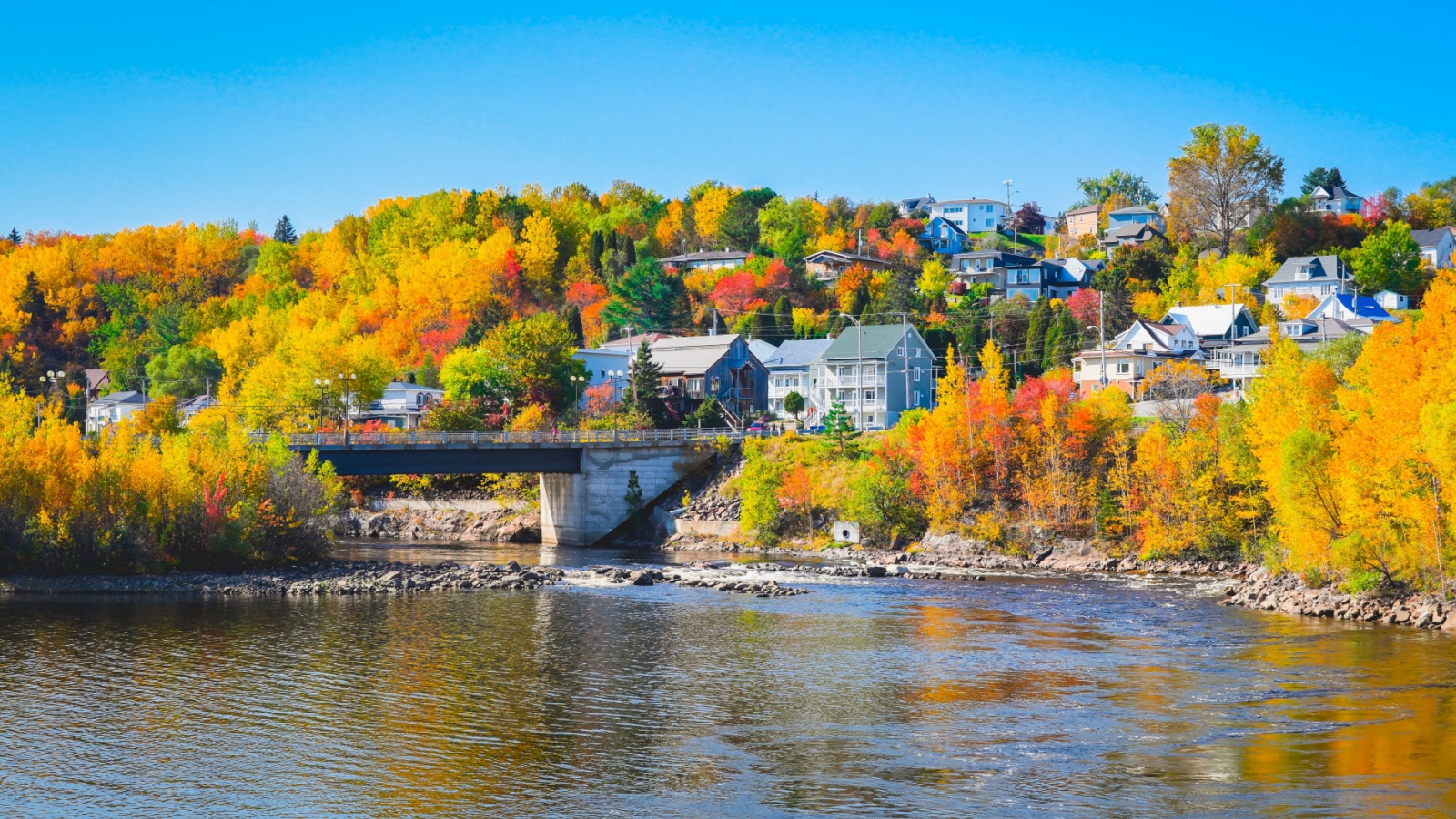
Quebec City residents have increasingly added the Saguenay Fjord to their winter travel plans because of its national parks, dog-sledding tours, cross-country trails, and fjord viewpoints. The drive takes around three hours and offers consistent winter road maintenance, although snow can accumulate quickly during storms. Towns like La Baie, Saguenay, and L’Anse-Saint-Jean provide lodging and dining that cater to cold-season tourism. Winter festivals and aurora viewing opportunities occasionally attract photographers and adventure-seekers. For those wanting dramatic scenery without airports or border crossings, this route delivers an impressive northern feel within a manageable weekend time frame.
Halifax to Peggy’s Cove, Nova Scotia
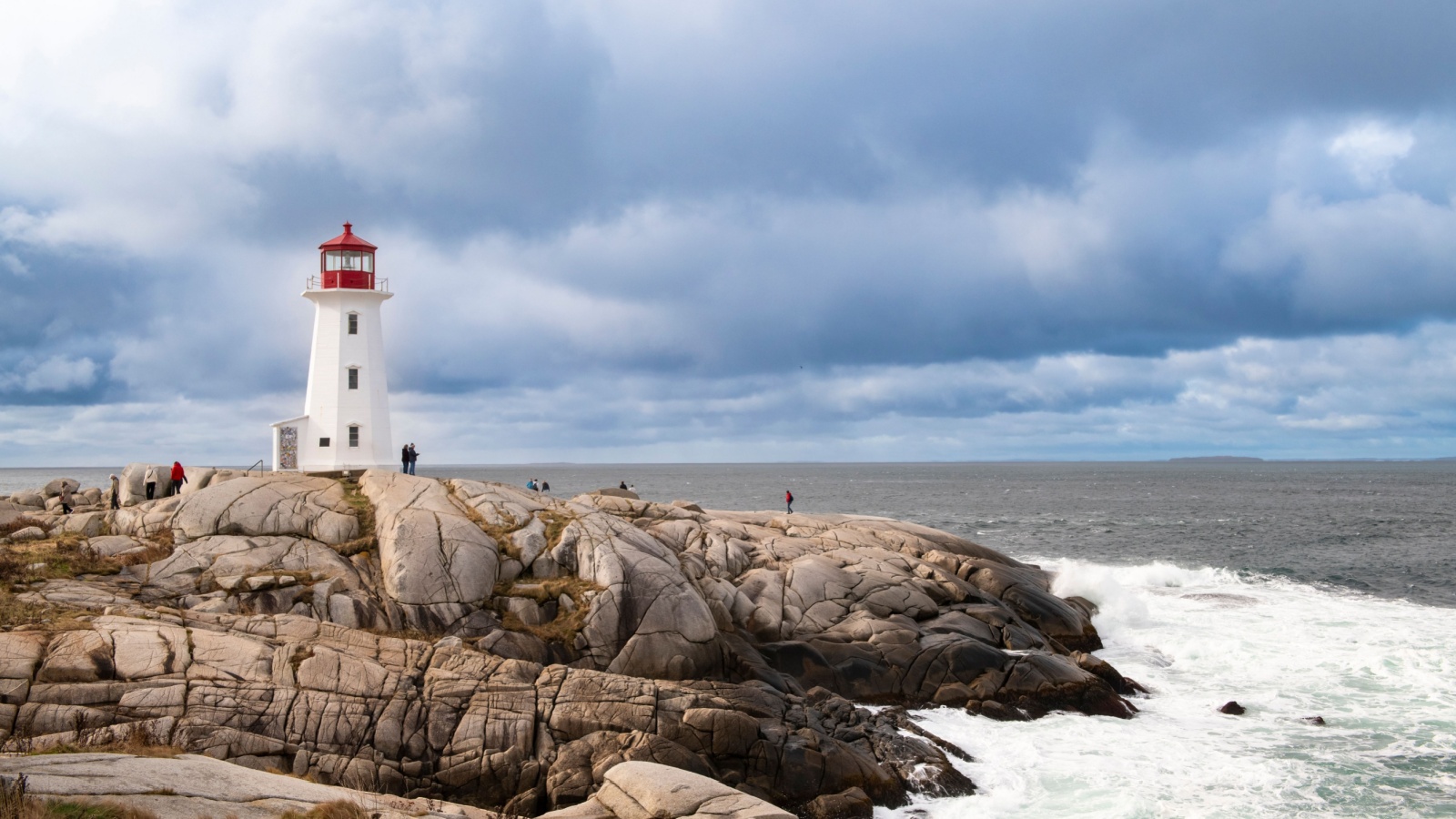
Halifax residents often choose Peggy’s Cove for short winter drives that emphasize scenery over long-distance travel. The route takes less than an hour, making it ideal for spontaneous weekend outings. Winter offers quieter viewpoints at the lighthouse, coastal trails, and rocky shoreline. Cafés and small shops operate seasonally, giving visitors light dining options before returning to the city. Roads can be windy and icy along exposed coastlines, so travellers pay attention to marine forecasts. Even with variable weather, the ease of access and iconic Atlantic scenery make Peggy’s Cove a reliable winter escape for locals avoiding flights.
Halifax to Lunenburg, Nova Scotia
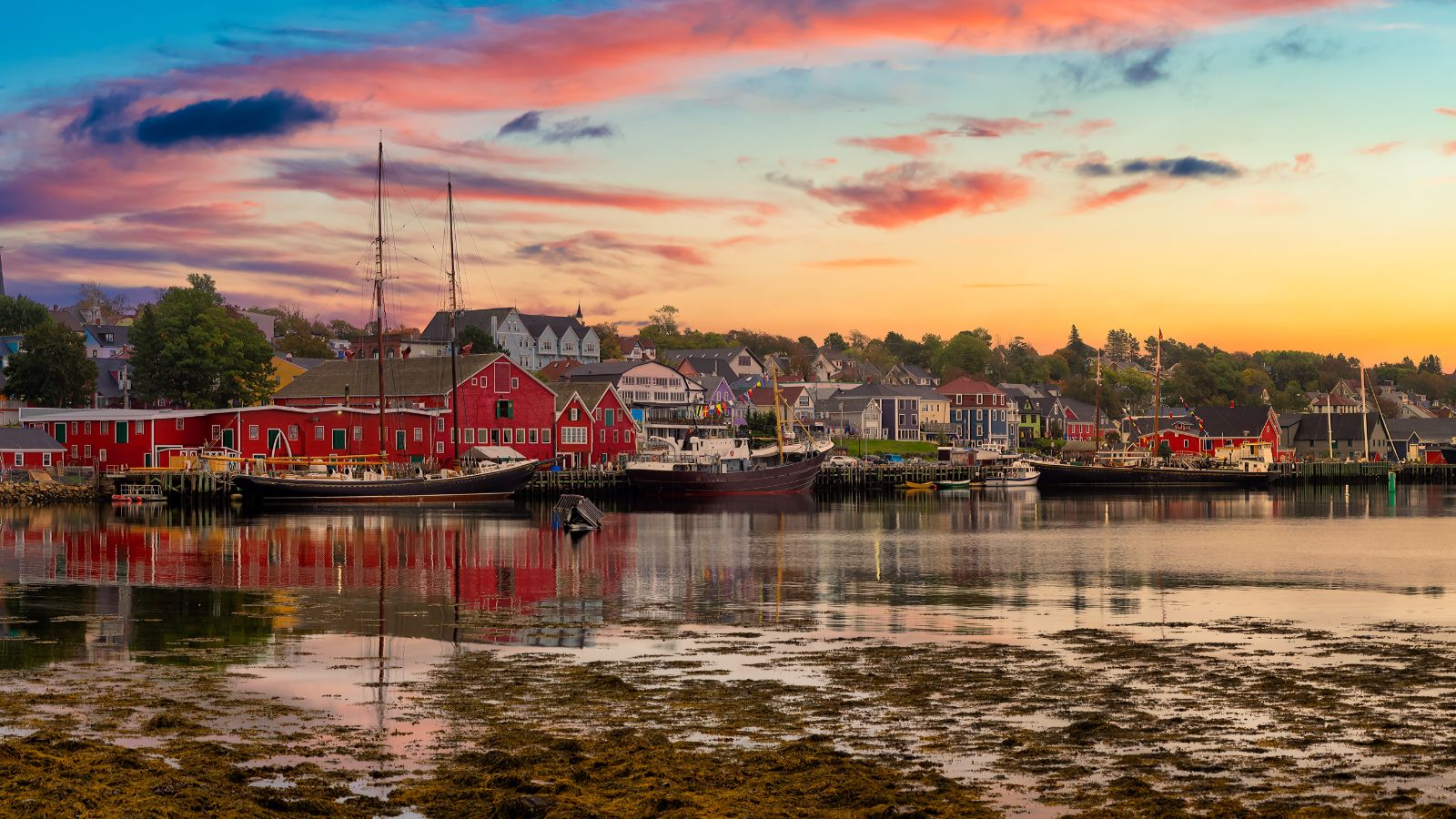
The drive from Halifax to Lunenburg takes about 90 minutes, making it a popular coastal winter escape without airports or long planning timelines. Travellers explore the UNESCO-listed Old Town, waterfront shops, seafood restaurants, and nearby walking trails. Winter crowds are smaller, allowing visitors to enjoy the architecture and harbour views with more space and lower seasonal pressure. Lodging options in Lunenburg and Mahone Bay support weekend stays, while road conditions are generally dependable except during storms. As flight prices rise, many Nova Scotians now rely on this route for short cultural trips that feel notable yet remain low-cost and uncomplicated.
Saint John to Fundy National Park, New Brunswick
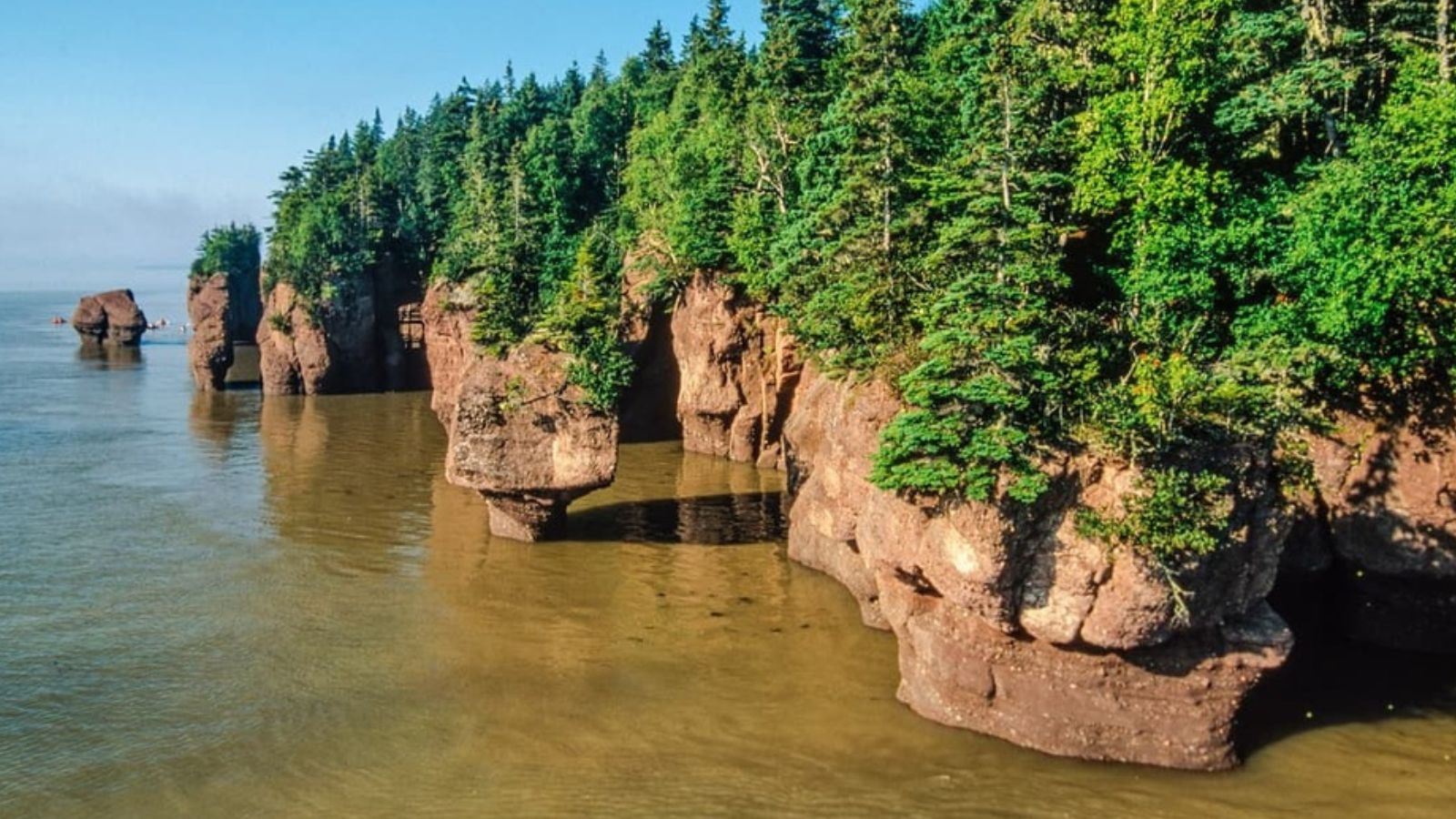
Saint John residents often drive to Fundy National Park for snowshoeing, coastal viewpoints, and winter hiking. The route takes around an hour, which keeps fuel and lodging costs low compared to long-distance winter trips. The park’s trails and lookouts provide consistent coastal scenery without requiring resorts or domestic flights. Snow conditions vary, but the region typically offers enough winter coverage to support outdoor activities. Local inns and rental cabins operate year-round, supporting multiday stays for families and couples. With grocery and travel costs rising, many households now choose Fundy as a practical winter recreation hub that doesn’t involve airports.
Charlottetown to North Shore Beaches, Prince Edward Island
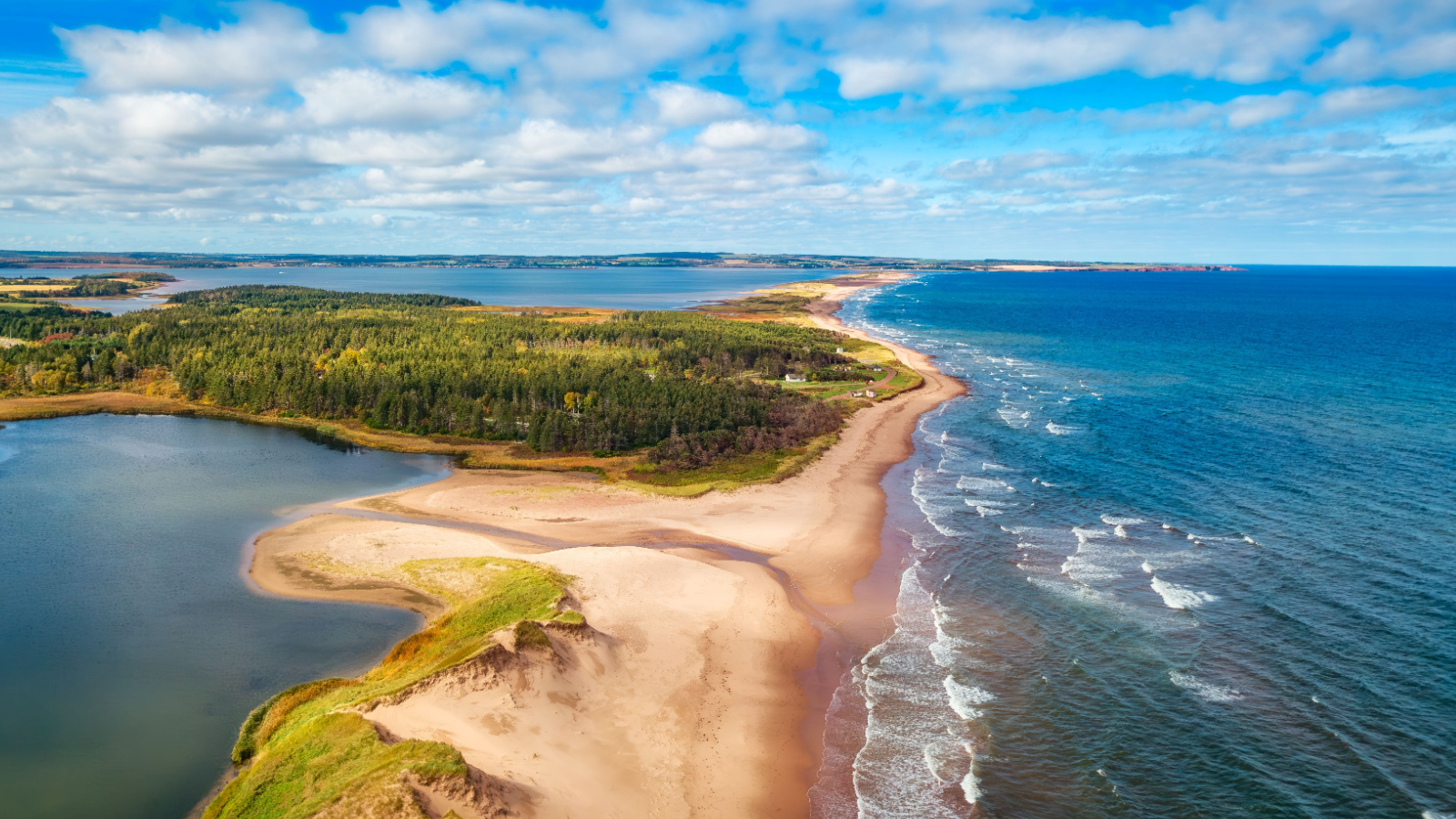
Prince Edward Island’s north shore becomes a quiet winter driving destination for Charlottetown residents looking for scenery and isolation without spending heavily. The drive takes 30 to 45 minutes, depending on the specific beach—Cavendish, Brackley, and Dalvay are among the most common stops. Visitors walk dunes, photograph winter coastlines, and explore light dining options in nearby communities. While summer generates heavy tourism, winter brings low-cost, low-crowd conditions that appeal to locals seeking peaceful outings. Despite wind exposure and variable snow, the lack of flight requirements and the ability to return home the same day make this route especially practical.
St. John’s to Cape Spear and the Avalon Peninsula, Newfoundland and Labrador
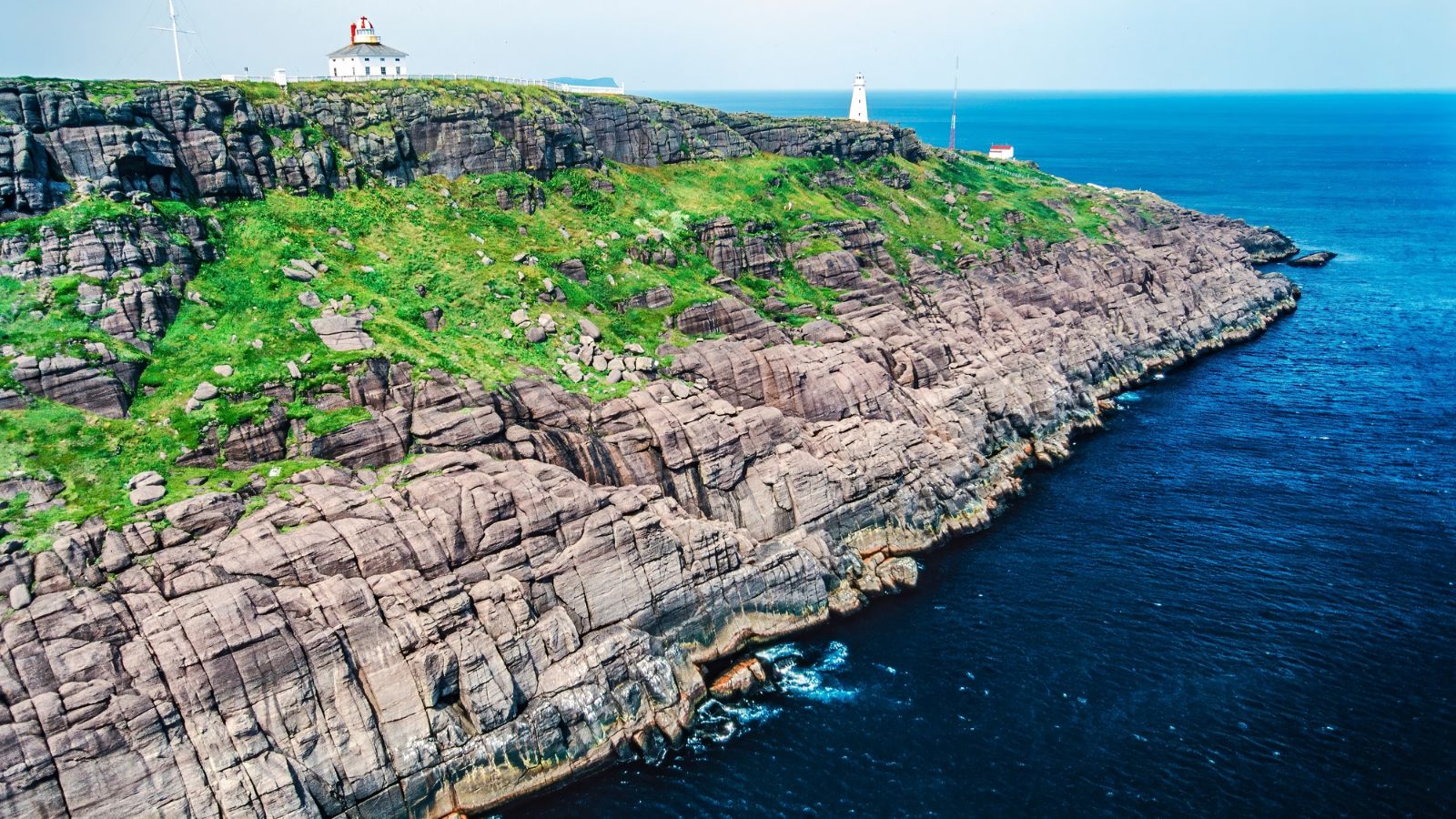
Residents of St. John’s often drive to Cape Spear, Ferryland, and other Avalon Peninsula points for rugged coastal scenery that feels far more remote than its distance suggests. Cape Spear, the continent’s easternmost point, is under 30 minutes from the city, enabling quick trips even during short winter daylight hours. Winter brings dramatic ocean views, storm watching, and lighthouse photography. Roads can be icy and windy, especially along exposed headlands, but maintenance remains consistent. For Newfoundlanders avoiding expensive winter flights south, the Avalon Peninsula continues to offer a reliable blend of nature and accessibility.
22 Groceries to Grab Now—Before another Price Shock Hits Canada

Food prices in Canada have been steadily climbing, and another spike could make your grocery bill feel like a mortgage payment. According to Statistics Canada, food inflation remains about 3.7% higher than last year, with essentials like bread, dairy, and fresh produce leading the surge. Some items are expected to rise even further due to transportation costs, droughts, and import tariffs. Here are 22 groceries to grab now before another price shock hits Canada.
22 Groceries to Grab Now—Before another Price Shock Hits Canada
