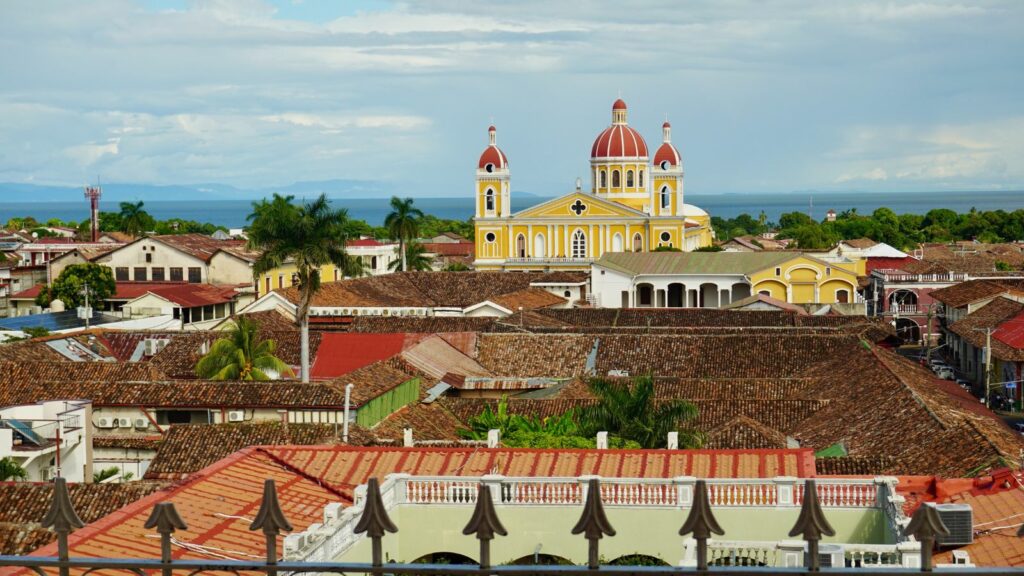
Many Canadians are exploring lesser-known Latin American destinations to escape the winter cold and enjoy sunny weather. From Nicaragua and Costa Rica to Panama, Peru, Cuba, Argentina, Ecuador, Uruguay, and Bolivia, these spots offer warm temperatures, cultural experiences, and beaches or mountains without large crowds. Travelers can find affordable lodging, local cuisine, and outdoor activities that rival popular Caribbean or European resorts. Here are 24 under-the-radar Latin American escapes Canadians are discovering this winter.
Granada, Nicaragua
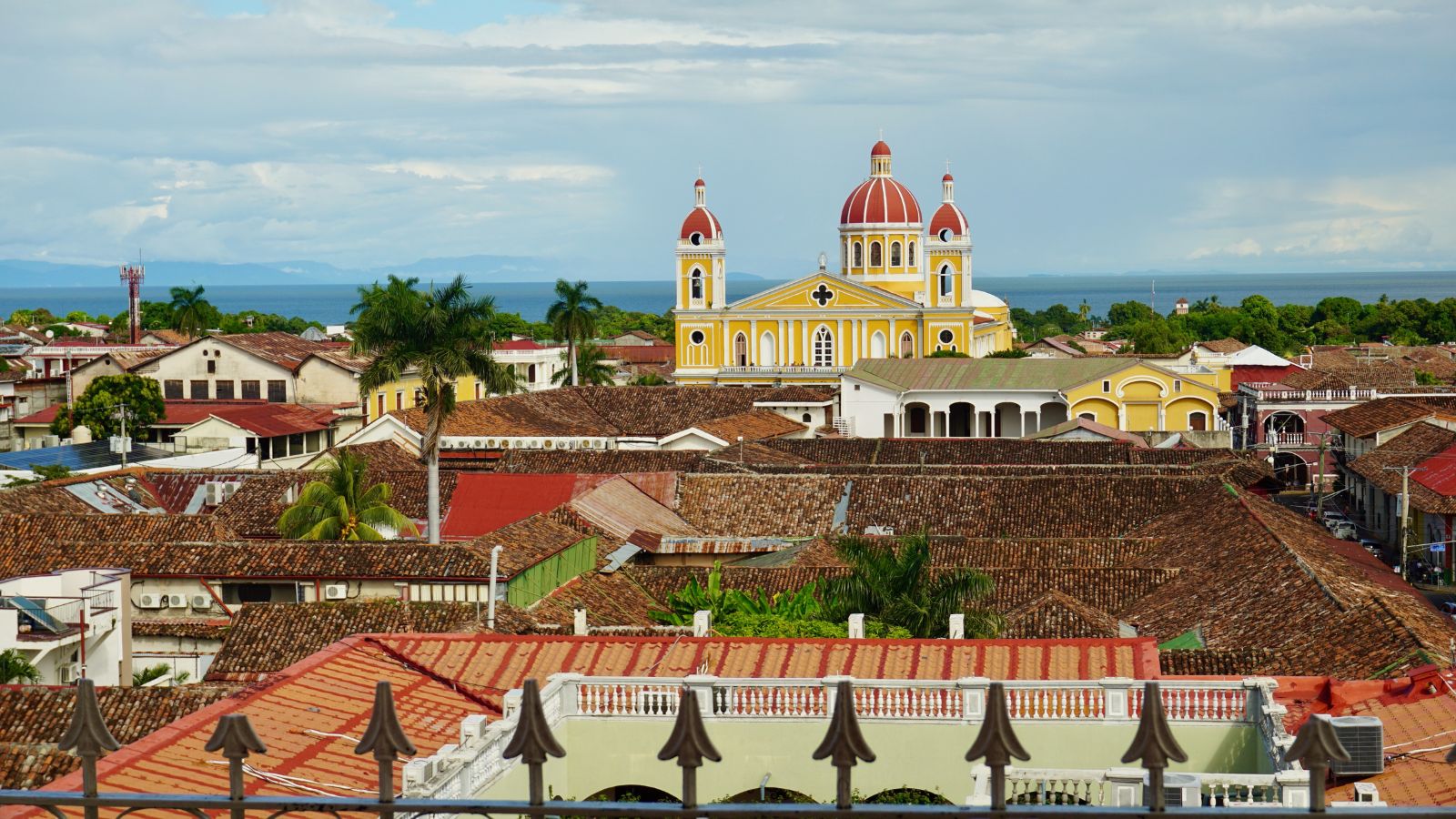
Granada draws Canadians looking for colonial architecture, warm weather, and lakeside views. The city features colourful streets, plazas, and local markets that are easy to explore over a weekend. Winter temperatures stay in the high twenties Celsius, which makes walking and outdoor dining comfortable. Canadians often take short day trips to nearby volcanoes or the Lake Nicaragua islands. Small hotels, guesthouses, and boutique inns make stays affordable and convenient. The city provides a sense of cultural immersion without heavy tourist crowds. Many Canadians describe Granada as a charming alternative to typical Caribbean resorts while remaining accessible with direct flights through Managua.
León, Nicaragua
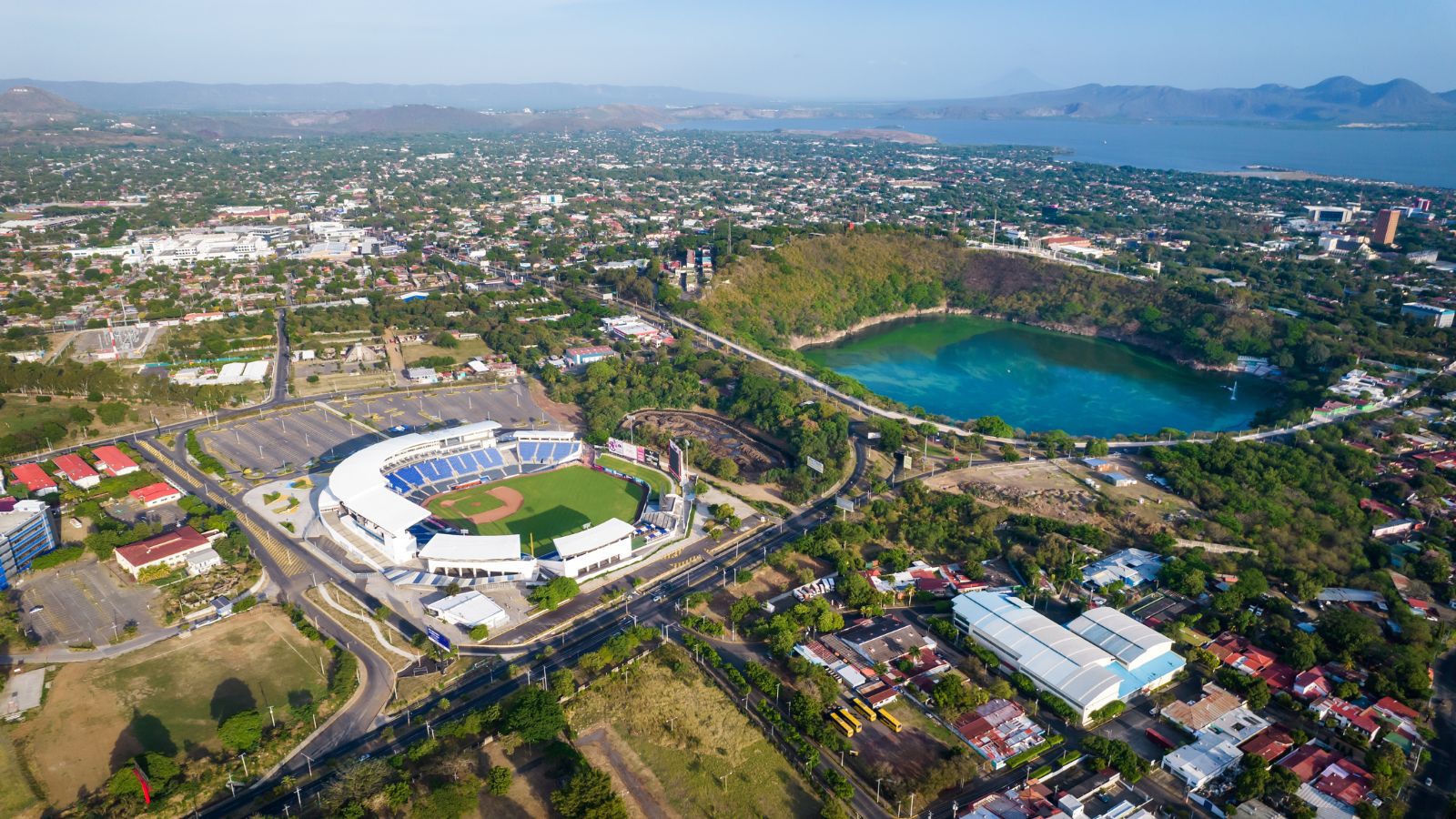
León is a historic city appealing to Canadians who want culture, volcano hikes, and colonial architecture. Winter temperatures hover in the mid to high twenties Celsius, perfect for exploring plazas, cathedrals, and museums. Many Canadians combine city stays with day trips to Cerro Negro for volcano boarding or nearby beaches. Small hotels and guesthouses provide flexible accommodations suitable for couples, groups, or solo travellers. The city is quieter than Granada, which appeals to travellers seeking a slower pace. Direct flights to Managua, followed by a short drive, make León an achievable winter escape from Canadian cities without long layovers.
San Juan del Sur, Nicaragua
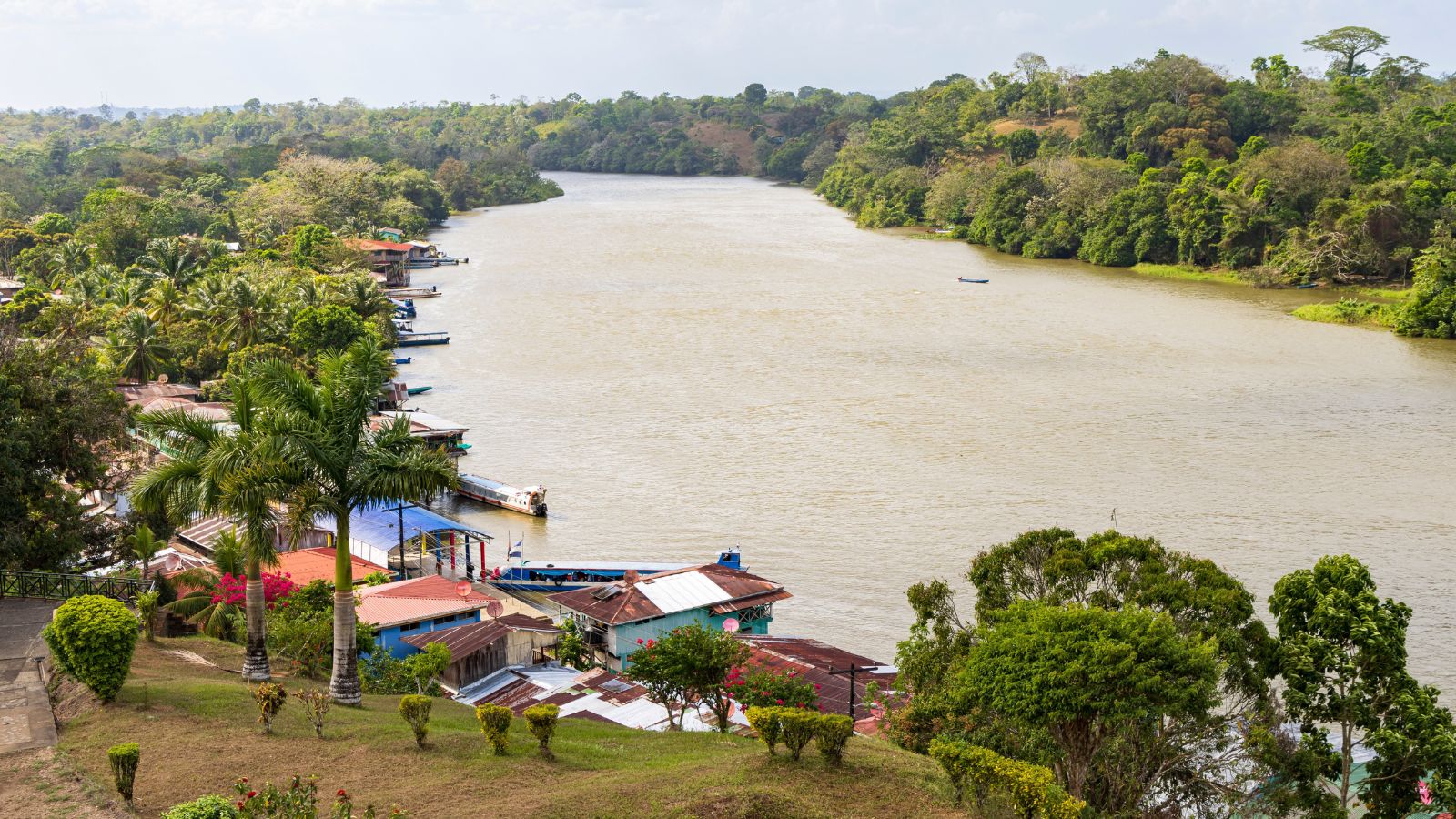
San Juan del Sur attracts Canadians with warm beaches, surf-friendly water, and a lively coastal town. The Bay Area is ideal for swimming, paddleboarding, and sunset walks. Winter temperatures average around 28°C, which ensures reliable beach days. Small hotels, hostels, and boutique resorts accommodate families, couples, and groups. Canadians enjoy the balance of nightlife and relaxed beach time without large crowds. Many visitors combine the town with day trips to nearby fishing villages or waterfalls. Snowbirds appreciate the accessibility from Managua and its ability to provide Caribbean-style beaches without the travel hassle of farther islands.
Puerto Viejo, Costa Rica
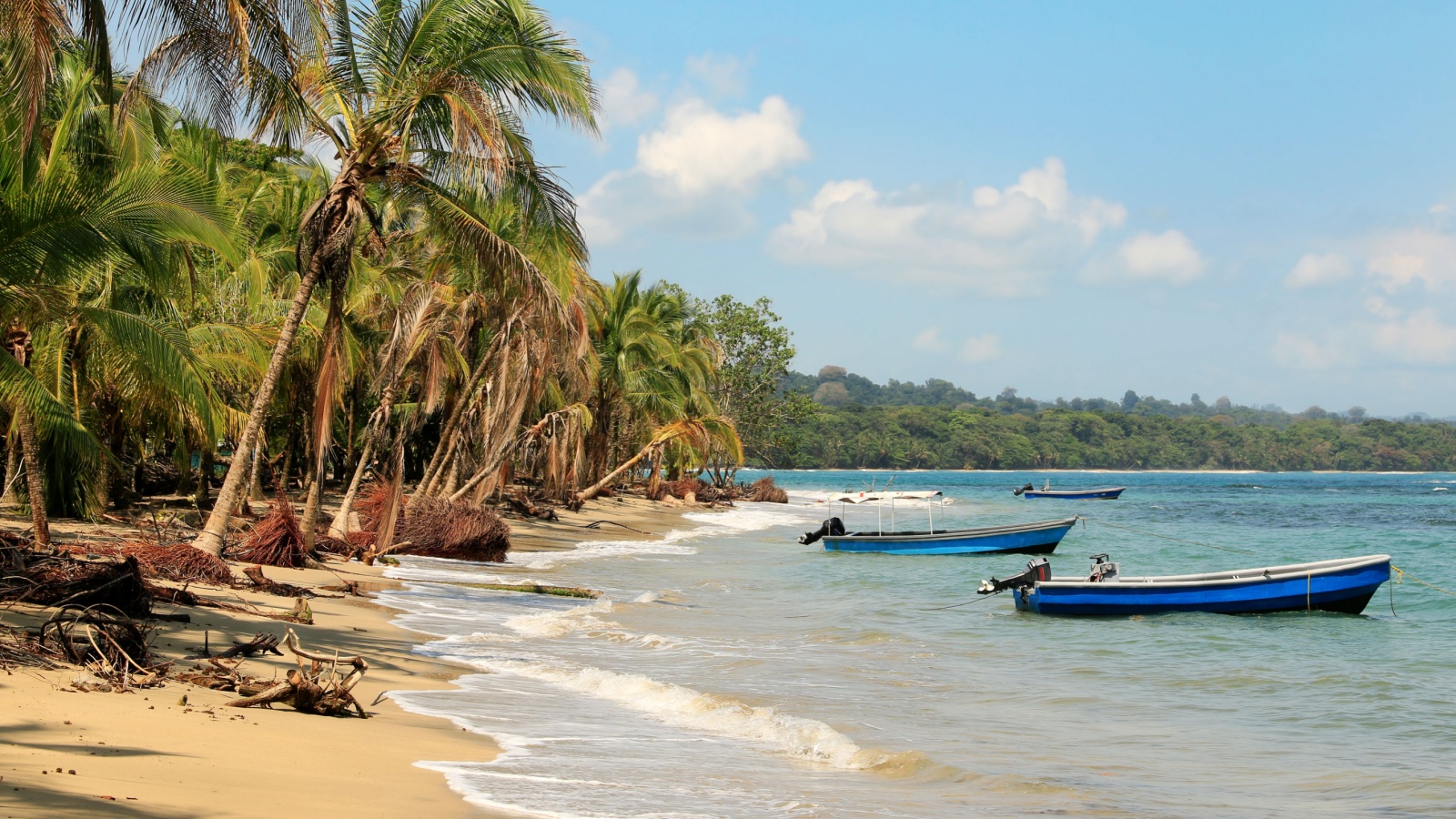
Puerto Viejo is popular with Canadians who want Caribbean beaches, surf breaks, and jungle surroundings. Winter weather stays warm and humid, with daytime highs near 30°C. The town has a laid-back vibe with cafés, local restaurants, and boutique hotels within walking distance of the beach. Canadians enjoy snorkeling, paddleboarding, and cycling along flat coastal roads. Wildlife spotting in nearby reserves adds variety for families. The town is quieter than Costa Rica’s Pacific coast resorts but still offers reliable infrastructure for winter travellers. Canadians often see Puerto Viejo as a Caribbean-like escape without leaving Central America.
Cahuita, Costa Rica
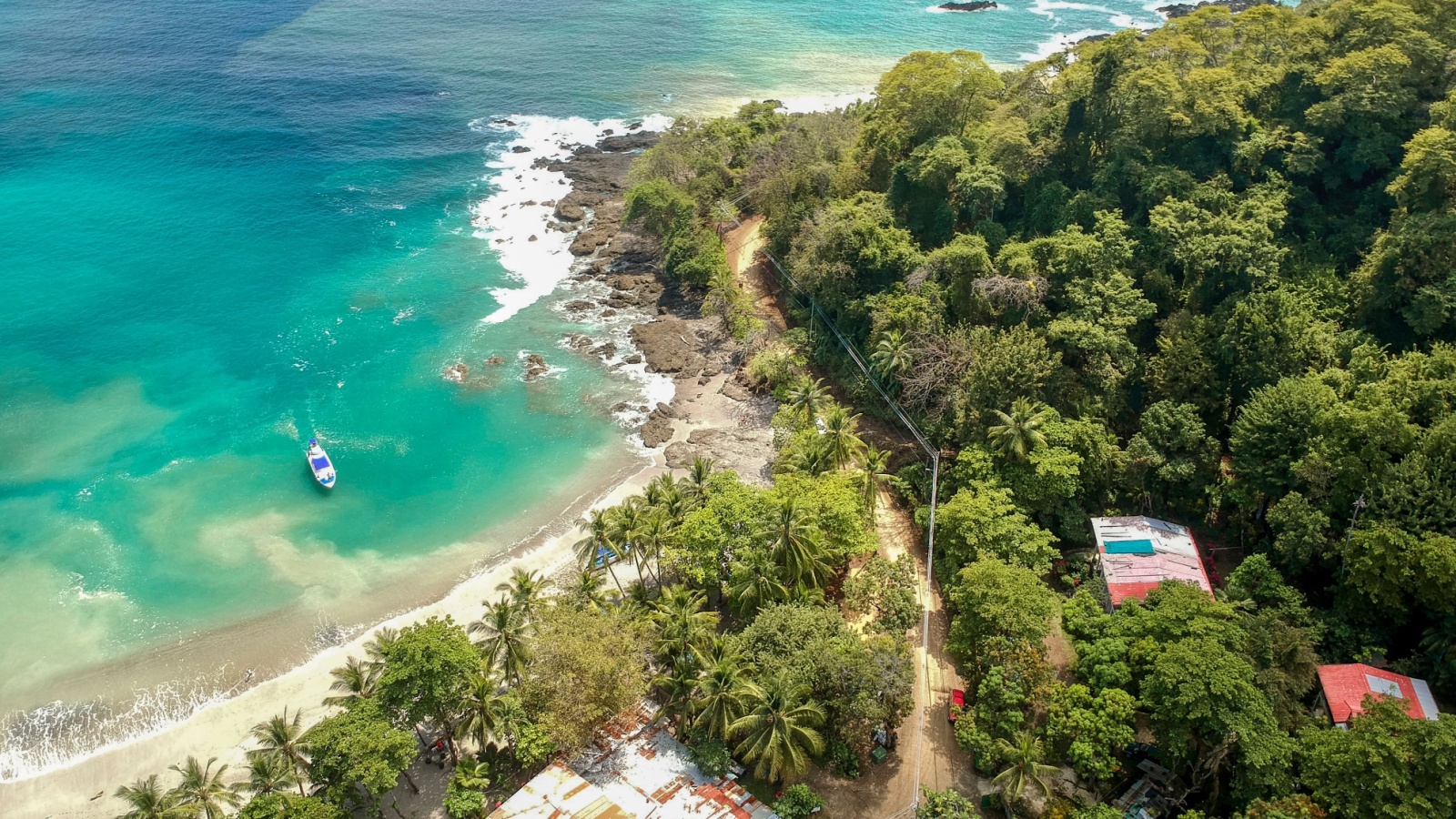
Cahuita attracts Canadians who want a slower Caribbean beach experience with natural parks nearby. The town is small, walkable, and offers local restaurants and boutique lodging. Cahuita National Park provides beaches, hiking trails, and opportunities to see wildlife. Winter temperatures remain warm, usually in the mid to high twenties Celsius, perfect for swimming and walks. Canadians appreciate that the area is less crowded than the more popular Costa Rican beaches, making it easier for quiet winter breaks. Travel from San José or nearby towns is straightforward, making Cahuita a practical weekend or multi-day option for Canadian snowbirds seeking warm, under-the-radar destinations.
Dominical, Costa Rica
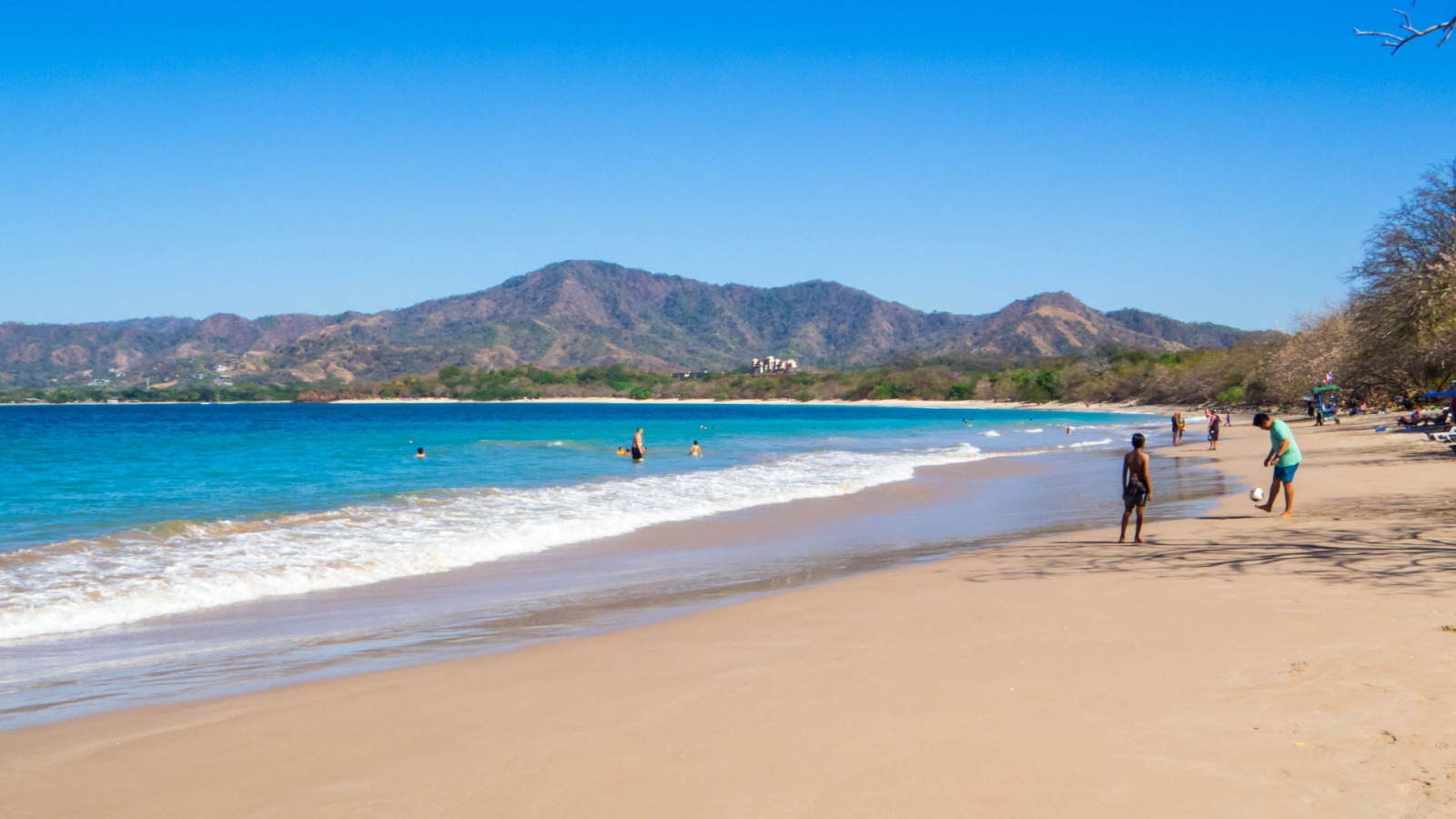
Dominical attracts Canadians who want a quiet beach town with surfing and natural scenery. The coastline features black sand beaches, warm water, and consistent waves. Winter temperatures hover around 28°C, making beach days reliable. Small hotels, guesthouses, and eco-lodges provide flexible accommodation options. Canadians enjoy hiking nearby waterfalls, visiting wildlife reserves, and exploring local markets. The town is less crowded than other Pacific coast resorts, which appeals to travellers seeking a relaxed pace. With easy access from San José via car or shuttle, Dominical offers a Caribbean-style winter escape without the need for long international flights.
Bocas del Toro, Panama
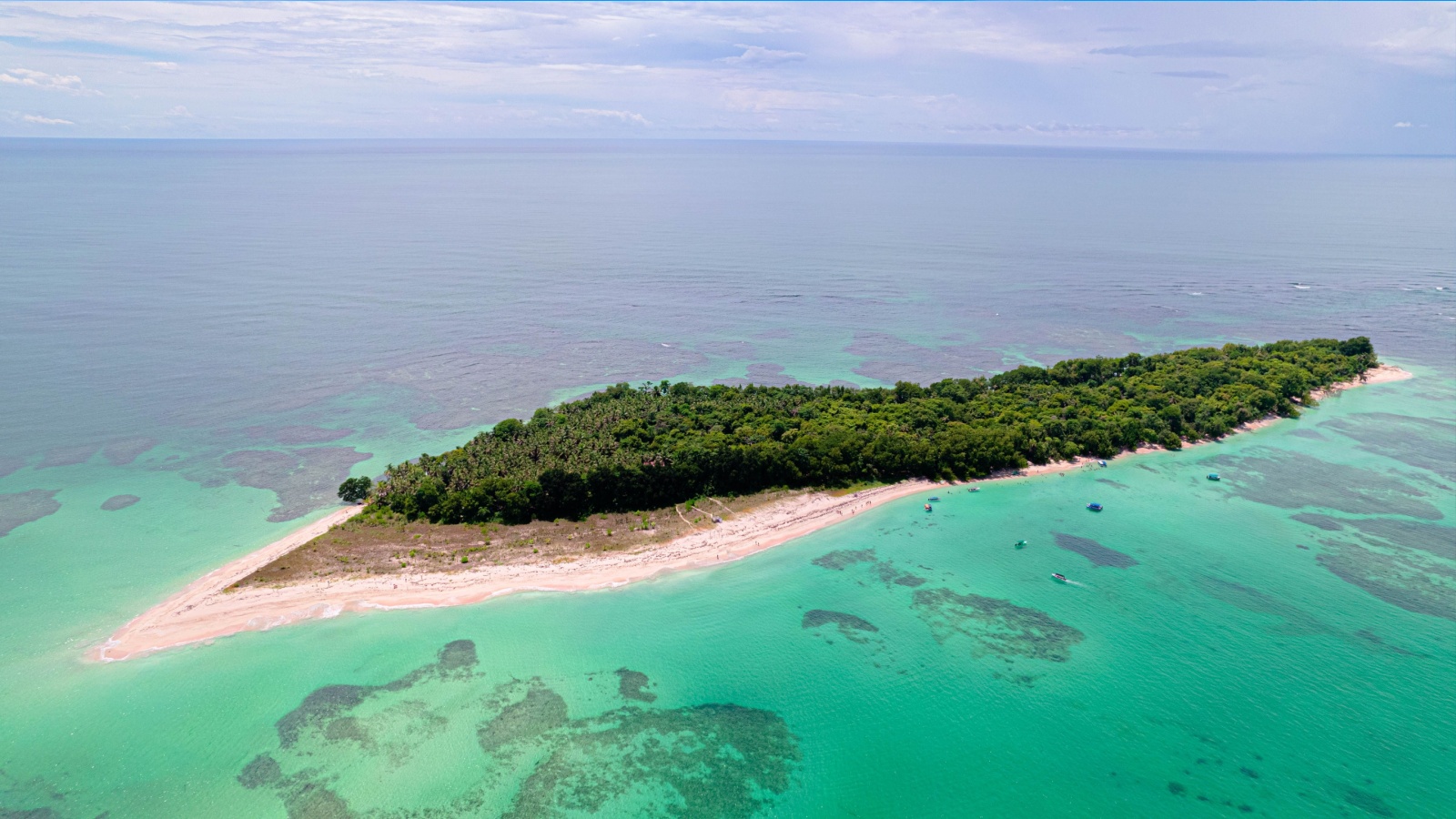
Bocas del Toro draws Canadians with palm-lined beaches, calm turquoise water, and vibrant island culture. The archipelago offers a mix of small islands and beach towns accessible by water taxi. Winter weather is warm, averaging 27°C, ideal for swimming and snorkeling. Canadians appreciate boutique hotels, hostels, and small resorts that make multi-day stays affordable. Activities include diving, surfing, and exploring nearby islands. The islands feel remote but are reachable via flights to Bocas Town from Panama City. Many Canadians choose Bocas del Toro as a tropical alternative that delivers Caribbean-style scenery without leaving Central America.
Boquete, Panama
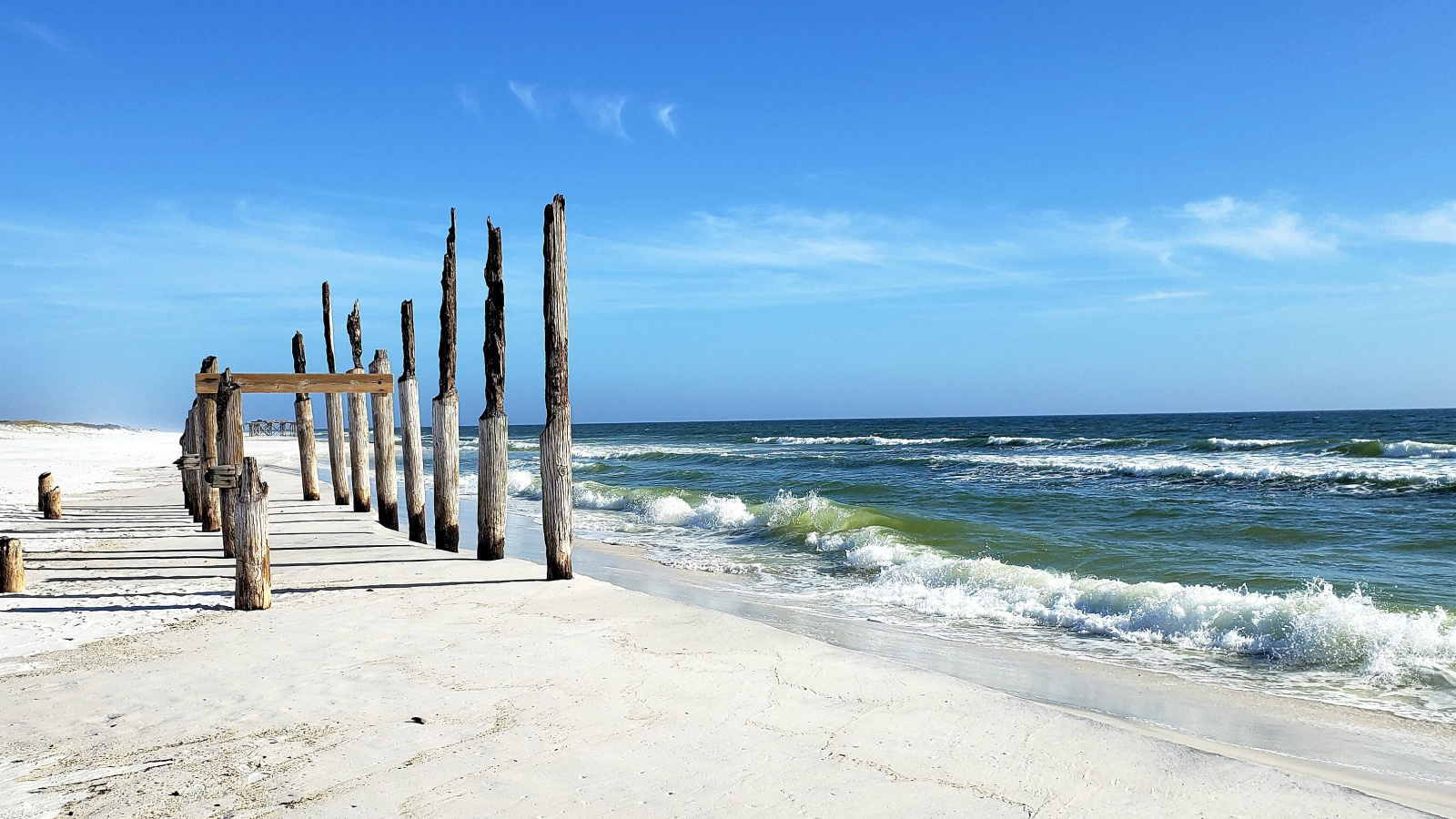
Boquete attracts Canadians looking for cooler mountain temperatures combined with tropical scenery. The town is known for coffee plantations, hiking trails, and waterfalls. Winter temperatures are mild, typically in the low to mid-twenties Celsius, which is perfect for outdoor activities. Small lodges and boutique hotels cater to families and couples. Canadians often combine Boquete with nearby beaches for a mix of mountains and coast. Bird watching, hot springs, and canopy tours add variety. The town is quieter than Panama City or coastal resorts, making it ideal for travellers seeking a relaxed winter escape with nature and a mild tropical climate.
Santa Catalina, Panama
Santa Catalina draws Canadians for surfing, diving, and quiet beaches. Winter temperatures remain warm in the high twenties Celsius, providing predictable conditions for water sports. The town offers small hotels, hostels, and beachfront rentals suitable for solo travellers, couples, and groups. Canoe and boat trips to Coiba Island attract divers and nature enthusiasts. Canadians appreciate that Santa Catalina is less crowded than larger Panamanian beach destinations while still offering essential amenities. Travel involves a short flight or bus from Panama City, making it accessible for winter breaks. The town delivers Caribbean-style water and scenery without the heavy tourist traffic of more popular resorts.
Máncora, Peru
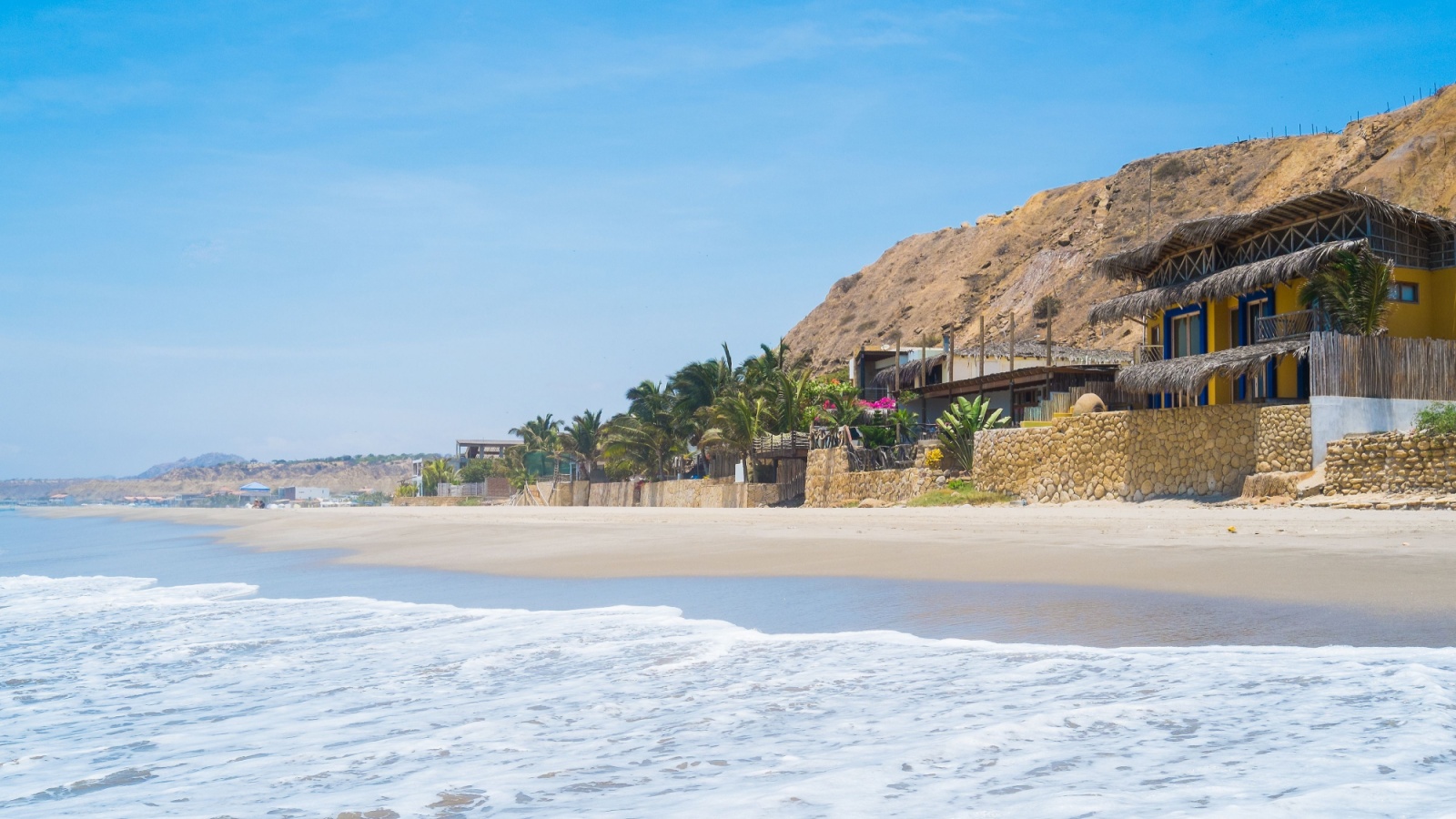
Máncora is a warm beach town in northern Peru that appeals to Canadians seeking sun, sand, and surf. Winter temperatures average 28°C, ideal for swimming and water sports. The town features long sandy beaches lined with small hotels, hostels, and boutique resorts. Canadians enjoy surfing, kiteboarding, and evening walks along the waterfront. Local seafood restaurants offer affordable dining options. The town’s laid-back atmosphere and Caribbean-style beaches make it a winter destination that feels far from the cold north. Flights connect through Lima, making Máncora accessible for Canadians seeking a tropical escape without traveling to the Caribbean islands.
Mancora Coast, Peru
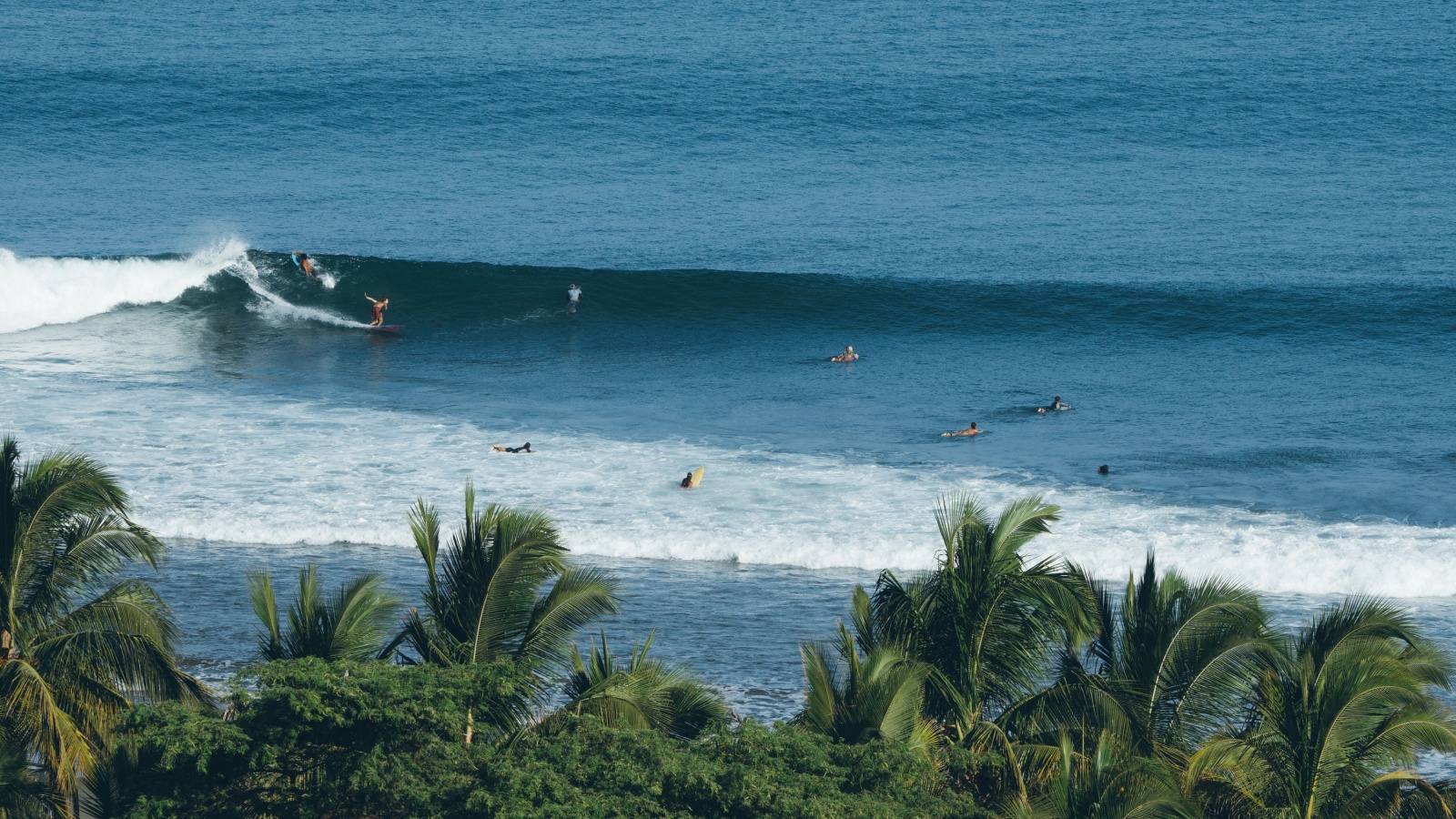
The Mancora Coast continues north of Máncora with additional beach towns and resorts that Canadians enjoy for sun and surf. Winter weather stays warm with minimal rainfall and calm sea conditions. Small resorts, boutique hotels, and beachfront rentals accommodate couples, families, and groups. Canadians explore local markets, try water sports, and enjoy the quiet pace compared to Caribbean tourist hotspots. The coastline features soft sand and clear water that resembles Caribbean beaches without leaving the Americas. Travel typically involves flights to Talara or Piura, followed by short drives along the coast. The area is ideal for multi-day winter stays.
Valle de Viñales, Cuba
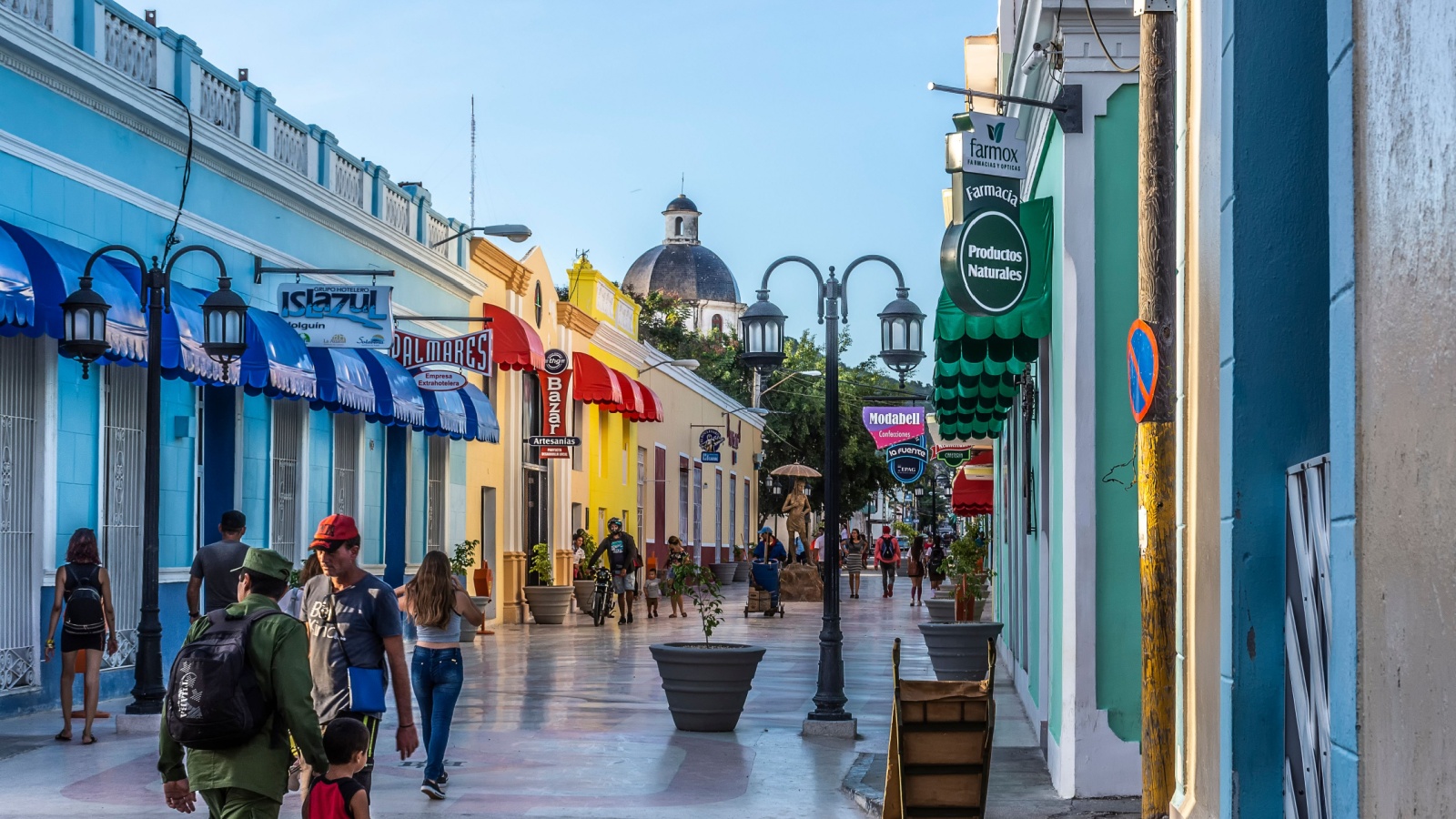
Viñales Valley attracts Canadians with its dramatic karst landscapes, tobacco farms, and rural charm. Winter temperatures average 24°C to 26°C, ideal for hiking, horseback riding, and exploring caves. Small guesthouses and boutique hotels offer comfortable stays with local flavor. Canadians enjoy scenic drives, farm tours, and cultural experiences in a quieter setting than Havana or Varadero. The valley provides Caribbean-style scenery with green mountains, farmland, and nearby small beaches. Direct access from Havana via car or bus makes Viñales achievable for a long weekend. Many Canadians appreciate the combination of nature, culture, and low tourist density.
Cienfuegos, Cuba
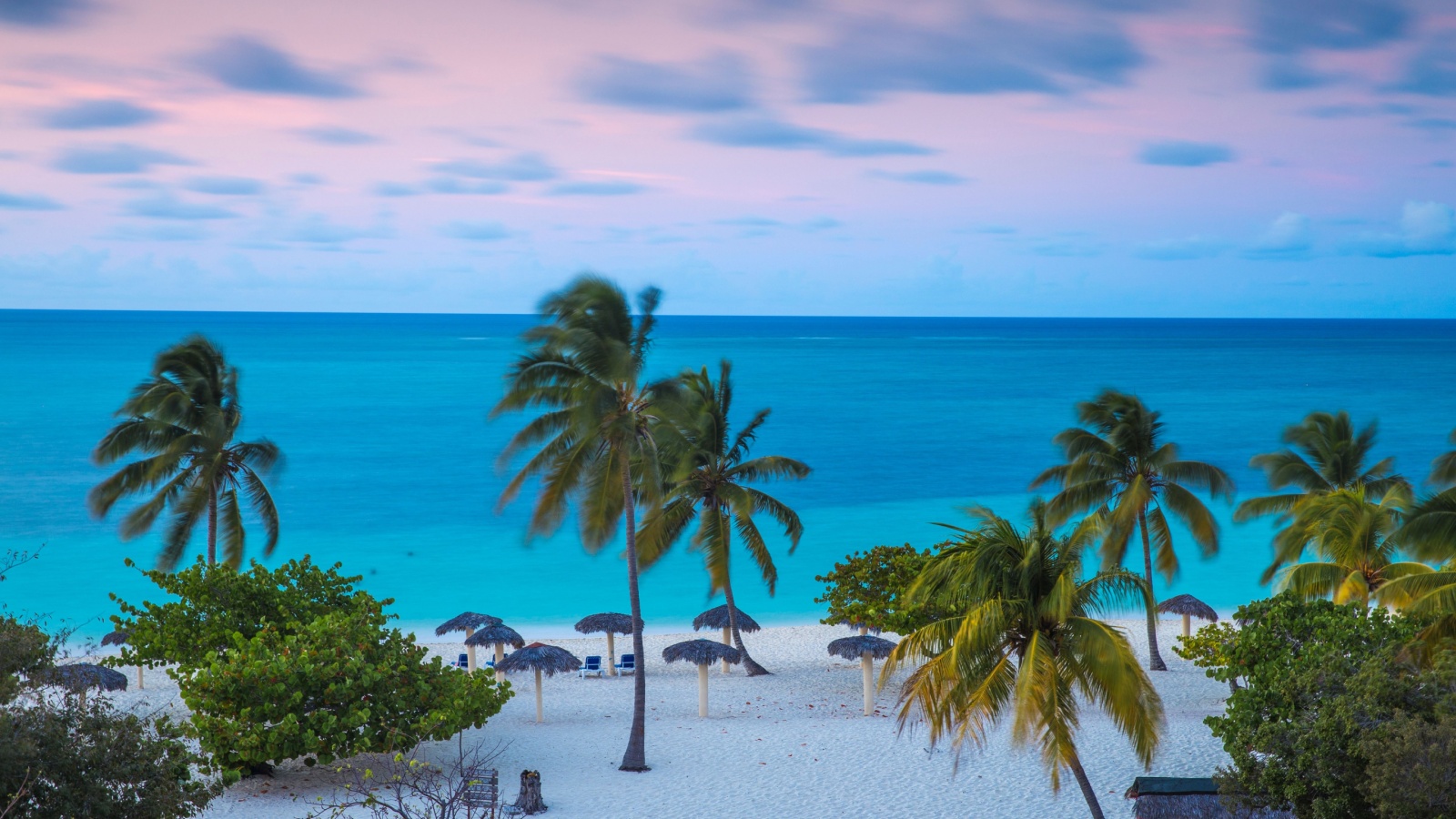
Cienfuegos draws Canadians seeking colonial architecture, waterfront views, and Caribbean-style beaches. Winter temperatures stay in the mid-twenties Celsius, perfect for outdoor sightseeing. Visitors explore the city’s plazas, historic theaters, and bayfront Malecón. Small hotels, guesthouses, and boutique accommodations provide convenient stays. Canadians enjoy day trips to nearby beaches and botanical gardens. The town has a relaxed pace with fewer tourists than Varadero, allowing longer walks and more authentic experiences. Flights through Havana or direct seasonal options make Cienfuegos accessible. Many Canadians discover it as an alternative to busier Cuban resorts while still enjoying warm water and sandy beaches.
Trinidad, Cuba
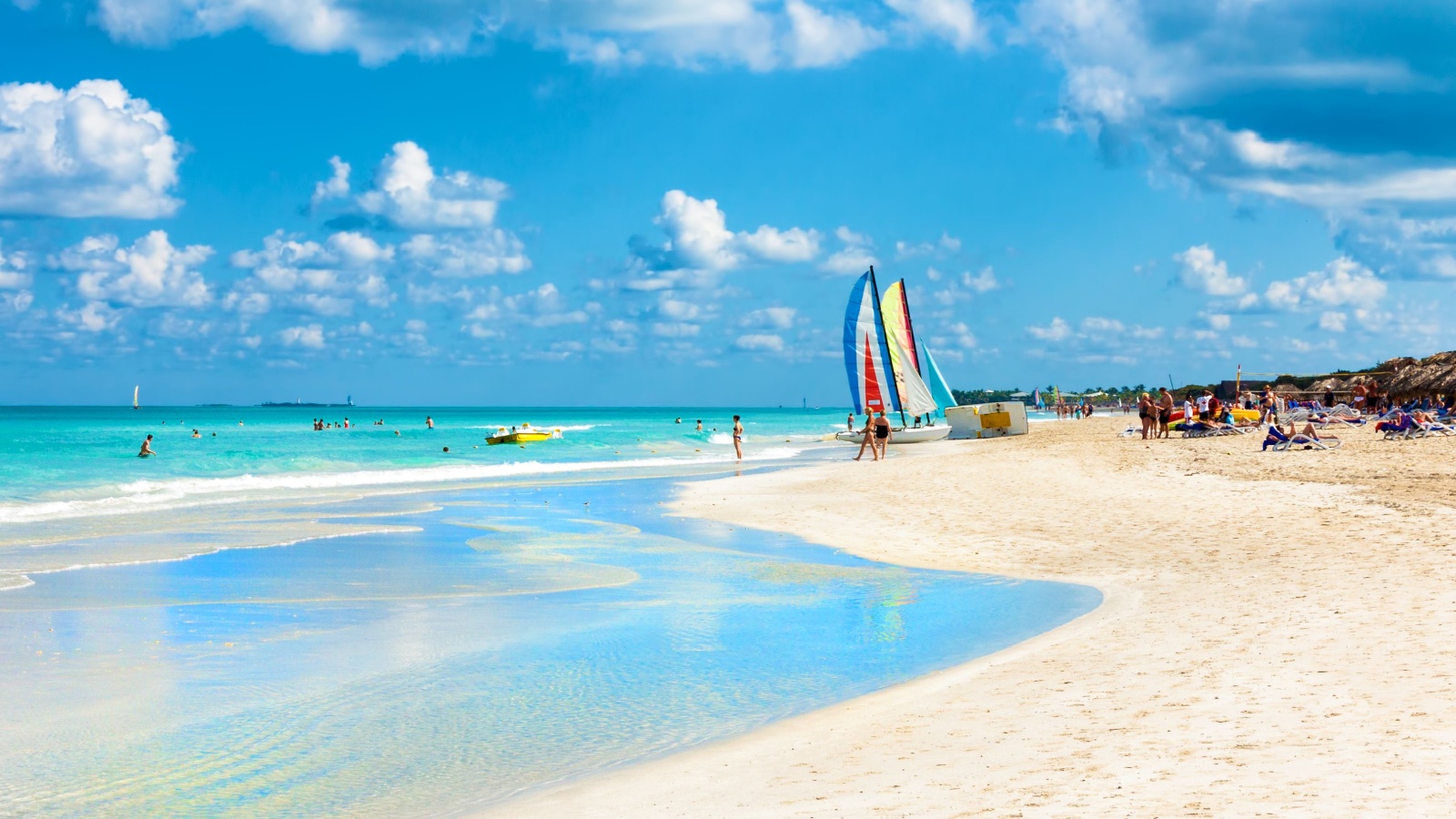
Trinidad is a colonial town with cobblestone streets and Caribbean beaches nearby. Canadians visit for its history, plazas, and music scene, alongside short trips to Playa Ancón. Winter temperatures remain warm, around 25°C to 27°C, making sightseeing and beach days comfortable. Small hotels and guesthouses provide flexible lodging for families and couples. The town is quieter than larger Cuban resorts, offering a mix of culture and beach access. Canadians appreciate Trinidad’s combination of historic charm and nearby sand and water. Flights via Havana and a road transfer make it feasible for a multi-day winter trip.
Salta, Argentina
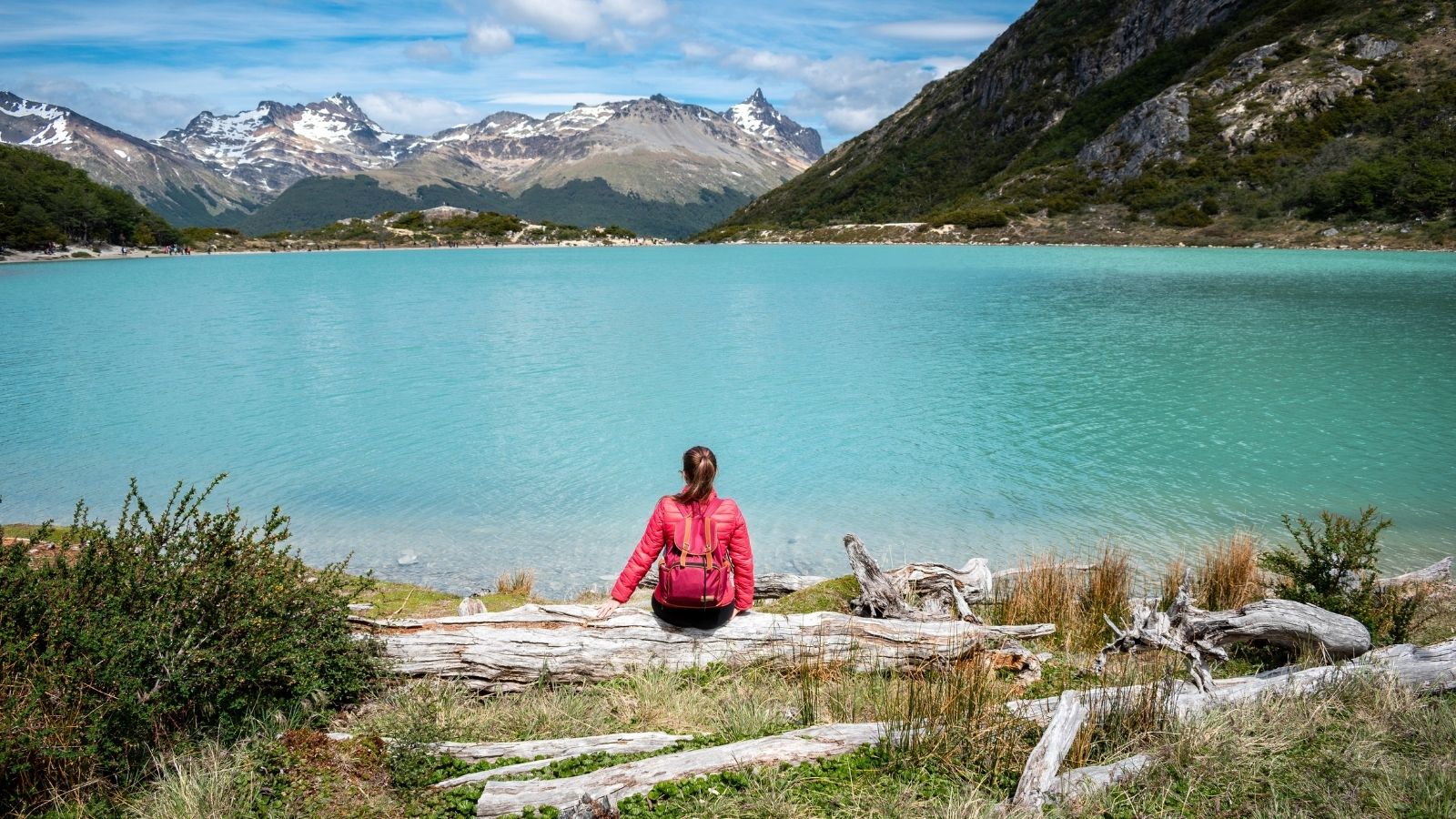
Salta in northern Argentina appeals to Canadians for its colonial architecture, Andes views, and temperate winter climate. Daytime temperatures average 20°C, providing comfortable conditions for city tours, vineyards, and nearby valleys. Guesthouses and boutique hotels make winter stays practical. Canadians enjoy exploring the surrounding mountains, salt flats, and small villages. The city offers a quieter alternative to Buenos Aires while still providing restaurants and cultural attractions. Direct flights via Buenos Aires make Salta accessible for multi-week trips. Many Canadians see it as an under-the-radar winter escape that combines mild weather, outdoor activity, and local culture without requiring a Caribbean flight.
Bariloche, Argentina
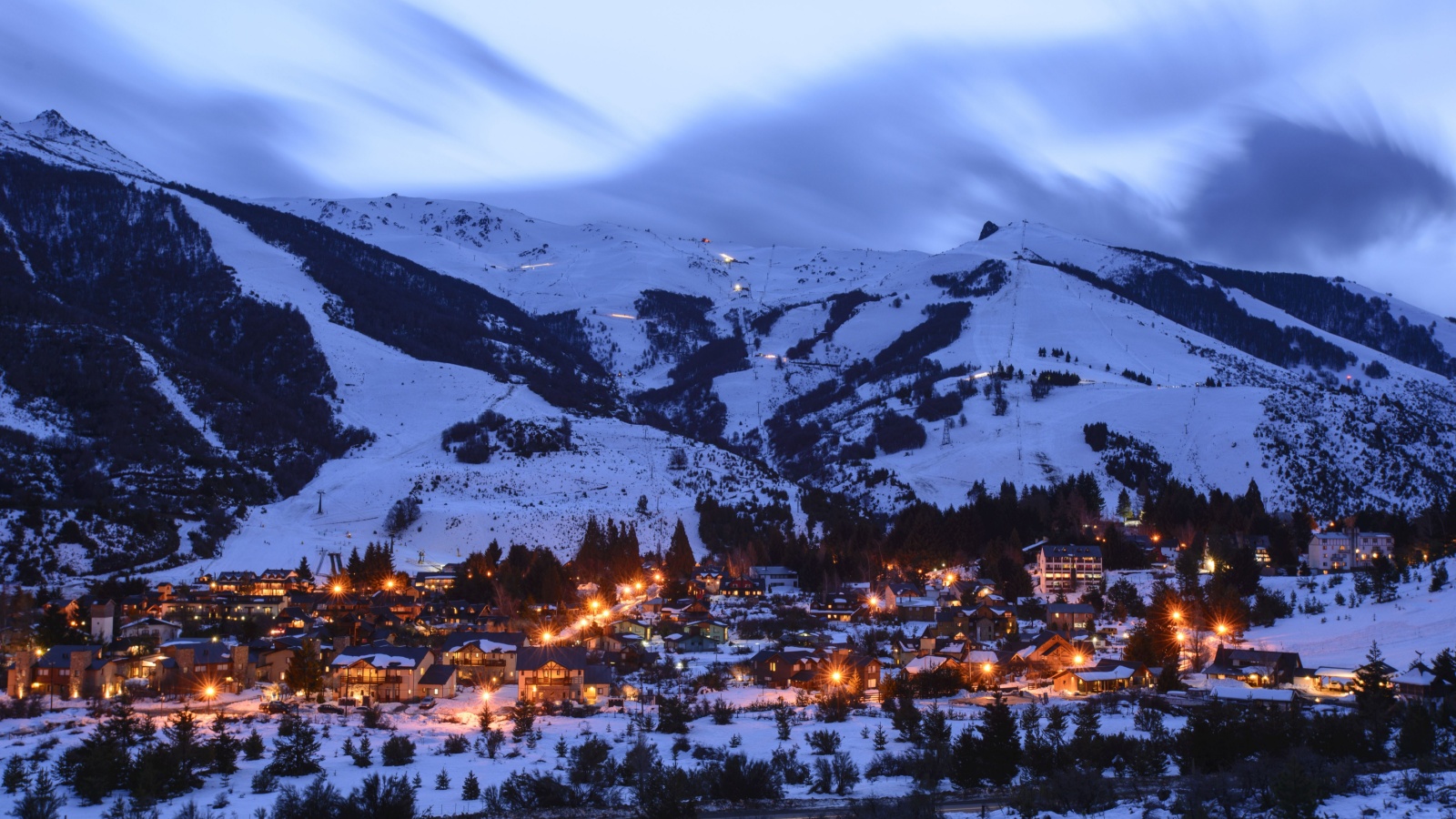
Bariloche attracts Canadians with its lakes, mountains, and winter sports opportunities. Summer and winter temperatures range from 15°C to 25°C, making it suitable for hiking, boating, and sightseeing even in the winter months. Visitors stay in small hotels, lodges, and lakeside cabins. Canadians explore snow-capped peaks, alpine-style architecture, and local chocolate shops. The area provides a quieter alternative to European ski resorts with affordable lodging and dining. Direct flights via Buenos Aires make the town accessible for Canadian travellers seeking adventure. Bariloche blends scenic landscapes with outdoor activity and mild weather in a low-tourist environment.
Mendoza, Argentina
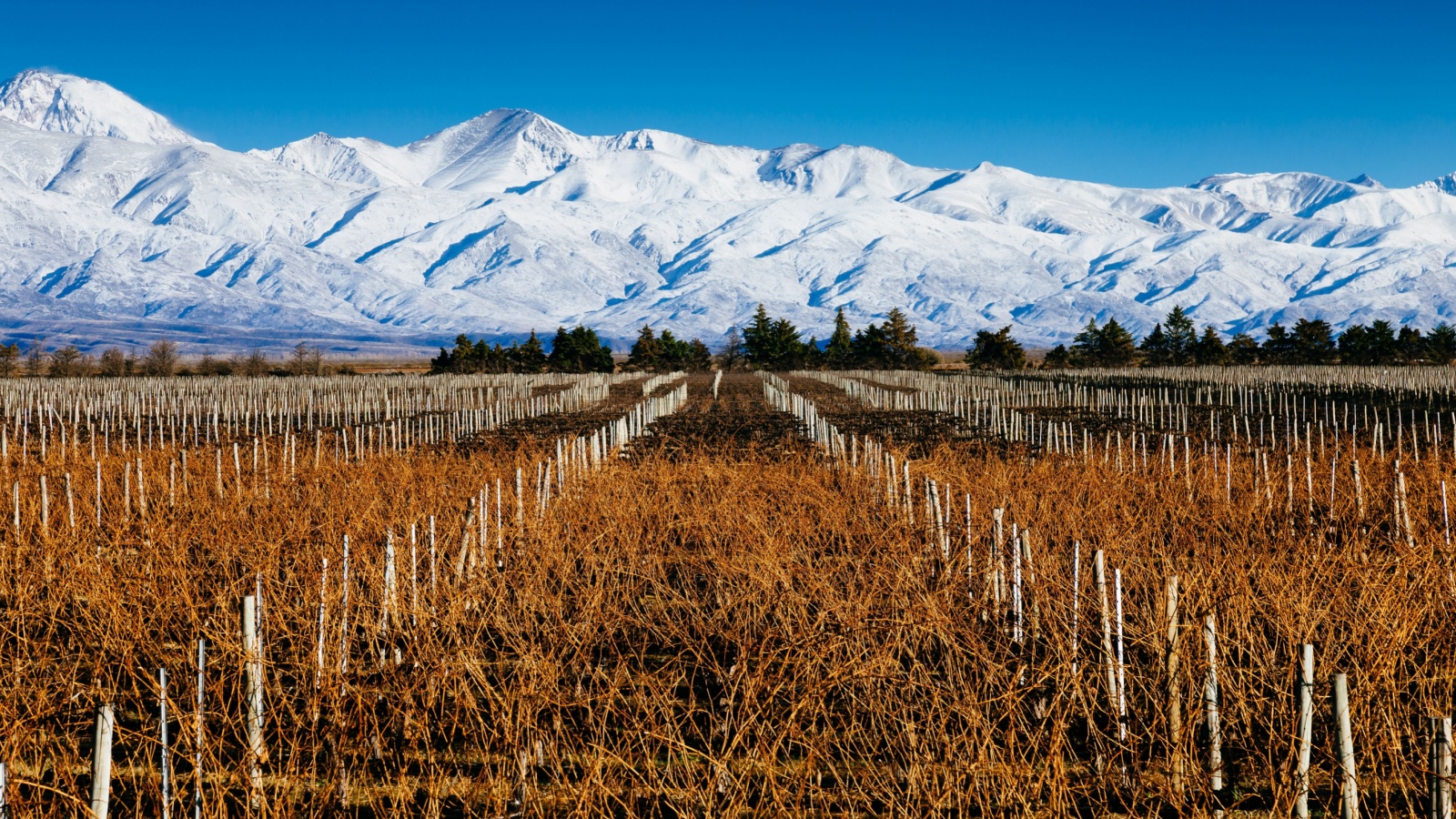
Mendoza draws Canadians for its wine country, mountains, and sunny winter climate. Daytime temperatures hover around 25°C, ideal for vineyard tours, cycling, and dining outdoors. Small boutique hotels, lodges, and wine estates offer winter packages for visitors. Canadians enjoy tasting Malbec and other varietals while exploring the surrounding Andes foothills. Mendoza’s winter is dry and sunny, making outdoor activities reliable. Flights from Buenos Aires connect the region to Canadian travellers seeking a low-crowd wine destination. Many Canadians combine Mendoza with other nearby towns for multi-day trips. The area offers a Caribbean-style warmth and comfort without being an island destination.
Colonia del Sacramento, Uruguay
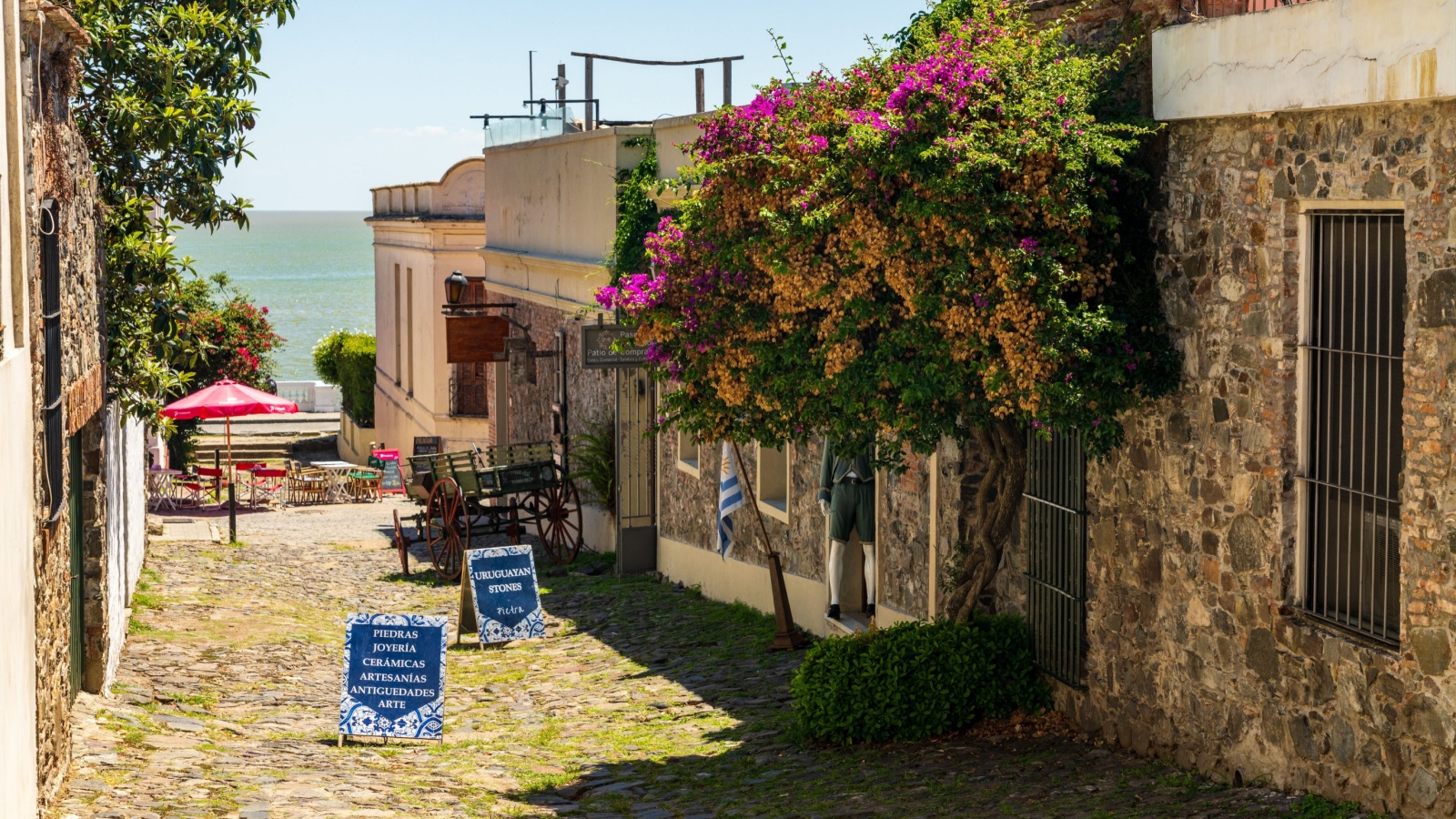
Colonia del Sacramento attracts Canadians who enjoy cobblestone streets, historic architecture, and quiet waterfronts. Winter temperatures stay mild, around 20°C, allowing for walking tours and outdoor dining. Small boutique hotels and guesthouses provide comfortable stays. Canadians explore plazas, lighthouses, and museums while enjoying calm beaches nearby. The town is much quieter than Montevideo or Punta del Este, making it appealing for low-stress winter breaks. Ferry connections from Buenos Aires make Colonia accessible for long weekends. Many Canadians appreciate its European charm combined with a temperate South American climate without requiring Caribbean travel.
Punta del Este, Uruguay

Punta del Este is popular with Canadians seeking beaches, resorts, and water sports. Winter temperatures average 21°C, which allows for comfortable walking and exploration. The coastline features calm beaches, marinas, and surf spots. Canadians stay in boutique hotels, condos, or resorts that suit families and couples. Local restaurants and cafés serve seafood and international cuisine. Winter sees fewer crowds, making it easier to enjoy beaches and cultural sites. Direct flights from Montevideo or nearby airports make Punta del Este accessible for Canadian travellers. It offers Caribbean-style beaches and resort amenities within South America.
Cuenca, Ecuador
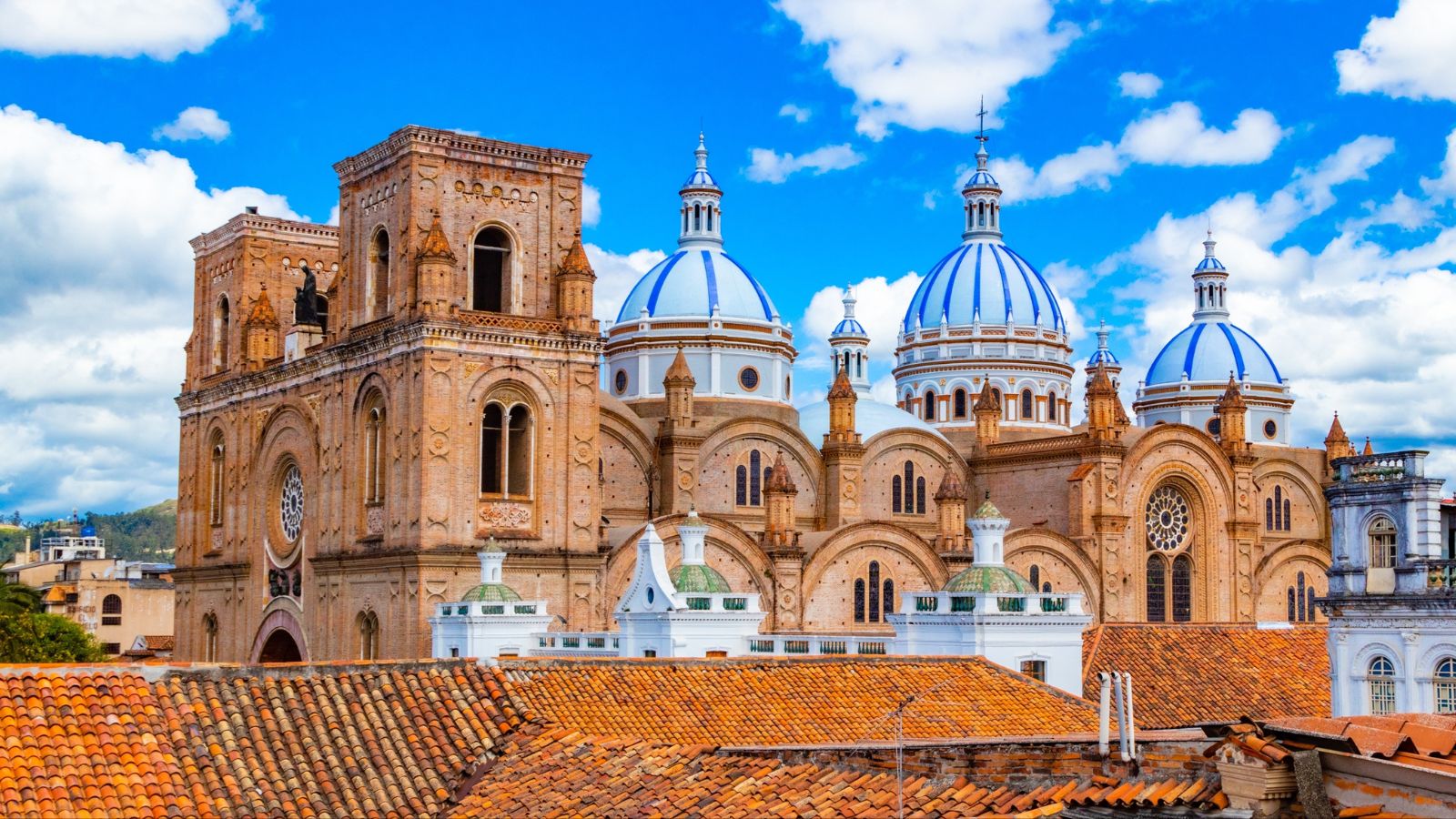
Cuenca attracts Canadians who enjoy colonial architecture, mild winter weather, and a slower pace. Winter temperatures remain around 22°C, ideal for sightseeing and walking. Small hotels, hostels, and guesthouses make winter stays easy to plan. Canadians explore plazas, markets, and nearby rivers. The city is quieter than Quito or Guayaquil, providing a relaxed experience for long weekend trips. The cultural offerings include museums, local cuisine, and artisan workshops. Many Canadians appreciate Cuenca’s temperate climate and historic charm as a winter escape that combines comfort, scenery, and low crowds without leaving the Americas.
Loja, Ecuador
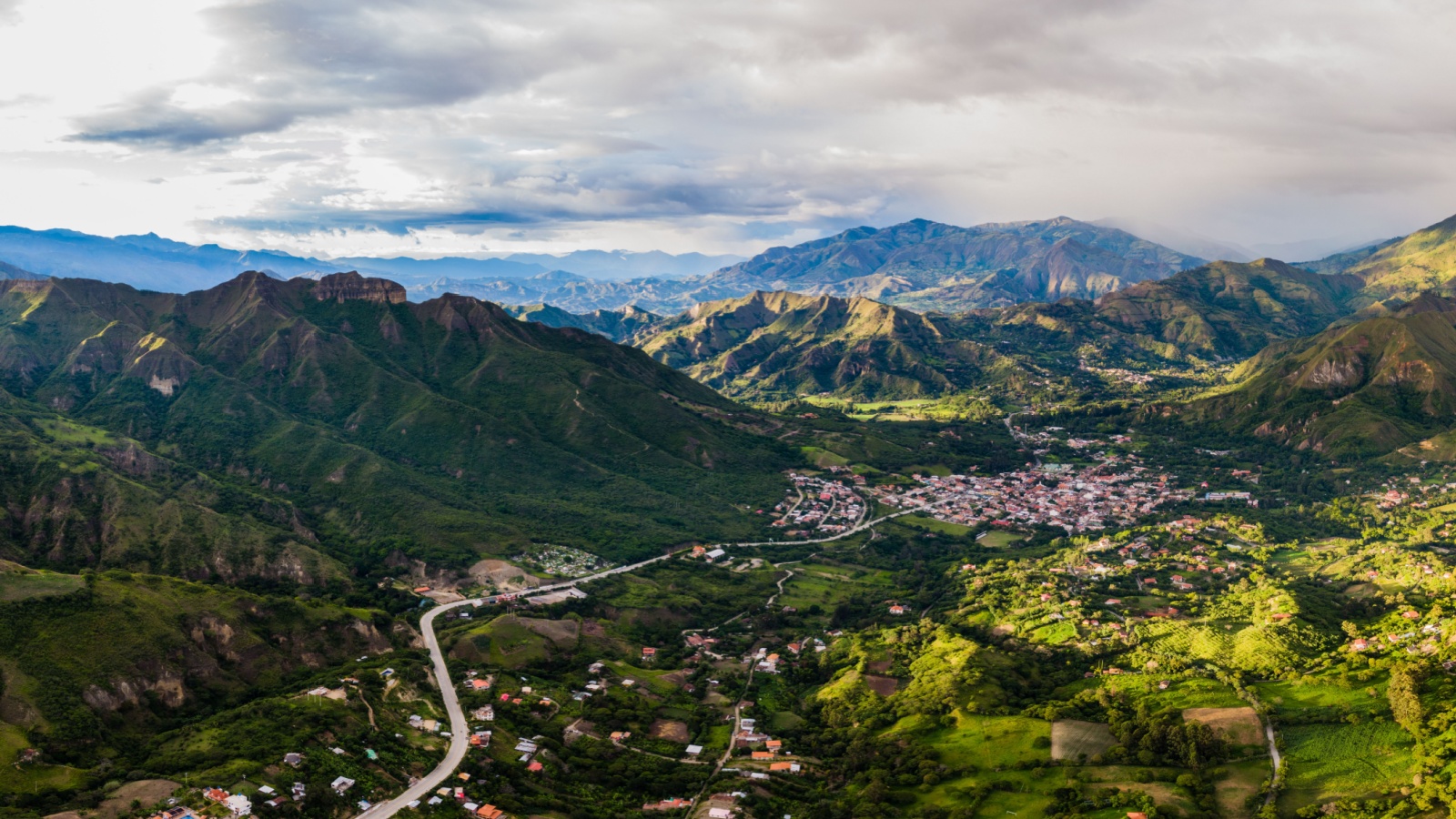
Loja attracts Canadians with its music culture, historic streets, and mountain scenery. Winter temperatures average 21°C, making outdoor activities comfortable. Visitors can explore plazas, local markets, and nearby natural reserves. Small guesthouses and boutique hotels provide accommodations for families and couples. Canadians enjoy the quieter pace compared to larger Ecuadorian cities. The town is accessible via flights to Loja or short drives from nearby airports. Winter weather remains dry and sunny, making sightseeing easy. Many Canadians choose Loja as an under-the-radar destination with warm temperatures, natural beauty, and cultural attractions without the need for Caribbean travel.
Sucre, Bolivia
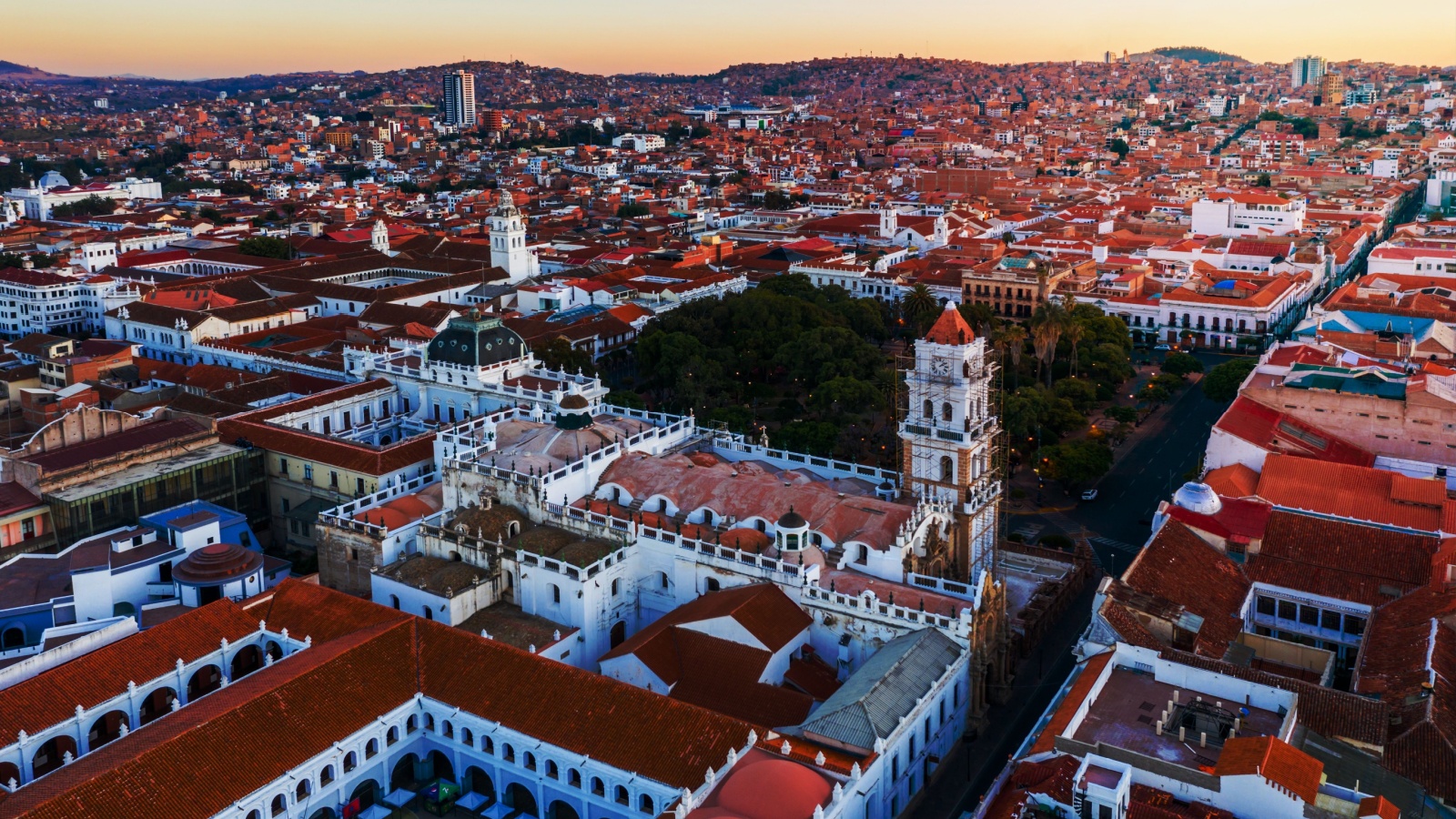
Sucre draws Canadians for its colonial architecture, mild climate, and historic streets. Winter temperatures average 22°C, making walking tours and outdoor dining comfortable. Small hotels and boutique guesthouses suit couples, families, and solo travellers. Canadians explore plazas, markets, and museums while enjoying local cuisine. Sucre is quieter than La Paz, providing a relaxed winter escape with fewer tourists. Flights from La Paz or Cochabamba connect the city to international visitors. Many Canadians value Sucre for its combination of cultural charm, pleasant weather, and South American accessibility without traveling to Caribbean islands.
Cochabamba, Bolivia
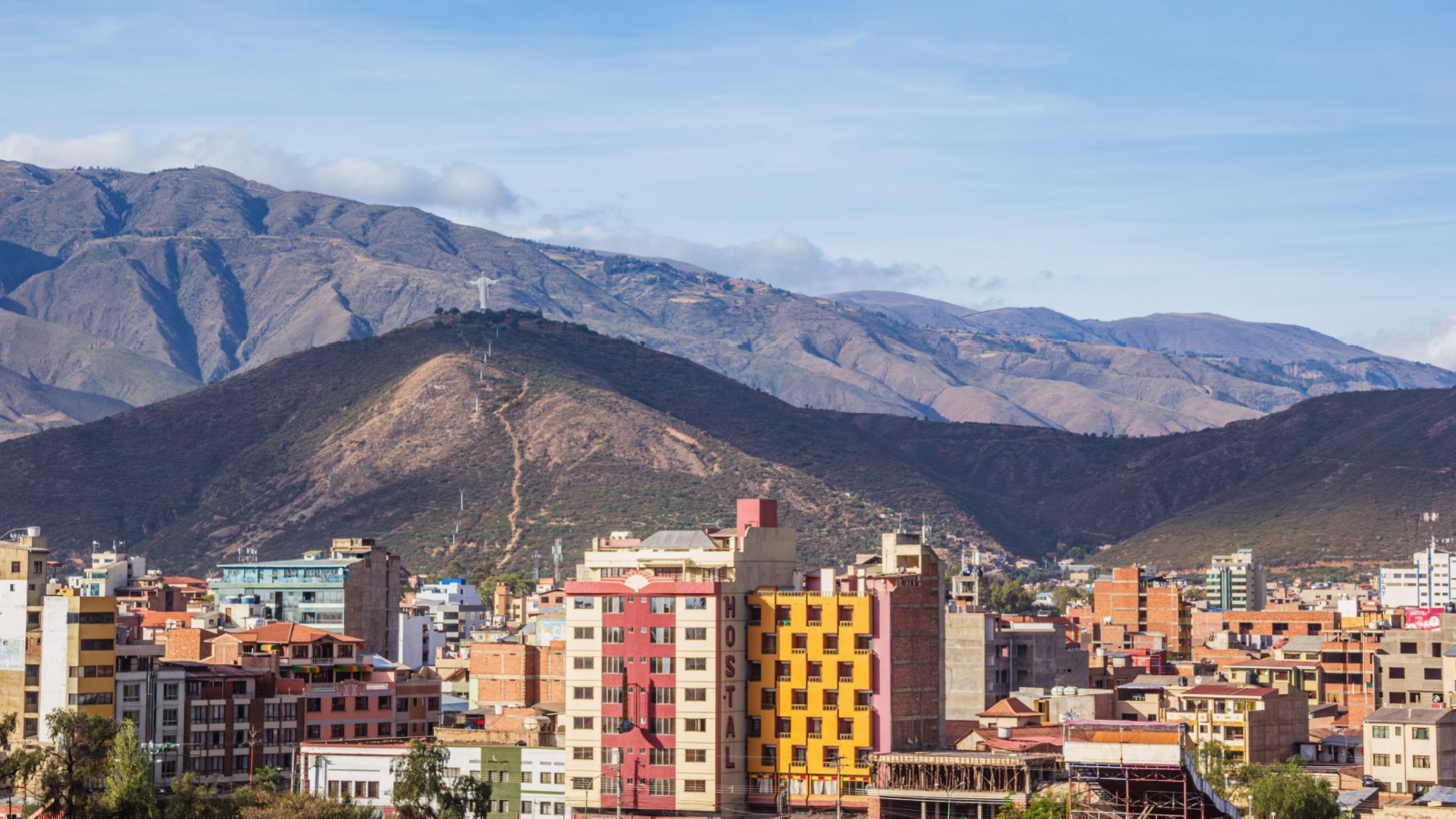
Cochabamba attracts Canadians who want warm temperatures, mountain scenery, and urban conveniences. Winter temperatures average 24°C, ideal for sightseeing and exploring nearby valleys. The city offers small hotels, guesthouses, and apartments for families or longer stays. Canadians explore plazas, markets, and local dining while enjoying access to hiking trails and nearby attractions. Cochabamba provides a quieter alternative to La Paz or Santa Cruz. Flights connect through Bolivia’s main hubs, making it accessible for Canadian travellers. Many Canadians see Cochabamba as a warm winter escape in South America that combines culture, comfort, and outdoor activities.
Tarija, Bolivia
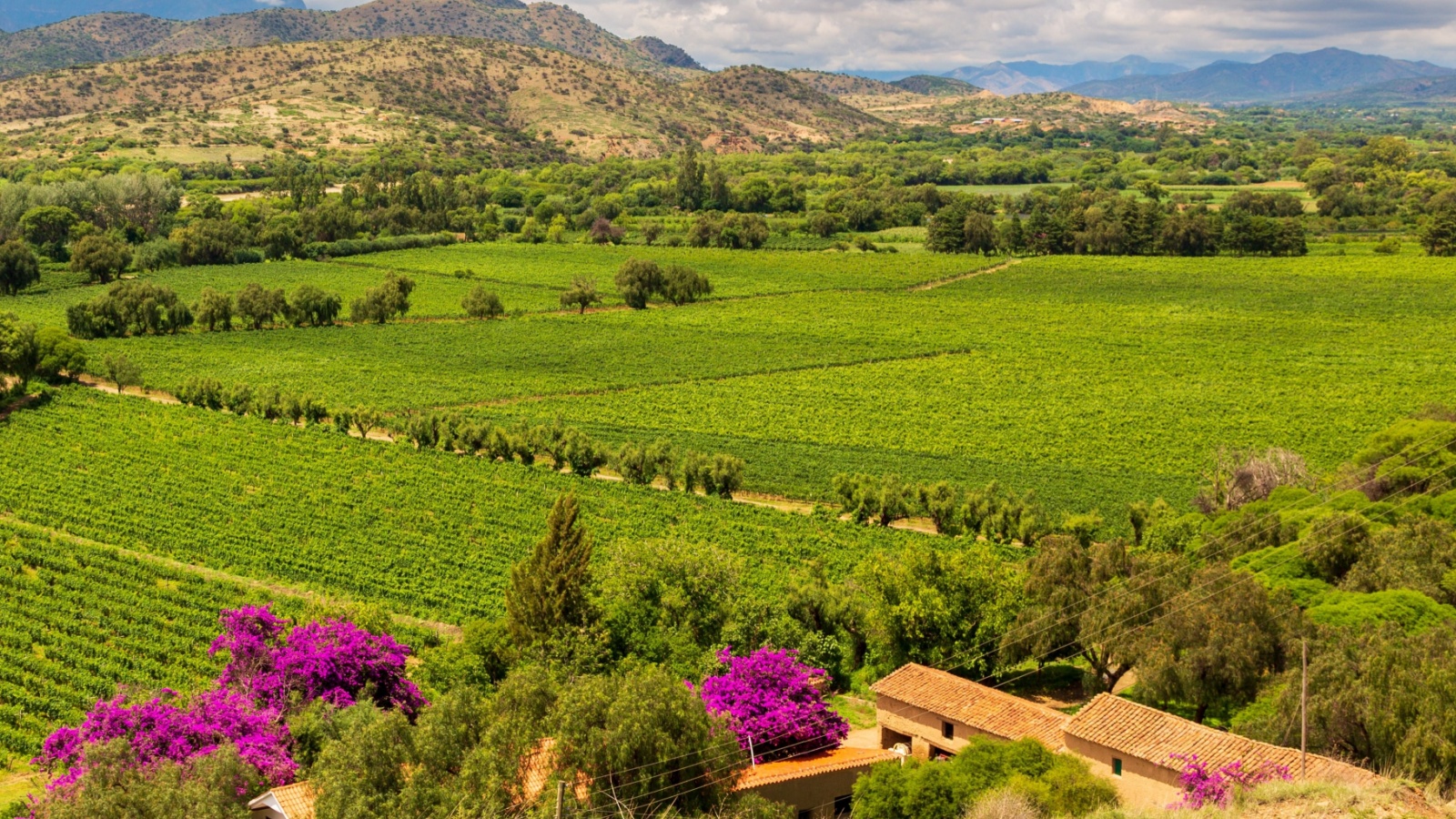
Tarija draws Canadians for its wine country, warm winter climate, and scenic valleys. Daytime temperatures average 25°C, which is comfortable for vineyard tours, outdoor dining, and sightseeing. Boutique hotels and guesthouses provide lodging for couples, groups, or families. Canadians enjoy tasting local wines and exploring the surrounding countryside. The town is smaller and quieter than major cities, offering a relaxed winter experience. Tarija’s accessibility via regional flights and roadways makes it practical for Canadian travellers. Many choose it as an under-the-radar Latin American escape with sunny weather, natural beauty, and cultural experiences without leaving the Americas.
22 Groceries to Grab Now—Before another Price Shock Hits Canada

Food prices in Canada have been steadily climbing, and another spike could make your grocery bill feel like a mortgage payment. According to Statistics Canada, food inflation remains about 3.7% higher than last year, with essentials like bread, dairy, and fresh produce leading the surge. Some items are expected to rise even further due to transportation costs, droughts, and import tariffs. Here are 22 groceries to grab now before another price shock hits Canada.
22 Groceries to Grab Now—Before another Price Shock Hits Canada
