Brands often become part of daily routines, shaping how people shop, eat, travel, and dress across Canada. Over time, companies expand, markets shift, and customer habits change. These shifts affect product quality, pricing, store layouts, and service style. Loyal customers notice when familiar experiences start feeling different. Some changes come from global growth, while others follow new ownership or industry pressure. Here are 14 Canadian brands people swear “aren’t the same anymore” (and what changed).
Tim Hortons
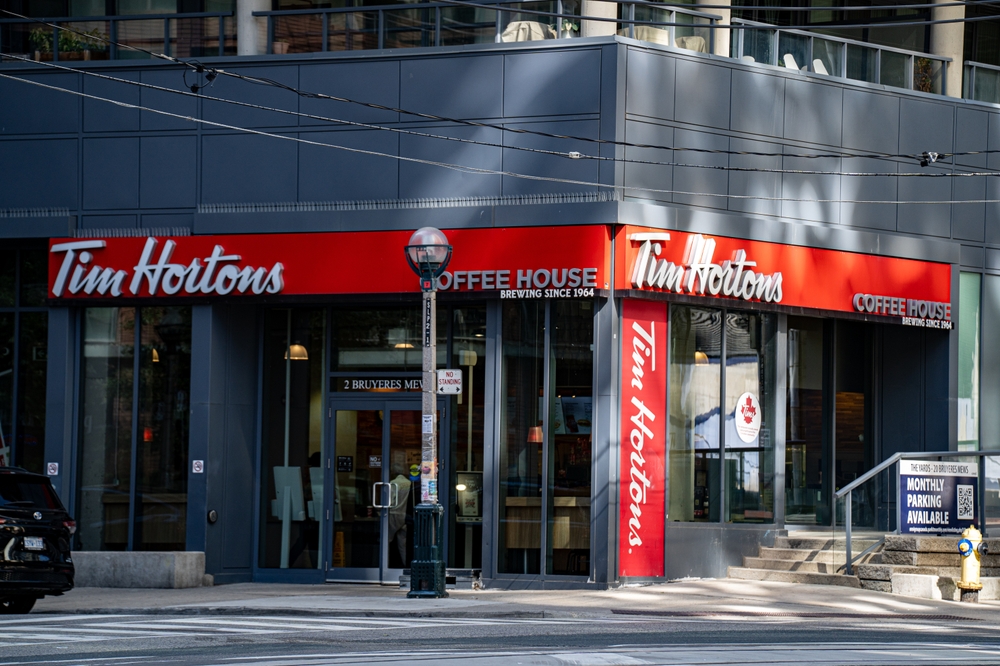
Many Canadians connect Tim Hortons with daily coffee runs and quick breakfasts. Regular customers often say the taste feels different than years ago. Rapid expansion across Canada and other countries changed operations. The company added more menu items beyond coffee and donuts. New wraps, bowls, and specialty drinks shifted focus from core products. Some guests feel the coffee flavor has become less consistent. Store designs also changed, replacing older seating layouts with modern interiors. Drive-thru traffic now shapes service speed and staffing. Longtime visitors often miss the smaller menus and relaxed in-store experience.
Hudson’s Bay
Hudson’s Bay stands among the oldest retail names in Canada. Shoppers once relied on it for clothing, home goods, and gifts. Online shopping growth reduced foot traffic in large department stores. Many locations faced high operating costs in major Canadian cities. Some stores closed, while others reduced floor space. Product assortments shifted toward select brands and seasonal lines. Frequent sales replaced the older full-price department store model. Younger shoppers often prefer specialty retailers or online platforms. Longtime customers say the store feels less like a one-stop destination than before.
Roots
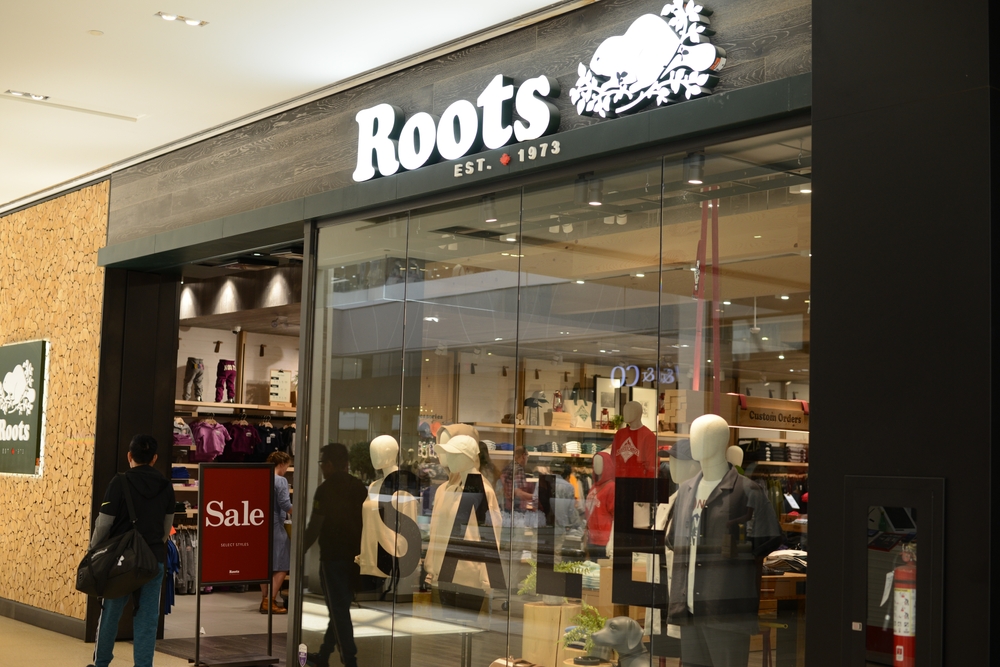
Roots built its image around casual clothing and Canadian outdoor culture. Earlier collections focused heavily on sweats, leather goods, and cabin style wear. Over time, fashion trends pushed the brand toward broader lifestyle clothing. International expansion introduced new markets beyond Canada. Some longtime buyers feel materials have changed from older, thick fabrics. Pricing also increased as the brand positioned itself in a premium segment. Mall locations replaced many smaller, independent style stores. Collaborations and limited drops became more common. Fans who grew up with classic sweat sets often miss the simpler product focus.
Lululemon
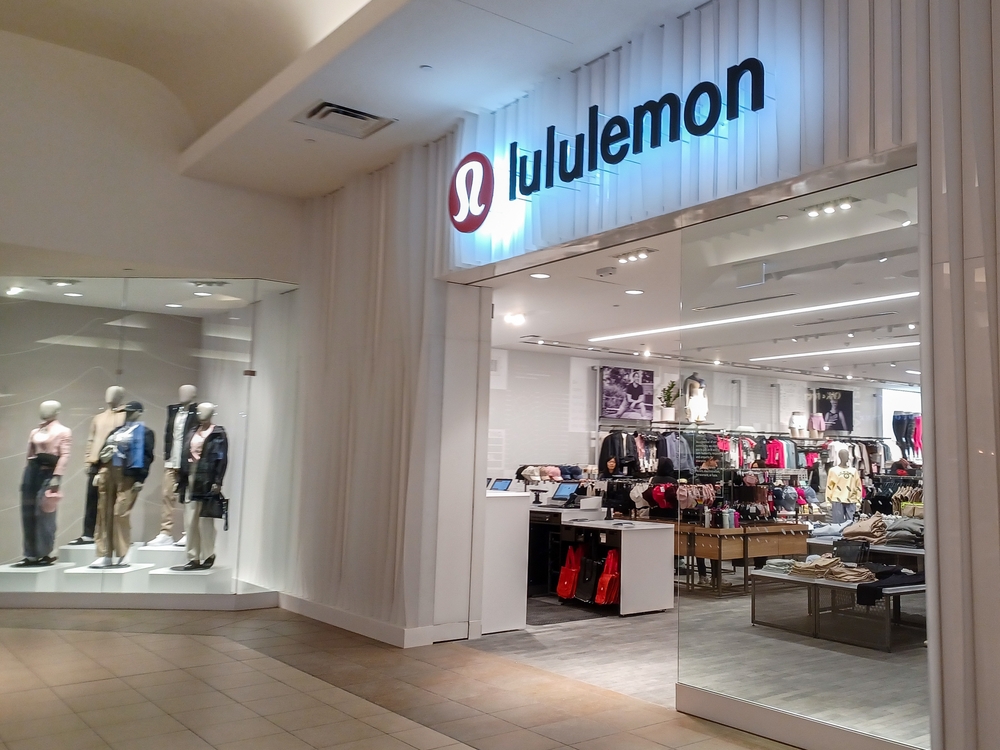
Lululemon started in Vancouver with a strong yoga community focus. Early products centered on studio wear and technical leggings. Global growth turned the brand into a major athletic retailer. Product lines expanded into menswear, outerwear, and footwear. Wider sizing and style ranges changed store layouts and inventory. Prices stayed high while competition increased in activewear. Some customers say fabric quality varies between collections. Marketing shifted toward performance and lifestyle campaigns. Stores now appear in large malls and global shopping districts. Longtime fans remember a smaller brand tied closely to local fitness groups.
Canada Goose
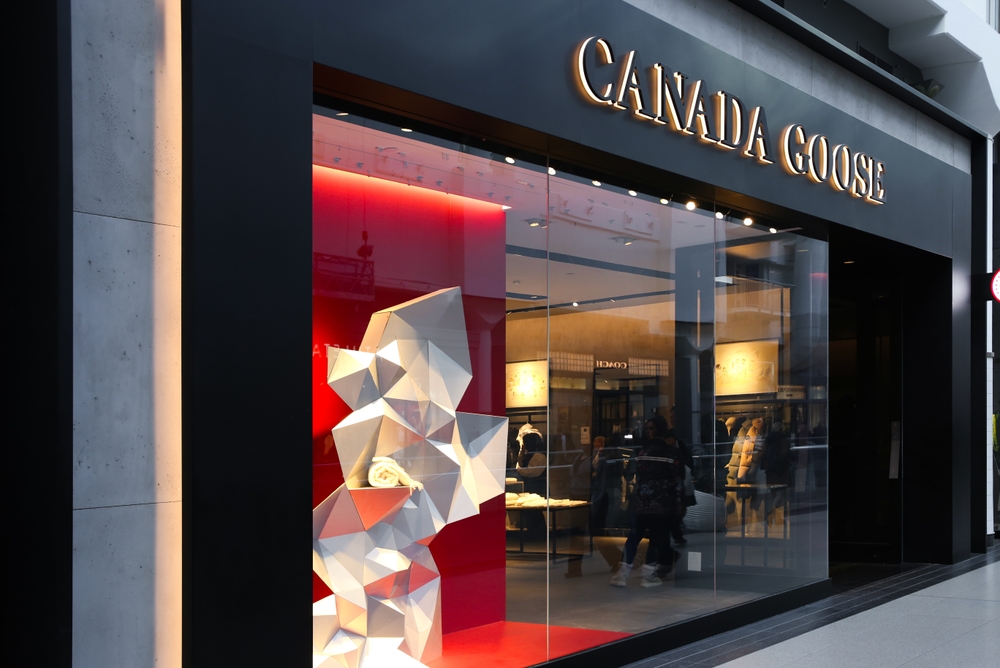
Canada Goose became known for heavy-duty parkas built for cold climates. Earlier buyers associated the brand with function over fashion. International demand turned the jackets into global luxury items. Prices rose as the brand entered high-end retail markets. Lighter styles and fashion-focused pieces joined the lineup. Some Canadians feel the products now target urban style more than extreme weather. Retail expansion added flagship stores in major cities. Supply and production also scaled to meet global sales. Longtime observers recall when the brand served mainly workers and northern communities.
Second Cup

Second Cup once stood as a familiar Canadian coffee shop choice. Many customers visited for quieter spaces and café-style seating. Competition from larger chains changed the coffee market. Store closures reduced the brand’s presence in many cities. Menu updates introduced new drinks and food options. Some regulars feel the atmosphere shifted toward quicker visits. Renovations gave locations a more modern look. Franchise changes also affected service consistency across regions. Loyalty habits moved toward brands with larger rewards programs. Longtime visitors often remember Second Cup as a slower, sit-down coffee experience.
President’s Choice

President’s Choice became known for store-brand products with strong quality. Shoppers trusted it for snacks, frozen foods, and household goods. Grocery prices increased across Canada in recent years. Some buyers now question the value compared to discount labels. Product lines expanded into premium and specialty categories. Packaging updates changed the look of many items. Availability sometimes varies by store location. Parent company decisions shaped sourcing and pricing strategies. Competition from other private labels also grew. Longtime shoppers often say earlier products felt more distinct within Canadian grocery aisles.
Air Canada
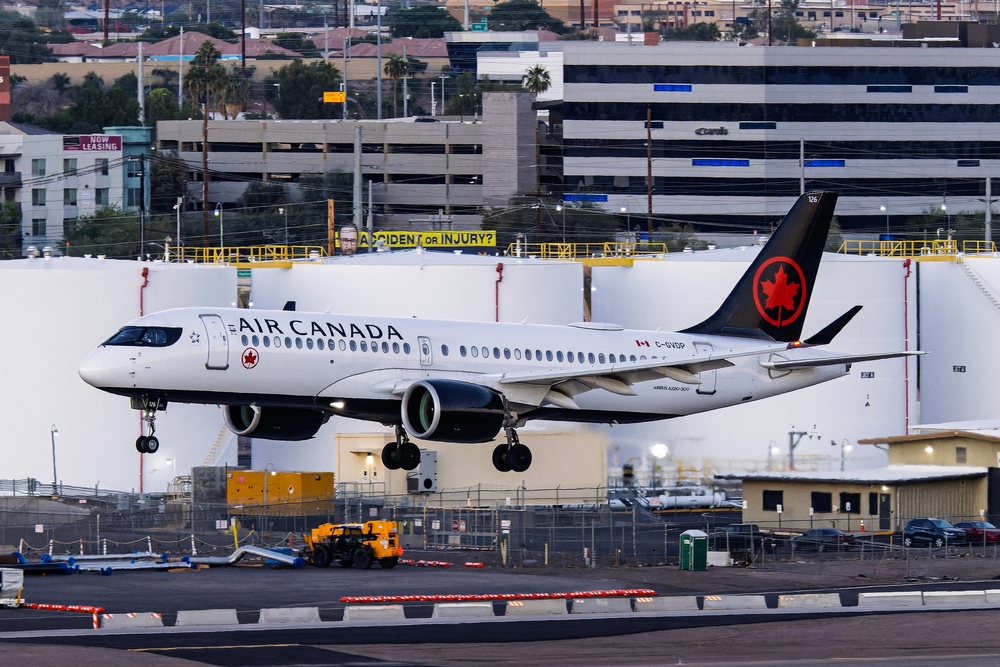
Air Canada serves as the country’s largest airline. Travelers often compare today’s flights with past experiences. Industry changes pushed airlines to adjust fares and services. Extra fees now apply to seat selection and checked bags. Cabin layouts fit more passengers on many routes. Some travelers feel that legroom has become tighter over time. Digital systems handle booking, check-in, and boarding. Delays and staffing challenges affected operations in recent years. Loyalty programs also changed earning and redemption rules. Frequent flyers remember when more services came included in base ticket prices.
Aldo
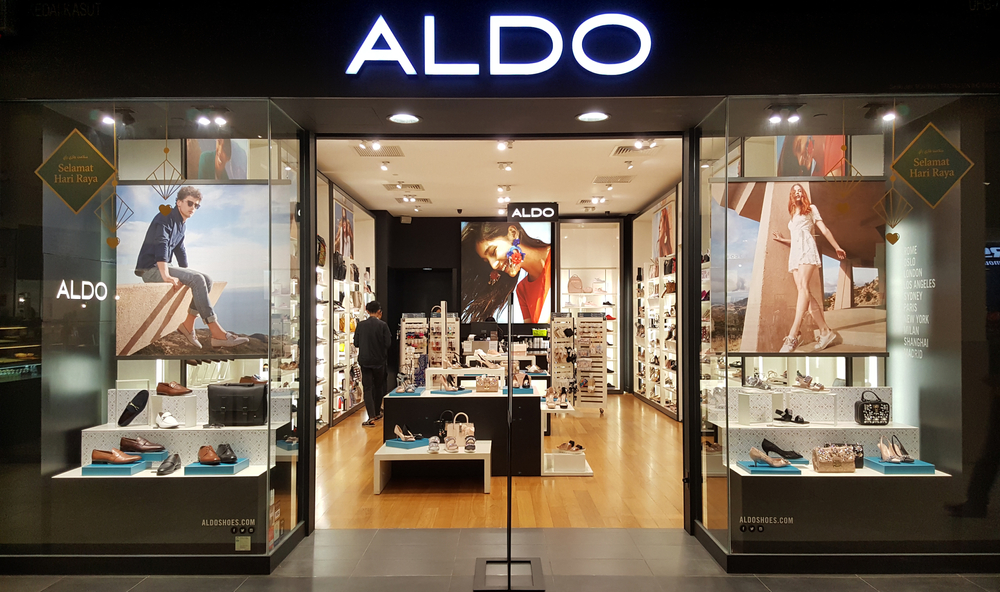
Aldo built its name on affordable, fashion-forward shoes. Mall stores once drew shoppers seeking trend-driven styles. Online retail growth shifted how customers shop for footwear. Store numbers changed as shopping habits moved online. Product ranges expanded into bags and accessories. Some customers feel materials vary across different price tiers. Frequent sales became part of the brand’s pricing approach. International markets now play a larger role in business. Design styles also follow faster global fashion cycles. Longtime buyers remember when Aldo felt like a go-to stop for reliable mall shopping.
Rogers
Rogers provides mobile, internet, and cable services across Canada. Customers often discuss network reliability and pricing changes. Data plans shifted toward larger bundles over time. Some users feel that monthly bills have increased with added services. Service outages drew national attention in recent years. Digital self-service has replaced more in-store support. Competition with other carriers shaped plan structures. Streaming and sports rights also influenced the company’s direction. Home internet packages changed with higher speed offerings. Longtime subscribers remember simpler plans and fewer bundled add-ons in earlier years.
BlackBerry

BlackBerry once led the smartphone market with physical keyboards. Business users relied on secure email and messaging features. Touchscreen phones from competitors changed consumer expectations. The company shifted from hardware to software and security services. Phone production stopped after declining global sales. Brand focus moved toward enterprise solutions and automotive software. Many Canadians recall when BlackBerry devices dominated workplaces. Consumer presence dropped as app ecosystems grew elsewhere. The name now appears more in cybersecurity than in phones. Longtime fans remember when carrying a BlackBerry signaled professional status.
Shoppers Drug Mart

Shoppers Drug Mart became a regular stop for prescriptions and quick purchases. Many locations added larger beauty and skincare sections over time. Store layouts shifted toward cosmetics and seasonal displays. Parent company ownership linked it more closely with grocery loyalty programs. Pricing differences sometimes appear between pharmacy and front store items. Self-checkout stations increased in many branches. Some customers feel that neighborhood pharmacy service feels less personal. Extended hours and added services changed daily operations. Private-label products gained more shelf space. Longtime shoppers remember smaller stores focused mainly on pharmacy needs.
Canadian Tire

Canadian Tire long served as a go-to store for tools and auto parts. Product categories expanded into home goods, sports, and seasonal items. Store layouts grew larger with wider merchandise ranges. Online shopping and curbside pickup changed buying habits. House brands gained more visibility across shelves. Some shoppers feel product quality varies between price levels. Digital loyalty programs replaced paper-based promotions. In-store experiences now include more self-service features. Competition from specialty retailers increased in many categories. Longtime customers recall when the brand focused more tightly on automotive and hardware.
Molson
Molson has brewed beer in Canada for many generations. Brand identity once centered strongly on national pride themes. Ownership and mergers linked it with global brewing operations. Product lines expanded to include light and flavored options. Craft beer growth changed consumer tastes across Canada. Some drinkers feel classic recipes taste different than before. Marketing shifted toward broader North American audiences. Distribution networks now operate on a larger scale. Shelf space also includes more imported and specialty beers. Longtime drinkers remember when Molson dominated Canadian beer choices with fewer competing styles.
22 Groceries to Grab Now—Before another Price Shock Hits Canada

Food prices in Canada have been steadily climbing, and another spike could make your grocery bill feel like a mortgage payment. According to Statistics Canada, food inflation remains about 3.7% higher than last year, with essentials like bread, dairy, and fresh produce leading the surge. Some items are expected to rise even further due to transportation costs, droughts, and import tariffs. Here are 22 groceries to grab now before another price shock hits Canada.
22 Groceries to Grab Now—Before another Price Shock Hits Canada
