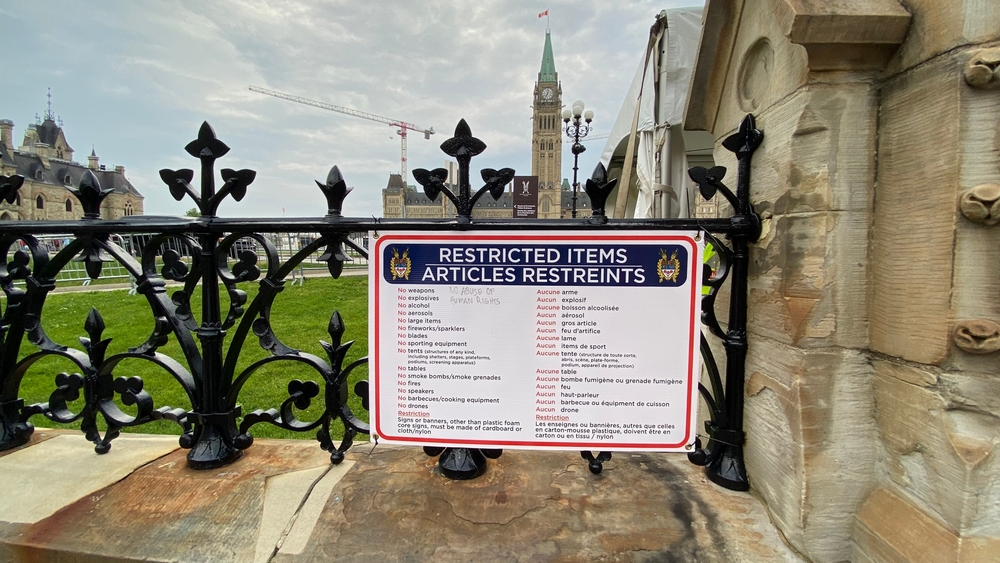
Canada is known for wide open spaces, yet some locations stay closed to the general public. These places include military sites, protected ecosystems, research facilities, and heritage areas. Access often depends on permits, security clearance, or official approval. Restrictions exist for safety, environmental protection, cultural preservation, or national security reasons. Many of these spots play important roles beyond tourism. Curious travelers sometimes hear about them but cannot simply walk in. Here are 12 places in Canada you can’t go without special permission (and why).
CFB North Bay Underground Complex
CFB North Bay includes a defense complex built underground during the Cold War era. The site supports aerospace warning and monitoring systems linked to continental defense. Access remains limited to authorized military staff and cleared personnel. Entry points use layered security, identity checks, and controlled movement procedures. The underground design offers protection from external threats and surveillance. Operational details about internal areas are not shared publicly. Civilian visits are not allowed without official authorization. The restriction protects defense systems, communications infrastructure, and strategic operations connected to national and continental security responsibilities.
Alert, Nunavut
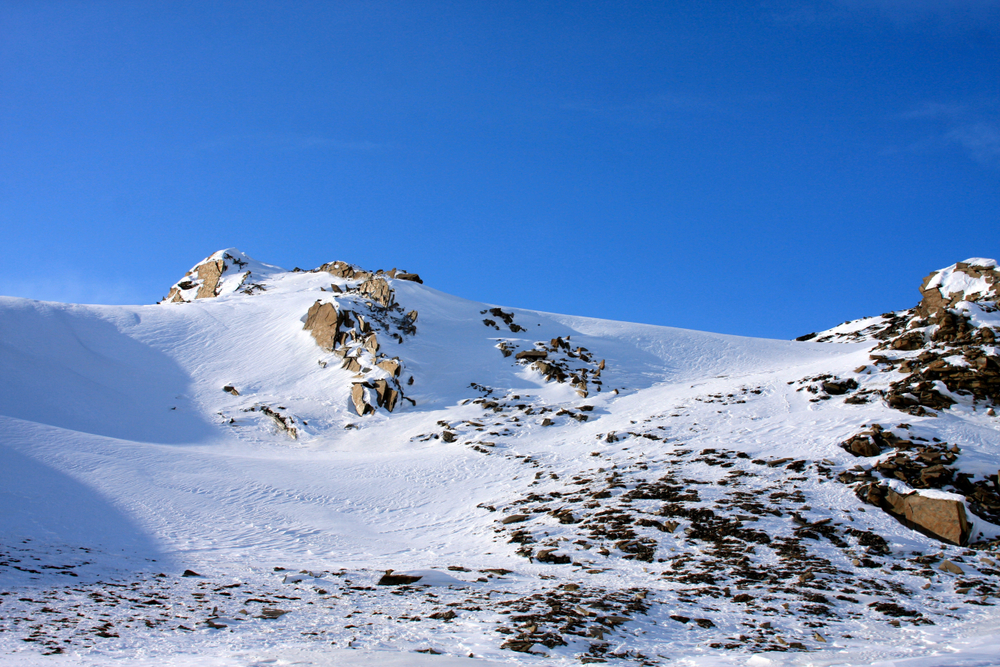
Alert sits at the northern edge of Ellesmere Island within Nunavut territory. It is recognized as the northernmost permanently inhabited place on Earth. The location functions mainly as a military and scientific research station. Extreme Arctic conditions create serious risks for travel and survival. Temperatures stay below freezing for most of the year. Access requires government, research, or military authorization. Flights operate only under strict logistical coordination. The station supports climate monitoring and communications work. Tourists cannot travel there independently. Restrictions exist due to safety hazards and the site’s strategic importance.
Sable Island
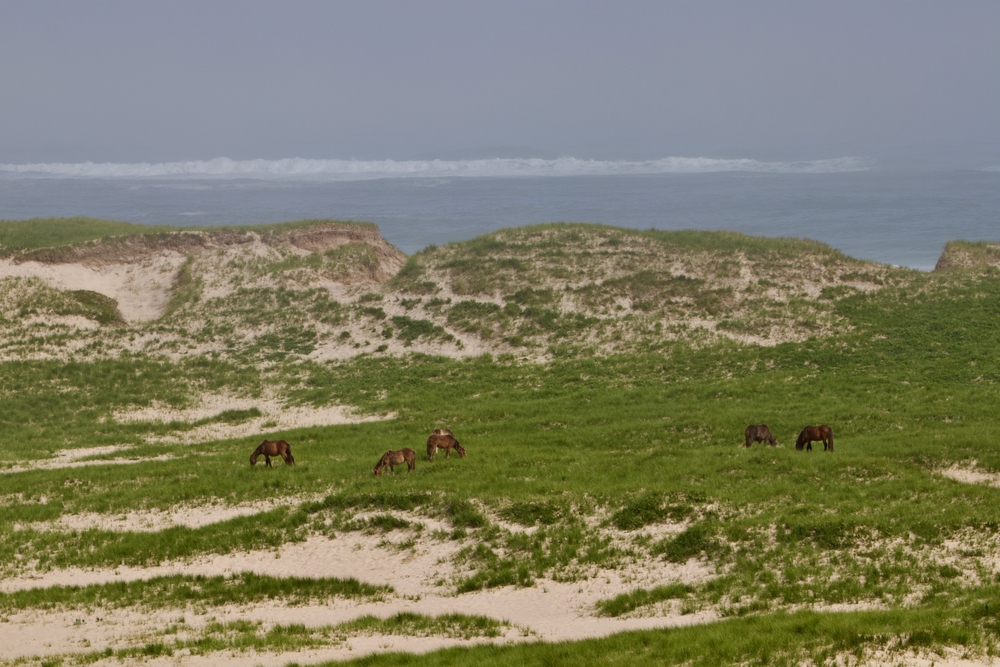
Sable Island lies far off the coast of Nova Scotia in the Atlantic Ocean. The island is famous for wild horses and fragile dune ecosystems. It holds the status of a protected national park reserve. Visitor access is tightly regulated through federal permit systems. Travel requires coordination with Parks Canada and approved transport providers. The island lacks regular public transportation and safe docking facilities. The weather changes quickly and creates dangerous conditions. Human presence is limited to protect wildlife and vegetation. Restrictions preserve the island’s ecosystem and reduce environmental damage from tourism.
Peace Tower Interior
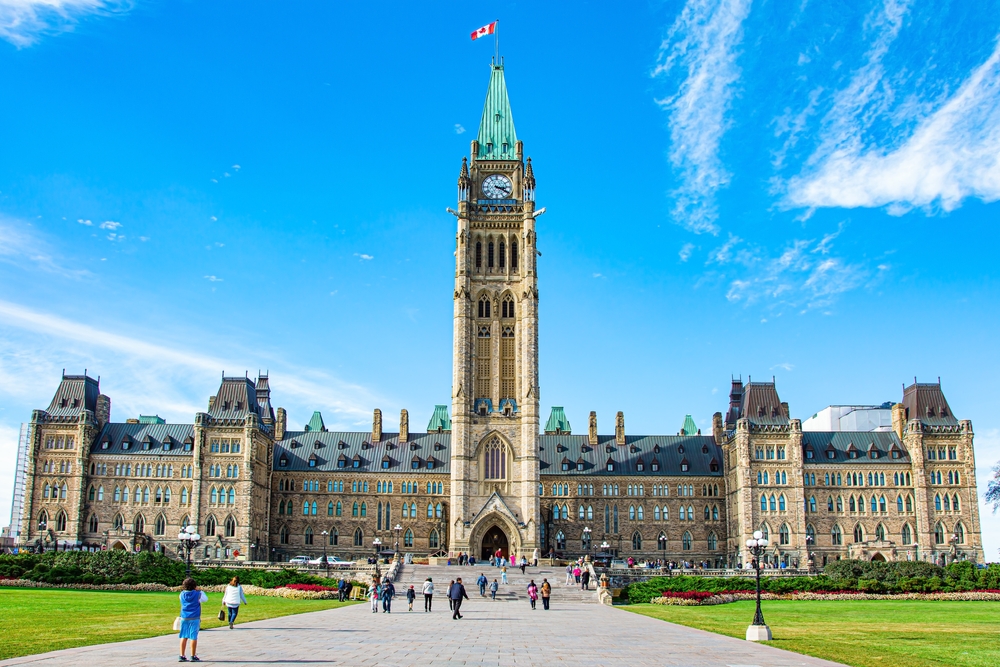
The Peace Tower stands at the center of Canada’s Parliament buildings in Ottawa. Its interior includes offices, a memorial chamber, and structural maintenance areas. Public entry is limited to guided tours and approved sections. Security screening takes place before access to the parliamentary buildings. Certain internal areas remain closed to visitors at all times. The Memorial Chamber contains Books of Remembrance honoring fallen Canadians. Preservation standards protect historic architecture and artifacts. Structural design and height also restrict crowd capacity. These controls protect heritage features while maintaining security within the national legislature complex.
Bank of Canada Vaults
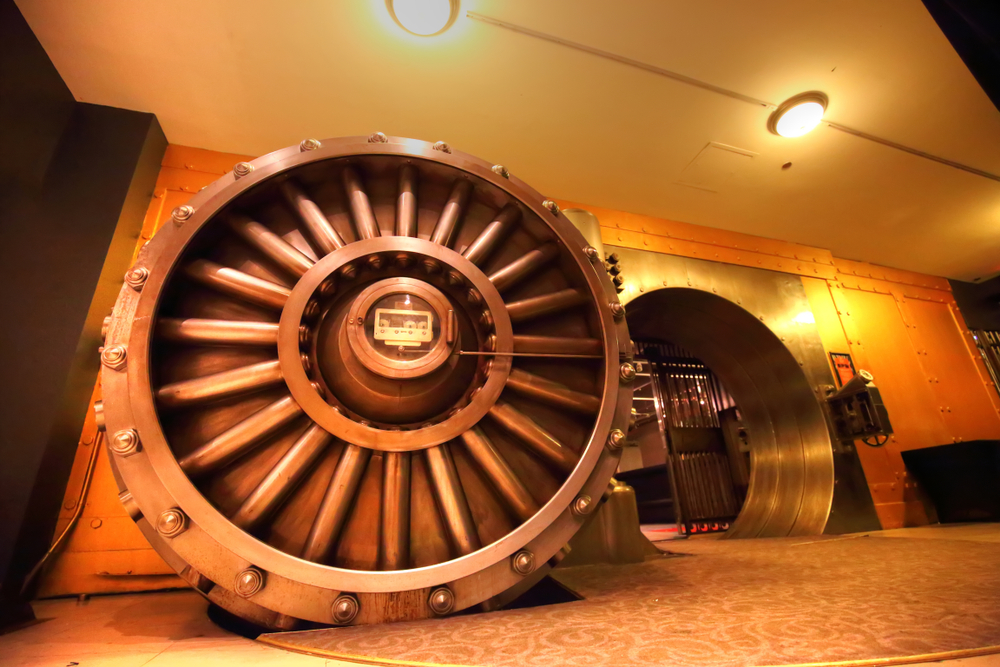
The Bank of Canada operates secure facilities that support national financial systems. Its vault areas store sensitive materials and financial assets. Access is restricted to personnel with appropriate security clearance. Entry involves surveillance monitoring and controlled checkpoints. The bank manages currency distribution and financial stability functions. Public tours do not include vault spaces or operational zones. Security policies prevent disclosure of internal layouts or storage details. These vaults form part of Canada’s economic infrastructure. Restrictions reduce risks of theft, disruption, or interference with monetary operations and national financial stability.
Churchill Military Training Areas
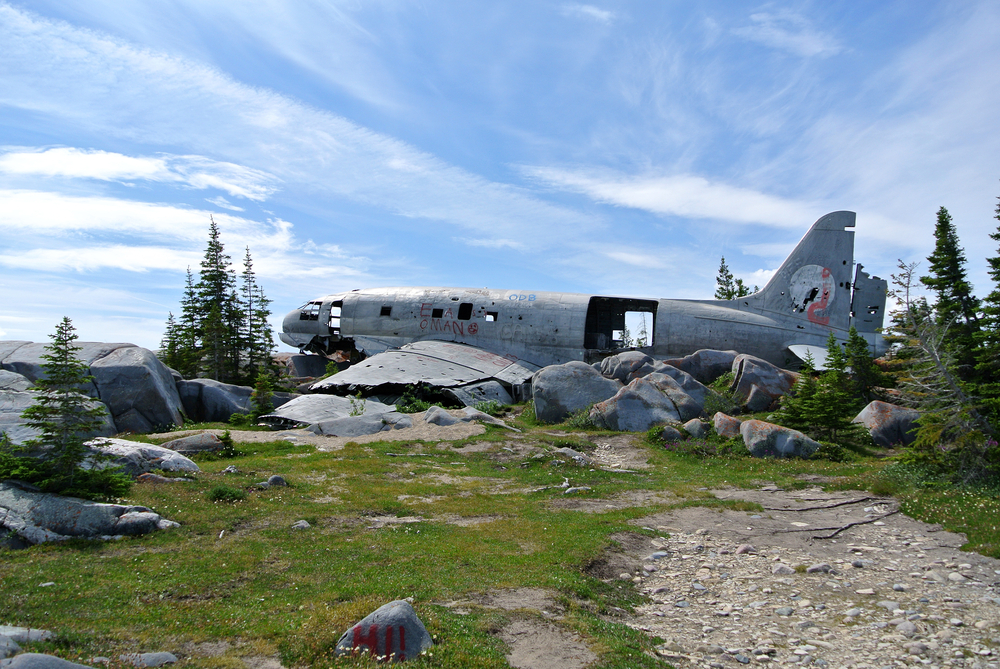
Areas near Churchill, Manitoba, include designated military training zones in northern terrain. These regions support Arctic and cold-weather exercises for Canadian Forces units. Access to specific zones requires defense authorization and coordination. Live training may involve vehicles, aircraft, and specialized equipment. Uncontrolled civilian entry creates serious safety risks. The landscape also presents hazards like remote conditions and limited infrastructure. Notices and mapping systems mark restricted sections clearly. Travel in the surrounding regions remains possible with planning. Restricted areas exist to protect public safety and maintain readiness for military operations in extreme environments.
SGang Gwaay
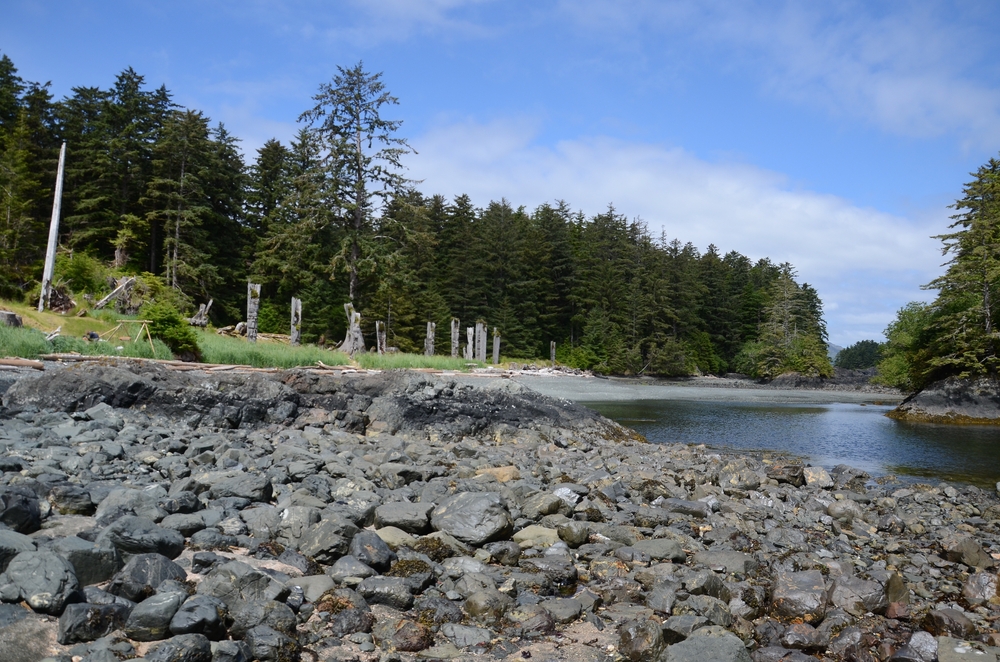
SGang Gwaay sits on Haida Gwaii in British Columbia and holds UNESCO World Heritage status. The site contains historic Haida village remains and carved totem poles. Cultural and archaeological value make preservation a priority. Visitor numbers are strictly limited through permit systems. Access often requires guided visits approved by local authorities. Weather, tides, and remote location add logistical challenges. Human impact can damage fragile wooden structures and landscapes. Monitoring protects cultural heritage and natural surroundings. Restrictions exist to respect Indigenous heritage and prevent deterioration of irreplaceable historic sites.
Queen Charlotte Sound Glass Sponge Reefs
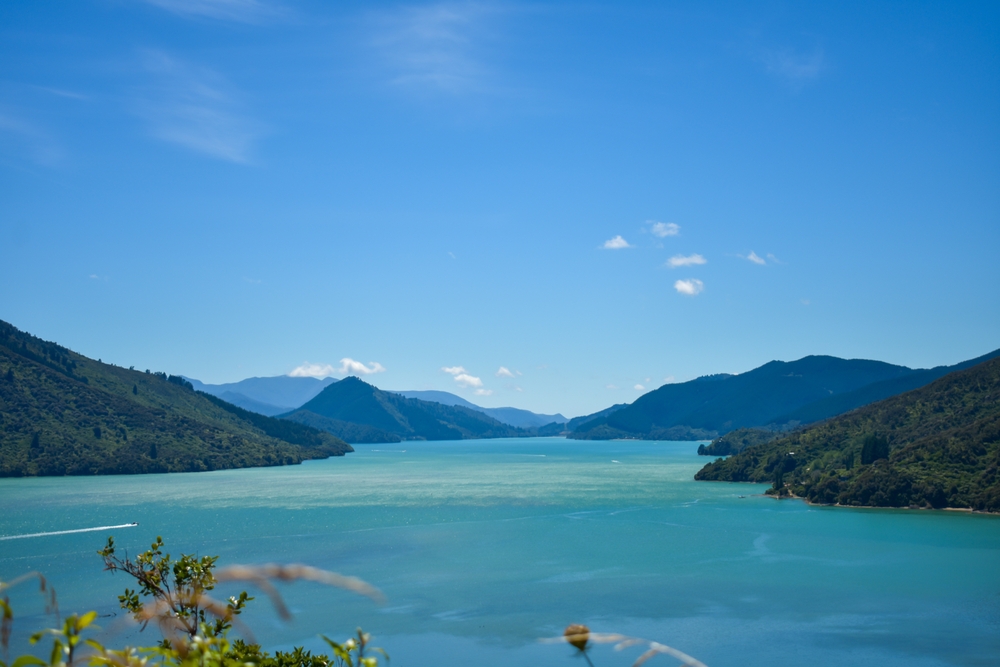
The glass sponge reefs in Queen Charlotte Sound lie off the coast of British Columbia. These reefs are rare marine ecosystems formed by ancient sponge species. They exist in deep waters and remain highly sensitive to disturbance. Fishing, anchoring, and certain vessel activities are restricted in protected zones. Government regulations limit access to prevent physical damage. Scientific research occurs under controlled conditions and permits. Public diving or exploration is not freely allowed. Protection helps preserve biodiversity and scientific value. Restrictions reduce human impact on these fragile underwater habitats.
RCMP Depot Division
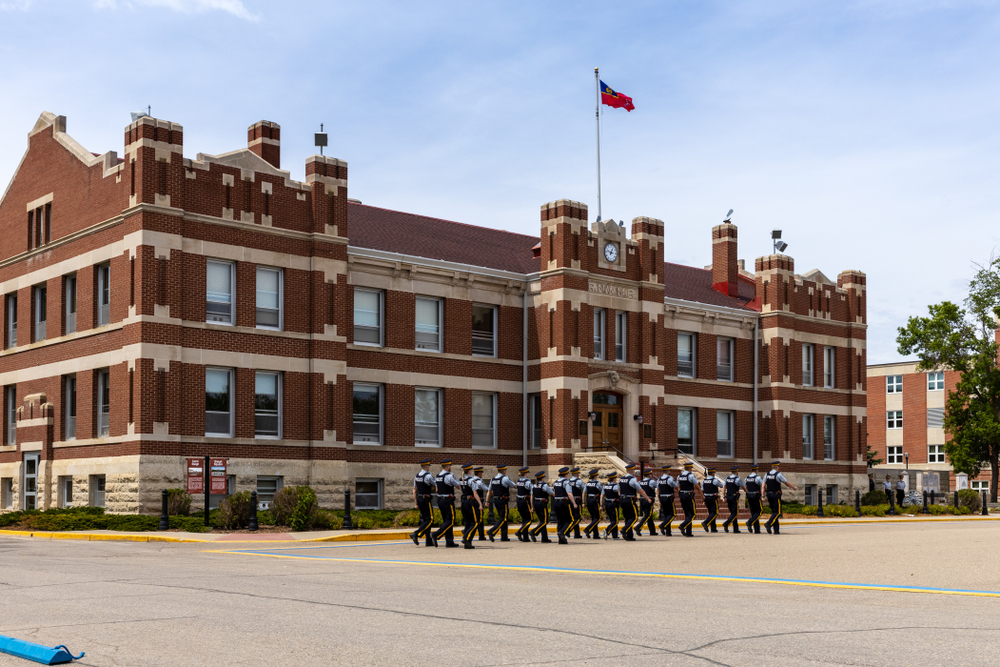
The RCMP Depot Division in Regina serves as the national training academy for recruits. It functions as an active law enforcement training environment. Access to most areas requires authorization from the Royal Canadian Mounted Police. Security controls protect trainees, staff, and operational procedures. Training activities include physical exercises, classroom instruction, and scenario simulations. Public access is limited to designated events or approved tours. Sensitive facilities remain closed to visitors. Restrictions maintain safety, privacy, and training effectiveness. Controlled access also protects law enforcement methods and internal procedures from public exposure.
SNOLAB
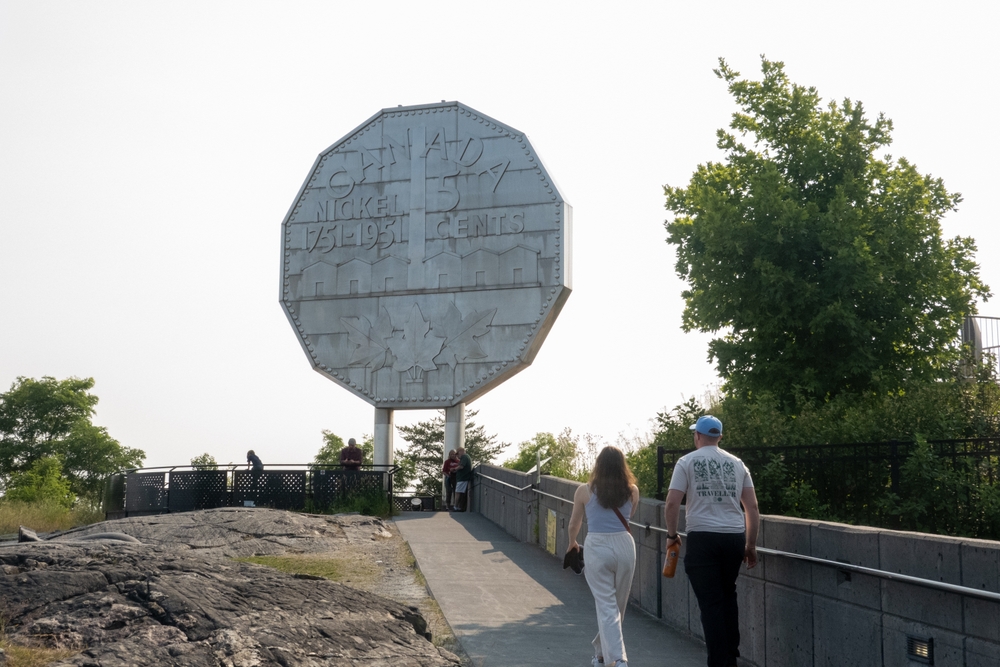
SNOLAB operates deep underground in a mine near Sudbury, Ontario. The facility supports advanced physics and scientific experiments. Its underground location shields research from cosmic radiation interference. Entry requires safety training, protective procedures, and official authorization. The lab maintains strict cleanliness standards to protect experiments. Public visits are not permitted in research areas. Access involves specialized transport through mining infrastructure. Scientific equipment and research environments remain highly controlled. Restrictions protect personnel safety and experiment integrity. Controlled access also prevents contamination that could affect sensitive scientific measurements.
Canadian Forces Station Leitrim
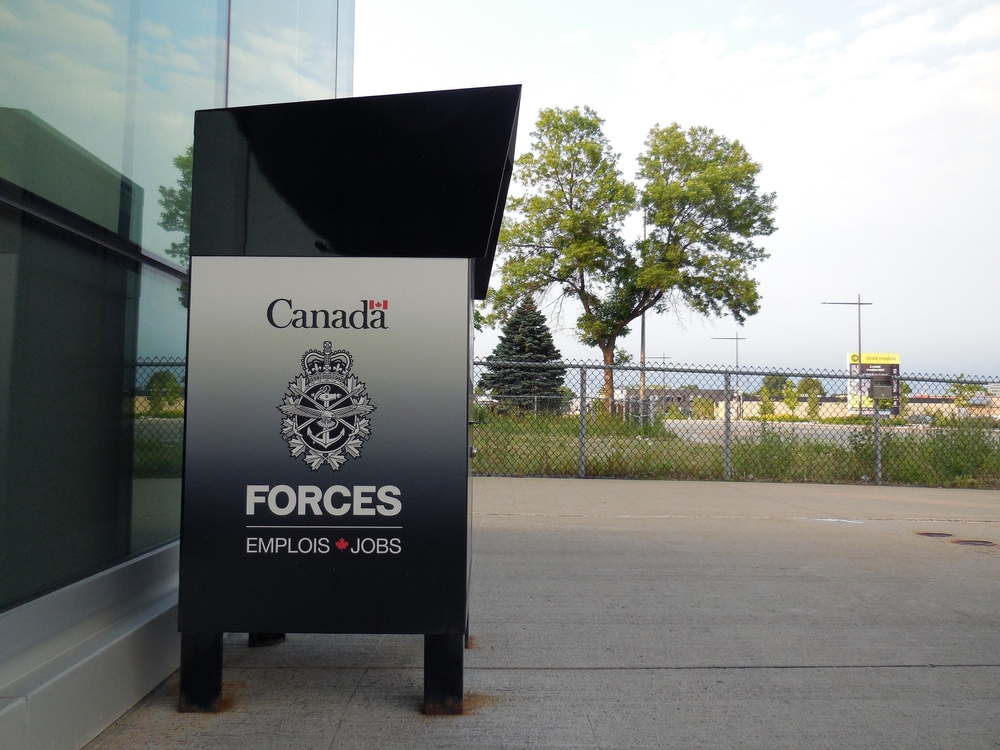
Canadian Forces Station Leitrim is a communications and signals facility in Ontario. The station supports national defense and intelligence-related functions. Access is limited to cleared personnel and authorized staff. Security measures include surveillance, controlled entry, and restricted perimeters. Operational details are not publicly disclosed. The facility supports monitoring and communication activities. Civilian entry is not allowed without official clearance. Protection of classified systems remains a priority. Restrictions are in place to safeguard sensitive information, defense infrastructure, and national security operations conducted at the site.
Rideau Hall Private Grounds
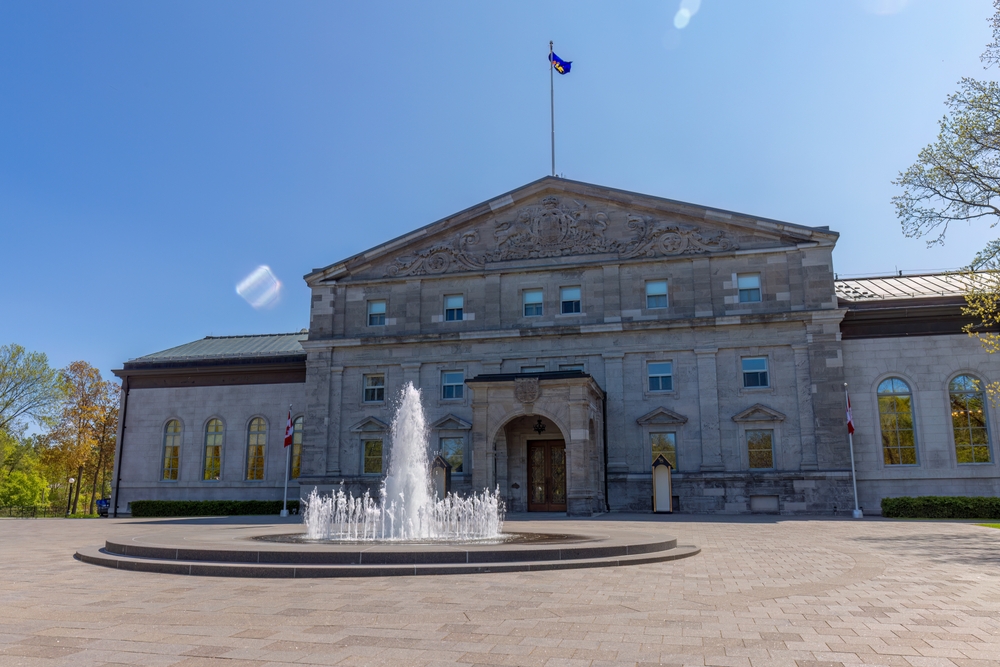
Rideau Hall in Ottawa serves as the official residence of the Governor General of Canada. Portions of the estate remain open to public tours. Private grounds and certain buildings are restricted areas. Security personnel monitor access points across the property. Official events and state functions take place within controlled zones. Visitor movement is limited to designated paths and times. Residential and operational sections stay closed. These restrictions protect privacy, security, and official activities. Controlled access helps maintain the dignity and safety of Canada’s vice regal residence and its occupants.
22 Groceries to Grab Now—Before another Price Shock Hits Canada

Food prices in Canada have been steadily climbing, and another spike could make your grocery bill feel like a mortgage payment. According to Statistics Canada, food inflation remains about 3.7% higher than last year, with essentials like bread, dairy, and fresh produce leading the surge. Some items are expected to rise even further due to transportation costs, droughts, and import tariffs. Here are 22 groceries to grab now before another price shock hits Canada.
22 Groceries to Grab Now—Before another Price Shock Hits Canada
