Outdoor spots across Canada attract growing numbers of visitors each year. Lakes, trails, and lookouts that once felt open now operate under tighter controls. Park agencies respond to crowding, safety incidents, and environmental damage. New rules cover parking, wildlife interaction, drones, fires, and trail use. Fines apply when visitors ignore posted regulations. Many changes focus on protecting fragile alpine and coastal ecosystems. Others aim to reduce accidents in steep or remote terrain. Here are 17 Canadian lakes, trails, and lookouts that now have strict rules (fines included).
Lake Louise, Alberta
Lake Louise receives extremely high visitor numbers during peak seasons in Banff National Park. Parks Canada restricts roadside parking when lots reach capacity. Visitors often must use shuttle services or approved transit. Stopping along nearby highways can result in fines. Wildlife protection rules prohibit feeding or approaching animals. Trail closures sometimes happen due to bear activity. Drone use is banned without permits. Littering penalties apply throughout the area. Campfires remain prohibited outside designated locations. These measures control crowding, protect wildlife, and reduce environmental damage in this sensitive alpine setting.
Moraine Lake, Alberta
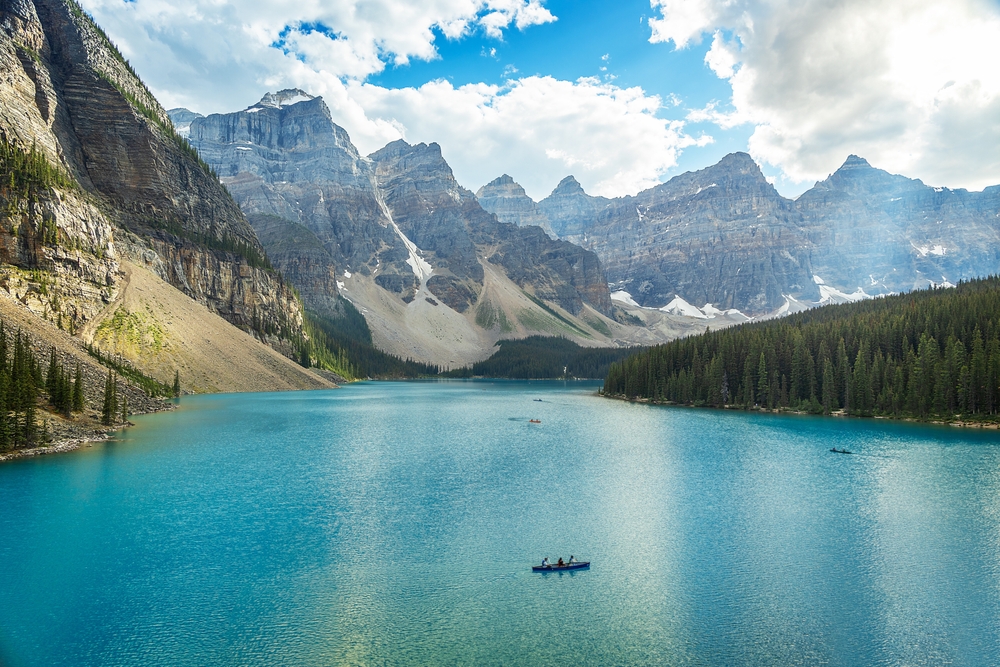
Moraine Lake sits in the Valley of the Ten Peaks inside Banff National Park. Private vehicle access along Moraine Lake Road is restricted. Visitors must book Parks Canada shuttles or licensed transit. Roadside stopping and illegal parking bring significant fines. Trail rules require staying on marked paths. Wildlife laws prohibit feeding or approaching animals. Drone flights remain banned across national parks. Commercial activities need permits. Timed entry systems operate during peak months. These rules reduce congestion and protect fragile alpine ecosystems from heavy tourism pressure.
Garibaldi Lake, British Columbia
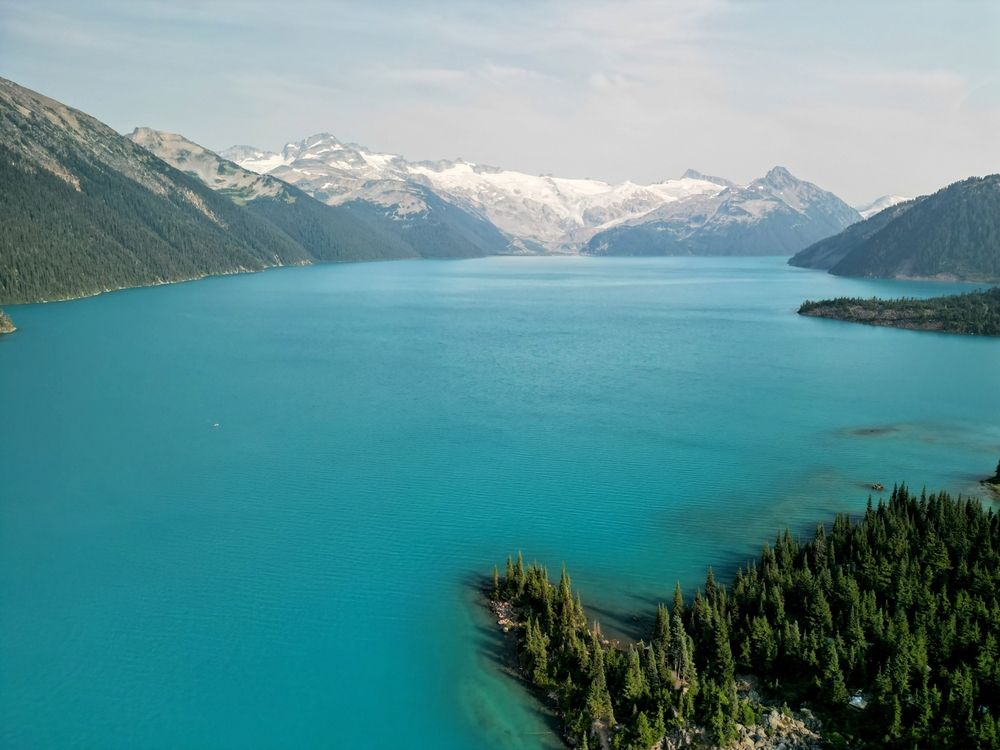
Garibaldi Lake lies within Garibaldi Provincial Park in British Columbia. Day users must follow designated trail routes only. Camping requires reservations through the park system. Random camping outside approved sites can lead to penalties. Campfires are banned in alpine zones to prevent wildfires. Dogs must remain on leash along trails. Drone use is restricted within provincial parks. Group size limits may apply during busy periods. Waste must be packed out under Leave No Trace policies. These rules protect sensitive alpine landscapes and limit environmental damage from growing visitor numbers.
Joffre Lakes, British Columbia
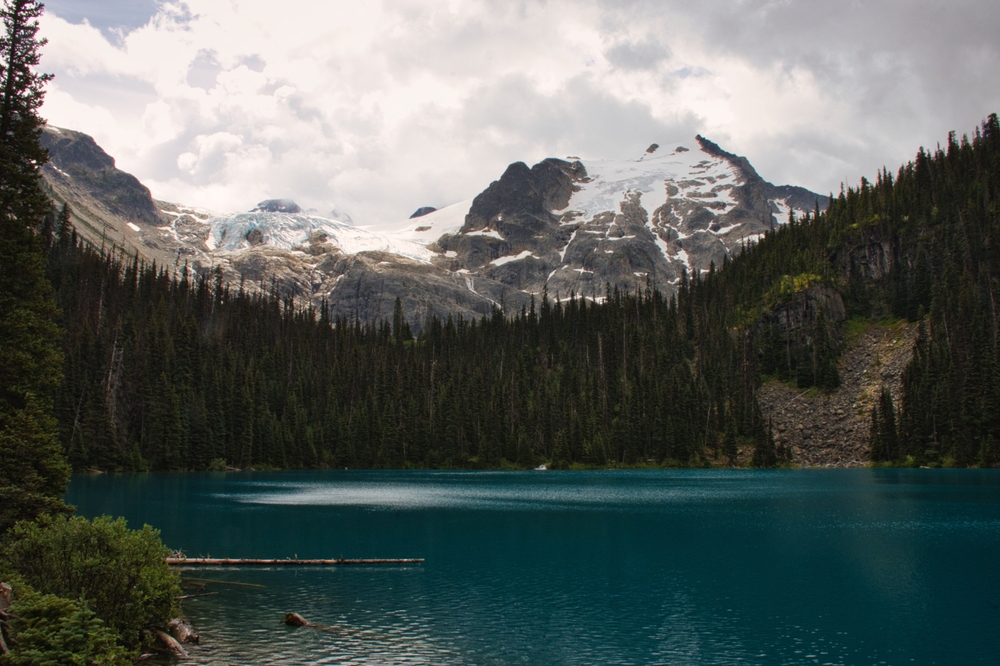
Joffre Lakes Provincial Park requires day pass reservations during peak travel seasons. Entry without a valid pass can result in fines. Visitors must stay on marked trails and boardwalks. Certain lakes discourage swimming for safety reasons. Campfires are prohibited across most of the park. Dogs must stay leashed at all times. Drone operation is not allowed without authorization. Parking outside designated areas risks tickets or towing. Waste disposal follows strict pack out practices. These controls manage crowding and protect fragile glacier-fed lake ecosystems.
Emerald Lake, British Columbia
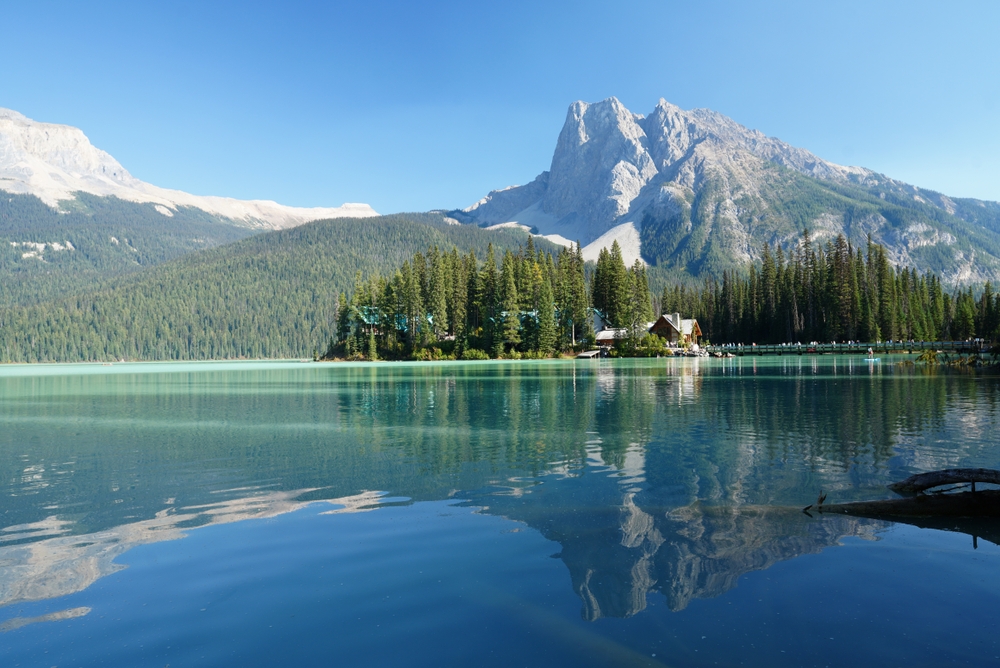
Emerald Lake sits within Yoho National Park in British Columbia. Visitor parking fills quickly during peak travel months. Illegal roadside parking can lead to fines. Trail users must remain on designated pathways. Feeding wildlife or leaving food unattended is prohibited. Commercial filming and drone use require permits. Seasonal closures may affect access. Littering and off-trail hiking carry penalties. Watercraft rules restrict motorized equipment. These regulations limit environmental stress and protect wildlife habitats around this popular alpine lake destination.
Peyto Lake Viewpoint, Alberta
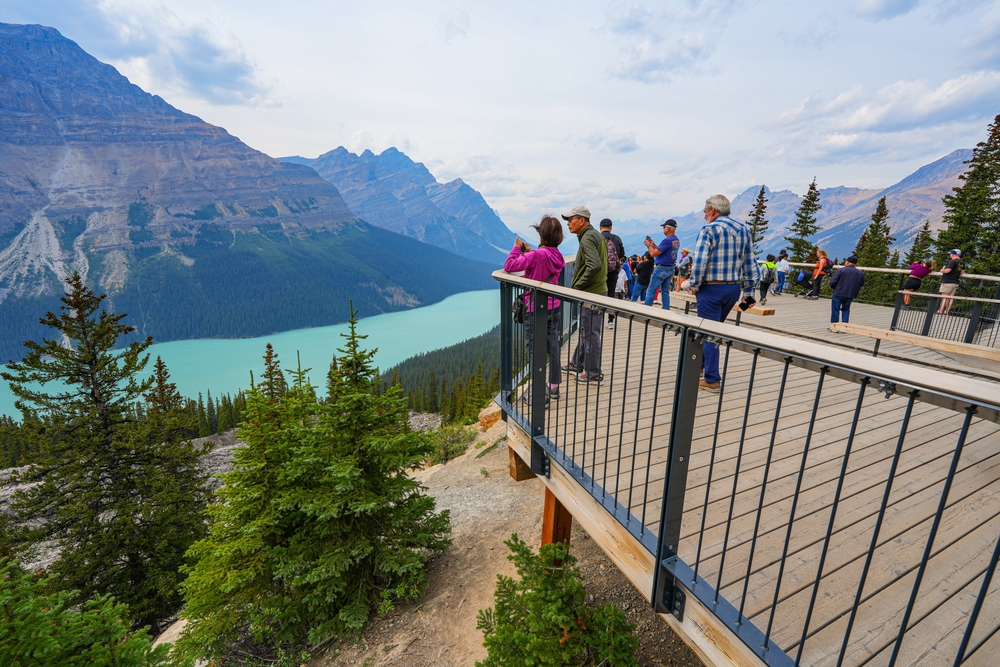
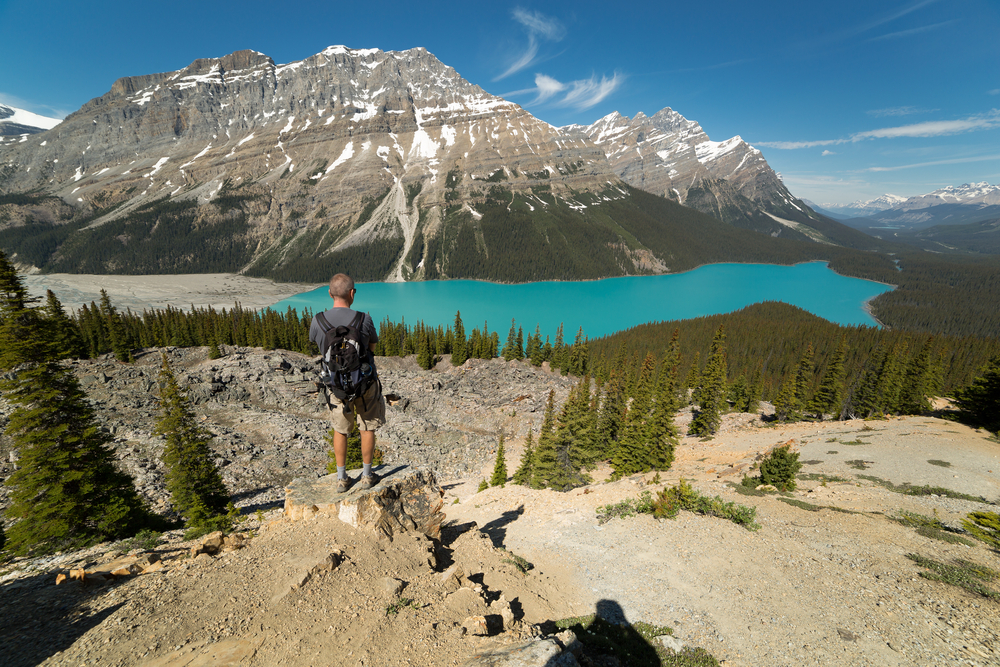
Peyto Lake Viewpoint along the Icefields Parkway attracts large visitor numbers. Parking is limited to designated lots only. Stopping on highway shoulders can bring fines. Barriers protect steep drop-offs near the lookout. Visitors must stay behind safety railings. Drone flights are banned within Banff National Park. Wildlife feeding laws apply across the area. Trail closures may occur during bear activity. Littering and off-trail travel carry penalties. These rules reduce accidents and help preserve fragile mountain landscapes exposed to heavy tourism.
The Crack Trail, Ontario
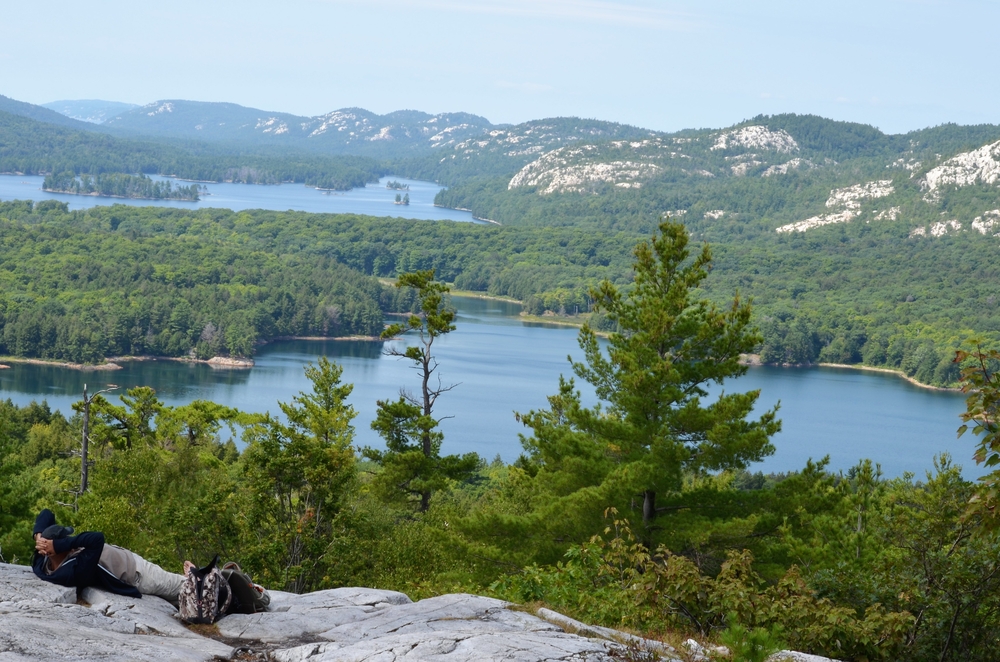
The Crack Trail in Killarney Provincial Park leads to a narrow quartzite ridge. High visitor numbers prompted stricter trail use rules. Hikers must stay on marked routes to prevent erosion. Off-trail travel can damage fragile lichen and vegetation. Day-use permits apply during peak seasons in some areas. Campfires are banned outside approved sites. Dogs must remain leashed on park trails. Parking violations can lead to fines. Waste must be packed out under park regulations. These measures protect sensitive landscapes and reduce environmental impact from growing hiking traffic.
Gros Morne Tablelands Trail, Newfoundland and Labrador
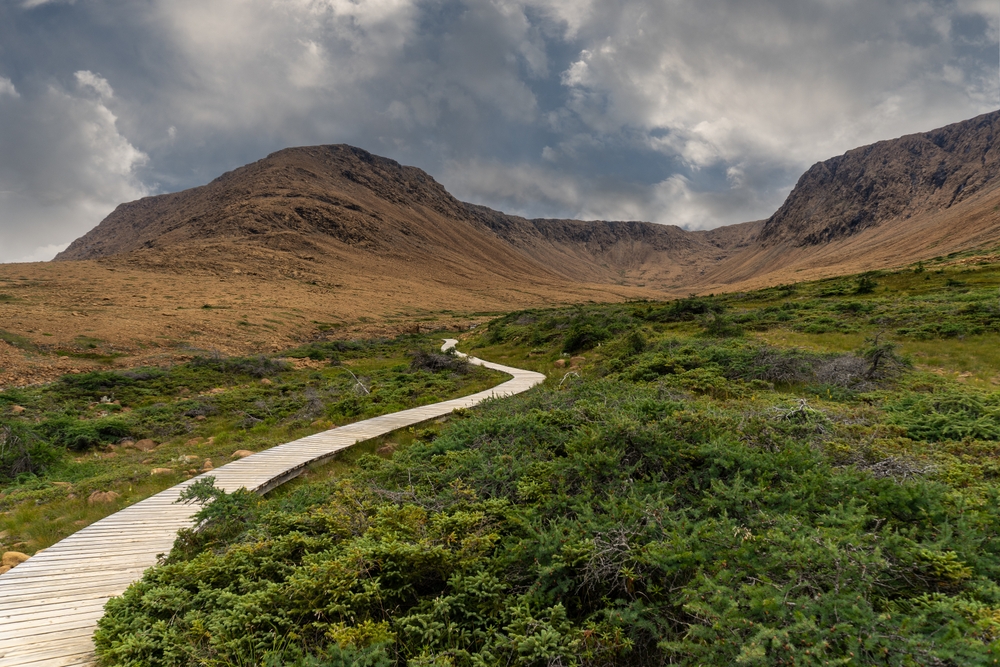
The Tablelands Trail crosses a rare geological formation in Gros Morne National Park. The surface contains fragile soil and plant communities. Visitors must remain on established paths and boardwalk sections. Collecting rocks or plants is prohibited. Trail closures may occur during restoration or weather events. Wildlife feeding laws apply across the park. Drone use requires authorization. Littering and camping outside designated areas can bring penalties. These restrictions protect a globally significant landscape. Rules help preserve unique geological features and prevent damage from increasing visitor pressure.
Ha Ling Peak, Alberta
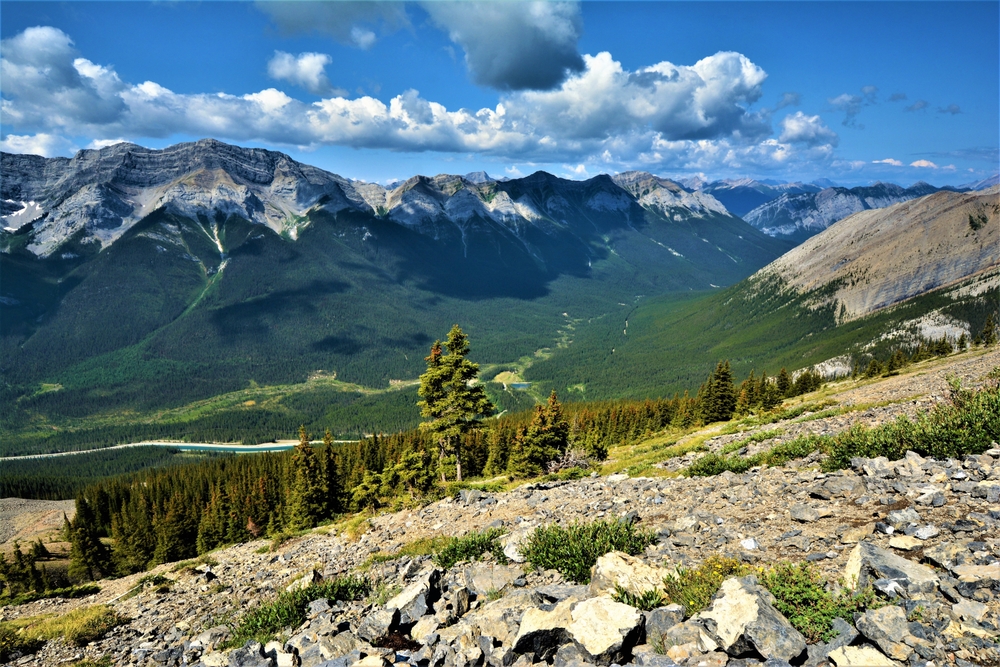
Ha Ling Peak near Canmore is a popular summit hike with steep sections. Trail upgrades added safety features and defined routes. Hikers must stay on the constructed trail to prevent erosion. Shortcutting switchbacks damages vegetation and can bring fines. Dogs must remain leashed due to wildlife presence. Drone use is restricted in provincial park areas. Parking rules apply at trailheads. Wildlife feeding remains illegal. Weather changes quickly, increasing rescue risks. These rules improve safety and protect alpine terrain under heavy recreational use.
Johnston Canyon, Alberta
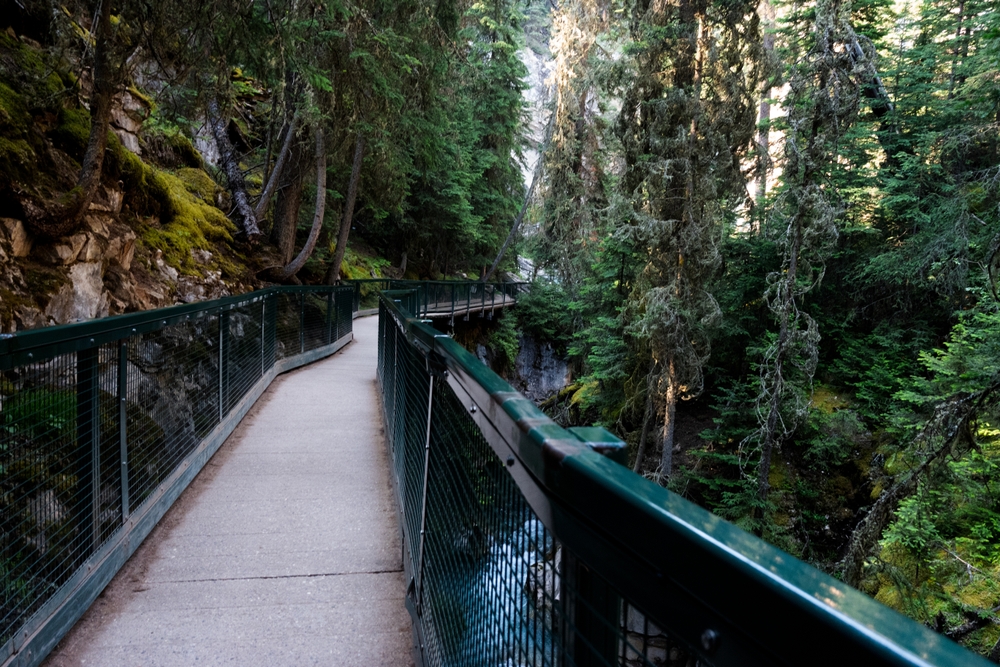
Johnston Canyon features waterfalls and narrow walkways inside Banff National Park. Boardwalks guide visitors through fragile canyon environments. Leaving marked paths risks fines and safety hazards. Railings protect steep drop-offs along the route. Winter travel may require traction devices. Drone use is banned within national parks. Wildlife feeding laws apply throughout the canyon. Littering carries penalties. Trail closures can occur during maintenance or wildlife activity. These measures reduce accidents and protect natural features from heavy visitor traffic.
Quarry Rock, British Columbia
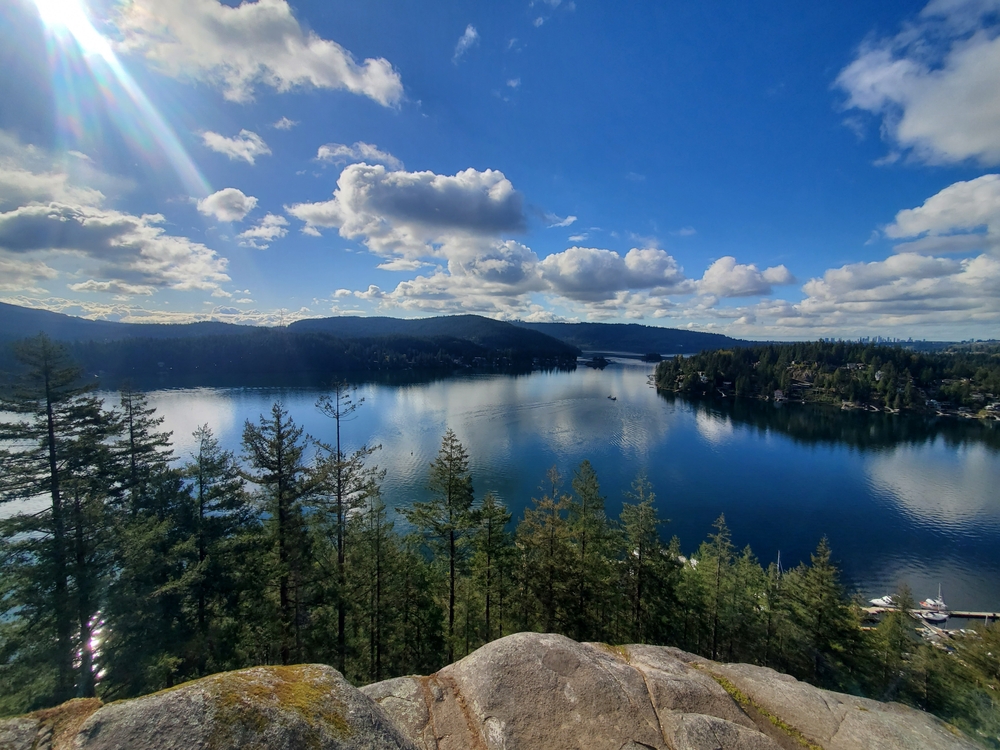
Quarry Rock in North Vancouver offers a lookout over Burrard Inlet. High traffic caused trail erosion and safety concerns. Visitors must remain on marked paths. Shortcutting damages vegetation and may lead to fines. Parking restrictions apply in nearby residential areas. Dogs must stay leashed on the trail. Littering and smoking in forested areas can bring penalties. Trail closures sometimes occur during maintenance. These rules reduce environmental damage and address neighborhood impact from increased hiking activity.
Montmorency Falls Park, Quebec
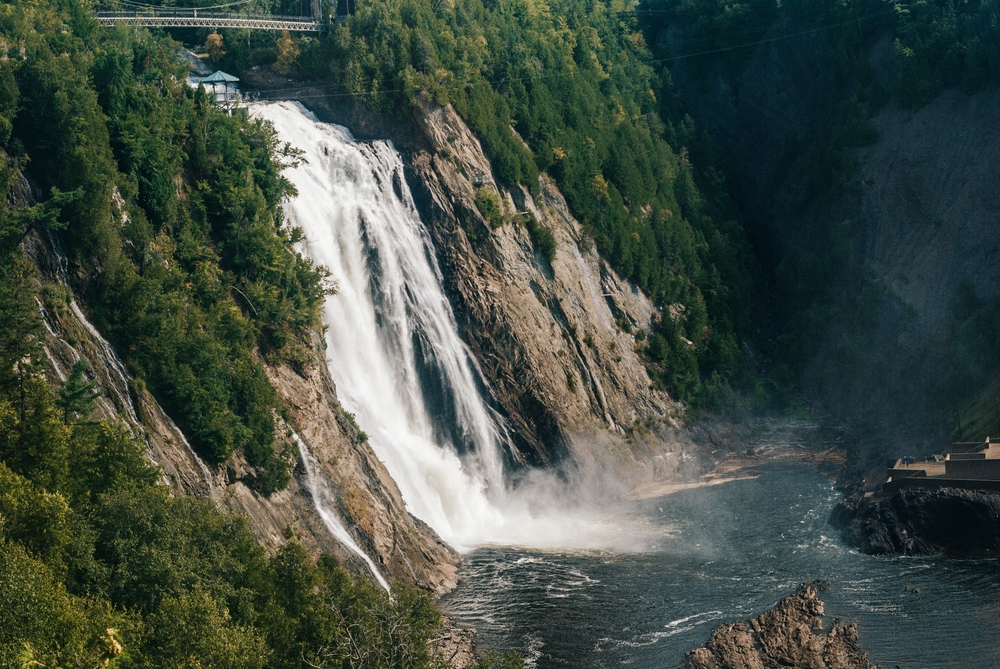
Montmorency Falls Park attracts visitors to its suspension bridge and stairways. Safety barriers limit access to steep edges. Climbing outside designated areas is prohibited. Winter conditions increase slipping hazards on stairs and platforms. Drone use requires permits under park regulations. Parking rules apply within the park grounds. Littering carries fines. Certain zones close during maintenance or severe weather. These measures protect visitors and preserve infrastructure at this major Quebec natural attraction.
Sleeping Giant Top of the Giant Trail, Ontario
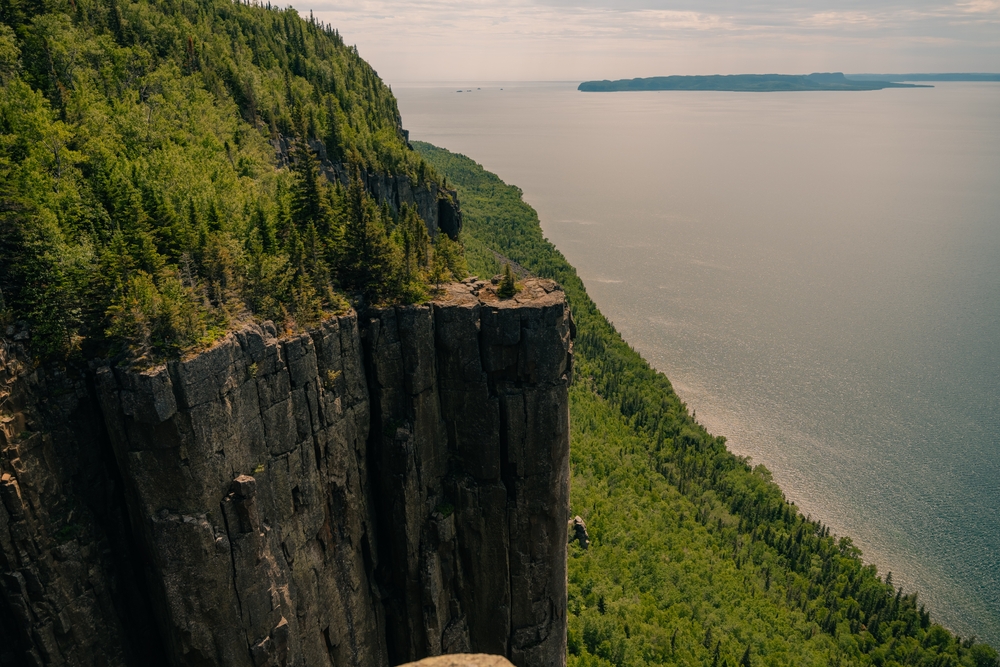
The Top of the Giant Trail leads to cliffs overlooking Lake Superior. The route includes steep climbs and exposed sections. Hikers must stay on marked trails for safety. Camping is allowed only in designated areas. Campfire restrictions apply during dry conditions. Dogs must remain leashed in the park. Littering and food waste attract wildlife and bring penalties. Parking rules apply at trailheads. Trail closures may occur due to weather or maintenance. These rules protect hikers and fragile cliffside ecosystems.
Fundy Footpath, New Brunswick
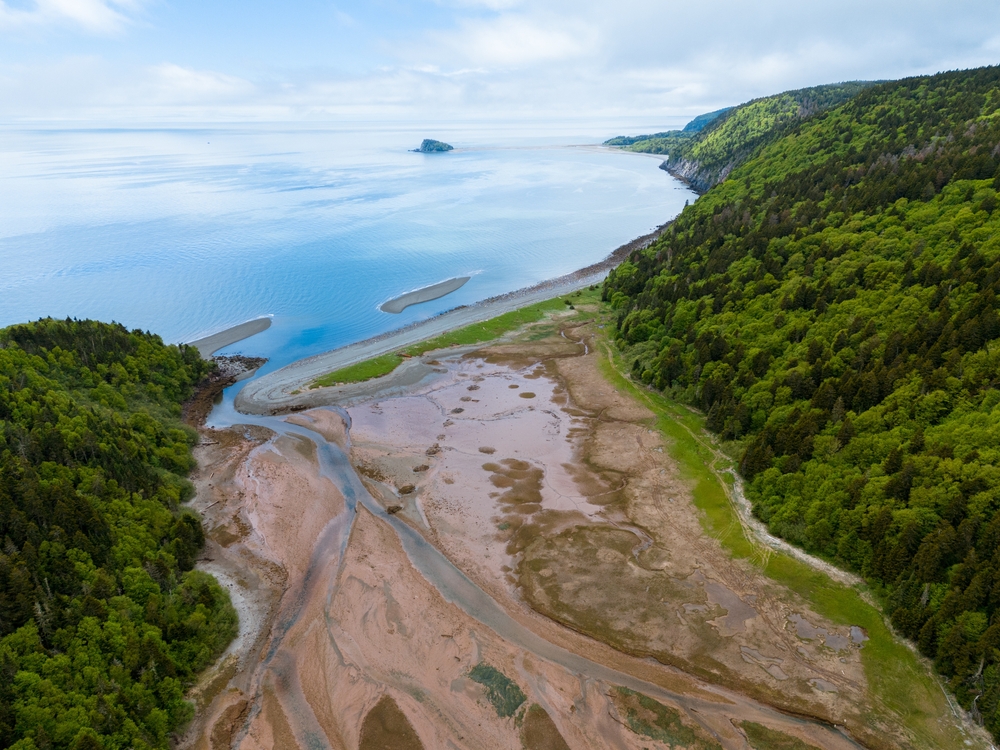
The Fundy Footpath follows the rugged coastline along the Bay of Fundy. Tides here rise and fall among the highest in the world. Hikers must plan routes around tide schedules to avoid being stranded. Backcountry travel requires registration at designated points. Camping is allowed only at approved sites along the trail. Open fires may be restricted during dry periods. Rescue access is limited due to remote terrain. Littering and improper waste disposal can bring fines. These rules protect visitor safety and preserve sensitive coastal ecosystems from increasing foot traffic.
Spirit Island Viewpoint, Alberta
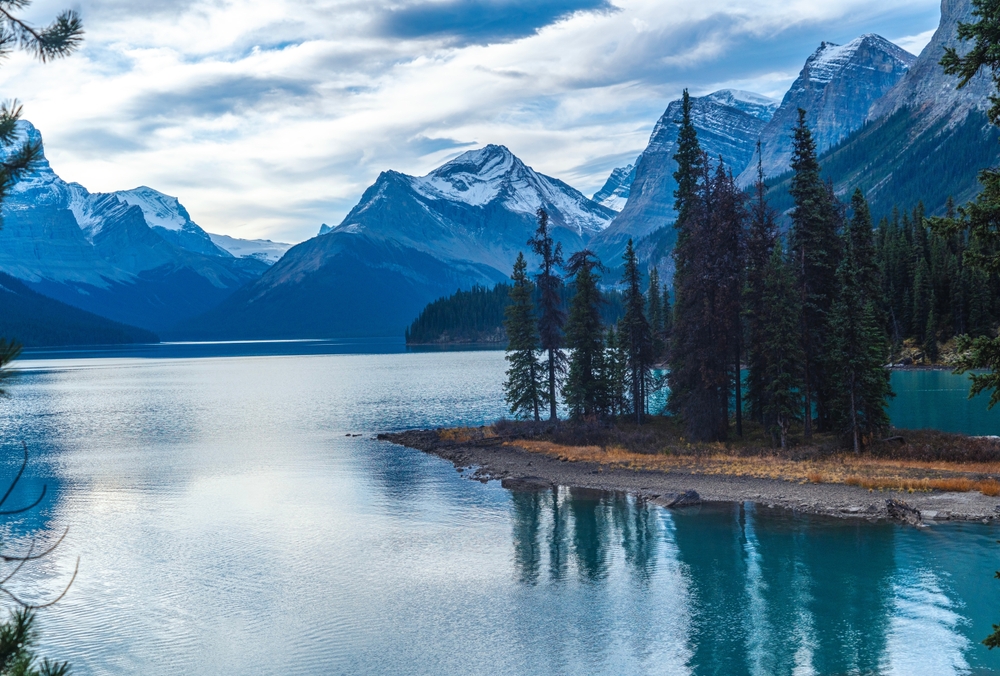
Spirit Island sits on Maligne Lake within Jasper National Park. Access to the viewpoint is primarily through licensed boat tours. An independent shoreline approach is restricted in many areas. Wildlife laws prohibit feeding or approaching animals. Drone use remains banned in national parks. Visitors must stay on designated paths and viewing zones. Littering carries penalties across the park. Water safety rules apply to guided tours. Seasonal closures may occur due to wildlife or weather. These controls protect cultural significance, wildlife habitats, and visitor safety at this iconic location.
Cape Split Trail, Nova Scotia
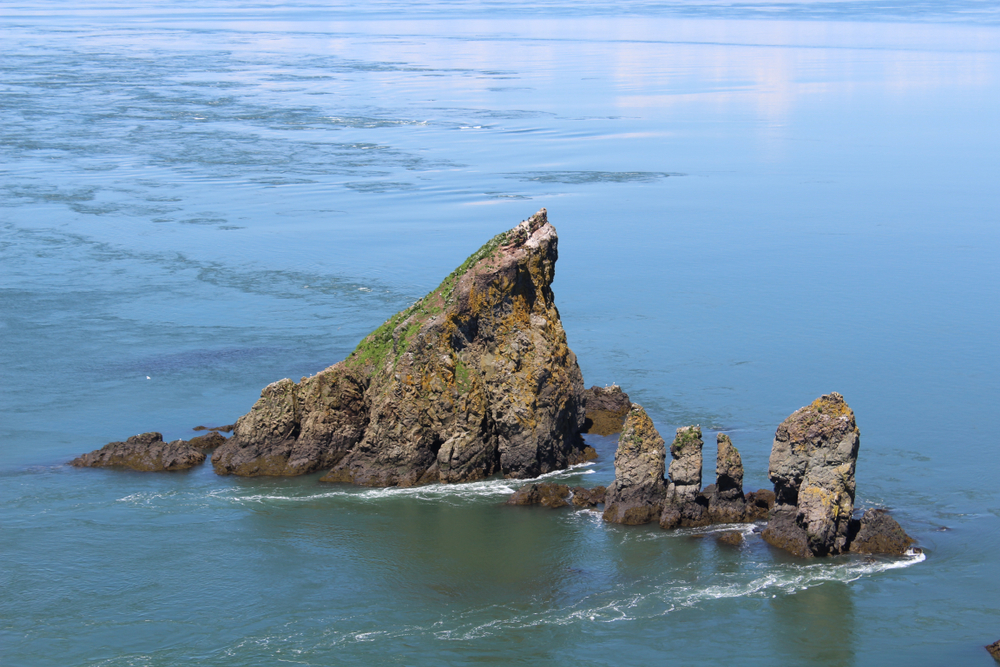
Cape Split Trail leads to cliffs overlooking the Bay of Fundy. The route passes through forest and exposed coastal edges. Visitors must stay on marked paths to reduce erosion. Cliff edges pose serious fall risks, especially in wet weather. Camping is not permitted along the main trail. Littering and fires can bring penalties. Parking regulations apply at trailhead areas. Wildlife disturbance rules protect local species. Weather changes quickly near the coast. These guidelines improve safety and limit environmental damage from high visitor numbers.
Athabasca Glacier Toe Area, Alberta
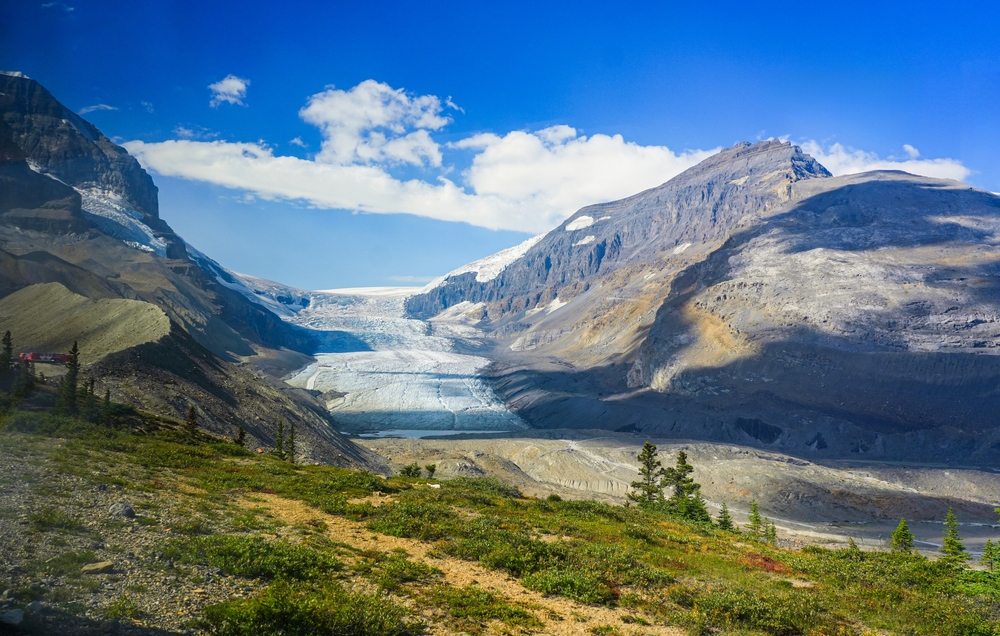
The Athabasca Glacier toe area is located on the Columbia Icefield in Jasper National Park. Visitors often approach the glacier edge from designated zones. Travel onto the glacier without proper equipment is strongly discouraged. Crevasses and unstable ice create serious hazards. Warning signs mark unsafe areas near the ice. Commercial guiding on the glacier requires permits. Drone flights remain prohibited in national parks. Littering and off-trail travel can result in fines. These measures protect visitor safety and reduce environmental impact on a rapidly changing glacier landscape.
22 Groceries to Grab Now—Before another Price Shock Hits Canada

Food prices in Canada have been steadily climbing, and another spike could make your grocery bill feel like a mortgage payment. According to Statistics Canada, food inflation remains about 3.7% higher than last year, with essentials like bread, dairy, and fresh produce leading the surge. Some items are expected to rise even further due to transportation costs, droughts, and import tariffs. Here are 22 groceries to grab now before another price shock hits Canada.
22 Groceries to Grab Now—Before another Price Shock Hits Canada
