Duty-free shopping can create confusion for Canadian travelers. Stores remove local taxes at the point of sale. That does not always mean the items enter Canada tax-free. Personal exemptions depend on trip length and total value. Certain goods also fall under agricultural or health rules. High-value items can quickly exceed limits. Travelers sometimes rely on store claims instead of border regulations. Officers calculate duties based on Canadian customs rules. Here are 15 ‘duty-free’ purchases that aren’t actually duty-free for Canadians.
Alcohol Over Personal Limits
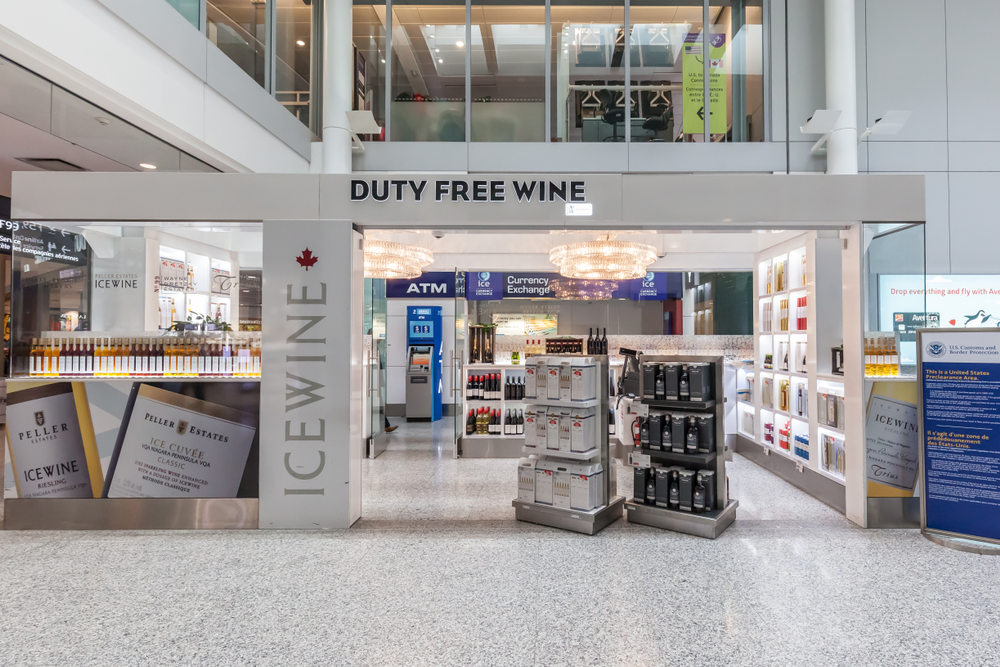
Alcohol bought at duty-free shops is only tax-free at the point of sale. Canadian border exemptions depend on how long you were outside the country. Each traveler has specific limits for beer, wine, and spirits. Bringing more than allowed means paying duties and taxes. Officers check bottle sizes, alcohol percentage, and receipts. Short trips often provide little or no exemption. Undeclared excess alcohol can be seized. Travelers sometimes think duty-free means unlimited, which is wrong. Border rules, not store claims, determine what actually enters Canada tax-free.
Tobacco Products Above Exemptions
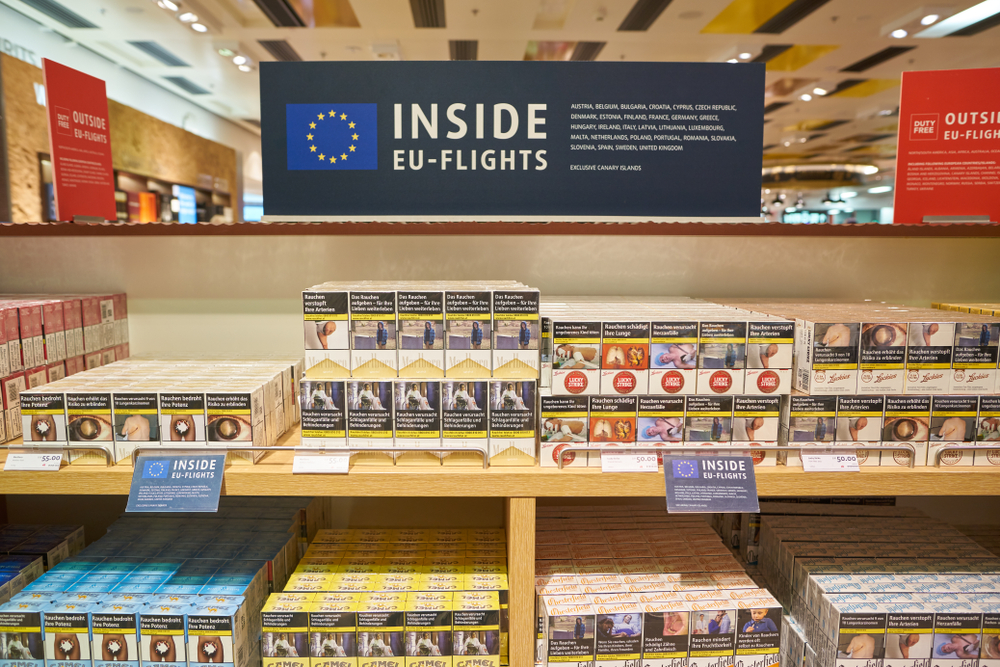
Tobacco bought duty-free still faces strict Canadian quantity limits. Exemptions vary based on how long you were away. Cigarettes, cigars, and loose tobacco each have separate limits. Exceeding those limits results in duties, taxes, or fines. Officers may count cartons and examine packaging. Travelers often miscalculate totals or misunderstand product types. Undeclared tobacco can be confiscated. Duty-free pricing applies only to purchases made, not at the border. Canadian import rules determine what actually qualifies for tax-free entry.
Perfume Exceeding Volume Allowances
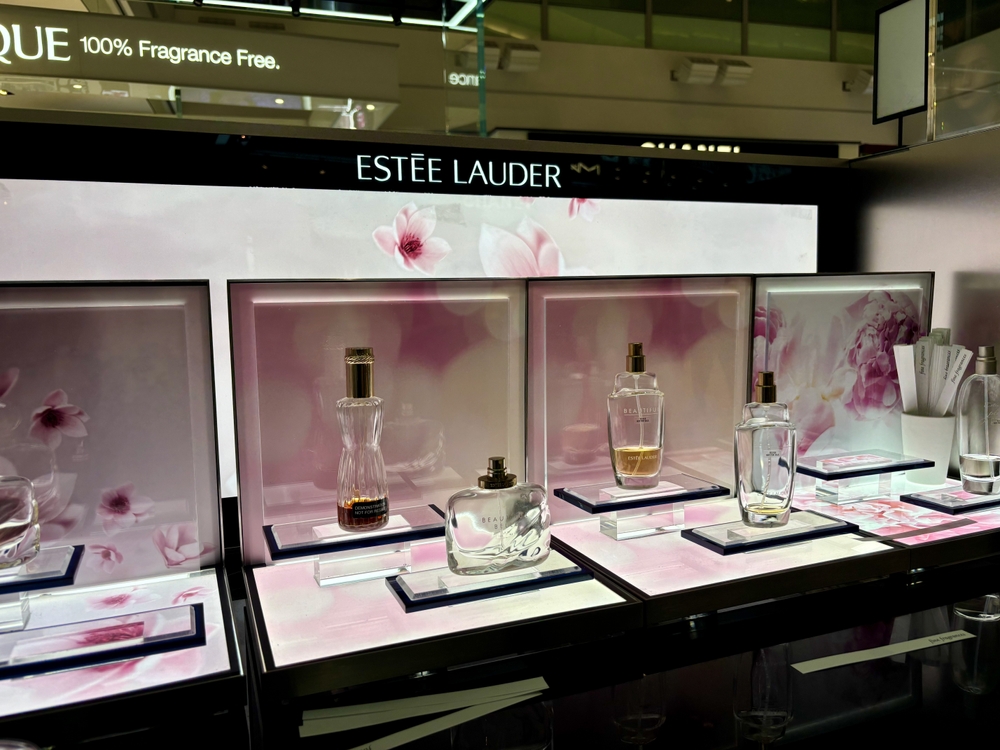
Perfume from duty-free stores can still be taxed at re-entry. Some exemptions include limits based on alcohol content and quantity. Multiple bottles may exceed personal allowances quickly. Officers review the declared value and the number of items. Luxury brands can attract closer inspection due to price. Gifts count toward your total. Travelers often assume cosmetics are unrestricted, which is not always true. Undeclared perfume may incur duties or be seized. Receipts help confirm purchase price. Canadian rules, not duty-free labels, control import obligations.
Luxury Watches Over Value Thresholds
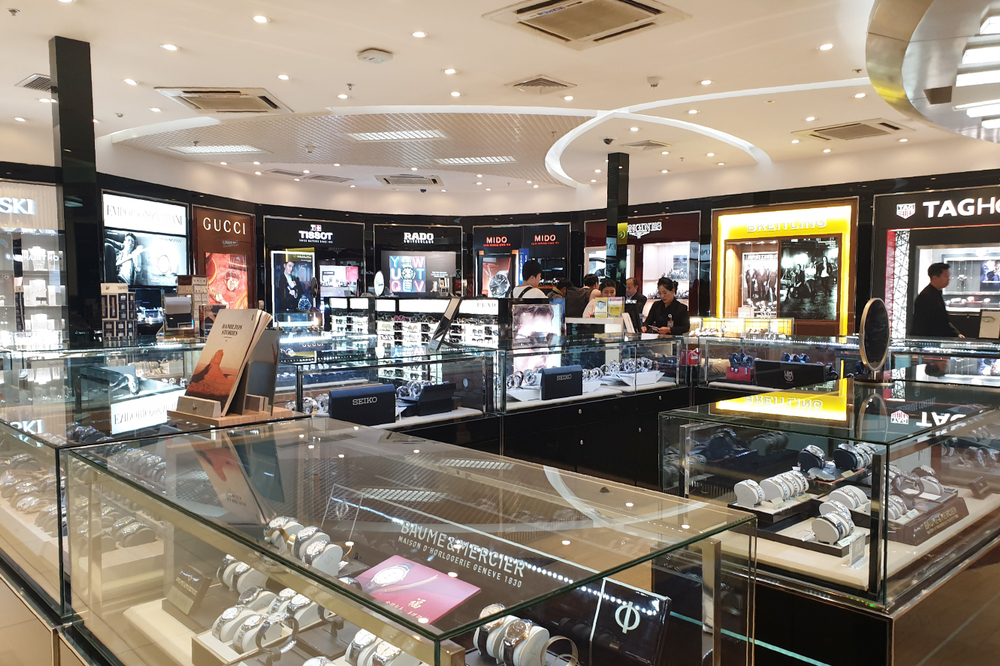
Luxury watches purchased duty-free may still trigger Canadian taxes. Exemptions depend on time spent abroad, not store location. High-value watches often exceed personal allowance limits. Officers review receipts and may estimate value if proof is missing. Wearing the watch does not remove duty responsibility. Packaging, tags, or new condition can raise questions. Undeclared items can lead to penalties. Travelers sometimes believe personal use exempts them, which is incorrect. Duty-free means tax-free at purchase, not necessarily at the border.
Electronics Beyond Personal Exemptions
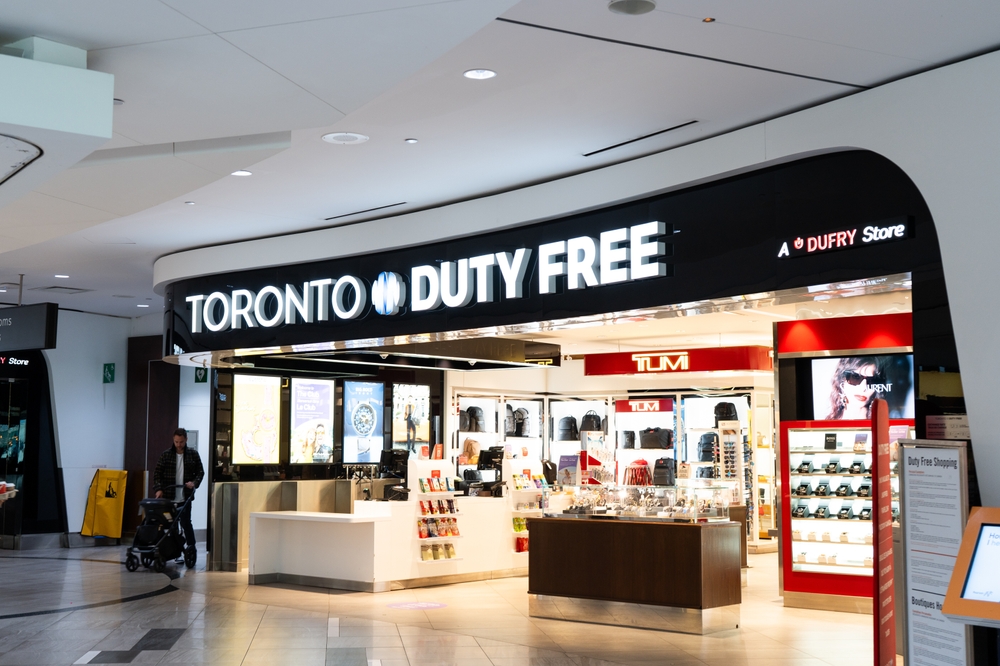
Electronics purchased in duty-free stores remain subject to Canadian import rules. Laptops, cameras, and phones often exceed exemption values. Officers verify receipts, packaging, and item counts. Multiple similar devices may suggest commercial import. Even opened electronics count if newly purchased abroad. Exemptions depend on how long you traveled. Undeclared electronics can be seized or taxed. Removing packaging does not avoid duties. Border rules focus on value and origin, not sales location. Duty-free labels do not guarantee tax-free entry into Canada.
Designer Handbags Over Allowable Limits
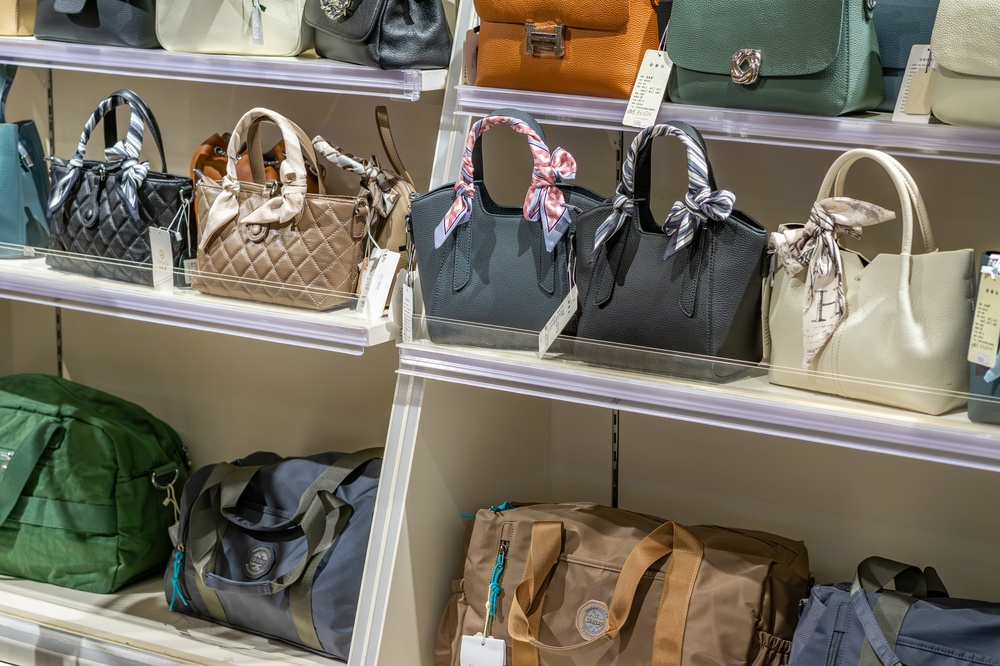
Designer handbags bought at duty-free shops still count toward Canadian personal exemptions. High-value items often exceed the dollar limit tied to trip length. Officers review receipts, brand, and condition. Multiple bags may suggest resale intent. Wearing or using the bag does not remove the duty responsibility. Undeclared items can result in tax penalties, seizures, or both. Travelers sometimes assume fashion goods are personal effects. Exemptions apply to value, not purpose. Duty-free purchase does not override Canadian customs rules on import value thresholds.
Jewelry Over Value Limits
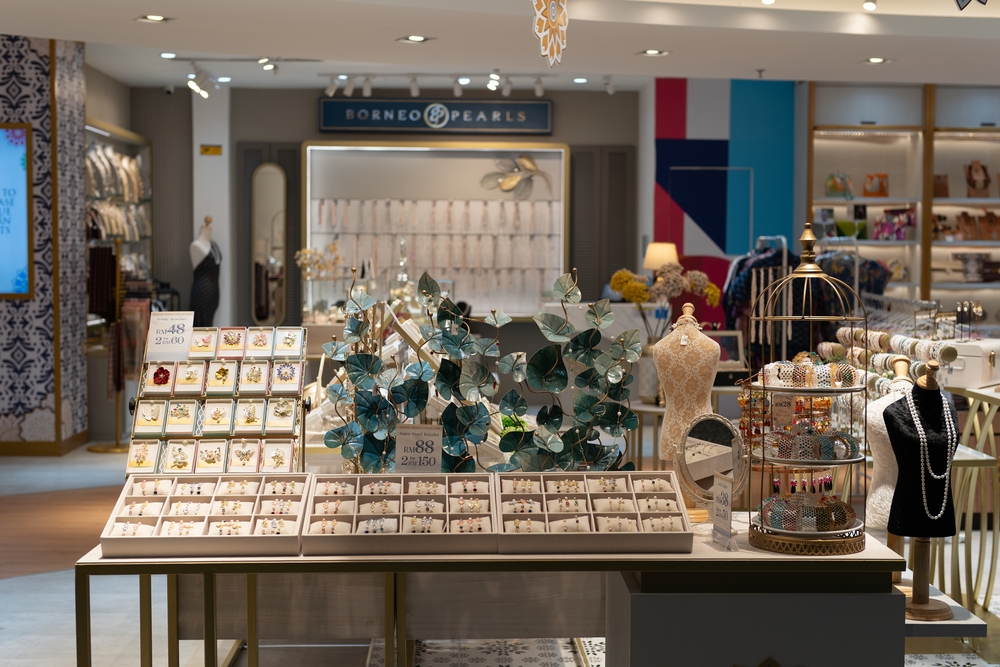
Jewelry from duty-free stores can still be taxed at the border. High-value pieces often exceed personal exemption limits. Officers assess declared value using receipts or market estimates. Wearing jewelry does not automatically qualify it as previously owned. New condition or packaging may attract inspection. Multiple pieces may appear commercial. Undeclared jewelry can be seized or taxed. Travelers sometimes misunderstand personal effects rules. Duty-free sales remove local tax, not Canadian import duties. Value thresholds, not store labels, determine border charges.
Sneakers Purchased in Quantity
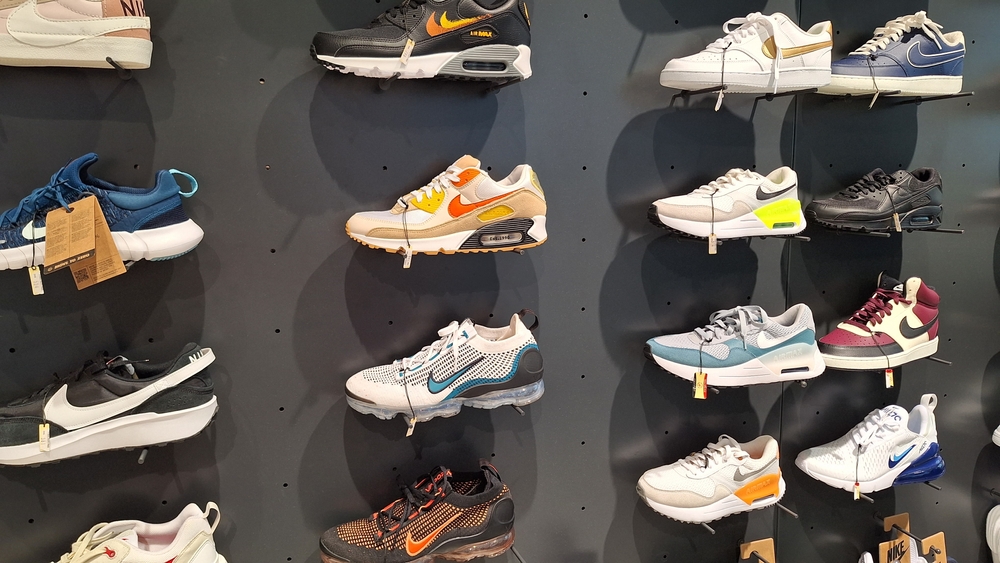
Sneakers bought duty-free still count toward the total goods value. Multiple pairs can exceed personal exemptions quickly. Officers may question if quantities suggest resale. Packaging and identical styles raise commercial concerns. Even personal purchases must be declared. Undeclared footwear may incur duties or penalties. Travelers sometimes believe clothing items are exempt, but they are not. Exemptions apply to the overall value and quantity. Duty-free pricing does not remove import obligations. Canadian border rules determine tax-free entry limits.
Cosmetics Bulk Purchases
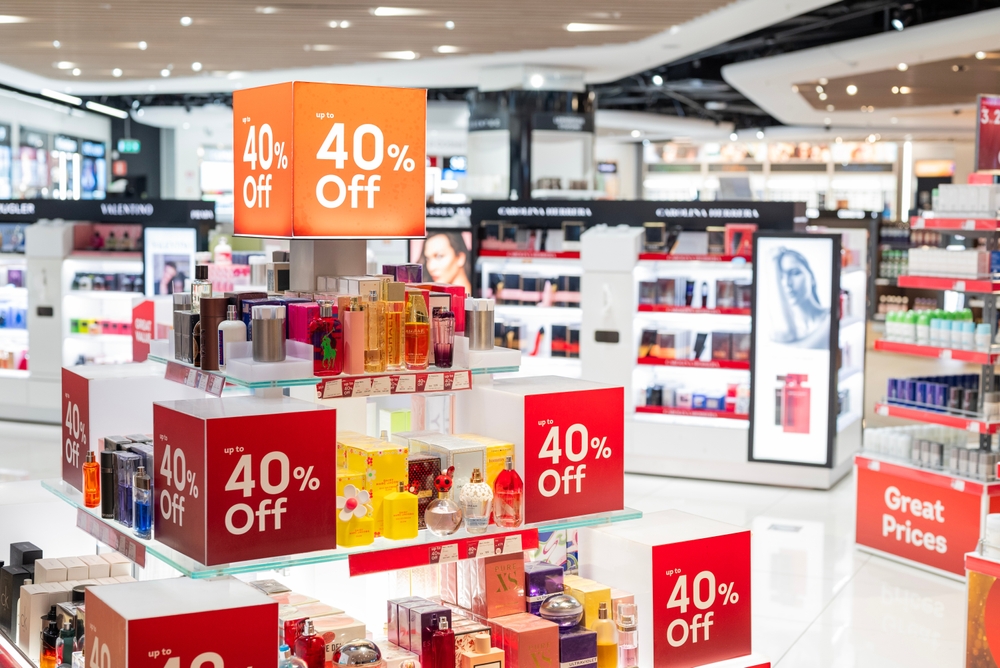
Cosmetics purchased duty-free can still trigger taxes. Bulk quantities may exceed personal exemption limits. Officers review the number of items and the total value. Multiple identical products can suggest resale intent. Gift purchases count toward your allowance. Undeclared items may be taxed or seized. Travelers often assume small items are unrestricted. Exemptions depend on trip duration and total value. Duty-free labels only remove local tax at purchase. Canadian customs rules determine what enters without additional charges.
Gift Sets Exceeding Exemptions
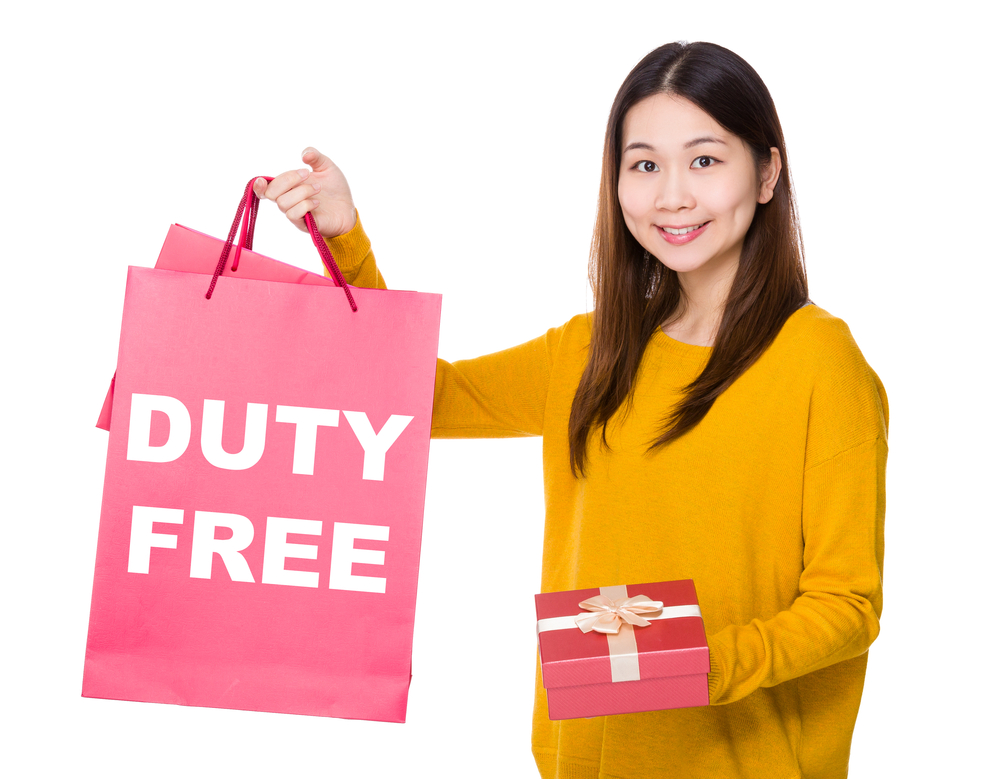
Gift sets from duty-free shops are still assessed by value. Bundled products can quickly exceed personal exemptions. Officers check the contents and the combined price. Multiple sets may appear commercial. Packaging does not change tax obligations. Gifts are not automatically duty-free. Undeclared sets can lead to penalties. Travelers often overlook that presents count as imports. Exemptions depend on time away and value totals. Duty-free marketing does not override Canadian customs limits.
Food Items Subject to Agricultural Rules
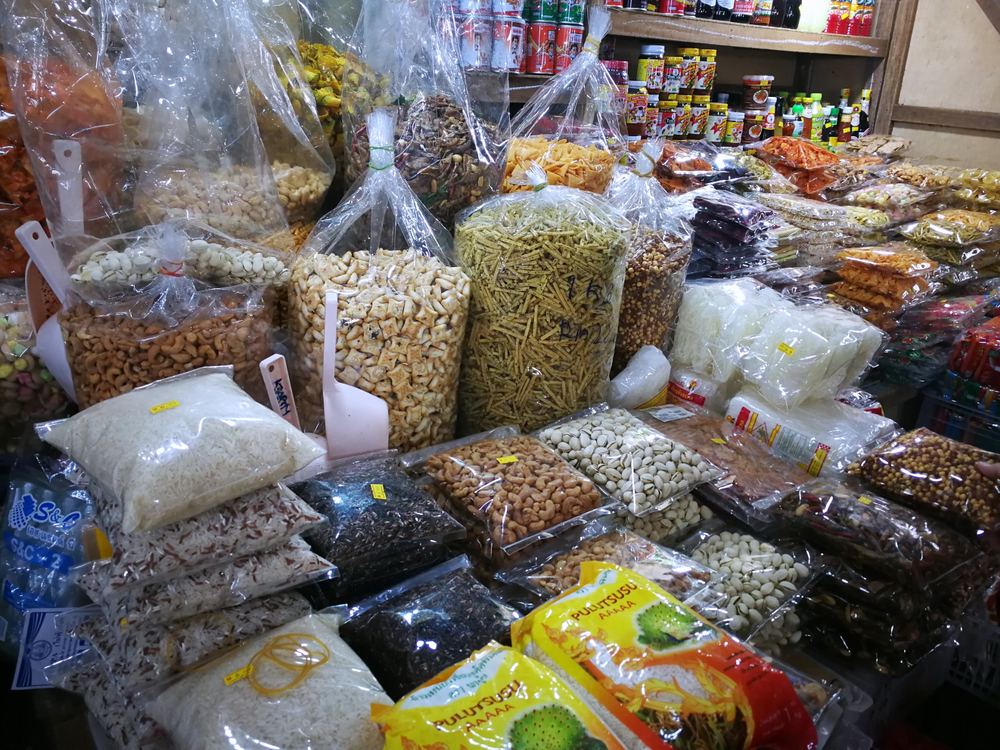
Food purchased duty-free may still be subject to border restrictions. Agricultural rules apply regardless of purchase location. Certain foods may be banned due to pest or disease risk. Officers inspect packaging, origin, and ingredients. Even packaged snacks may need a declaration. Undeclared food can be seized and fined. Travelers sometimes assume sealed items are always allowed. Duty-free status does not override agricultural laws. Canadian border controls protect farms and ecosystems. Food import rules operate separately from tax exemptions.
Supplements Restricted Ingredients

Supplements bought duty-free may still be restricted in Canada. Some vitamins, herbal products, or performance supplements contain regulated ingredients. Officers review labels and ingredient lists carefully. Products legal abroad may require approval in Canada. Large quantities can suggest commercial import. Undeclared supplements may be seized. Travelers often assume health products are harmless. Canadian rules focus on safety and controlled substances. Duty-free purchase does not override health regulations. Checking the legality of ingredients before travel helps avoid border issues and delays.
Clothing Over Value Allowances
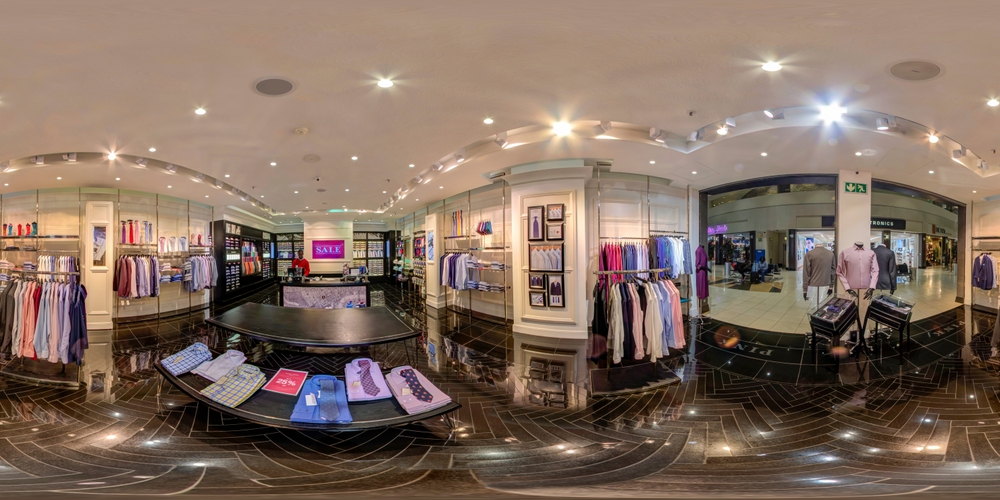
Clothing from duty-free shops still counts toward your total exemption value. Multiple items can exceed trip-length limits. Officers review receipts and the number of pieces. New items with tags may draw attention. Wearing clothes does not make them exempt. Undeclared purchases can lead to duties or penalties. Travelers often underestimate how value adds up. Exemptions apply to total worth, not product type. Duty-free pricing avoids local tax, not Canadian import duties.
Camera Equipment High Value Items
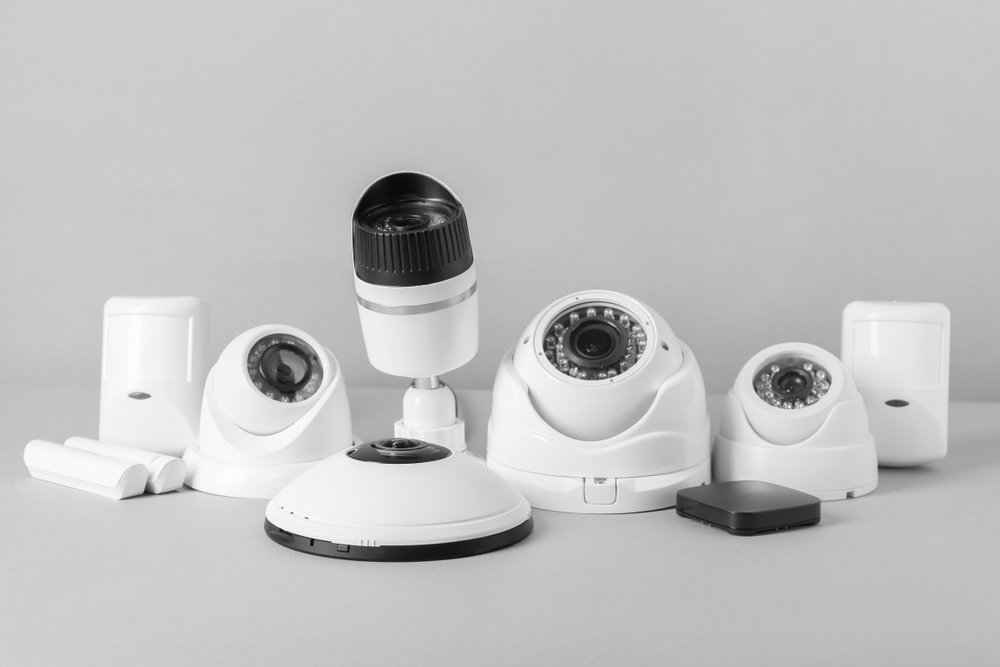
Camera equipment bought duty-free often exceeds the exemption limits. Lenses, bodies, and accessories are priced high. Officers check receipts and the packaging condition. Multiple pieces may appear commercial. Even used-looking gear counts if purchased abroad. Undeclared items can result in tax penalties or seizure. Travelers sometimes think personal hobby items are exempt. Canadian customs rules focus on value and origin. Duty-free status does not remove import obligations. High-value electronics receive careful review at the border.
Luxury Pens Over Exemption Limits
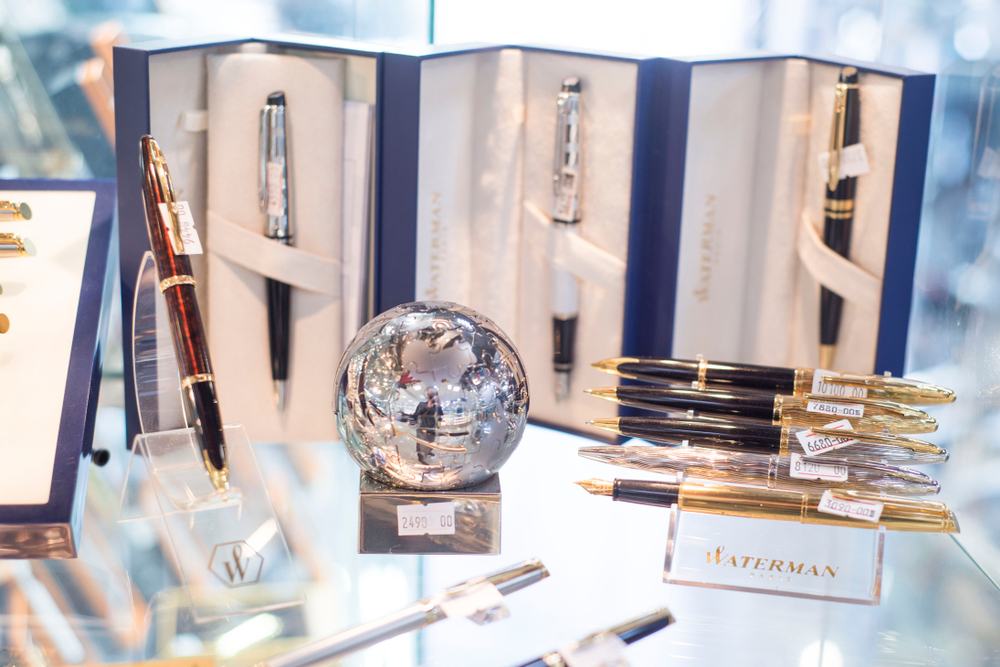
Luxury pens sold duty-free can still trigger duties. High-end brands may quickly exceed personal exemption limits. Officers assess declared value using receipts. Packaging and new condition may attract inspection. Multiple pens may suggest resale intent. Undeclared items can be taxed or seized. Travelers often overlook small but expensive items. Exemptions depend on value totals, not product size. Duty-free labeling only affects purchase tax. Canadian border rules determine whether additional charges apply on entry.
22 Groceries to Grab Now—Before another Price Shock Hits Canada
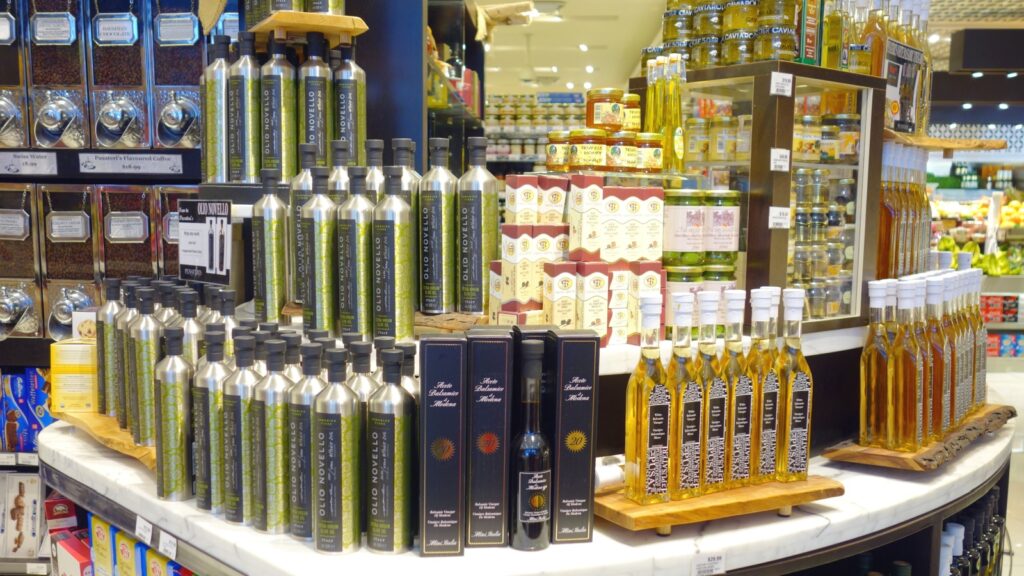
Food prices in Canada have been steadily climbing, and another spike could make your grocery bill feel like a mortgage payment. According to Statistics Canada, food inflation remains about 3.7% higher than last year, with essentials like bread, dairy, and fresh produce leading the surge. Some items are expected to rise even further due to transportation costs, droughts, and import tariffs. Here are 22 groceries to grab now before another price shock hits Canada.
22 Groceries to Grab Now—Before another Price Shock Hits Canada
