Car modifications are popular across Canada, from lighting upgrades to suspension changes. Many of these upgrades seem legal at first glance. Problems start when a mod affects visibility, noise, height, or safety standards. Police focus on whether a vehicle remains road compliant after changes. Even small visual mods can attract attention during routine patrols. Drivers often assume store-bought parts are automatically allowed. Provincial rules can differ, and enforcement varies. Here are 12 ‘legal’ car mods that can get you pulled over in Canada.
Dark Window Tint
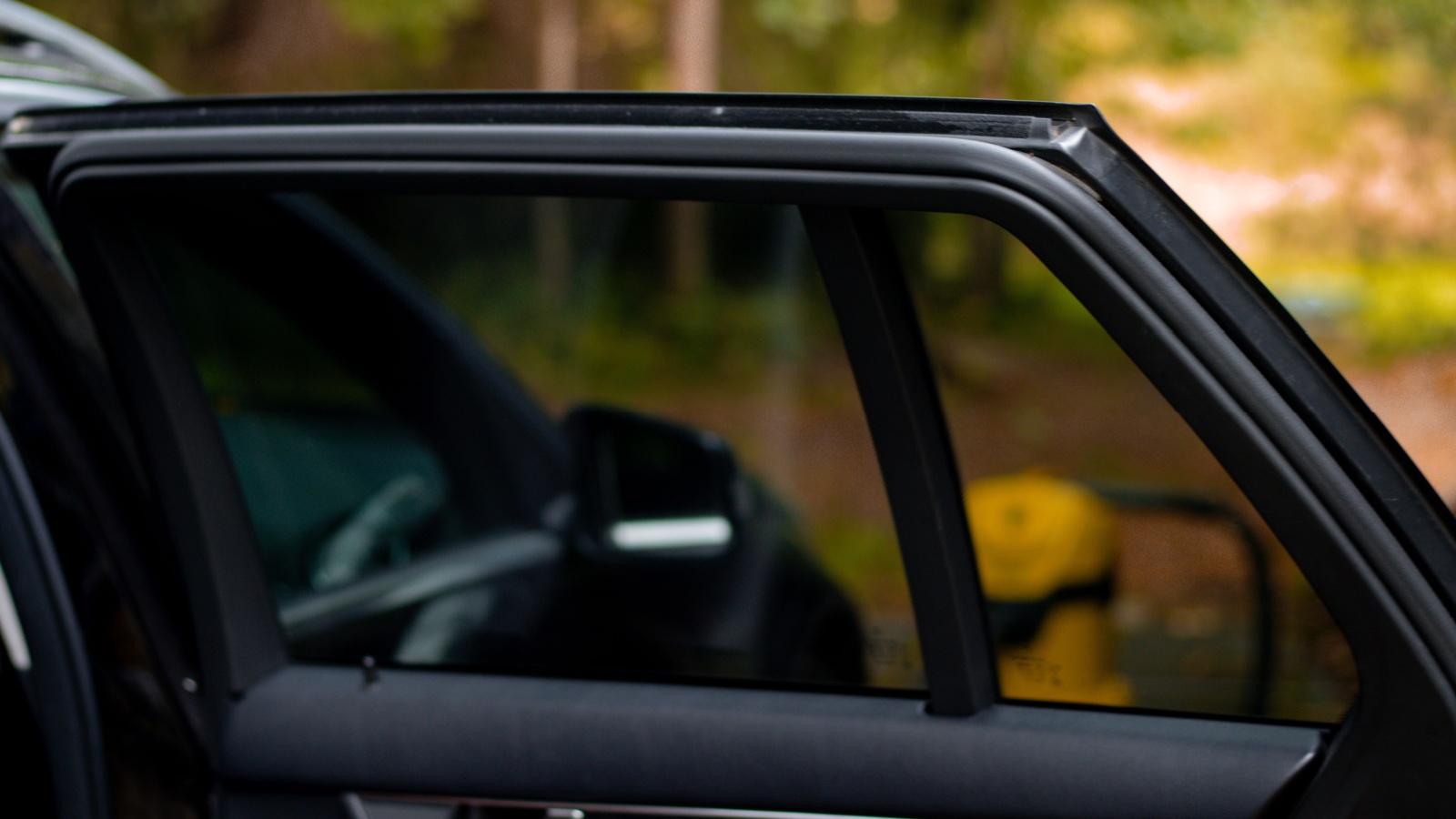
Window tint laws vary by province, but overly dark tint often leads to traffic stops. Front side windows usually have strict light transmission limits. Police may measure tint levels during roadside checks. Tint that blocks the officer’s visibility inside the vehicle raises safety concerns. Drivers sometimes install film believing it looks acceptable. Even factory-style tint can exceed limits after modifications. Medical exemptions require proper documentation. Removing illegal tint may be required after a ticket. Checking provincial regulations before installing tint helps avoid fines and repeated enforcement attention.
Aftermarket LED or HID Headlights
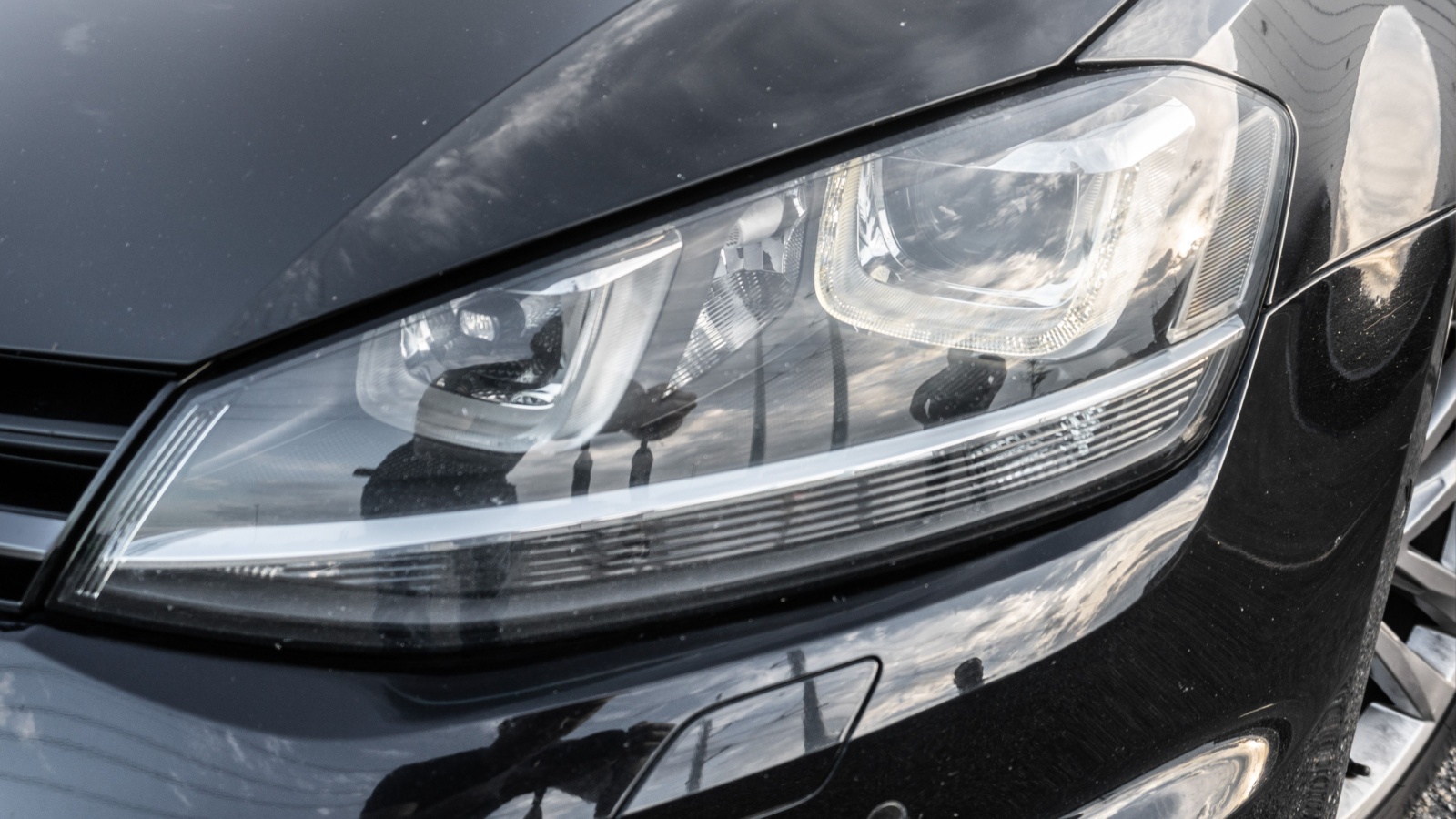
Aftermarket headlights can cause issues if the brightness or beam pattern is incorrect. Some LED or HID kits create glare for other drivers. Police may stop vehicles with lights that appear too bright or misaligned. Color temperature outside legal ranges can also attract attention. Improper installation often causes beam scatter. Headlights must meet approved standards. Even popular kits sold online may not be road legal. Proper alignment and certification matter. Verifying compliance before upgrading helps prevent tickets and improves safety for all road users.
Underglow Lighting Kits
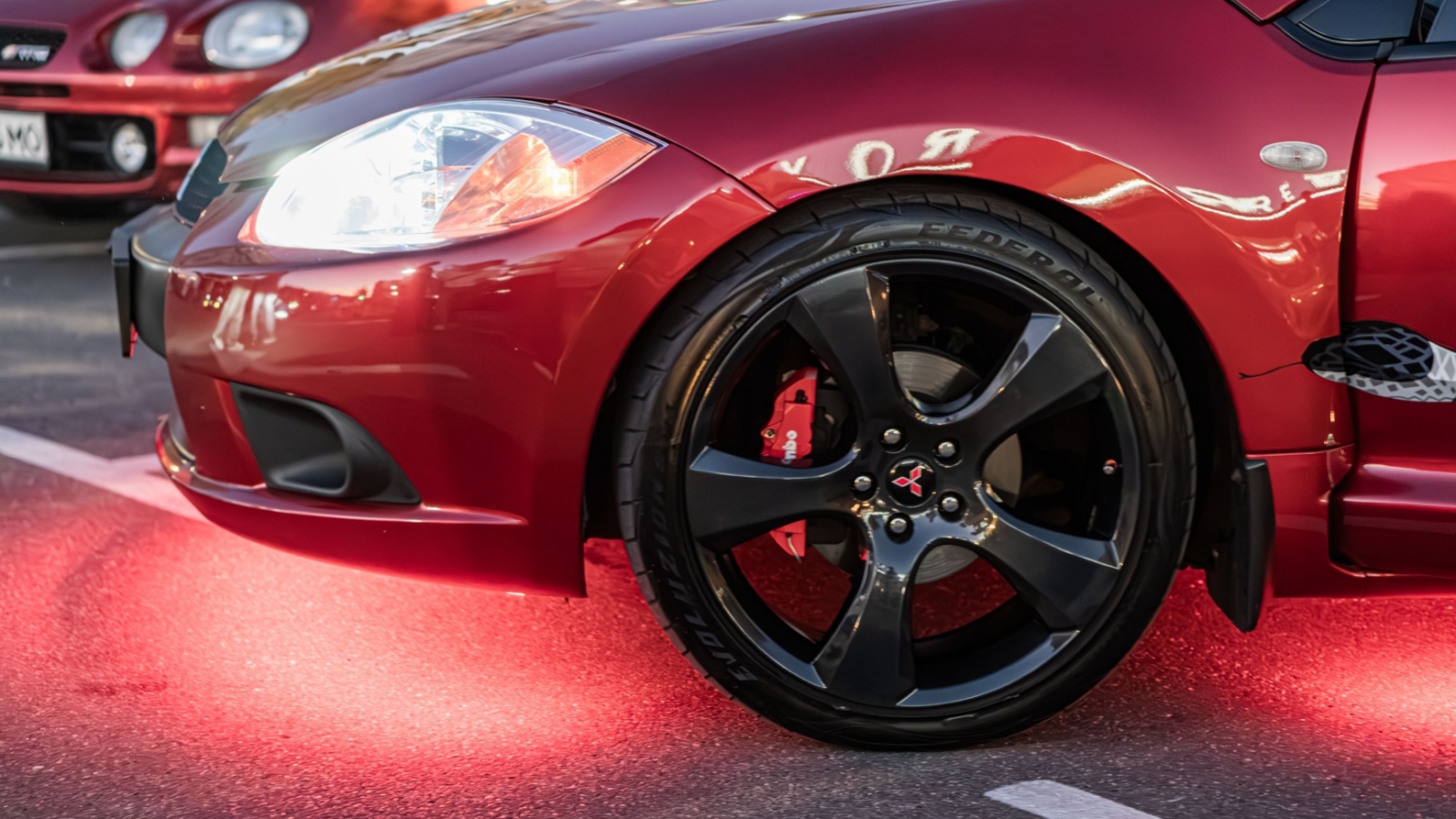
Underglow lighting can be legal in some areas but restricted in others. Certain colors, like red or blue, may be reserved for emergency vehicles. Flashing or moving lights often violate regulations. Police may stop vehicles if lighting distracts other drivers. Visibility from the front or rear can determine legality. Drivers sometimes assume decorative lighting is harmless. Officers assess whether lights affect road safety. Turning the kits off while driving can reduce issues. Checking local vehicle lighting laws helps avoid fines and enforcement stops.
Loud Exhaust Systems
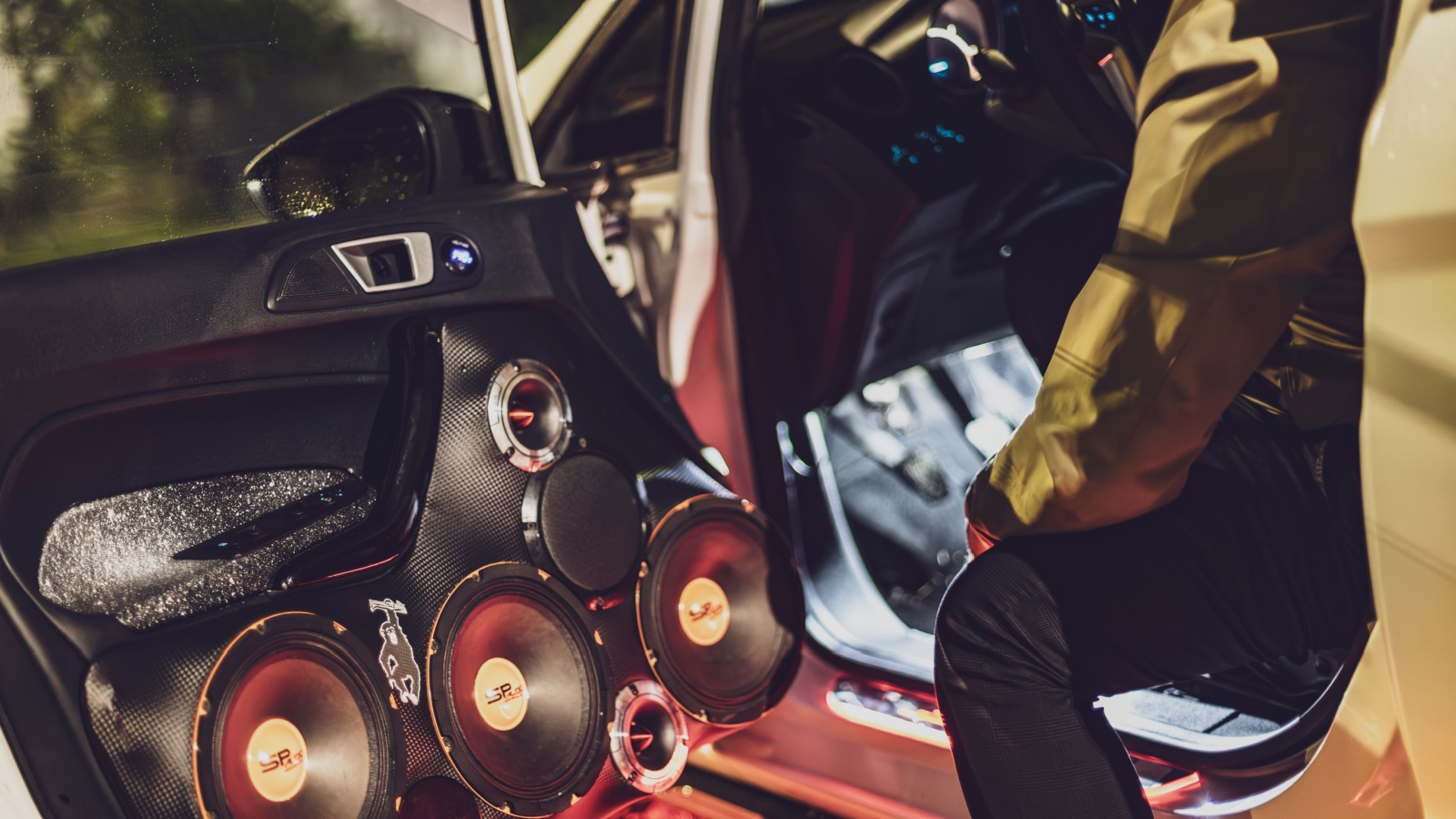
Modified exhaust systems that increase noise often lead to tickets. Provinces set maximum sound limits for road vehicles. Police may stop cars that sound excessively loud. Even legal performance systems can exceed limits under acceleration. Officers may use sound meters in some cases. Drivers sometimes remove mufflers or install straight pipes. Noise complaints from the public also trigger enforcement. Reinstalling compliant systems may be required. Checking noise standards before modifying exhausts helps prevent fines and unwanted attention.
Lift Kits Beyond Factory Height
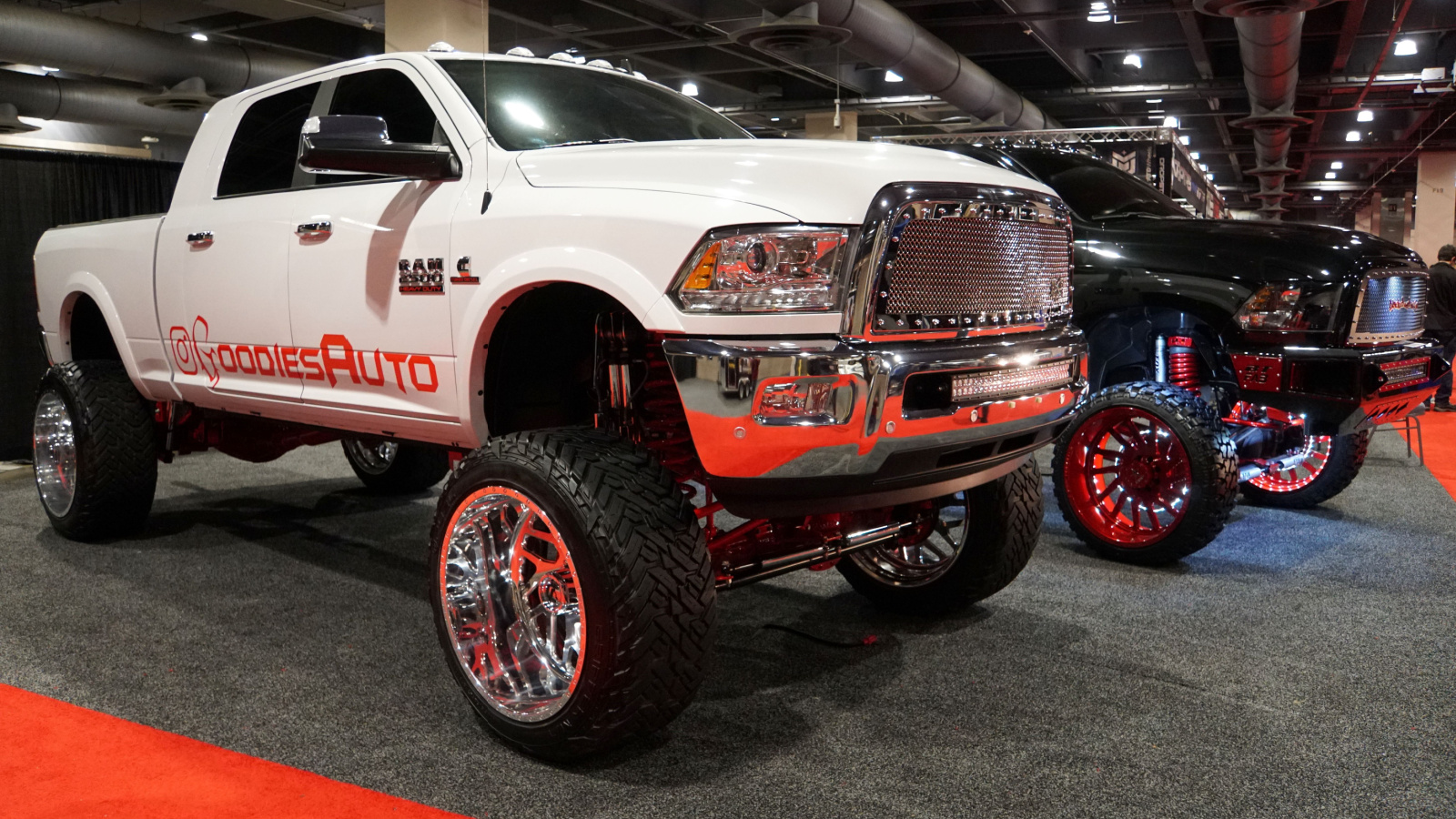
Lift kits can affect vehicle stability and headlight alignment. Excessive height increases rollover risk. Provinces regulate bumper and headlight height. Police may stop vehicles that appear unsafe or outside limits. Suspension changes also affect steering and braking. Drivers sometimes overlook inspection requirements after modification. Larger tires combined with lifts can create additional issues. Ensuring modifications meet provincial safety rules is important. Professional installation and alignment help maintain compliance and reduce the chance of traffic violations.
Lowered Suspension Setups
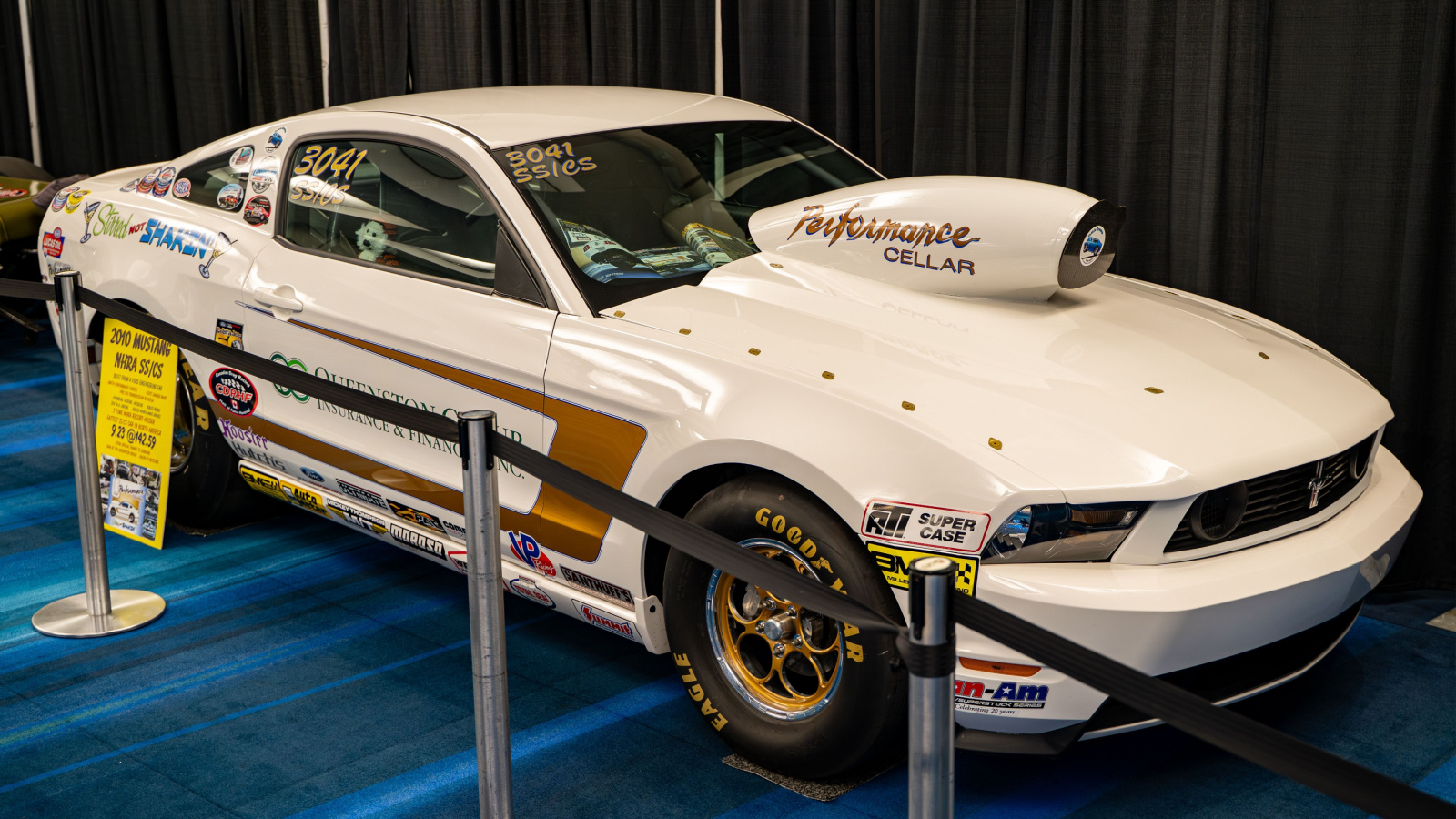
Lowering a vehicle can affect ground clearance and suspension geometry. If the car sits too low, it may scrape or bottom out. Police may stop vehicles that appear unsafe or unstable. Headlight aim and bumper height can fall outside legal limits. Excessive lowering may also affect steering and braking performance. Drivers sometimes modify springs without proper alignment. Uneven tire wear can result. Provinces require vehicles to meet safety standards after changes. Professional installation and inspection help maintain compliance. Keeping ride height within legal limits reduces enforcement attention and improves overall road safety.
Oversized Tires Sticking Out Past Fenders
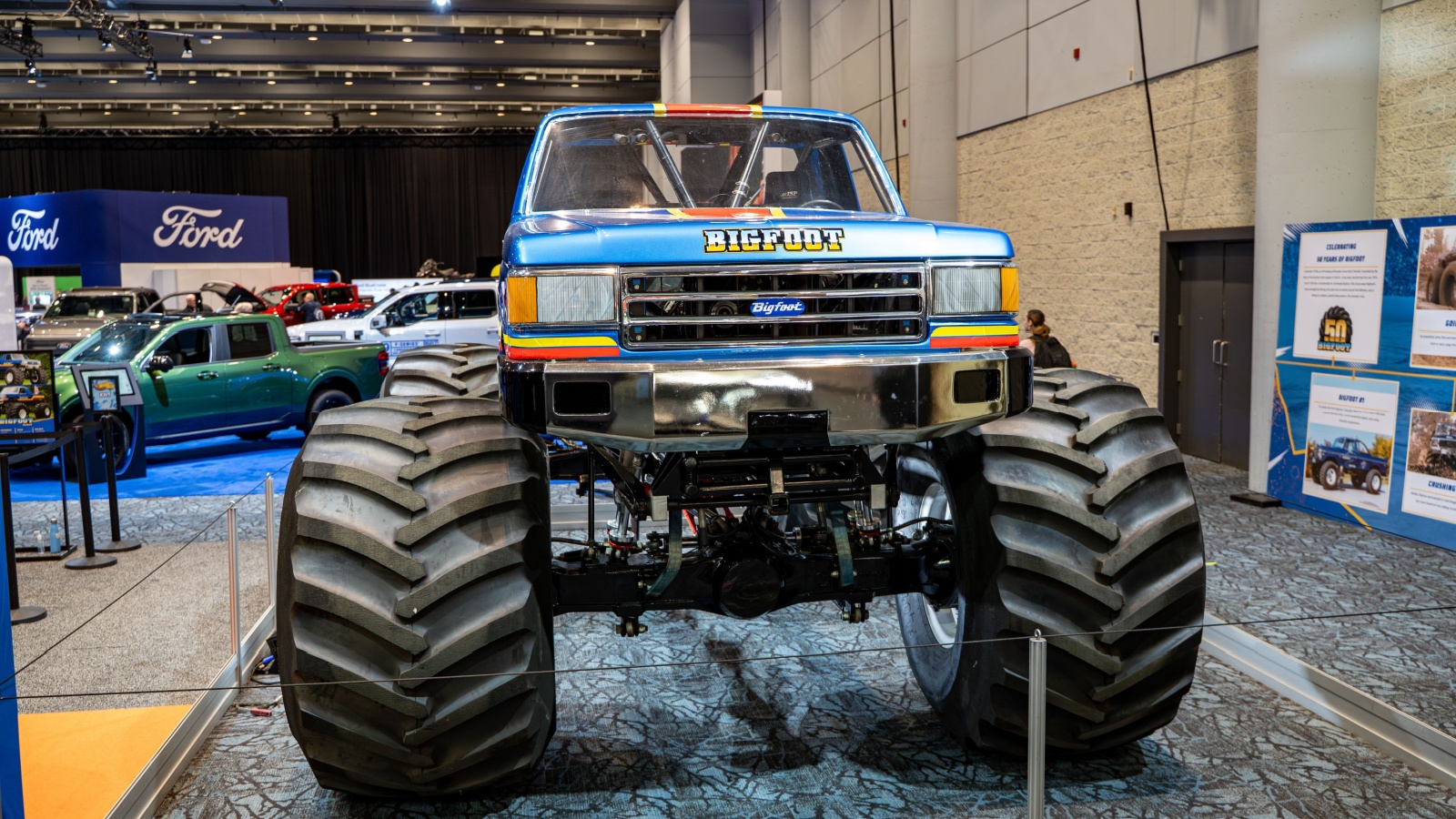
Tires extending beyond fenders can throw debris onto other vehicles. Many provinces require tire coverage by mudguards or flares. Police may issue tickets if tread is visible from above. Wider tires also change handling and braking distances. Drivers sometimes focus on appearance without considering safety laws. Rocks and water spray pose hazards to others. Officers often stop vehicles with obvious protrusions. Installing proper fender extensions helps. Staying within legal width limits prevents fines and reduces road risk.
Tinted or Smoked Taillights
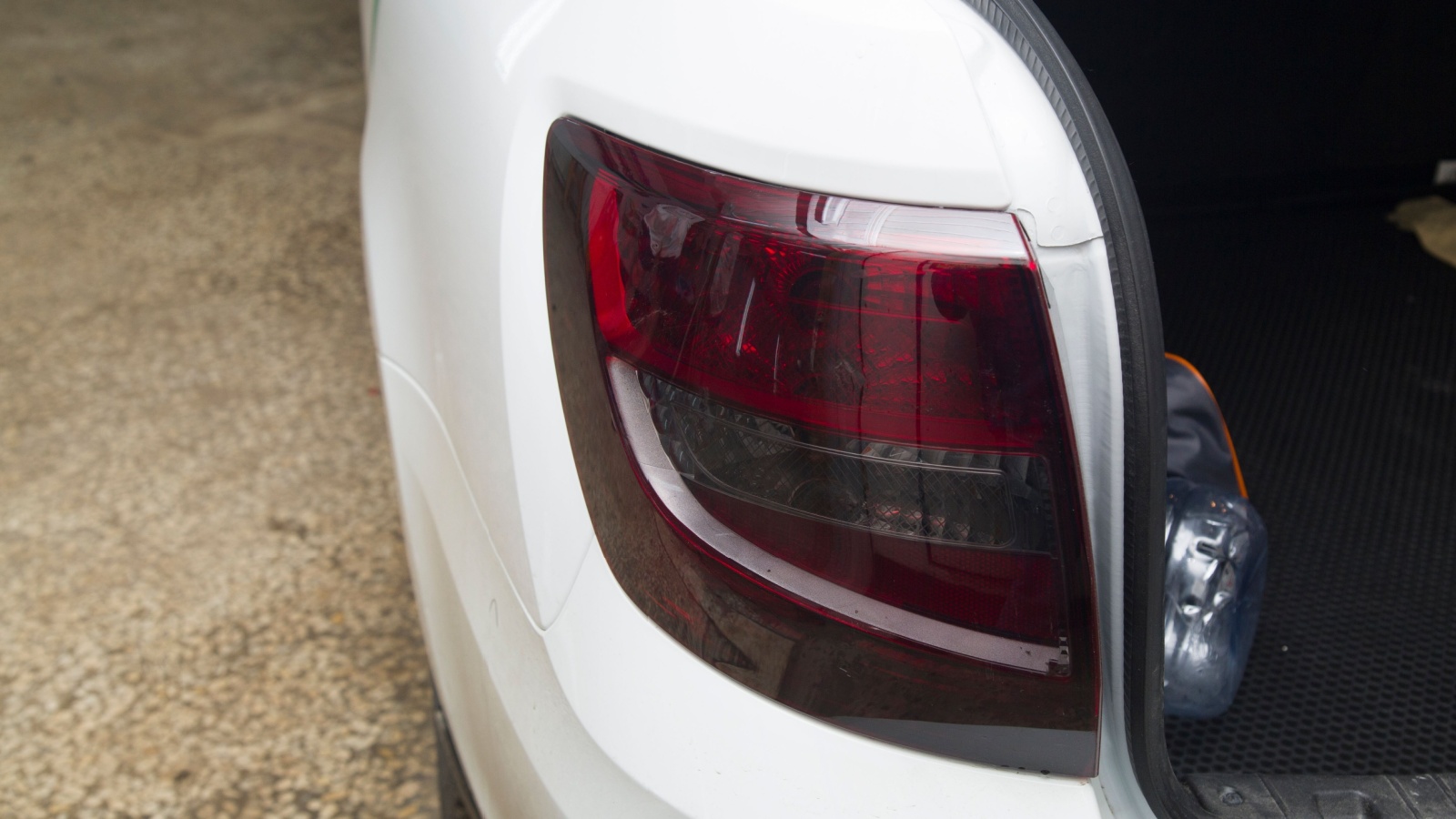
Smoked or tinted taillights reduce brightness and visibility. Brake lights must be clearly seen in all conditions. Police may stop vehicles if the rear lighting appears dim. Modifications can make signals hard to notice. Even a light tint can violate safety rules. Drivers often install covers for style. Officers assess whether light output meets standards. Replacing tinted lenses with factory versions may be required. Maintaining clear lighting improves safety and helps avoid traffic violations.
License Plate Covers
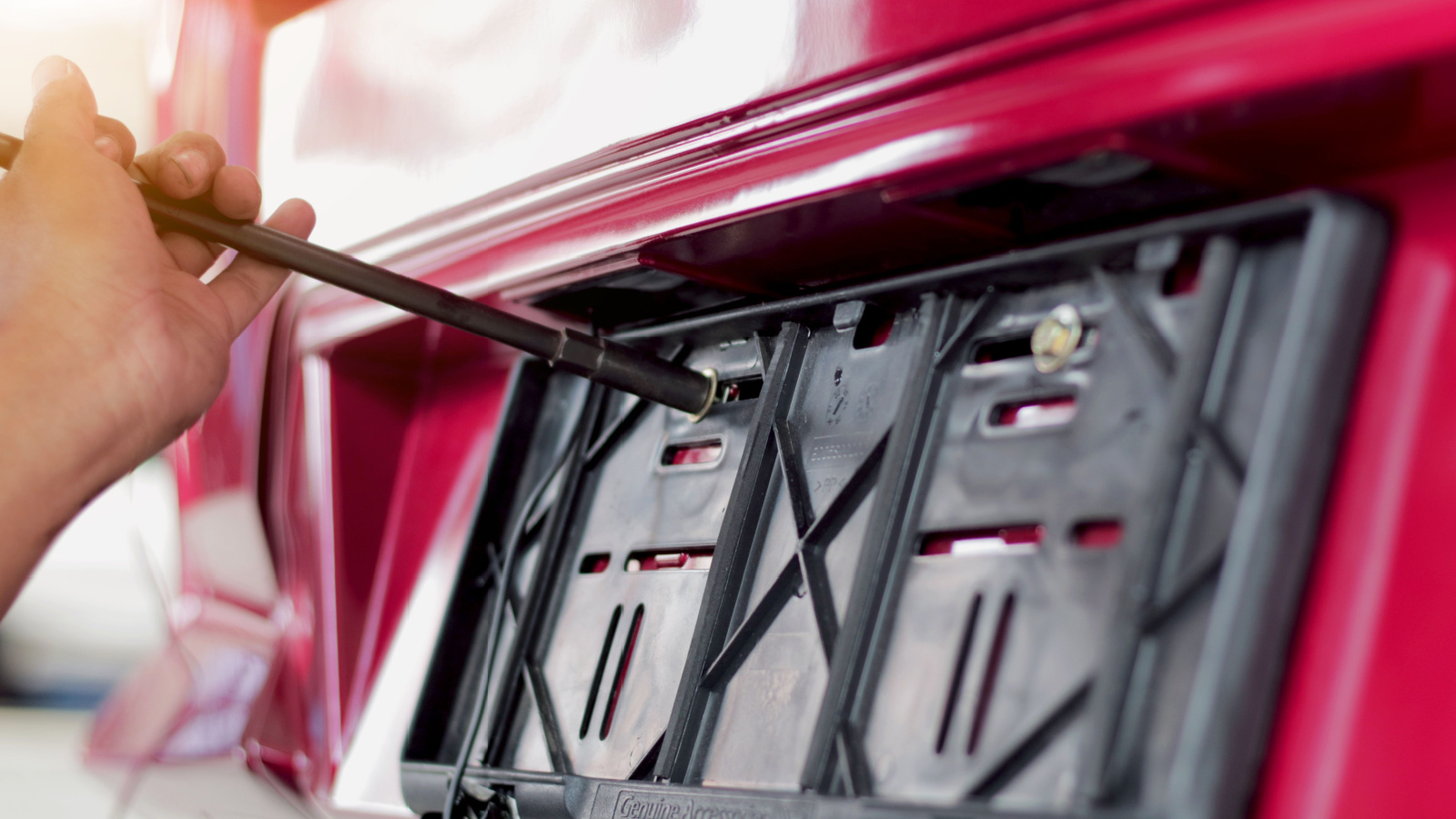
License plate covers, especially tinted or reflective ones, often lead to traffic stops. Plates must be fully readable from a distance. Covers can distort numbers under light or camera flash. Police treat obscured plates as enforcement issues. Even clear covers may be restricted in some provinces. Drivers sometimes use them for protection without knowing the rules. Removing covers usually resolves the issue. Ensuring plates are visible prevents fines and unwanted police attention.
Steering Wheel Modifications
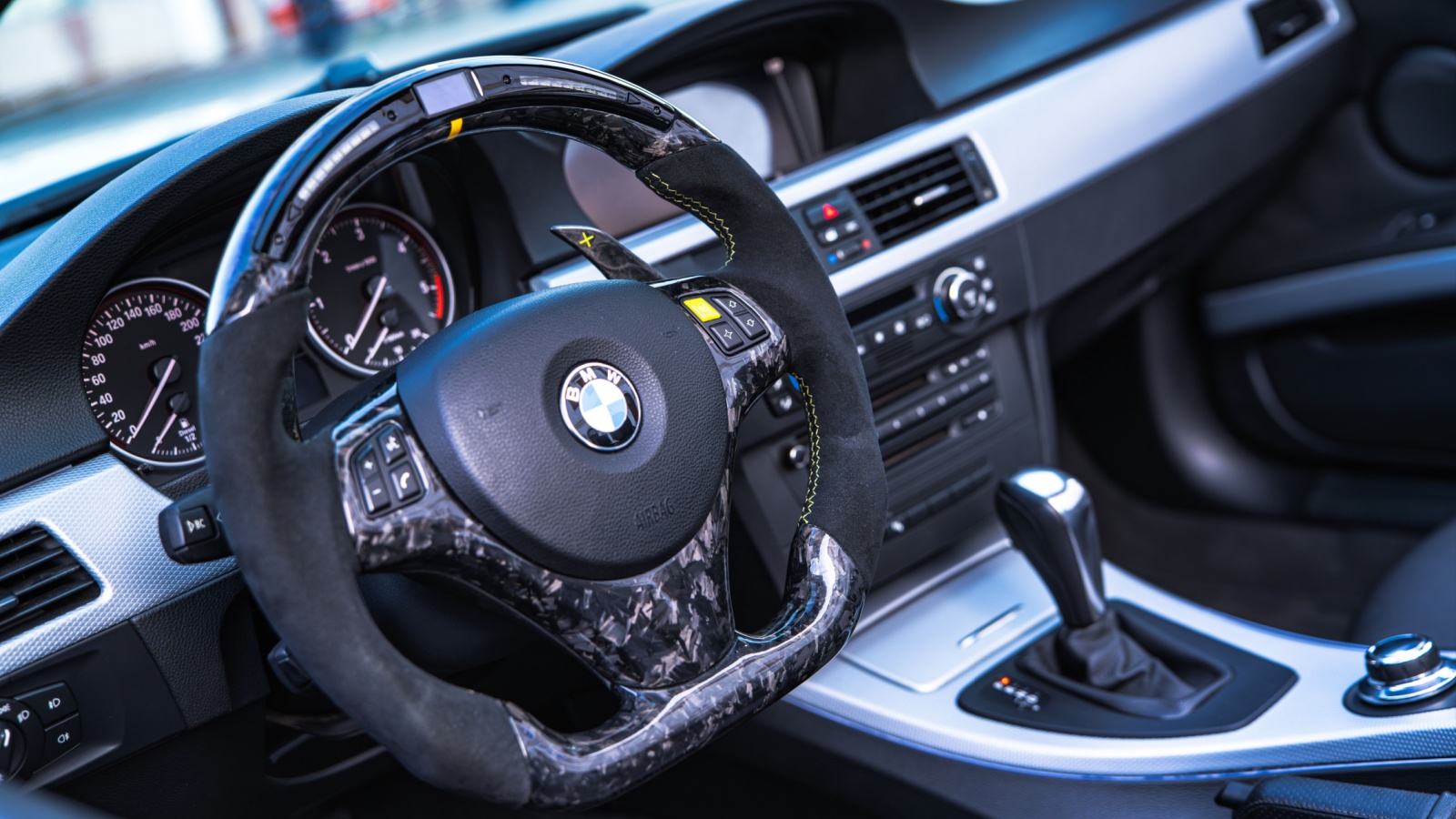
Aftermarket steering wheels can remove factory safety features. Airbags may be lost during modification. Police may stop vehicles that appear altered or unsafe. Inspection standards require functioning safety systems. Drivers sometimes install smaller wheels for style. Changes can affect control and crash protection. Professional installation and certification may be necessary. Keeping factory safety equipment intact helps maintain compliance. Unsafe steering modifications can lead to tickets and inspection orders.
Non-Standard Horn Systems
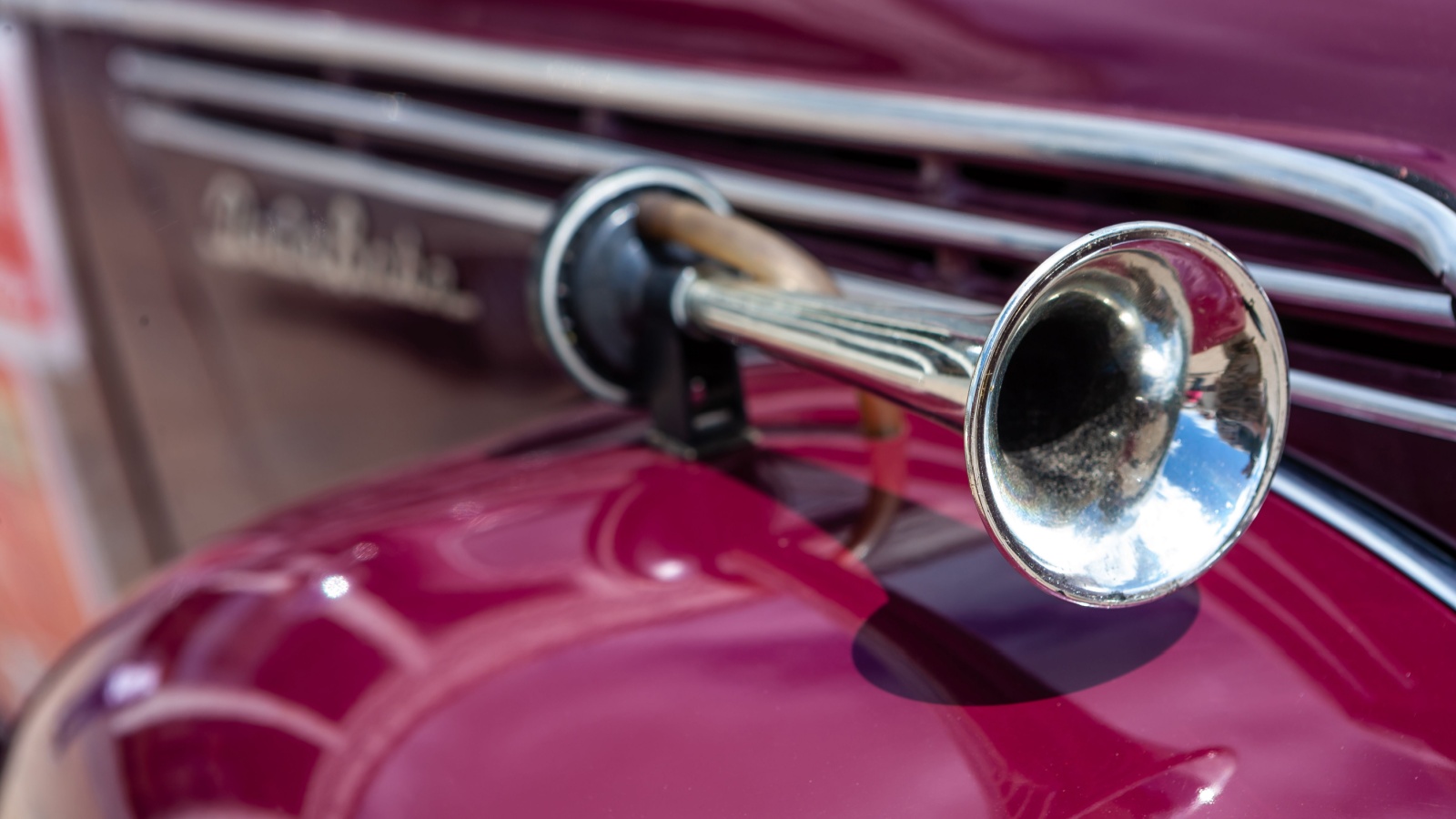
Horn systems that play music or unusual sounds can violate vehicle laws. Horns must provide a standard warning sound. Police may stop vehicles using novelty horns in traffic. Loud air horns can also exceed permitted noise levels. Drivers sometimes install custom horns for fun. Officers focus on whether the sound causes confusion. Using approved equipment prevents issues. Keeping factory-style horns helps avoid enforcement and supports predictable road communication.
Decorative Windshield Obstructions

Items hanging from mirrors or stuck to windshields can block the driver’s view. Police may issue tickets for obstructed visibility. Even small decorations can be considered distractions. Stickers placed outside allowed zones may also violate rules. Drivers often underestimate the impact. Officers assess whether objects limit sightlines. Keeping windshields clear improves safety. Removing unnecessary items prevents stops and supports compliance with road safety standards.
22 Groceries to Grab Now—Before another Price Shock Hits Canada

Food prices in Canada have been steadily climbing, and another spike could make your grocery bill feel like a mortgage payment. According to Statistics Canada, food inflation remains about 3.7% higher than last year, with essentials like bread, dairy, and fresh produce leading the surge. Some items are expected to rise even further due to transportation costs, droughts, and import tariffs. Here are 22 groceries to grab now before another price shock hits Canada.
22 Groceries to Grab Now—Before another Price Shock Hits Canada
