
Winter driving in Canada brings real risks, even for careful drivers. Snow, ice, and low visibility increase the chance of collisions. Many drivers focus only on road safety, not insurance rules. However, policy wording can affect claim approval after an accident. Certain clauses allow insurers to deny coverage in specific situations. Missing these details can lead to financial stress. Understanding these conditions helps you avoid costly surprises later. Here are 19 insurance clauses that can deny your winter accident claim.
Failure to Report the Accident on Time

Most Canadian auto policies require prompt accident reporting. Delaying notice can give insurers grounds to deny claims. Policies often state that reporting must happen as soon as reasonably possible. Some insurers set internal timelines, often within seven days. Late reporting makes verifying winter road conditions more difficult. Snow, ice, and vehicle damage can change quickly. Insurers may argue that the delay prevented a proper investigation. Police reports also play a role in many provinces. Failing to file one when required can complicate coverage. Memory gaps may raise concerns about accuracy. Insurers may question fault details after long delays. Reporting quickly protects your rights and strengthens your position.
Driving With an Invalid or Suspended License
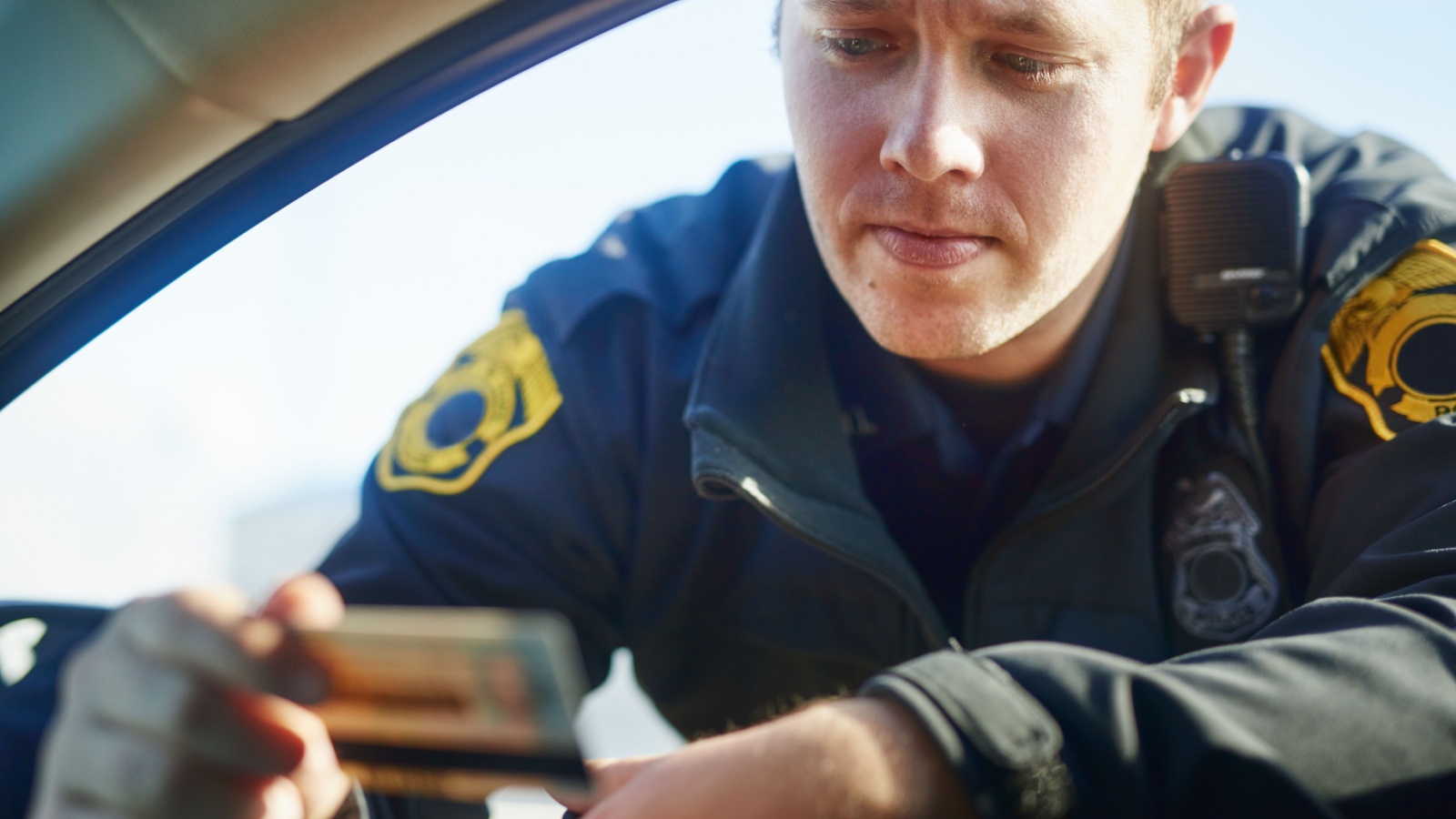
Insurance contracts in Canada require a valid driver’s license. A suspended or expired license can void coverage after a crash. Winter accidents often involve police checks, which reveal license status. Insurers treat unlicensed driving as a serious policy breach. Coverage denial may apply to both vehicle damage and liability. Even minor administrative suspensions can create problems. Unpaid fines or missed renewals still count as invalid status. Some provinces allow short grace periods, but policies may not. Insurers may argue that the risk increased without a legal driving authority. Claims may be refused even if the weather caused the crash. Always checking license validity helps avoid this situation.
Using the Vehicle for Undisclosed Commercial Use
Personal auto policies in Canada cover private driving, not business activity. Using the car for deliveries or paid rides can breach terms. Winter conditions already raise risk levels on public roads. Insurers price personal policies assuming non-commercial usage. Failing to disclose delivery work changes the risk profile. Claims investigators review usage patterns after serious accidents. App data or delivery records may become evidence. Even occasional paid use can trigger denial. Many drivers assume part-time use is harmless. Policies often require written approval for business driving. Without proper endorsement, coverage may not apply. Informing the insurer keeps protection aligned with actual use.
Driving Under the Influence of Alcohol or Drugs
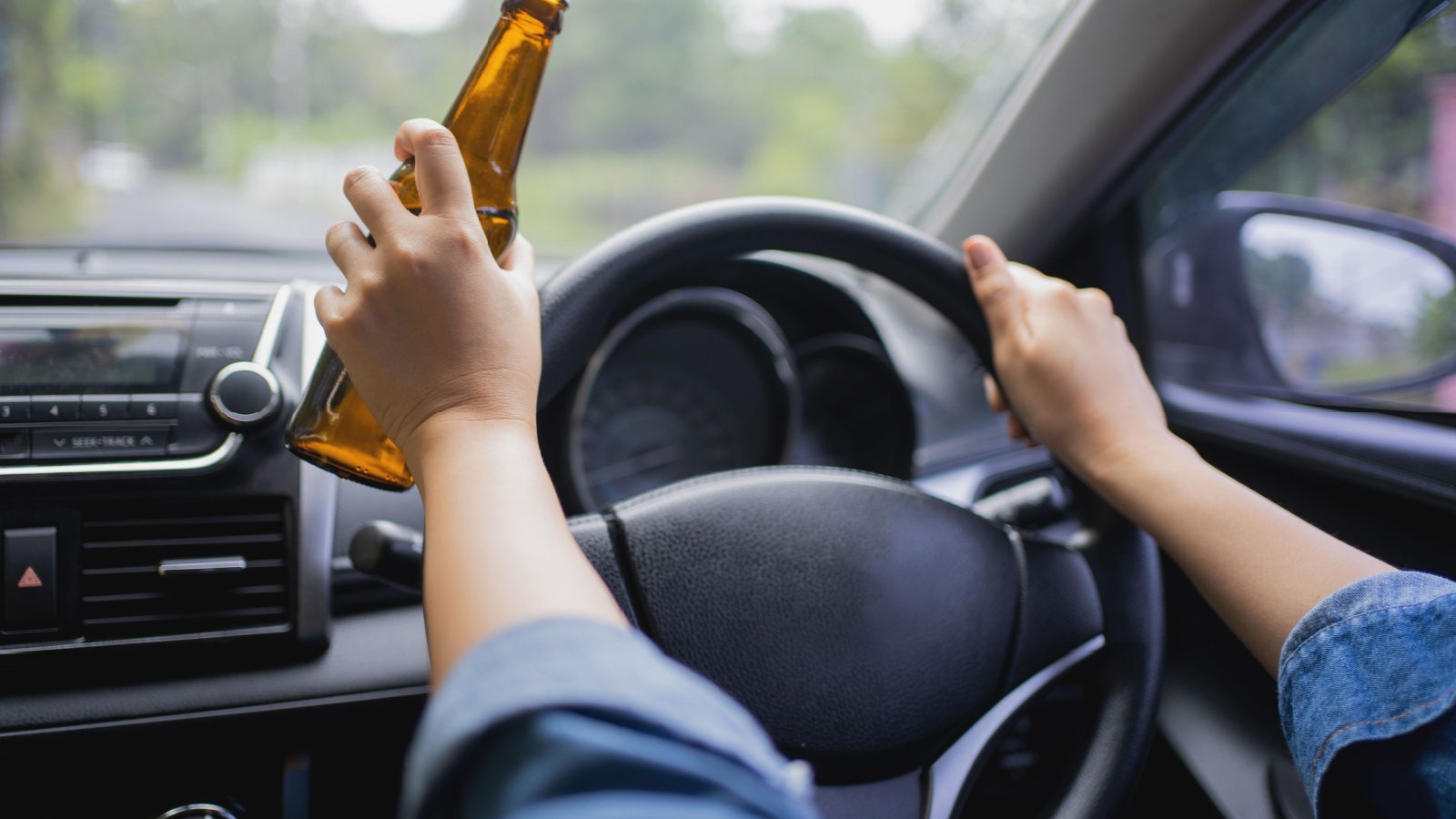
Impaired driving remains a major exclusion in Canadian auto insurance. Criminal impairment charges often lead to denied accident claims. Insurers consider intoxication a clear breach of policy conditions. Winter roads increase stopping distances and reduce driver control. Combining impairment with icy roads raises crash severity. Blood alcohol or drug test results become central evidence. Even prescription drugs can create issues if warnings exist. Insurers may refuse both damage and liability coverage. Victims may still receive compensation through other mechanisms. The impaired driver can face personal financial responsibility. Criminal records and license suspensions may follow. Avoiding impairment protects safety and insurance rights.
Vehicle Not Properly Maintained for Winter Conditions
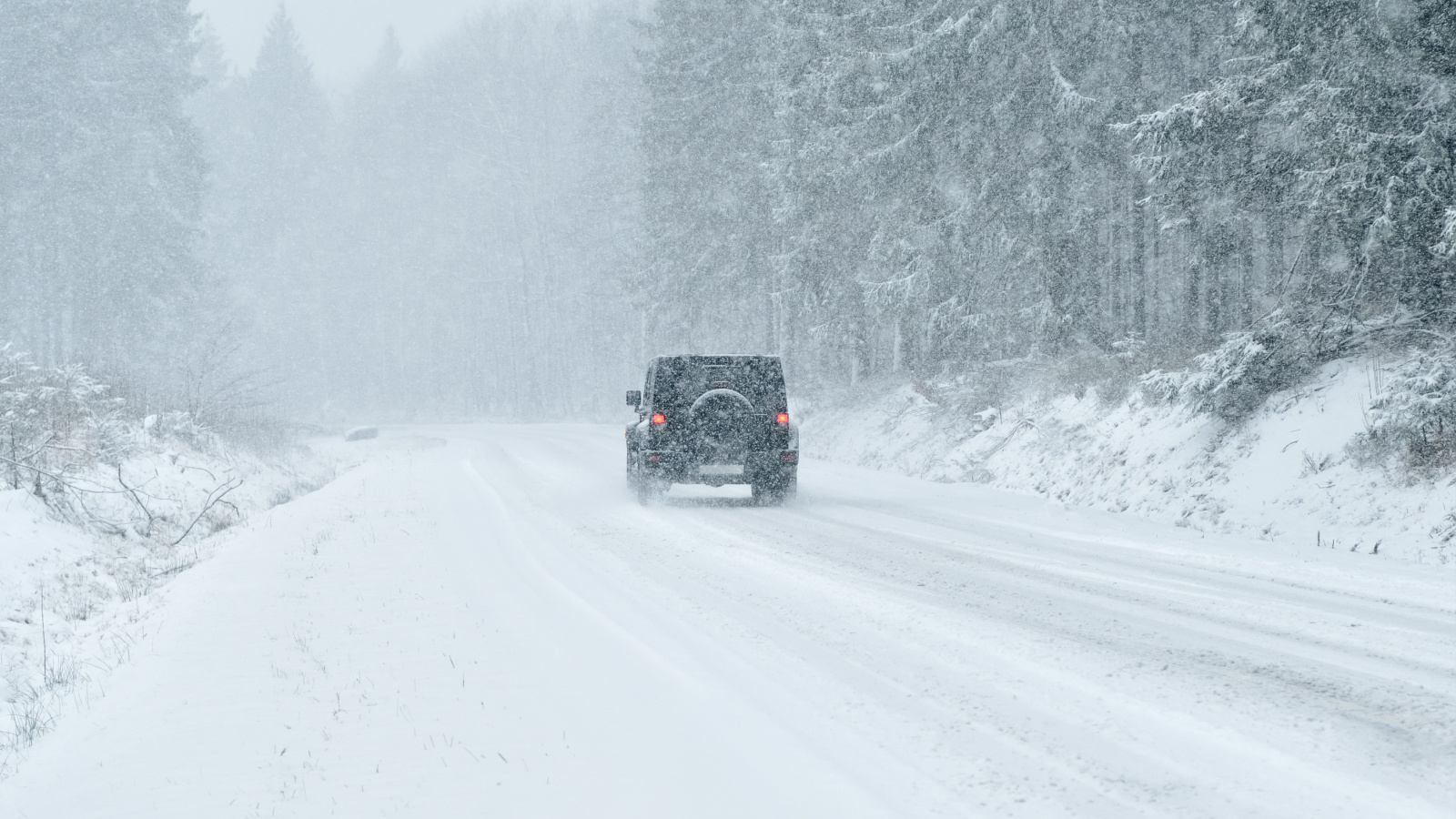
Canadian winters demand extra vehicle maintenance and preparation. Policies expect drivers to keep vehicles in a safe condition. Bald tires or worn brakes increase stopping distance on ice. Insurers may argue that neglect contributed to the collision. Frozen washer fluid or broken lights reduce visibility. Failing to clear snow from the vehicle can also matter. Investigators may inspect the car after serious crashes. Maintenance records sometimes support or weaken a claim. Regular servicing shows responsible ownership and risk reduction. Ignoring known mechanical issues can be seen as negligence. Winter readiness includes proper fluids and battery condition. Good upkeep reduces denial risk and improves road safety.
Using Incorrect or Worn Winter Tires

Canadian insurers expect vehicles to match seasonal driving risks. Many provinces strongly recommend winter tires during cold months. Some insurers offer discounts for certified winter tire use. Using all-season tires in severe winter conditions raises concerns. Worn tread reduces traction on snow and ice-covered roads. Investigators may inspect tire condition after a crash. They may measure tread depth and tire type. If tires fall below safe limits, disputes may follow. Insurers could argue that a poor grip contributed to the accident. This may weaken or reduce claim approval. Proper winter tires support safer braking and steering. Maintaining good tread helps protect both safety and coverage.
Misrepresentation on the Insurance Application

Insurance applications require accurate personal and vehicle information. Incorrect details can lead to denied claims later. Common issues include the wrong address or primary driver information. Some drivers understate annual mileage to lower premiums. Others fail to mention prior accidents or convictions. Insurers treat false statements as material misrepresentation. Even unintentional errors can affect coverage decisions. After a winter accident, insurers recheck application details. Discrepancies may lead to policy cancellation from inception. This means coverage may be treated as never valid. Claims for damage and liability may both be refused. Providing truthful, updated information protects your legal and financial position.
Excluded Drivers Listed in the Policy
Auto policies sometimes name individuals who are excluded from driving. These exclusions often follow poor driving records or high-risk history. If an excluded driver uses the vehicle, coverage can collapse. Winter crashes involving such drivers often lead to denial. Insurers consider this a direct breach of policy terms. Even short trips or emergencies may not change the outcome. Investigators review who was driving at the time. Statements, witness accounts, and police reports help confirm identity. Owners remain responsible for letting excluded drivers operate the car. Claims for vehicle damage and third-party liability may fail. Respecting exclusions helps avoid severe financial exposure.
Driving Outside Approved Geographic Limits
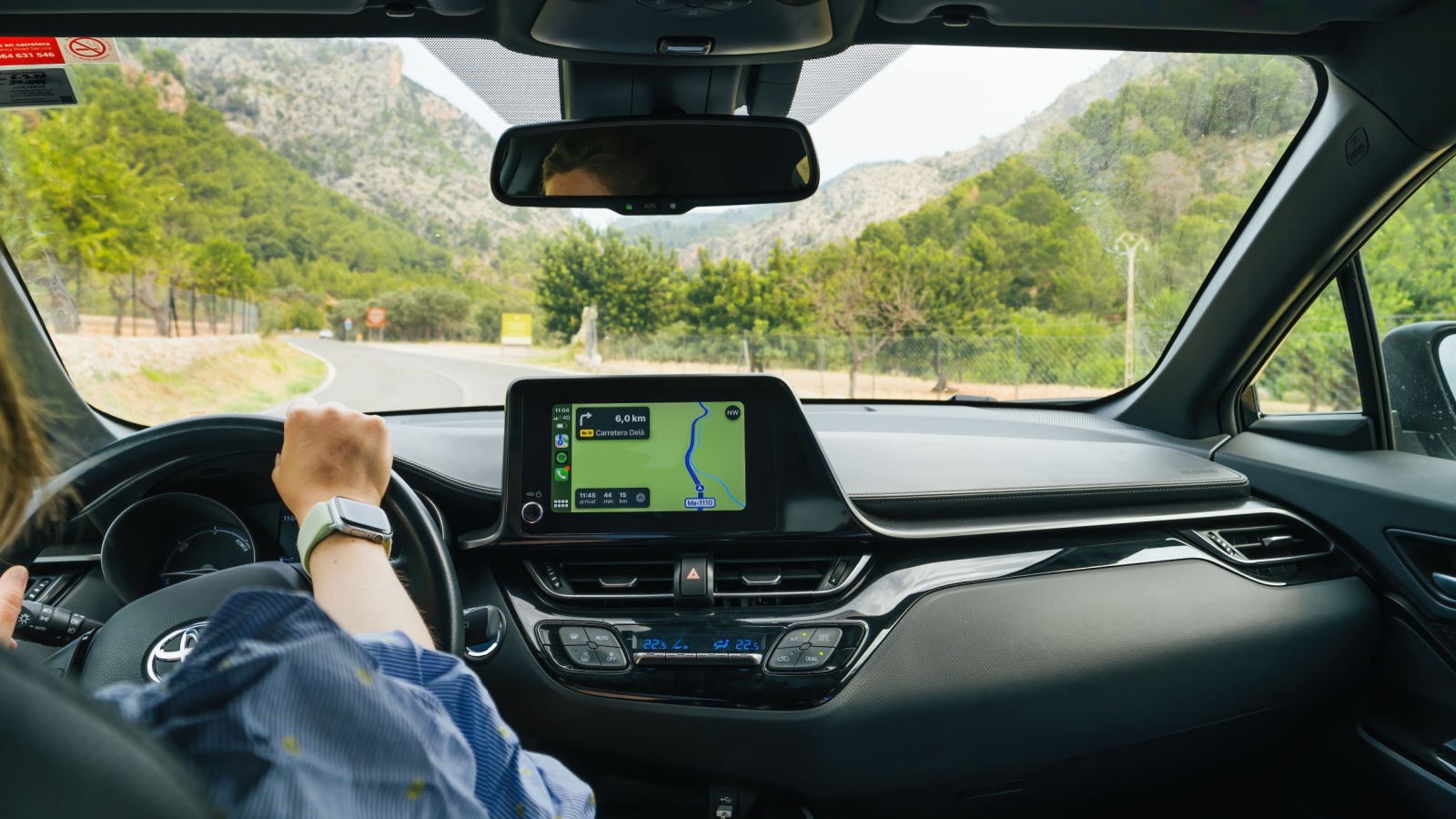
Canadian auto policies define where coverage applies geographically. Most standard policies cover Canada and the United States. Travel outside these regions may require special endorsements. Driving beyond approved limits can void claim eligibility. Winter travel to remote areas may create extra risk factors. Insurers assess road access, weather, and emergency response limitations. Border crossings often appear in claim investigations. Proof of location at the time of loss may be required. If driving occurred outside covered territory, denial is possible. Even temporary cross-border trips may need prior notice. Checking geographic coverage before travel prevents disputes. Clear planning protects both safety and insurance validity.
Ignoring Policy Conditions After an Accident

Policies set clear duties that apply after an accident. Drivers must cooperate with the insurer’s investigation process. Providing statements, documents, and repair access is usually required. Failing to respond to requests can affect coverage. Admitting fault at the scene may also breach conditions. Some policies restrict private settlements without insurer consent. Ignoring medical assessment requests can create disputes. Insurers may argue that non-cooperation harmed their position. This can lead to claim denial or reduced payment. Winter accidents often involve multiple vehicles and complex facts. Timely communication supports smoother handling. Following post-accident duties protects your right to compensation.
Unapproved Vehicle Modifications
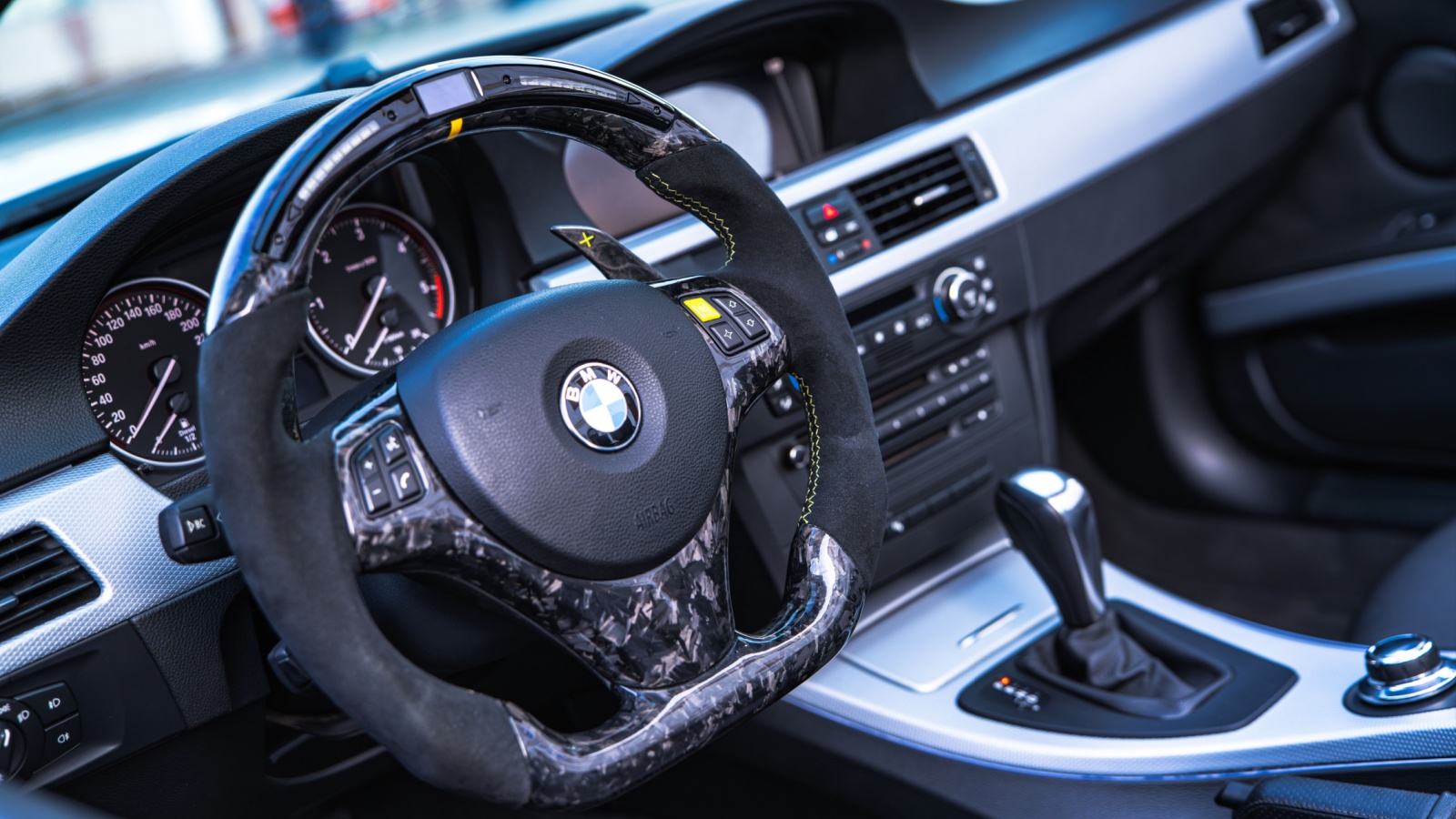
Vehicle modifications can change performance and risk levels. Insurers expect disclosure of major alterations. Common examples include suspension lifts or engine tuning. Winter handling may change after certain upgrades. Non-factory lighting or tire size changes can affect safety. If modifications remain undisclosed, coverage disputes may arise. Investigators often review photos and repair assessments. They may compare the vehicle to original specifications. Insurers could argue the change contributed to the loss. Some modifications require special approval or an added premium. Without endorsement, damage claims may be limited or refused. Declaring changes keeps coverage aligned with the vehicle’s actual condition.
Using the Vehicle Without Owner’s Consent

Auto policies in Canada usually cover permitted drivers only. Using a vehicle without the owner’s consent creates serious coverage issues. Insurers view unauthorized use as outside policy protection. Winter accidents involving stolen or borrowed vehicles raise legal questions. Police reports often confirm whether consent existed. If the owner did not allow the driver, claims may fail. This can affect both collision and liability coverage. Even family members may face issues without clear permission. Insurers examine statements from all parties involved. Disputes often arise when verbal consent cannot be proven. Clear communication about who can drive reduces risk. Permission matters greatly when seeking claim approval.
Racing or Speed Contest Involvement
Most Canadian auto policies exclude racing activities. This includes street racing and organized speed events. Winter roads make high-speed driving even more dangerous. Insurers consider racing a deliberate increase in risk. Claims linked to racing may be denied outright. Investigations may rely on witness accounts or police findings. Vehicle damage patterns can also suggest a high-speed impact. Even informal contests between drivers can trigger exclusions. Coverage for both your vehicle and others may disappear. Legal consequences may follow beyond insurance denial. Courts often treat racing incidents seriously. Avoiding any speed contest protects safety and financial stability.
Leaving the Scene of the Accident
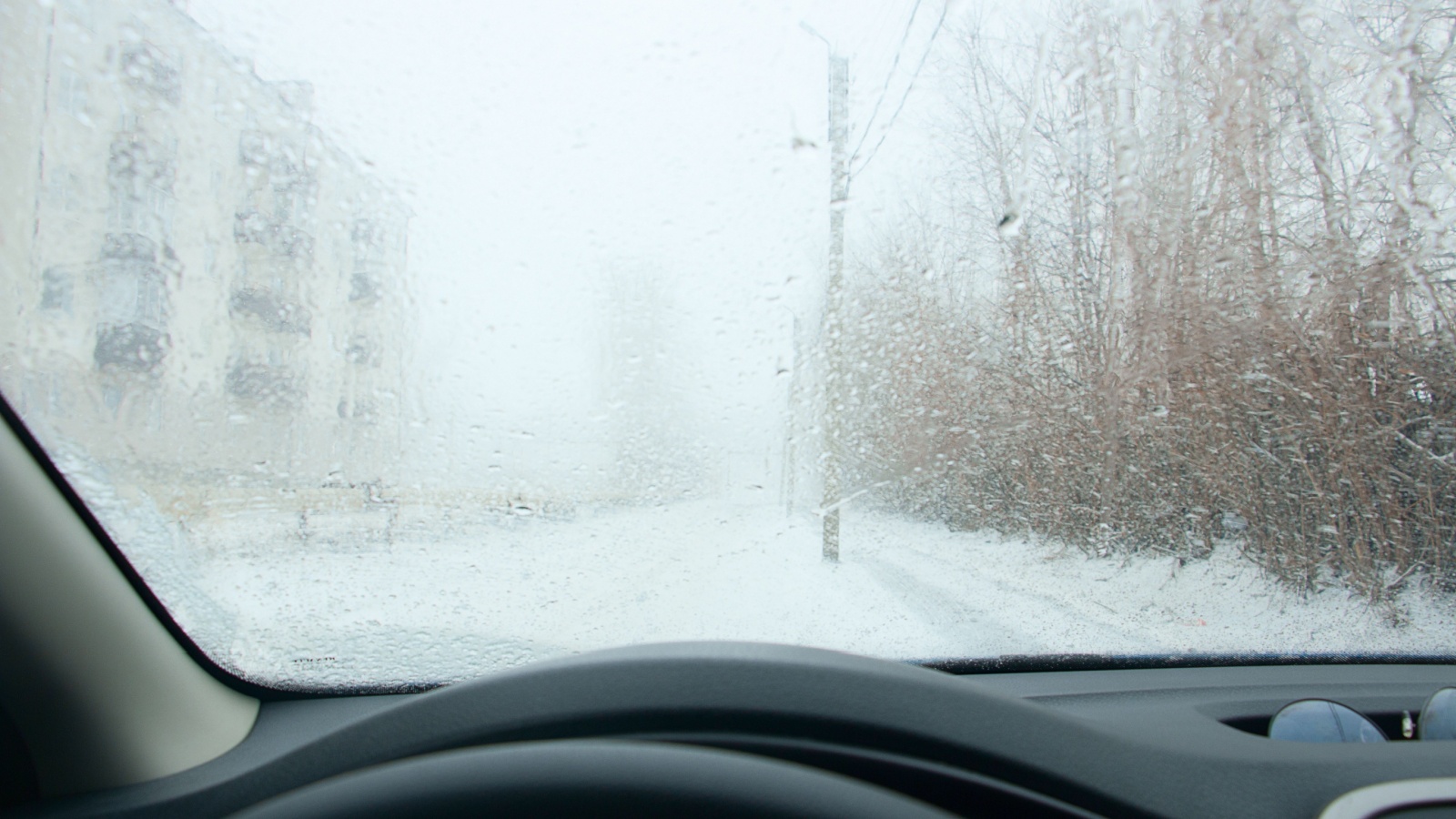
Drivers in Canada must remain at accident scenes by law. Leaving before exchanging information creates legal and insurance problems. Insurers may treat this as a policy breach. Winter conditions often cause multi-vehicle collisions. Failing to stay can prevent accurate fault assessment. Police involvement becomes likely in hit-and-run situations. Criminal charges may follow in serious cases. Insurers may argue that non-compliance harmed their investigation. This can lead to the denial of certain coverages. Even panic-driven departures create long-term consequences. Staying at the scene supports proper reporting and documentation. Following legal duties strengthens your claim position.
Failure to Protect the Vehicle From Further Damage
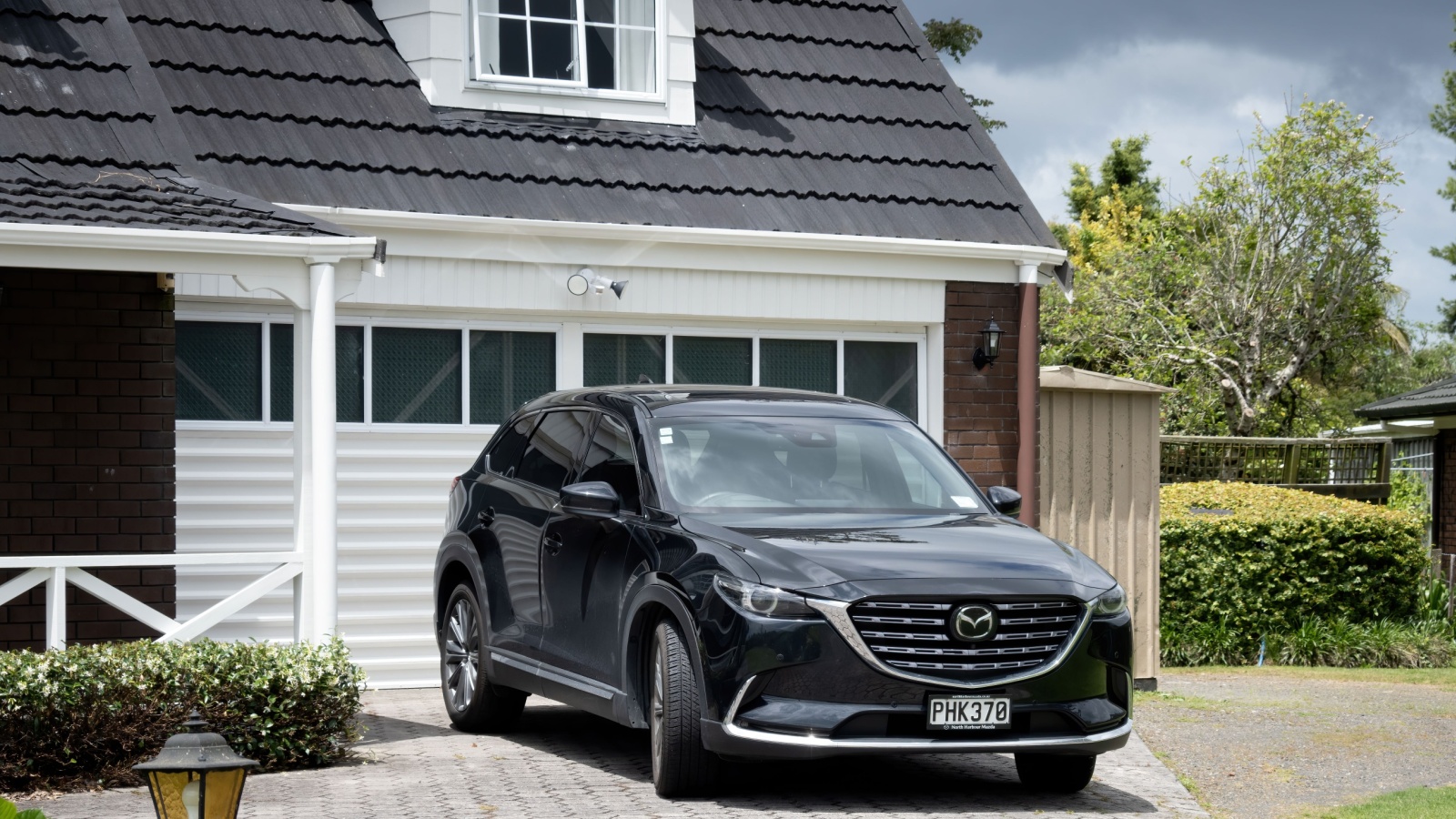
After an accident, drivers must take reasonable steps to limit loss. This duty applies even in severe winter weather. Leaving a damaged vehicle exposed to snow can worsen harm. Insurers expect temporary measures like towing or covering openings. Ignoring further risk may reduce claim payouts. Investigators look at post-accident actions carefully. Storage choices and timing can influence decisions. Additional water or snow damage may be questioned. Policies often describe this as a duty to mitigate loss. Reasonable care helps preserve evidence and vehicle condition. Quick action supports smoother claim processing. Responsible steps after the crash protect financial recovery.
Lapsed Policy Due to Missed Premium Payments

Active coverage depends on timely premium payment. Missing payments can lead to policy cancellation. If a winter accident happens during a lapse, coverage may not apply. Insurers usually send notices before cancellation occurs. Drivers sometimes overlook reminders during busy periods. Once cancelled, reinstatement may not cover past losses. Claims submitted during the gap are often denied. Electronic payment failures also cause unintended lapses. Regularly checking payment status reduces this risk. The timing of proof of payment is important in disputes. Driving without valid insurance also violates provincial law. Keeping the policy current protects legal compliance and claim eligibility.
Carrying More Passengers Than Allowed
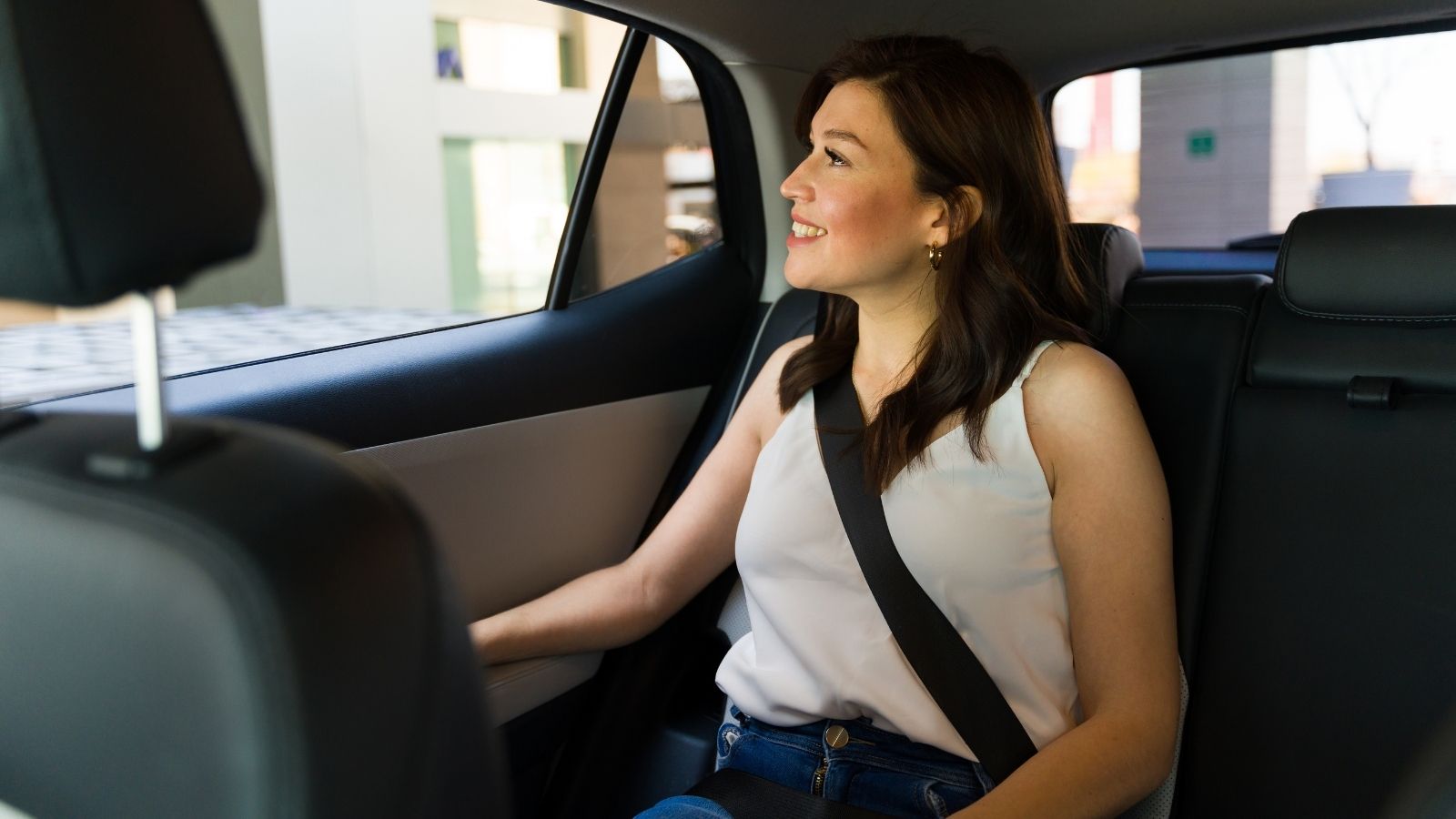
Auto policies assume vehicles operate within manufacturer limits. Carrying more passengers than seat belts creates safety and coverage concerns. Overloading affects braking and vehicle stability on icy roads. Winter stopping distances increase with extra weight inside the car. Investigators may review seating capacity after serious collisions. Police reports often note passenger numbers at the scene. Insurers may argue that overcrowding contributed to injuries. This can affect liability and accident benefit claims. Seat belt laws also apply across Canadian provinces. Non-compliance may weaken parts of the claim. Respecting seating limits supports safer travel. It also reduces disputes with the insurer after a crash.
Using the Vehicle for Illegal Activities
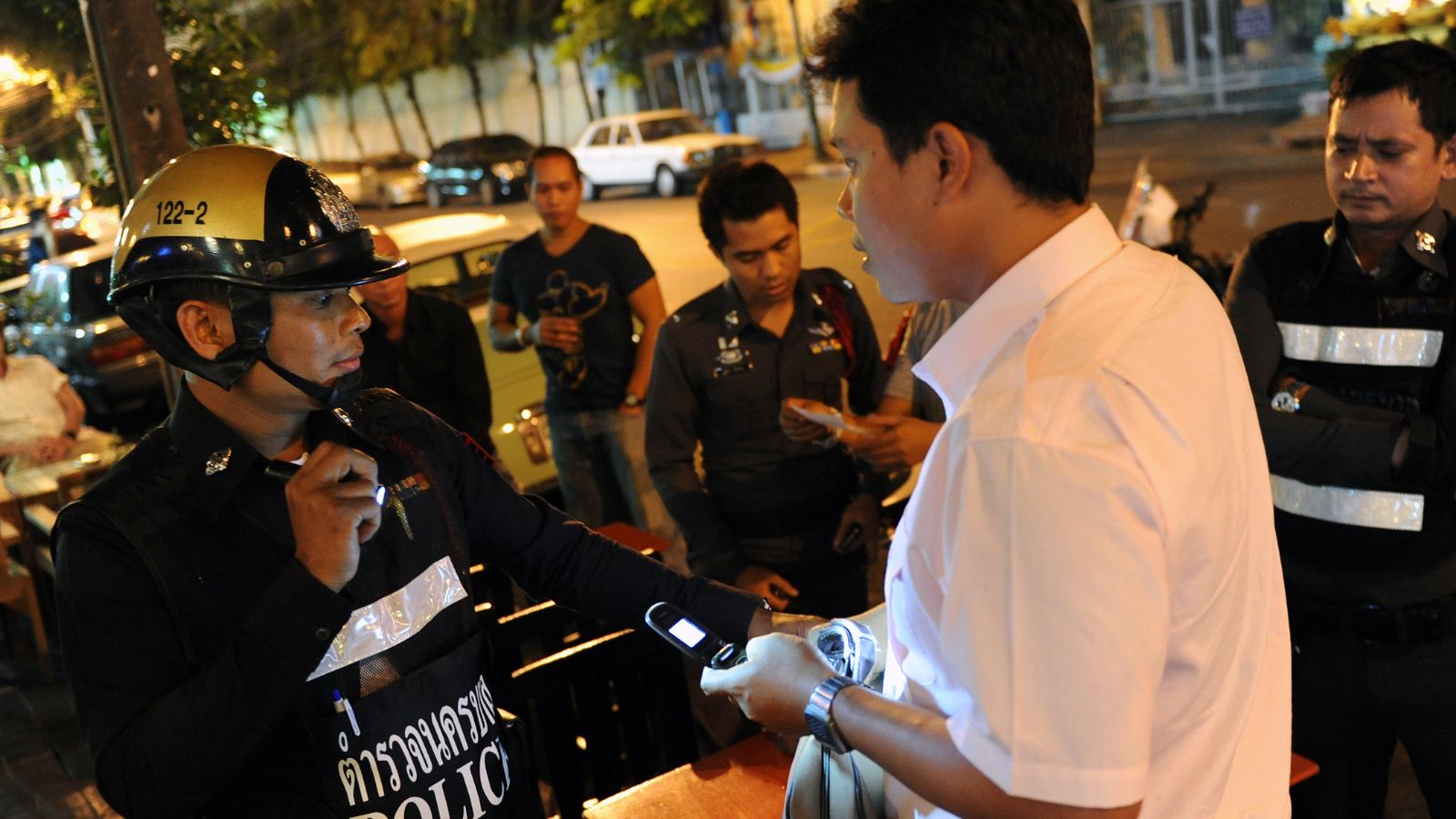
Canadian auto policies generally exclude losses during criminal acts. Using a vehicle to commit an offence can void coverage. Examples include fleeing police or transporting illegal goods. Winter road conditions can worsen outcomes during such incidents. Insurers rely on police findings and court records. If criminal activity is linked directly to the crash, denial is likely. Coverage for both vehicle damage and liability may disappear. Innocent third parties may still seek compensation through other systems. The insured driver may face personal financial exposure. Legal consequences often extend beyond insurance issues. Avoiding unlawful use protects both safety and financial stability.
Breach of Policy Cooperation Clause

Insurance contracts require cooperation during claim handling. This includes providing truthful information and requested documents. Refusing interviews or hiding facts may breach this clause. Winter accidents often involve complex investigations and multiple drivers. Insurers depend on cooperation to assess liability and damages. Withholding repair records or witness details can raise concerns. Inconsistent statements may also affect credibility. If non-cooperation harms the investigation, coverage may suffer. Courts sometimes support insurers in cases of serious breach. Timely responses help keep the claim moving forward. Open communication supports fair assessment. Following cooperation duties protects your right to policy benefits.
22 Groceries to Grab Now—Before another Price Shock Hits Canada

Food prices in Canada have been steadily climbing, and another spike could make your grocery bill feel like a mortgage payment. According to Statistics Canada, food inflation remains about 3.7% higher than last year, with essentials like bread, dairy, and fresh produce leading the surge. Some items are expected to rise even further due to transportation costs, droughts, and import tariffs. Here are 22 groceries to grab now before another price shock hits Canada.
22 Groceries to Grab Now—Before another Price Shock Hits Canada
