TikTok moves fast. One week, a sound is everywhere. The next week, it feels ancient. Canadian users often catch trends slightly later than those in the United States or the United Kingdom. That does not stop anyone from trying them anyway. Some trends hang around longer here. Others arrive just as global creators move on. If your “For You” page feels slightly behind, you are not imagining it. Here are 17 TikTok trends Canadians are late to (but still doing anyway).
Roman Empire Confessions

The Roman Empire trend asked men how often they think about ancient Rome. The punchline was that many think about it often. The trend peaked globally in 2023. Canadian creators joined in months later. Couples filmed reactions in kitchens and parked cars. History teachers added their own twists. Some users stretched the joke too far. The humor worked best when reactions felt real. By the time Canadians leaned in, other countries had moved on. Still, the comment sections stayed busy. It became one of those trends that refused to disappear from Canadian feeds.
Girl Dinner
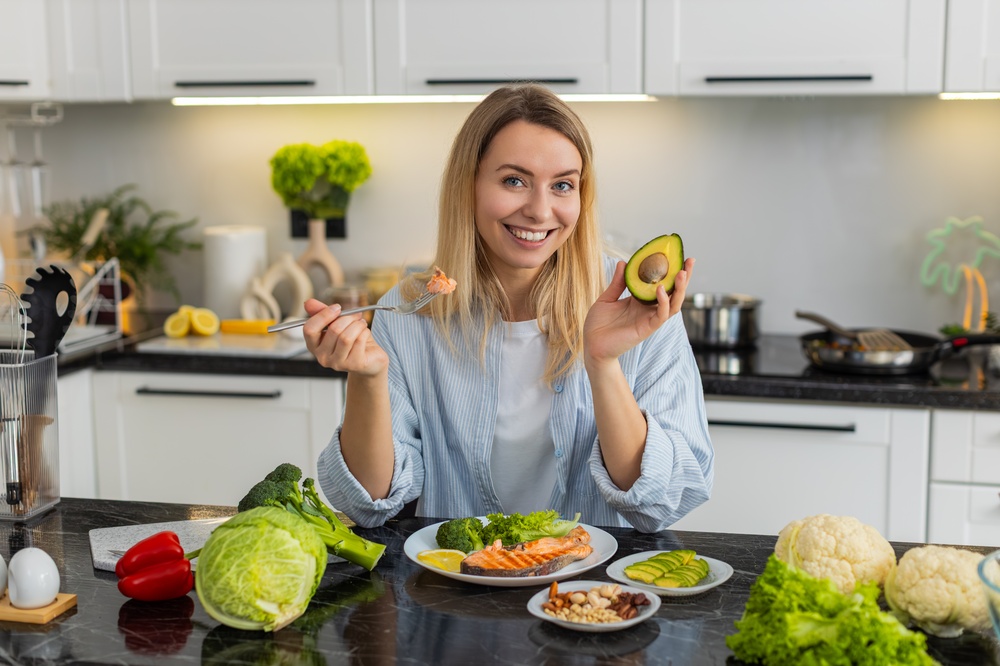
Girl Dinner showed casual snack plates as full meals. Crackers, cheese, olives, and random fridge finds filled the screen. The trend started as a joke about low-effort dinners. It later sparked debates about diet culture. Canadian users embraced it long after backlash began elsewhere. Grocery prices likely helped the concept land. Some creators shared budget versions using store brands. Others leaned into aesthetics with careful plating. The sound attached to the trend lingered on Canadian For You pages. Even when global interest faded, Canadians kept posting their late-night snack boards.
Quiet Luxury Outfit Checks
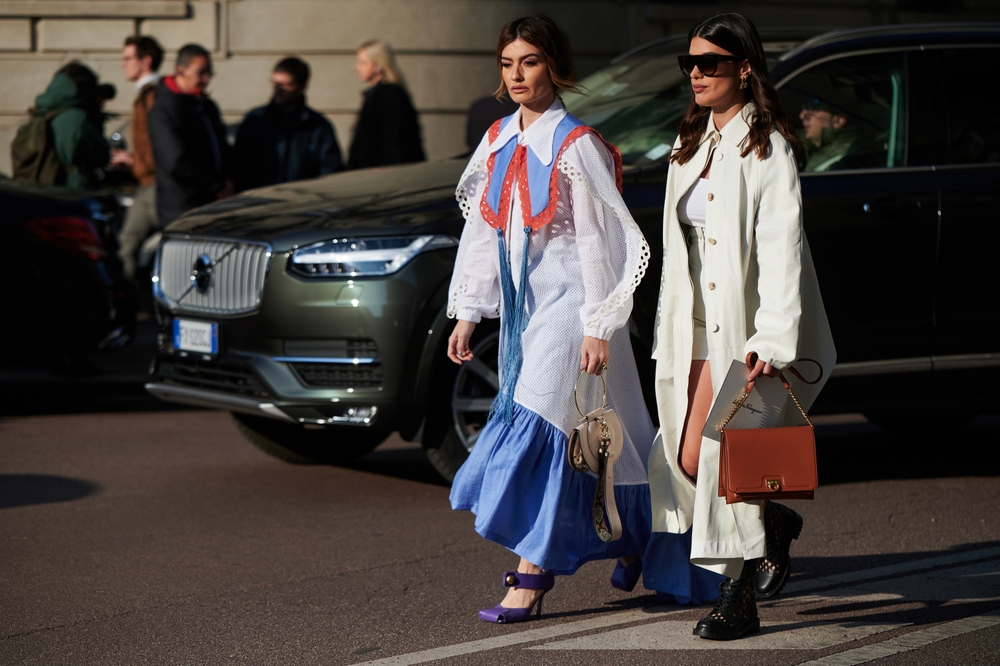
Quiet luxury focused on simple, neutral outfits with expensive vibes. Think beige sweaters and tailored coats. The trend exploded during the rise of minimalist fashion content. Canadian creators adopted it after the peak conversation passed. Thrift flips and winter layering became local spins. Toronto and Vancouver influencers filmed street style clips downtown. Many viewers questioned whether it was truly affordable. Still, outfit check videos continued. The style matched colder climates and office settings. Even as louder fashion returned elsewhere, quiet luxury lingered in Canadian closets and TikTok drafts.
NPC Live Streaming

NPC streaming involved creators acting like video game characters. They repeated phrases and reacted to virtual gifts. The trend first shocked viewers with its strangeness. It later raised questions about platform monetization. Canadian streamers joined in after global headlines cooled down. Some viewers found it confusing. Others watched out of curiosity. A few creators leaned into humor instead of full commitment. The format felt awkward to many audiences. Yet clips kept appearing on Canadian feeds. It became a late arrival that never fully caught up, but never fully disappeared either.
Barbiecore Everything

Barbiecore covered outfits, decor, and pink-themed everything. It surged around the major movie release in 2023. Canadian creators leaned in after the global frenzy slowed. Pink outfits popped up in malls and office transitions. Thrift stores reported more pink searches. Some users styled winter coats in bright shades. Others recreated themed parties at home. The timing felt slightly delayed compared to American creators. Still, pink filled Canadian feeds for months. Even after the movie hype cooled internationally, Barbiecore lived on in local fashion and event videos.
Photo Dump Slideshows

Photo dumps turned random pictures into casual slideshows. The goal was to look effortless and unfiltered. The trend thrived on Instagram first. TikTok later adopted the slideshow style. Canadian creators joined after early adopters grew tired of it. Cottage trips, hockey nights, and road trips filled the slides. Captions stayed intentionally vague. The charm depended on authenticity. By the time Canadians embraced it widely, the novelty had worn off elsewhere. Still, the format stuck. It became an easy way to post without filming new video content.
Corecore Edits

Corecore stitched together chaotic clips with dramatic music. It reflected internet overload and social commentary. The trend gained traction among niche creators first. Canadian users tried it once mainstream interest faded. Many edits focused on inflation, rent, and weather complaints. The mood felt heavy and ironic. Some viewers struggled to understand the format. Others are related to the emotional tone. Corecore never dominated Canadian TikTok, but it appeared steadily. It showed how trends can shift meaning when they cross borders. By then, the original edge felt softened.
BeReal Style Honesty

BeReal inspired unfiltered, dual camera posts. TikTok copied the format with candid updates. The idea was to show real life without polish. Canadian creators joined after BeReal’s hype dipped. Snow days, office desks, and transit commutes filled the frame. Some viewers appreciated the honesty. Others felt it was staged anyway. The appeal depended on timing and context. While global excitement cooled, Canadians kept testing the concept. It blended well with everyday content. Even so, it never felt truly spontaneous by the time it arrived widely.
Stanley Cup Obsession
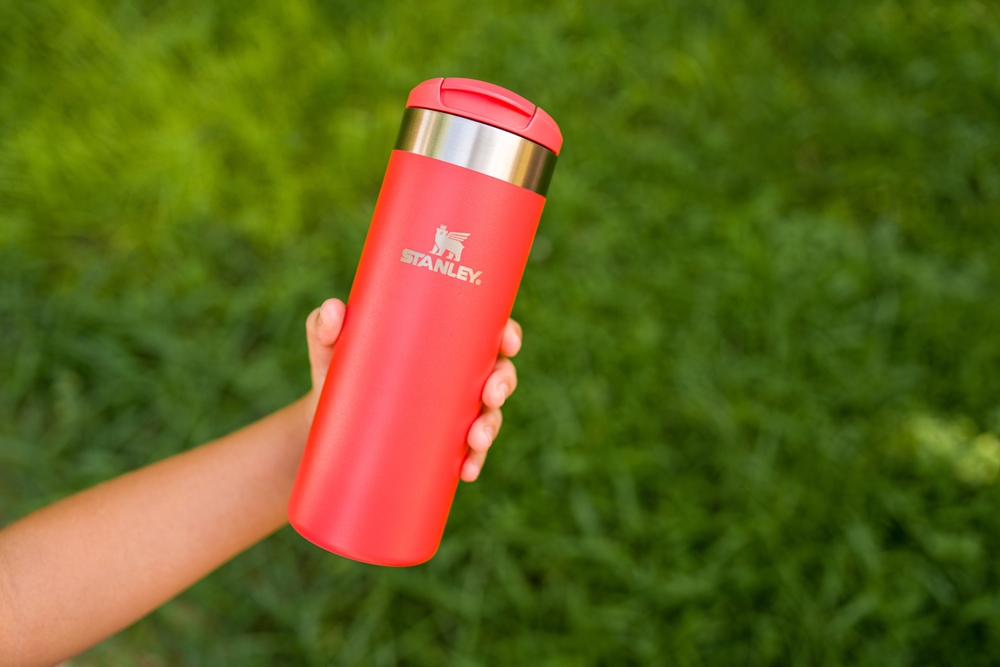
Oversized tumblers became status symbols on TikTok. The Stanley Cup trend drove sellouts in several countries. Canadian shoppers embraced it later than American buyers. Videos showed long lines and unboxing. Some joked about confusing it with hockey’s Stanley Cup. The hype centered on color drops and limited editions. Critics questioned the price of a water bottle. Still, the cups appeared in school and office clips. Even after resale prices cooled elsewhere, Canadian feeds continued to feature restock alerts and collection displays.
AI Yearbook Photos
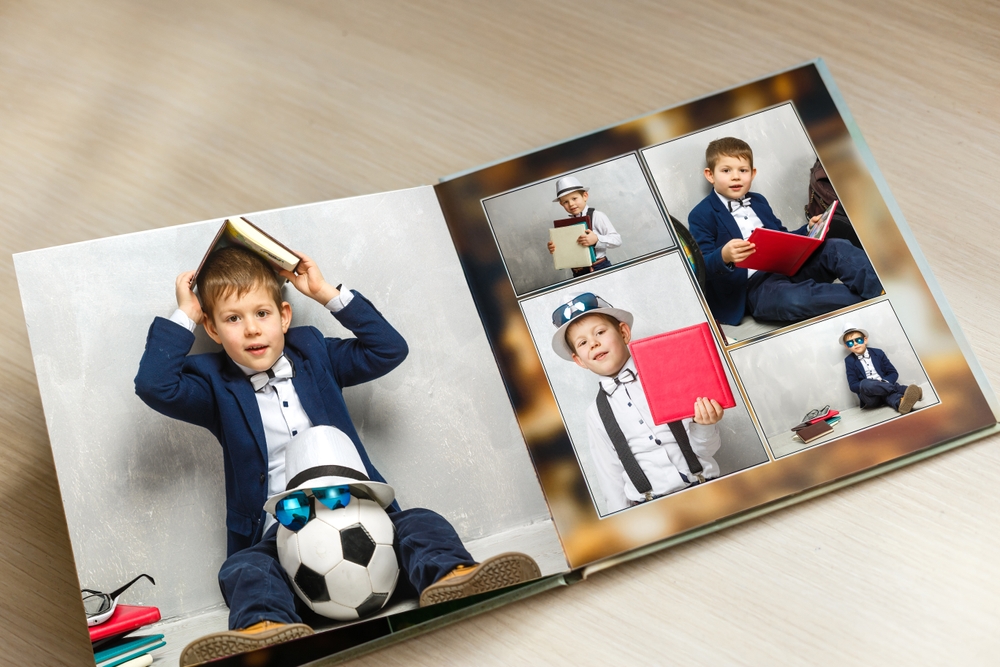
AI yearbook filters turned selfies into retro portraits. The trend spiked quickly across global TikTok. Canadian users experimented after privacy concerns surfaced. Many shared throwback looks from the 1990s. Some schools even referenced the style in spirit weeks. The novelty faded quickly abroad. In Canada, the filter lingered longer in casual posts. Users debated data use in comment sections. Despite warnings, people kept uploading photos. The delay showed how tech trends can spread unevenly. By the time it peaked locally, other filters had replaced it elsewhere.
Corporate Girl Morning Routines

Corporate girl routines showed early alarms and commuter trains. The aesthetic mixed productivity with subtle glamor. The trend grew during return to office debates. Canadian creators adopted it once offices reopened more widely. Winter darkness added its own atmosphere. Coffee shop stops became standard shots. Some viewers praised the realism. Others criticized the polished editing. Globally, interest slowed as remote work stabilized. In Canada, the routine content continued. It matched urban work culture shifts and changing job expectations.
Loud Budgeting

Loud budgeting encouraged people to decline expensive plans openly. The trend gained traction during inflation spikes. Canadian creators picked it up after early discussions abroad. Rising rent and grocery costs made it relatable. Videos showed polite refusals for trips and dinners. Comment sections are filled with shared stories. Some viewers felt it was common sense. Others appreciated the directness. While the global wave subsided, Canadian posts continued to appear. The message aligned with ongoing cost-of-living pressures across several provinces.
Mob Wife Aesthetic

Mob wife fashion embraced bold makeup and dramatic outfits. The look featured fur coats and heavy jewelry. It contrasted with minimalist trends before it. Canadian creators adopted it as winter wardrobes expanded. Snowy backgrounds added drama. Some users styled thrift finds to match the vibe. Others leaned into humor rather than glamour. By the time it surged locally, fashion pages elsewhere had pivoted. Still, the aesthetic suited colder months. It lingered longer on Canadian feeds than expected.
De Influencing
De-influencing pushed back against overconsumption. Creators told viewers what not to buy. The trend grew as audiences questioned sponsored posts. Canadian users joined once brand fatigue became common. Videos focused on beauty and kitchen gadgets. Some creators balanced honesty with affiliate links. Viewers debated authenticity in comments. Globally, the conversation shifted quickly. In Canada, it stayed part of the shopping discourse longer. The slower rollout made it feel less dramatic but more practical.
Get Ready With Me Storytimes

Get Ready With Me videos mixed makeup with personal stories. The format peaked early on TikTok. Canadian creators continued long after the novelty wore off elsewhere. Stories ranged from dating mishaps to workplace drama. The appeal depended on storytelling skill. Some viewers treated it like background radio. Others followed for updates. The trend proved durable despite changing algorithms. Even as short-form storytelling evolved, the format held steady in Canada.
Red Flag Green Flag Lists

Red flag, green flag videos judged habits and dating behavior. The format spread quickly through comment prompts. Canadian creators embraced it once early debates abroad had cooled. Clips focused on texting habits and winter driving skills. The simplicity made it easy to copy. Critics called it repetitive. Still, it filled feeds steadily. Even after global creators shifted to new formats, Canadians continued to rank traits on-screen.
That Girl Productivity

Those girl videos promoted structured mornings and tidy spaces. The trend thrived during lockdown periods. Canadian creators adopted it later as routines normalized. Snowy sunrise shots replaced beach jogs. Some viewers found the clips motivating. Others felt pressure from the polished scenes. Internationally, the trend slowed as conversations about burnout grew. In Canada, it remained visible. The promise of order during uncertain times kept it relevant.
22 Groceries to Grab Now—Before another Price Shock Hits Canada
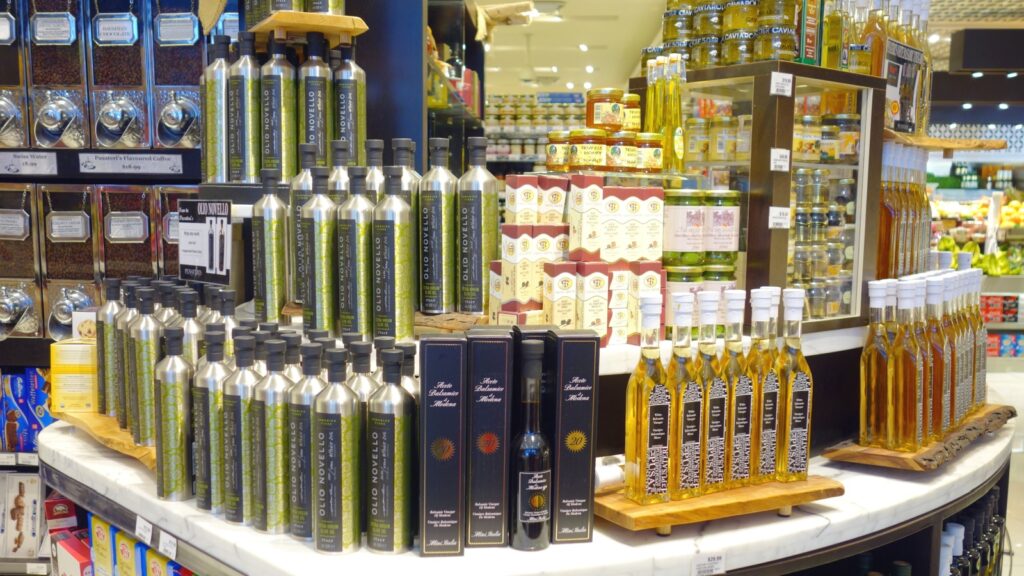
Food prices in Canada have been steadily climbing, and another spike could make your grocery bill feel like a mortgage payment. According to Statistics Canada, food inflation remains about 3.7% higher than last year, with essentials like bread, dairy, and fresh produce leading the surge. Some items are expected to rise even further due to transportation costs, droughts, and import tariffs. Here are 22 groceries to grab now before another price shock hits Canada.
22 Groceries to Grab Now—Before another Price Shock Hits Canada
