
For years, Canadians joked about “boomer” habits like early dinners, paper maps, and lawn care obsessions. Those habits felt outdated in a world of apps and overnight trends. Now, many younger adults are quietly picking them up. Some want stability. Others want comfort or lower costs. A few just enjoy slower routines. What once sounded dull now feels practical and even smart. From hobbies to home upgrades, the shift is real. And it says something about where the country is headed next. Here are 24 “Boomer” things Canadians are secretly into now (Yes, Really).
Gardening in the Backyard
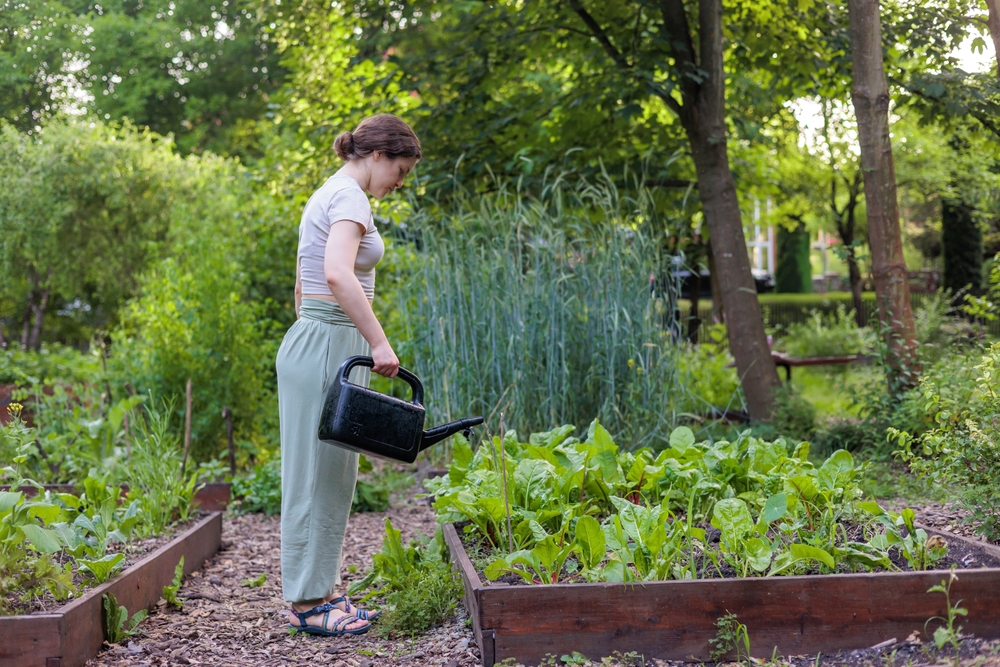
Backyard gardening used to signal retirement. Now it signals rising grocery prices. Canadians are growing tomatoes, lettuce, and herbs to cut food costs. Seed sales have climbed in many provinces. Community garden waitlists are also longer than before. People like knowing where their produce comes from. It feels steady and hands-on. Gardening also offers quiet time away from screens. The work is slow but satisfying. Even condo owners are trying balcony planters. Raised beds are replacing unused lawn space. What looked old-fashioned now looks both practical and calming.
Watching the Evening News

Streaming dominates most homes, yet many Canadians tune into the evening news. Scheduled broadcasts feel structured and predictable. Viewers say they trust familiar anchors. The format feels calmer than social feeds. Stories are organized, not endless. Watching at a set time also creates a routine. Some families even watch together. It feels grounding after chaotic online scrolling. Traditional news still covers local issues clearly. Weather updates matter during Canadian winters. For younger viewers, it feels almost nostalgic. The nightly news offers information without constant notifications interrupting every minute of the day.
Early Bird Dining Specials

Dinner at 5 p.m. once drew jokes. Now, restaurants are packed earlier. Rising prices make early bird specials appealing. Fixed menus help people budget. Quieter dining rooms feel relaxed. Parking is easier. Service often feels quicker. Many Canadians work hybrid schedules. That makes early dinners practical. It also supports better sleep habits. Social media may glamorize late nights, yet comfort wins. Eating earlier feels less rushed. People head home before traffic builds. What used to seem uncool now feels smart and manageable. The early bird crowd is not just retirees anymore.
Birdwatching

Birdwatching used to mean binoculars and patience. It still does, but younger Canadians are joining in. Apps help identify species quickly. Parks Canada trails see steady interest. Watching birds feels peaceful. It costs little once you own basic gear. The hobby works in cities and rural areas. People track migrations each season. Winter bird feeders are common in many provinces. Sharing sightings online creates community. Birdwatching slows everything down. It rewards attention instead of speed. Canadians looking for screen breaks often find this hobby surprisingly engaging and steady.
Physical Photo Albums

Cloud storage dominates phones. Yet printed photo albums are making a comeback. Canadians are ordering photo books again. Tangible memories feel different. Flipping pages sparks conversations. Albums sit on coffee tables instead of hidden folders. Grandparents always valued printed photos. Younger adults now see the appeal. Hard copies cannot be erased due to a password error. They feel lasting. Families gather and revisit trips together. The act of organizing photos takes effort. That effort makes memories stick. What once looked dated now feels intentional and meaningful.
Coupon Clipping

Digital coupons exist, but paper coupons are not gone. Canadians are clipping flyers again. Grocery costs push people to plan. Price-matching apps help too. Saving small amounts adds up over months. Some treat couponing like a strategy game. It requires attention and patience. Older generations mastered this habit. Younger shoppers now appreciate the skill. Flyers arrive weekly across neighborhoods. Deal hunting feels less embarrassing than before. It feels practical. Canadians talk openly about saving money. Coupon clipping is no longer something people hide.
Bridge and Card Nights
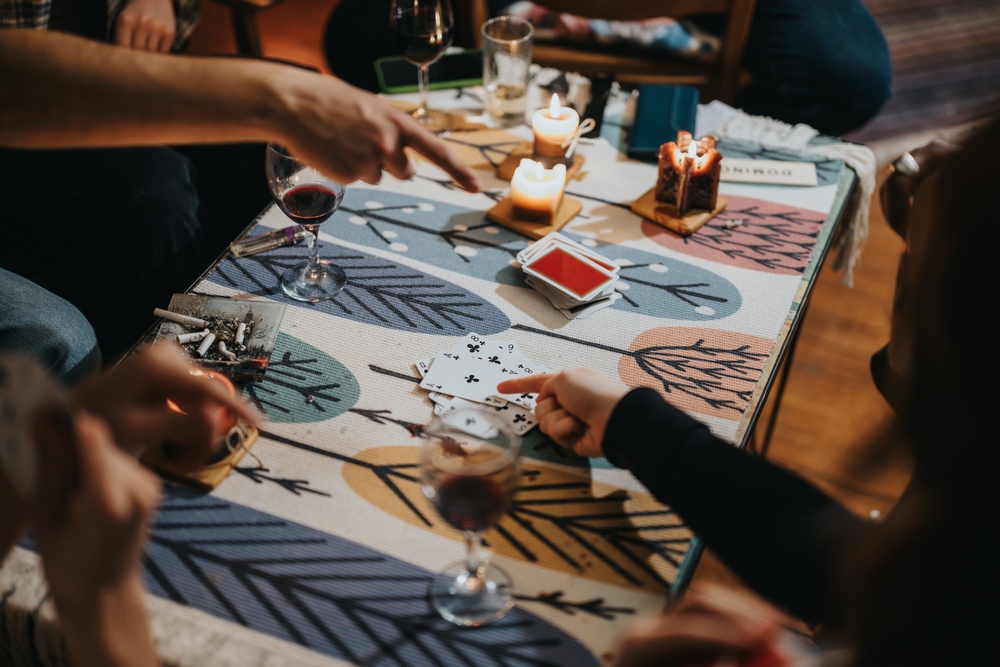
Card games once filled quiet evenings. Now they fill condos and basements again. Bridge clubs are seeing renewed interest. Board game cafés thrive in cities. Cards offer face-to-face time. There is no algorithm involved. People host small gatherings. Snacks stay simple. The pace feels calm. Winning requires thought, not speed. Card nights cost far less than bar outings. Many Canadians want social time without loud crowds. These gatherings feel steady and focused. The appeal is connected without screens dominating every moment.
Paying With Cash

Tap payments dominate checkout lines. Still, some Canadians are returning to cash. Physical money helps track spending clearly. Watching bills leave your wallet feels real. Budgeting becomes easier to manage. Older generations trusted cash. Younger Canadians now see its discipline. Some use envelopes for categories. It limits impulse purchases. Cash also works during network outages. That reliability matters in harsh weather. Carrying bills once seemed outdated. Now it feels practical. People appreciate the clear boundary between spending and saving.
Walking Malls for Exercise
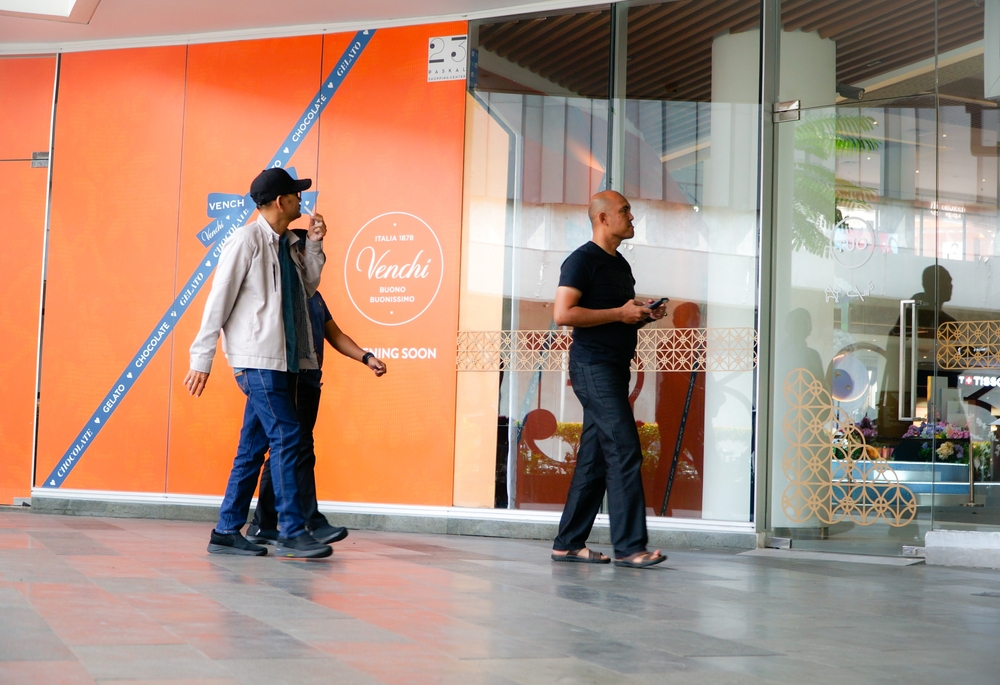
Mall walking once symbolized retirement. Now it fits busy schedules. Canadian winters limit outdoor exercise. Malls offer warm, flat surfaces. Security and lighting provide comfort. People walk laps before stores open. It feels safe and social. Groups chat while moving. There is no membership fee. Younger adults join during cold months. Fitness trackers count the steps. Mall walking is simple and consistent. It removes excuses about the weather. What seemed dull now feels convenient and sensible.
Listening to AM Radio

Podcasts rule streaming charts. Still, AM radio keeps steady listeners. Traffic updates remain useful in large cities. Talk shows offer local viewpoints. Radio feels live and immediate. Hosts discuss community issues. Older Canadians grew up with it. Younger listeners tune in during commutes. It requires no subscription. Reception works in remote areas. The sound may feel dated, yet the content remains relevant. Radio continues to connect regions. It survives because it adapts quietly without flashy marketing.
Knitting and Crocheting

Yarn stores are busy again. Knitting circles attract people of mixed ages. Crafting provides focus and calm. Projects feel productive. Finished scarves and blankets have a purpose. Canadians appreciate handmade gifts. The hobby lowers stress for many. Patterns are shared online. Yet the act itself stays old school. Sitting with needles slows time. It replaces scrolling for some evenings. Supplies cost less than many hobbies. Knitting once seemed reserved for grandparents. Now it feels mindful and grounded.
Reading the Physical Newspaper

Digital headlines dominate phones. Still, printed newspapers remain on kitchen tables. Some Canadians enjoy the ritual. Pages rustle. Coffee sits nearby. Reading feels slower and more thoughtful. Stories are curated, not endless. There are no pop-up ads. Crossword puzzles fill quiet hours. Weekend editions feel substantial. Supporting local journalism matters to many. Buying a paper feels intentional. It keeps readers informed without constant alerts. The experience feels calm and focused.
Joining Community Choirs

Community choirs once attracted older singers. Now, younger Canadians join too. Singing relieves stress. It creates shared rhythm. Choir practices build routine. There is no spotlight pressure. Voices blend. Many groups welcome beginners. Sheet music replaces phone screens. Performances happen at local halls. The sense of belonging feels real. Choirs cost less than many hobbies. Participants build friendships gradually. Music fills evenings without loud venues. What felt old-fashioned now feels grounding and human.
Home Canning and Preserving
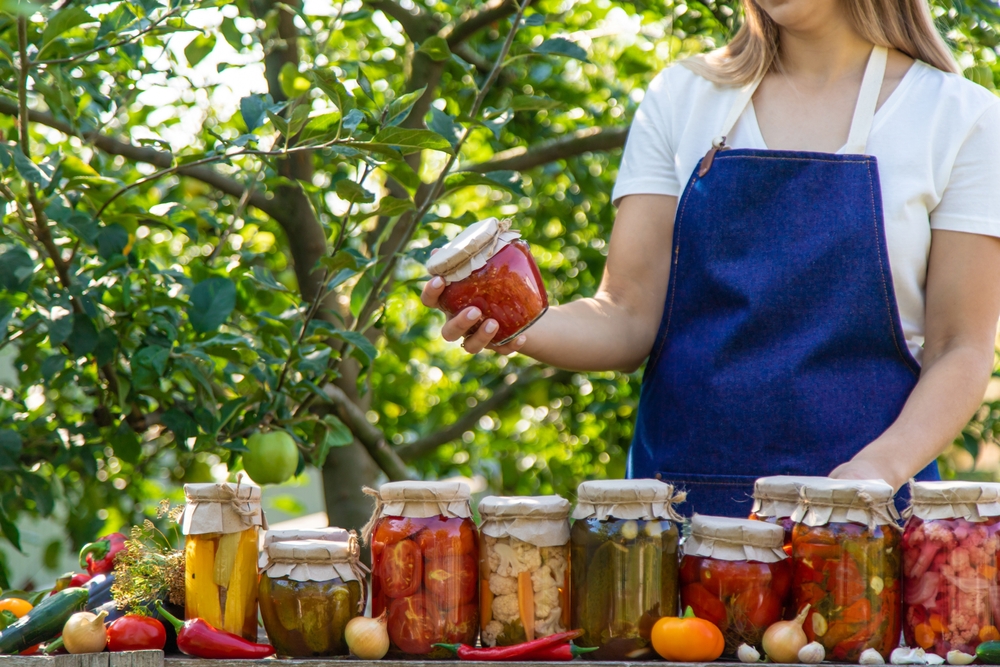
Canning jars line kitchen shelves again. Canadians preserve fruits and vegetables seasonally. Farmers’ markets supply fresh produce. Preserving reduces waste. It stretches grocery budgets. The process takes time. That time feels worthwhile. Recipes pass through families. Sealed jars offer security during winter. Homemade jams feel satisfying. There is pride in self-reliance. Younger adults learn from older relatives. The skill feels practical. It also connects people to seasons more closely than grocery aisles do.
Landline Phones
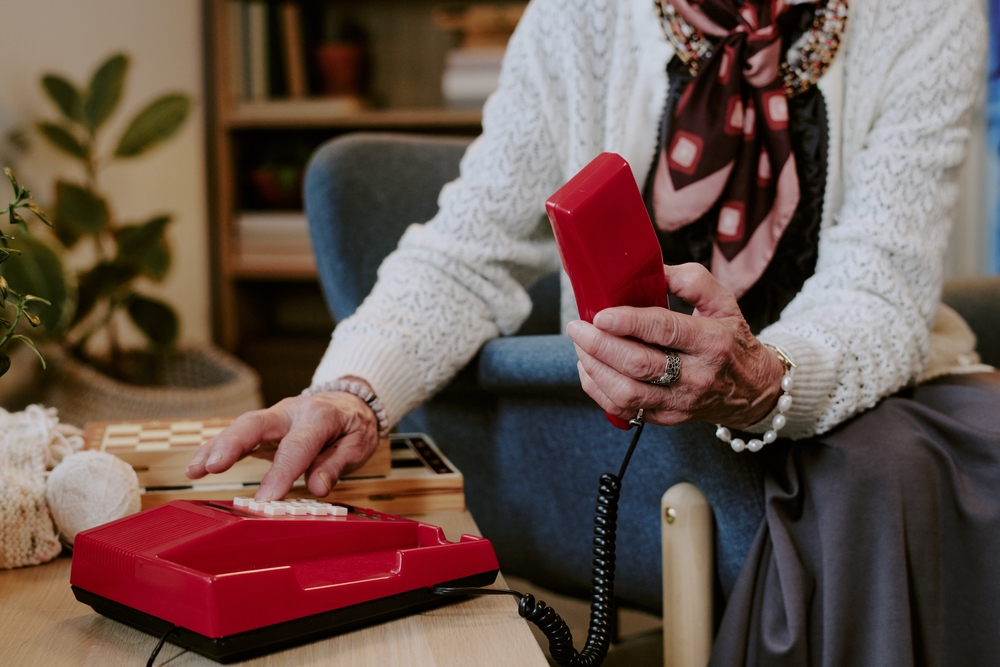
Cell phones dominate communication. Still, some households keep landlines. Clear reception during storms matters. Emergency calls feel dependable. Older Canadians value the stability. Younger adults living with parents accept it. A fixed phone number feels steady. It rarely changes. The sound of a ringing handset feels nostalgic. Landlines also avoid battery anxiety. They work without constant charging. Keeping one may seem outdated. Yet reliability keeps them alive in many homes.
Attending Town Hall Meetings
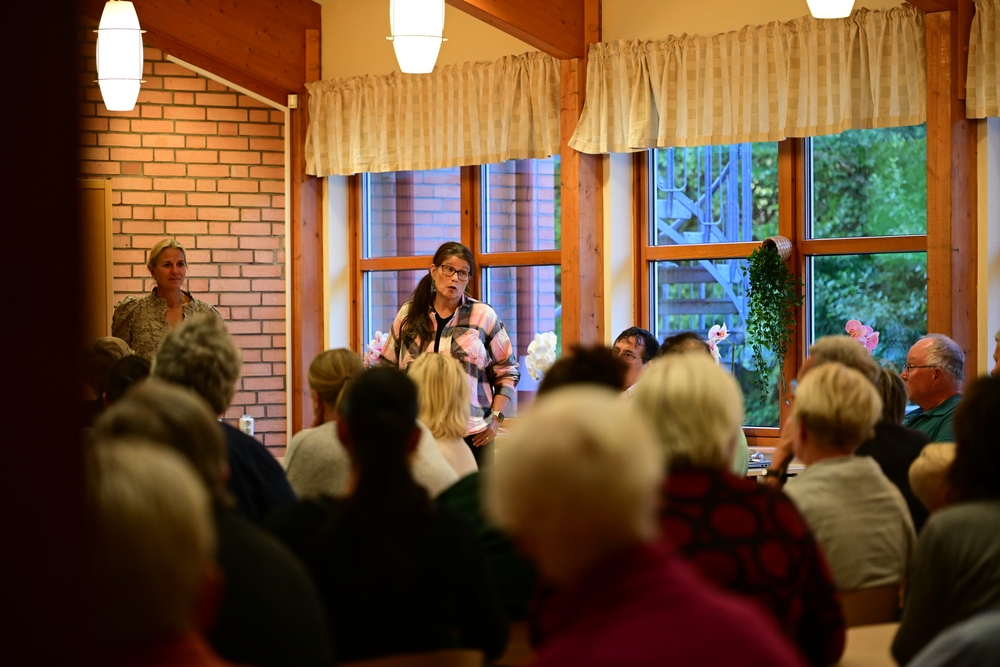
Town halls once drew mainly retirees. Now, younger residents attend. Housing costs and zoning rules affect everyone. People want answers face-to-face. Meetings allow direct questions. Social media debates feel distant. In-person discussions feel concrete. Canadians show up to discuss local changes. Participation feels empowering. Older generations always valued civic involvement. Younger adults now recognize its impact. Showing up matters. It builds awareness of local decisions shaping neighborhoods daily.
Subscribing to Print Magazines

Magazines still arrive by mail. Canadians subscribe to focused reading time. Glossy pages feel immersive. Topics range from gardening to finance. Reading offline reduces distractions. There are no autoplay videos. Many magazines highlight Canadian stories. Subscribers look forward to each issue. It becomes a quiet ritual. The content feels curated. Print subscriptions may seem dated. Yet they offer depth and pause in a fast media cycle.
Crossword Puzzles

Crosswords once filled retirement mornings. Now they fill commutes and coffee breaks. Puzzles sharpen memory. They challenge vocabulary. Many Canadians play daily. Newspapers still print them. Apps offer versions, too. Solving clues feels satisfying. It requires patience and logic. The habit builds gradually. Finishing a tough puzzle feels earned. Crosswords are simple yet engaging. They replace idle scrolling. Mental focus becomes the reward.
Watching Antiques Shows
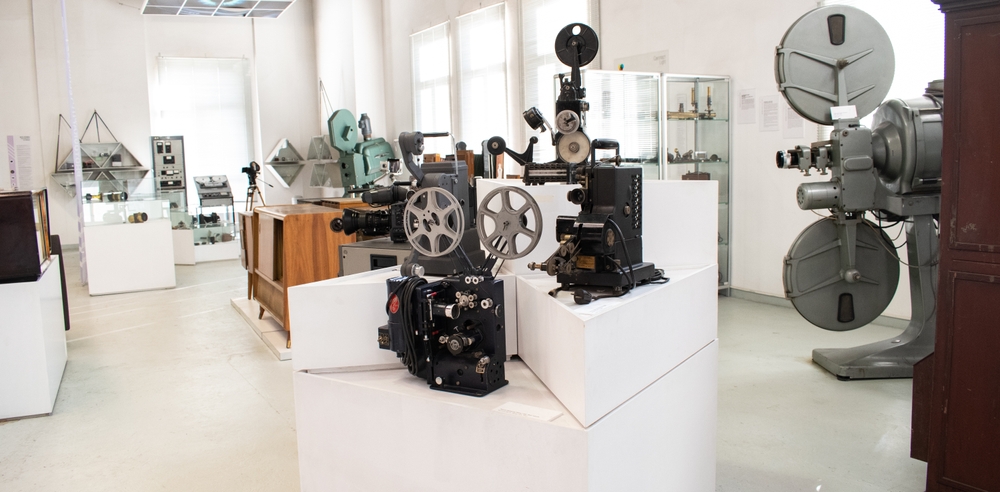
Antiques programs attract broader audiences now. Canadians enjoy learning object histories. Shows explore appraisal stories. Family heirlooms gain context. Viewers imagine what sits in their own basements. Vintage items feel valuable again. Interest in thrifting supports this trend. Watching experts evaluate pieces feels calm. There is suspense without chaos. The stories blend history and everyday life. What seemed niche now feels relatable and steady.
Using Paper Planners
Digital calendars dominate phones. Still, paper planners sell well. Writing appointments by hand feels concrete. Canadians say it helps memory. Crossing off tasks feels satisfying. Pages show progress clearly. There are no push notifications. Planning becomes focused time. Stickers and color pens add personality. Older generations relied on planners. Younger adults now see the benefit. The paper offers clarity without distractions. The format stays simple and reliable.
Joining Rotary or Service Clubs

Service clubs once seemed dated. Now they attract mixed age groups. Canadians want stronger community ties. Rotary and similar groups organize fundraisers and volunteer projects. Meetings usually happen monthly. The format feels structured and clear. Members build networks without awkward pressure. Projects create visible change in local areas. Older members share experience and contacts. Younger members bring fresh ideas and energy. Dues are often reasonable. The commitment feels manageable. Many Canadians now see service clubs as steady, purposeful spaces where connection grows beyond work or social media.
Sunday Drives
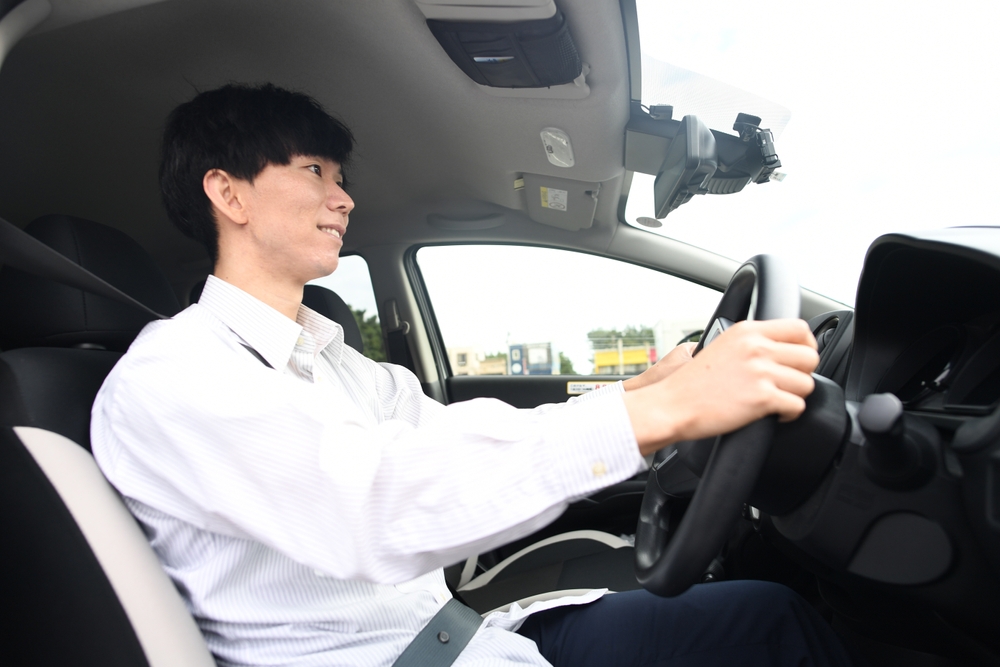
Sunday drives once defined quiet weekends. Canadians are returning to them. Rising travel costs limit bigger trips. Short scenic drives feel affordable and easy. Rural highways offer open views and calm stretches. Families talk without constant phone use. There is no tight schedule. Stops at roadside diners feel nostalgic. Gas prices matter, so routes stay local. The ritual creates a gentle structure. It turns ordinary roads into simple escapes. For many Canadians, slow drives provide reflection and connection without complicated planning.
Baking From Scratch
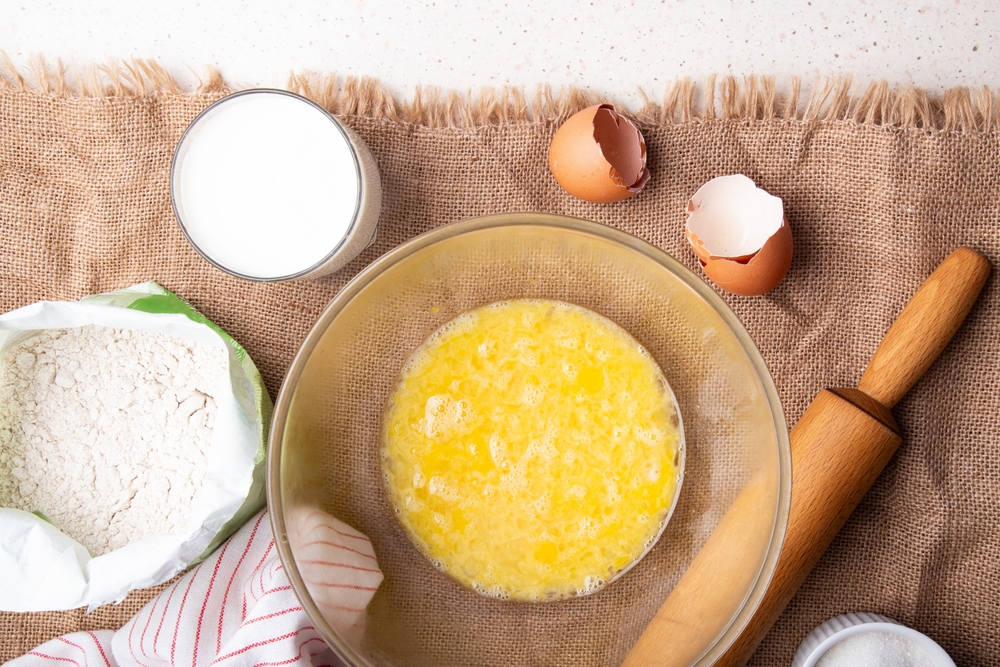
Box mixes still exist, yet scratch baking is growing. Canadians spend weekends preparing bread and desserts. Measuring flour and sugar requires attention. The process slows down busy days. Recipes often pass through families. Homemade loaves cost less than specialty bakery items. People control ingredients and portions. Sharing baked goods strengthens unneighborly ties. The kitchen becomes a gathering place again. The smell of fresh bread feels comforting. What once seemed time-consuming now feels practical and grounding for many households.
Writing Letters by Hand

Handwritten letters seem rare today. Yet some Canadians are returning to them. Writing with a pen forces slower thought. Messages feel more personal than quick texts. Recipients often keep letters for years. Stationery shops report steady interest. Mailing a letter takes effort and planning. That effort shows care. Older relatives value this gesture deeply. Younger adults see its charm and difference. In a fast digital world, sending paper mail stands out. The practice feels deliberate and lasting.
22 Groceries to Grab Now—Before another Price Shock Hits Canada

Food prices in Canada have been steadily climbing, and another spike could make your grocery bill feel like a mortgage payment. According to Statistics Canada, food inflation remains about 3.7% higher than last year, with essentials like bread, dairy, and fresh produce leading the surge. Some items are expected to rise even further due to transportation costs, droughts, and import tariffs. Here are 22 groceries to grab now before another price shock hits Canada.
22 Groceries to Grab Now—Before another Price Shock Hits Canada
