Public apologies from celebrities now unfold in real time across social media. Statements meant to calm controversy can sometimes intensify it instead. Canadians watching these events often debate tone, timing, and sincerity. Written posts, videos, or interviews are scrutinized line by line. Past behavior frequently resurfaces alongside the apology itself. Brand partnerships and careers can be affected within hours. Supporters and critics respond immediately online. In some cases, attempts at explanation create new issues rather than resolving old ones. Here are 21 celebrity “apology” posts Canadians say made things worse.
Justin Trudeau — Blackface Photo Apology (2019)
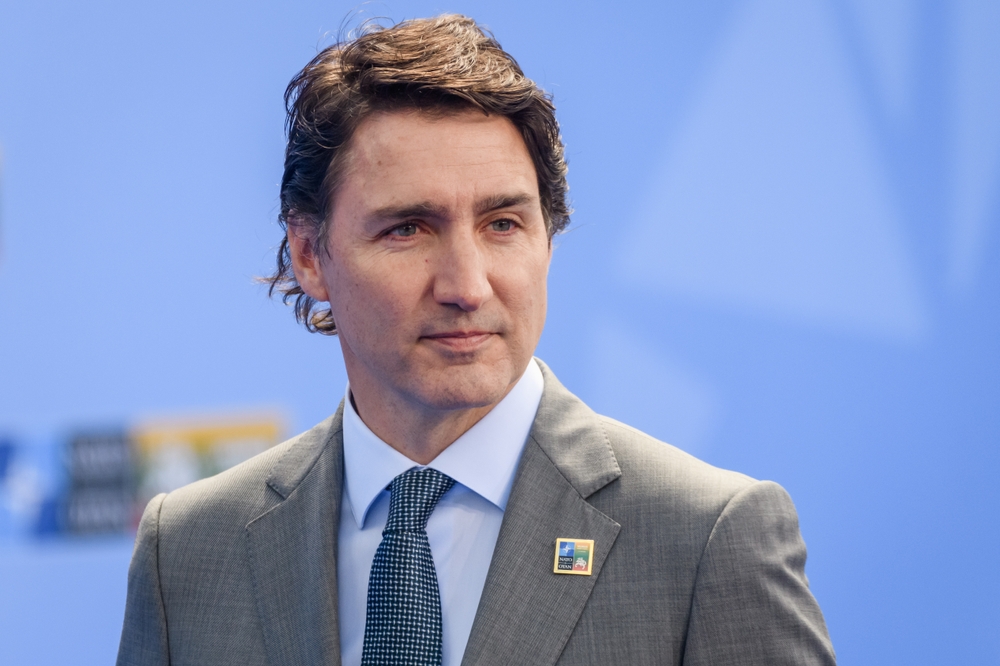
Photos surfaced showing Justin Trudeau wearing blackface at past events. The images emerged during the federal election campaign. He issued a public apology acknowledging that the behavior was racist. Trudeau stated he did not understand the harm at the time. Critics argued the apology came only after exposure. Supporters accepted his acknowledgment and commitment to learn. Media coverage dominated Canadian news cycles for days. Political opponents questioned his judgment and credibility. The controversy influenced campaign discussions nationwide. Polling suggested a mixed public reaction to the response. Debate continues over whether the apology sufficiently addressed the issue.
Shane Dawson — YouTube Apology Video (2020)
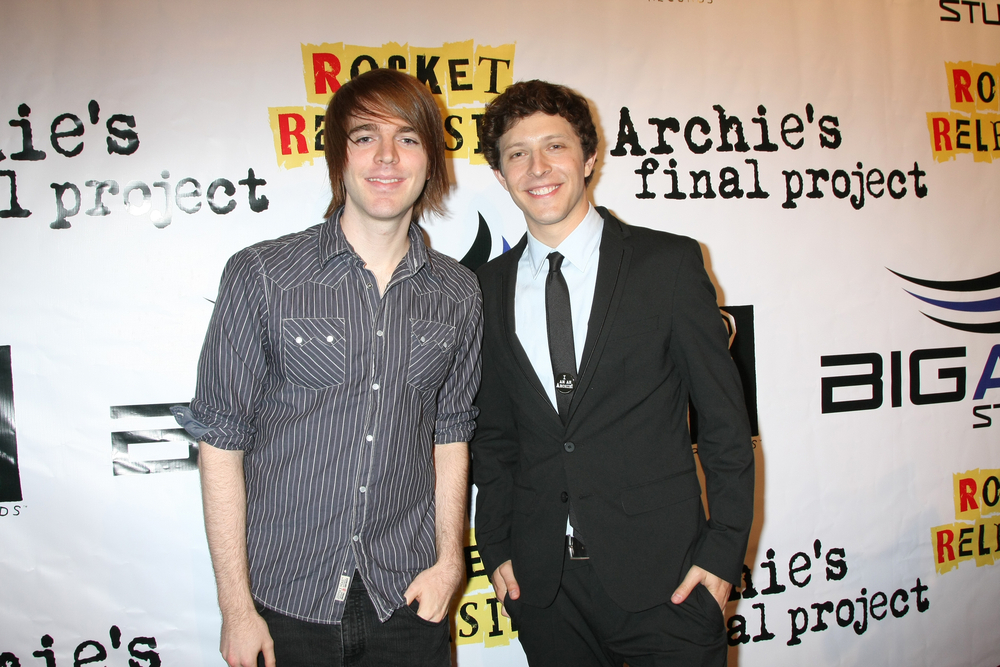
Shane Dawson released an apology video addressing past offensive content. Clips resurfaced showing racist jokes and inappropriate remarks. He expressed regret and said he had grown since then. The video attempted to explain his earlier behavior. Critics felt the tone centered too much on his own distress. Some viewers questioned why the apology came years later. YouTube later removed monetization from his channels. Sponsors also distanced themselves from his brand. Supporters believed he deserved forgiveness. Others argued the apology lacked accountability. The response sparked ongoing debate about influencer responsibility.
Ellen DeGeneres — Workplace Allegations Statement (2020)
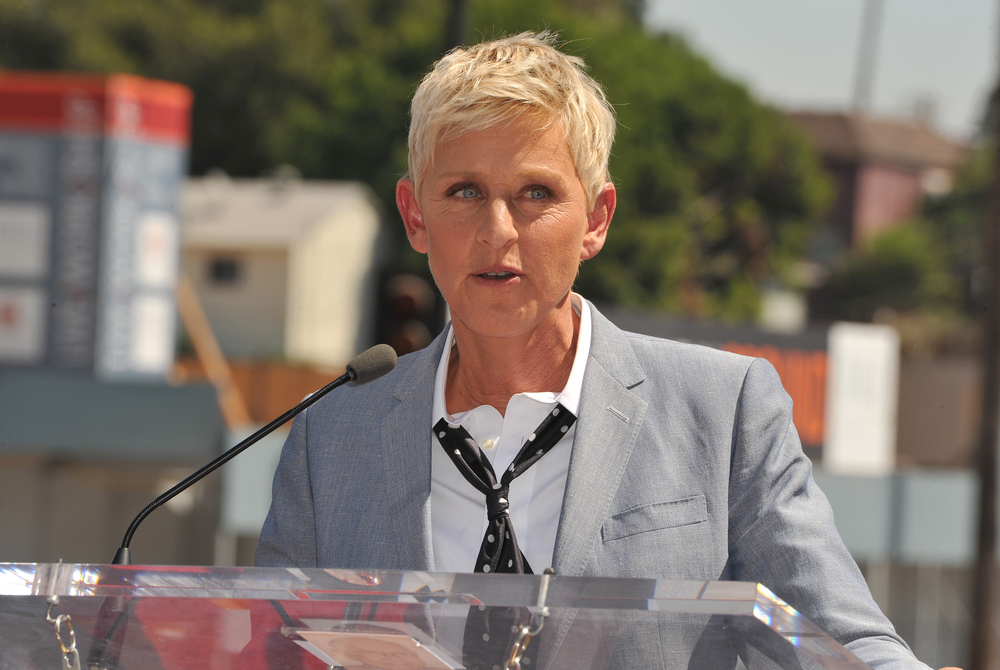
Reports alleged a toxic work environment on Ellen DeGeneres’ show. Former employees described instances of intimidation and discrimination. DeGeneres issued a statement apologizing to staff members. She acknowledged that problems had occurred behind the scenes. Critics argued she shifted blame to other producers. Supporters emphasized her previous charitable public image. WarnerMedia launched an internal investigation following the claims. Several executives later left the program. Ratings declined in subsequent seasons. Media discussion focused on the contrast with her on-screen persona. The apology did little to fully restore public trust.
Kevin Hart — Oscars Controversy Apology (2018–2019)
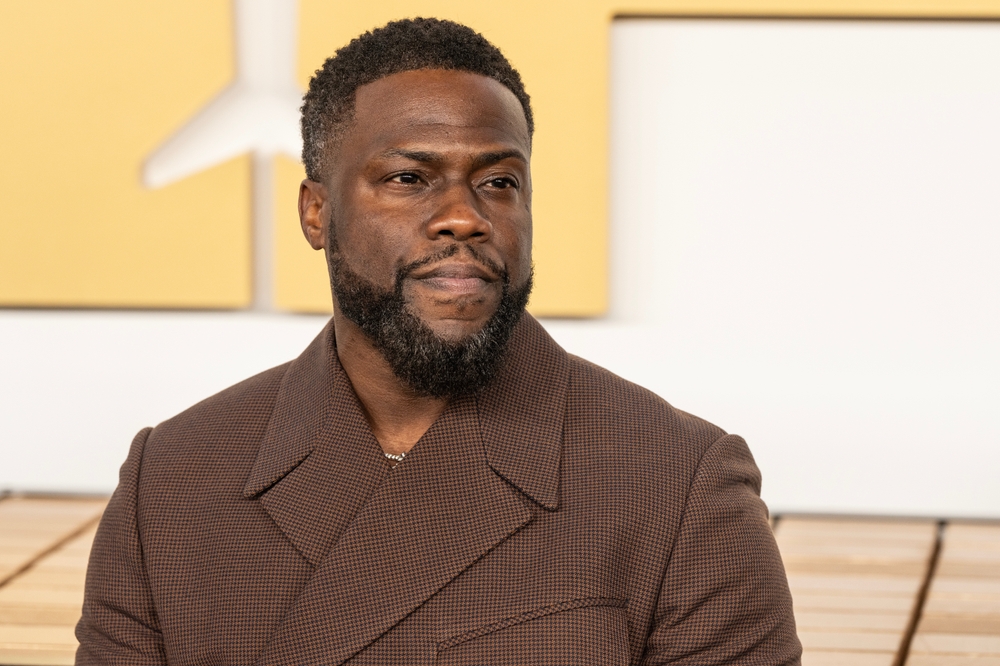
Kevin Hart stepped down from hosting the Academy Awards. Past tweets containing homophobic language resurfaced online. Initially, he resisted issuing a new apology publicly. Late,r he released statements expressing regret for earlier remarks. Critics viewed the delayed response as insufficient. Supporters argued he had apologized previously, years before. The controversy dominated entertainment news coverage. Hart ultimately declined to host the ceremony. The situation highlighted changing standards for public figures. The media debate focused on accountability versus forgiveness. The apology did not fully resolve criticism at the time.
Chrissy Teigen — Cyberbullying Apology Post (2021)
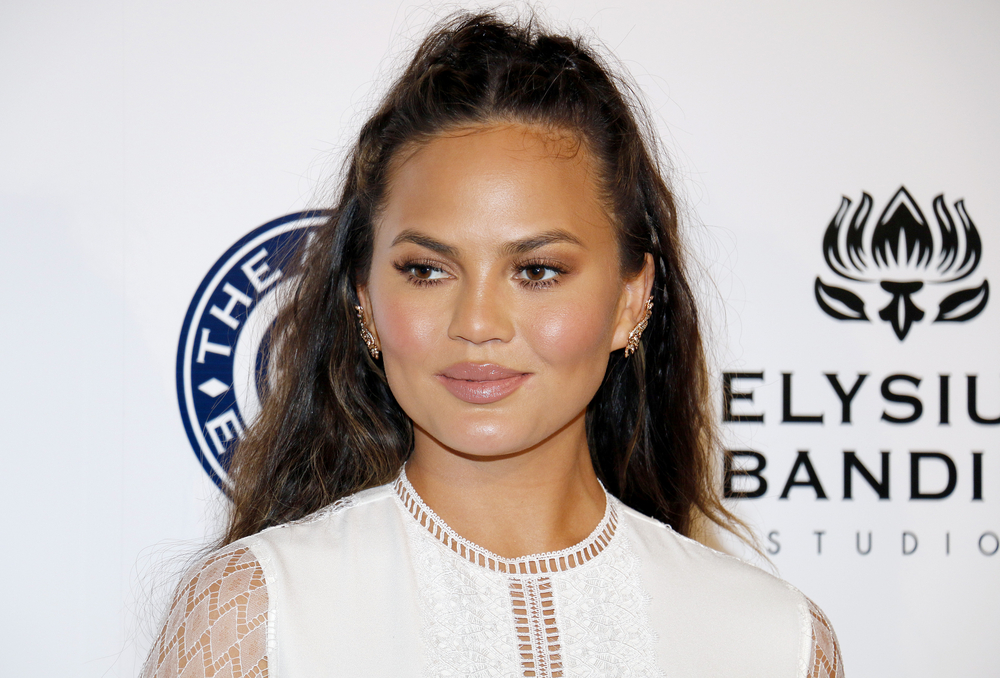
Chrissy Teigen apologized after past bullying messages resurfaced. The tweets targeted several individuals years earlier. She described her behavior as deeply regrettable. Teigen stated she was ashamed of her actions. Critics argued the apology did not address the specific harm caused. Some victims said they were not contacted privately first. Brand partnerships paused following the controversy. Supporters emphasized her previous openness on social issues. Media coverage examined online harassment culture broadly. Public reaction remained divided across platforms. The incident highlighted the lasting consequences of social media behavior.
James Charles — “No More Lies” Response Video (2019)
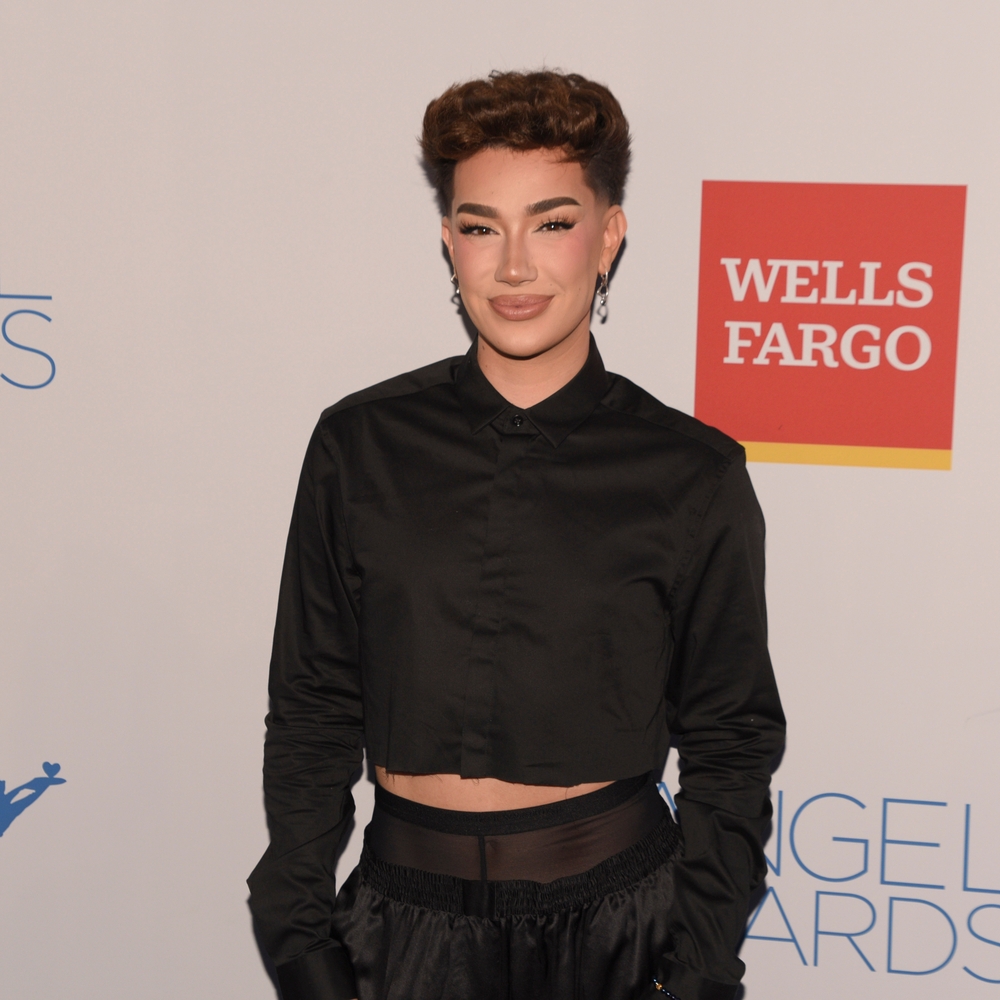
James Charles released a video titled “No More Lies,” addressing allegations from another influencer. The controversy involved claims about behavior and business relationships. He presented messages and timelines to defend himself. Supporters praised the detailed explanation and evidence. Critics argued the video focused on reputation rather than reflection. Subscriber counts fluctuated dramatically during the dispute. Brands monitored the situation closely before responding. The video became one of the most viewed responses on YouTube. Media outlets covered the feud extensively. Public opinion shifted several times as new information emerged. Debate continues about accountability within influencer culture.
Logan Paul — Japan Forest Video Apology (2018)
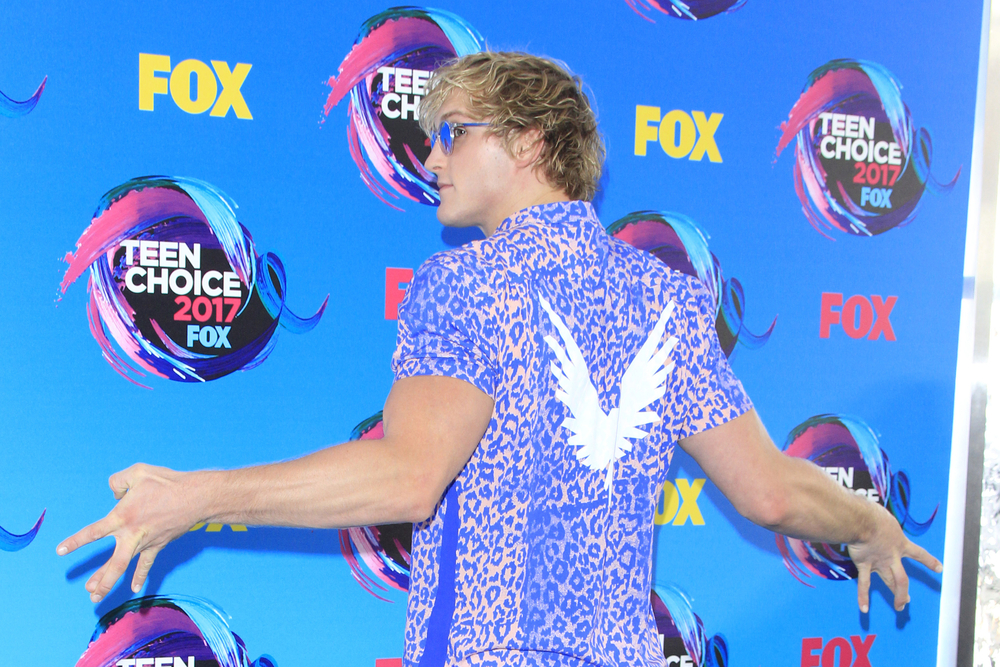
Logan Paul faced backlash after posting a video filmed in Japan’s Aokigahara forest. The footage showed a deceased person, triggering global outrage. He removed the video and issued written and video apologies. Paul stated he had made a severe error in judgment. Critics said the apology appeared focused on personal consequences. YouTube temporarily suspended advertising on his channel. Sponsors also withdrew partnerships. Supporters argued he acknowledged wrongdoing clearly. Mental health organizations condemned the original content strongly. Media coverage examined ethical boundaries for creators. The incident significantly altered his public image.
Will Smith — Oscars Incident Apology (2022)
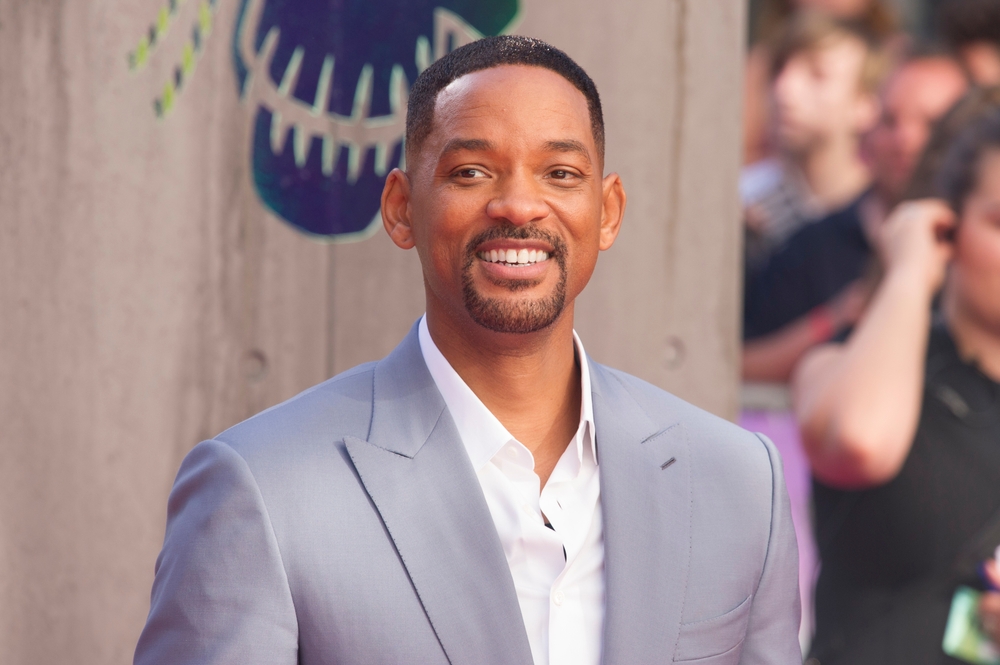
Will Smith apologized after striking Chris Rock during the Academy Awards ceremony. The incident occurred live on international television. Smith later issued a written apology to Rock and viewers. He described his behavior as unacceptable and emotional. Critics questioned why the apology was not immediate. Supporters cited personal stress as a factor. The Academy imposed a ban on future ceremonies for a period. Media discussion focused on professionalism and violence. Public reaction remained divided across audiences. The apology did not fully end the debate about the event.
Travis Scott — Astroworld Statement (2021)
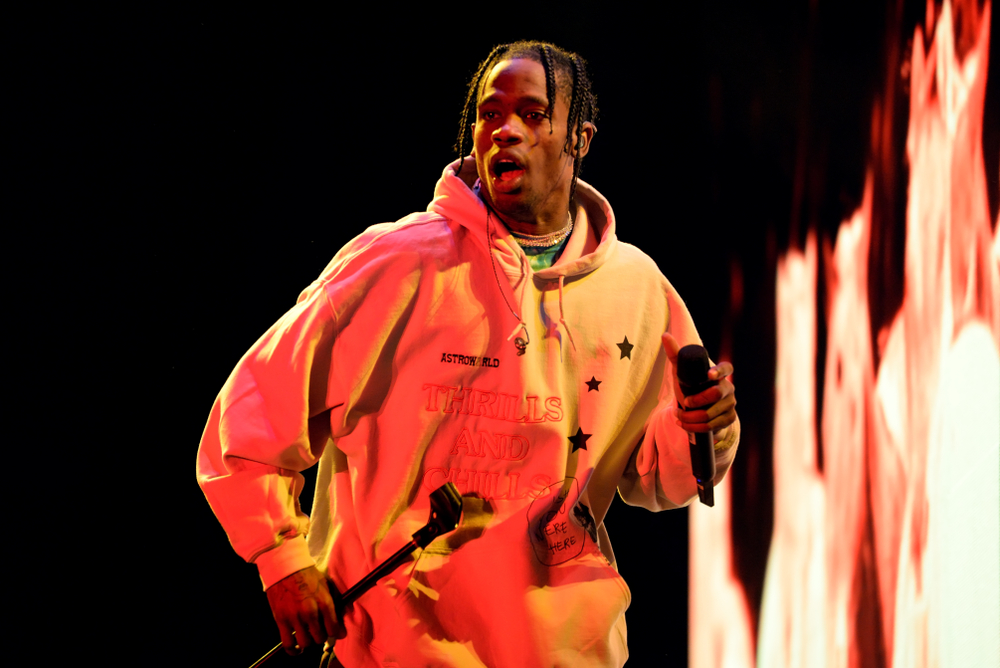
Travis Scott issued statements following the Astroworld festival tragedy. Crowd surges resulted in multiple fatalities and injuries. He expressed condolences to the victims and their families. Critics argued the messages lacked direct accountability. Lawsuits were filed against organizers and performers afterward. Concert footage circulated widely on social media. Supporters noted the complexity of large event management. Public officials launched investigations into safety procedures. Media coverage remained intense for months. Brand partnerships paused during the controversy. The apology statements failed to calm widespread criticism immediately.
Kanye West — Social Media Apology Posts (Multiple Years)
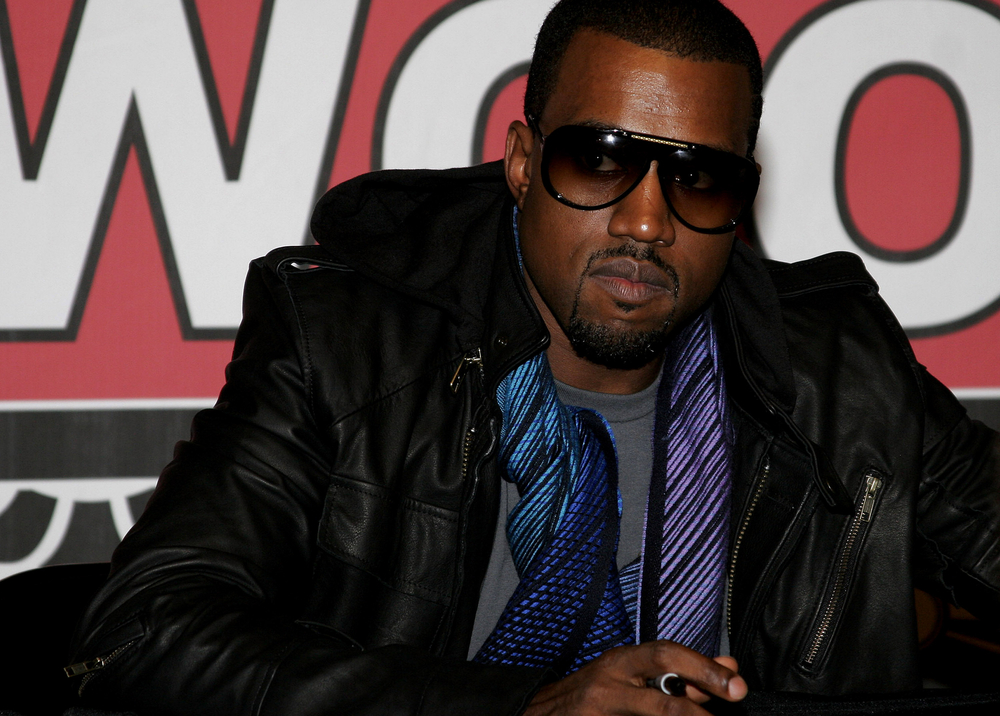
Kanye West has posted several apologies after controversial statements online. Topics ranged from political comments to personal disputes. Some posts were later deleted or contradicted by new remarks. Critics argued the apologies lacked consistency. Supporters viewed them as attempts to clarify misunderstood positions. Media outlets analyzed each message in detail. Brand relationships were affected during certain controversies. Public reaction often shifted quickly with new developments. The cycle of statement and backlash repeated over time. Analysts questioned the effectiveness of social media apologies. Debate continues about accountability for influential public figures.
Colleen Ballinger — Ukulele Apology Video (2023)
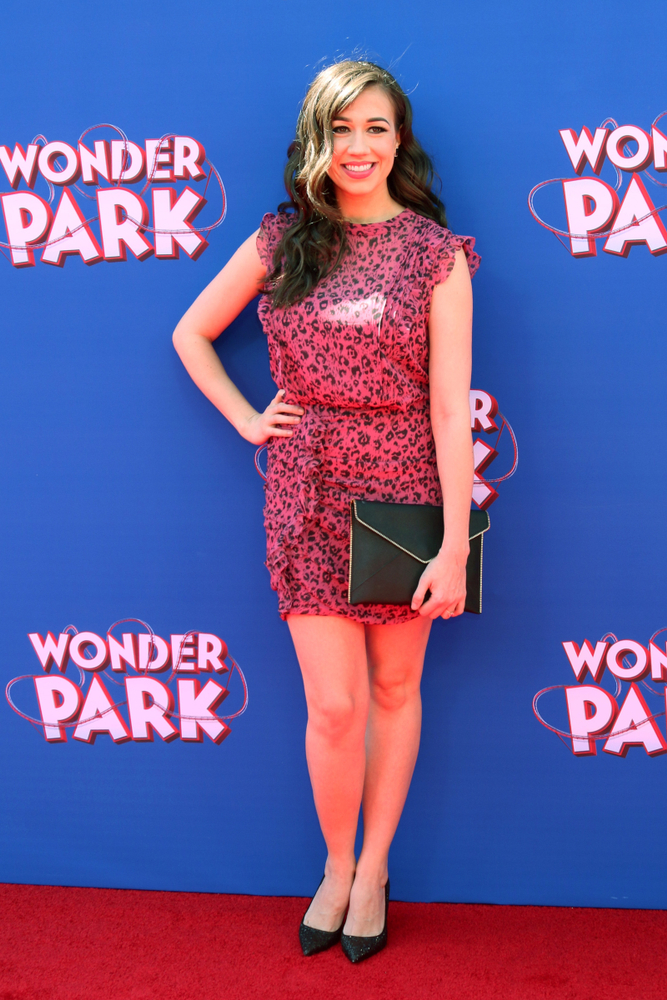
Colleen Ballinger responded to allegations with a video featuring a ukulele. Instead of a traditional apology, she sang about the controversy. The unusual format drew immediate widespread attention online. Critics argued the tone minimized serious concerns. Supporters viewed it as an attempt at humor under pressure. Media outlets analyzed the lyrics and presentation closely. The video accumulated millions of views quickly. Some observers felt it worsened public perception. Discussion spread across social platforms for weeks. Ballinger later stepped back from public appearances. The response became one of the most debated apology attempts online.
Lizzo — Lawsuit Response Statement (2023)
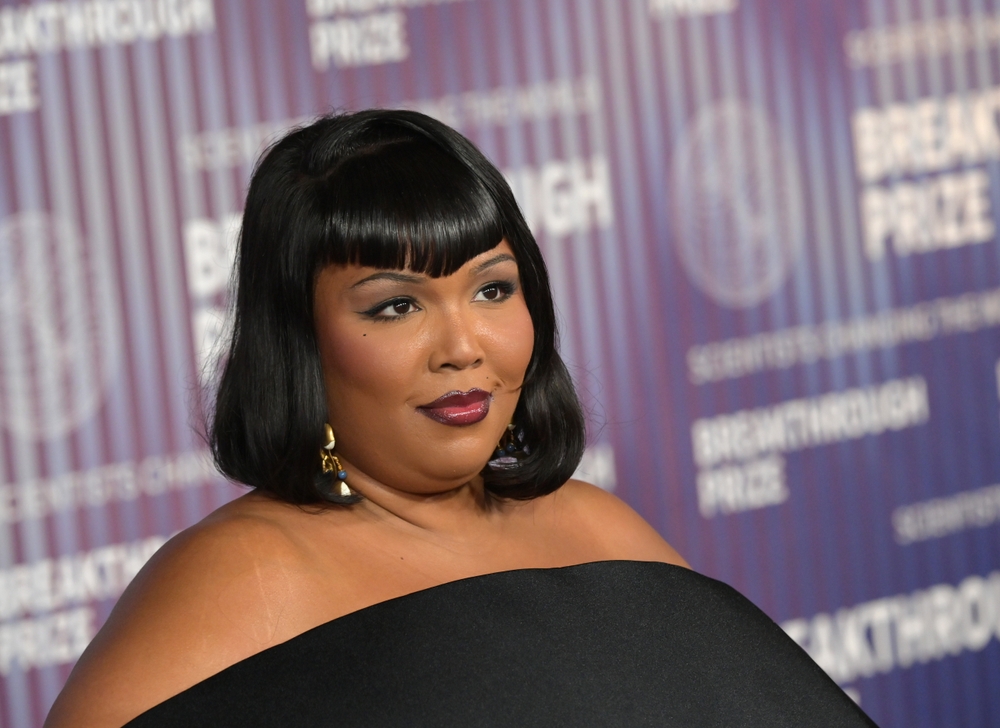
Lizzo stated after former dancers filed a lawsuit. The allegations involved workplace conduct during tours. She denied the claims and described them as false. Critics argued the response lacked empathy for accusers. Supporters emphasized her right to defend herself legally. Media coverage examined details of the lawsuit extensively. Brand partnerships monitored developments closely. Public opinion remained divided across audiences. Legal proceedings continued beyond the initial statement. Social media discussions focused on power dynamics in entertainment. The statement did not resolve the controversy surrounding the allegations.
Alec Baldwin — Rust Shooting Social Media Posts (2021)
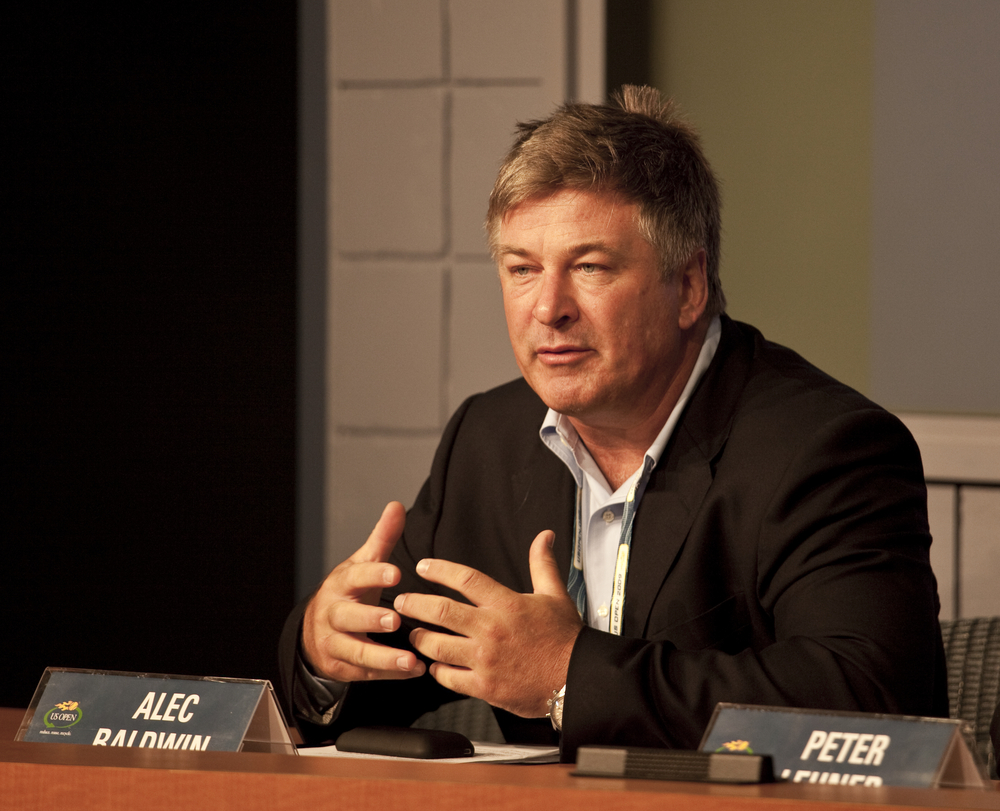
Alec Baldwin posted messages following a fatal incident on the film set “Rust.” A prop firearm was discharged during rehearsal, killing a crew member. Baldwin expressed shock and grief in his posts. Critics argued that social media was not the appropriate venue. Supporters noted he communicated quickly with the public. Investigations into safety practices followed the incident. Media coverage remained intense for months. Legal proceedings complicated public discussion further. The posts included references to cooperating with authorities. Public reaction reflected sympathy and scrutiny simultaneously. Debate continues over communication during ongoing investigations.
Doja Cat — Chat Room Controversy Apology (2020)
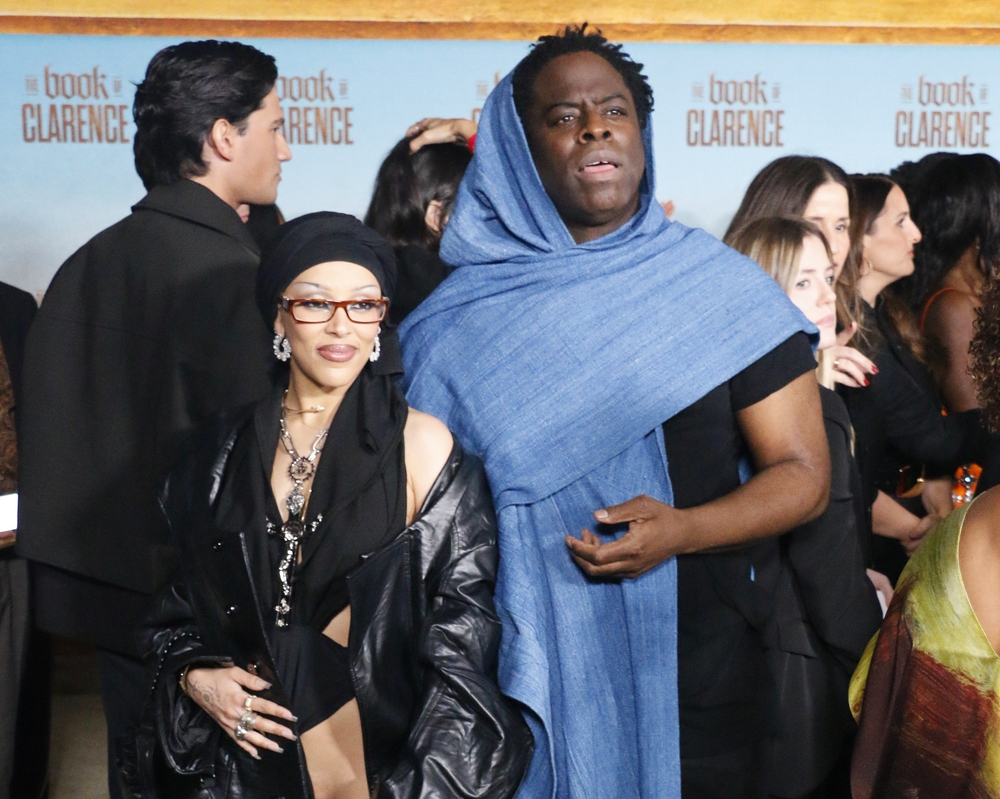
Doja Cat faced backlash over participation in controversial online chat rooms. Clips circulated showing interactions considered offensive by critics. She issued an apology explaining the context of those exchanges. The statement emphasized regret for the hurt caused. Critics questioned whether it addressed specific concerns adequately. Supporters argued the situation had been exaggerated online. Media outlets covered the controversy extensively. Streaming success continued despite negative attention. Public reaction varied across fan communities. Discussions highlighted accountability in digital spaces. The apology did not fully settle the debate about her conduct.
David Dobrik — Vlog Squad Allegations Apology (2021)
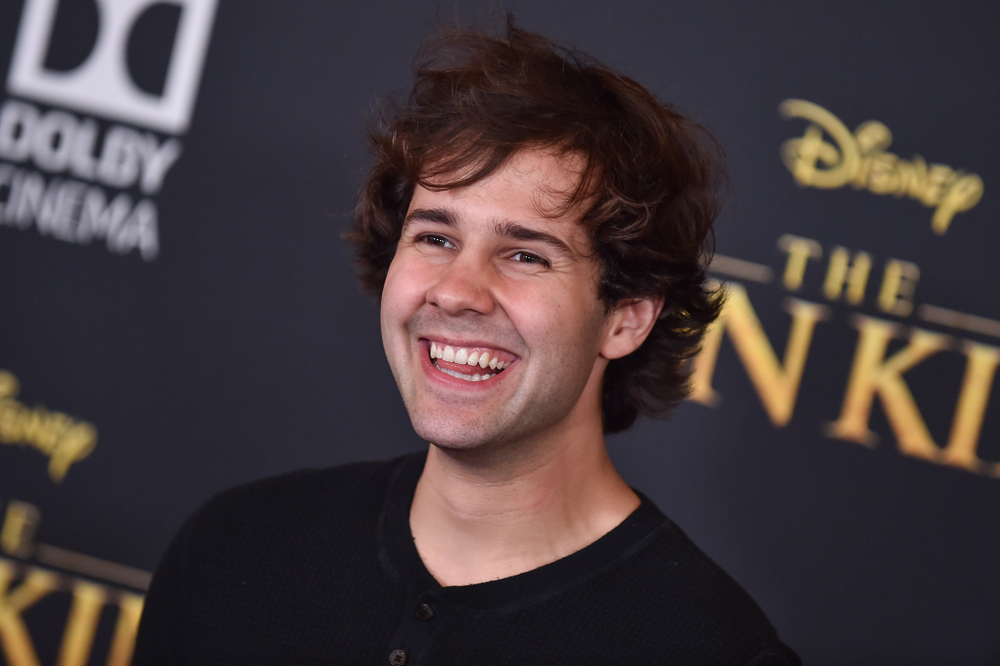
David Dobrik released an apology addressing allegations involving his content group. Critics accused him of enabling harmful behavior in videos. His initial response video received negative reactions online. Observers said it appeared scripted and lacking emotion. Sponsors quickly paused partnerships following the controversy. Dobrik later issued a second, more direct apology. Media coverage analyzed both responses closely. Supporters appreciated the later acknowledgment of responsibility. Critics argued the damage had already occurred. Subscriber counts declined during the period. The incident remains a major turning point in his career.
Lea Michele — Bullying Allegations Response (2020)
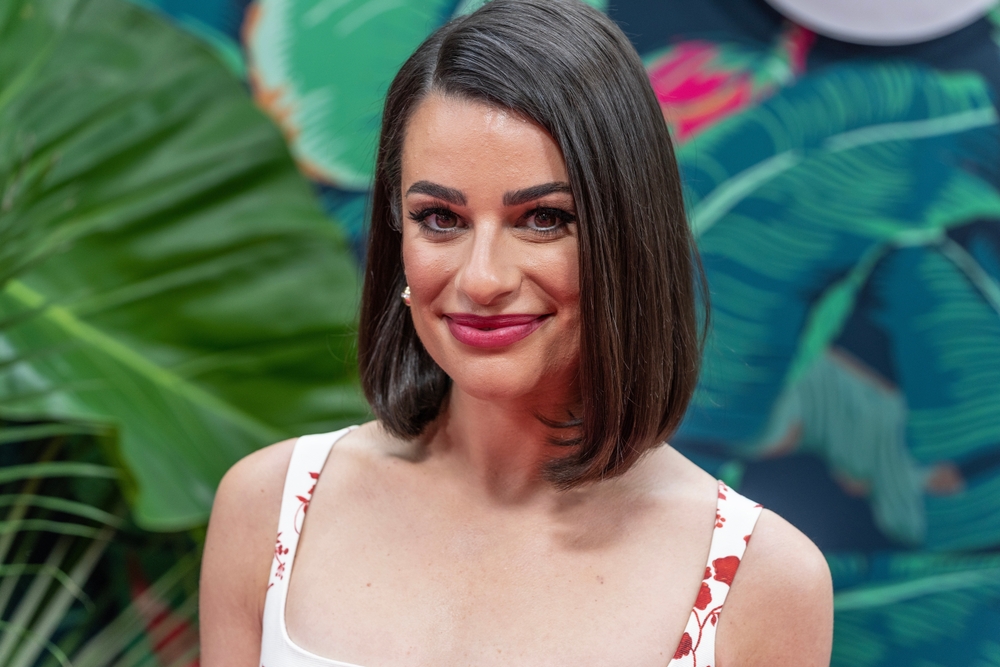
Lea Michele responded after former colleagues accused her of bullying behavior. The allegations emerged on social media during broader discussions about workplace conduct. Michele issued a written apology acknowledging past insensitivity. She stated she was reflecting on her actions and learning. Critics argued the statement avoided direct accountability. Some accusers said they were not contacted privately. Sponsors reconsidered partnerships during the controversy. Media coverage revisited her past interviews and on-set reputation. Public reaction remained divided among fans and observers. The apology did not fully resolve concerns raised publicly.
Addison Rae — Cultural Appropriation Apology (2021)
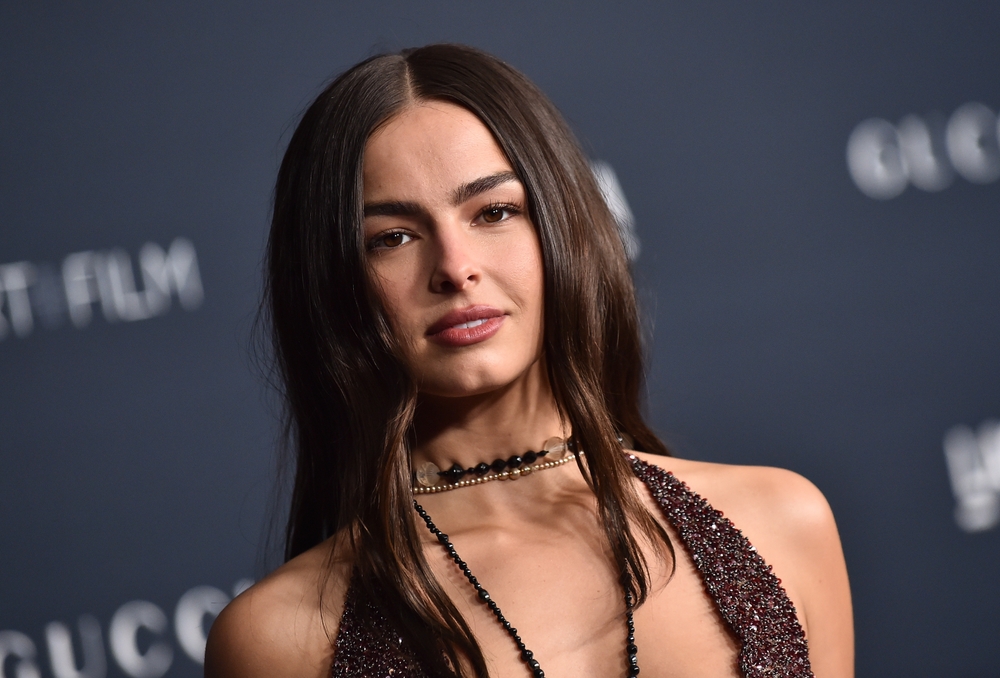
Addison Rae apologized after criticism regarding her dance performances and credit. Observers noted she performed routines originating from Black creators. The apology acknowledged failing to highlight the original choreographers. Critics argued the response came only after backlash intensified. Supporters said she corrected the issue publicly afterward. Media coverage discussed broader concerns about attribution online. Rae later collaborated with the original creators in some instances. Social platforms amplified both criticism and support. The controversy highlighted challenges of viral content ownership. Debate continued about responsibility for credit in digital spaces.
Vanessa Hudgens — Early Pandemic Comments Apology (2020)
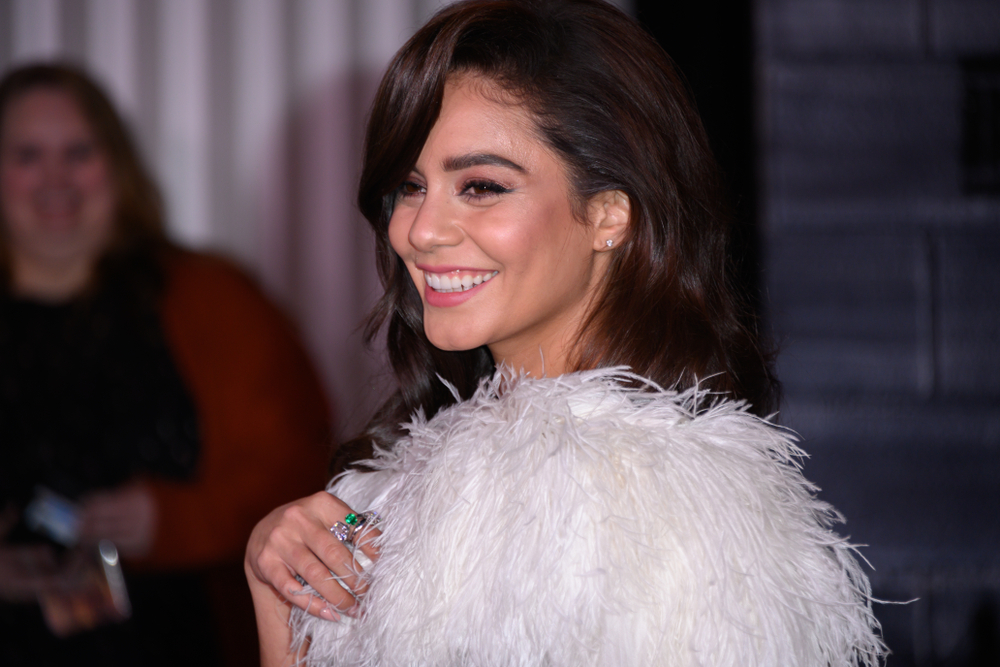
Vanessa Hudgens faced backlash for comments about pandemic restrictions. In a live video, she appeared dismissive of health concerns. Public criticism was swift and widespread. Hudgens issued an apology, stating her words were taken out of context. Critics argued the message did not fully acknowledge harm. Supporters accepted the explanation and moved on. Media coverage reflected sensitivity during early pandemic uncertainty. The incident affected her public image temporarily. Social media discussions focused on celebrity responsibility. The apology eventually reduced attention but did not erase criticism entirely.
Gabbie Hanna — Social Media Apology Threads (Multiple Incidents)
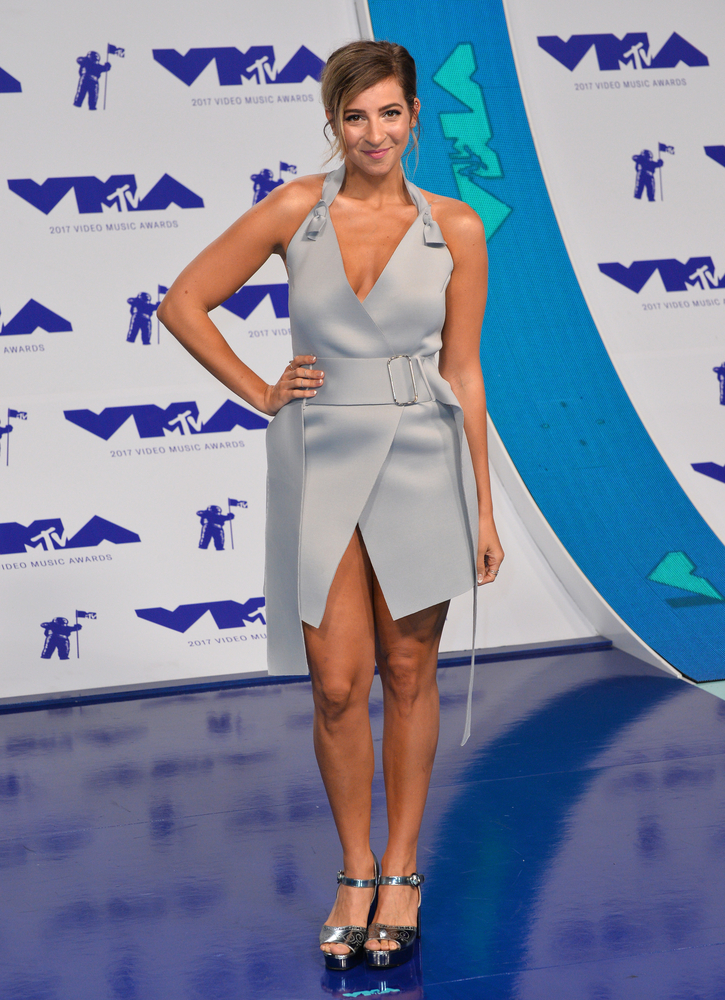
Gabbie Hanna posted numerous apology messages across different controversies. Issues ranged from personal disputes to professional conflicts. Threads often included lengthy explanations of her perspective. Critics said the volume of posts created confusion. Supporters viewed them as attempts at transparency. Media coverage highlighted the ongoing nature of disputes. Some posts were later deleted or edited. Public reaction shifted repeatedly as new statements appeared. The approach blurred the lines between apology and defense. Observers questioned whether continuous posting escalated tensions. Debate continues about effective communication during online conflicts.
J.K. Rowling — Transgender Comments Response Posts (2020–2024)
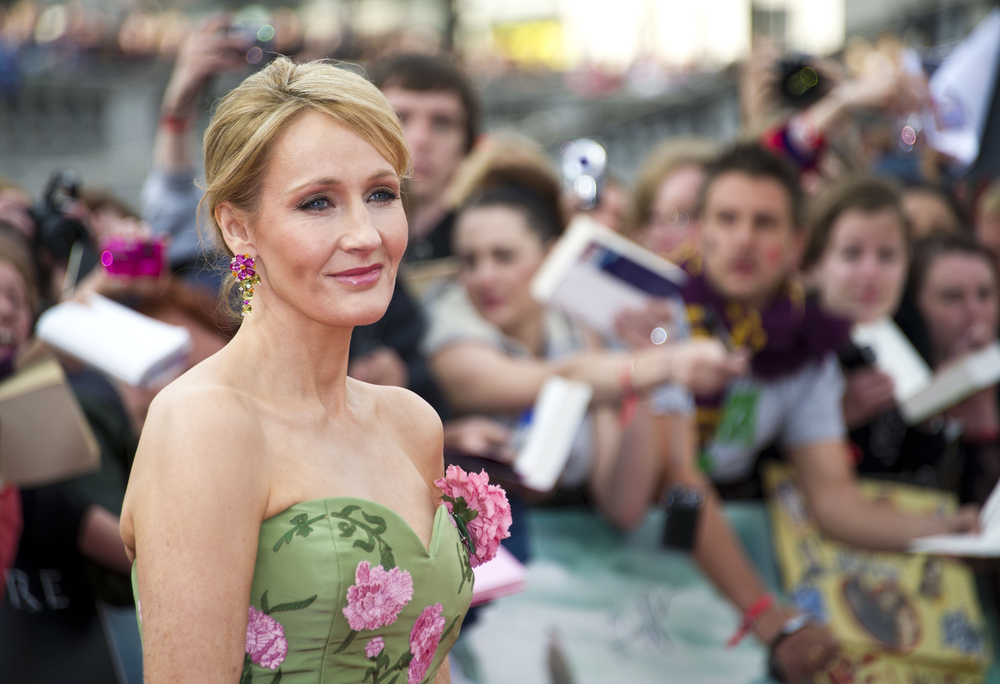
J.K. Rowling issued multiple statements regarding comments on gender issues. The posts sparked intense global debate and criticism. Supporters praised her for expressing personal views openly. Critics argued that the statements marginalized transgender individuals. Rowling published essays explaining her position in detail. Media coverage remained persistent over several years. Public reactions included boycotts and support campaigns. The controversy affected perceptions of her work and legacy. Subsequent posts continued to generate discussion. No single statement resolved the disagreement. The situation illustrates how complex issues resist simple apologies.
Balenciaga — Advertising Campaign Apology Statement (2022)
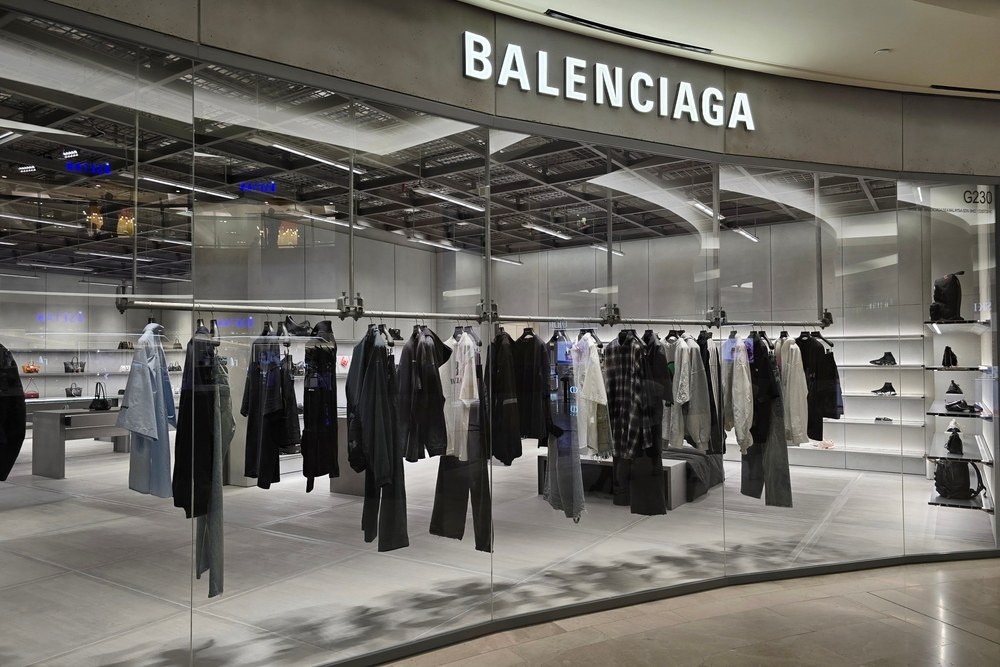
Balenciaga apologized after a controversial advertising campaign drew outrage. Images featuring children and themed props were widely criticized. The company removed the campaign and issued statements. Critics argued the apology did not address responsibility clearly. Legal actions were initially announced before being reconsidered. Media coverage was intense across fashion and general news outlets. Retail partners monitored public reaction closely. Supporters of the brand awaited corrective actions. The controversy affected the reputation and sales temporarily. Discussions focused on oversight within creative processes. The apology did not fully end scrutiny of the brand.
22 Groceries to Grab Now—Before another Price Shock Hits Canada

Food prices in Canada have been steadily climbing, and another spike could make your grocery bill feel like a mortgage payment. According to Statistics Canada, food inflation remains about 3.7% higher than last year, with essentials like bread, dairy, and fresh produce leading the surge. Some items are expected to rise even further due to transportation costs, droughts, and import tariffs. Here are 22 groceries to grab now before another price shock hits Canada.
22 Groceries to Grab Now—Before another Price Shock Hits Canada
Public apologies from celebrities now unfold in real time across social media. Statements meant to calm controversy can sometimes intensify it instead. Canadians watching these events often debate tone, timing, and sincerity. Written posts, videos, or interviews are scrutinized line by line. Past behavior frequently resurfaces alongside the apology itself. Brand partnerships and careers can be affected within hours. Supporters and critics respond immediately online. In some cases, attempts at explanation create new issues rather than resolving old ones. Here are 21 celebrity “apology” posts Canadians say made things worse.
