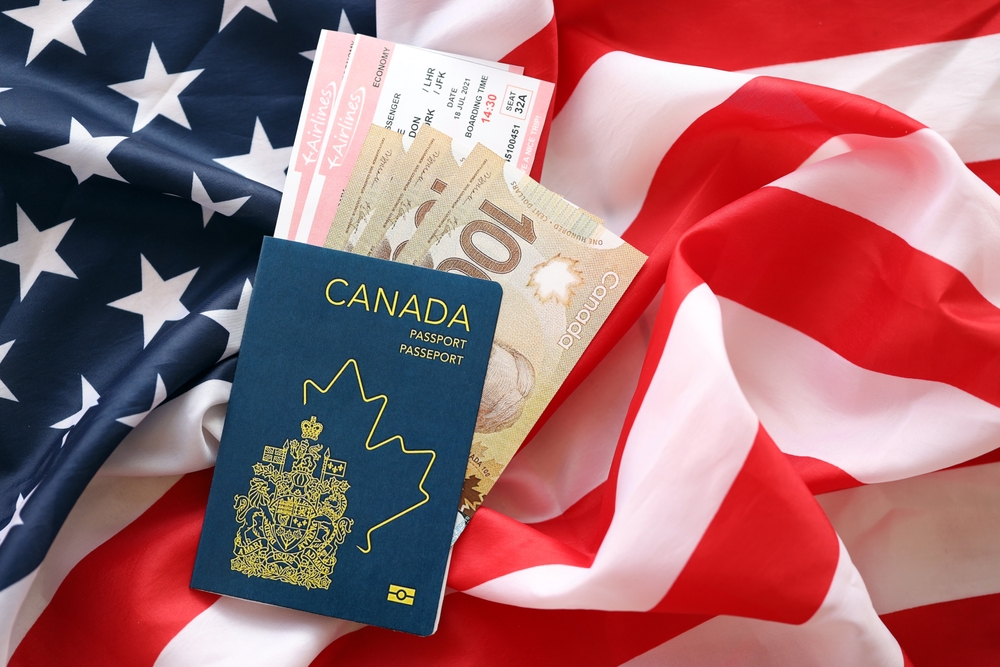
Canadians are rethinking how they spend their money in 2026. Rising costs, crowded venues, and shifting habits have changed weekend plans. Fewer people feel pressure to dress up and head downtown. Instead, they are building comfort, convenience, and small joys at home. Subscription services, home upgrades, and hobby gear now compete with restaurant tabs. Nights feel less like settling and more like choosing differently. The spending shift says a lot about priorities. Here are 21 things Canadians are spending money on in 2026 instead of going out.
High-End Home Coffee Setups
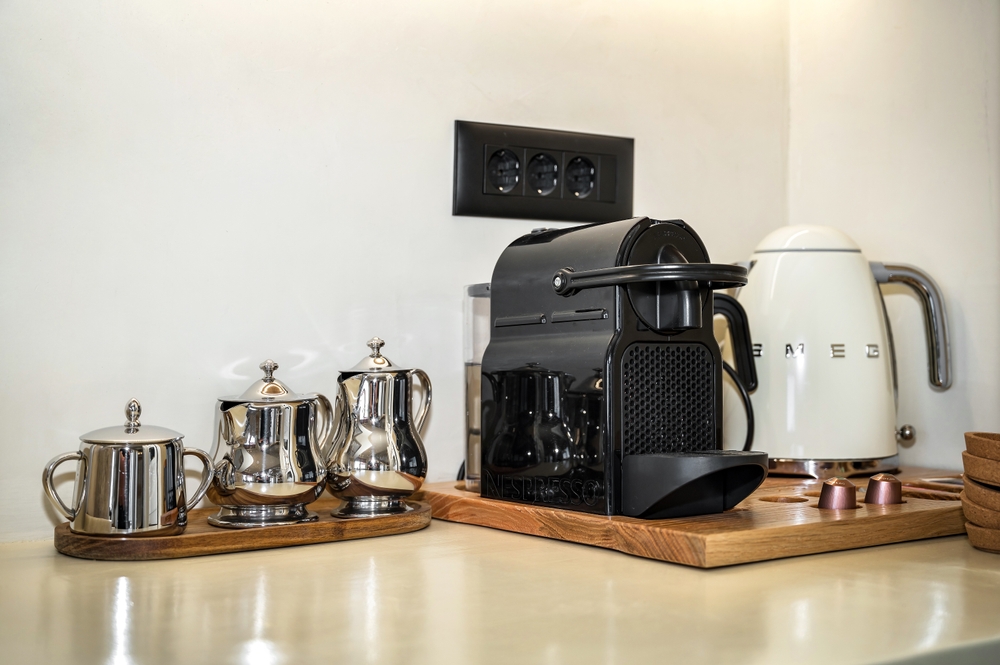
Canadians are upgrading their coffee routines instead of lining up at cafés. Espresso machines, burr grinders, and milk frothers are common kitchen additions. Many people calculate the cost of daily lattes and do the math. The upfront investment feels justified over time. Specialty beans ordered online replace spontaneous coffee shop visits. Some households even experiment with latte art on quiet mornings. Brewing at home offers control over taste and strength. It also removes the rush of crowded spaces. The ritual becomes part of daily life. For many, a polished home coffee bar feels practical and satisfying.
Premium Streaming Bundles

Rather than buying event tickets, Canadians are stacking streaming subscriptions. Households mix video platforms, sports packages, and music services. The monthly total can rival a night out. Still, people prefer flexible viewing on their own schedules. Live sports streaming has become a major draw. Families split costs across accounts to manage expenses. Exclusive shows drive sign-ups and social conversations. Movie nights now happen on sectional couches. Surround sound systems complete the experience. Staying in no longer feels limiting. Access to endless content makes home entertainment feel full and convenient.
Home Gym Equipment
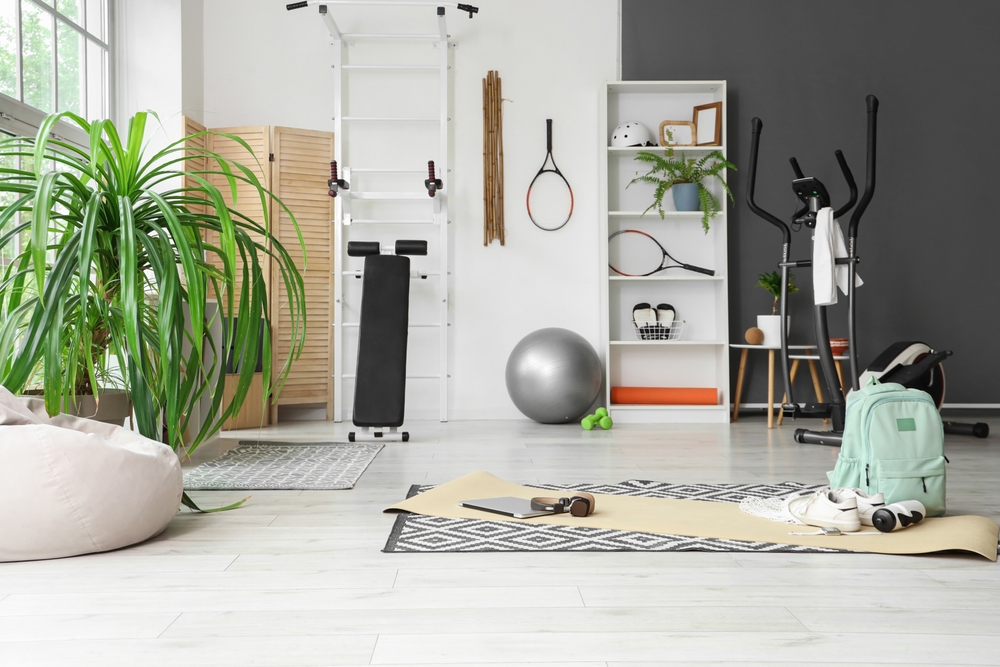
Gym memberships remain common, but home setups are expanding. Adjustable dumbbells, folding treadmills, and resistance systems fit smaller spaces. Canadians like the privacy and convenience. Winter weather makes commuting less appealing. Equipment purchases feel practical over several years. Some people follow virtual trainers or app-based programs. Others prefer quiet solo workouts. The savings from skipped outings often fund these upgrades. A spare room becomes a workout zone. Exercise fits into tight schedules more easily. Spending on fitness gear reflects a desire for health without relying on public spaces.
Backyard and Balcony Upgrades

Instead of patio hopping, Canadians are investing in their own outdoor spaces. Condo balconies gain heaters and compact furniture. Suburban backyards see fire pits and string lights. Outdoor rugs and planters create cozy corners. The goal is comfort without reservations. Hosting a few friends feels simpler than navigating crowded bars. These upgrades stretch across multiple seasons. People calculate the cost per use and feel satisfied. Gardening supplies also see steady demand. Time spent outside at home feels calmer. Personal outdoor spaces now compete with restaurant patios for attention.
Meal Kit Subscriptions
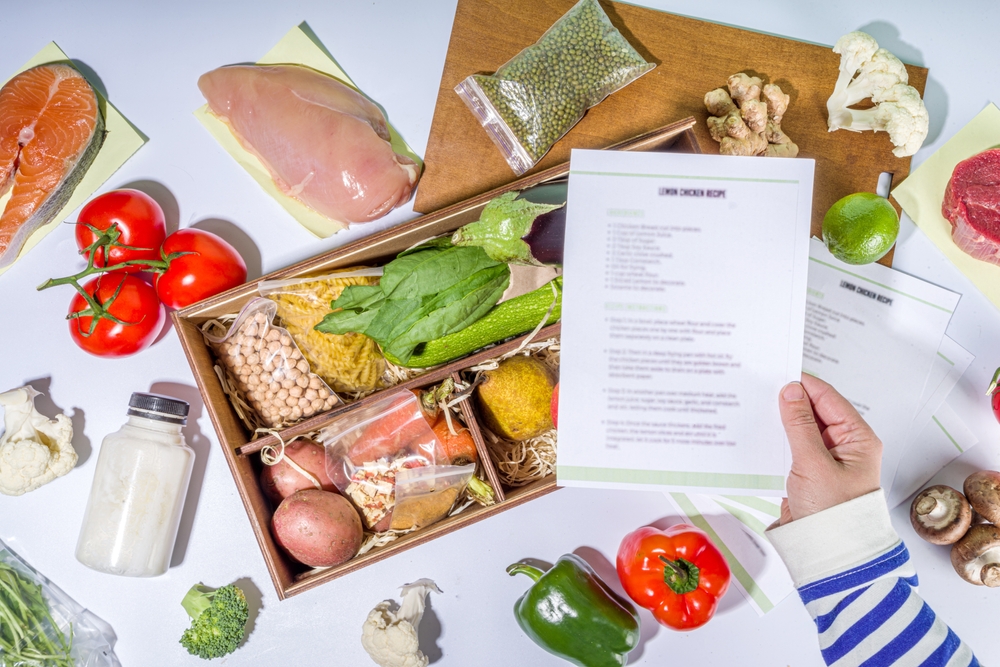
Meal kits offer structure without restaurant prices. Canadians subscribe for convenience and predictable grocery costs. Step-by-step recipes remove the guesswork of dinner planning. The experience feels more engaging than takeout. Families cook together rather than scrolling delivery apps. Portions are measured, reducing waste. Some services focus on local ingredients. Others cater to dietary preferences. The weekly box replaces spontaneous nights out. Preparing meals becomes an event at home. Spending shifts from dining rooms to kitchen counters. The appeal lies in the balance between effort and ease.
Specialty Cooking Appliances
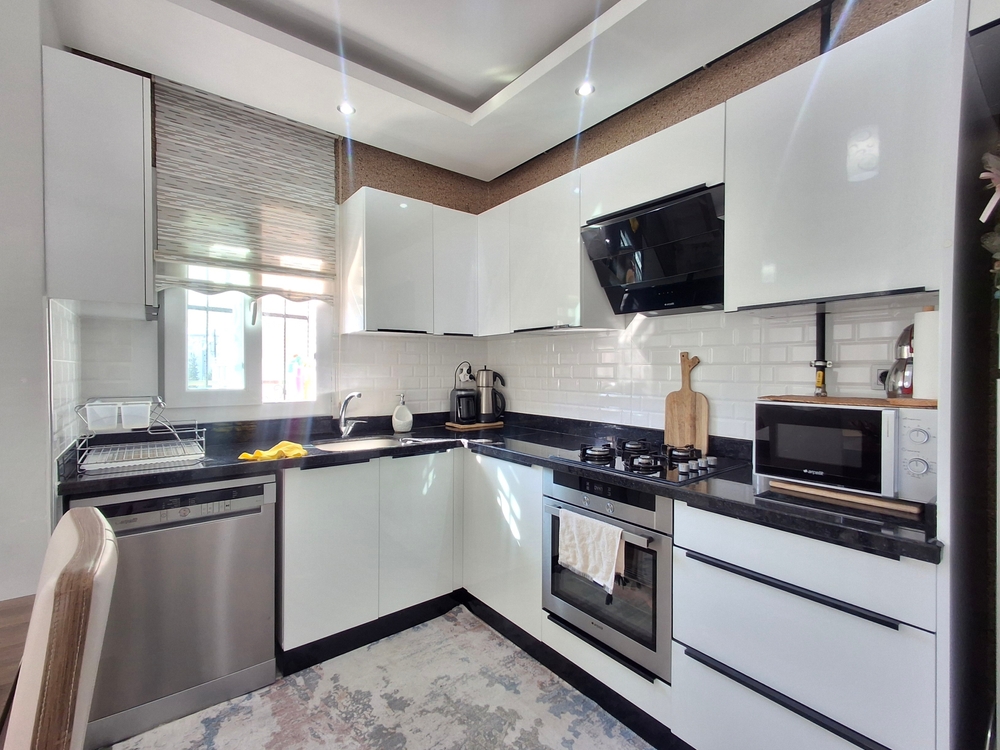
Air fryers, stand mixers, and countertop pizza ovens are popular purchases. Canadians experiment with restaurant-style dishes at home. Social media recipes inspire weekend cooking projects. The price of dining out pushes people to try new techniques themselves. Appliance costs feel easier to justify over repeated use. Some households host themed dinner nights. The equipment becomes part of entertainment. Trying new recipes fills the time once spent at bars. Cooking skills grow with practice. The kitchen turns into a creative outlet. Money once spent on tabs now funds tools and ingredients.
Gaming Consoles and Accessories
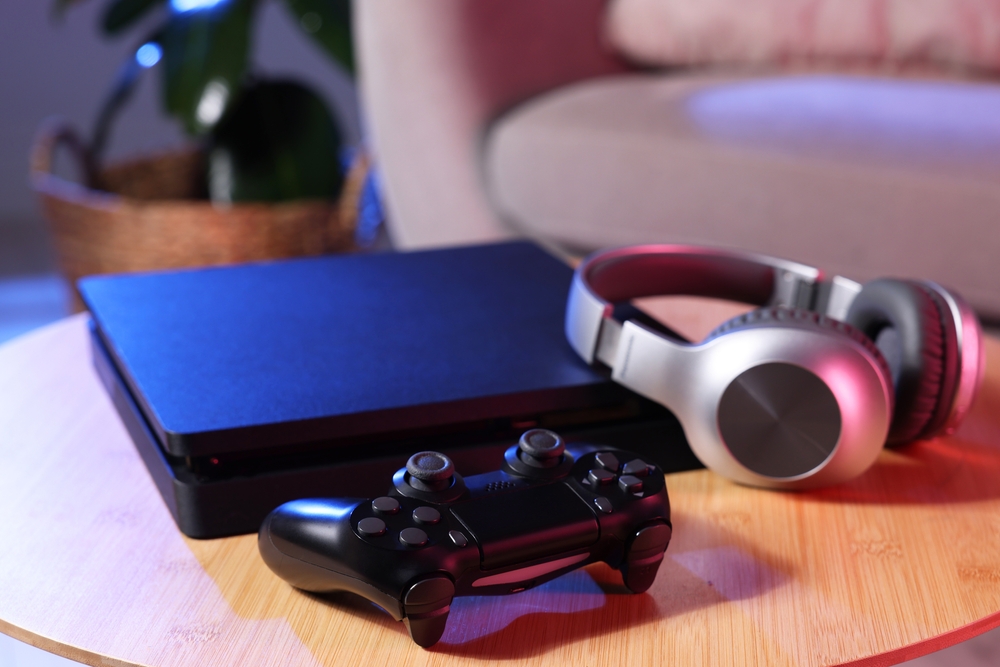
Gaming has grown beyond teenagers. Adults invest in consoles, controllers, and subscription services. Online multiplayer replaces group outings. Story-driven games provide hours of distraction. Some Canadians view gaming as stress relief. High-resolution monitors and headsets add to the cost. Yet the experience feels immersive and social. Friends connect virtually rather than meeting downtown. Game releases create anticipation similar to movie premieres. Spending shifts toward hardware upgrades and digital downloads. Entertainment budgets follow the screen home. Gaming now competes directly with nightlife spending.
Smart Home Devices
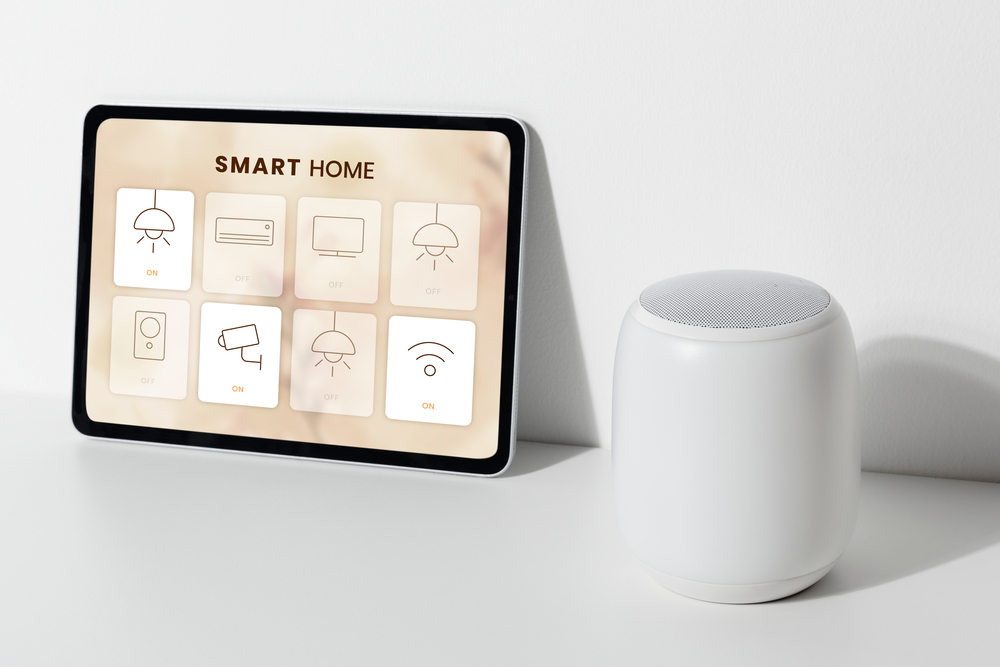
Smart speakers, security cameras, and automated lighting systems are common upgrades. Canadians like the sense of control and convenience. Voice commands replace small daily tasks. Remote monitoring offers peace of mind. Energy tracking features appeal during high utility costs. Initial purchases can be expensive. However, many households view them as long-term improvements. Technology becomes part of daily routines. Even thermostats are app-controlled. Money flows into connected living spaces. The appeal lies in comfort and efficiency. Smart homes feel like practical investments rather than indulgences.
Hobby and Craft Supplies
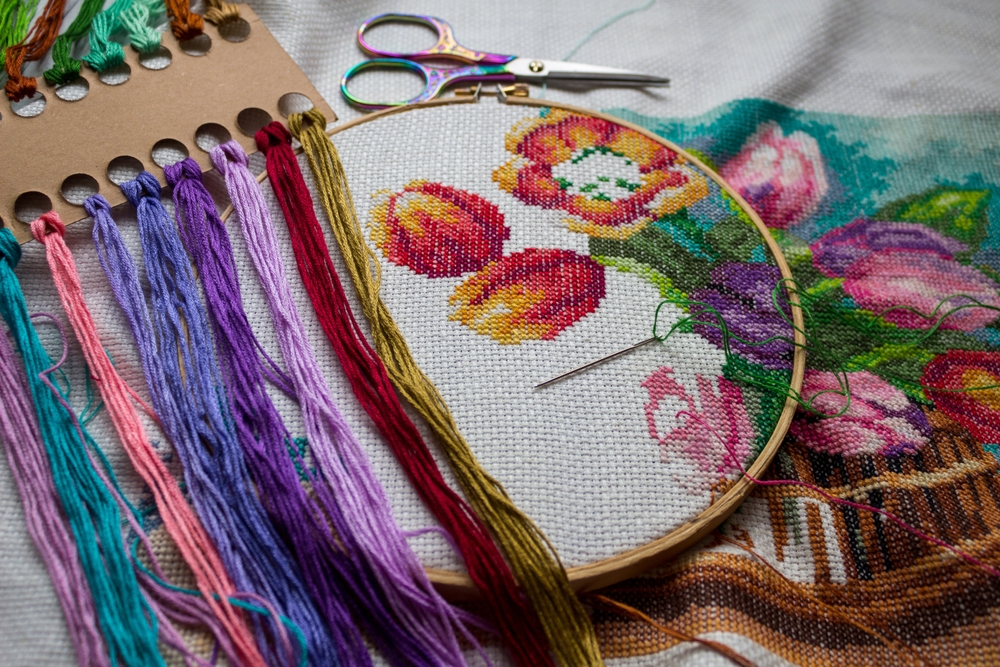
Craft stores report steady demand from adults seeking creative outlets. Knitting, painting, and model-building kits are popular. Supplies cost less than repeated restaurant bills. Canadians value tangible results from their time. Handmade gifts replace store-bought items. Online tutorials make learning easier. People share progress photos in small communities. The activity feels calming after work. Money goes toward materials instead of cover charges. Hobbies fill evenings with focus. Spending reflects a desire for quiet productivity. Creative projects now compete with social outings for attention.
Online Learning Courses
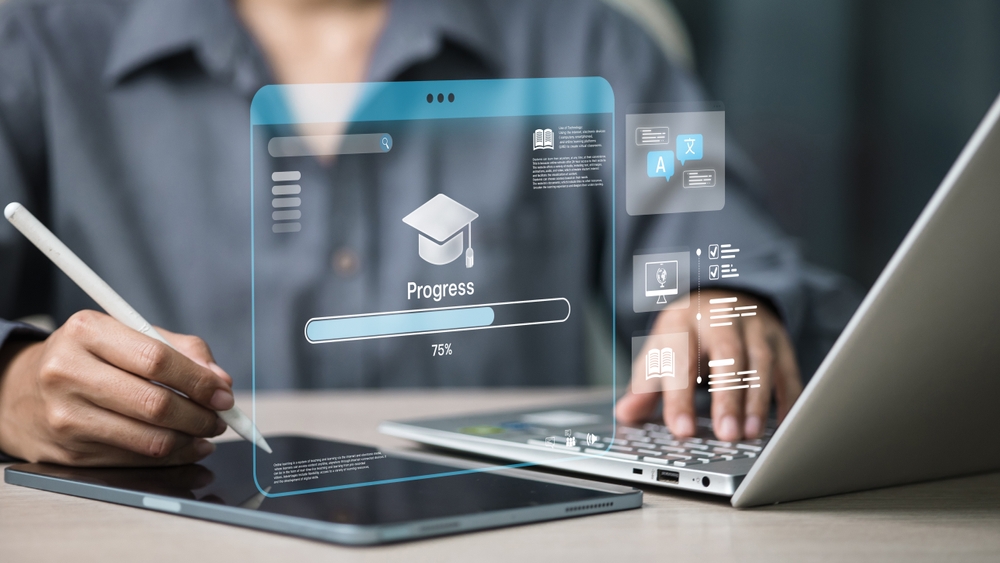
Professional development spending has increased. Canadians enroll in coding classes, language apps, and certification programs. Career uncertainty drives interest in new skills. Course fees replace spending on nightlife. Flexible schedules make online learning practical. Some employers reimburse part of the cost. Others see it as a personal investment. Webinars and virtual workshops fill spare time. Knowledge feels like a durable purchase. Education spending signals long-term thinking. Rather than buying tickets to events, people buy access to training. Growth has become a priority for many households.
Subscription Boxes

From books to snacks, subscription boxes arrive monthly at Canadian doorsteps. The predictable cost appeals to budget planners. Each delivery feels like a small event. Themes vary from wellness to specialty foods. People enjoy curated surprises without leaving home. The subscription replaces spontaneous shopping trips. Some households rotate boxes to manage costs. Others commit long-term. The excitement of delivery fills the gap once held by social outings. Spending shifts toward personalized experiences. The value lies in anticipation and convenience. Regular shipments now shape monthly budgets.
Home Office Upgrades
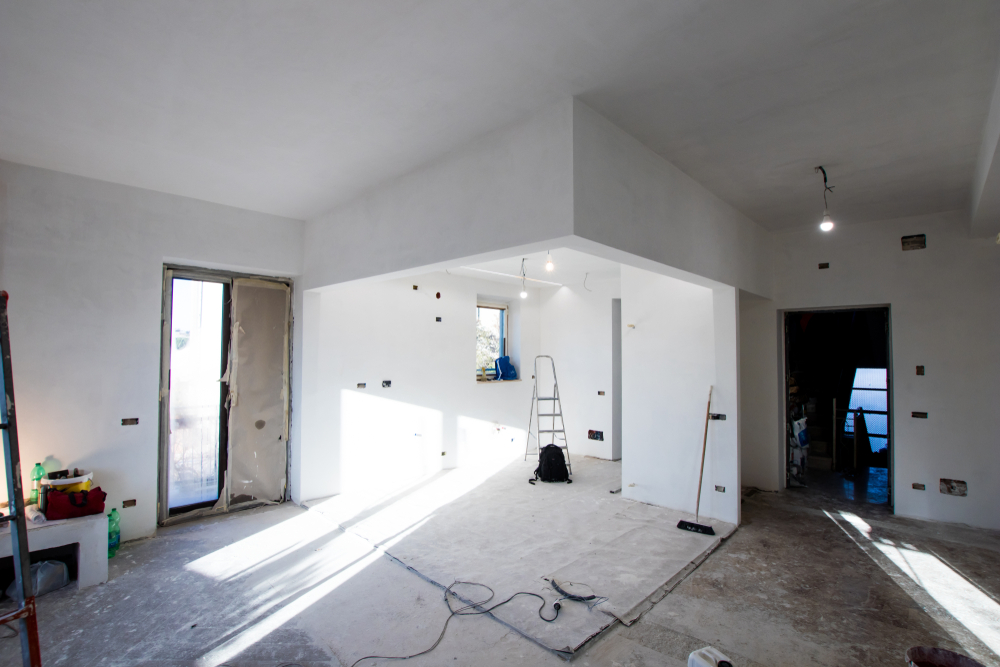
Remote and hybrid work remain common in 2026. Canadians invest in ergonomic chairs and adjustable desks. Proper lighting and monitors improve daily comfort. These purchases reduce strain and distraction. Money once spent commuting or socializing funds workspace improvements. Noise-cancelling headphones are popular additions. Productivity tools feel necessary rather than optional. A polished workspace reflects professional identity. The investment pays off over time. Working from home feels permanent for many people. Spending priorities now include comfort during long hours indoors.
Pet Care and Supplies

Pet ownership increased in recent years, and spending followed. Canadians buy premium food, grooming tools, and interactive toys. Veterinary plans and insurance also gain attention. Time at home strengthens bonds with animals. Money flows toward comfort and health for pets. Instead of evenings out, people walk dogs or train puppies. Social plans often revolve around pet-friendly settings. The emotional return feels high. Spending reflects attachment and responsibility. Caring for animals becomes part of the daily structure. Household budgets now include regular pet-related costs.
Home Spa Products
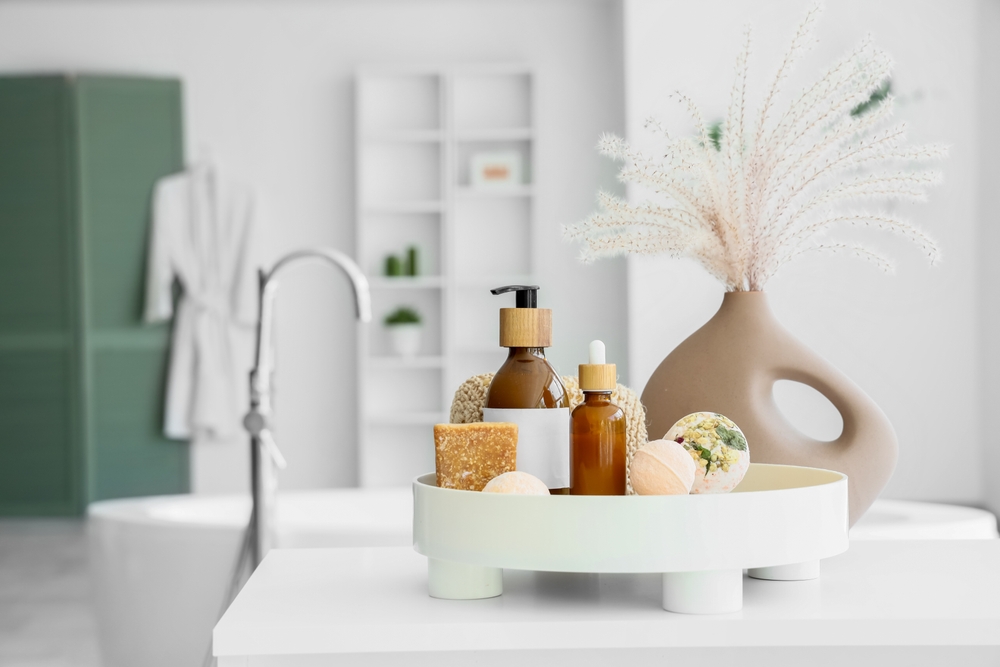
Skincare devices, bath soaks, and massage tools are popular purchases. Canadians recreate spa routines in their bathrooms. A single treatment outside can cost more than several products. At home care feels flexible and private. People schedule self-care nights instead of reservations. Candles and calming playlists complete the setting. The cost spreads across many uses. Personal wellness feels more accessible indoors. Spending moves from service providers to retail shelves. The shift reflects comfort with do-it-yourself routines. Relaxation now happens within familiar walls.
Board Games and Puzzles
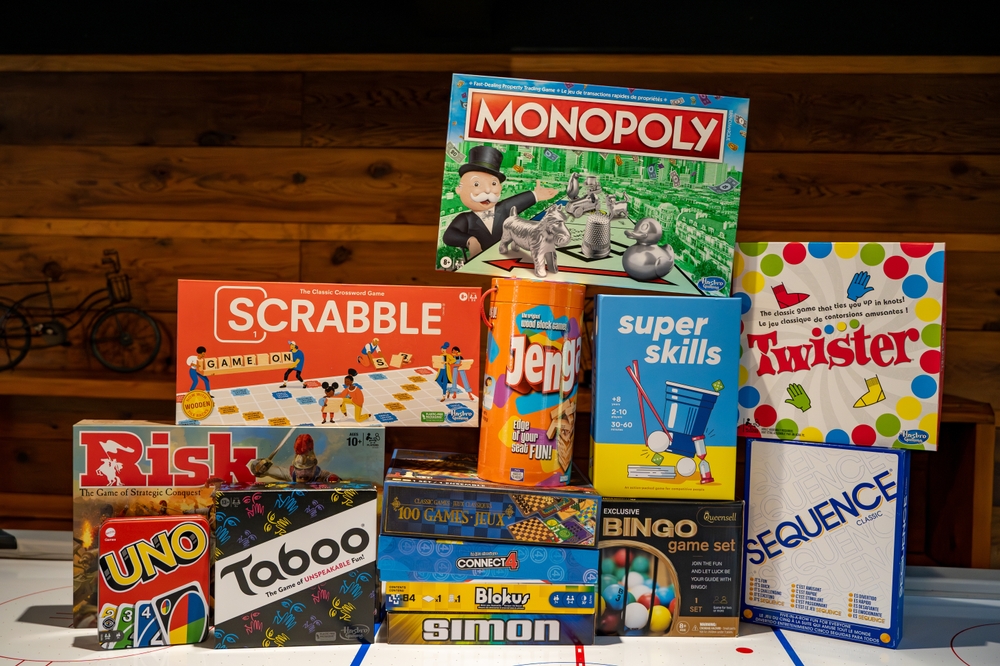
Board games have regained popularity among adults. Families and roommates spend evenings around dining tables. Strategy games and large puzzles fill hours. The cost is modest compared to frequent outings. Replay value makes purchases feel worthwhile. Game nights replace bar tabs. Some Canadians collect limited edition sets. Others swap games with friends. The social element remains, but the setting changes. Laughter happens at home. Spending on physical games supports offline interaction. Entertainment feels structured yet relaxed without leaving the house.
Alcohol for Home Mixology
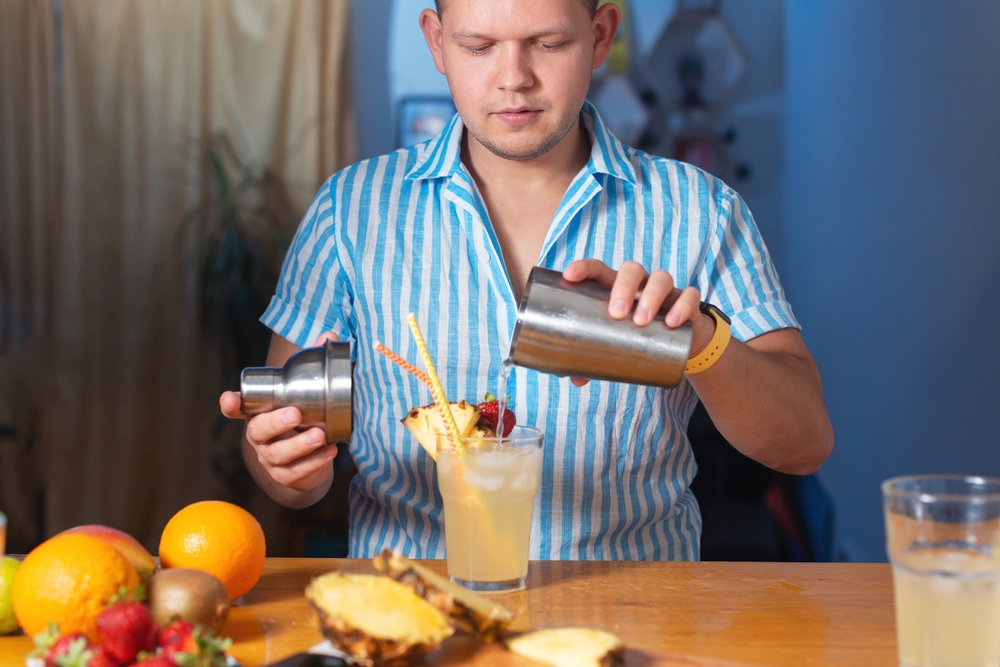
Instead of paying for cocktails, Canadians build small bar carts. Quality spirits, bitters, and glassware are common buys. Recipe books guide experimentation. Hosting a few friends costs less than crowded venues. The learning process adds interest. Some people compare prices between stores for value. Crafting drinks becomes part of the hosting culture. Spending shifts from service fees to ingredients. The experience feels controlled and measured. Home mixology balances socializing with savings. Nights still include drinks, just prepared differently.
Furniture and Decor Refreshes
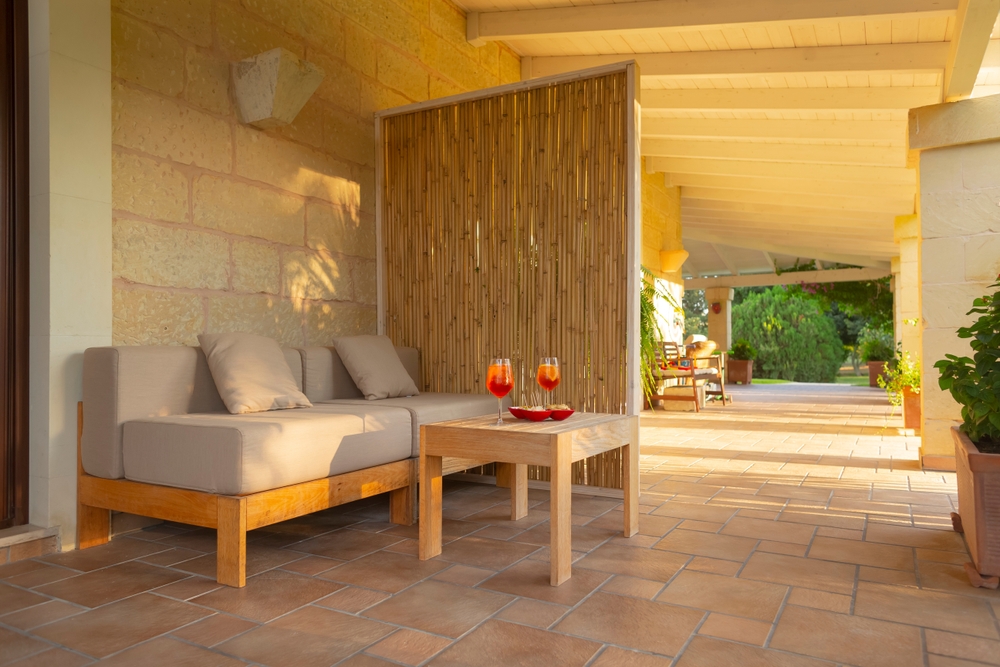
Rather than spending on frequent outings, Canadians update their living spaces. New sofas, rugs, and artwork change the mood of a room. Small decor swaps feel affordable. Larger pieces require planning but offer lasting impact. People want homes that feel inviting. Spending reflects a desire for comfort. Even rental spaces get temporary upgrades. The environment becomes a source of satisfaction. Money invested indoors stays visible daily. Design choices replace short-lived entertainment costs. Improving surroundings now ranks high on priority lists.
Grocery Splurges
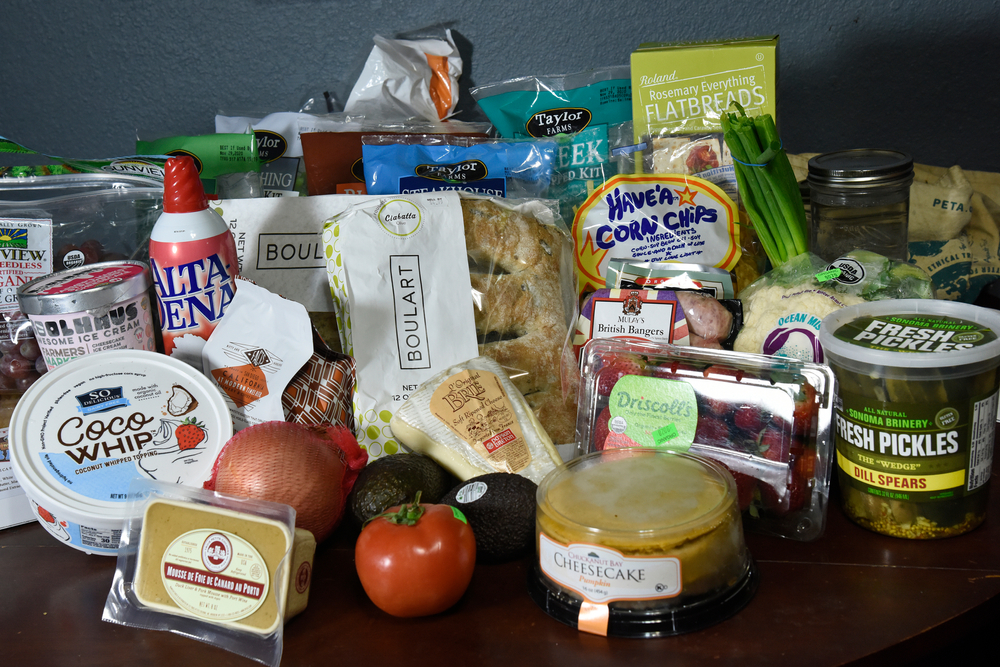
Instead of dining out, some Canadians buy premium groceries. Specialty cheeses, fresh seafood, and high-quality cuts appear in carts. Cooking at home still costs less overall. The ingredients feel like a treat without restaurant prices. People plan themed dinners around these purchases. Savings from skipping outings offset higher grocery bills. The experience remains indulgent. Meals become slower and more intentional. Spending shifts, but pleasure remains. Quality food at home satisfies cravings once met outside.
Digital Fitness and Wellness Apps
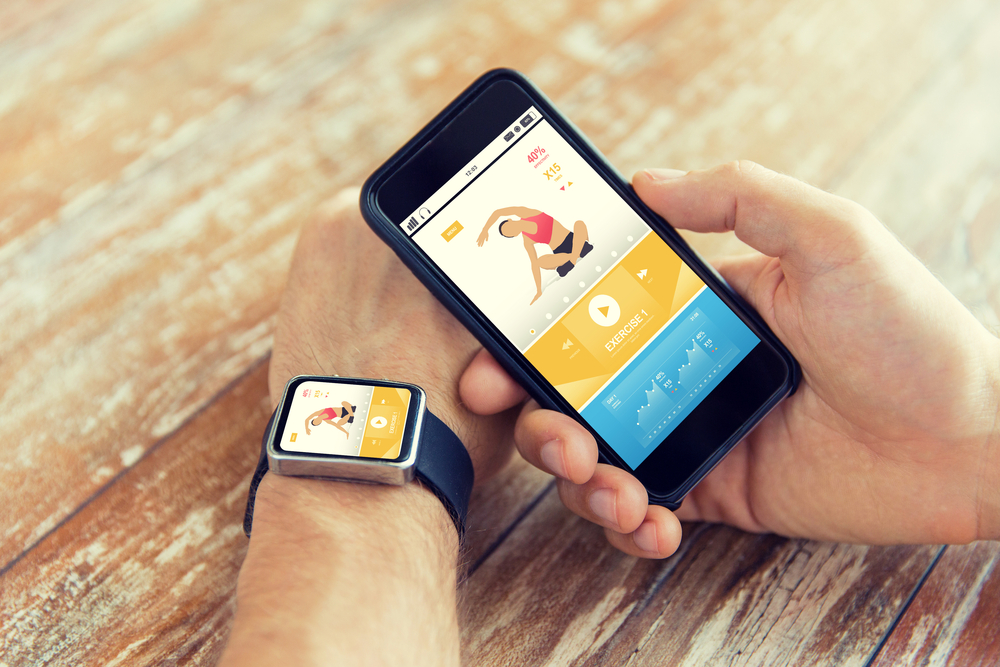
App subscriptions support guided workouts and meditation sessions. Canadians pay monthly fees for structured programs. The cost is lower than that of frequent classes. Tracking features provide measurable progress. Flexibility fits changing schedules. Many users appreciate privacy. Wellness content streams directly to living rooms. Spending reflects self-management goals. Physical and mental health feel intertwined. Digital platforms replace studio visits. The convenience keeps subscriptions active. Health-related spending continues, just through screens rather than physical venues.
DIY Home Improvement Projects
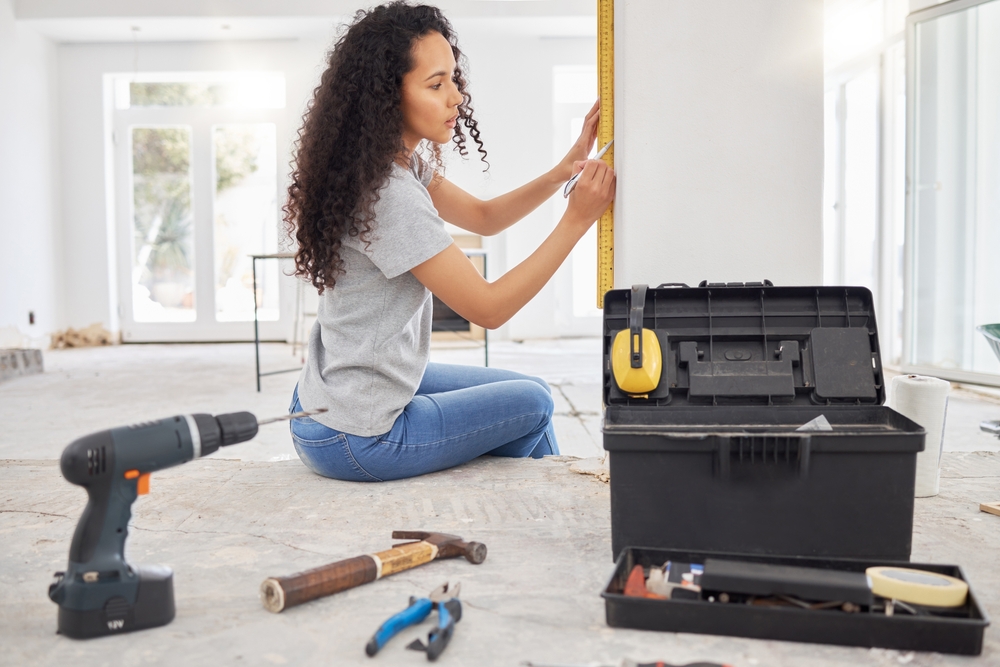
Hardware stores see steady traffic from homeowners tackling projects. Paint, tools, and storage systems fill carts. Labor costs push people toward self-directed upgrades. Online videos make tasks seem manageable. Renovations happen gradually over weekends. The financial trade-off feels practical. Instead of nightlife, people install shelves or refinish cabinets. Visible results motivate continued effort. Spending supports property value. Home improvement replaces short-term entertainment. Effort invested indoors produces lasting changes.
Travel Savings Funds
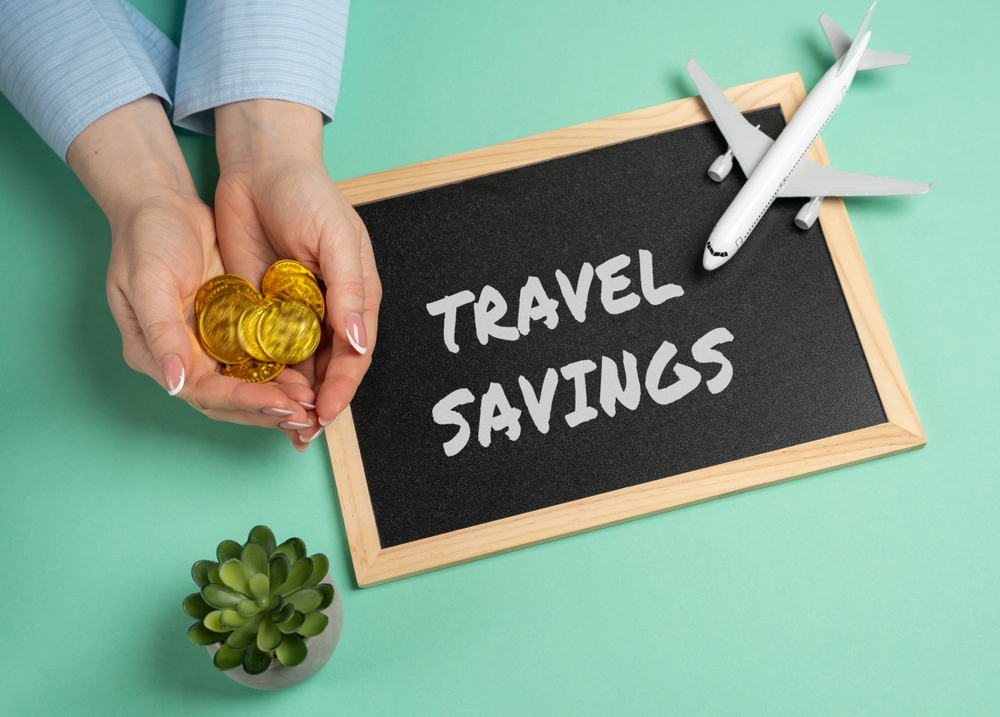
Some Canadians redirect social budgets into travel accounts. Skipping regular outings frees up cash. Savings goals feel tangible. Dedicated accounts or apps track progress. The anticipation of future trips replaces immediate spending. Planning becomes part of the enjoyment. People research destinations during quiet evenings. Money set aside grows steadily. The shift reflects patience and delayed rewards. Rather than spending on one night, households prepare for larger experiences. Financial focus moves from present indulgence to plans.
22 Groceries to Grab Now—Before another Price Shock Hits Canada

Food prices in Canada have been steadily climbing, and another spike could make your grocery bill feel like a mortgage payment. According to Statistics Canada, food inflation remains about 3.7% higher than last year, with essentials like bread, dairy, and fresh produce leading the surge. Some items are expected to rise even further due to transportation costs, droughts, and import tariffs. Here are 22 groceries to grab now before another price shock hits Canada.
22 Groceries to Grab Now—Before another Price Shock Hits Canada
