
Work in Canada looks different from what it did five years ago. Offices feel quieter. Slack feels louder. People care more about flexibility than corner desks. Artificial intelligence is creeping into daily tasks. Dress codes are getting looser, then stricter, depending on the company. Employers talk about culture. Workers talk about boundaries. Headlines debate productivity and burnout in the same breath. From Vancouver tech firms to Toronto banks, change feels constant. Here are 18 Canadian workplace trends people won’t stop talking about (Hybrid, AI, Dress Codes).
Hybrid Work as the Default Model

Hybrid work is no longer an experiment in Canada. Many companies now expect staff in the office two or three days a week. Employees appreciate flexibility but dislike unclear policies. Some firms track badge swipes to monitor attendance. Others trust teams to manage schedules. Real estate costs have forced offices to downsize. Shared desks are common. Meetings still happen on Zoom, even inside offices. Workers question whether commuting twice weekly justifies the time and expense. Hybrid models vary widely across industries. Healthcare and manufacturing have fewer options. Tech and finance maintain more flexibility. The debate continues around fairness and productivity.
Return to Office Mandates

Some Canadian employers have tightened return-to-office requirements. Large banks and public agencies increased the mandatory in-office days. Leaders argue that collaboration suffers without physical presence. Workers push back, citing proven remote productivity. Commute times in cities like Toronto and Vancouver remain long. Public transit costs keep rising. Employees weigh career growth against lifestyle changes. Social media is filled with posts about new mandates. Recruiters report candidates asking about flexibility first. Companies risk losing talent when policies shift suddenly. The tension shows no signs of disappearing. Return to office debates remain a regular workplace topic.
Artificial Intelligence in Everyday Tasks

Artificial intelligence tools now assist with emails, data analysis, and scheduling. Canadian workplaces experiment cautiously. Some teams use AI to draft reports. Others rely on chatbots for customer service. Managers discuss ethical guidelines and data privacy concerns. Employees worry about job security. Training sessions focus on using AI responsibly. Government agencies review policies around automation. Small businesses see AI as a cost-saving tool. Adoption varies by sector. The legal and healthcare fields approach changes carefully. Conversations revolve around efficiency versus risk. AI feels both helpful and unsettling, depending on who you ask.
AI Skills in Job Descriptions
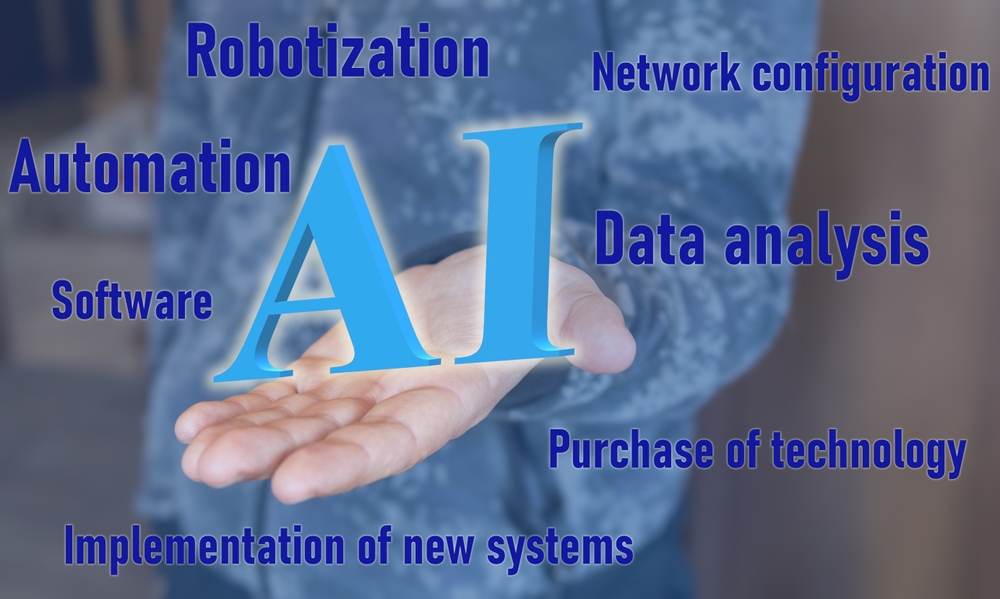
Job postings increasingly mention AI literacy. Employers want candidates comfortable with automation tools. Marketing roles ask for experience with AI content support. Finance positions reference data-driven platforms. Even entry-level jobs list digital proficiency requirements. Colleges add AI modules to business programs. Workers scramble to update resumes. Professional development budgets now include AI workshops. Some employees feel pressure to learn quickly. Others see opportunity for career growth. Recruiters describe AI familiarity as a competitive edge. The workplace expects adaptability. Ignoring technological change is no longer realistic in many industries.
Four-Day Workweek Trials

Several Canadian organizations tested four-day workweeks. Results sparked conversation nationwide. Pilot programs reported steady productivity in some sectors. Employees valued extra personal time. Companies tracked performance metrics carefully. Not every industry can adopt shorter weeks easily. Retail and healthcare face scheduling challenges. Critics question long-term sustainability. Supporters argue that reduced burnout improves output. Some provinces observed growing interest among startups. Traditional corporations remain cautious. The idea appeals to younger workers. Implementation remains limited but is discussed widely. Many employees watch these trials closely, hoping flexibility expands.
Flexible Hours Beyond Nine to Five

Standard office hours feel outdated for many Canadians. Parents request staggered schedules to manage childcare. Remote workers log in earlier or later. Some firms focus on output rather than clock time. Digital tools allow collaboration across time zones. Managers struggle to balance flexibility with team availability. Email notifications arrive at odd hours. Boundaries blur when schedules vary widely. Labour experts encourage clear communication rules. Flexible hours attract talent in competitive markets. However, coordination challenges increase. Companies experiment with core overlap hours. The traditional nine-to-five model continues to shift gradually.
Salary Transparency Conversations

Pay transparency laws gained traction across provinces. Ontario introduced requirements for salary ranges in job postings. Employees discuss compensation more openly. Online forums compare wages by industry. Employers face pressure to justify pay gaps. Transparency can improve trust but reveal inequalities. Human resources teams adjust compensation frameworks. Workers negotiate more confidently when ranges are visible. Some managers feel uncomfortable with public numbers. Yet candidates increasingly expect clarity. Salary transparency remains a frequent topic in hiring discussions. Many see it as a step toward fairer workplaces.
Cost of Living Adjustments

Inflation changed workplace expectations in Canada. Rising housing costs in major cities affect salary demands. Employees request cost-of-living increases. Employers review budgets carefully. Some companies provide one-time inflation bonuses. Others offer flexible benefits instead. Remote work complicates regional pay structures. Workers living outside expensive cities question lower salary bands. Businesses aim to stay competitive while controlling expenses. Discussions around compensation rarely slow down. Economic pressures shape negotiations across industries. Cost-of-living adjustments remain central to retention strategies.
Mental Health Support at Work

Mental health conversations expanded in Canadian offices. Employers offer counselling benefits and wellness days. Managers receive training on recognizing burnout. Employees expect psychological safety at work. Stigma has decreased but not vanished. Some workers still hesitate to disclose struggles. Workloads remain heavy in many sectors. Remote work can increase isolation. Companies introduce employee assistance programs more widely. Discussions focus on sustainable performance. Mental health support is no longer optional in competitive workplaces. Workers evaluate employers partly on wellness policies.
Burnout and Workload Concerns

Burnout remains a common complaint among Canadian professionals. Hybrid work blurred personal boundaries. Digital communication increases expectations for quick replies. Many employees juggle multiple roles after downsizing. Managers struggle to redistribute tasks fairly. Vacation days often go unused. Productivity metrics rarely reflect emotional strain. Employees seek workplaces that respect downtime. Some companies introduce meeting-free days. Others audit workloads quarterly. Burnout discussions continue in the news and corporate town halls. The issue shapes retention and morale across sectors.
Changing Workplace Dress Codes

Dress codes shifted dramatically after remote work expanded. Business casual became more casual. Some offices allow jeans and sneakers daily. Formal attire remains common in law and finance. Hybrid schedules blur expectations. Employees question whether suits are necessary twice weekly. Retailers report steady demand for comfortable clothing. Employers debate professionalism versus comfort. Dress codes often reflect company culture. Younger workers favor relaxed standards. Leadership teams review guidelines periodically. What people wear to work still sparks opinions.
Office Redesigns and Shared Spaces

Canadian offices redesigned layouts for hybrid teams. Assigned desks gave way to shared workstations. Meeting rooms include advanced video equipment. Quiet zones support focused tasks. Lounge areas aim to attract employees back. Some workers miss personal desks. Others enjoy flexible seating. Real estate costs push companies to use space efficiently. Office culture feels different without permanent seating. Businesses try to create inviting environments. Redesign efforts vary by budget and industry. The physical workplace continues evolving.
Upskilling and Continuous Learning

Rapid change pushes workers to upgrade skills regularly. Employers sponsor online courses and certifications. Digital platforms make training accessible. Employees see learning as job security. Technical skills evolve quickly. Soft skills like communication remain valuable. Some companies tie promotions to completed training. Workers balance coursework with busy schedules. Government programs support reskilling initiatives. Continuous learning feels necessary rather than optional. Career paths rarely follow straight lines anymore. Adaptability defines modern employment in Canada.
Gig Work and Side Hustles

More Canadians maintain side hustles alongside full-time jobs. Freelancing platforms attract skilled professionals. Rising living costs motivate extra income streams. Employers sometimes restrict outside work. Conflicts of interest raise concerns. Younger workers view multiple income sources as normal. Remote tools make freelancing easier. Companies worry about divided attention. Yet many employees manage responsibilities effectively. Side hustles reflect economic realities and personal ambition. Workplace policies adapt slowly to this trend.
Diversity and Inclusion Policies

Diversity and inclusion remain workplace priorities across Canada. Companies publish equity reports more frequently. Hiring practices aim to reduce bias. Employees expect representation in leadership. Training sessions address unconscious bias. Some critics question the effectiveness of programs. Others demand stronger accountability. Public institutions face particular scrutiny. Progress varies between organizations. Conversations about fairness shape workplace culture. Inclusion policies continue evolving as expectations rise.
Environmental Responsibility at Work

Sustainability influences corporate decisions increasingly. Offices reduce paper use and energy consumption. Remote work lowers commuting emissions. Employees prefer employers with environmental commitments. Some firms track carbon footprints. Green certifications become marketing tools. Critics warn against superficial promises. Workers notice inconsistencies quickly. Environmental responsibility affects recruitment. Policies range from recycling programs to remote-first models. Climate concerns influence workplace conversations regularly.
Digital Surveillance and Monitoring

Remote work introduced new monitoring software. Some employers track keystrokes or screen activity. Employees express privacy concerns. Trust becomes central to management discussions. Canadian privacy laws shape monitoring limits. Transparency helps reduce tension. However, suspicion grows when tracking feels excessive. Workers value autonomy. Employers seek accountability. The balance remains delicate. Digital surveillance sparks ongoing debate in many sectors.
Generational Differences at Work

Workplaces now include multiple generations with different expectations. Younger employees prioritize flexibility and purpose. Older workers value stability and experience. Communication styles sometimes clash. Managers adapt leadership approaches. Mentorship programs connect generations. Retirement patterns shift as some delay leaving the workforce. Technology comfort levels vary. Generational diversity influences culture and policy decisions. Conversations about expectations and values continue regularly. Age differences shape modern Canadian offices.
22 Groceries to Grab Now—Before another Price Shock Hits Canada

Food prices in Canada have been steadily climbing, and another spike could make your grocery bill feel like a mortgage payment. According to Statistics Canada, food inflation remains about 3.7% higher than last year, with essentials like bread, dairy, and fresh produce leading the surge. Some items are expected to rise even further due to transportation costs, droughts, and import tariffs. Here are 22 groceries to grab now before another price shock hits Canada.
22 Groceries to Grab Now—Before another Price Shock Hits Canada
