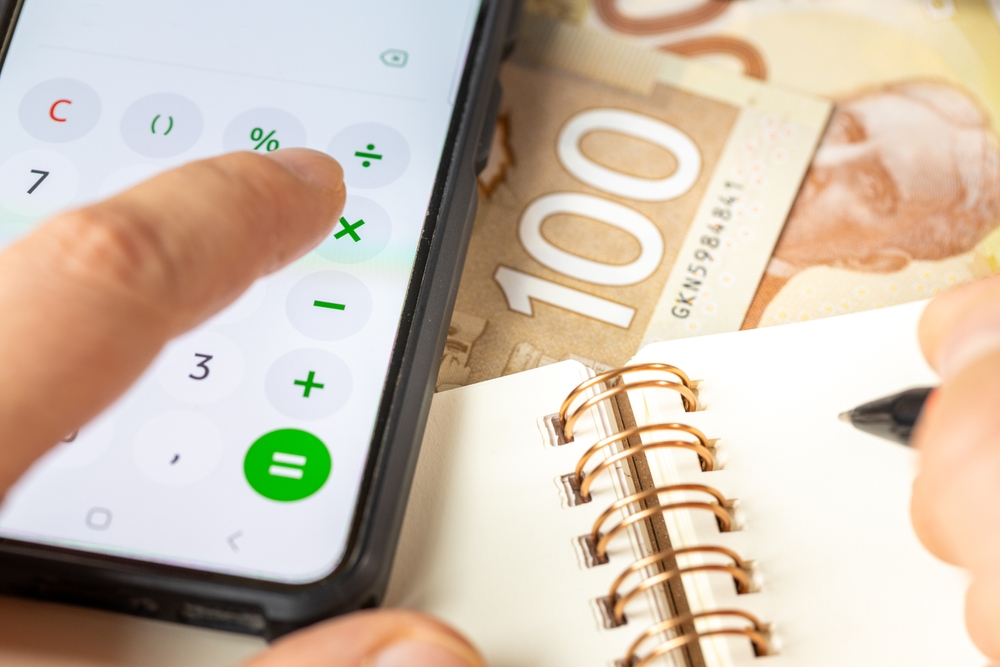
Money feels tighter for many Canadian households right now. Groceries cost more. Rent climbs. Interest rates have stretched mortgage payments. Yet even during lean seasons, people look for small comforts. They are not chasing yachts or designer labels. They are choosing modest upgrades that feel worth it. A better coffee. A warmer coat. A streaming subscription that replaces nights out. These choices reflect shifting priorities across Canada. Here are 17 budget luxuries Canadians are choosing when money’s tight.
Quality Coffee at Home

Cafés are still busy, but many Canadians now brew better coffee at home. They invest in decent beans from local roasters. Some buy a French press or an espresso machine on sale. The upfront cost stings once. Daily café visits cost far more over time. A five-dollar latte adds up quickly. Brewing at home costs a fraction per cup. It also turns mornings into a calmer ritual. People control strength, sweetness, and milk choice. That small upgrade feels practical and indulgent at once. It saves money while keeping a favorite routine intact during tighter months.
Premium Streaming Services

Canadians are cutting cable but keeping select streaming platforms. One or two subscriptions cost less than traditional television packages. They also replace pricey nights out. A movie theatre visit for two can top forty dollars. A monthly streaming plan often costs less. Families treat it as affordable entertainment. Friends host watch nights instead of bar hopping. The content libraries are deep enough to last months. Viewers cancel and rotate services to control spending. That flexibility matters when budgets shrink. Streaming feels like a small luxury that delivers steady value without the long-term contract stress.
Comfortable Bedding

Sleep quality has become a priority. Canadians are spending on better sheets and supportive pillows. A high thread count set can last years with proper care. People justify the cost by dividing it across nightly use. Few purchases get that much contact time. Better bedding can improve rest and mood. It also reduces the urge to splurge elsewhere for comfort. Instead of weekend getaways, some upgrade their bedroom setup. Sales events make premium brands more accessible. A cozy bed feels like a retreat at home. During financial strain, that sense of comfort carries real weight.
Meal Kits and Grocery Delivery

Meal kits once seemed extravagant. Now, many Canadians see them as controlled spending. Kits reduce food waste and curb impulse takeout orders. Each box arrives with set portions and clear instructions. That structure prevents overspending at restaurants. Grocery delivery services offer similar appeal. Busy households avoid wandering store aisles. They stick to a digital list and skip extras. Delivery fees can be cheaper than gas and parking. The convenience also saves time after long workdays. For some, that saved energy is worth the cost. It feels organized, modern, and slightly indulgent without blowing the budget.
Mid-Range Skincare

Luxury beauty counters are less crowded. Instead, Canadians choose mid-range skincare that feels effective but reasonable. They read ingredient lists and reviews carefully. A thirty-dollar serum can feel like a treat. It still costs far less than high-end prestige brands. People cut back on spa visits but maintain simple routines at home. Drugstore lines have improved in quality and packaging. That makes the purchase feel elevated. Self-care remains important even in tight cycles. A small bottle on the bathroom shelf can signal normalcy. It offers comfort without major financial strain.
Gym Memberships
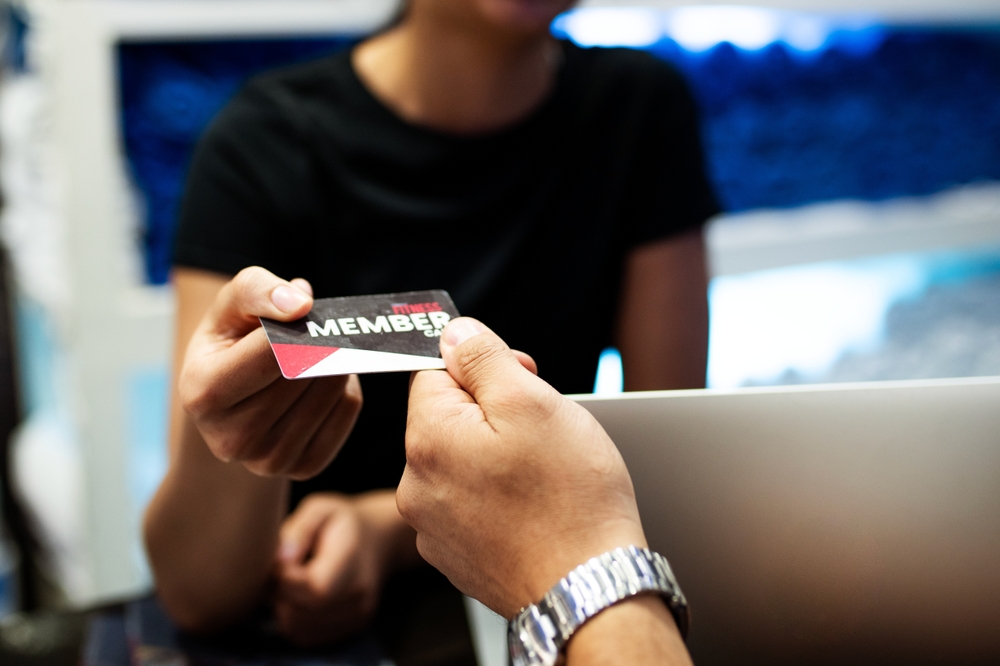
Gym memberships are holding steady despite cost pressures. Canadians see them as preventative spending. Regular workouts can support physical and mental health. A monthly membership often costs less than therapy or medical bills. Many gyms offer flexible plans or community rates. Some employers subsidize fees through benefits packages. That helps justify the expense. People also use gyms as social spaces during colder months. It replaces pricier entertainment options. Instead of expensive hobbies, they lift weights or join group classes. The routine brings structure. In uncertain times, structure feels valuable and grounding.
Good Winter Outerwear

Canadian winters are long and harsh. Investing in a warm coat makes practical sense. Rather than buying cheap jackets yearly, people save for one reliable piece. A quality parka can last many seasons. It reduces layering needs and improves comfort outdoors. Many shoppers wait for end of season sales. They choose neutral styles that age well. Boots follow the same logic. Waterproof materials prevent frequent replacements. Spending more upfront can mean fewer purchases later. That calculation appeals during financial stress. Staying warm is not optional in Canada. Doing it comfortably feels like a justified luxury.
Local Getaways

International travel may be paused, but local trips remain popular. Canadians book short stays within driving distance. A weekend in a nearby town costs less than flights abroad. It still breaks routine. Many choose off-season dates for better rates. Provincial parks and small inns benefit from this shift. Travelers pack meals or dine casually to save. The goal is a change of scenery, not extravagance. Even one night away can reset perspective. These trips feel manageable and refreshing. They satisfy the urge to explore while respecting tighter financial limits at home.
Specialty Groceries

While cutting back overall, many Canadians still buy select specialty foods. Artisanal bread, imported olive oil, or premium cheese make meals feel upgraded. These items cost more than basics but are used sparingly. A small wedge of good cheese can transform simple pasta. People host dinners at home instead of restaurants. That saves significant money overall. The grocery splurge becomes the highlight of the week. It feels thoughtful rather than excessive. Cooking at home also supports local producers. That added value helps justify the higher price during careful budgeting periods.
Audible and E-Books

Books remain a steady comfort. Instead of buying hardcovers, Canadians turn to digital formats. Audible subscriptions and e-book deals cost less per title. Public libraries also offer digital borrowing. That keeps reading accessible without major spending. Audiobooks fit into commutes and chores. They add entertainment without extra time demands. For many, stories provide escape during stressful periods. The monthly fee feels manageable compared to other hobbies. Rotating memberships helps control costs. Reading becomes both practical and indulgent. It fills quiet evenings without adding pressure to already stretched budgets.
Takeout Once a Week

Many households reduce dining out but keep one planned takeout night. It offers a break from cooking. By limiting it to once weekly, costs stay predictable. Families budget for it like a bill. They choose local spots or pickup deals to save on delivery fees. That single evening can feel special. It prevents burnout in busy households. Completely cutting takeout can feel restrictive. A small allowance keeps morale steady. During tight months, balance matters. This approach respects financial limits while preserving a sense of normal life and shared enjoyment.
Houseplants

Houseplants have become quite staples in Canadian homes. They are relatively affordable and long-lasting. A fifteen-dollar plant can brighten a room for years. Caring for greenery also adds routine. It connects people to nature during long winters. Compared to larger home decor purchases, plants are modest investments. They can improve mood and indoor air quality. Many Canadians propagate cuttings to expand collections cheaply. That makes the hobby sustainable. A living plant on the windowsill feels hopeful. In uncertain times, that small symbol of growth carries surprising emotional value.
Scented Candles

Candles remain popular even as other expenses shrink. A single high-quality candle can last weeks. It changes the atmosphere of a room instantly. People light them during baths or quiet evenings. The scent adds comfort without major cost. Compared to larger home upgrades, this purchase is minor. Yet it signals care and intention. Canadians often wait for sales or buy from local makers. Supporting small businesses adds satisfaction. The glow and fragrance feel calming after stressful days. For many, that modest indulgence is worth fitting into a tight monthly plan.
Meal Prep Appliances
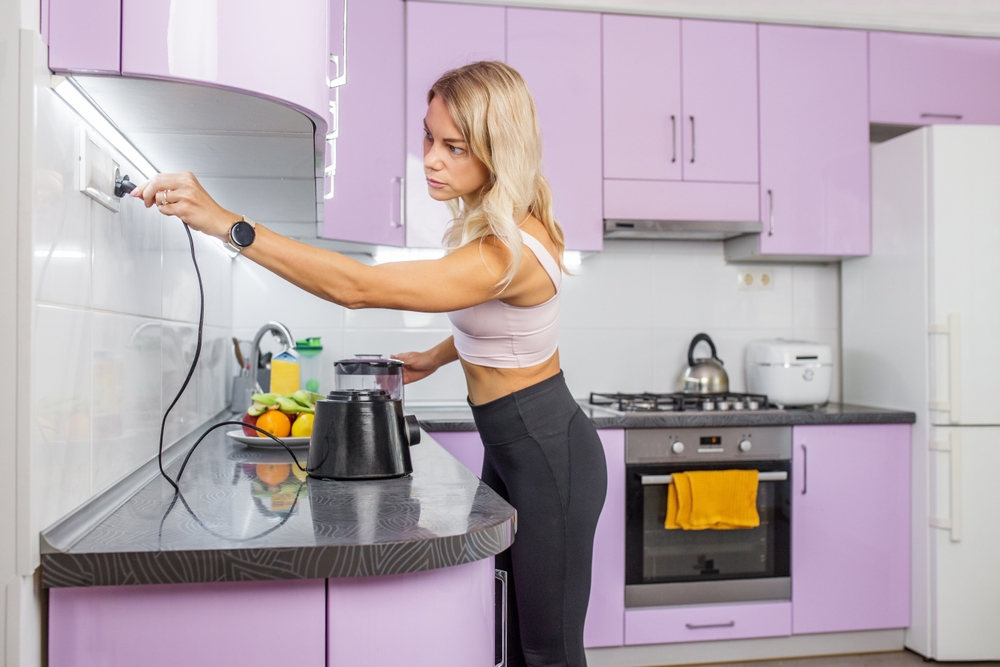
Air fryers and slow cookers are common kitchen additions. They promise savings over time. Cooking at home becomes easier and quicker. That reduces reliance on restaurant meals. The appliances often go on sale during holiday events. Canadians compare energy use and durability before buying. Once purchased, these tools support healthier eating. They also stretch grocery budgets through batch cooking. A single appliance can replace multiple gadgets. That efficiency appeals when money feels scarce. The purchase feels smart rather than flashy. It combines practicality with the pleasure of improved home cooking.
Subscription Boxes

Selective subscription boxes still attract Canadian shoppers. Beauty samples, coffee deliveries, or snack boxes arrive monthly. People choose one and cancel others. The predictability helps manage spending. Each box feels like a small gift. It breaks routine without major expense. Many compare values carefully before committing. Some split subscriptions with friends to reduce cost. The excitement of delivery remains appealing. It offers novelty during tight cycles. As long as it stays within budget, the treat feels justified. Canadians are more selective now, but they have not abandoned small recurring pleasures.
Salon Visits Spaced Out

Haircuts and simple treatments remain on the calendar. Canadians stretch appointments further apart. Instead of monthly visits, they book every few months. They skip extras like elaborate styling. Basic maintenance keeps them feeling polished. That confidence can matter at work. Some choose apprentice rates or weekday discounts. The goal is balance. Completely cutting salon visits can feel discouraging. Moderating frequency preserves both appearance and finances. A trim or color refresh provides a lift. It supports self-image during stressful periods without turning into a regular overspend.
Better Home Office Setups

Remote work has shifted spending priorities. Canadians invest in ergonomic chairs or proper desks. Back pain from cheap setups costs more in the long term. A solid chair can last for years. Many watch for clearance sales or second-hand deals. Good lighting and a tidy background also matter. The workspace becomes part of daily life. Improving it can boost productivity and comfort. Instead of commuting expenses, money goes toward home upgrades. That swap feels rational. When work happens at home, investing there seems reasonable. It blends practicality with everyday comfort.
22 Groceries to Grab Now—Before another Price Shock Hits Canada

Food prices in Canada have been steadily climbing, and another spike could make your grocery bill feel like a mortgage payment. According to Statistics Canada, food inflation remains about 3.7% higher than last year, with essentials like bread, dairy, and fresh produce leading the surge. Some items are expected to rise even further due to transportation costs, droughts, and import tariffs. Here are 22 groceries to grab now before another price shock hits Canada.
22 Groceries to Grab Now—Before another Price Shock Hits Canada
