
Canada’s housing map is shifting again in 2026. Rising rents, remote work, and job growth are pushing people to rethink where they live. Some are leaving major hubs for mid-sized cities. Others are chasing specific industries or better housing value. Lifestyle still matters, but so does stability. Lower taxes, shorter commutes, and access to nature are shaping decisions. These moves are not random. They reflect changing priorities across age groups. Here are 16 Canadian cities everyone’s moving to in 2026 (And the Real Reasons).
Calgary, Alberta

Calgary continues to attract people from Ontario and British Columbia. Housing remains cheaper than in Toronto or Vancouver. Detached homes still sit below the million-dollar mark in many neighborhoods. Alberta has no provincial sales tax, which reduces everyday costs. The energy sector is stable again, with growth in clean technology and hydrogen projects. The city also has a young workforce and strong job creation numbers. Mountains sit an hour away, which matters for many newcomers. Remote workers like the balance of urban services and outdoor access. The population keeps climbing because salaries stretch further here.
Edmonton, Alberta

Edmonton offers even lower housing prices than Calgary. First-time buyers see realistic entry points in the market. The city has a large public sector workforce tied to government and health care. The University of Alberta brings research jobs and steady employment. Industrial and logistics sectors are expanding as well. Commutes remain manageable compared to larger cities. Many families choose Edmonton for bigger homes and yard space. The cost of childcare is lower than in many provinces. Winters are long, but affordability keeps pulling people in. Migration numbers show steady gains year after year.
Halifax, Nova Scotia

Halifax grew rapidly during the pandemic, and momentum has not stopped. People moving from Ontario find homes slightly more affordable. The port drives shipping and logistics jobs. Tech companies have expanded operations in the region. Universities attract students who often stay after graduation. The oceanfront setting appeals to remote workers seeking change. Healthcare hiring has increased due to population growth. Rents rose sharply, yet still sit below Toronto levels. Flights to Europe are shorter from here, which appeals to some. Halifax blends small city pace with enough urban amenities to feel complete.
Moncton, New Brunswick

Moncton is becoming an East Coast surprise. Housing prices remain among the lowest in Canada. The bilingual workforce supports call centers and service industries. Logistics and distribution centers are expanding due to location advantages. Many retirees move here for lower living costs. Young families also arrive because home ownership feels reachable. The downtown core has seen steady redevelopment. Property taxes remain manageable compared to larger cities. Traffic is light, which reduces daily stress. Remote workers see value in buying larger homes. Population growth has outpaced expectations for several years now.
Saskatoon, Saskatchewan

Saskatoon benefits from the agriculture and mining industries. Potash and uranium projects provide stable employment. The University of Saskatchewan adds research opportunities. Housing costs remain moderate compared to national averages. Many young professionals can buy homes earlier here. The city has invested in riverfront development. Commute times are short, often under twenty minutes. Crime concerns exist in some areas, yet affordability outweighs worries for many. Job vacancies remain strong in skilled trades. Healthcare and construction sectors continue hiring. Saskatoon draws people seeking opportunity without the price tag of larger urban centers.
Winnipeg, Manitoba

Winnipeg often flies under the radar. Housing remains accessible, even for single-income households. The city has a diversified economy. Aerospace, manufacturing, and transportation sectors provide stability. Hydro power keeps electricity costs relatively low. Cultural festivals add vibrancy throughout the year. Winters are harsh, yet cost savings compensate for many residents. Immigration has increased, boosting population numbers. Infrastructure projects have created construction jobs. Rents sit below national averages. For Canadians priced out of bigger markets, Winnipeg offers practical value. People move here because numbers make sense on paper and in daily life.
London, Ontario

London sits between Toronto and Detroit, which supports logistics and manufacturing jobs. The health care sector is strong, anchored by major hospitals. Western University attracts students and research funding. Housing costs climbed but remain below Toronto levels. Many commuters choose London and travel occasionally to larger cities. The downtown core is seeing residential development. Remote workers appreciate lower housing prices with city amenities. Transit access is improving. Families cite good schools and quieter neighborhoods. Population growth continues as buyers seek relief from southern Ontario prices. London offers compromise without total relocation shock.
Kitchener, Ontario

Kitchener remains part of the tech-focused Waterloo Region. Startups and established firms operate near each other. The region has a strong talent pipeline from universities. Housing is cheaper than in Toronto, though not inexpensive. Light rail transit has improved connectivity within the area. Many tech workers choose Kitchener for shorter commutes. The downtown core has added condos and office space. Restaurants and entertainment options continue expanding. Immigration supports workforce growth. While prices rose, buyers still see relative value. The mix of tech jobs and mid-sized city living keeps attracting newcomers each year.
Ottawa, Ontario

Ottawa offers federal government employment stability. Public sector jobs attract people seeking predictable income. The tech industry also has a growing presence. Housing costs remain high, yet below Toronto in many neighborhoods. Bilingual workers find advantages in this market. The city has extensive green space and bike paths. Schools and public services rank well nationally. Transit expansion projects aim to improve commuting. Many families move for perceived long-term stability. The real reason is job security. In uncertain economic times, predictable employment drives relocation decisions more than lifestyle branding.
Quebec City, Quebec

Quebec City draws people who value lower housing costs. Compared to Montreal, prices are more manageable. Government jobs support steady employment. Tourism also plays a large role in the economy. The city maintains a strong cultural identity. French language skills are essential for many roles. The healthcare and public administration sectors hire consistently. Crime rates remain relatively low. Families appreciate historic neighborhoods and community feel. Immigration policies in Quebec influence workforce needs. People move here for affordability and stability. The slower pace appeals to those leaving larger metropolitan areas.
Montreal, Quebec

Montreal continues attracting young professionals. Rent control rules make some units more affordable. The tech and gaming industries have grown steadily. Aerospace companies operate in the region as well. The city offers cultural diversity and nightlife options. French language requirements vary by sector. Universities feed talent into local industries. Public transit connects neighborhoods effectively. Housing prices increased, but remain lower than in Toronto and Vancouver. Many newcomers arrive from abroad rather than from other provinces. Montreal appeals to creative workers seeking opportunity and urban energy without the highest national housing costs.
Victoria, British Columbia

Victoria attracts retirees and remote professionals. The climate is milder than that of most Canadian cities. Government employment provides a steady income source. Tourism supports service sector jobs. Housing costs remain high, yet some buyers prefer smaller properties near water. The pace of life feels calmer than in Vancouver. Healthcare infrastructure has expanded with population growth. Ferry connections link to the mainland. Many residents move for quality of life reasons. The real driver remains remote work flexibility. People who no longer commute daily see Victoria as viable despite expensive real estate.
Kelowna, British Columbia

Kelowna has grown quickly in recent years. The Okanagan Valley draws outdoor enthusiasts. Remote workers buy homes with mountain views. Construction activity remains strong across the region. Tourism supports restaurants and hospitality jobs. Wineries and agriculture add economic diversity. Housing prices climbed, yet remain below Vancouver. The airport offers growing flight connections. Population growth strains infrastructure in some areas. Still, buyers see long-term value. Kelowna appeals to people wanting a lifestyle without a massive urban center. Migration continues as flexible workers relocate inland.
Regina, Saskatchewan

Regina offers steady public sector employment. Provincial government offices anchor the workforce. Housing remains among the most affordable in Canada. Utility costs are reasonable for many households. Agriculture and resource sectors support the surrounding regions. Crime concerns exist, yet affordability dominates decisions. Families can purchase detached homes at manageable prices. The city has invested in recreation facilities. Population growth is moderate but consistent. For many Canadians, Regina represents financial breathing room. Buyers focus on mortgage payments rather than nightlife options. Stability and lower costs drive most relocation decisions.
Charlottetown, Prince Edward Island
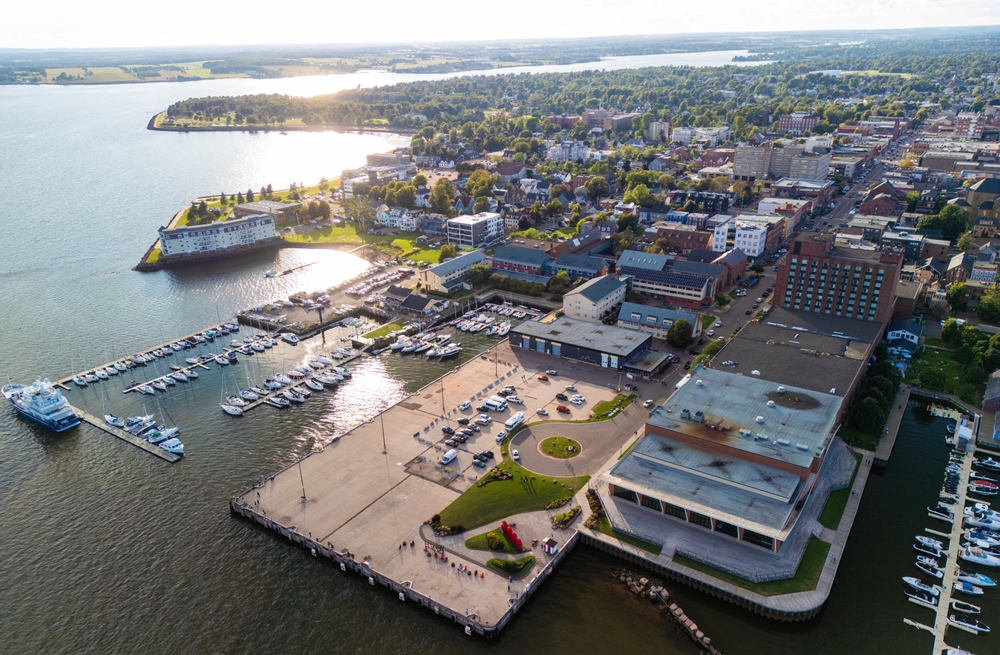
Charlottetown has seen steady population growth. Housing remains less expensive than in larger Atlantic cities. Tourism fuels the local economy during warmer months. Healthcare hiring has increased as demographics shift. The small size appeals to those leaving crowded cities. Commutes are short, and traffic is light. Remote workers can live near water without major urban stress. Winter can be challenging, yet lower housing costs matter more. The community feels draws families and retirees alike. Migration data shows continued interest among Ontario residents seeking affordable housing.
St. John’s, Newfoundland and Labrador
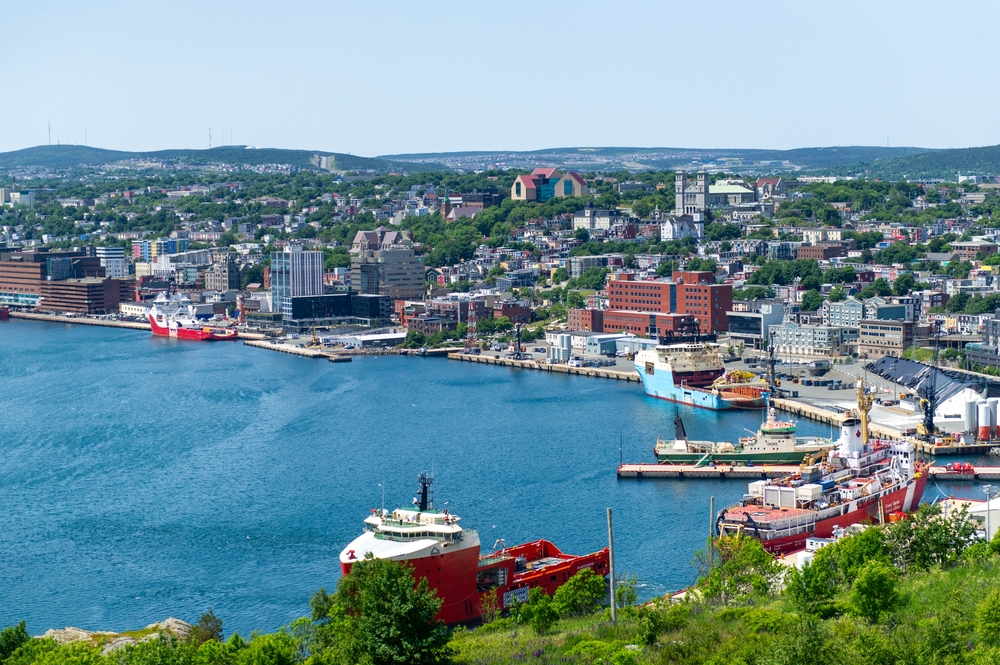
St. John’s attracts people seeking lower home prices. The energy sector still influences employment levels. Offshore projects create periodic job surges. The cost of living remains below many Canadian averages. The rugged coastal setting appeals to outdoor lovers. The healthcare and education sectors employ large numbers locally. Flights are limited compared to mainland hubs. Winters can be severe, yet many residents accept that trade-off. Population shifts fluctuate with industry cycles. Still, affordability draws newcomers priced out elsewhere. St. John’s offers a slower rhythm with reachable housing.
22 Groceries to Grab Now—Before another Price Shock Hits Canada

Food prices in Canada have been steadily climbing, and another spike could make your grocery bill feel like a mortgage payment. According to Statistics Canada, food inflation remains about 3.7% higher than last year, with essentials like bread, dairy, and fresh produce leading the surge. Some items are expected to rise even further due to transportation costs, droughts, and import tariffs. Here are 22 groceries to grab now before another price shock hits Canada.
22 Groceries to Grab Now—Before another Price Shock Hits Canada
