
Canadian dining habits have changed significantly over the past few decades. Many familiar chain restaurants that once dominated malls and highways no longer hold the same influence. Shifts in lifestyle, pricing, and consumer preferences have reshaped the industry. Faster service, delivery options, and modern interiors now attract younger customers. Some classic brands still operate, but with reduced visibility. Others disappeared entirely as competitors expanded. Nostalgia for older dining experiences remains strong across generations. Here are 15 Canadian chain restaurants people miss and the ones taking over.
Swiss Chalet (Dine-In Era) — Replaced by Popeyes Louisiana Kitchen & Mary Brown’s
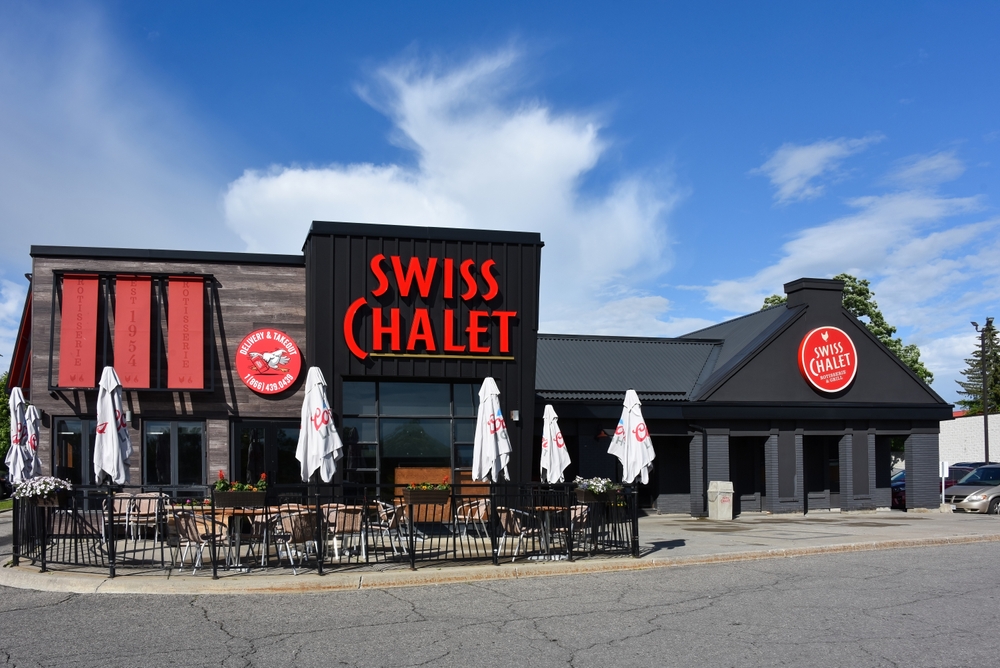
Swiss Chalet was once synonymous with casual family dining in Canada. Rotisserie chicken, chalet sauce, and dine-in service defined the experience. Many locations emphasized table service rather than takeout. Over time, consumer habits shifted toward faster meals. Delivery-focused chains like Popeyes Louisiana Kitchen and Mary Brown’s expanded rapidly. These brands emphasize convenience and bold flavors. Younger customers often prefer quick service options. Declining mall traffic also affected traditional dine-in restaurants. Some Swiss Chalet locations have closed or reduced seating. Nostalgia remains strong among longtime patrons. The shift reflects broader changes in how Canadians eat. Convenience now often outweighs leisurely dining experiences.
Red Lobster (Canada Locations) — Replaced by Captain’s Boil & The Captain’s Catch
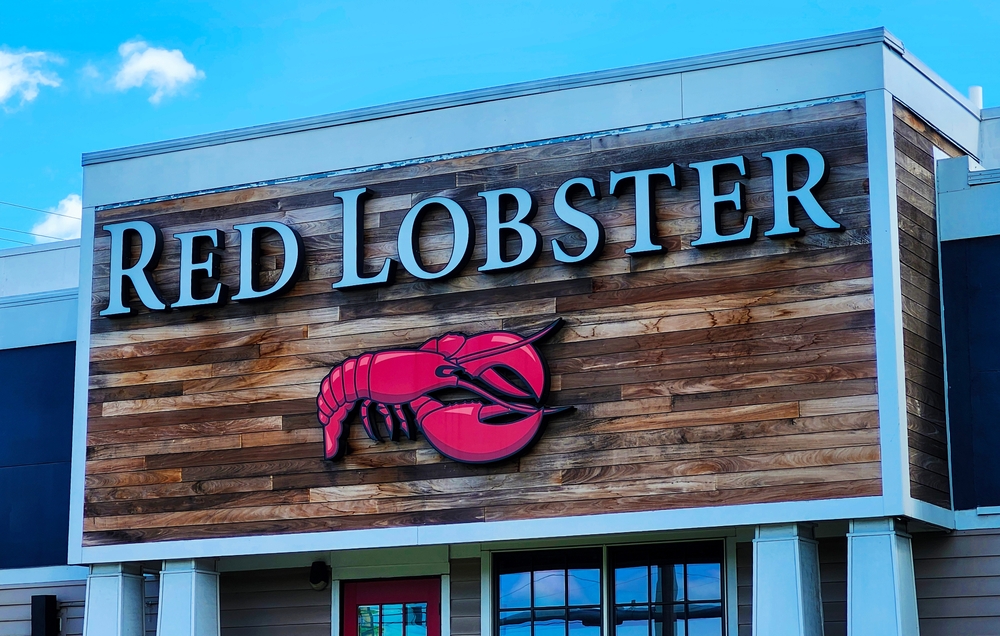
Red Lobster once offered accessible seafood dining across many Canadian cities. Its Cheddar Bay Biscuits became especially popular. Several locations closed as tastes and economics shifted. Newer seafood concepts like Captain’s Boil emphasize interactive dining. Customers eat seafood from bags with sauces and spices. This style appeals to younger diners seeking novelty. The Captain’s Catch and similar restaurants offer casual atmospheres. Traditional plated seafood feels less distinctive by comparison. Rising costs also affect large seafood chains. Social media-friendly presentations drive interest today. The change highlights evolving expectations for dining experiences. Modern seafood spots focus on customization and entertainment.
East Side Mario’s Peak Years — Replaced by Scaddabush Italian Kitchen & Bar
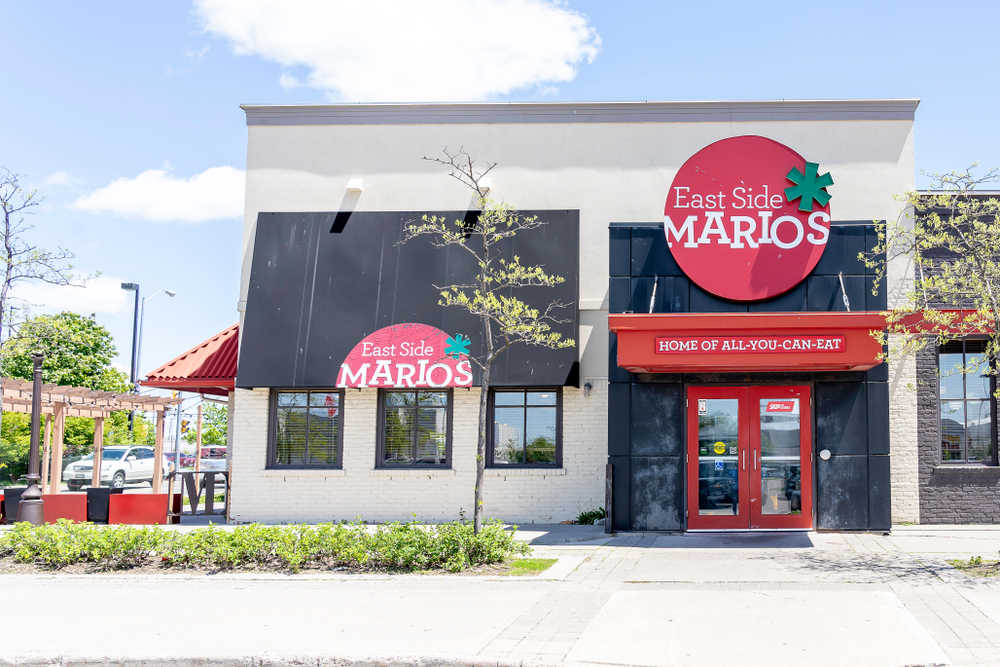
East Side Mario’s once dominated casual Italian dining in Canada. Large portions and family-friendly pricing attracted broad audiences. Over time, newer concepts offered fresher ingredients and modern décor. Scaddabush Italian Kitchen & Bar emphasizes open kitchens and handmade pasta. Customers value perceived authenticity and customization. Dining trends shifted toward quality over quantity. Younger diners often prefer contemporary atmospheres. East Side Mario’s still operates, but with less cultural prominence. Competitive restaurant markets reduced their dominance. Social media exposure favors visually appealing dishes. The transition reflects changing expectations for Italian cuisine. Modern chains prioritize experience as much as affordability.
Harvey’s Former Popularity — Replaced by Five Guys & A&W Canada Expansion
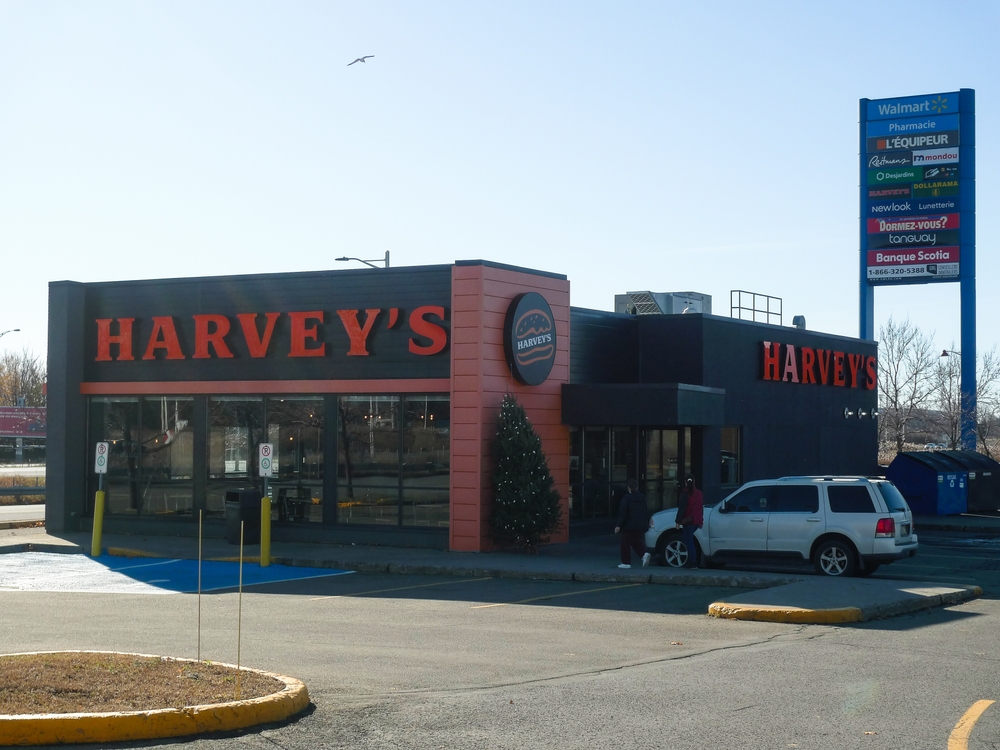
Harvey’s built its reputation on customizable grilled burgers. Customers selected toppings at the counter after ordering. Premium burger chains later introduced higher-priced alternatives. Five Guys emphasizes fresh ingredients and generous portions. A&W Canada expanded with upgraded menus and branding. These competitors appeal to customers seeking perceived quality improvements. Fast casual dining blurred traditional fast food categories. Harvey’s still operates but faces stronger competition. Urban locations especially reflect changing preferences. Social media often highlights premium burger experiences. The shift shows a willingness to pay more for customization. Burger culture in Canada has diversified significantly.
Kelsey’s Original Roadhouse Menu — Replaced by Jack Astor’s & LOCAL Public Eatery

Kelsey’s originally offered a casual roadhouse-style atmosphere. Its menu focused on comfort food and appetizers. Newer chains adopted more energetic dining concepts. Jack Astor’s emphasizes loud music and youthful branding. LOCAL Public Eatery targets urban professionals with bar-focused menus. Customers increasingly seek social experiences rather than traditional dining. Sports viewing and nightlife elements attract younger audiences. Kelsey’s has updated menus but lost its early prominence. Competitive casual dining markets reshaped consumer loyalty. Group outings now favor lively environments. The change reflects evolving entertainment expectations. Restaurants increasingly function as social venues as well as eateries.
Montana’s Earlier Smokehouse Appeal — Replaced by Memphis Blues Barbeque House
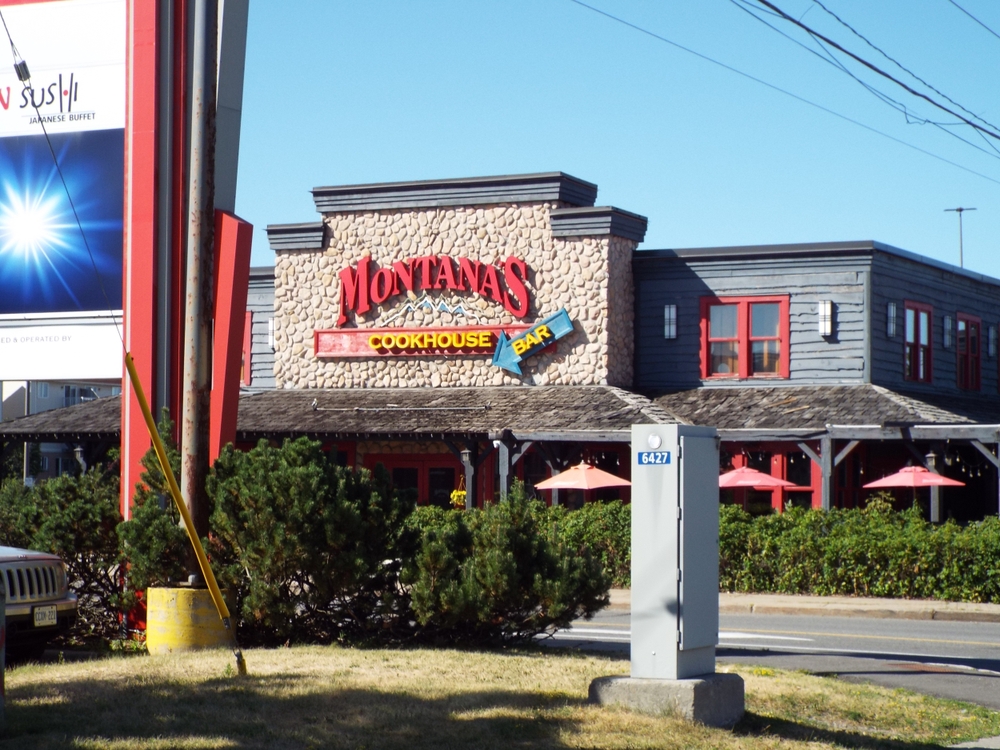
Montana popularized barbecue-themed dining nationwide. Its rustic décor and hearty portions attracted families. Authentic regional barbecue later gained popularity. Memphis Blues Barbeque House emphasizes slow-smoked meats and Southern techniques. Customers seeking authenticity gravitated toward specialized restaurants. Food media exposure increased awareness of barbecue styles. Montana’s still operates but faces niche competition. Urban diners often prefer craft barbecue experiences. Smaller chains highlight ingredient quality and preparation methods. Social media showcases smoked meats visually. The shift reflects growing interest in regional cuisines. Traditional chains compete with specialized alternatives.
Milestones Classic Fine-Casual Era — Replaced by Cactus Club Cafe

Milestones once defined upscale casual dining in Canada. Its menu balanced comfort food with refined presentation. Cactus Club Cafe introduced a more contemporary aesthetic. Stylish interiors and curated menus attract urban diners. Celebrity chefs and signature dishes enhance brand identity. Younger professionals often choose modern venues for social outings. Milestones remains active but less trendsetting. Competition now focuses on atmosphere as much as food. Premium pricing aligns with perceived experience value. Social media presence favors visually striking interiors. The transition reflects changing expectations for fine casual dining. Restaurants increasingly compete on ambiance and brand image.
Moxies Traditional Dining Style — Replaced by Earls Kitchen + Bar Expansion
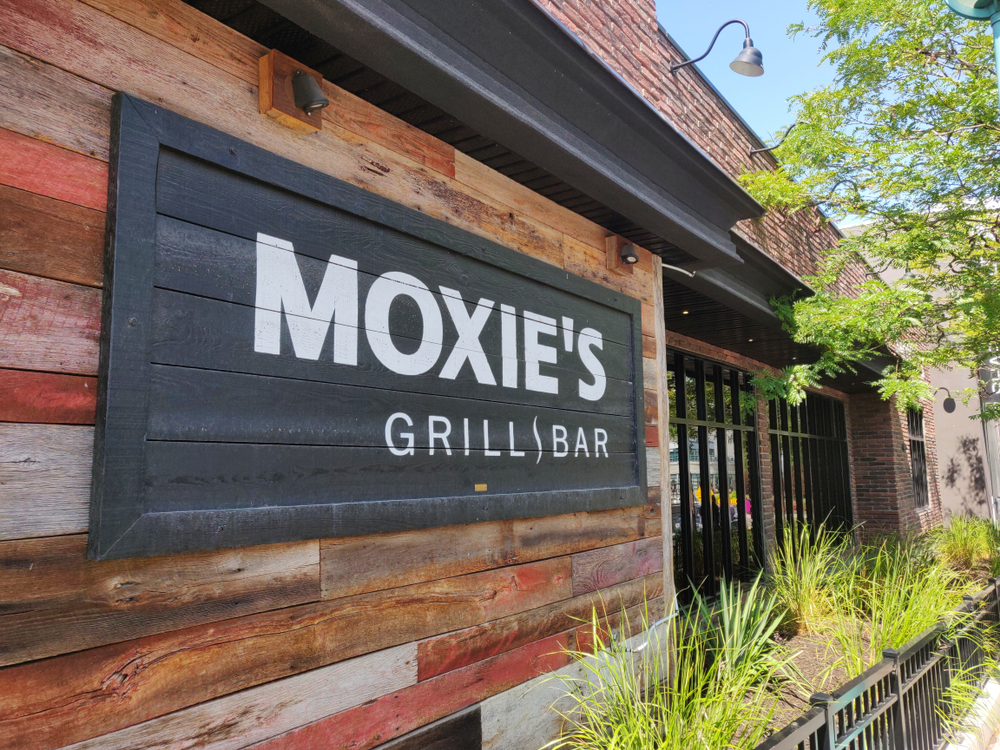
Moxies offered a polished casual dining environment across Canada. Earls Kitchen + Bar expanded aggressively in urban markets. Earls emphasizes globally inspired menus and upscale interiors. Customers perceive it as more contemporary. Both chains still operate, but market positioning differs. Younger diners often prefer trend-focused restaurants. Business lunches and social gatherings shifted toward newer venues. Menu innovation plays a significant role in competition. Earls’ brand image appeals to lifestyle-oriented consumers. Moxies maintains loyal customers but has less cultural visibility. The change reflects evolving dining expectations. Style and atmosphere increasingly influence restaurant choice.
Boston Pizza Family Dining Focus — Replaced by Blaze Pizza & Pi Co.
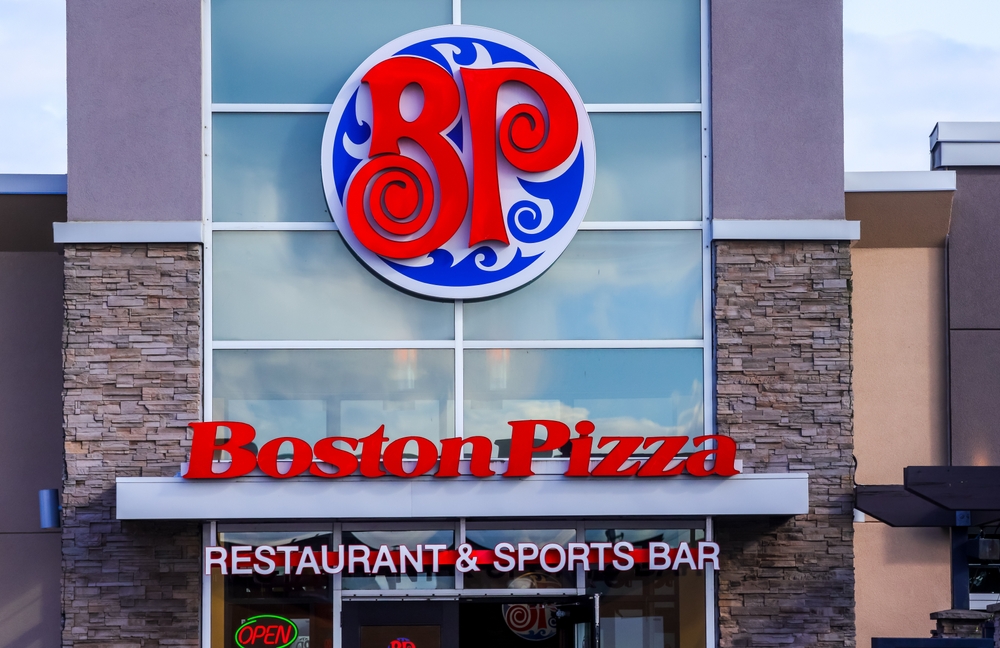
Boston Pizza combined sports bar energy with family dining. Delivery-focused pizza chains later expanded rapidly. Blaze Pizza and Pi Co. emphasize fast custom pizzas. Customers value speed and personalization. Traditional sit-down pizza experiences declined in some areas. Urban lifestyles favor quick meals over long visits. Boston Pizza remains popular for sports viewing. However, everyday dining shifted toward fast casual options. Online ordering also reshaped pizza consumption. Younger customers often prefer build-your-own formats. The shift reflects broader changes in food service models. Convenience now drives many purchasing decisions.
White Spot Outside BC — Replaced by Denny’s Canada & Ricky’s All Day Grill

White Spot has strong roots in British Columbia. Expansion outside the province proved limited. National diner chains filled the gap elsewhere. Denny’s Canada offers standardized menus across regions. Ricky’s All Day Grill targets breakfast and comfort food markets. Travelers prefer familiar options on highways. White Spot remains iconic locally but less known nationally. Franchise strategies influenced geographic reach. Changing travel patterns also affected restaurant visibility. Breakfast dining remains a competitive category. The replacement reflects regional versus national branding dynamics. Accessibility often determines long-term success.
Ponderosa Steakhouse — Replaced by The Keg Steakhouse + Bar Dominance
Ponderosa once offered affordable steak buffet-style dining. Many locations closed as tastes shifted toward quality. The Keg Steakhouse + Bar positioned itself as a premium alternative. Customers increasingly preferred higher-quality cuts over quantity. Buffet formats declined in popularity overall. Dining trends emphasize experience and service. The Keg expanded nationwide with consistent branding. Special occasion dining moved toward upscale venues. Price tolerance increased for perceived quality. Social media showcases premium steaks effectively. Ponderosa’s disappearance reflects changing expectations. Steakhouse culture in Canada now leans toward upscale experiences.
Second Cup Peak Popularity — Replaced by Starbucks Canada & Tim Hortons Café Remodels

Second Cup once rivaled major coffee chains nationwide. Starbucks expanded aggressively with premium branding. Tim Hortons remodeled stores to resemble cafés. Customers gained more seating and specialty beverages. Second Cup locations declined in many areas. Brand differentiation became difficult in competitive markets. Younger consumers gravitated toward global chains. Menu innovation also influenced market share. Coffee culture shifted toward customization and ambiance. Independent cafés further increased competition. The replacement reflects consolidation in the industry. Large chains dominate through scale and marketing power.
Country Style Donuts — Replaced by Tim Hortons & McCafé Expansion

Country Style Donuts operated widely before Tim Hortons’ dominance grew. Many locations closed or converted over time. Tim Hortons expanded aggressively across communities. McCafé also entered the coffee and pastry market. Customers increasingly chose familiar national brands. Drive-through convenience became essential. Country Style retained some regional presence but less visibility. Marketing budgets influenced competitive outcomes. Menu overlap made differentiation difficult. Younger consumers often lacked brand awareness. The shift reflects consolidation in quick-service coffee. Large chains leveraged scale advantages to grow rapidly.
Old Spaghetti Factory’s Former Dominance — Replaced by Modern Italian Chains like Gusto 101
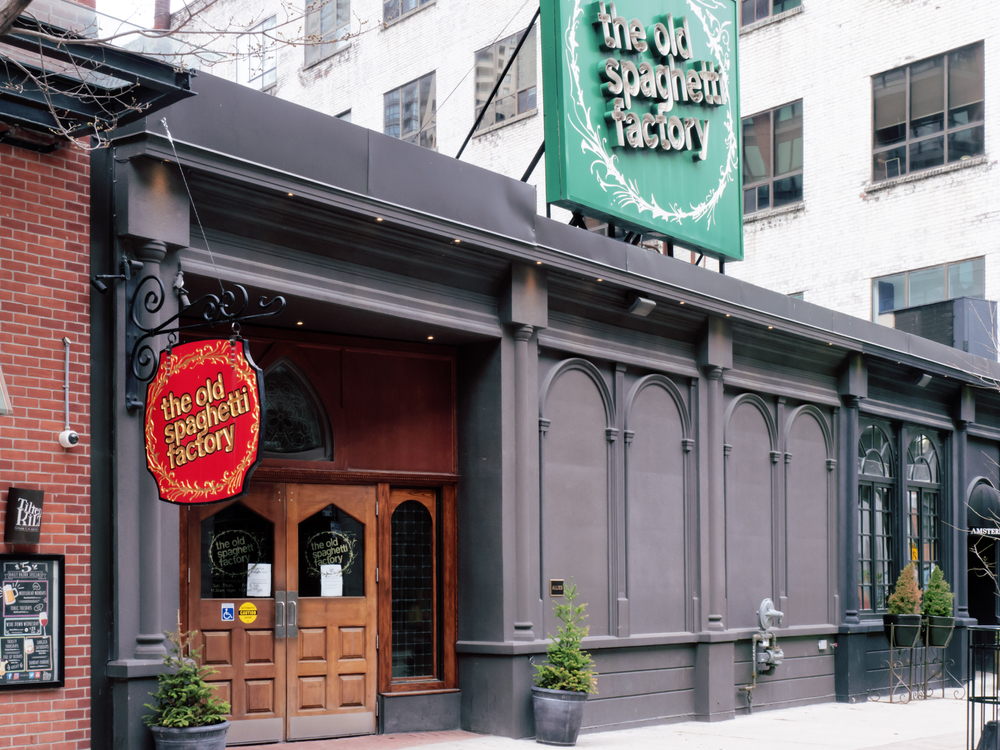
Old Spaghetti Factory attracted families with themed décor and fixed pricing. Newer Italian restaurants emphasize fresh ingredients and contemporary design. Gusto 101 and similar venues appeal to urban diners. Handmade pasta and open kitchens signal authenticity. Dining trends favor shareable plates and modern presentations. Traditional family-style chains appear dated to some customers. Social media exposure rewards visually appealing dishes. Location strategies focus on city centers rather than malls. The change reflects evolving perceptions of Italian cuisine. Younger patrons seek experience-driven dining. Modern concepts balance casual pricing with upscale ambiance.
Traditional Chinese-Canadian Buffet Chains — Replaced by Mandarin Restaurant Expansion

Chinese Canadian buffets were once common across suburban areas. Many closed due to rising costs and changing tastes. Mandarin Restaurant expanded with large modern facilities. Its model combines buffet variety with themed décor. Customers view it as higher quality than older buffets. Group dining remains a key appeal. Food safety expectations also increased over time. Mandarin adapted menus to contemporary preferences. Special promotions attract families and celebrations. Smaller independent buffets struggled to compete. The shift reflects consolidation within the buffet sector. Mandarin now dominates this category in many regions.
22 Groceries to Grab Now—Before another Price Shock Hits Canada

Food prices in Canada have been steadily climbing, and another spike could make your grocery bill feel like a mortgage payment. According to Statistics Canada, food inflation remains about 3.7% higher than last year, with essentials like bread, dairy, and fresh produce leading the surge. Some items are expected to rise even further due to transportation costs, droughts, and import tariffs. Here are 22 groceries to grab now before another price shock hits Canada.
22 Groceries to Grab Now—Before another Price Shock Hits Canada
