
Canadian brands often carry emotional weight because they are tied to identity and daily life. When these companies change, public reaction can be strong. Rising prices, corporate restructuring, and digital transformation have altered how many brands operate. Some shifts reflect global competition, while others stem from economic pressures at home. Social media amplifies criticism, making dissatisfaction more visible than before. In several cases, controversy has also shaped public perception. For example, grocery giants faced backlash over food costs and profits, while coffee chains drew criticism over ownership changes. Here are 22 Canadian brands people claim are “not the same” in 2026 and why.
Tim Hortons — Menu Changes and Ownership Shifts
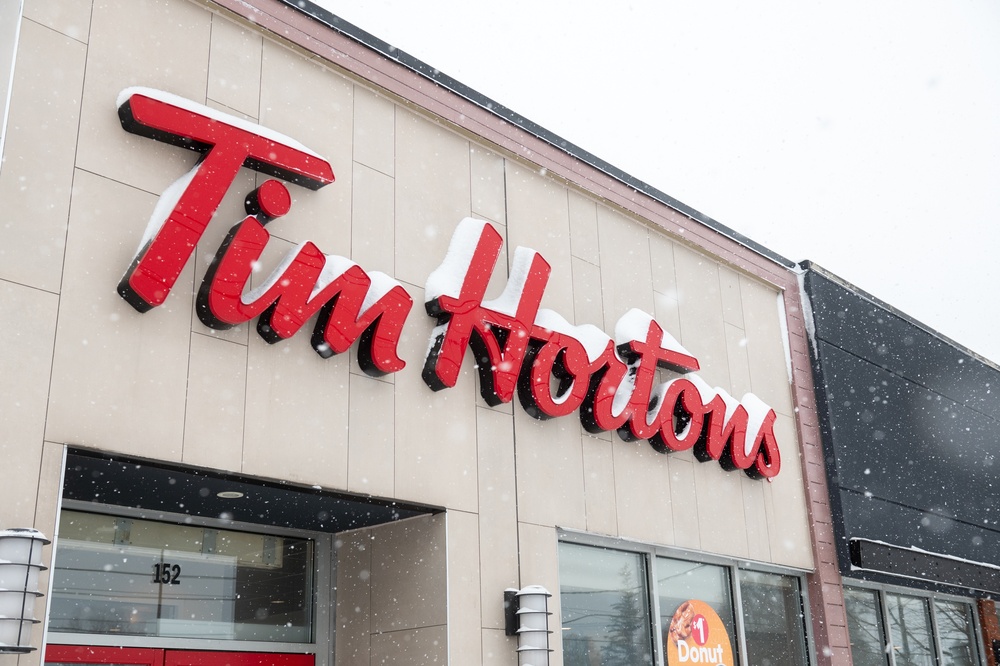
Tim Hortons remains one of Canada’s most recognizable brands. Customers often debate whether quality has declined over time. Menu expansion introduced wraps, bowls, and specialty drinks. Some patrons feel core items receive less attention now. Ownership changes also influenced operational strategies. Stores increasingly emphasize drive-through speed and digital ordering. Renovated interiors resemble modern coffee chains. Prices have risen compared to earlier years. Nostalgia for simpler menus persists among longtime customers. Competition from specialty cafés intensified expectations. Despite criticism, the chain maintains extensive market presence. The debate reflects emotional attachment as much as actual product differences.
Hudson’s Bay — Department Store Decline and Retail Restructuring
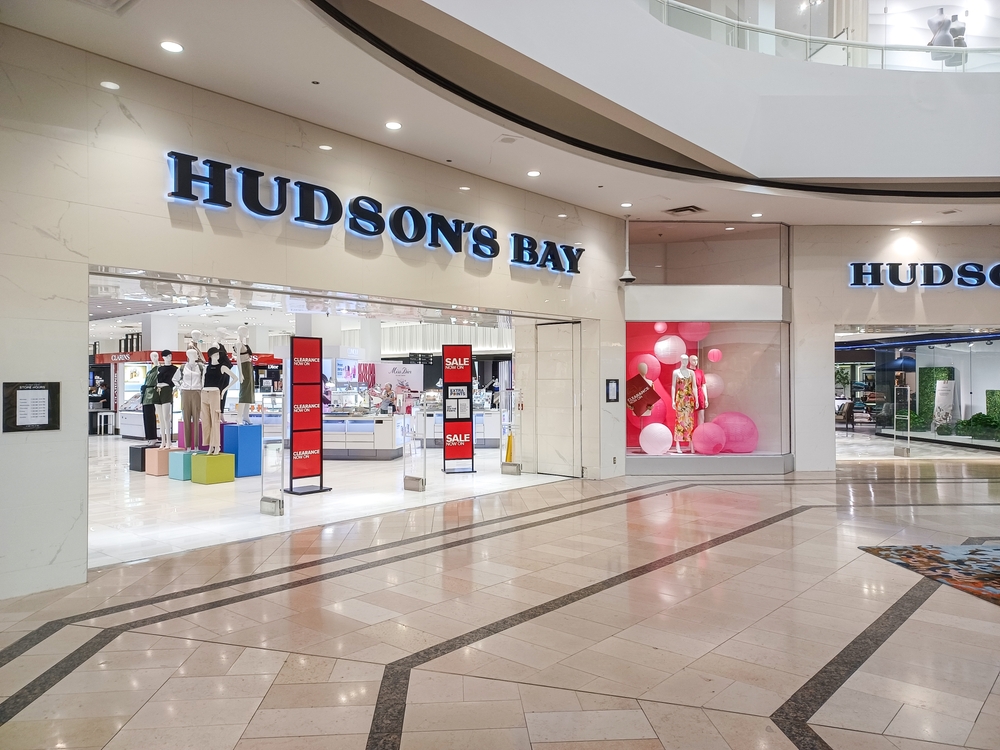
Hudson’s Bay once anchored major shopping centers across Canada. Department store retail has declined due to online competition. Many locations reduced floor space or closed entirely. Product assortments shifted toward select categories. Historic brand identity contrasts with modern retail realities. Flagship stores still attract tourists and loyal shoppers. Rising operating costs affect large-format stores significantly. Consumers increasingly prefer specialty retailers or e-commerce. Store layouts emphasize concessions from other brands. Nostalgia for traditional department store experiences remains strong. Corporate restructuring aims to preserve viability. The brand symbolizes Canada’s retail heritage despite ongoing challenges.
Roots — Pricing Increases and Global Branding Strategy
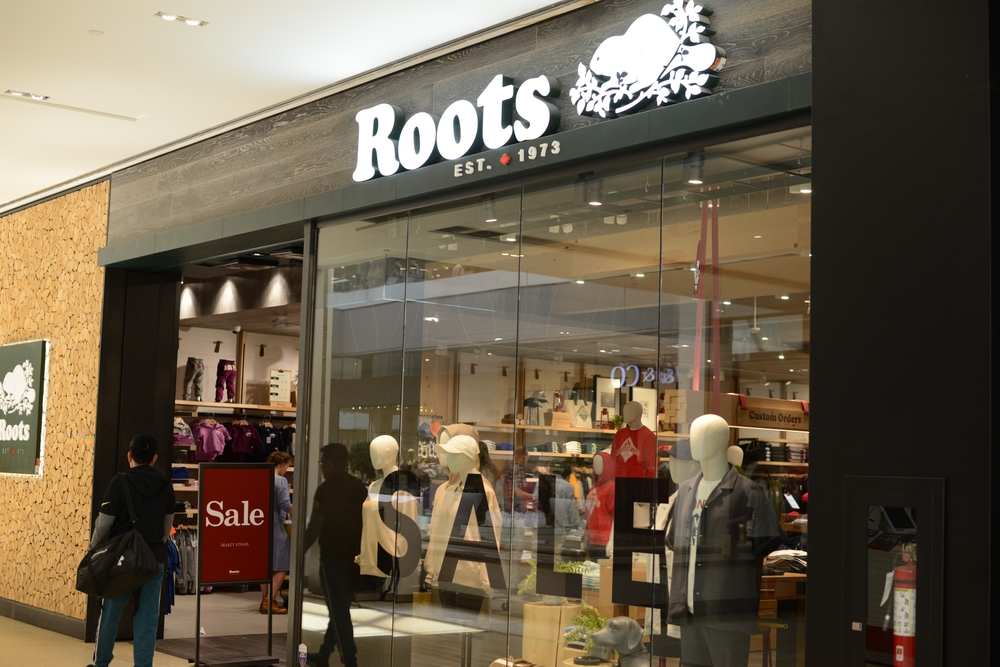
Roots built its reputation on comfortable apparel with Canadian themes. Expansion into international markets altered product positioning. Prices increased as the brand targeted premium segments. Some customers feel that everyday accessibility has declined. Quality perceptions remain generally positive. Flagship stores emphasize lifestyle branding and heritage imagery. Tourists often purchase items as Canadian souvenirs. Seasonal collections highlight outdoor themes. Domestic competition from athletic brands intensified. Loyal customers continue supporting classic products. The shift reflects balancing global growth with local identity. Debates focus on whether exclusivity aligns with original brand values.
Canadian Tire — Expansion Into Marketplace and Online Retail
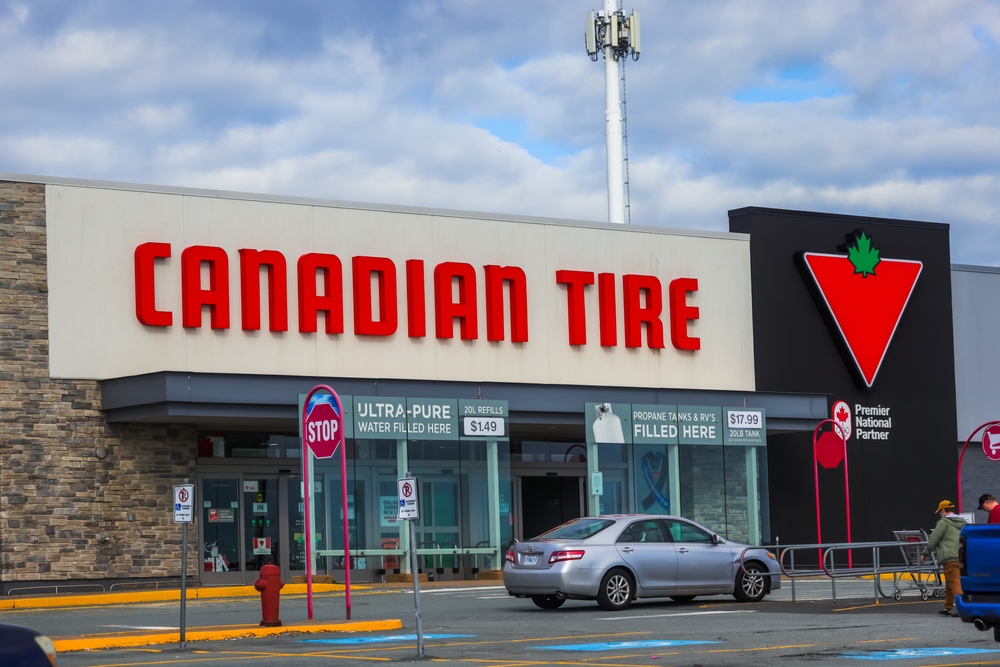
Canadian Tire evolved from a hardware store to a broad retail platform. Online marketplace offerings have expanded product variety significantly. The traditional in-store experience changed as inventory diversified. Customers now purchase items beyond automotive or tools. Digital ordering and curbside pickup became standard options. Store layouts adjusted to accommodate mixed merchandise. Competition from large online retailers influenced the strategy. Loyalty programs encourage repeat purchases. Some shoppers miss the simpler store concept. Others appreciate the convenience of one-stop shopping. The transformation reflects retail adaptation to e-commerce trends. Canadian Tire remains deeply embedded in everyday consumer life.
Lululemon — Luxury Positioning and International Focus
Lululemon started as a yoga-focused apparel brand in Canada. Global expansion elevated it to a premium lifestyle status. Prices increased alongside international demand. Stores emphasize minimalist design and curated selections. Product lines now include everyday wear beyond athletic clothing. Some early customers feel the brand has become less accessible. Strong sales indicate continued popularity worldwide. Celebrity endorsements expanded visibility further. Innovation in fabrics remains a key selling point. Competition from emerging athletic brands continues to grow. The shift reflects success in global markets. Debates center on whether the brand still represents its original community roots.
Air Canada — Service Expectations vs Operational Pressures
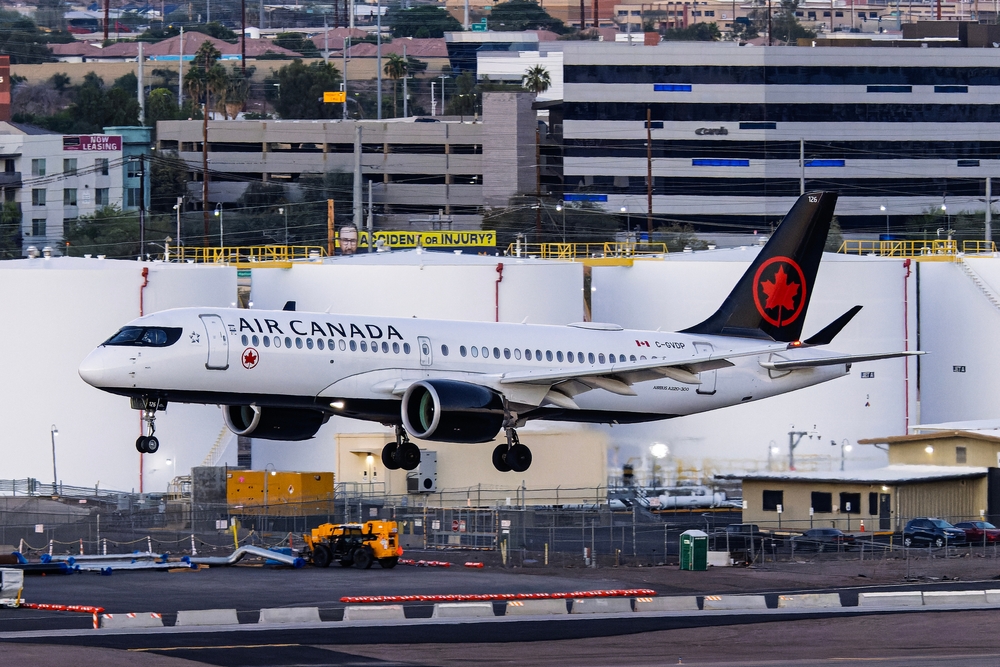
Air Canada operates as the country’s primary national carrier. Passenger expectations for reliability remain high. Operational challenges sometimes affect schedules and service quality. Weather conditions complicate operations across a vast geography. Fleet modernization aims to improve the passenger experience. Pricing strategies fluctuate with demand levels. Loyalty programs remain important for frequent travelers. Social media amplifies service complaints quickly. International routes contribute to brand visibility worldwide. Competition from budget airlines influences pricing perceptions. The airline balances efficiency with customer expectations. Public opinion often reflects recent travel experiences rather than long-term performance.
Rogers — Telecom Consolidation and Pricing Concerns
Rogers plays a major role in Canada’s telecommunications sector. Industry consolidation reduced the number of competitors. Customers frequently compare prices internationally. Network outages have also shaped public perception. Service packages bundle multiple offerings together. Infrastructure investments aim to improve coverage nationwide. Customer service experiences vary widely. Regulatory oversight influences pricing structures. Mobile data usage continues to increase annually. Promotions target switching customers from rivals. Public debates focus on affordability and reliability. Rogers remains central to Canada’s communications infrastructure.
Bell — Bundling Strategies and Customer Service Debates
Bell provides telecommunications and media services across Canada. Bundled packages combine internet, television, and phone services. Some customers find these packages complex to navigate. Pricing transparency is often debated online. Network coverage remains extensive nationwide. Advertising emphasizes reliability and speed. Customer service experiences shape brand perception significantly. Competition encourages periodic promotional offers. Infrastructure investments support expanding data demand. Media ownership broadens corporate influence beyond telecom. Public discussions focus on value relative to cost. Bell’s scale makes it a frequent topic in consumer debates.
Telus — Premium Branding and Rate Changes

Telus markets itself as a premium telecommunications provider. Advertising highlights network performance and customer care. Pricing tends to be higher than that of discount competitors. Some consumers perceive better service quality in exchange. Investments in fiber infrastructure support high-speed connections. Mobile coverage extends into rural regions. Customer satisfaction surveys influence brand reputation. Promotional deals occasionally offset higher rates. Digital services expand beyond traditional telecom offerings. Public debates mirror broader concerns about affordability. Telus balances premium positioning with competitive pressures. Brand perception varies depending on individual experiences.
Shoppers Drug Mart — Store Layout Changes and Product Mix
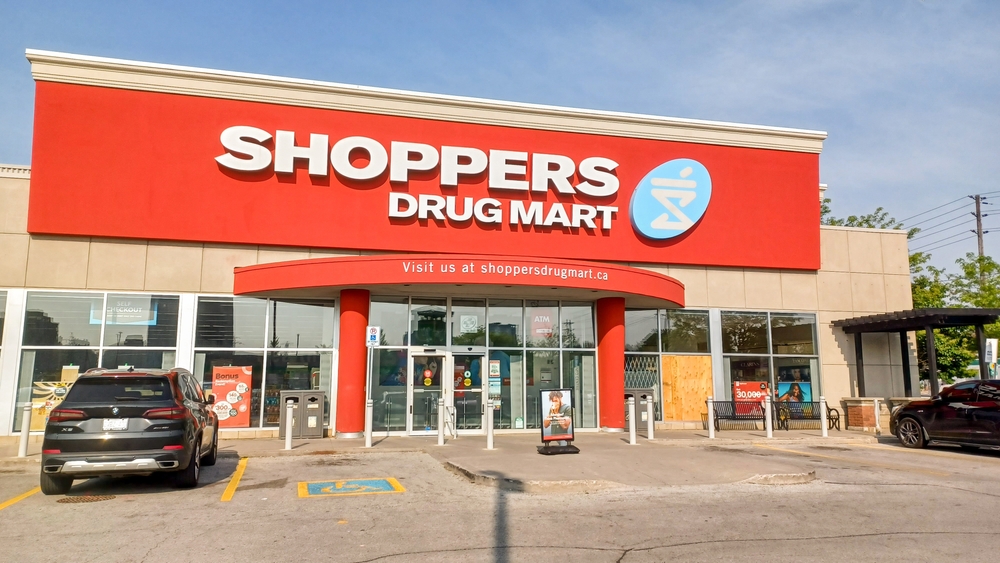
Shoppers Drug Mart combines pharmacy services with retail merchandise. Store layouts increasingly emphasize beauty and convenience items. Grocery sections expanded in many locations. Self-checkout systems changed shopping routines. Loyalty programs remain a major draw for customers. Extended operating hours provide accessibility advantages. Some patrons miss earlier pharmacy-focused layouts. Health services such as vaccinations increased in prominence. Competition from big box retailers affects pricing perceptions. Urban locations cater to quick purchases. The evolution reflects the diversification of revenue sources. Shoppers Drug Mart continues playing a central role in daily errands.
Sobeys — Pricing Perception and Store Modernization
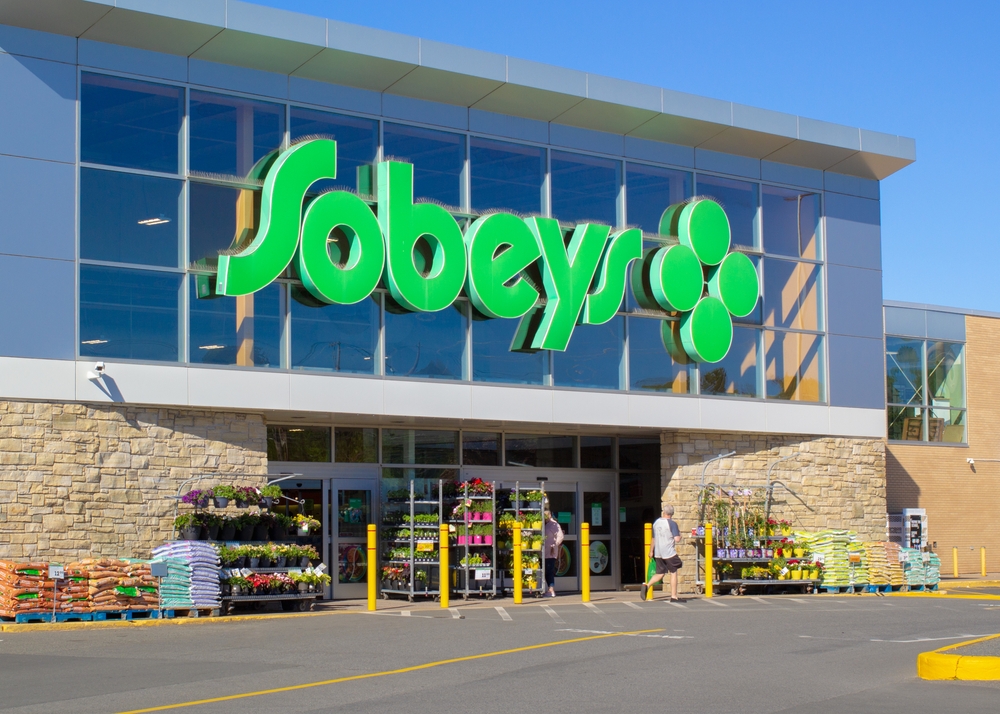
Sobeys operates supermarkets across multiple provinces. Store renovations introduced modern layouts and décor. Pricing perceptions vary compared to discount competitors. Private label products aim to balance quality and affordability. Fresh food departments remain a key focus. Online grocery ordering expanded significantly. Loyalty programs influence shopping decisions. Regional branding strategies reflect local markets. Competition from other chains drives promotional pricing. Supply chain issues occasionally affect product availability. Customers evaluate value relative to nearby alternatives. Sobeys adapts continuously to shifting consumer expectations.
Loblaws — Profit Scrutiny and Grocery Cost Debates

Loblaws is one of Canada’s largest grocery retailers. Rising food prices intensified scrutiny of corporate profits. Public discussions often reference market dominance. The company invests heavily in store formats and logistics. Private label brands contribute significantly to sales. Online ordering and delivery services expanded rapidly. Regulatory attention increased during inflation periods. Customer loyalty programs remain influential. Media coverage shapes perceptions of fairness. Regional banners operate under the corporate umbrella. The debate reflects broader concerns about affordability. Loblaws continues adapting to competitive pressures while maintaining scale advantages.
No Frills — Value Branding vs Rising Prices
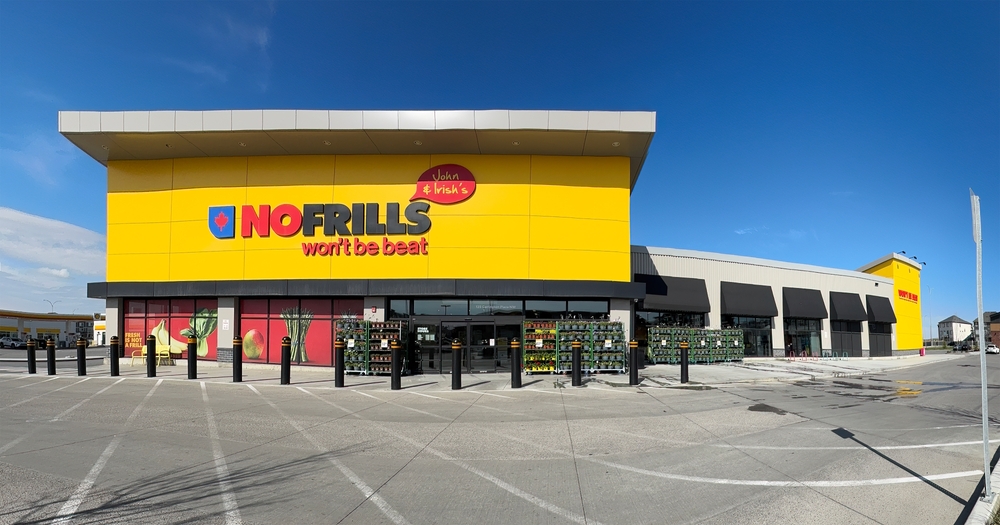
No Frills built its identity on low prices and minimal store design. Inflation affected pricing across the grocery sector. Some customers feel savings are less significant now. Private label products remain central to offerings. Store layouts emphasize efficiency over aesthetics. Limited services help reduce operating costs. Weekly promotions attract budget-conscious shoppers. Competition from other discount chains intensified. Loyalty programs offer additional incentives. Economic conditions influence shopping patterns strongly. No Frills continues targeting value-oriented consumers. Perceptions depend on comparisons with alternative stores.
A&W Canada — Menu Expansion and Pricing Changes
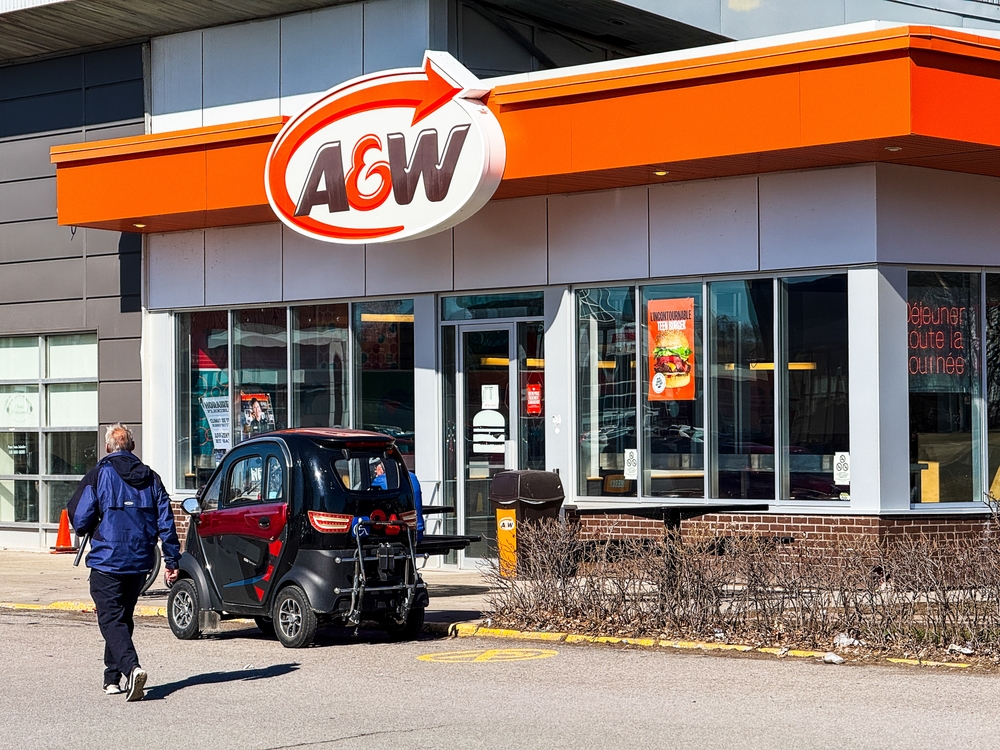
A&W Canada emphasizes quality ingredients and sustainable sourcing. Menu additions include plant-based options and specialty burgers. Pricing increased as premium positioning strengthened. Customers associate the brand with root beer and classic items. Modern store designs reflect an updated identity. Drive-through convenience remains important. Advertising highlights Canadian ownership and sourcing. Competitors introduced similar quality messaging. Family-oriented dining still plays a role. Promotions attempt to balance value and premium image. A&W maintains strong brand recognition nationwide. Discussions focus on whether prices match perceived quality improvements.
WestJet — Shift From Budget Airline to Full-Service Model
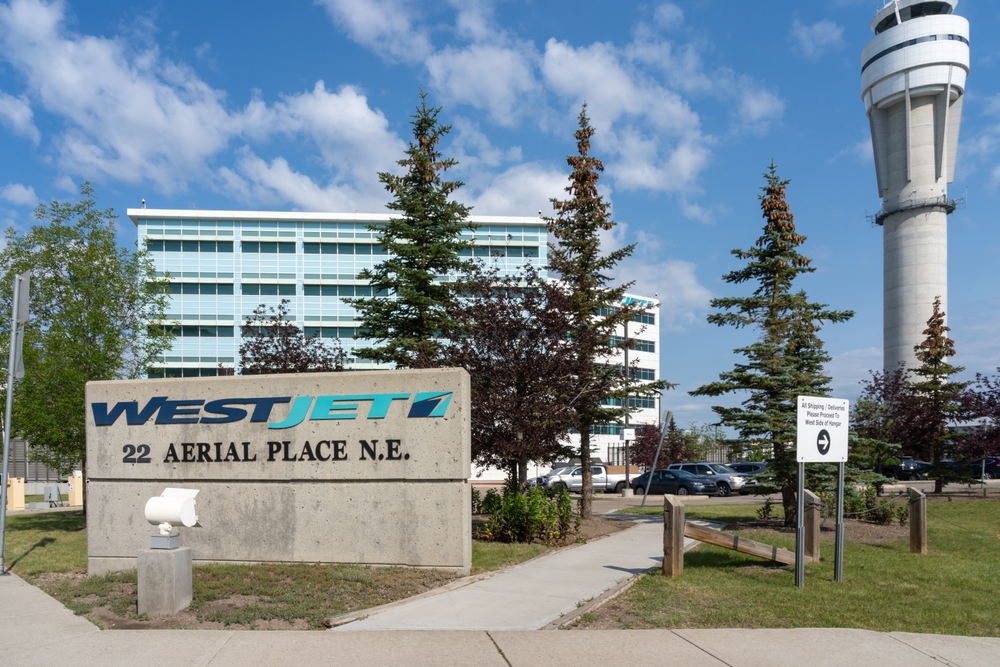
WestJet began as a low-cost alternative to major airlines. Expansion introduced premium seating and international routes. Pricing increased as services expanded. Fleet upgrades improved comfort on long-haul flights. Loyalty programs target frequent travelers. Competition with traditional carriers intensified. Customer expectations changed accordingly. Operational costs rose with broader offerings. Some travelers miss the original budget model. Others welcome expanded destinations. The transition reflects the maturation of the airline. WestJet now occupies a hybrid position between budget and full-service carriers.
MEC (Mountain Equipment Company) — Ownership Change and Product Strategy
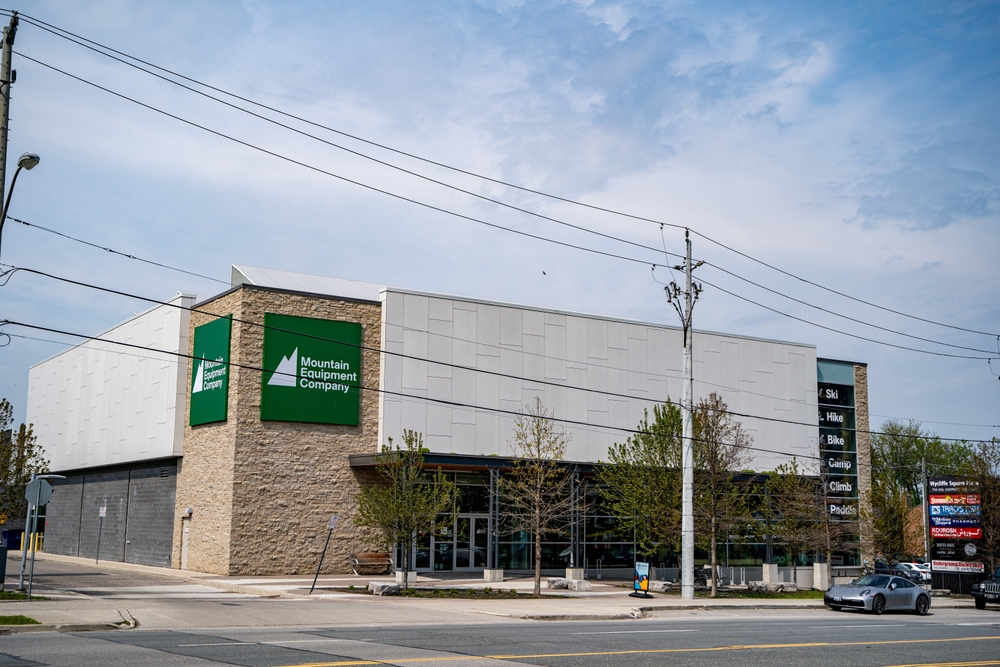
MEC originally operated as a member-owned cooperative. Ownership changes transformed it into a traditional corporation. Product offerings broadened beyond technical gear. Some longtime members felt the community’s focus diminished. Stores remain popular among outdoor enthusiasts. Pricing strategies shifted alongside restructuring. Brand identity emphasizes accessibility to outdoor activities. Competition from specialty retailers increased. Sustainability messaging continues to feature prominently. Loyalty programs replaced membership model benefits. Public reaction varied across regions. MEC’s evolution reflects pressures facing niche retail organizations.
Indigo — Retail Challenges and Product Diversification
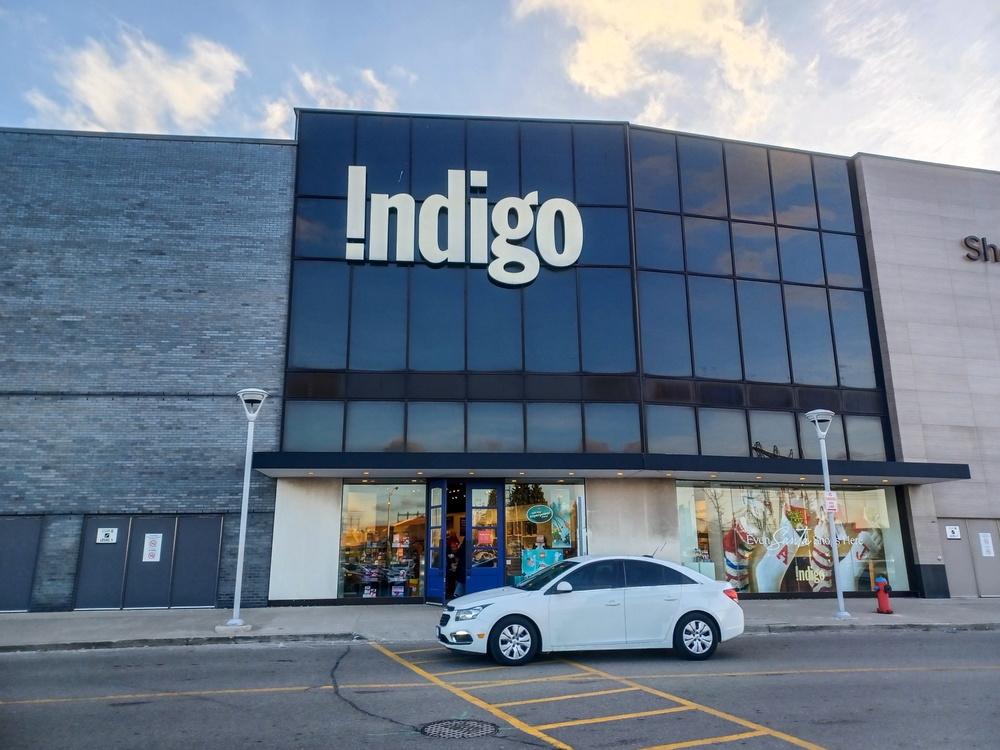
Indigo expanded beyond books into lifestyle merchandise. Store layouts now include home décor and gifts. Online competition reduced demand for physical bookstores. Reading habits shifted toward digital formats. Events and community programming aim to attract visitors. Seasonal products contribute significantly to revenue. Some customers miss a stronger literary focus. E-commerce integration supports omnichannel shopping. Independent bookstores also compete for readers. Indigo continues adapting to changing retail conditions. Brand identity blends culture with consumer goods. Its future depends on balancing these roles effectively.
CBC — Funding Debates and Digital Transition

CBC operates as Canada’s public broadcaster. Funding levels remain a recurring political topic. Traditional television audiences declined with streaming growth. Digital platforms now host much of their content. News coverage remains central to the mandate. Regional programming reflects diverse communities. Critics debate neutrality and relevance. Supporters emphasize cultural representation and public service. Budget constraints affect production choices. Partnerships with independent creators expanded. Audience engagement varies across demographics. CBC continues transitioning toward a digital future while maintaining broadcast responsibilities.
Canada Post — Delivery Changes and Service Expectations
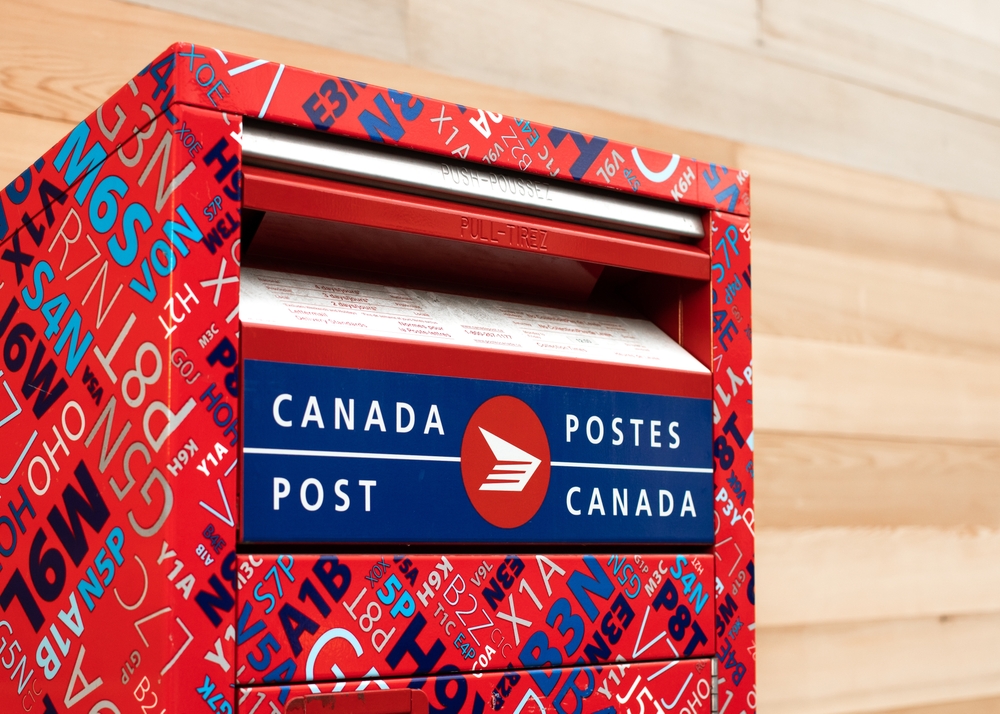
Canada Post handles mail and parcel delivery nationwide. Letter volumes declined due to digital communication. Parcel services increased with the growth of online shopping. Delivery times vary depending on location and demand. Community mailboxes replaced door-to-door delivery in many areas. Labor disputes occasionally disrupt operations. Competition from private couriers intensified. Tracking systems improved transparency for customers. Rural service obligations remain challenging. Pricing adjustments reflect operational costs. Canada Post continues to balance public service with financial sustainability. Public expectations evolve alongside changing communication habits.
VIA Rail — Modernization vs Legacy Service Experience
VIA Rail provides passenger rail services across Canada. Aging infrastructure affects travel times on some routes. Modernization efforts aim to improve reliability. Scenic journeys remain a key attraction. Competition from air travel limits long-distance demand. Pricing varies depending on class and timing. New train sets promise upgraded comfort. Regional routes serve communities lacking alternatives. Public funding supports operations. Environmental considerations favor rail transport. Customer experiences differ widely by corridor. VIA Rail represents both historical legacy and future mobility possibilities.
Molson Canadian — Craft Beer Competition Impact

Molson Canadian once dominated the domestic beer market. Craft breweries expanded rapidly across provinces. Consumers increasingly seek diverse flavors and local production. Large breweries introduced new varieties to compete. Brand loyalty remains strong among some demographics. Marketing emphasizes heritage and national identity. Distribution networks ensure widespread availability. Pricing often positions it as a mainstream option. Seasonal promotions maintain visibility. Craft beer culture reshaped expectations for quality. Molson continues adapting to a more fragmented market. The debate reflects shifting tastes in alcoholic beverages.
Sport Chek — Retail Competition and Online Shift
Sport Chek sells athletic apparel and equipment nationwide. Online retailers intensified competition in recent years. Stores now emphasize experiential layouts and brand partnerships. Exclusive product lines attract specific customer segments. E-commerce integration allows for in-store pickup. Seasonal demand influences sales patterns. Fitness trends drive merchandise selection changes. Pricing promotions compete with global brands. Some locations downsized or relocated. Loyalty programs encourage repeat purchases. Sport Chek adapts to evolving retail environments. Its success depends on balancing physical stores with digital channels.
22 Groceries to Grab Now—Before another Price Shock Hits Canada

Food prices in Canada have been steadily climbing, and another spike could make your grocery bill feel like a mortgage payment. According to Statistics Canada, food inflation remains about 3.7% higher than last year, with essentials like bread, dairy, and fresh produce leading the surge. Some items are expected to rise even further due to transportation costs, droughts, and import tariffs. Here are 22 groceries to grab now before another price shock hits Canada.
22 Groceries to Grab Now—Before another Price Shock Hits Canada
