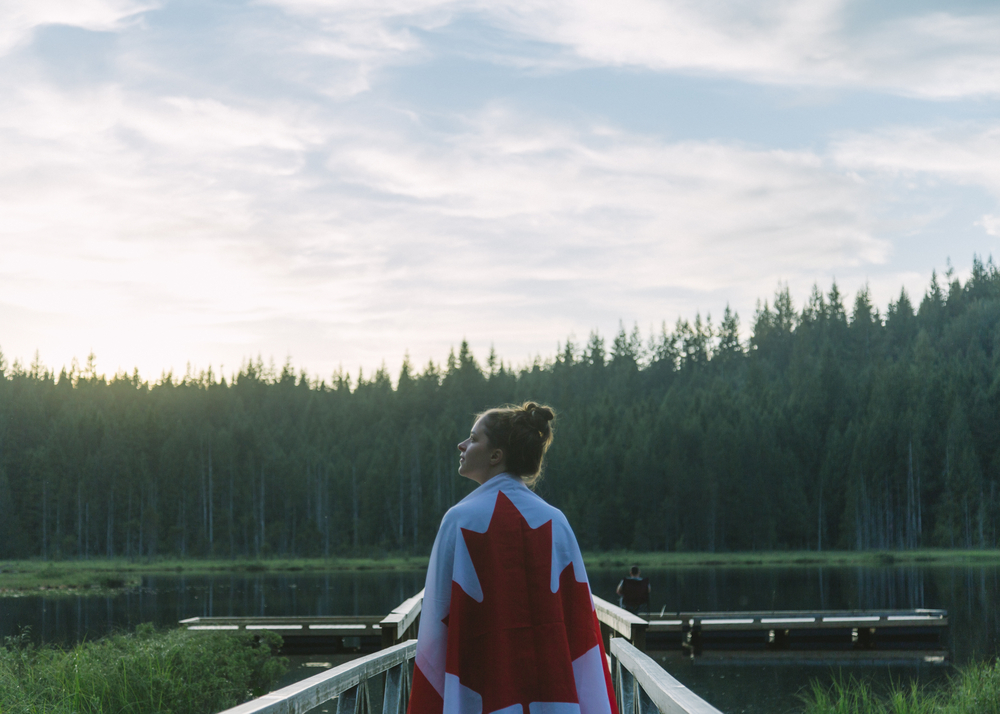
After months of cold, darkness, and careful weather planning, the first truly mild week feels almost unreal in Canada. Snowbanks shrink, sidewalks clear, and people suddenly rediscover how pleasant everyday life can be outside. Heavy layers come off, routines change, and small activities feel exciting again. Canadians waste no time taking advantage of the shift, even though temperatures remain unpredictable. Simple actions like opening windows or sitting in the sun take on new meaning after a long winter. This brief window marks the emotional start of a new season. Here are 21 things Canadians do the first week it finally feels like spring.
Opening Windows to Let Fresh Air In

After months of sealed homes, fresh air feels like a reset. Canadians open windows to remove stale winter air trapped indoors. Heating systems circulate dry air that can feel heavy over time. Letting outside air in improves comfort and reduces lingering odors. Many people start with short openings during warmer afternoons. Cross ventilation helps clear moisture from kitchens and bathrooms. Sunlight entering through open windows also brightens living spaces. Some households wipe window frames while airing rooms. This simple act signals that winter conditions are easing. Allergy sufferers may still proceed carefully during early pollen days. Even a few minutes of fresh air can lift mood noticeably. Opening windows becomes one of the first rituals of spring’s arrival across Canada.
Taking the First Long Walk Without Winter Gear

Walking without bulky layers feels freeing after a long winter. Canadians leave behind heavy parkas, boots, and face coverings. Sidewalks become easier to navigate once the ice disappears. People often choose familiar routes to gauge endurance. Longer daylight makes evening walks possible again. Many notice how much easier movement feels without extra weight. Fitness trackers show gradual increases in step counts. Couples, families, and seniors all return outdoors at once. The sound of birds replaces winter silence in many areas. Walking also helps rebuild stamina lost during colder months. Comfortable shoes replace insulated footwear for the first time. This first long walk signals that daily outdoor routines can resume safely. It often becomes a milestone marking the real start of spring.
Visiting Parks and Waterfronts After Months Indoors
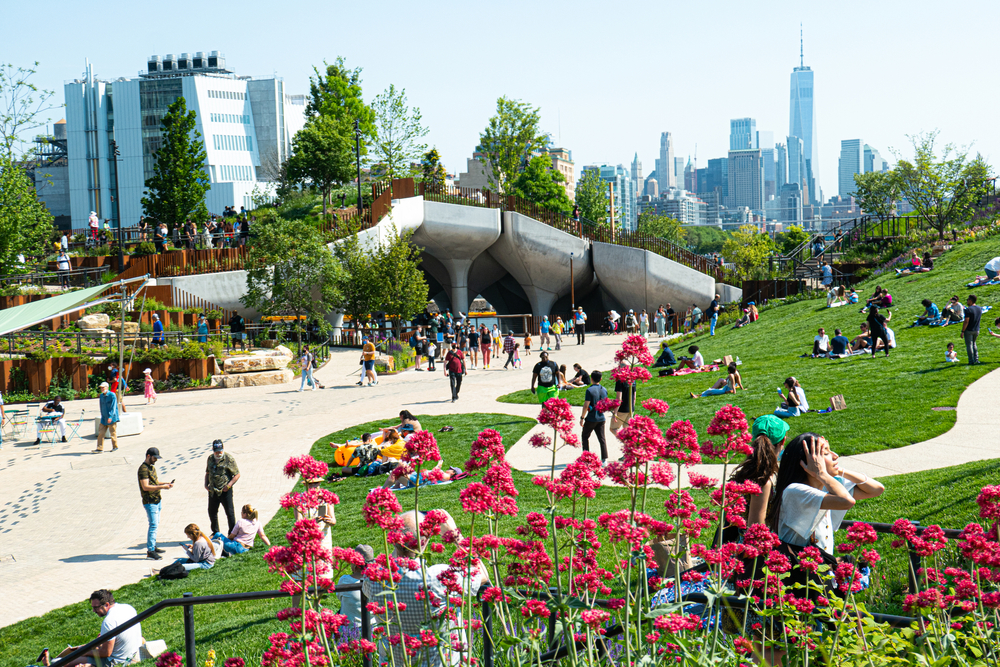
Public parks draw large crowds when temperatures finally rise. Canadians head to green spaces that felt unreachable during winter. Waterfront areas are especially popular for fresh air and views. Melting ice reveals paths hidden for months. Families bring blankets, snacks, or simple outdoor games. Children run freely after being confined indoors. Photographers capture early signs of seasonal change. Benches fill quickly on sunny afternoons. Municipal crews often finish cleanup just in time. Wildlife sightings increase as animals become active again. People appreciate nature more after prolonged indoor living. Visiting parks becomes both recreation and emotional relief. These outings help communities reconnect with shared spaces. For many Canadians, the park visit confirms that spring has truly arrived.
Washing Cars to Remove Winter Salt
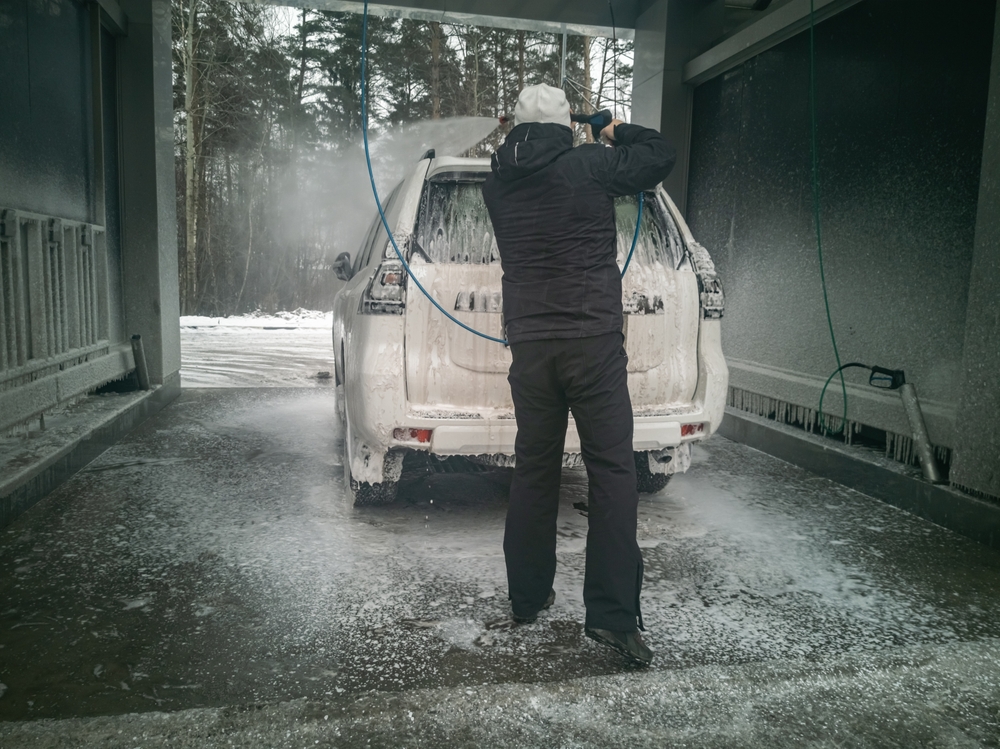
Road salt protects drivers but damages vehicles over time. White residue builds up on paint, wheels, and undercarriages. The first warm week sends Canadians to car washes. Removing salt reduces rust risk and preserves vehicle condition. Many choose thorough cleaning packages during this period. Driveways fill with people washing cars by hand as well. Cleaning also improves visibility by clearing dirty windows. Interior vacuuming removes sand tracked in by boots. Some drivers inspect for winter damage during the process. Tire pressure and fluid levels may also be checked. A clean car simply looks better in spring sunlight. This task prepares vehicles for upcoming road trips. Washing away winter residue feels like closing one chapter and starting another.
Switching From Heavy Coats to Light Jackets

Changing outerwear marks a visible seasonal shift across Canada. Thick coats become unnecessary during mild afternoons. People reach for lighter jackets that allow easier movement. Layering remains important because mornings can still be cold. Scarves and gloves gradually disappear from daily use. Retail stores highlight transitional clothing during this time. Children often resist wearing any coat at all. Backpacks suddenly feel lighter without winter accessories. Commuters appreciate shorter preparation times before leaving home. Fashion choices expand after months of bulky outfits. Storage bins begin filling with heavy garments. This wardrobe change symbolizes relief from harsh conditions. Switching to lighter layers helps people feel ready for outdoor life again. It is one of the simplest signs that winter is ending.
Cleaning Balconies, Decks, and Entryways
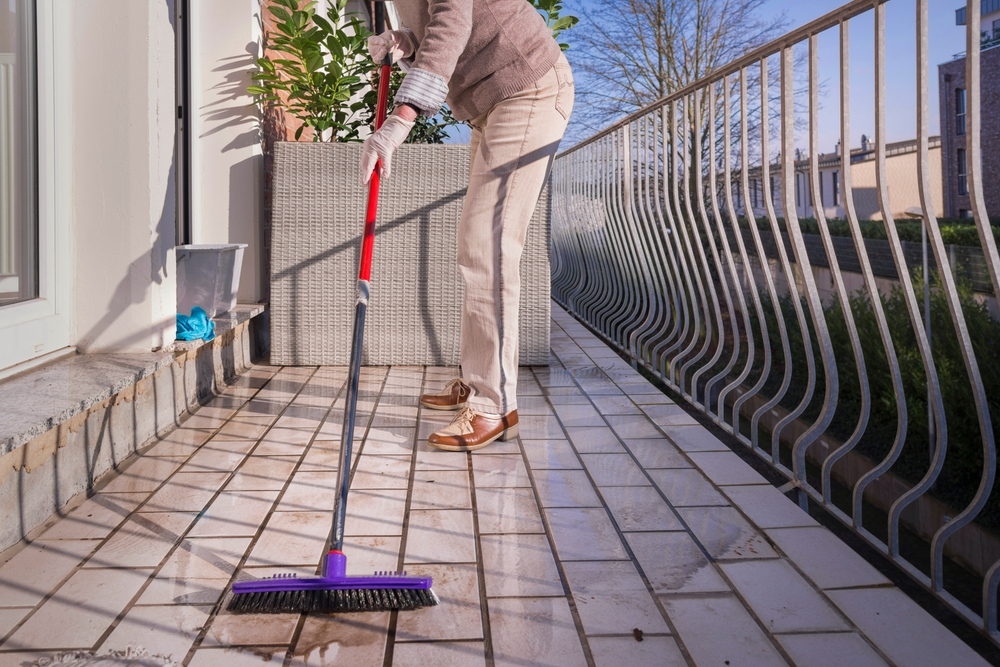
Outdoor surfaces collect dirt, sand, and debris during winter. Snowmelt reveals the extent of the buildup. Canadians sweep balconies, decks, and front steps thoroughly. Salt stains often require scrubbing with water. Planters and furniture return from storage for inspection. Drainage areas must be cleared to prevent pooling water. Urban apartment balconies receive special attention. Entryways are cleaned to reduce dirt tracked indoors. Some people add outdoor mats for the new season. Cleaning improves safety by reducing slippery surfaces. It also makes spaces usable again for relaxation. Neighbors often perform this task at the same time. The shared activity creates a sense of seasonal renewal. Clean outdoor areas invite people to spend more time outside at home.
Buying Coffee or Ice Cream to Enjoy Outside

Simple treats feel different when enjoyed in fresh air. Canadians line up at cafés and ice cream shops again. Holding a cold drink outside signals warmer weather. Many people choose outdoor seating whenever available. Even a short break in the sun feels rewarding. Businesses often reopen seasonal service windows. Families treat children to ice cream after school. Friends gather casually with takeaway drinks. Disposable cups replace insulated travel mugs. Some still bring blankets for cooler evenings. Social media is filled with photos of these first outings. Enjoying food outdoors marks a psychological shift toward leisure. It turns an ordinary purchase into a seasonal celebration. For many, this moment confirms that winter routines are fading away.
Letting Kids Play Outdoors for Longer Hours

Children spend much of winter indoors due to safety concerns. Warmer days allow parents to relax outdoor restrictions. Playgrounds fill quickly once the surfaces dry. Kids ride bikes, scooters, and balls again. Longer daylight extends playtime into the evening. Parents supervise from benches or nearby lawns. Outdoor play improves physical health and mood. Schools may increase outdoor activities as well. Neighbors’ children often reunite after months apart. Reduced screen time benefits attention and sleep. Muddy clothing becomes a common sight during this period. Families accept the mess as part of spring. Allowing longer outdoor play helps children regain freedom. It also signals a return to normal seasonal rhythms across Canadian communities.
Planning the First Barbecue of the Season

Barbecuing represents a major milestone in Canadian spring culture. Many households check grills after months of storage. Cleaning grates and inspecting fuel supplies come first. Grocery lists begin including burgers, vegetables, and condiments. Invitations to neighbors or relatives often follow. Even cool evenings rarely deter determined hosts. Cooking outdoors reduces heat inside the home. The smell of grilling food spreads through neighborhoods. Some families treat this as an informal celebration. Portable heaters or blankets may still be needed. Children play nearby while adults socialize. This gathering marks a shift toward outdoor entertaining. Planning the first barbecue builds anticipation for summer. It is one of the most recognizable signs that warmer days are returning.
Checking Lawns for Winter Damage
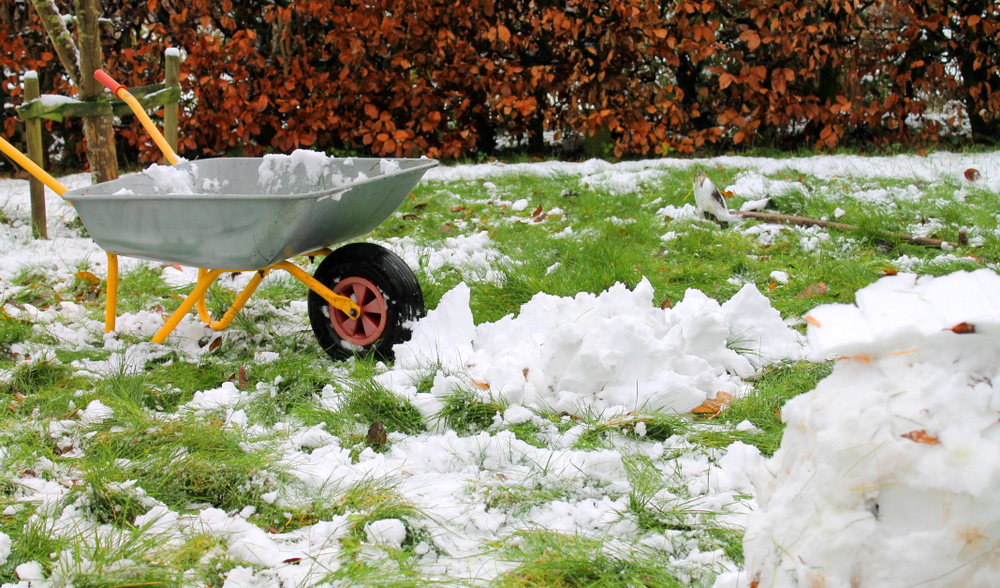
Snow cover can hide problems in yards for months. As it melts, Canadians inspect grass and soil conditions. Salt runoff may cause brown patches near sidewalks. Ice buildup can damage roots and compact soil. Debris such as branches often needs removal. Pet waste left under the snow becomes visible again. Some homeowners rake gently to promote recovery. Early seeding may be planned for damaged areas. Drainage issues also become apparent during thawing. Garden tools come out for the first time. Professional lawn services begin receiving calls. Healthy lawns require attention before active growth starts. This inspection helps prevent larger problems later. Checking the yard is a practical step toward restoring outdoor spaces after winter.
Booking Tire Changes or Car Servicing

Winter tires perform poorly in warmer conditions. Canadians schedule appointments to switch to all-season tires. Service centres become busy during the first mild weeks. Early booking helps avoid long wait times. Mechanics also check brakes and suspension components. Pothole damage may require immediate repair. Oil changes are common after heavy winter use. Windshield washer fluid is refilled for spring driving. Removing winter equipment frees trunk space. Improved traction enhances safety on dry roads. Drivers often combine servicing with car cleaning. Preparing vehicles early prevents unexpected issues later. This routine maintenance supports safe travel as driving increases. Tire changes signal that severe winter conditions are unlikely to return soon.
Hanging Laundry Outside When Possible
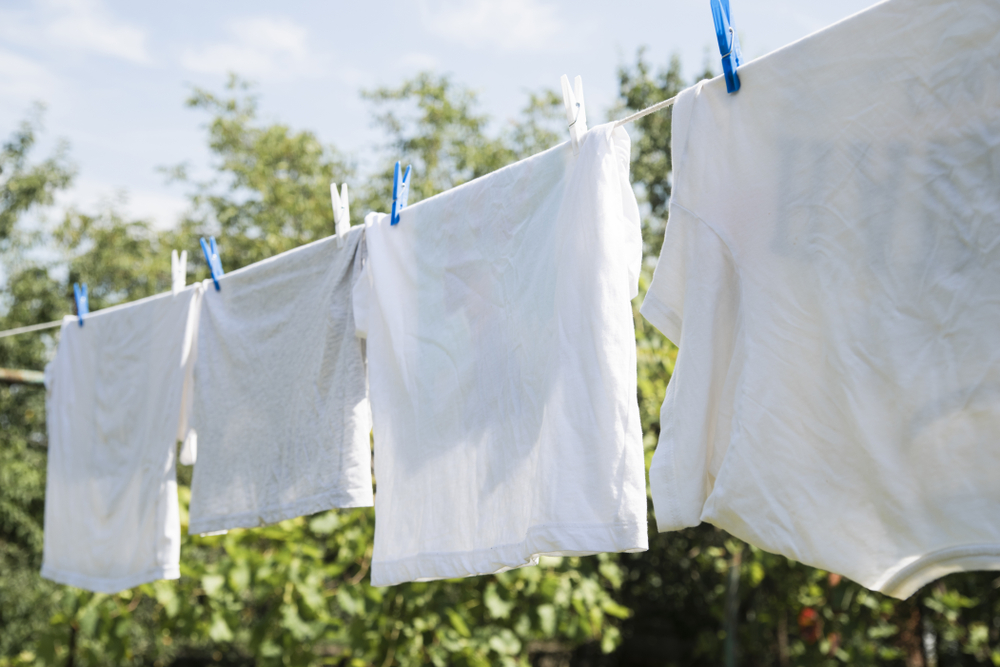
Drying clothes outdoors saves energy and freshens fabrics naturally. Canadians wait eagerly for suitable weather to return. Even partial drying outside feels satisfying after winter. Laundry lines and racks reappear in yards and balconies. Sunlight helps remove lingering odors from thick fabrics. Sheets and towels feel crisp when air-dried. Some municipalities regulate outdoor lines, so residents check the rules. Unexpected rain remains a risk during early spring. People monitor forecasts closely before hanging laundry. This task connects daily chores with the outdoors. Reduced electricity use also lowers utility bills. The scent of sun-dried clothing becomes a seasonal pleasure. Hanging laundry outside represents a simple return to traditional routines once conditions allow.
Taking Pets on Longer Outdoor Walks

Pets also feel the effects of winter confinement. Dogs especially benefit from extended outdoor activity. Canadians increase walk duration gradually as conditions improve. Parks provide space for running and social interaction. Pet owners watch for muddy or wet surfaces. Paw cleaning becomes necessary after many outings. Weight gained during winter may decrease with exercise. Veterinarians often recommend this seasonal adjustment. Cats on harnesses may also venture outdoors. Training refreshers help maintain good behavior. Longer walks improve both animal and owner well-being. Shared activity strengthens bonds between pets and families. Increased outdoor time reduces restlessness indoors. These walks become part of daily routines as spring settles in.
Visiting Garden Centres for Plants and Supplies
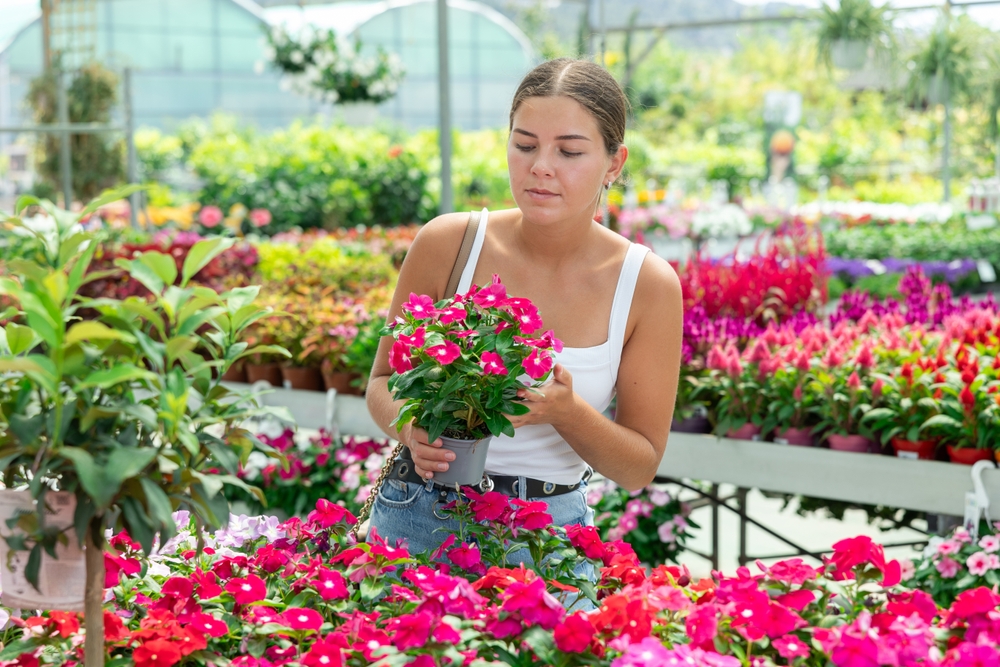
Garden centres reopen as demand for outdoor projects rises. Canadians browse seeds, tools, and early-season plants. Staff provides advice tailored to local climates. Indoor seedlings are popular for starting gardens early. Soil, fertilizer, and containers sell quickly. Families often visit together for inspiration. Displays showcase options for small balconies or large yards. Prices may vary before peak season begins. Educational workshops sometimes resume as well. Shopping becomes part planning and part recreation. People imagine what spaces will look like in summer. Purchasing supplies early prevents shortages later. Garden centre visits mark the beginning of the growing season. They also reflect optimism about warmer months ahead.
Sitting on Patios at Cafés or Restaurants

Outdoor dining feels like a luxury after winter confinement. Restaurants prepare patios as soon as conditions permit. Canadians eagerly choose outside seating despite cool air. Blankets or heaters may still be available. Sunlight makes meals feel more relaxed and enjoyable. People linger longer than they would indoors. Busy patios create a lively atmosphere in cities. Reservations may be needed during peak times. Staff adapts service for outdoor conditions. Street noise becomes part of the experience. Social gatherings often shift to these spaces. Eating outside reconnects people with urban life. It also supports local businesses recovering from the slower winter months. Patio dining becomes a cherished sign of seasonal change.
Cycling or Using Scooters Again
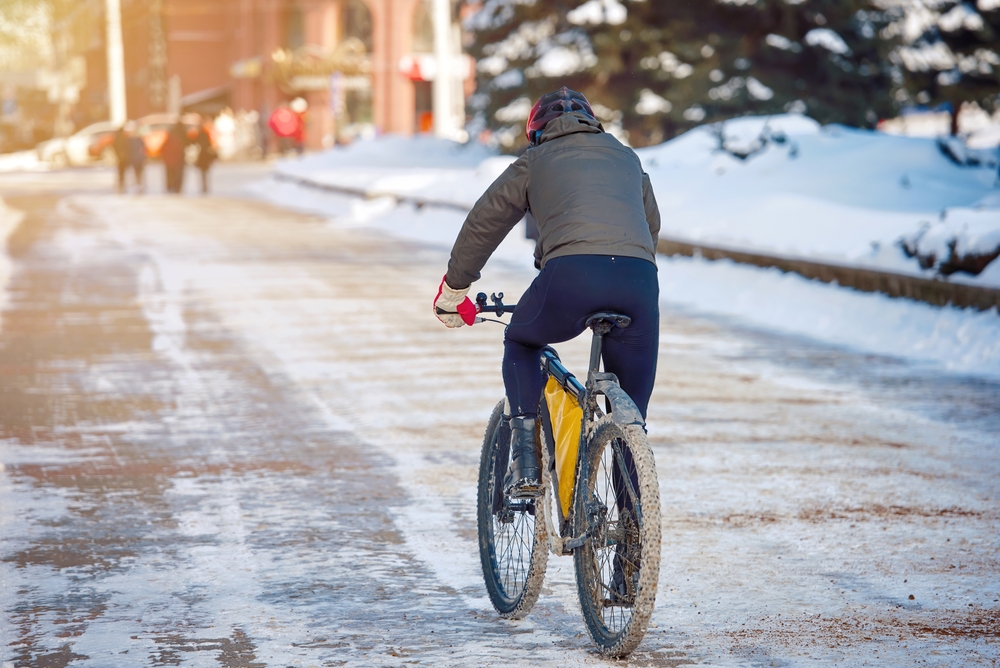
Clear pavement invites cyclists and scooter users back outside. Storage areas empty as equipment returns to service. Canadians inspect brakes, tires, and chains carefully. Helmets and safety gear come out again. Bike paths see immediate increases in traffic. Commuters test routes before regular use resumes. Children practice riding after months indoors. Municipalities may reopen shared mobility programs. Physical activity combines with convenient transportation. Riders remain cautious of lingering debris. Early outings help rebuild confidence and endurance. Cycling reduces reliance on cars for short trips. It also provides enjoyment during mild weather. The return of wheeled travel marks a visible shift toward active outdoor living.
Meeting Friends Outdoors Instead of Indoors

Social plans move outside as soon as the weather allows. Canadians suggest walks, patios, or park meetups. Outdoor settings feel more relaxed and spacious. Conversations often last longer in fresh air. People reconnect after reduced winter contact. Children play nearby while adults talk. Group activities like casual sports become common. Outdoor meetings reduce the need for formal planning. Shared sunlight improves mood and energy. Friends may bring snacks or drinks to share. Public spaces support spontaneous gatherings. These interactions strengthen relationships strained by isolation. Meeting outside feels safer and more enjoyable. It represents a return to community life after months indoors. Social calendars quickly become more active during this period.
Opening Seasonal Cottages or Cabins
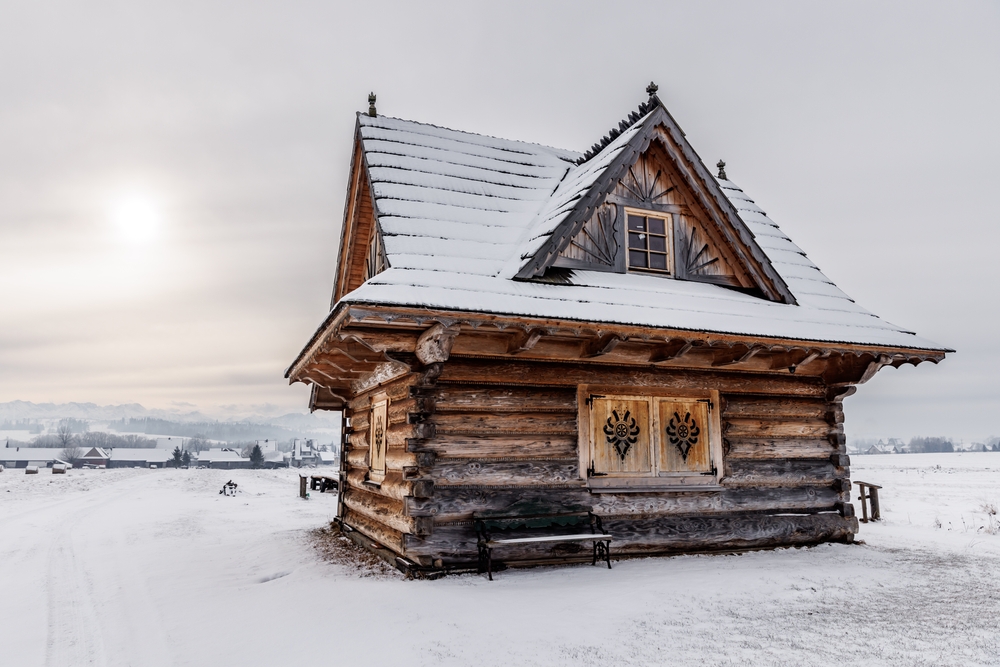
Many Canadians own or visit seasonal properties. Spring warmth allows access after winter closure. Owners inspect buildings for damage or moisture issues. Utilities may need reconnection or testing. Cleaning removes dust accumulated over months. Outdoor areas require debris removal as well. Families restock supplies for future visits. Travel to cottages becomes easier as roads clear. Wildlife activity may be noticeable around unused structures. Maintenance tasks often take priority before relaxation. Opening these spaces creates excitement for summer plans. Neighbors at cottage communities reconnect after long absences. This ritual marks the beginning of another recreational season. It reflects the importance of nature retreats in Canadian culture.
Refreshing Spring Wardrobes From Storage

Seasonal clothing stored away during winter returns to closets. Canadians unpack lighter garments and assess condition. Wrinkles and storage odors require laundering or airing. Items that no longer fit may be donated. Shopping lists form for missing essentials. Footwear changes from insulated boots to lighter options. Organizing clothes simplifies daily dressing. Bright colors replace darker winter tones. Weather unpredictability still requires some layering. Retailers promote transitional collections at this time. Children often need new sizes after growth spurts. This refresh makes routines feel new again. Updating wardrobes supports comfort during changing temperatures. It also provides a psychological boost after months of heavy attire.
Taking Day Trips to Nearby Scenic Spots

Short trips become appealing once travel conditions improve. Canadians explore nearby lakes, hills, or historic towns. Driving distances remain manageable for single-day outings. Scenic routes look different as snow recedes. Tourist attractions begin reopening for the season. Families pack simple meals for picnics. Photography enthusiasts capture early spring landscapes. Traffic may increase on popular routes. Weather forecasts guide planning decisions. These trips offer change without major expense. Local tourism benefits from increased visitors. Children enjoy breaks from routine environments. Day travel restores a sense of adventure. It reminds people how much is accessible within their region once winter barriers disappear.
Simply Spending More Time Outside
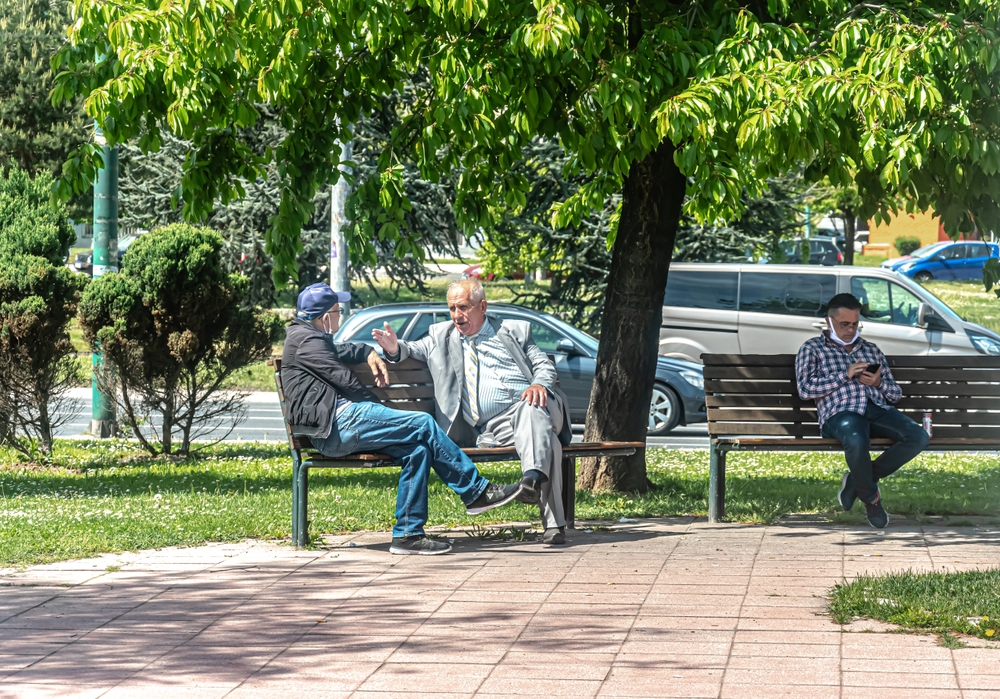
The most common response to spring is simply going outdoors. Canadians sit on steps, lawns, or benches without specific plans. Reading, listening to music, or relaxing becomes more appealing outside. Fresh air and sunlight improve overall comfort. Even routine tasks move outdoors when possible. Neighbors greet each other after long absences. Pets rest quietly beside their owners. Children invent games spontaneously. People notice details hidden by snow for months. Outdoor time requires little preparation yet feels rewarding. This shift reflects relief after extended confinement. Being outside restores connection with surroundings. It also supports physical and mental well-being. Spending time outdoors becomes the foundation for all other spring activities.
22 Groceries to Grab Now—Before another Price Shock Hits Canada

Food prices in Canada have been steadily climbing, and another spike could make your grocery bill feel like a mortgage payment. According to Statistics Canada, food inflation remains about 3.7% higher than last year, with essentials like bread, dairy, and fresh produce leading the surge. Some items are expected to rise even further due to transportation costs, droughts, and import tariffs. Here are 22 groceries to grab now before another price shock hits Canada.
22 Groceries to Grab Now—Before another Price Shock Hits Canada
