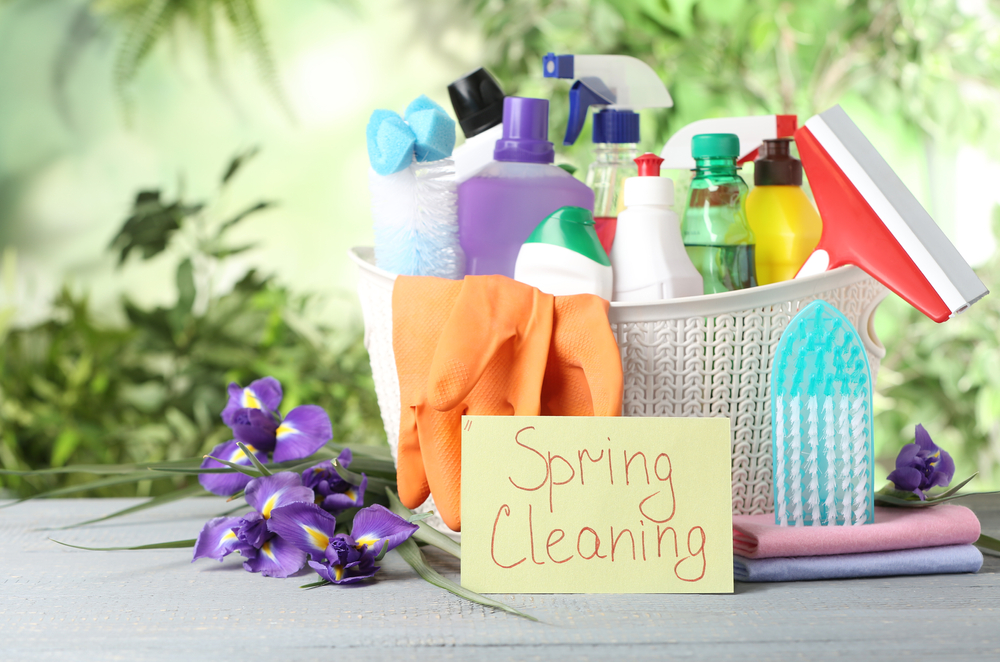
Spring cleaning often starts with good intentions but ends in frustration. After a long winter, Canadian homes need more attention than expected. Dust, salt, clutter, and stored items build up indoors over months. Many people set aside a weekend hoping to reset everything at once. Without the right approach, that time disappears quickly with little progress. Poor planning, common habits, and avoidable errors can turn a productive day into exhausting busywork. Instead of feeling refreshed, homeowners may feel overwhelmed and unfinished. Here are 23 “spring cleaning” mistakes Canadians make (that waste a whole weekend).
Trying to Clean the Entire House in One Day

Attempting to clean every room in a single day often backfires. Large homes or busy households require more time than expected. Fatigue sets in quickly, reducing efficiency and attention to detail. Important tasks may be rushed or skipped entirely. Clutter gets moved instead of properly sorted. Physical strain can also lead to soreness the next day. Canadians often underestimate how much accumulated winter mess exists. Dust, salt residue, and storage items add to the workload. By evening, motivation usually drops sharply. The result is a partially cleaned home and wasted effort. Dividing tasks across several days works far better. Realistic pacing allows deeper cleaning and better results. One day, marathons rarely produce lasting satisfaction.
Starting Without a Clear Plan

Beginning without a strategy leads to confusion and repetition. People move from room to room without completing tasks. Supplies may be misplaced or forgotten. Time gets wasted searching for tools or products. Important areas might be overlooked entirely. Canadians often realize too late that priorities were unclear. A simple checklist can prevent this problem. Planning also helps estimate how long tasks will take. Knowing where to start reduces hesitation. Family members can coordinate efforts more easily. Without structure, cleaning feels chaotic rather than productive. Energy drains faster when progress is not visible. A clear plan keeps work focused and efficient. It turns a stressful day into a manageable sequence of steps.
Ignoring Decluttering Before Deep Cleaning

Cleaning around clutter wastes both time and effort. Surfaces cannot be cleaned properly when covered with items. People end up moving objects repeatedly during the process. Dust returns quickly if clutter remains in place. Canadians often realize this mistake midway through cleaning. Decluttering first creates space for effective work. It also reduces the amount of cleaning needed later. Donation piles and trash bags help simplify decisions. Removing excess items improves organization as well. Clean surfaces stay tidy longer afterwards. Skipping this step leads to frustration and extra labor. Deep cleaning should always follow sorting. Clearing space first allows tools and products to work properly. Decluttering transforms the entire process into something more manageable.
Using the Wrong Cleaning Products for Surfaces

Not all surfaces tolerate the same chemicals. Using harsh products can damage finishes or materials. Wood, stone, and stainless steel each require specific care. Canadians sometimes rely on one multipurpose cleaner for everything. This approach can leave streaks or discoloration. Some cleaners may also strip protective coatings. Repairs caused by chemical damage waste more time. Reading labels prevents costly mistakes. Testing products on small areas is also wise. Gentle solutions often work better than aggressive ones. Correct tools improve results with less effort. Using proper products protects both surfaces and health. Mistakes here can turn simple cleaning into restoration work. Choosing wisely saves time and preserves household items.
Forgetting to Check the Weather Before Washing Windows

Window cleaning depends heavily on outdoor conditions. Cold temperatures can cause water to freeze quickly. Strong winds may blow dirt back onto wet glass. Rain can undo hours of work in minutes. Canadians sometimes start cleaning during unstable spring weather. Cloudy days are usually best for streak-free results. Direct sunlight dries the cleaning solution too quickly. Outdoor ladders also become unsafe in wet conditions. Planning around forecasts prevents repeated effort. Interior windows may still be cleaned anytime. Checking the weather takes only seconds but saves hours. Clean windows should stay clear for weeks, not minutes. Timing this task properly makes a significant difference. Poor planning often leads to frustration and wasted supplies.
Skipping Ventilation While Using Strong Cleaners
Many cleaning products release fumes that build up indoors. Closed winter homes trap these vapors easily. Canadians sometimes forget to open windows during cleaning. Poor ventilation can cause headaches or dizziness. Sensitive individuals may experience respiratory irritation. Strong smells linger long after cleaning ends. Fresh air disperses chemicals quickly and safely. Fans can also improve airflow between rooms. Protective gloves and masks add extra safety. Taking breaks outdoors reduces exposure further. Health risks increase when ventilation is ignored. Proper airflow makes cleaning more comfortable and efficient. Lingering fumes can discourage finishing tasks. Opening windows transforms the environment immediately. Safety should remain a priority during any intensive cleaning session.
Washing Carpets Before Removing Winter Salt Properly
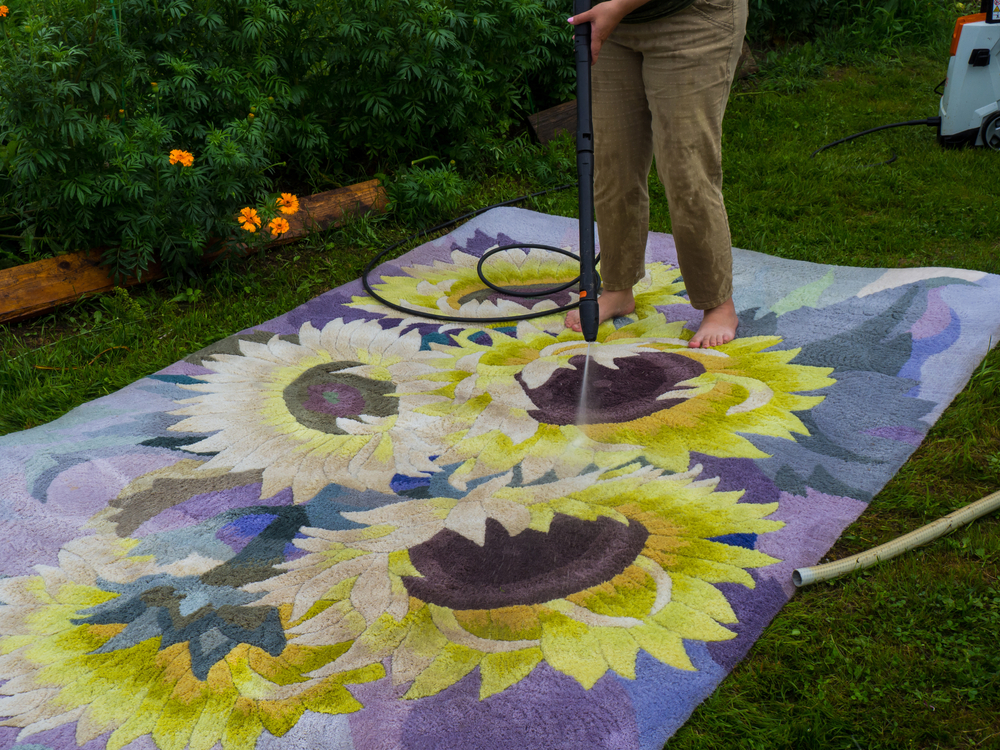
Salt residue from winter boots embeds deeply in carpets. Simply shampooing may spread the residue instead of removing it. White stains can reappear after drying. Canadians often overlook pre-treatment steps. Vacuuming thoroughly removes loose salt particles first. Specialized cleaners help dissolve remaining deposits. Excess moisture can damage carpet backing if overused. Testing small areas prevents unexpected discoloration. Allowing carpets to dry completely is essential. Fans or dehumidifiers speed the process. Skipping preparation wastes both effort and cleaning solution. Proper removal restores appearance more effectively. Salt damage can shorten carpet lifespan if ignored. Addressing residue first prevents repeat cleaning later. This step ensures carpets stay fresh longer after spring cleaning.
Overloading the Washing Machine With Bulky Items
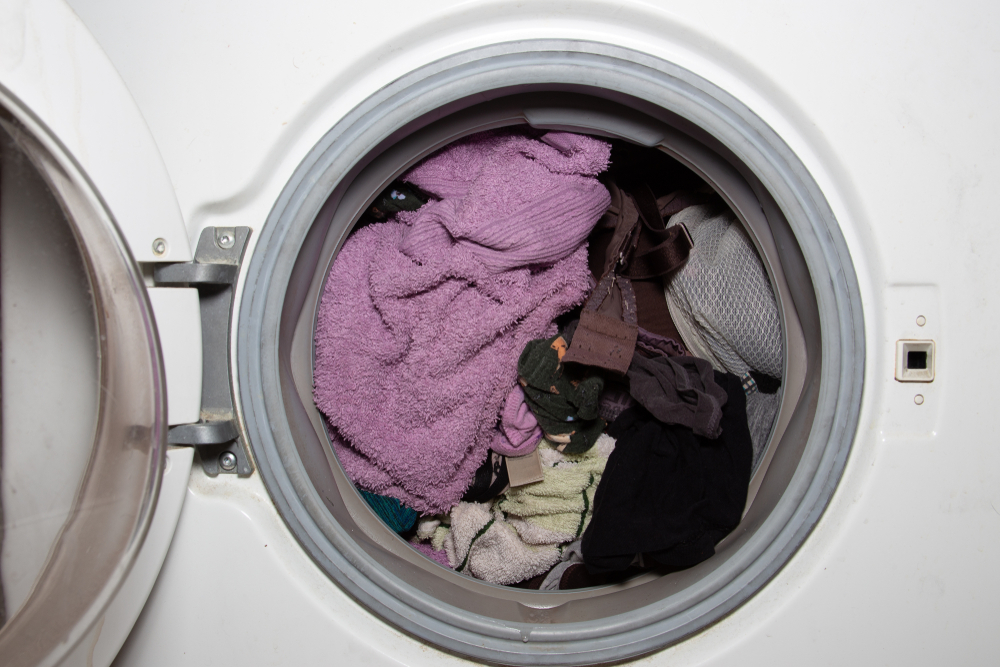
Large winter bedding and coats require extra space to clean properly. Overloading machines reduces water circulation. Detergent cannot distribute evenly through dense fabrics. Canadians sometimes try to save time by washing everything together. This often results in poorly cleaned items. Machines may also strain or become unbalanced. Repairs can be costly and inconvenient. Splitting loads ensures thorough washing and rinsing. Using appropriate settings for bulky fabrics matters too. Laundromats may handle oversized items better. Proper drying prevents mildew or lingering odors. Taking time for separate loads improves results significantly. Attempting shortcuts usually backfires. Clean items should feel fresh, not partially washed. Careful handling protects both clothing and appliances.
Not Emptying and Cleaning the Vacuum Filters First
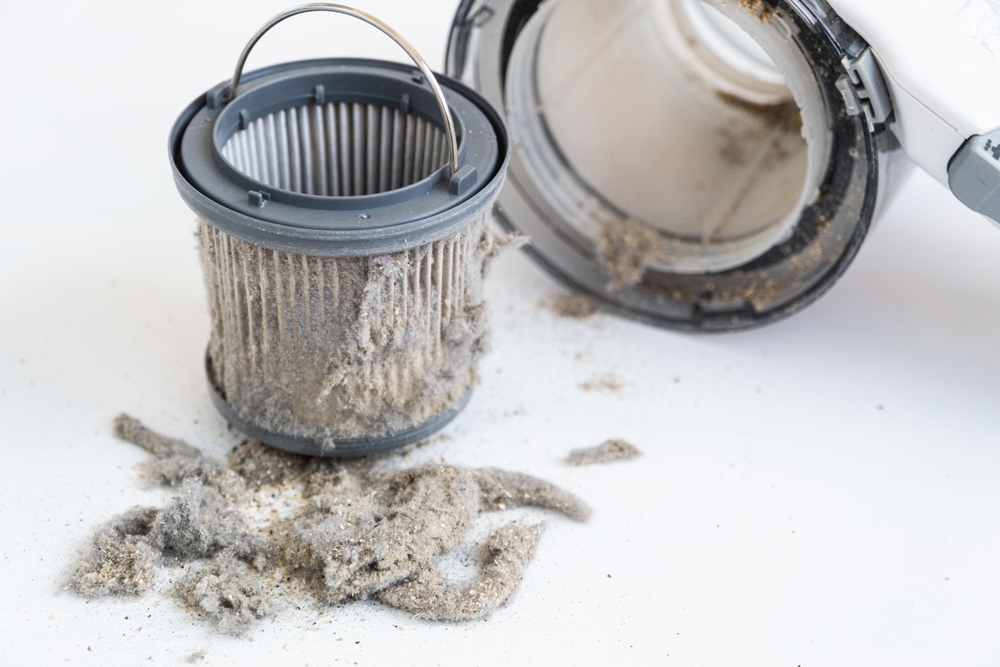
Vacuum cleaners lose effectiveness when filters are clogged. Dust buildup restricts airflow and suction power. Canadians sometimes start cleaning without checking the equipment. This leads to repeated passes over the same areas. Dirt may be redistributed instead of removed. Full bags or containers reduce efficiency further. Cleaning filters improves performance immediately. Some filters require washing and drying before use. Checking attachments ensures they are free of debris. Well-maintained equipment saves time and effort. Poor suction can make cleaning feel endless. Starting with a serviced vacuum produces better results. Equipment care is part of the cleaning process itself. Ignoring this step wastes energy and prolongs tasks unnecessarily. A few minutes of preparation make a major difference.
Cleaning From the Floor Up Instead of Top Down

Dust and debris fall downward during cleaning. Starting with floors means they will get dirty again. Canadians sometimes vacuum first out of habit. Ceiling fans, shelves, and counters should be cleaned earlier. Working top down prevents repeated effort. Gravity naturally assists the process. Cleaning order affects efficiency more than expected. Floors should be the final step in each room. This approach leaves spaces truly finished. Professionals follow this method for a reason. Ignoring it doubles the workload unnecessarily. Proper sequencing saves both time and energy. Tools remain cleaner as well. Results appear more polished when done correctly. Changing this simple habit can transform the entire cleaning experience. It prevents frustration and produces longer-lasting cleanliness.
Leaving Garage and Storage Areas for Last
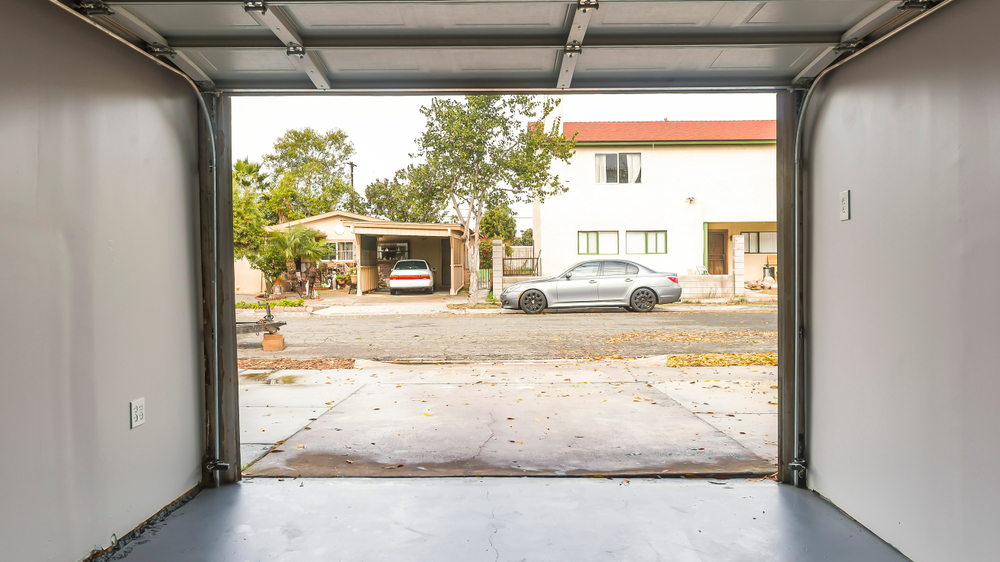
Garages and storage spaces accumulate significant winter clutter. Leaving them until the end often leads to exhaustion. By then, motivation and energy are already low. Canadians may postpone these areas indefinitely. Heavy items also require physical strength to move. Tools and supplies stored there may be needed earlier. Addressing these spaces first creates room for sorting. Outdoor equipment becomes accessible sooner. Safety hazards like spills or sharp objects can be identified. Good lighting helps complete the job efficiently. Waiting too long turns a manageable task into a burden. Early attention prevents backlog. Clean storage areas support organization for the entire home. Tackling them sooner improves overall progress and morale.
Throwing Everything Into “Keep” Piles

Indecision leads to oversized keep piles. Items remain simply because decisions feel difficult. Canadians often plan to sort them later, but rarely do. This approach recreates clutter elsewhere. True decluttering requires honest evaluation. Questions about the usefulness and frequency of use help. Sentimental items may need separate consideration. Large piles of waste take up storage space. They also prolong the cleaning process. Donation and discard options should be clear from the start. Smaller, intentional collections are easier to manage. Keeping everything defeats the purpose of organising. Progress depends on making real choices. Balanced decisions reduce future maintenance work. Avoiding this mistake creates lasting order rather than temporary rearrangement.
Forgetting to Label Storage Bins Clearly
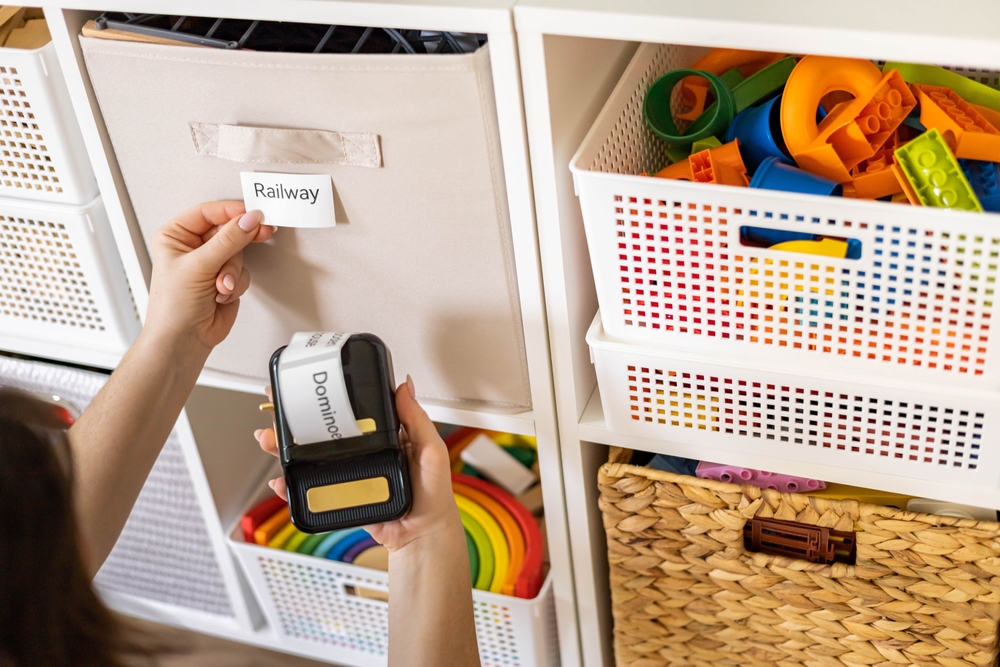
Unlabeled containers create confusion later. People forget content within months. Canadians often stack bins without identification. Searching for items becomes time-consuming. Opening multiple boxes defeats the purpose of storage. Clear labels allow quick retrieval when needed. Seasonal items benefit most from proper marking. Waterproof labels prevent fading or damage. Digital lists can complement physical tags. Organized storage reduces stress during future use. Family members can locate items independently. Clear systems save time year after year. Neglecting labels leads to repeated sorting sessions. A few minutes of labeling prevent hours of frustration later. Effective storage depends on accessibility, not just containment.
Taking On Repairs Without Proper Tools

Spring cleaning often reveals maintenance issues. Attempting repairs without suitable tools causes delays. Canadians may start projects impulsively. Improvised solutions rarely produce durable results. Tasks take longer when the equipment is inadequate. Incorrect tools can damage fixtures further. Safety risks also increase significantly. Hardware stores may be crowded during peak season. Researching requirements beforehand saves time. Some repairs are better left to professionals. Proper tools improve efficiency and precision. Completing tasks correctly prevents repeat work. Frustration rises when projects stall halfway. Planning equipment needs avoids unnecessary interruptions. Addressing repairs thoughtfully keeps the cleaning schedule on track.
Not Setting Time Limits for Each Task

Open-ended tasks can expand endlessly. Canadians may spend hours on minor details. Other areas remain untouched as a result. Time limits encourage focus and efficiency. Timers help maintain awareness of progress. Breaks can be scheduled between sessions. Prioritizing high-impact tasks first is useful. Without limits, fatigue accumulates quickly. Motivation drops when work feels endless. Structured timing keeps energy balanced. Families can coordinate shifts more easily. Visible progress boosts morale throughout the day. Setting realistic targets prevents disappointment. Completed sections provide a sense of accomplishment. Managing time effectively transforms a chaotic weekend into productive sessions.
Ignoring Seasonal Maintenance Like Smoke Detectors

Cleaning season is ideal for safety checks. Smoke detectors require battery replacement periodically. Canadians sometimes overlook this responsibility. Dust can interfere with sensor performance. Testing alarms takes only a few minutes. Carbon monoxide detectors need attention as well. Preventive maintenance protects households year-round. Emergency equipment should never be neglected. Fire extinguishers also require inspection. Spring reminders help establish routine checks. Ignoring safety tasks wastes an opportunity for prevention. Functioning alarms provide peace of mind. Maintenance now avoids emergencies later. Simple checks contribute to long-term security. Incorporating safety into cleaning routines makes the effort more meaningful.
Cleaning Outdoor Spaces Too Early in Unstable Weather

Early spring conditions can change rapidly. Cleaning patios or decks too soon may be pointless. Snow or heavy rain can undo progress quickly. Canadians sometimes act during brief warm spells. Moisture can damage freshly cleaned surfaces. Outdoor furniture may still be vulnerable to the cold. Waiting for stable forecasts produces better results. Tools and supplies remain cleaner when used at the right time. Repeating tasks wastes energy and water. Observing seasonal patterns helps with planning. Patience often saves more time than urgency. Outdoor cleaning should align with consistent conditions. Choosing the right moment prevents frustration. Proper timing ensures effort lasts through the season.
Using Too Much Water on Wooden Surfaces

Wood absorbs moisture easily and can warp. Excess water may damage floors or furniture permanently. Canadians sometimes use wet mops without caution. Proper cleaning requires minimal moisture. Specialized wood cleaners protect finishes better. Immediate drying prevents swelling or stains. Standing water can seep into joints or cracks. Long-term damage may be expensive to repair. Gentle methods maintain appearance and durability. Soft cloths often work better than soaking. Following manufacturer guidelines is important. Over-cleaning can be as harmful as neglect. Preserving wood requires careful technique. Using less water actually produces better results. Protecting surfaces prevents unnecessary restoration work later.
Disposing of Hazardous Waste Incorrectly

Cleaning often uncovers old chemicals or batteries. Improper disposal can harm the environment. Canadians must follow local guidelines for hazardous waste. Paint, solvents, and electronics require special handling. Regular trash collection may not accept these items. Community depots provide safe disposal options. Mixing chemicals can create dangerous reactions. Protective gloves reduce exposure risks. Planning disposal trips prevents accumulation. Responsible handling protects public health. Ignoring regulations may lead to fines. Safe practices demonstrate environmental awareness. Removing hazardous materials properly completes the cleaning process responsibly. Careful disposal ensures homes are not only clean but also safe.
Forgetting to Service Heating Systems Before Shutting Them Down

Heating systems work hardest during the winter months. Spring shutdown should include inspection and maintenance. Canadians sometimes forget until the next cold season. Dust and wear accumulate inside equipment. Servicing now prevents unexpected failures later. Filters may need replacement or cleaning. Professional technicians can identify hidden issues. Proper maintenance improves energy efficiency. Systems last longer when cared for regularly. Ignoring this step can lead to costly repairs. Scheduling service in the spring avoids peak demand periods. Documentation helps track maintenance history. Preparing equipment early ensures readiness for future use. This overlooked task protects both comfort and finances long term.
Starting Late in the Day and Running Out of Time

Beginning major cleaning in the afternoon reduces available hours. Canadians may underestimate task duration. Daylight fades before work is finished. Fatigue increases as evening approaches. Rushed work often produces poor results. Important steps might be skipped entirely. Starting early allows steady pacing. Morning energy levels are usually higher. Unexpected delays can be handled more easily. Adequate time prevents frustration. Completing tasks before nightfall improves satisfaction. Late starts often lead to unfinished projects. Planning realistic schedules avoids disappointment. Early preparation sets a productive tone. Time management is as important as the cleaning effort itself.
Not Asking for Help From Family Members

Cleaning an entire home alone is exhausting. Shared responsibility makes tasks manageable. Canadians sometimes hesitate to assign chores. Family members may be willing if asked clearly. Children can handle age-appropriate duties. Dividing work speeds progress significantly. Team efforts also reduce individual fatigue. Communication prevents duplication of effort. Shared goals create a sense of cooperation. Completing tasks together can even be enjoyable. Refusing help wastes valuable time. Support improves efficiency and morale. Clear instructions ensure consistent results. Collaboration transforms a stressful job into a collective achievement. Households benefit from working as a unit during major cleaning sessions.
Skipping Breaks and Burning Out Midway

Continuous work without rest leads to exhaustion. Productivity declines sharply after fatigue sets in. Canadians sometimes push too hard early in the day. Mistakes become more likely when tired. Short breaks restore energy and focus. Hydration and snacks support endurance. Stretching prevents muscle strain or injury. Scheduled pauses improve overall efficiency. Returning refreshed allows better performance. Burnout can halt progress entirely. Balanced pacing maintains motivation. Cleaning should not feel punishing. Regular rest makes the process sustainable. Completing tasks steadily is more effective than rushing. Taking care of personal well-being ensures the weekend effort succeeds.
22 Groceries to Grab Now—Before another Price Shock Hits Canada

Food prices in Canada have been steadily climbing, and another spike could make your grocery bill feel like a mortgage payment. According to Statistics Canada, food inflation remains about 3.7% higher than last year, with essentials like bread, dairy, and fresh produce leading the surge. Some items are expected to rise even further due to transportation costs, droughts, and import tariffs. Here are 22 groceries to grab now before another price shock hits Canada.
22 Groceries to Grab Now—Before another Price Shock Hits Canada
