March in Canada creates a unique style challenge because winter has not fully left, yet spring is already in sight. Mornings can be freezing, afternoons milder, and evenings cold again, all within the same day. As a result, Canadians are blending seasonal pieces rather than switching wardrobes completely. The focus is on layering, flexibility, and practical footwear that can handle wet sidewalks and sudden wind. Fashion trends during this time are less about runway looks and more about real-life comfort. Experts often note that Canadian spring dressing relies heavily on adaptable layers and weather-ready fabrics. Here are 17 March outfit trends Canadians are already wearing (even if it’s still cold).
Light Jackets Layered Over Warm Sweaters
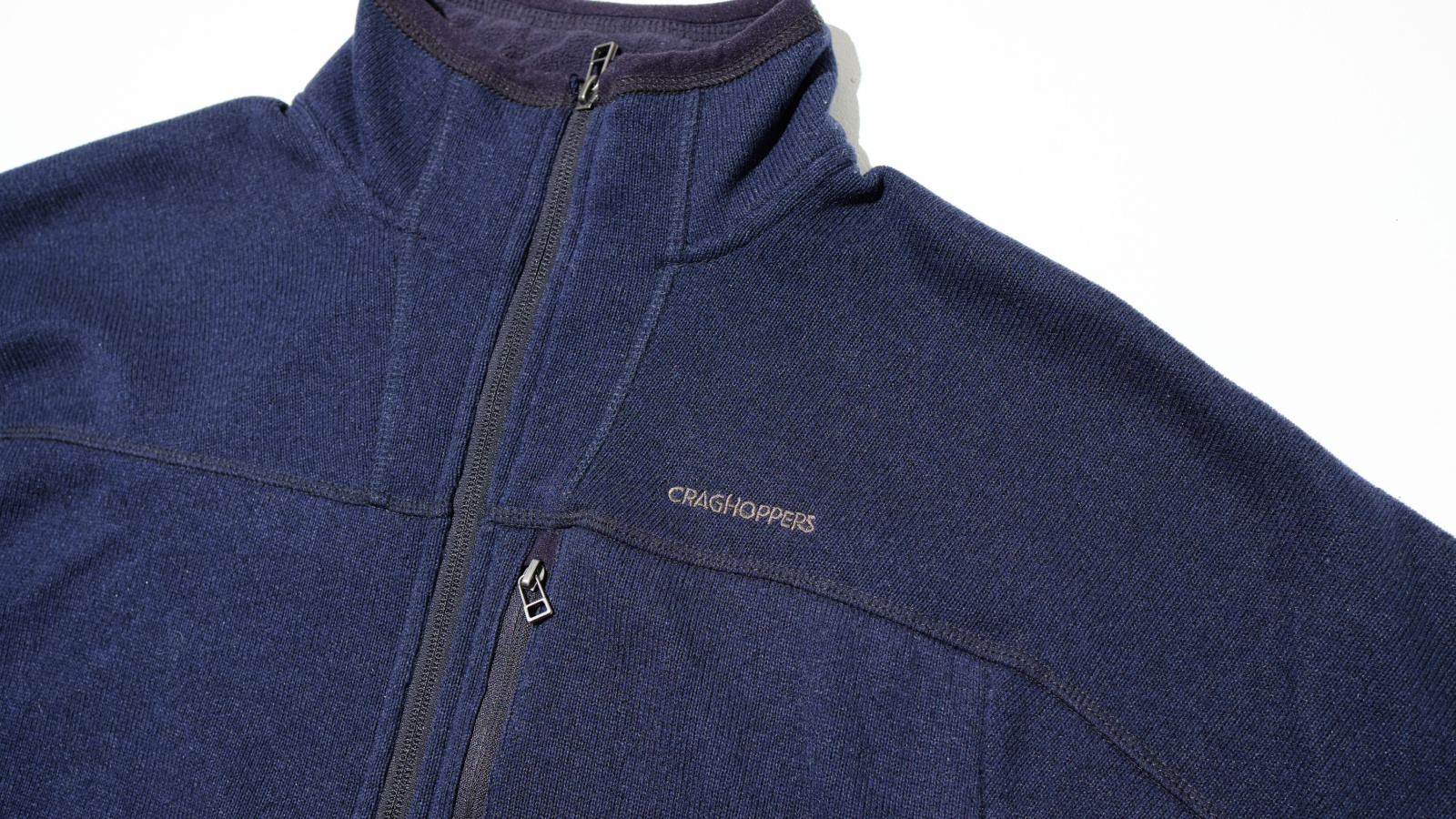
March weather in Canada often feels warmer than winter but still requires insulation. Many people wear lighter jackets over sweaters to balance comfort and practicality. The outer layer blocks wind while the knit underneath provides warmth. This combination works well for commuting, errands, or outdoor walks. If temperatures rise during the day, the jacket can be removed easily. Neutral colored jackets pair with most winter sweaters already in the wardrobe. This approach avoids packing away cold-weather clothing too early. It also reflects the unpredictable nature of early spring conditions. Layering allows flexibility without carrying heavy coats everywhere.
Trench Coats Paired With Hoodies

Trench coats are appearing earlier in the season, often worn over casual hoodies. This mix combines protection from wind and rain with everyday comfort. The hoodie adds warmth without the bulk of a sweater. Canadians like this pairing because it works for both casual and semi-formal settings. The structured coat keeps the look polished while the hoodie keeps it relaxed. Neutral trench colors match most outfits easily. If the weather turns colder, the hood can be pulled up for extra protection. This trend reflects the desire to transition into spring styles while staying prepared for chilly conditions.
Chunky Sneakers With Thick Socks
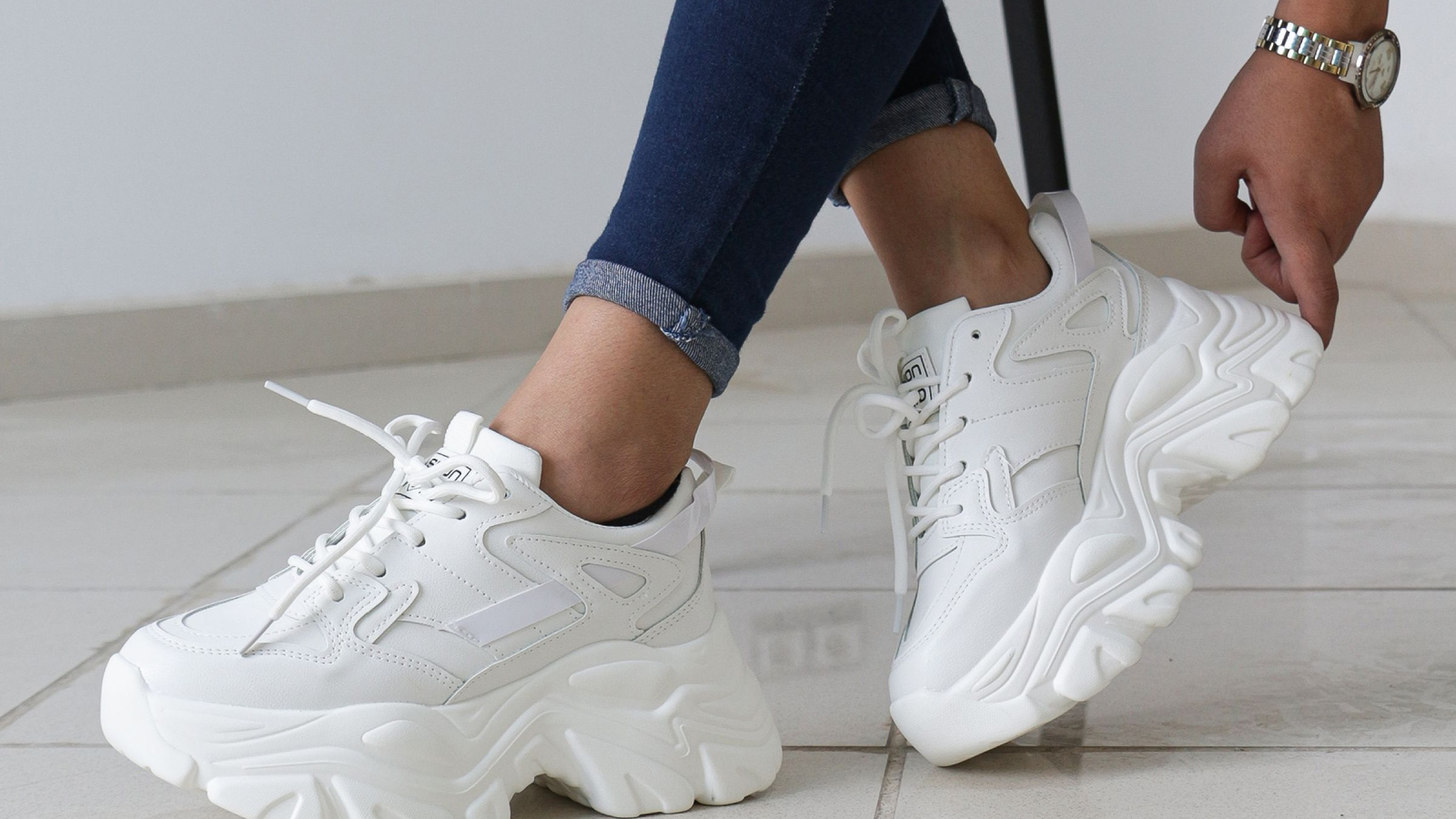
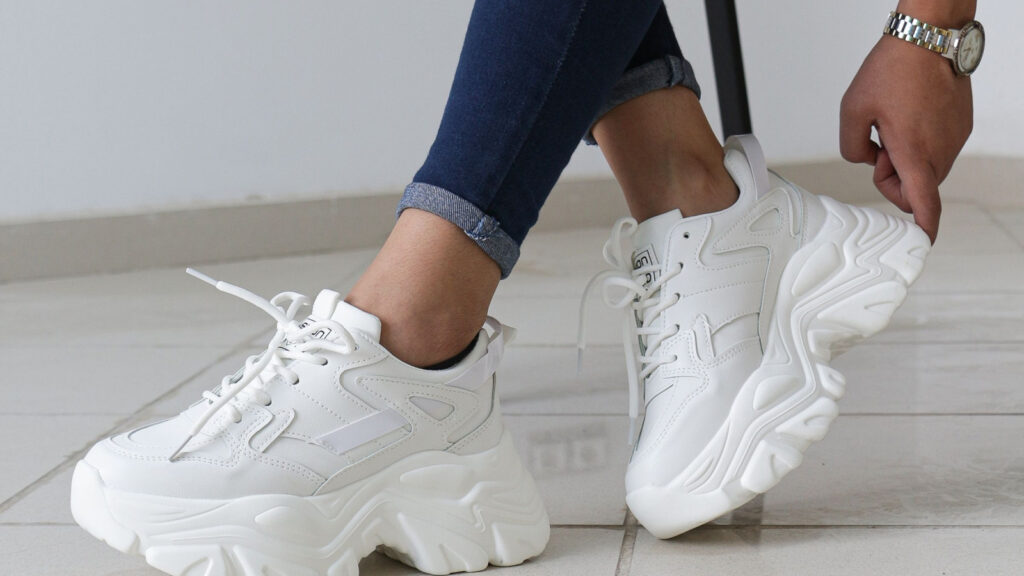
Snow boots start to feel excessive once the sidewalks clear, but temperatures may still be low. Many Canadians switch to chunky sneakers paired with thick socks for warmth. The sneakers provide better mobility than heavy winter footwear. Visible socks add both insulation and style. This combination works well for walking long distances or commuting. Breathable shoes prevent overheating indoors. Dark or neutral sneakers hide dirt from slush or puddles. Thick socks can be removed if conditions improve during the day. The look feels more relaxed than winter boots while still practical for cool weather. It marks a gradual shift toward spring footwear.
Midi Skirts Styled With Boots
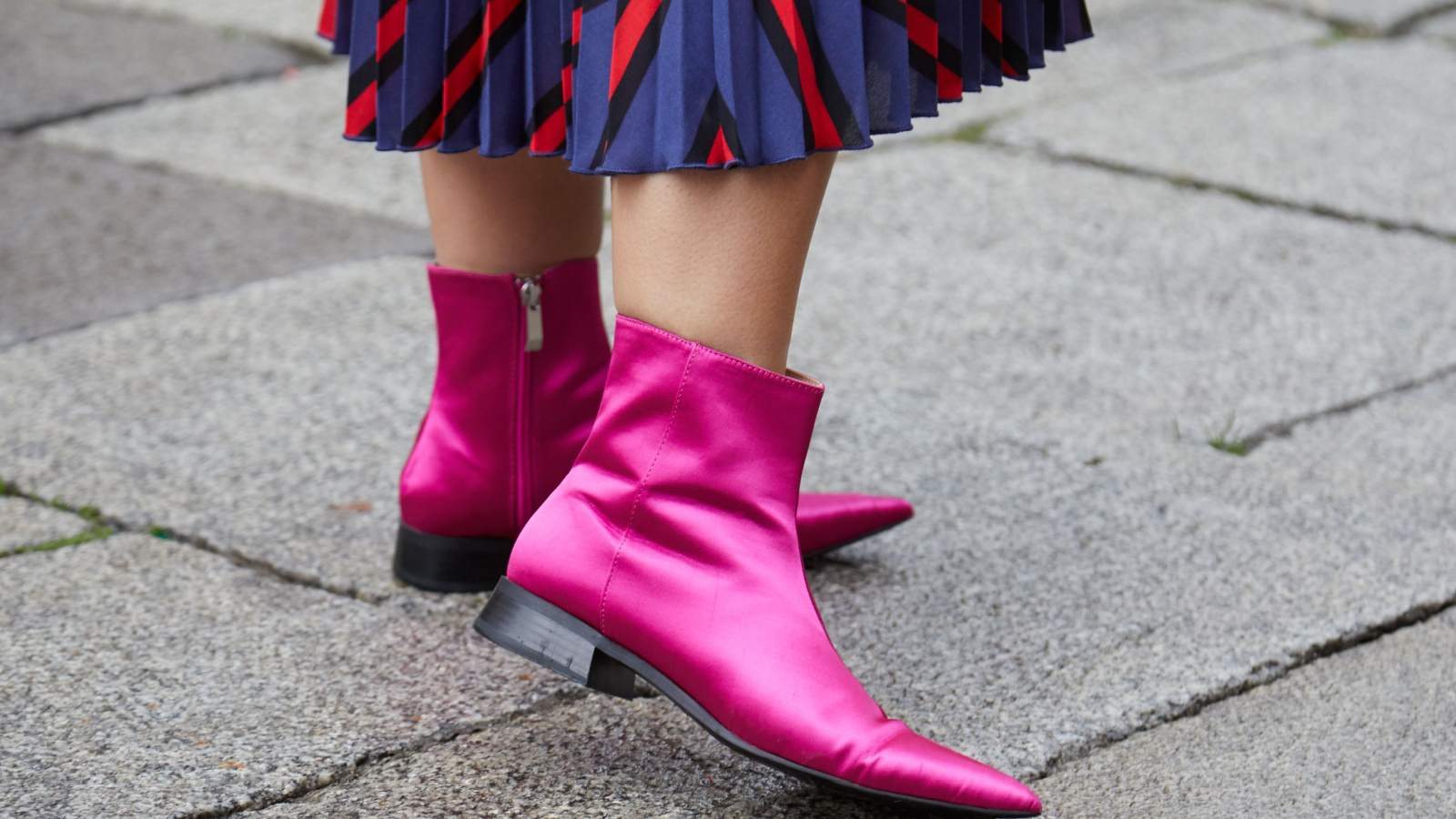
Skirts return to wardrobes in March, though temperatures remain cool. Canadians often wear midi skirts with tall or ankle boots to maintain warmth. The longer length provides coverage against wind while allowing movement. Boots anchor the outfit and protect feet from wet ground. Pairing skirts with sweaters or jackets creates a balanced look. This combination works for both work and social outings. Heavier fabrics are common early in the season. As temperatures rise, lighter materials replace them. Wearing skirts signals a seasonal change while still respecting the lingering cold. It blends practicality with a softer style.
Denim Jackets Under Heavier Coats

Layering a denim jacket beneath a winter coat allows people to transition gradually. Canadians use this method when mornings are cold but afternoons are milder. The outer coat can be removed later while the denim jacket remains comfortable. This approach adds visual interest through contrasting textures. Denim provides moderate warmth without excessive bulk. It also pairs easily with casual clothing. When temperatures stabilize, the heavier coat can be stored away completely. Until then, layering prevents discomfort during fluctuating conditions. This trend reflects adaptability rather than strict seasonal dressing rules.
Lightweight Scarves Instead of Wool Ones

Thick wool scarves become uncomfortable once freezing temperatures ease. Canadians are replacing them with lighter fabrics that still protect against wind. Cotton or linen blends provide warmth without trapping heat indoors. Lightweight scarves are easy to carry when not needed. They also complement spring outfits better than bulky winter accessories. Soft colors and simple patterns add subtle style. This change reduces bulk around the neck while maintaining comfort. It acknowledges that mornings can still feel cold even as afternoons warm up. Switching scarves is often one of the first visible signs of seasonal transition.
Quilted Vests Over Long-Sleeve Tops
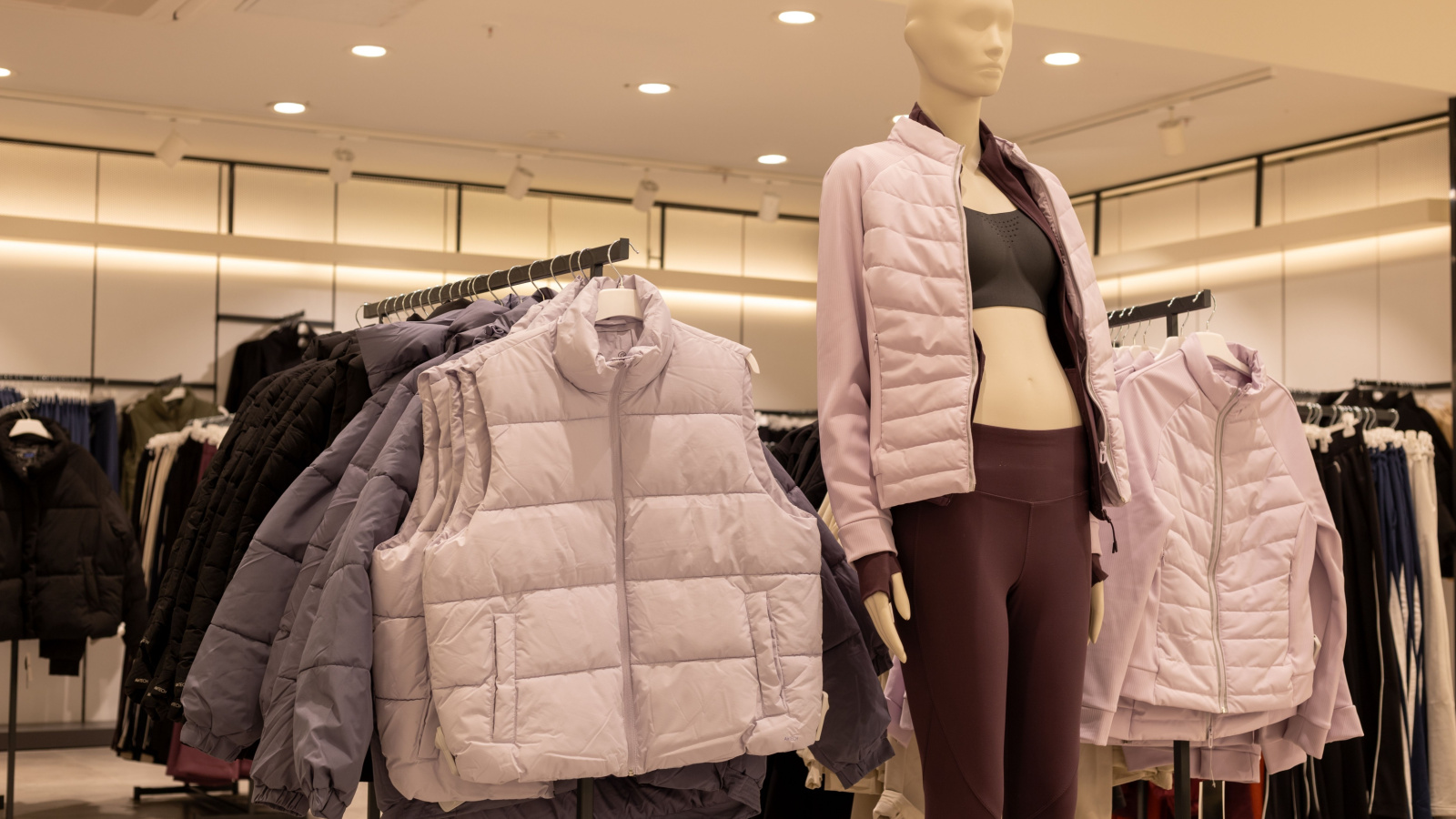
Quilted vests remain useful in early spring because they warm the core without restricting arm movement. Canadians layer them over long-sleeve shirts or thin sweaters for everyday wear. This combination works well for outdoor activities and casual errands. The vest can be removed easily if the day becomes warmer. Lightweight insulation provides comfort without the heaviness of full jackets. Many designs include pockets for convenience. Neutral colors coordinate with multiple outfits. This trend supports mobility while offering enough protection for cool temperatures. It is especially popular in regions where conditions change quickly throughout the day.
Beanies With Lighter Spring Outfits

Even as clothing becomes lighter, hats remain necessary on cold mornings. Canadians continue wearing beanies with spring outfits to retain warmth. Thinner knit versions replace heavy winter hats. These lighter styles fit easily into pockets once removed. Beanies pair well with casual jackets and scarves. They also protect ears from the wind without overheating. Bright or neutral colors can soften winter looks. This accessory allows people to adopt spring clothing while staying comfortable. Removing it later in the day signals rising temperatures. The combination reflects cautious optimism about warmer weather ahead.
Neutral Tones Replacing Dark Winter Colors
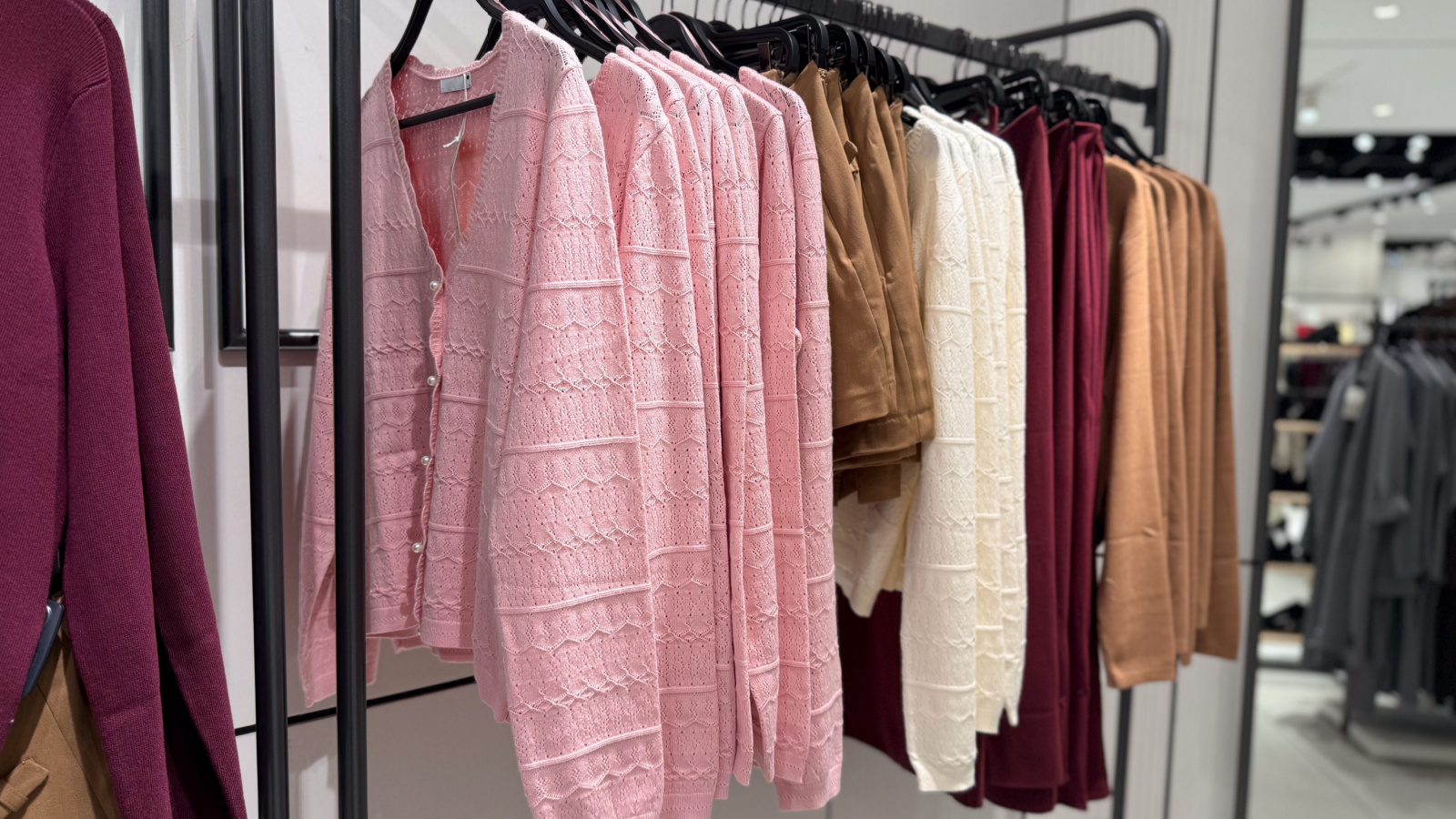
Dark clothing dominates winter wardrobes, but March often brings a shift toward lighter neutrals. Canadians are choosing beige, cream, and soft grey pieces to reflect seasonal change. These colors feel brighter without being overly bold. Neutral tones mix easily with existing winter items, allowing gradual updates. Lighter shades also reflect sunlight, which can improve visibility outdoors. This change influences overall mood, making outfits feel fresher. Accessories often follow the same palette. The transition does not require buying entirely new clothing. Simply introducing lighter colors helps signal the approach of spring while remaining practical for cool conditions.
Straight-Leg Jeans With Ankle Boots
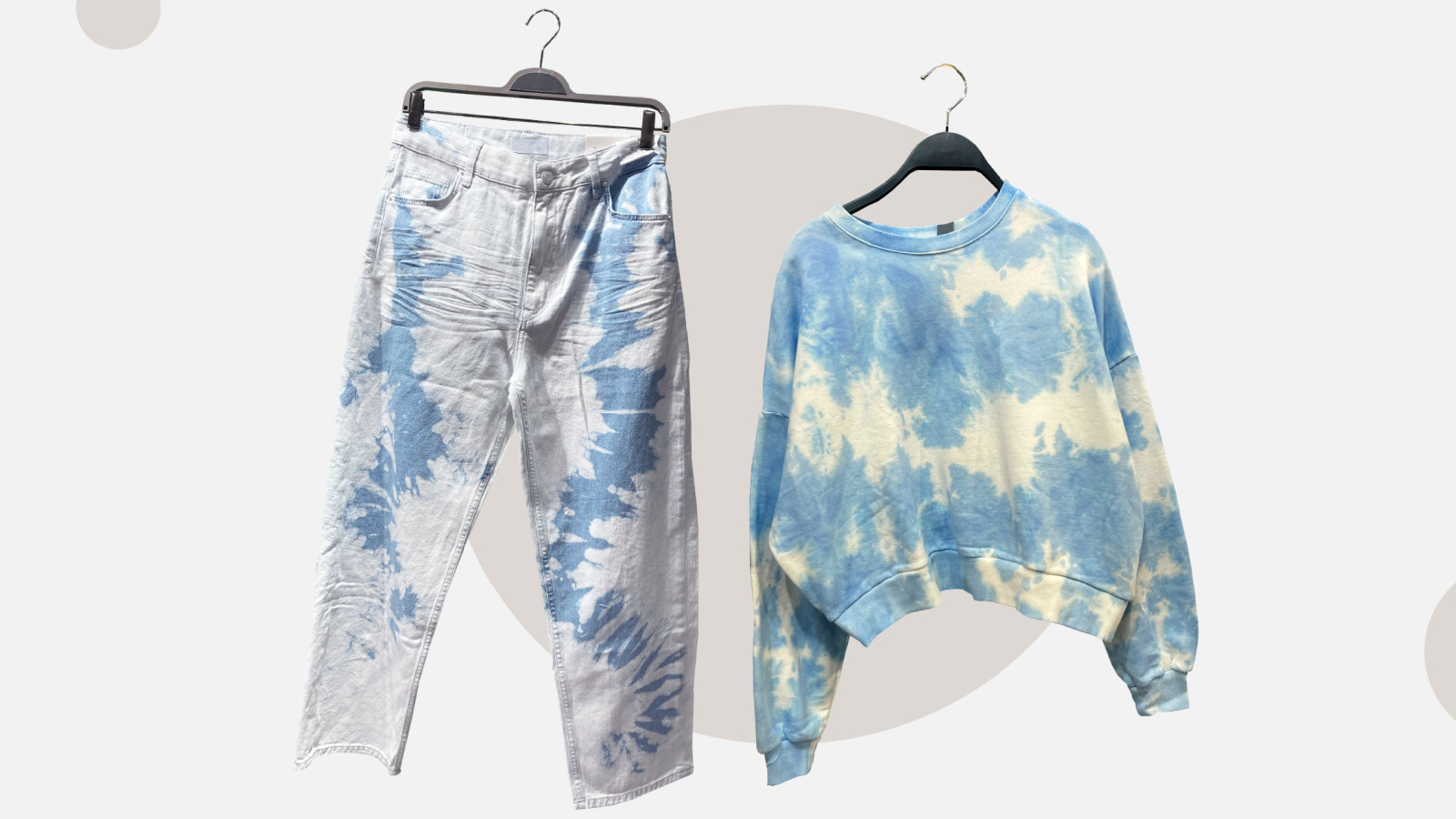
Straight leg jeans remain comfortable in cooler weather and pair naturally with ankle boots. Canadians favor this combination because it protects against puddles and wind. The jeans fit easily over or inside boots without bunching. This style works for both casual and professional environments. Dark washes remain common early in the season, gradually shifting to lighter tones later. Ankle boots provide traction on wet surfaces. The look feels structured but not overly formal. It bridges the gap between winter insulation and summer lightness. This pairing remains reliable during unpredictable weather transitions.
Oversized Blazers With Knit Layers

Blazers typically belong to warmer seasons, yet Canadians are already incorporating them into March outfits. Oversized styles fit comfortably over sweaters or knit tops. This layering maintains warmth while introducing a more tailored silhouette. The blazer protects against mild wind without requiring a heavy coat. Neutral fabrics allow versatile styling. This combination suits workplaces where bulky outerwear feels impractical indoors. Removing the blazer later in the day is simple if temperatures rise. The trend reflects a gradual move toward spring fashion without abandoning winter comfort completely.
Long Cardigans as Outerwear on Mild Days

On relatively mild days, long cardigans sometimes replace traditional jackets. Canadians wear them over shirts or light sweaters for casual comfort. The extended length provides warmth without weight. Soft fabrics allow easy movement during daily activities. Cardigans are also easy to remove and carry if temperatures increase. Neutral tones coordinate with most wardrobes. This option works best when precipitation is unlikely. The look feels relaxed yet intentional. Using knitwear as outerwear signals that heavy coats are no longer essential. It offers a comfortable middle ground between winter protection and spring lightness.
Waterproof Footwear With Casual Looks
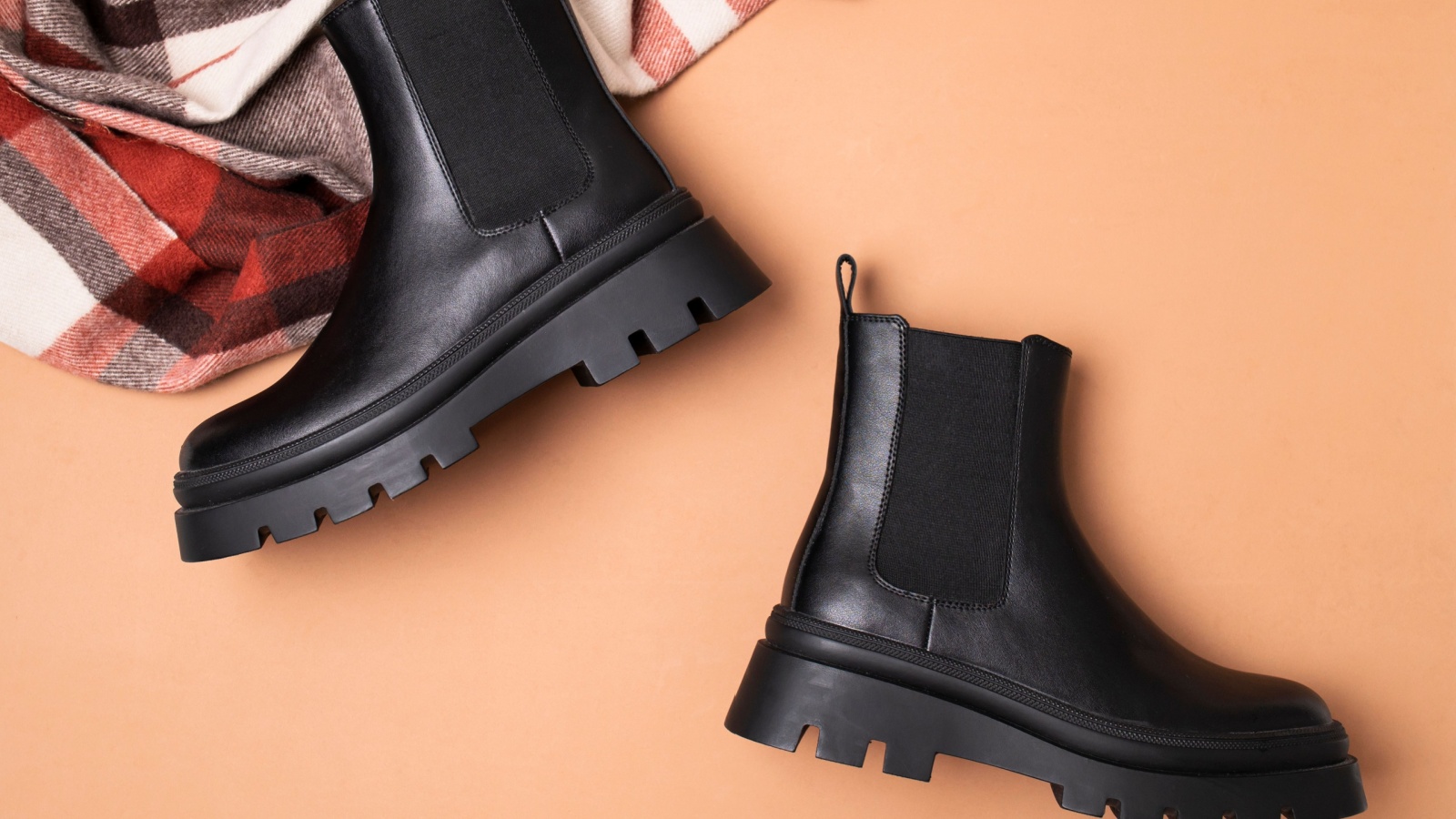
Melting snow and spring rain create wet conditions even after temperatures rise. Canadians rely on waterproof shoes paired with everyday clothing. These shoes prevent soaked feet without requiring bulky winter boots. Casual styles blend easily with jeans or athleisure outfits. Slip-resistant soles improve safety on slick surfaces. Lightweight materials reduce fatigue during long walks. Waterproof footwear allows people to adopt spring clothing confidently. It also reduces the need to carry spare shoes. This practical choice reflects real conditions rather than calendar dates. Comfort and dryness remain priorities until surfaces fully dry.
Crossbody Bags Instead of Bulky Winter Bags

Large winter bags often carry gloves, scarves, and extra layers. As these items become less necessary, Canadians switch to smaller crossbody bags. Compact designs reduce shoulder strain and improve mobility. Crossbody styles keep essentials secure while leaving hands free. Lighter materials feel more comfortable with spring clothing. Neutral colors coordinate with multiple outfits. This change simplifies daily routines by encouraging minimal carrying. Smaller bags also complement lighter outerwear. The transition reflects fewer bulky accessories overall. Downsizing signals that winter’s heavy requirements are easing, even if cold weather occasionally returns.
Sunglasses on Bright but Cold Days

Spring sunlight can feel intense even when temperatures remain low. Canadians are wearing sunglasses to reduce glare from lingering snow and bright skies. Eye protection becomes important during outdoor activities and commuting. Sunglasses also add a polished element to casual outfits. Lightweight frames are easy to carry when not needed. The accessory signals seasonal change more than warmth. Bright light often arrives before comfortable temperatures do. Wearing sunglasses acknowledges this difference. It allows people to embrace longer days while staying protected from harsh reflections.
Athleisure Sets With Added Outer Layers

Comfortable athletic wear continues to be popular, even in cooler months. Canadians pair athleisure sets with jackets or vests to maintain warmth outdoors. Stretch fabrics allow movement for walking or errands. Neutral colors keep the look coordinated. Outer layers can be removed indoors without changing outfits. This style suits busy routines where comfort is a priority. Breathable materials prevent overheating once inside. The combination reflects a balance between practicality and casual style. Athleisure remains functional across seasons with minor adjustments.
Mixing Winter and Spring Pieces Together
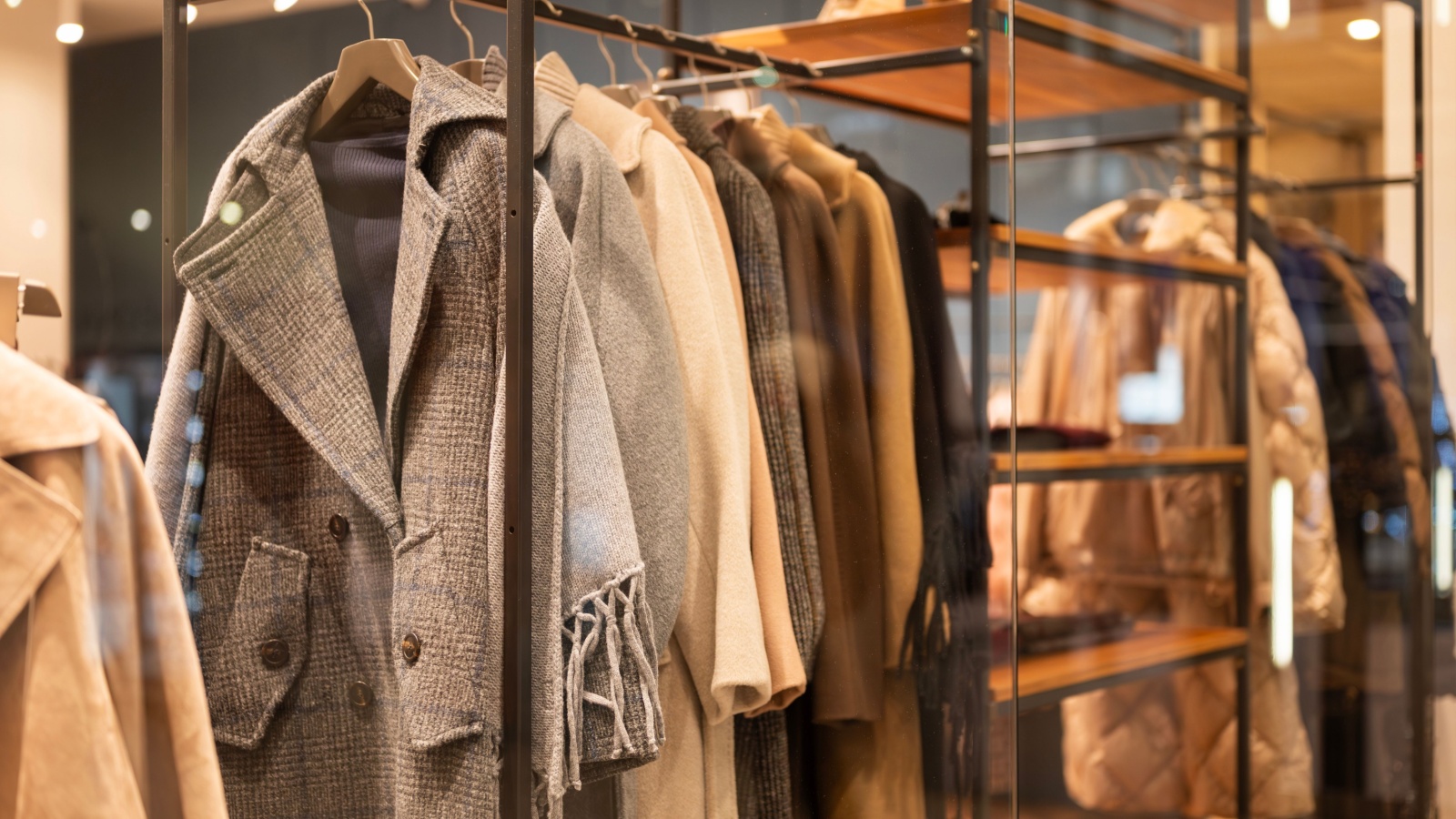
March dressing rarely follows strict seasonal rules. Canadians often combine winter items with spring clothing to adapt to changing conditions. A heavy sweater might be paired with lighter shoes, or a spring coat worn over thermal layers. This flexible approach reduces the need for a complete wardrobe switch. It also prevents discomfort during sudden temperature drops. Mixing pieces allows personal comfort to guide choices rather than calendar dates. Storage transitions happen gradually instead of all at once. This trend reflects practicality and experience with unpredictable weather. Adapting outfits daily ensures readiness for whatever conditions the day brings.
22 Groceries to Grab Now—Before another Price Shock Hits Canada

Food prices in Canada have been steadily climbing, and another spike could make your grocery bill feel like a mortgage payment. According to Statistics Canada, food inflation remains about 3.7% higher than last year, with essentials like bread, dairy, and fresh produce leading the surge. Some items are expected to rise even further due to transportation costs, droughts, and import tariffs. Here are 22 groceries to grab now before another price shock hits Canada.
22 Groceries to Grab Now—Before another Price Shock Hits Canada
